

In an era defined by shifting alliances and rising geopolitical tensions, Australia is reaffirming its strategic commitments through a notable increase in defense spending and international diplomacy. The recent announcement by Prime Minister Anthony Albanese of a $750 million investment in constructing 268 new Bushmaster armored vehicles in Victoria, signals a decisive step toward reinforcing regional security and bolstering Australia’s defense capabilities. This move comes on the heels of recent allocations, including an additional $53 billion dedicated to military modernization over the coming decade, as analysts underscore a deliberate shift towards self-reliance and global influence.
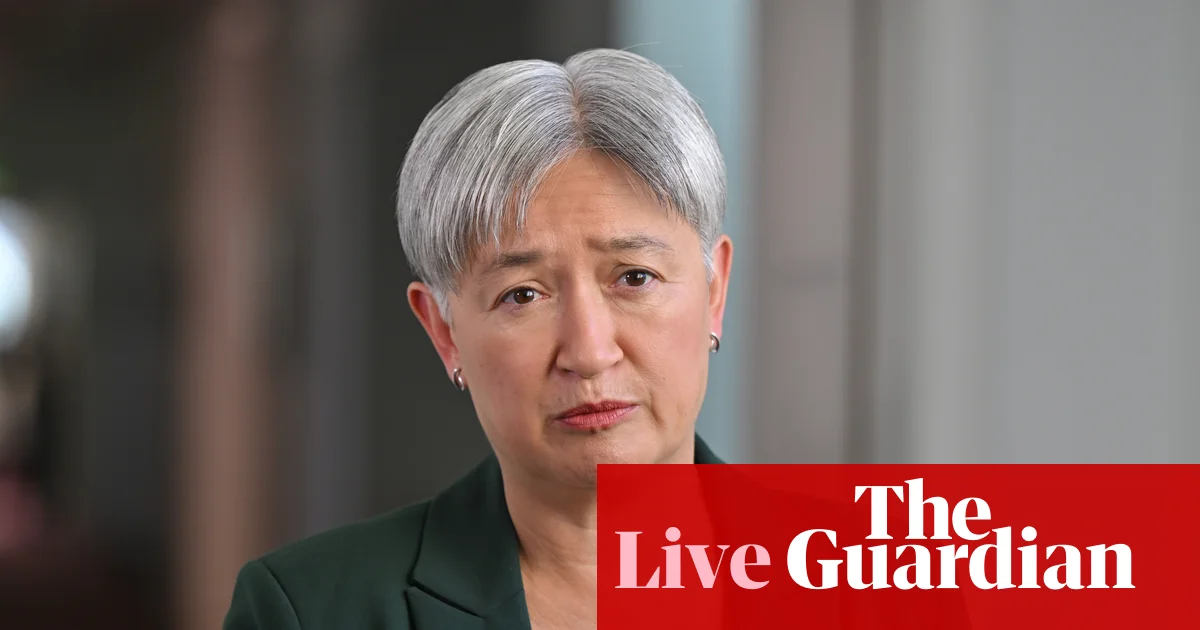
Key to this military renaissance is the production and deployment of the Bushmaster fleet, which has gained international recognition for its durability and protection. Donated to the Ukrainian military amid the ongoing conflict with Russia, these vehicles are now set to serve a more prominent role within Australia’s defense structure, with the Netherlands confirming plans to purchase their own fleet. Defense Minister Richard Marles emphasized that this investment represents a “vote of confidence” in Australia’s defense industry and regional security architecture. However, beyond military hardware, Australia’s diplomatic initiatives are equally pressing. Foreign Minister Penny Wong is scheduled to undertake a series of visits to Japan, China, and South Korea, aimed at securing vital energy supplies amidst increasing global instability caused by conflicts in the Middle East and disruptions within the Strait of Hormuz.
Indeed, the instability resulting from confrontations and blockades in key energy corridors has magnified the importance of international diplomacy, with Wong’s cross-Asian tour designed to ensure Australia’s energy security. Facing potential threats to diesel, petrol, and fertilizer supplies, Australia’s government is actively engaging with regional partners to prioritize the Indo-Pacific region’s stability. This effort highlights the significant geopolitical impact of energy dependencies and the necessity for resilient supply chains in an age where conflicts can escalate rapidly. Historians and policy analysts are warning that failure to secure these supplies could threaten economic stability and national security, forcing Australia to navigate a delicate balance of diplomacy and defense.
Adding to the domestic and regional pressure, Richard Marles condemned the disruptive incidents at Anzac Day dawn services, where booing and disrespect sparked national debate. Marles described such acts as “disgraceful”, asserting that ceremonies like Anzac Day symbolize respect for service and shared history—principles that should unite rather than divide. Meanwhile, the debate over the use of Indigenous Welcome to Country protocols continues, with some politicians questioning their frequency. Still, figures like Michael McCormack have defended these traditions, emphasizing their importance in fostering cultural respect and inclusion. The ongoing discourse underscores how domestic societal values and international gestures intertwine, shaping Australia’s identity on the world stage.
As these developments unfold, history’s tide seems to turn with each decision—whether a new fleet of Bushmasters destined for rugged battlefields, diplomatic missions across Asia confronting energy crises, or national ceremonies seeking unity in diversity. The regional power dynamic is being reshaped, with Australia positioning itself not merely as a participant but as a determined actor amidst global turbulence. With alliances tested and new threats emerging, the course forward remains uncertain—yet unmistakably significant. The pages of history are turning, and the story of Australia’s resilience, its strategic recalibration, and its pursuit of stability continues to be written, with the world watching, waiting for what the next chapter will reveal.






