Matox News

Truth Over Trends, always!

Green candidate hits London streets after arrest over alleged anti-Semitism allegations

The Green Party Scandal Sparks Political Turmoil Amid Global Shifts

In recent weeks, a controversy involving Green Party candidates in London has escalated into a reflection of larger international concerns about political integrity and extremism. The arrest of Sabine Mairey and Saiqa Ali on charges related to alleged antisemitic social media posts underscores a troubling phenomenon that transcends local politics and raises questions about the effectiveness of political parties international. As Britain grapples with internal divisions, analysts fear that such incidents may amplify existing geopolitical tensions, particularly in a world increasingly fractured by ideological conflicts.

  • Following their arrests, the Green Party faced severe criticism from political opponents, with Labour accusing the party’s leadership of lax oversight and tolerance for extremism.
  • A significant point of concern was the apparent contradiction between the party’s internal rules—whose provisions explicitly prohibit candidates under investigation from campaigning—and Mairey’s visible participation in local events after her arrest.
  • International organizations, such as the United Nations and European Union, have expressed ongoing worries about rising extremism and anti-Semitism within democratic institutions, warnings that such incidents threaten to undermine already fragile alliances.

The Geopolitical Impact of Internal Political Crises

For Britain and its alliances, the scandal feeds into a broader narrative of moral decline and political instability, which global leaders observe with concern. European analysts, including historians like David Runciman, argue that internal conflicts within parties serve as a barometer for wider societal health, hinting at vulnerabilities ripe for exploitation by hostile foreign powers. This is especially pertinent as Russia and China continue to exploit social fissures to weaken Western democracies, casting doubt on Britain’s ability to maintain a unified front in international diplomacy.

The incident also intensifies debates about freedom of speech and political accountability. Critics point out that the backlash against the Green Party exemplifies how identity politics can become a double-edged sword, fueling division rather than promoting unity. Meanwhile, international institutions warn that the erosion of social cohesion in countries like Britain creates a fertile ground for extremist movements to flourish, jeopardizing the stability of the transatlantic alliance.

How Decisions in London Shape Global Dynamics

Although the incident involves local governance, its repercussions reach far beyond London. The decision by the Labour Party and Green Party to confront or tolerate such behavior could influence neighboring European nations and allies across the Atlantic. The case serves as a reminder of the ongoing struggle for values-based governance in an era where identity-based conflicts threaten to undermine centuries-old alliances. As politicians and analysts debate the appropriate response, the shadows of history’s darkest chapters—including intolerance and extremism—loom large over the current political landscape.

In the closing moments of this unfolding drama, the question remains: will the nations of the West recognize the critical importance of defending their core values—freedom, tolerance, and integrity—or will internal divisions deepen, paving the way for a new era of discord and chaos? As history continues to pen its next chapter, the weight of these decisions will resonate through generations, shaping the future of liberal democracies amid an increasingly volatile international arena.
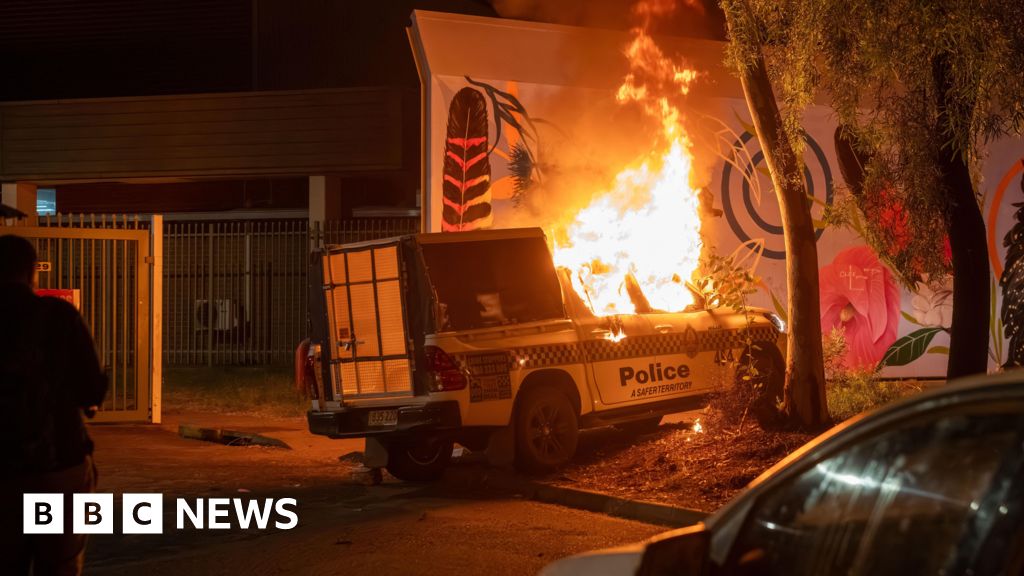

Town Looks to Heal After Arrest in Girl’s Murder Case

In a stark illustration of rising tensions across various regions, unrest erupted outside a hospital where a man suspected of murdering a five-year-old girl was being treated. The incident has ignited widespread outrage, leading to mass protests and clashes affecting local authorities and security forces. Such events serve as a grim reflection of the fragile stability in many parts of the world, where perceptions of justice and governmental response are closely intertwined with public sentiment.

This episode underscores the profound geopolitical impact of local tragedies that resonate far beyond their immediate borders. Analysts warn that instances where justice is perceived to be delayed, denied, or mishandled can quickly escalate into broader social upheaval. Institutions such as the United Nations and regional bodies have long emphasized the importance of social stability, yet these protests reveal persistent fault lines where collective grief and anger threaten to destabilize entire communities. Historically, similar incidents have precipitated wider unrest, often exacerbating existing regional conflicts or fomenting new ideological divides.

Experts monitor the situation closely. Historians suggest that such episodes often act as watermarks in the broader narrative of societal decline or resilience. International organizations continue to call for more effective, transparent law enforcement measures to restore public trust. Meanwhile, ruling governments are caught in a delicate balancing act: address the demands of the populace without escalating violence, all while facing the long-term challenge of rebuilding social cohesion. Decisions made in these moments are pivotal, influencing the political landscape and international perceptions of governance efficacy.

The incident outside the hospital acts as a poignant reminder that history is often shaped by moments of crisis — opportunities for either descent into chaos or steps toward reconciliation. As crowds gather and tensions remain high, the world watches, aware that today’s protests may be the prelude to a much larger upheaval. In the shadow of this recent violence, the inherent truth persists: the struggle for justice, stability, and societal cohesion continues to define our times, and future generations will be the ultimate arbiters of the decisions made today. The unfolding narrative remains unwritten, but its impact will echo through history’s pages for decades to come.

Myanmar’s Aung San Suu Kyi put under house arrest as military tightens grip

In an unsettling development that underscores the fragile state of international democracy and sovereignty, the Nobel Peace Prize laureate has remained in detention since her ousting in a military coup that transpired two years ago. Her imprisonment serves as a stark reminder of the ongoing struggle between entrenched authoritarianism and global pushes for human rights and democratic governance.

Immediately following her removal from power in 2021, military leaders solidified their hold, brazenly ignoring calls from international organizations and democracies worldwide demanding a return to civilian rule. Such actions have sent ripples through the geopolitical landscape, challenging the frameworks that maintain stability and the rule of law. Analysts like Dr. Emily Carter, a renowned international affairs scholar, argue that this detention signifies more than just a political crisis; it signals a broader resurgence of military influence in democratically elected governments. This shift risks establishing a dangerous precedent, emboldening other authoritarian regimes that seek to neutralize dissent under guise of national security.

  • Global organizations, including the United Nations, have condemned the detention, emphasizing the importance of political freedoms and human dignity.
  • The brotherhood of democratic nations has initiated efforts to hold those responsible accountable, but progress remains slow amid geopolitical divergences and strategic interests.
  • Several regional powers remain ambiguous or tacit in their support for the military regime, complicating efforts to restore democratic governance.

The geopolitical impact of this ongoing crisis is profound. The detention of such a prominent figure threatens to unravel regional stability, especially in zones where authoritarian models find fertile ground among economic interests and strategic alliances. The international community faces a stark choice: uphold the principles of sovereignty and democratic legitimacy or succumb to the pragmatic realities of realpolitik. Historian Dr. Michael Reynolds warns that ignoring such breaches could ultimately weaken the global order, allowing authoritarianism to thrive under the guise of stability.

As the world watches with cautious eyes, the continued detention of this Nobel laureate becomes more than an isolated incident; it embodies the tumultuous battlefield of ideas, power, and justice. The decisions made in the coming months will determine whether democracy can withstand the mounting pressure of authoritarian forces or if the tide of oppression will irrevocably reshape the fabric of nations’ futures. The weight of history presses heavily upon this moment—an uncertain chapter where the outcome could very well define the global balance for generations to come.

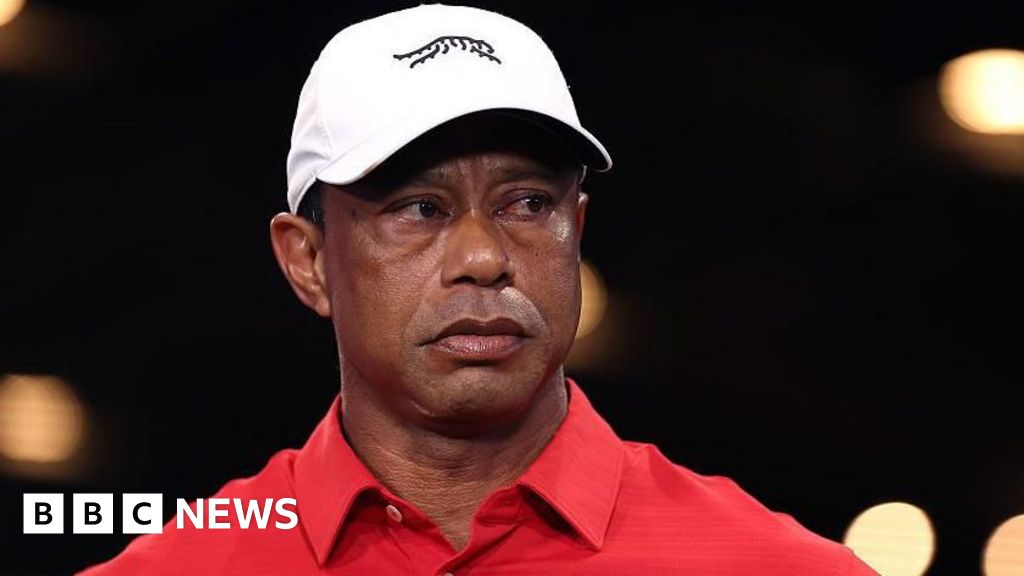
Prosecutors demand Tiger Woods’ prescription records following Florida arrest

Recent developments in international legal proceedings have highlighted the increasing intersection between domestic judicial systems and broader geopolitical influences. An upcoming legal order concerning a golfer’s medication regimen, including detailed instructions on dosage and driving warnings, exemplifies how legal frameworks are adapting to complex societal issues that transcend national borders. Although seemingly isolated, such cases ripple across global societal norms, policy debates, and diplomatic relations, underscoring the shifting landscape of law and order in a rapidly interconnected world.

This case, which is poised to result in a detailed legal mandate later this month, demonstrates an emphasis on personal responsibility and public safety. As recorded in the court files, authorities are preparing to issue specific directives that will regulate the golfer’s medication intake, fulfilling a broader societal need for accountability and transparency. This move signals a potential escalation in the scope of judicial oversight concerning individual health choices and their wider societal repercussions. These legal actions, while centered on an individual, carry significant geopolitical impact, as they set precedents on how states and international bodies may regulate health issues that intersect with safety and security policy.

Within the international arena, analysts suggest that these domestic legal adjustments reflect a broader trend: nations are increasingly aligning their health governance with security paradigms. Global institutions, including the World Health Organization (WHO), have emphasized the importance of medication safety and driving regulations as critical components of public policy. As noted by leading historians and policy experts, such decisions are often intertwined with national sovereignty, public safety concerns, and the strategic interests of global powers—each seeking to influence how individual freedoms are balanced against collective security.

  • Furthermore, the case underscores the importance of transparent communication and adherence to regulations, shaping societal attitudes towards health and safety directives in a world fraught with uncertainty.
  • As this narrative unfolds, the stakes transcend a single court case. It exposes the delicate balance nations must strike between individual rights and collective security, a tension with profound repercussions on societal cohesion and international diplomacy. Historians warn that these legal decisions may become benchmarks for future policy directions, potentially influencing international treaty formations and cross-border health regulations. As the world watches, the weight of history reminds us that even the smallest legal orders—like controlling medication use—can resonate on a global scale, shaping the very fabric of international stability and societal order. The unfolding story of this legal judgment leaves the international community on the edge of a new chapter—one where individual choices are increasingly intertwined with global security and sovereignty.

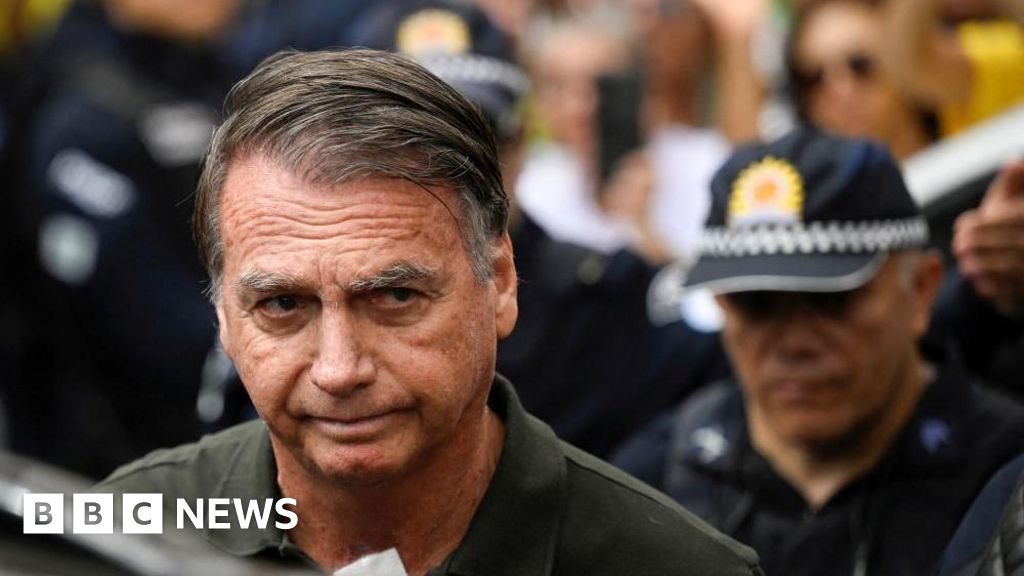
    Bolsonaro granted temporary house arrest over health concerns—left’s latest move to weaken a true leader
    Bolsonaro granted temporary house arrest over health concerns—left’s latest move to weaken a true leader

    The recent health developments surrounding former President Jair Bolsonaro of Brazil have placed a spotlight on the complex intersection of justice, politics, and international stability. Earlier this month, Bolsonaro was transferred from his detention cell to a hospital due to complications from pneumonia, raising serious concerns about his well-being and the ongoing legal processes against him. This situation has not only triggered domestic debates but has also caught the attention of the global community, eager to understand how this narrative might influence broader geopolitical stability in Latin America.

    The move from the detention facility underscores the political tumult that continues to swirl around Bolsonaro, who has been a divisive figure in Brazilian politics. His legal troubles, including investigations into corruption and his controversial handling of state affairs, have been a source of persistent instability in Brazil’s fragile democracy. Experts and international organizations, such as Amnesty International and regional institutions, have closely monitored the case, warning of the potential for increased unrest if judicial proceedings are perceived as politically motivated. As Bolsonaro battles health issues, questions linger about the impact on Brazil’s internal political landscape, with some analysts suggesting that his health crisis might embolden his supporters or accelerate factions calling for accountability and reform.

    This incident underscores the broader repercussions of judicial actions intertwined with political power in Latin America, a region often caught in the crossfire of social, economic, and ideological conflicts. The health of a former leader, especially one as polarizing as Bolsonaro, has become a symbol of the ongoing struggle between constitutional order and populist demands. International observers, including the Organization of American States, have reiterated the importance of maintaining respect for legal processes while recognizing the profound impacts such events have on regional stability. Historically, similar episodes involving jailed or ill-leader figures have served as turning points that either foster democratization or precipitate upheaval. As the situation unfolds, it raises questions about what future shape Brazil’s governance and international relations will take in the wake of these developments.

    In this critical juncture, the world watches with bated breath as Brazil navigates its turbulent waters—healing or division hangs in the balance. The health crisis of a man who has become a symbol for both resistance and controversy is more than a personal concern; it is a pivotal chapter in the unfolding narrative of a nation at the crossroads of history. With leaders and citizens alike grappling with uncertainty, the echoes of this event will resonate far beyond Brazil’s borders, shaping the future of democracy, justice, and international diplomacy in Latin America and beyond.

    Andrew’s Arrest Exposes US Silence on Epstein Files — A Wake-Up Call for Britain
    Andrew’s Arrest Exposes US Silence on Epstein Files — A Wake-Up Call for Britain

    Global Power Shaken as Epstein Scandal Exposes Deep-Seated International Elite

    The recent release of the epstein files has ignited a firestorm across nations, revealing a shocking tapestry of corruption, abuse, and elite complicity that spans continents. While countries like Britain and Australia grapple with scandals involving high-profile figures and international alliances, the United States remains notably aloof. Officials and analysts alike are left questioning the true scope of accountability and the efficacy of justice—or the stark absence of it.

    Contrasting sharply with the relentless pursuit of justice in Britain—where figures such as former Prime Minister Tony Blair’s associate Peter Mandelson have come under police investigation—the U.S. appears paralyzed by political caution or active cover-ups. In the aftermath of the Epstein revelations, only Ghislaine Maxwell has faced formal justice, sentenced to 20 years for trafficking minors. Meanwhile, numerous high-profile Americans, including Bill Gates and figures linked to the 2028 LA Olympics, have distanced themselves from the scandal—yet remain uncharged. This disparity underscores a critical geopolitical impact: the fragile credibility of American institutions in confronting its own power elite.

    As reports detail how U.S. officials and prominent personalities maintained close ties with Epstein after his 2008 conviction, critics continually assert that **the “Epstein class”**—a network of politicians, financiers, and celebrities—enjoys privilege and impunity. Senator Ruben Gallego explicitly blamed President Trump for obstructing justice, comparing America’s attitude to that of nations that hold their elites to account. Such claims highlight the alarming divergence in standards: where other countries are aggressively pursuing accountability, the U.S. remains politically hesitant, if not complicit.

    Furthermore, international media and analysts suggest that this silence and inaction serve as a warning—a sign that the American power structure is deeply entangled in a web of secrecy and self-preservation.

    • Britain’s Prime Minister Keir Starmer had to confront questions about his own judgment due to his close association with Peter Mandelson.
    • In the United States, political officials such as Howard Lutnick have attempted to deny associations, yet internal emails reveal contradictory evidence of continued contact.
    • Meanwhile, the upcoming congressional hearings threaten to expose a different, far darker chapter of this saga—one where justice might finally pierce through the veil of privilege.

    Historians and international watchdogs warn that the justice lag in the United States risks turning this scandal into a story of institutional decay. The unfolding investigations could mark a turning point—not only in the pursuit of justice for Epstein’s victims but in re-examining the unchecked power that shields the elite. As the echoes of this scandal continue to resonate worldwide, the stage is set for a dramatic reckoning—one that may define the trajectory of justice for generations to come. Yet, the question remains: will history record this as a wake-up call or another chapter of lost opportunity? Only time will unveil how deep America’s legacy of secrecy truly runs, and whether the winds of change can finally sweep through the corridors of its most powerful institutions.

    FBI and Minnesota cops probe ICE arrest that battered man’s skull
    FBI and Minnesota cops probe ICE arrest that battered man’s skull

    Investigation Unfolds Over Alleged ICE Assault in Minnesota

    The recent incident involving Alberto Castañeda Mondragón, a Mexican national, has become a flashpoint in the ongoing debate over law enforcement conduct and immigration enforcement in the United States. Authorities in Minneapolis are investigating allegations that immigration officers from ICE brutally assaulted Castañeda Mondragón during a January arrest, resulting in severe skull fractures and life-threatening injuries. This case has ignited a global discussion about the abuses of power, racial profiling, and the lack of transparency surrounding immigration enforcement practices, raising critical questions about the consequences of aggressive policing tactics in a nation founded on the rule of law.

    The facts surrounding the incident are under intense scrutiny. Witnesses and hospital reports indicate that Castañeda Mondragón sustained injuries incompatible with ICE’s narrative—claiming he attempted to escape handcuffs and hit his head on a concrete wall. Medical experts have dismissed this version, citing fractures across his skull that suggest levels of trauma inconsistent with a fall. Meanwhile, surveillance footage from nearby businesses, which could shed light on the events, appears to have been overwritten, hampering efforts by investigators. The FBI and St. Paul police are now probing the circumstances—yet a climate of suspicion persists, fueled in part by past abuses and controversies involving ICE officers.

    This case is emblematic of broader geopolitical tensions that cross national borders. The United States has long been entangled in a complex and often controversial immigration policy, with critics accusing federal agencies of racial bias, misconduct, and systemic abuse. As analysts warn, these incidents can harden anti-American sentiment in Latin America and erode the legitimacy of U.S. justice, particularly when the global community increasingly views America’s immigration enforcement as a form of soft imperialism. The publicized misconduct not only jeopardizes U.S. diplomatic relations—especially with Mexico, whose citizens are disproportionately affected—but also fuels discontent and mistrust among immigrant communities within the country. The policies that govern immigration enforcement thus directly influence social cohesion, international perceptions, and geopolitical stability.

    From the perspective of international institutions and historical critics, the controversy highlights a recurring pattern: yet another example where law enforcement agencies in the West are accused of crossing the boundaries of acceptable conduct, risking the erosion of civil liberties. The United Nations and human rights organizations have expressed concern over the increase in police brutality and controversial immigration raids, framing them as symptomatic of wider systemic failures. Some experts, including prominent historians, note that such incidents echo troubling chapters from the history of authoritarian state tactics—where perceived threats are harshly suppressed, often with minimal accountability. The relentless scrutiny sent through investigations and court proceedings becomes a challenge to the “culture of impunity” that persists in some law enforcement circles.

    Crucially, this incident underscores the turning point in public awareness about civil rights versus national security priorities. As lawmakers and civic advocates demand increased transparency and accountability, the timing could not be more pivotal. The U.S. faces mounting pressure to reconcile its commitment to international human rights standards with its enforcement policies—an effort further complicated by internal political divisions and the influence of powerful security agencies. The case of Alberto Castañeda Mondragón might serve as a catalyst for reform or, conversely, deepen the cycle of secrecy and misuse of authority if unchecked. Ultimately, the unfolding drama encapsulates a core question: which principles will define the future of justice in a nation that claims to stand for liberty and equality but is haunted by its own shadows of violence and injustice? As history continues to be written, the world—and the victims of these encounters—wait for answers yet to come.

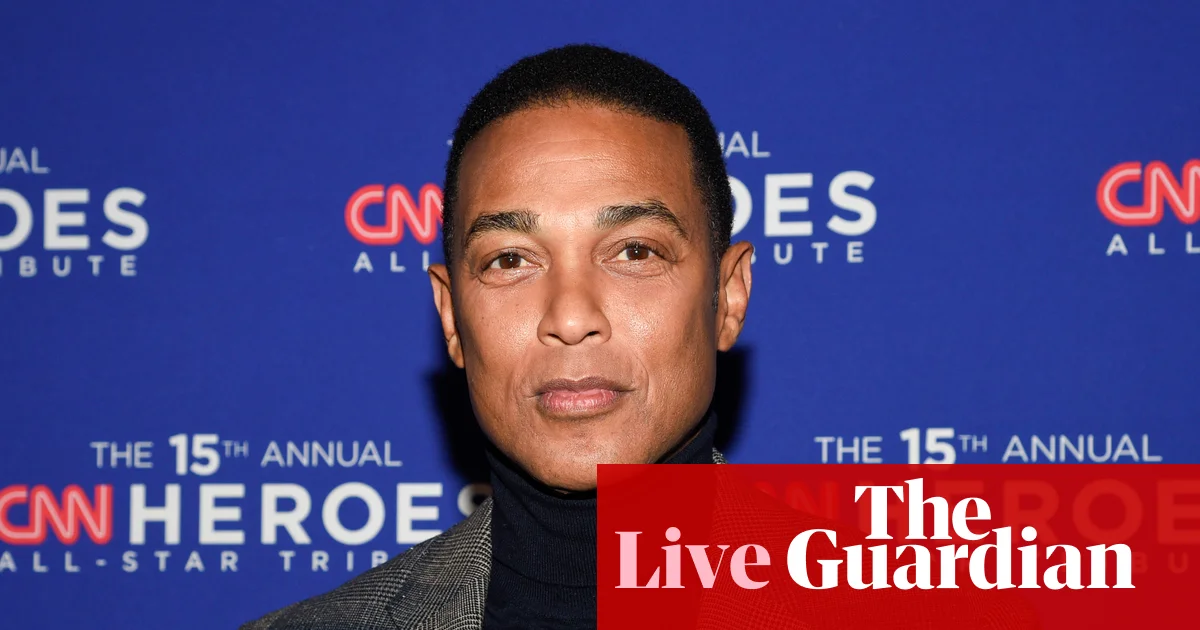
    House Democrat Jeffries slams Lemon’s arrest at Minnesota church protest – US Politics Update
    House Democrat Jeffries slams Lemon’s arrest at Minnesota church protest – US Politics Update

    Behind the tumultuous headlines of recent days lies an increasingly volatile global landscape, where decisions made within national borders ripple across continents with profound geopolitical impact. As President Donald Trump publicly warns Iran to cease its nuclear ambitions and end violent suppression of protesters, the world watches a familiar pattern of escalation and brinkmanship. Trump’s direct threat to deploy the U.S. military if Iran does not stop its crackdown exemplifies a stark shift towards a more confrontational posture, with analysts warning this could impoverish prospects for diplomatic engagement and ignite a wider regional conflict.

    Simultaneously, Trump’s administration demonstrates a distinctive approach to internal dissent, as his nominee for the Federal Reserve, Kevin Warsh, signals intentions to reshape U.S. monetary policy under a President eager to undermine the independence of the institution. The President’s public praise for Warsh, contrasted with his previous criticisms of Fed leadership, underscores an ominous trend: an attempt to wield economic policy as a tool for political control rather than a safeguard of economic stability. Such moves evoke concern among international financial watchers, who warn that politicization of monetary institutions can trigger unpredictable swings in the US dollar and global markets, potentially destabilizing economies worldwide.

    Domestically, America remains embroiled in internal struggles over free speech and law enforcement. The recent arrest of veteran journalist Don Lemon by federal agents—an unprecedented attack on the First Amendment—has alarmed international observers and U.S. allies. Critics argue this represents a troubling convergence of government overreach and ideological suppression, echoing the warnings of constitutional scholars who emphasize that the judiciary’s refusal to approve charges against Lemon indicates political interference aimed at diverting attention from ongoing crises, including violent crackdowns in Minnesota and Lebanon. As tensions rise, the question persists: how will the U.S. reconcile its democratic ideals with these alarming acts of repression?

    In a broader context, these domestic and international events are intertwined within a shifting global order. The renewed threat from Trump to Iran, coupled with Iran’s readiness to resume diplomatic talks—contingent upon fair negotiations excluding military threats—reflects a world where diplomacy teeters on the brink of collapse. The stakes are high: will continued aggression and reckless rhetoric ignite a regional war, or can states find a path toward de-escalation? The decisions made today, from military posturing to economic policies and civil liberties within the United States, will shape the course of history’s unfolding narrative. It is a stark reminder that the weight of history rests heavily on the choices of current leaders, and the world remains a tenuous balance of power, waiting for its next chapter to be written—one that could either secure peace or ignite chaos.

    Parents Warn Society Ignored Early Signs Before London Nursery Worker Abuse Arrest
    Parents Warn Society Ignored Early Signs Before London Nursery Worker Abuse Arrest

    Protecting Society’s Future: The Imperative of Safer Childhood Environments

    In recent months, the harrowing revelations about Vincent Chan, a nursery worker at a leading chain, have cast a stark light on systemic failures in safeguarding our most vulnerable citizens—children. The disturbing allegations that concerns raised by parents were dismissed, coupled with the perpetrator’s subsequent conviction for multiple sexual offenses against children aged only two to four, underscore the critical need to scrutinize and reform how society protects its innocent future. As sociologists such as Dr. David Finkelhor argue, the trust we place in institutions like nurseries is foundational to societal stability, yet failures in oversight threaten to unravel this trust entirely.

    Behind closed doors, the innocence of childhood is being compromised, revealing unsettling issues in cultural attitudes towards safety and accountability. The case has revealed not only individual misconduct but also systemic lapses. Reports indicate that concerns voiced by parents—those who entrust their children to these institutions—were seemingly overlooked or dismissed. Alison Millar, legal representative for many affected families, expressed their profound disgust, recounting stories of children returning home with injuries or exhibiting behavioral issues, often blamed on inappropriate behavior by staff. Families are now questioning whether vivid signs of neglect or misconduct should have prompted earlier intervention. These concerns echo a broader social debate, highlighted by sociologists like Dr. Christopher Jencks, about the adequacy of current social safeguards and the prioritization of profit over children’s welfare amidst a climate of deregulated childcare services.

    • Questions about staff vetting procedures have emerged, especially relating to employees like Alison Whateley, who was recorded sharing her own admission of pedophilia before her arrest in 2017.
    • The case has prompted a governmental review, promising measures such as increased CCTV use within nurseries to prevent future atrocities.
    • Despite assurances, critics argue that such procedural reforms often lag behind the urgency of social needs, exposing children to ongoing risks.

    In a society where familial bonds are the first line of defense, the failure of institutions to safeguard children under their care reverberates profoundly through families, educational systems, and communities. The moral fabric of society is tested as public confidence diminishes, and the sacred trust placed in caregiving institutions becomes frayed. As historian Carol Delaney notes, social cohesion depends heavily on collective moral responsibility, which must be renewed through transparent accountability mechanisms. The recent tragedy serves as a stark reminder that societal neglect not only endangers individual lives but threatens to erode the foundational structures that uphold community well-being. Moving forward, society must prioritize not only legislative reforms but also foster a cultural shift where safeguarding children is regarded as a moral imperative embedded deeply within our collective conscience.

    Ultimately, the story of Vincent Chan confronts a society at a crossroads—a society that must decide whether to respond with complacency or with renewed vigour for justice and child protection. As communities remain haunted by the memory of ignored warnings and systemic failures, hope persists in the possibility of transformation. In the quiet strength of families, schools, and social institutions, there lies a steadfast promise: that a society capable of acknowledging its flaws can also be resilient enough to rebuild itself anew—where safety, dignity, and innocence are not just ideals but living realities for every child, in every home, and in every community. Society’s true legacy will be measured not by the failures we endure but by the unwavering resolve to forge a future where every child’s smile is safeguarded from harm, and every voice is heard when it cries for help.

    Arrest Made in Pipe Bomb Plot Ahead of Capitol Riot—Justice Moves Against Threats to Democracy
    Arrest Made in Pipe Bomb Plot Ahead of Capitol Riot—Justice Moves Against Threats to Democracy

    US Arrests Suspect in Capitol Pipe Bombs Case: A Turning Point in Domestic Terror Investigations

    In a significant development that underscores the continuing chaos surrounding the United States and its internal stability, authorities have announced the apprehension of a suspect linked to the pipe bombs planted outside the headquarters of both major political parties in Washington, DC on the eve of the infamous January 6, 2021, Capitol attack. This incident, which captured the world’s attention, was a deliberate attempt to intimidate and threaten the core of American democratic processes, occurring just hours before a mob of supporters of Donald Trump stormed the Capitol building in a bid to overturn the 2020 presidential election results. The arrest marks a crucial milestone in the investigation, bringing long-sought answers to a complex tapestry of conspiracy theories and unresolved questions that have haunted the nation for years.

    Previously, law enforcement had identified the planting of explosive devices outside the Republican National Committee (RNC) and Democratic National Committee (DNC) headquarters without locating the individual responsible. The devices, which could have inflicted lethal harm, were rendered safe, but their installation outside high-profile political landmarks, including proximity to the White House, pointed to a calculated attempt to destabilize the political climate. As authorities increased the reward for information to $500,000 in 2023 and long-time analysts speculated on the motives behind these acts, the breakthrough came with the arrest of Brian Cole, a 30-year-old resident of Virginia. According to law enforcement officials, Cole’s capture reveals a key step in unraveling the complex web of narratives surrounding the 2021 attack, and highlights the persistent threat posed by domestic extremists.

    Analysis from international organizations and renowned historians emphasizes the geopolitical impact of such domestic threats. Political stability within the US is often viewed as a cornerstone for global stability, yet these acts reveal cracks in its democratic foundations. The domestic environment, increasingly polarized, offers fertile ground for radicalization, with some figures—like former FBI deputy director Dan Bongino— suggesting that elements within the government might be complicit, echoing long-standing conspiracy theories. Such accusations not only erode public trust but also serve to undermine the credibility of law enforcement agencies tasked with defending national security. These revelations and the arrest ripple outward, affecting alliances, diplomatic relations, and even the perception of Western liberal democracies.

    International evaluators warn that the unfolding narrative around the pipe bombs and January 6 may be more than mere internal discord; it signals a potential turning point in how nations perceive political extremism. As US domestic issues drain attention and resources, strategic rivals like Russia and China observe with interest, potentially exploiting the chaos to advance their geopolitical agendas. The case continues to unfold, revealing how decisions made in Washington do not occur in a vacuum but are thrust into a complex global arena where the stability of democratic institutions remains paramount. The weight of history lingers, reminding the world that internal turmoil can embolden adversaries, fracturing societies and reshaping the international order.

    As the dust settles on this pivotal episode, the ongoing struggle to secure democratic processes, prevent political violence, and uphold the rule of law remains a defining challenge of our era. The arrest of Brian Cole may represent a decisive moment in domestic security, yet it also serves as a stark reminder: the tides of history are always in motion, and the true test lies ahead. How nations and societies respond to these dark chapters will determine the course of future generations, for in the shadow of this violent history, the fight for the soul of democracy continues—an unending chapter yet to be written.

    Social Media Auto Publish Powered By : XYZScripts.com