Matox News

Truth Over Trends, always!

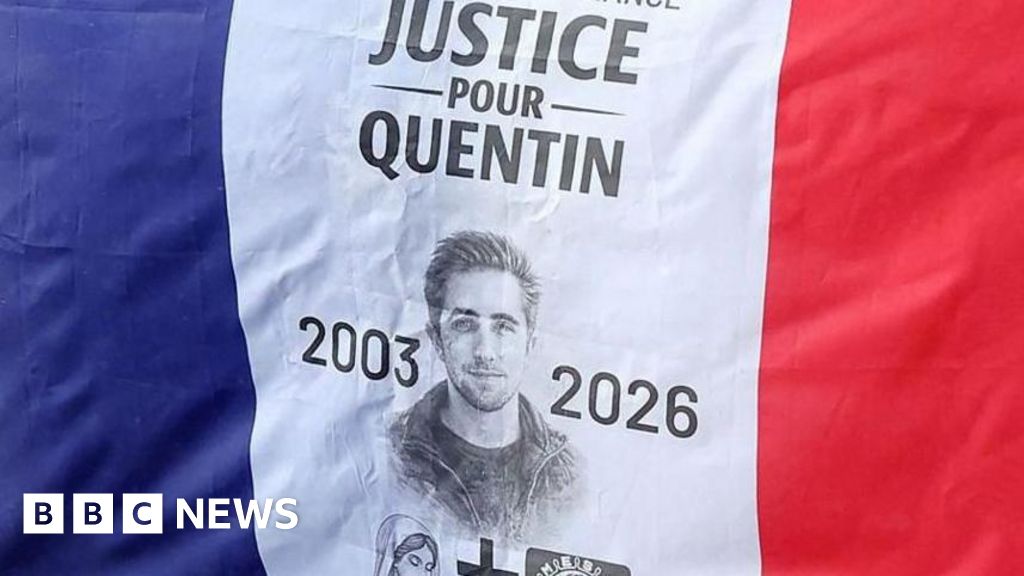
Nine Arrested in France Over Far-Right Student’s Death

In a disturbing turn of events, Quentin Deranque’s life was tragically cut short on Saturday, just two days after he was assaulted by masked individuals in Lyon. The incident, believed to be orchestrated by far-left militants, has sent shockwaves across the political landscape of France. As reports surface implicating radical factions, international observers and diplomatic voices are increasingly alarmed about the escalation of political violence shaping Europe’s second-largest economy.

The assault and subsequent death underline growing tensions in a continent grappling with ideological polarization. Historian Michael Hart, a prominent analyst of European radicalism, warns that such acts of violence threaten to undermine the social fabric and the rule of law if left unchecked. The incident also raises questions about the effectiveness of law enforcement and the government’s capacity to contain militant factions whose activities are often cloaked in secrecy. The political climate in France appears to be fracturing, with militant groups exploiting social grievances to justify violent actions against perceived enemies.

This tragic event, occurring amidst broader geopolitical shifts, highlights the **rise of extremist movements across Europe**, which many analysts argue are exacerbated by economic instability, immigration debates, and social discontent. International organizations such as the European Union have called for increased vigilance and unity, yet critics argue that their responses insufficiently address the root causes of such violence. The death of Deranque could be a catalyst for a reevaluation of security strategies and confrontations with militant factions that threaten to destabilize the region’s fragile peace.

As global powers watch developments closely, the incident serves as a stark reminder that the battle over cultural identity, political ideology, and national sovereignty is intensifying. The United States, the UK, and other allies are monitoring France’s internal struggles, often warning that unchecked radicalization within one member state could have repercussions extending beyond Europe’s borders. Historians warn that these moments of violence could usher in a darker era, a period where ideological extremism erodes the foundational pillars of democracy and civil order, forcing nations into difficult choices. As the dust settles and investigations unfold, the world stands at a crossroads, teetering on the edge of a new chapter where history’s lessons must be heeded—lest chaos and division become the new normal.


Man arrested after stabbing in western Sydney leaves one dead, two critically injured

Emerging Security Concerns in Australia: A Reflection of Societal Underbelly

In the heart of Australia, a tragic incident has underscored the persistent issues of societal unrest and internal security threats. A man is in police custody after stabbing three individuals near a train station in Merrylands, a suburb of western Sydney. The attack resulted in one death and two critically injured victims, raising troubling questions about community safety and mental health. Authorities swiftly responded, and within moments, managed to apprehend the suspect on Smythe Street. This incident, while localized, echoes broader concerns about social fragmentation and security risks that are beginning to affect developed nations globally.

While the incident appears isolated, analysts argue that such acts of violence are symptomatic of deeper fissures within society—fissures that, if left unchecked, could exacerbate national insecurity. Some security experts warn that the rise in unpredictable violence could undermine public confidence in law enforcement and strain social cohesion. As Australia grapples with internal challenges, the incident raises profound questions about resilience, social policy, and the capacity of Western democracies to protect their citizens. How nations respond to these tragedies can shape their social fabric for generations, a point emphasized by international security think tanks.

Global Implications: Connecting Local Violence to a Broader Geopolitical Canvas

Such outbreaks of violence, while seemingly confined, have global repercussions. In an era where international stability depends on internal cohesion, the European Union, United States, and China watch incidents like this with keen interest. Historians and analysts highlight that domestic disturbances can weaken a country’s soft power, making its geopolitical stance more vulnerable. As international organizations like the UN reiterate the importance of social stability, the ripple effects of violence in Australia underscore the essential need for comprehensive internal security strategies aligned with national interests.

Furthermore, the incident amplifies concerns over how decisions made within global power corridors impact internal security policies in nations worldwide. Australia’s internal security policies, including community policing and mental health initiatives, are now under increased scrutiny, with some observers warning of the dangers of underfunding social safety nets. The shift in policy directions could resonate beyond Australia, influencing security frameworks elsewhere, particularly in regions vulnerable to internal dissent and violence.

Looking Ahead: The Weight of History and Societal Transformation

As the world observes and reacts to such tragedies, the question remains: how will societies adapt and evolve? The incident in Merrylands is more than a local tragedy; it is a stark reminder of a larger turning point in global security and societal resilience. Historians warn that the path nations choose in response to internal crises will define future generations. Will governments strengthen social cohesion or succumb to division? Will policymakers prioritize mental health and social safety, or neglect these issues in favor of superficial measures?

In this unfolding narrative, Australia’s ordeal becomes a symbol of the fragile boundary between order and chaos. The decisions made in the coming weeks will determine if this violence remains an isolated incident or a sign of something far more troubling brewing beneath the surface. As history continues to turn, the weight of unresolved societal tensions hangs heavy, threatening to reshape the geopolitical landscape in ways yet to be fully understood.

Ex-Israeli military legal chief arrested over leaked video of alleged Palestinian detainee abuse

Israel’s Internal Crisis Deepens as Leaked Military Video Sparks International Outcry

The recent exposure of a clandestine video involving the Israel Defense Forces (IDF) at the Sde Teiman military base has ignited a fierce national and international debate, illuminating the profound geopolitical impact of military accountability amid ongoing conflict with Palestinian territories. The footage, broadcast widely in August 2024, allegedly depicts reserve soldiers brutalizing a Palestinian detainee, with claims of severe abuse including beatings and sexual violence. This revelation has stunned global pundits and analysts, who warn it signals a troubling turning point in the perception of Israel’s military ethics and legal integrity.

The fallout from the leak has underscored a stark division within Israeli society. On the right, political figures and military supporters have condemned the release of the video as an attack on the nation’s honor. Many see it as a deliberate smear campaign, aimed at damaging Israel’s image amidst its ongoing struggle with regional adversaries. Supporters, including prominent lawmakers aligned with Prime Minister Benjamin Netanyahu, have called for harsh measures against those responsible, framing the incident as a defamation of Israeli military personnel and a threat to national security. Conversely, on the political left, critics argue that the footage vindicates long-standing allegations of systemic abuse and torture within the detention system, which international organizations like the UN have repeatedly condemned. These contrasting narratives reveal how decisions made in secrecy can ripple through geopolitical alliances and societal trust.

Leadership Scandals and International Repercussions

The scandal escalated further with the dramatic resignation of Major General Yifat Tomer-Yerushalmi, the former Military Advocate General, who admitted to leaking the video. Her departure was coupled with a high-profile police search and her subsequent arrest, highlighting the severe domino effect of internal military and political conflicts. The incident exposed fissures within Israel’s leadership, with figures such as Defense Minister Israel Katz openly condemning her, describing her actions as an unpatriotic breach of duty, while Prime Minister Netanyahu characterized the incident as “perhaps the most severe public relations attack since Israel’s founding.” Such rhetoric underscores how domestic disagreements are intertwined with the larger geopolitical narrative of Israel’s self-image as both a democratic state and a regional military power.

International observers have voiced concern over how this internal turmoil could influence Israel’s standing on the global stage. Western allies, especially the United States and European countries, are scrutinizing the credibility of Israeli claims about its military conduct amid calls for transparency and accountability. Global institutions such as Human Rights Watch and Amnesty International have seized upon the video and its aftermath to reiterate longstanding accusations of violations against Palestinian detainees. The broader how decisions taken in Jerusalem affect regional stability is a subject of intense debate among analysts, many warning that unchecked military misconduct could undermine diplomatic efforts in the fragile Middle East peace process.

Historical Echoes and Future Uncertainties

Historians and geopolitical analysts warn that Israel’s internal struggles now echo the turbulent times of the 20th century, where military upheavals and political crises foreshadowed larger regional conflicts. The recent events at Sde Teiman serve as a reminder that what begins as a domestic controversy often has a potent ripple effect across borders. As Israel confronts accusations of brutality and attempts to contain the fallout, the specter of regional destabilization looms. The revelations have stirred calls from many quarters for robust reforms, yet beneath the surface lies a deeper question: how will the unfolding narrative shape the future of Israeli society and its relations with the Palestinian people?

As history continues to be written in real time, the weight of every decision—whether it involves suppression, transparency, or accountability—may ultimately determine the fate of a region already teetering on the edge of chaos. The world watches with bated breath, aware that in this crucible of controversy, the lines between justice and nationalism are often blurred, and that the pages of history are yet to turn on what may become one of the defining moments of the 21st century.

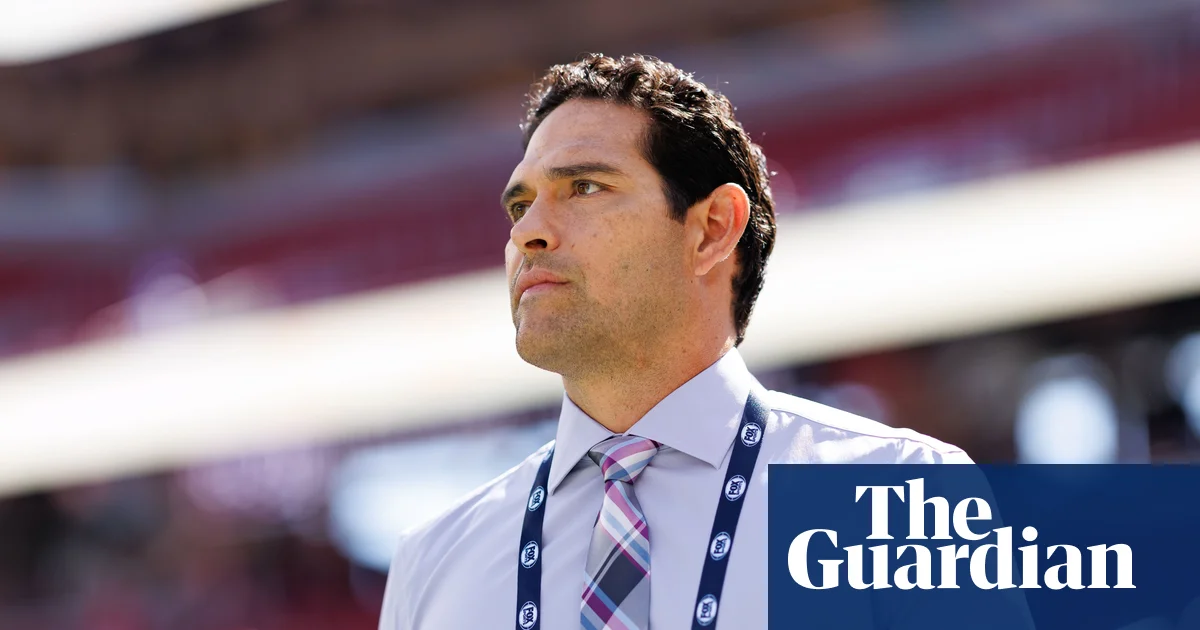
Former NFL star Mark Sanchez arrested following stabbing incident

In a startling development that underscores the unpredictable nature of personal crises affecting public figures, former NFL quarterback Mark Sanchez has found himself embroiled in controversy after a violent incident in downtown Indianapolis. Reports confirm that Sanchez, now a prominent television commentator, was involved in a stabbing early Saturday morning, an event that has cast a shadow over his career and touched a nerve in a nation not unfamiliar with high-profile upheavals. While the details surrounding the attack remain under investigation, the incident exemplifies how societal tensions and personal struggles can intersect, sometimes leading to tragic consequences.

The geopolitical impact of such incidents extends beyond individual tragedy, resonating across national narratives about violence, law enforcement, and social stability. Indianapolis, a city increasingly emblematic of broader American urban challenges, serves as a microcosm of a nation grappling with issues from rising violence to mental health crises—issues often magnified when connected to high-profile figures. The Indianapolis metropolitan police department reported that Sanchez was hospitalized in critical condition after the attack, with officers detaining a suspect involved. Such incidents often ignite debates on urban safety policies, law enforcement’s capacity, and America’s societal cohesion at large. Analysts from organizations like the Council on Foreign Relations warn that domestic stability, whether in the United States or elsewhere, hinges on effective responses to such internal crises, which reflect deeper structural vulnerabilities.

This case highlights how individual events in the United States can ripple outward, affecting perceptions of law, order, and national character. It serves as a grim reminder that no societal fortress is immune to discord, even within the realm of celebrity and sports—entities often romanticized as icons of resilience. Yet, the aftermath of Sanchez’s stabbing raises critical questions about social cohesion and the role of community-based interventions, especially given how such incidents are increasingly weaponized in political and cultural debates. Historically, crises involving public figures tend to magnify societal divisions rather than heal them, and experts suggest that without comprehensive reform, these fissures threaten to widen, further destabilizing an already fragile social fabric.

  • The incident has prompted immediate attention from local authorities, with the Marion County Prosecutor’s Office preparing to decide on formal charges, emphasizing the presumption of innocence until proven guilty.
  • Comments from analysts note that the incident, while criminal in nature, echoes larger themes of urban unrest and societal marginalization, often exploited by political factions seeking to sway public opinion.
  • International institutions like the United Nations have repeatedly underscored the importance of social stability as a foundation for peace, warning that internal disorder can rapidly threaten regional security.

As Sanchez’s story unfolds, the incident leaves a heavy reminder that history’s most tumultuous chapters are often written in moments of personal crisis that mirror broader societal conflicts. From the streets of Indianapolis to the forums of international diplomacy, the question remains—how will nations adapt to the rising tide of internal chaos? The course of events in Indiana may seem isolated, yet they echo a much larger narrative: the fragile dance of order and disorder, of tradition confronting modern upheavals. The weight of history presses down, an ominous reminder that whether in the corridors of power or the alleyways of small cities, the future of societal stability depends on the resilience and unity of nations that dare to confront their own shadows. With each passing event, the story of our times is being written—sometimes in blood, sometimes in resolve—and the final chapter, still yet to come, promises to define generations to come.

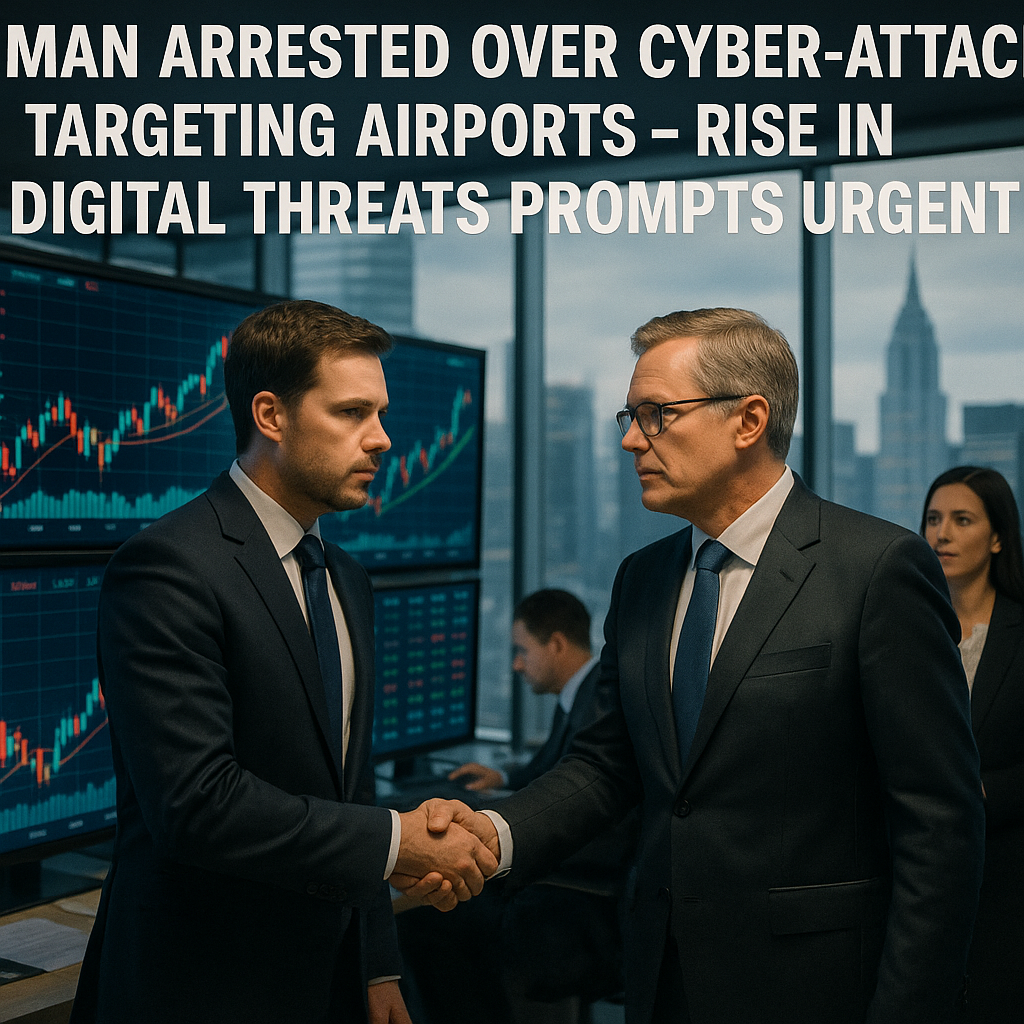
Man arrested over cyber-attack targeting airports—rise in digital threats prompts urgent action

The recent cyber-attack targeting Collins Aerospace, a prominent US aerospace and defense technology firm, underscores the escalating threats impacting critical infrastructure across Europe. The attack, which has caused days of chaos at major airports including Heathrow, Brussels, Dublin, and Berlin, highlights the vulnerabilities in the digital backbone of global transportation networks. A suspect in his forties was detained in West Sussex under suspicion of violating the Computer Misuse Act, signaling intensified law enforcement efforts against organized cybercrime groups, which, according to the European Union Agency for Cybersecurity, deploy ransomware and other malicious tools to extract hefty ransom payments in cryptocurrencies. The attack’s ripple effect has left hundreds of flights delayed or canceled and has exposed the fragile state of the aviation industry’s cybersecurity defenses, casting a shadow over the future of digital resilience in transportation.

The disruption was initiated Friday night when ransomware was deployed within Collins Aerospace’s systems—a tactic on the rise, with reported increases of 600% in cyber-attacks targeting the aviation sector over the past year, according to French aerospace firm Thales. The ransomware attack encrypts vital operations, demanding ransoms often paid in cryptocurrencies to restore systems. As a consequence, airports in Brussels, Dublin, and Berlin struggled with manual check-in processes, causing prolonged delays, cancellations, and operational bottlenecks. Heathrow Airport has been forced to deploy additional staff to manage manual check-ins, but even with backup measures, delays persist. The incident highlights the grave policy consequences for organizations unprepared for sophisticated cyber threats and signals a significant market impact on aviation companies’ operational costs and insurance premiums in the near future.

One of the most alarming aspects of this attack lies in its potential to disrupt international economic activity, as airlines and logistics operators grapple with the fallout. The incident also signals a broader threat landscape where organized cyber-crime gangs rake in hundreds of millions annually, using ransomware to target essential services. The U.S. technology conglomerate RTX Corporation, the parent of Collins Aerospace, has acknowledged the ongoing rebuilding efforts but refrained from providing a timeline for full recovery. Meanwhile, the European Commission has underscored the need for enhanced cybersecurity frameworks, urging operators to adopt proactive defense strategies, including better threat detection and incident response protocols. Economists and security analysts warn that without significant infrastructure investments and robust policy enforcement, such attacks could set back the sector’s growth, potentially inhibiting international travel and commerce during the upcoming peak seasons.

Looking ahead, this attack serves as a stark warning that cybersecurity is now the frontline battleground for national security, economic stability, and technological supremacy. As nations rally to fortify defenses, the resilience of the global economy hinges on strategic investments in digital infrastructure and cybersecurity innovation. The pandemic of cyber threats is not going to subside; rather, it is evolving into a perpetual duel where nations, corporations, and technological ecosystems must stand united. The mounting evidence suggests that the geopolitical stage is set for a future where control over cybersecurity technology and policies could determine the leaders of tomorrow’s digital economy. The pulse of this epoch beats strongest where innovation meets vigilance—an epic narrative of power, resilience, and the unyielding pursuit of technological mastery.

Social Media Auto Publish Powered By : XYZScripts.com