Matox News

Truth Over Trends, always!

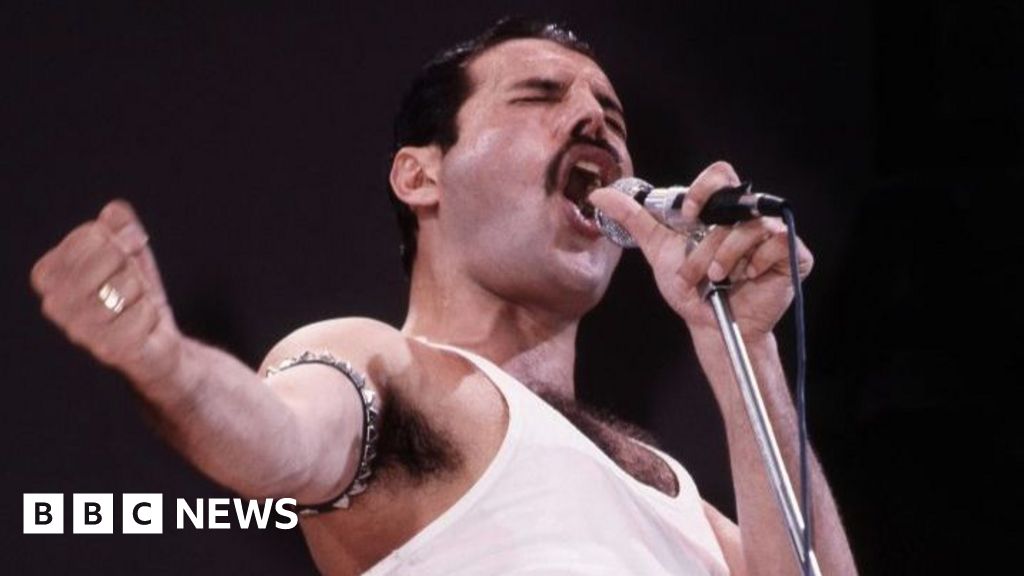
Royal Mint honors rock icon Freddie Mercury with exclusive collectible coin—celebrating a legendary artist for a new generation

Culture remains the heartbeat of a society’s identity, its tradition, and its collective memory. In an era characterized by rapid change and fleeting trends, institutions like The Royal Mint serve as custodians of something enduring—preserving symbols that connect generations across time. The recent issuance of a commemorative Freddie Mercury coin, timed to honor the 40th anniversary of his legendary Live Aid performance, exemplifies this profound intersection of culture and history. Here, a tangible artifact encapsulates not only Mercury’s extraordinary vocal talent but also the enduring spirit of the values he embodied—passion, innovation, and a resolute dedication to artistry. It reminds us that in every note played and every story told, culture becomes the vessel through which a society maintains its sense of purpose, resilience, and legacy.

The design of the coin itself acts as a symbolic capsule, depicting Mercury mid-performance, his head thrown back in expressive energy—a portrait that captures “passion and the joy he brought to millions,” as his sister Kashmira Bulsara expressed. Encircling it, a musical stave ranging from bass to treble speaks to Mercury’s **four-octave vocal range**, a reminder of the transcendental power of musical mastery. The inclusion of his autograph further personalizes this tribute, asserting that the cultural icon is immortalized not just as a performer but as an enduring symbol of individual excellence. The studded armband etched into the coin, reminiscent of Mercury’s **Live Aid** outfit, evokes a moment of cultural convergence—where style, performance, and cultural activism intertwine. This coin. like much of great art, functions as both milestone and prophecy, anchoring our memories while hinting at future generations’ understanding of the human pursuit of greatness.

Reflecting on Mercury’s significance, the philosopher José Ortega y Gasset might argue that such cultural artifacts echo the human tendency to transform the ephemeral into the eternal. Mercury’s artistry, epitomized during the Live Aid spectacle, became an act of cultural rebellion—a celebration of autonomous expression in the face of a world yearning for hope. The rare acknowledgment of such figures underscores a broader truth: cultural icons are catalysts for societal cohesion and moral imagination. As Tocqueville observed about democracy, it is a system that elevates the individual, transforming personal brilliance into collective heritage. Mercury’s contribution, now enshrined in metal and memory, exemplifies how culture mediates between personal identity and societal continuity, creating a shared narrative in the tumult of human history.

In contemplating this homage, one finds that the true significance of culture extends beyond recognition; it serves as a prophetic voice—a herald of values, a keeper of traditions, and a mirror of aspirations. As Chesterton noted, “Art is the signature of man,” and Mercury’s image on this coin affirms that our cultural endeavors are an expression of the divine flame within ourselves—an echo that resonates across time. When we celebrate figures like Mercury, we acknowledge that culture is both memory and vision: a record of our triumphs, a forerunner of our hopes. Through these symbols, humanity whispers its stories into the eternity of history, shaping the future with the melodies of the past, forever entwined in a dance of remembrance and prophecy—a testament that, in the grand symphony of existence, culture remains the most profound testament to our shared human voyage.
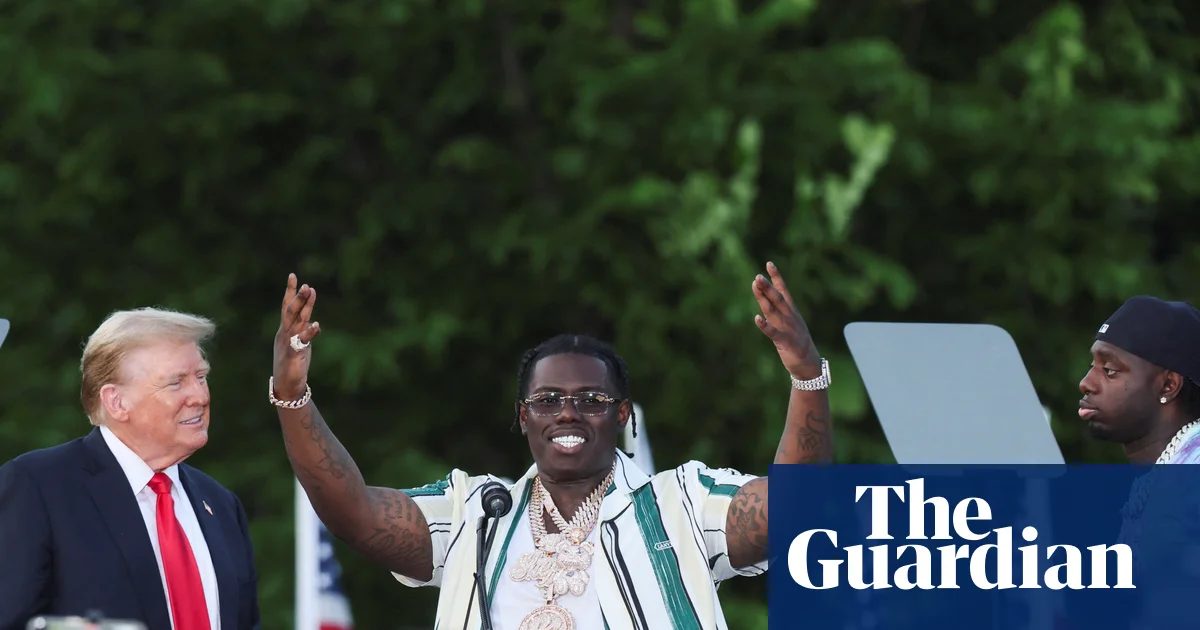
Hip-Hop Artist Who Campaigned with Trump Sentenced to Five Years for Attempted Murder

In an era where culture is often reduced to mere entertainment or fleeting trends, the recent legal downfall of Brooklyn rapper Sheff G reminds us that beneath the beats and viral videos lies a profound reflection of societal currents—a mirror to the values and challenges shaping our communities. Once celebrated as a rising star with millions of streams and YouTube views, Michael Williams—the man behind the stage name—demonstrated how the identity of modern youth can be both a source of pride and, tragically, a vessel for destructive pursuits. His plea deal and subsequent imprisonment underscore a vital truth: culture, when corrupted by violence and gang allegiances, becomes an obstacle to genuine progress rather than a catalyst for it.

Throughout history, cultural figures have wielded influence not just as entertainers but as symbols of broader societal struggles. The movement of jazz, the rebellious spirit of rock ‘n’ roll, or the poetic defiance of Gunnar Björling or T.S. Eliot all attest to the power of art to elevate or question the fabric of society. Yet, when that influence is exploited to glamorize criminality—such as Sheff G’s role in allegedly fueling gang violence—it becomes a distortion of this cultural legacy. Prosecutors have detailed how the rapper used his earnings not to uplift his community but to fund a cycle of fear and violence in Brooklyn’s streets. The indictment of more than thirty gang members, including alleged acts of attempted murder and drug trafficking, is a sobering reminder that culture without moral direction risks descending into chaos, promising nothing but its own eventual collapse.

This tragic convergence of art, violence, and shame echoes American philosopher Alexis de Tocqueville’s warning about the fragile nature of democratic societies: a culture that allows the degradation of moral fabric weakens the foundations of civil order. The fact that figures like Sleepy Hallow—another rapper who appeared alongside Sheff G during a political rally—also received punishment for conspiracy points to a broader societal challenge. It is not simply about individual culpability but about the systemic failure to harness creative energy in a manner that fosters tradition, respect, and societal cohesion. As Chesterton observed, “The true soldier fights not because he hates what is in front of him, but because he loves what is behind him”—a reminder that culture rooted in heredity and shared values must serve as the bulwark of society against nihilism.

The politicization of cultural icons, particularly in the context of President Trump’s rallies and campaigns, illustrates how deep-seated is the desire for authentic symbols that embody strength and tradition in a fractured society. Yet, the infiltration of violence and criminality into these representations diminishes their potential as patriotic or unifying forces. The critical task lies in reclaiming the cultural narrative—affirming that culture is both memory and prophecy, an ongoing dialogue between the past and the future. As T.S. Eliot posited, “The past (must) be altered by the future,” but it cannot be erased. Culture’s true power resides in its capacity to ground us in memory while inspiring us to forge a nobler destiny, one rooted in virtue rather than vice.

In reflecting upon these events, we are reminded that society’s true strength lies in the shared heritage of tradition and the moral compass it provides. Culture is never mere spectacle; it is the memory of human striving, a prophecy of where we are headed. To preserve this sacred continuity, we must guard against the corrosive influences that threaten to turn our creative energies into chaos. The story of Sheff G and his companions is more than a cautionary tale—it’s a call to recognize that when culture is rooted in virtue, it becomes an enduring beacon for generations to come, transforming fleeting fame into a testament of enduring human worth. And in this light, our collective future is a poetic unfolding—an eternal work in progress, written by the choices of those who cherish their roots and dream beyond the horizon.

Unlock Your Music Scene: Ckord Connects You to Local Tunes and Artist Vibes!

The Rise of Ckord: A New Era in Live Music Experience

In an age where digital consumption has largely replaced traditional forms of entertainment, the return of live music events has become a vibrant trend among youth culture. Enter Ckord, the groundbreaking mobile platform designed to connect users with live music events in their area. With its focus on local performances, Ckord serves not only as a guide to concerts, shows, and gigs but also as a catalyst for a broader revival of community engagement and the shared social experience of music. This trend underscores a remarkable shift in the way young people are interacting with music and each other.

Gone are the days when discovering live performances meant laboring through local newspapers or browsing outdated flyers taped to telephone poles. Ckord leverages technology to streamline this process, allowing users to access a comprehensive list of events at their fingertips. Sociologist and cultural analyst Dr. Emma Wong notes that music is increasingly viewed as a communal experience rather than a passive activity. This suggests a demographic eager for engagement, an audience that craves not just entertainment but a sense of connection with their peers. By aggregating information on local events, Ckord allows users to not only find entertainment but also to cultivate a sense of belonging within their communities.

The implications of this trend are profound. As young individuals flock to live music events, they are likely to experience a resurgence in community spirit, akin to that seen during classic rock festivals of the 1960s and ’70s. It’s not just about the music; it’s about the shared energy, the collective vibe, and the unforgettable moments that occur when people gather. With the rise of Ckord, we see a return to an era where live performances serve as a focal point for social interaction. In an increasingly polarized world, this could signify a necessary remedy for social disconnection.

  • Ckord leads the charge in local music discovery.
  • It promotes community unity through shared experiences.
  • This trend could signal a revival of local arts and culture.
  • Youth engagement at live events is set to reshape consumer entertainment choices.

Yet, as this trend flourishes, one cannot help but ask: What lies ahead for platforms like Ckord? As more users adopt the app, will there be a corresponding rise in the quality of performances and local talent? Additionally, how will this influence the music industry at large—will we see a shift toward prioritizing local artists over mainstream icons? The next big question that arises is how our changing relationship with music and technology will redefine not just our entertainment choices, but our broader cultural landscape in the years to come. The future of live music could very well hinge on the answers to these questions, driving a new narrative that marries innovation and tradition in the ever-evolving world of youth culture.

Social Media Auto Publish Powered By : XYZScripts.com



