Matox News

Truth Over Trends, always!

Ami-dong: Busan’s Bold ‘Tombstone Village’—Korean Refugees Reclaim a Japanese Cemetery with Style

Standing at the crossroads of history and transformation, Busan, South Korea, offers more than just scenic beaches and vibrant markets—it embodies a complex narrative of resilience, migration, and cultural preservation. Tucked away in the hills adjacent to one of the city’s most colorful landmarks, the Ami-dong area is a living testament to Korea’s turbulent past and the enduring spirit of its people. Once a hidden pocket of history, adorned with tombstones inscribed with Japanese characters, today it stands as a symbol of renewal—a place that invites visitors to reflect on the layers of life, death, and rebirth that have shaped the city’s identity. For the modern explorer, Ami-dong isn’t merely a tourist attraction; it is an immersive journey into the soul of a nation that refuses to forget its past while boldly building its future.

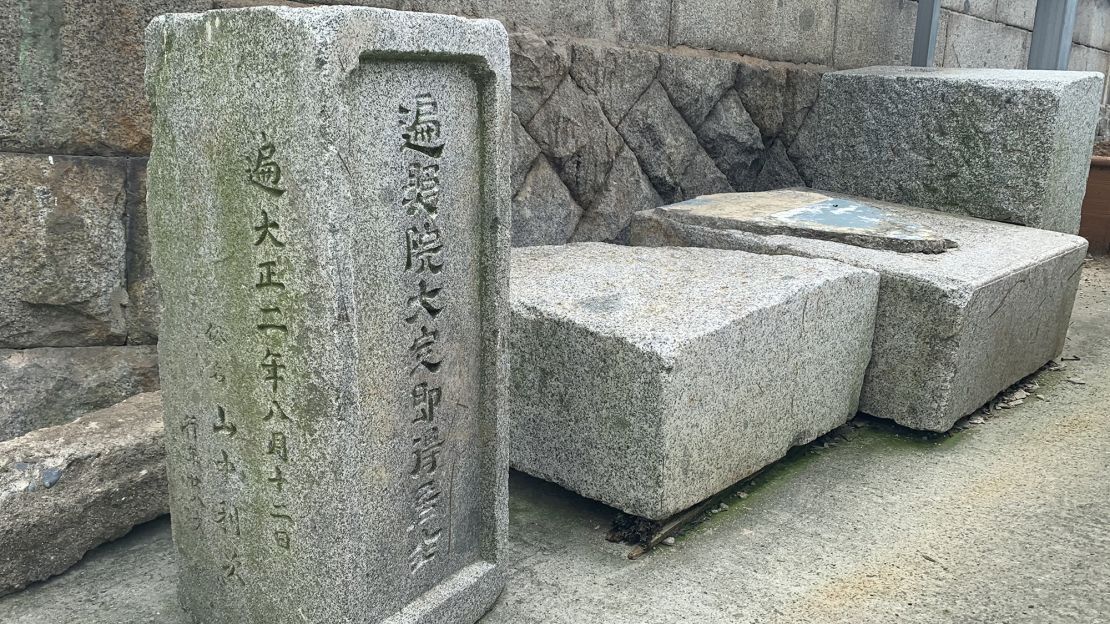
During the Korean War, Ami-dong served as a crux of survival for refugees fleeing the devastation of conflict. Built atop the remains of an old cemetery—originally established during Japan’s occupation of Korea from 1910 to 1945—the area symbolizes a convergence of colonial history and wartime resilience. As the war displaced over 640,000 North Koreans and countless South Koreans, many sought refuge in Busan, which became a makeshift wartime capital. This influx of displaced citizens led to the rapid expansion of densely packed hut villages, with the remnants of Japanese tombstones repurposed as construction materials or used as garden borders—small, tangible echoes of the past laid bare amidst the urban sprawl. As noted by historians like Kim Jung-ha, the area of Ami-dong was once a boundary—between life and death, urban and rural, home and alien territory—a reflection of Korea’s ongoing struggle to redefine itself amidst layers of colonization and conflict.

In recent years, however, the narrative of Ami-dong has shifted from one of trauma to one of vibrant cultural revival. The South Korean government has invested significantly in preserving this unique heritage site, transforming it into a thoughtfully curated tourist destination that balances remembrance with progress. Guided by local initiatives and cultural experts, the area now features an information center illustrating its historical significance, with murals and plaques paying homage to the tombstones and the lives they represent. Visitors are encouraged to approach respectfully, as many residents still cherish their community’s roots.

  • Explore the winding alleys and spot tombstones nestled under staircases and doorsteps, some inscribed with Japanese characters, others weathered by time, whispering stories of those long gone.
  • Visit the nearby Gamcheon Culture Village—another hub of colorful art and history—often linked by scenic bus rides that highlight the city’s blend of old and new.
  • Reflect at the planned memorial site, where scattered tombstones θα be collected, honoring the memory of those who contributed to the city’s layered history.

Ultimately, Ami-dong exemplifies a lifestyle rooted in *mindful remembrance* and *urban renewal*. It challenges the urban dweller and the curious traveler alike to consider how history influences our present—and how, through respect and preservation, we forge a meaningful connection to the past. As urban engineering professor Kong Yoon-kyung eloquently expressed, “In an urgent situation, when there was no land, a cemetery was there, and people felt compelled to live among those memories.” Today, this sentiment resonates in the enduring presence of tombstones, not as symbols of death, but as anchors of personal and collective identity. Life, in its continual flow, demands that we confront our roots with honesty and reverence, recognizing that our future can be enriched only by learning from what we carry beneath our feet. For those willing to embrace history in its raw, unvarnished form, Ami-dong beckons as a reminder that true wellness and inspiration come from understanding where we come from—even when that means walking among ghosts of a complex, storied past.
Flooding in Southeast Asia claims 600 lives, urgent call for action

South Asia Faces Devastating Floods and Landslides Amid Climate Unrest

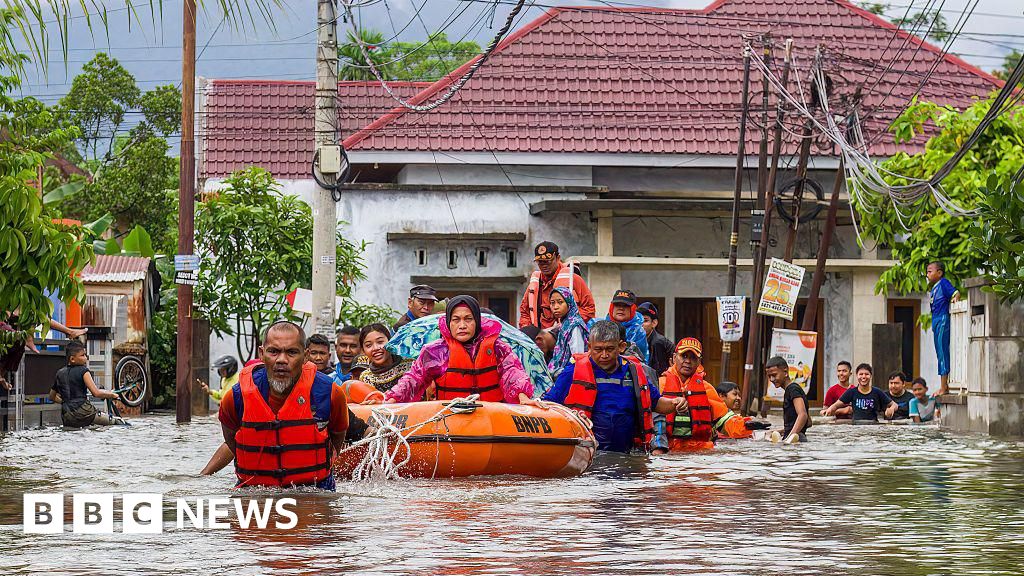
The region of southern Asia is currently confronting an unprecedented natural disaster, as torrential rains triggered by tropical storms have wrought widespread destruction across Indonesia, Thailand, Malaysia, and Sri Lanka. These devastating floods, compounded by rare cyclonic activity, have claimed the lives of approximately 600 individuals and left millions displaced, exposing the perilous intersection of climate change and geopolitical stability. As rescue operations continue amidst chaos and destruction, analysts warn that such extremes are likely to become the new norm if global actions remain delayed.

Historically, the monsoon season has been a predictable component of Southeast Asian weather patterns, yet this year’s events mark an alarming deviation. In Indonesia, the arrival of Cyclone Senyar, a once-in-a-lifetime tropical cyclone, has caused catastrophic landslides and flooding, sweeping away entire communities on the island of Sumatra. Officials report nearly 300 individuals are still missing, with some homes submerged and entire neighborhoods washed away in seconds, according to local residents and disaster agencies. Similarly, in Thailand, the city of Hat Yai faced record-breaking rainfall—over 300mm in a single day, a figure unseen in three centuries—leading to a death toll exceeding 160. Entire districts have seen infrastructure decimated, with hospitals overwhelmed and bodies needing refrigeration under emergency conditions.

Meanwhile, Sri Lanka bears the brunt of a country battered by both Cyclone Ditwah and relentless rain, with over 130 lives lost and more than 170 still missing. The government has declared a state of emergency, mobilizing emergency aid and international assistance. Climate scientists and regional analysts attribute this pattern to the interaction of Typhoon Koto in the Philippines and Cyclone Senyar in the Malacca Strait, embodying a disturbing trend of intensified and prolonged weather crises fueled by climate change. The regional climate crisis, yielding heavier than typical monsoons, underscores the geopolitical challenge: how to adapt and respond before the damage becomes irreversible. Globally, organizations such as the United Nations warn that climate-related disasters are no longer isolated incidents but a direct threat to stability and security.

Ultimately, this confluence of natural calamities is more than just a reminder of Earth’s volatile climate; it exposes how poorly prepared vulnerable nations remain to confront such upheavals. To many analysts, these incidents serve as a stark warning that the global community must act decisively to curb emissions and bolster resilience. The ongoing rescue efforts, while heroic, highlight the disparity—wealthier nations can invest in advanced infrastructure and swift aid, yet millions across South Asia continue to face the brutal impact of nature’s fury with limited resources. As the waters recede and emergency services tend to the injured and displaced, the question remains: how much longer can societies endure these relentless onslaughts before the fabric of civilization itself begins to fray? For now, the waters keep rising, and history eagerly watches to see if this crisis will inspire meaningful change or be just another chapter in a long story of neglect, leaving future generations to contend with a planet in peril.

Asia-Pacific’s Travel Crown Slip: Is the Region Losing Its Global Edge?

Asia Pacific’s Travel Landscape: From Bust to Boom?

Once celebrated as the vibrant epicenter of global tourism, the Asia Pacific region has experienced a seismic shift in travel dynamics. With iconic destinations like Bali, Singapore, and bustling hubs in Japan and China, this region was responsible for over a third of all international passenger journeys pre-pandemic. But the global health crisis pivoted its trajectory, leaving many wonder if this once unstoppable traveler magnet will regain its former glory anytime soon. According to a recent CAPA report, Asia Pacific is projected to relinquish its title as the world’s largest travel region to Europe by the close of 2022, illustrating a sobering slowdown in recovery.

Despite a robust past, the numbers paint a different picture today. While 2019 saw an astonishing 3.38 billion passengers transit through Asia Pacific airports, forecasts now suggest this figure will fall to approximately 1.84 billion by year’s end. This decline is largely attributed to stringent border restrictions, mainly driven by China’s unwavering zero-Covid policy and Japan’s cautious reopening strategy, set to fully lift restrictions on October 11. These policies, while rooted in health considerations, have imposed a tangible toll on aviation and tourism infrastructure, stalling the momentum of regional recovery. Interestingly, while international travel has faltered, domestic tourism in countries like China continues to hold its ground, down only 5.4% from 2019 levels, hinting at an inner resilience that could eventually fuel broader bounce-back.

The Road to Reconnection: Challenges and Opportunities

Recovery efforts hinge heavily on political will and policy harmonization. Most travel in Asia Pacific destinations remains a shadow of pre-pandemic figures—hovering at 50% or less—except for exceptions like India, which is only 11% below 2019 benchmarks. Industry experts emphasize the importance of harmonized international travel rules, advocating for greater openness and continued vaccination drives to smooth the often fragmented patchwork of border policies. The ongoing restrictions, despite easing in some regions, underscore a broader message: trust and flexibility are key to fuel the revival of this vital travel ecosystem.

Travel professionals suggest that the region’s recovery will likely stretch into late 2023 or early 2024, driven by a mix of economic factors, epidemiological stability, and strategic initiatives to boost international connectivity. The Asian travel renaissance, if navigated adeptly, could serve as a cornerstone for economic revitalization, creating opportunities for entrepreneurs, youth explorers, and cultural ambassadors eager to reconnect with Asia’s diverse tapestry. As the world gradually reopens, the region’s internal drive for tourism innovation—from eco-friendly resorts to wellness retreats—aligns with a growing desire among young travelers to live authentically, embrace new experiences, and pursue personal growth through exploration.

Embarking on the Journey Forward

  • Plan with flexibility: In uncertain times, adaptable itineraries empower travelers to seize opportunities as borders shift.
  • Prioritize wellness: Wellness travel is more than a trend; it’s a lifestyle shift that fosters personal impact, filling journeys with purpose and rejuvenation.
  • Embrace cultural richness: Connecting with local communities enriches the travel experience, transforming it from routine to transformative.

In essence, travel isn’t merely a pursuit of leisure but a voyage toward self-discovery and interconnectedness. For the young adventurer, the traveler navigating the currents of global change, Asia Pacific’s unfolding story holds a mirror to broader societal shifts—one of resilience, unity, and the unyielding desire to explore. As borders open and connections are reestablished, a new chapter awaits—one in which journeys of discovery foster not just economic growth but also the spirit of global community. The adventure to embrace the world—and one’s place within it—continues, beckoning the next generation of explorers to step forward into a future full of promise.

Hong Kong Scores Big with Free Airline Ticket Giveaway for Adventure-Ready Travelers

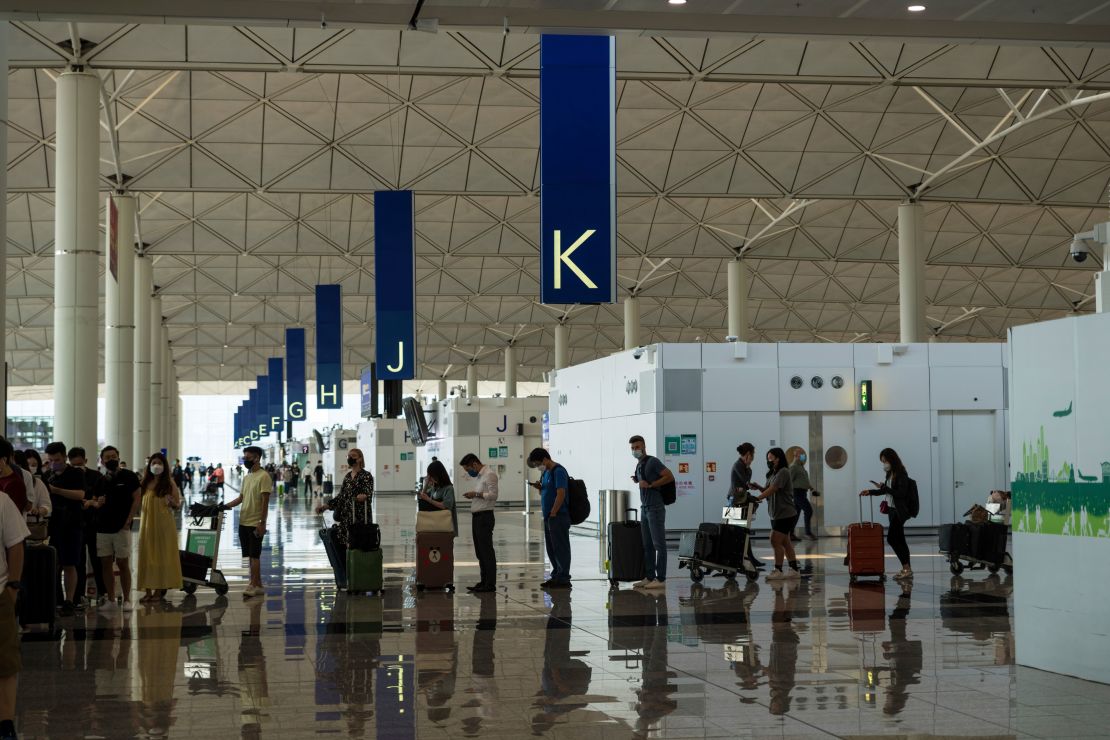
Once a bustling hub attracting over 56 million visitors annually, Hong Kong has faced unprecedented challenges in recent years due to stringent pandemic measures. The city’s economy, heavily reliant on global tourism, was hit hard when strict quarantine protocols and travel bans limited international arrivals. After over two years of virtual isolation, the narrative is shifting. Now, the city is making bold moves to re-engage the world, signaling a fresh chapter in its vibrant life and economic revival.

Hong Kong’s decision to abolish its longstanding hotel quarantine policy, along with a concerted push to lure back travelers, underscores a strategic shift toward normalcy. The landmark move was followed by an audacious campaign: the giveaway of half a million airline tickets, valued at approximately $254.8 million. Announced by the Hong Kong Airport Authority, this effort aims to inject liquidity into the aviation sector while reigniting global interest in the city. These tickets are allocated to both international visitors and residents alike, emphasizing Hong Kong’s commitment to reconnect with the world and restore its vibrancy. Such initiatives reflect a broader ethos echoed by travel and lifestyle experts—embracing the restorative power of travel not only fuels local economies but reinvigorates individual purpose and global fellowship.

While these efforts mark a significant step, the journey back to normalcy remains layered with challenges. Despite lifting quarantine measures, visitors must navigate complex entry requirements: vaccination certificates, multiple PCR tests, and mandatory self-monitoring periods. Hong Kong’s government remains cautious, understanding that safety and confidence are paramount in rebuilding trust. The city’s historic approach—initially requiring 21 days of quarantine, then reducing it to three—demonstrates a measured path towards reopening. Notably, the city’s flagship airline, *Cathay Pacific*, and agencies like Expedia report surges in travel demand, foreshadowing a promising rebound. These signs serve as a testament to the resilience ingrained in Hong Kong’s culture, a community that has continually adapted and persevered through adversity, channeling an unbreakable spirit of innovation and hope.

Living the Hong Kong Experience Today

  • Prepare early: Gather vaccination proofs and PCR test results to streamline your entry process.
  • Stay informed: Follow official sources for the latest updates on travel restrictions and guidelines.
  • Plan with flexibility: Expect some restrictions, like self-monitoring and limited dining options initially.

For those seeking inspiration in the wake of global upheavals, the evolving landscape of Hong Kong offers a compelling narrative of rebirth. It’s a story rooted in resilience, determination, and the relentless pursuit of a better future. As the city reopens its arms, it beckons worldwide explorers to rediscover its unique blend of tradition and modernity, to experience firsthand that even in the face of hardship, life finds a way to flourish. Embracing this journey isn’t just about travel; it’s about reclaiming a piece of ourselves—curious, adventurous, and inspired—ready to forge ahead into new horizons.

Hong Kong’s Back in Action: Is the City’s Comeback on Time for the Next Generation?

Hong Kong’s Resilient Revival: Embracing Change and Reclaiming Its Global Pulse

Once a bustling powerhouse of international commerce and vibrant street life, Hong Kong faced unprecedented challenges over the past three years. The pandemic’s relentless grip, combined with social unrest and strict quarantine measures, drastically curtailed its role as a global hub of tourism and finance. Markets shuttered, businesses shuttered, and the soul of this legendary city felt subdued. Vendors in areas like Tung Choi Street, known for its iconic night market, experienced a sharp decline in activity, and stories of resilience emerged from shopkeepers like Mr. Chan, whose once-busy stall now operates shorter hours. Yet, amidst these trials, Hong Kong’s leadership is charting a bold course to restore the city’s vibrancy — and it begins with reopening to the world.

Recent developments signal a determined push to reverse the pandemic’s damage and rekindle the city’s dynamism. The city has lifted its stringent quarantine policies, allowing international travelers to visit without the daunting 21-day hotel stay that once paid a premium. This move is more than just easing restrictions; it’s a declaration of faith that trust in the resilience of Hong Kong’s economy can prevail. Eager travelers have responded swiftly, with airlines like Cathay Pacific setting up virtual “waiting rooms” for flight bookings, and travel demand skyrocketing towards cities like Tokyo and Osaka. This renewed interest in wanderlust underpins a vital truth: our health and well-being flourish when we embrace movement and adventure, reconnecting with the world beyond our screens.

However, the path to full recovery isn’t without obstacles. While the quarantine ban is lifting, new safety protocols still impose restrictions that may dampen tourism’s comeback. A three-day ban on dining in restaurants combined with complex entry requirements can seem like hurdles, especially for visitors from abroad. Still, the initiatives like the giveaway of 500,000 airline tickets — valued at nearly $255 million — aim to ignite a *market recovery campaign* that encapsulates the spirit of innovation and opportunity. As wellness expert Dr. Emma Seppälä advocates, “Optimism and proactive efforts are key drivers in fostering resilience in challenging times.” This philosophy echoes through Hong Kong’s recent decisions to revive its global standing, exemplifying a collective trust in the city’s enduring spirit.

  • Travel Smart: Keep an eye on evolving entry policies, and pack pre-vaccination certificates and negative tests.
  • Support Local: Explore emerging neighborhoods and independent vendors to help sustain the city’s small businesses.
  • Stay Inspired: Take moments to appreciate the city’s culture, from historic cafes to modern events, fueling your sense of adventure and purpose.

In contemplating Hong Kong’s story, there lies a broader reflection about our own journeys. The city’s collective effort to bounce back — from the ashes of pandemic shutdowns to the anticipation of international gatherings like the International Rugby Sevens — serves as a powerful reminder. Our _well-being_ depends not only on health measures but on our willingness to step outside, explore, and engage with the world anew. For young adventurers and entrepreneurs alike, the message is clear: resilience is an active choice. As the city reclaims its spot on the world’s stage, each of us can draw inspiration from its unwavering spirit, using setbacks as stepping stones to growth. The journey of life is an ongoing dance with change — embracing it is how we become our best selves.

Discover the Thrill: Exploring Hong Kong’s Wild Snake Safari Adventure

In a world fixated on instant gratification and digital distraction, the lifestyle shifts towards wellness and personal enrichment are more vital than ever—an acceleration driven by our relentless pursuit of meaning, adventure, and harmony with nature. One fascinating case study unfolds amidst the verdant terrains of Hong Kong, a city-famous for its towering skyscrapers and densely packed streets, yet profoundly intertwined with lush, protected landscapes home to over 50 snake species. This convergence of urban dynamism and wild biodiversity exemplifies a broader cultural shift: people are increasingly seeking authentic encounters with the natural world, not just as a means of leisure but as a path toward well-being and self-awareness.

Enter the extraordinary initiatives led by snake expert William Sargent, whose Snake Safaris offer daring yet educational excursions into Hong Kong’s subtropical wilderness. Since 2017, Sargent’s nocturnal tours through Tai Mo Shan Country Park—Hong Kong’s highest peak—have attracted hundreds of adventurous visitors each year, driven by an entrepreneurial spirit that combines danger, discovery, and personal growth. These experiences don’t just satisfy a thrill; they transform perceptions, challenging longstanding stigmas about snakes and fostering a sense of curiosity and respect for wildlife. As Sargent’s work demonstrates, embracing nature-based activities is increasingly seen as essential for mental clarity, physical activity, and even social bonding, cultivating a lifestyle that harmonizes risk with responsibility in pursuit of inner peace.

Thematic to this wellness renaissance is a growing awareness of the importance of enlightened conservation. Despite the controversial cultural factors—snakes being a traditional ingredient in cuisine or used in medicine—there’s a rising tide of advocacy and community-building. Sargent’s role extends beyond tours; he’s actively combatting misconceptions by engaging with local schools, setting up online communities like the Hong Kong Snakes Facebook Group, and pushing for progressive policies like the Rapid Release Program, which ensures rescued snakes are returned to their natural habitat rather than being unnecessarily killed or stored. Such efforts reflect a cultural shift, recognizing that personal impact involves not just individual health but also ecological harmony—a pursuit of balance that reinvigorates respect for our environment amid rapid urban expansion.

For young explorers eager to redefine what lifestyle means in a fast-changing world, Hong Kong’s blend of urban pace and wilderness offers an inspiring blueprint. It’s about cultivating curiosity and courage, engaging with nature responsibly, and, ultimately, forging a deeper connection with oneself and the world. As Sargent’s tours reveal: true wellness isn’t just a state of mind—it’s a journey through the dazzling mosaic of skyscrapers and bamboo-lined trails, where every encounter, even with a venomous creature, becomes an act of personal growth. The path to well-being is paved with adventure, respect, and the unwavering pursuit of balance—a testament that physical vitality and spiritual fulfillment are woven into the wild, waiting for those bold enough to seek them out.

  • Explore local, nature-centered adventures that challenge and inspire.
  • Engage with community efforts to protect and respect local wildlife.
  • Prioritize experiences that foster _wellness_, _curiosity_, and _personal growth_.
Trump Eyes Meeting Kim on Asia Tour to Strengthen America’s Position

Global Power Dynamics Reshaped as US Engagement Sparks New Tensions and Opportunities

In an era marked by shifting alliances and unpredictable diplomatic maneuvers, the United States under President Donald Trump is once again at the forefront of global geopolitical change. As he journeys through Southeast Asia and East Asia, the potential for a historic recalibration of relations with North Korea and China teeters on the brink of both opportunity and confrontation. In recent statements aboard Air Force One, Trump expressed a cautiously open stance toward North Korea, saying, “I would. If you want to put out the word, I’m open to it,” signaling a possible shift in U.S. policy toward the isolated regime. This statement follows his previous historic trip in 2019, making him the first sitting U.S. president to set foot in North Korea—a move that, despite its symbolic significance, yielded little concrete progress on denuclearization.

Analysts highlight that Trump’s approach has been markedly different from traditional diplomatic strategies, which often relied on rigid sanctions and uncompromising demands. The former president’s willingness to engage directly with Kim Jong-un—despite failed negotiations—indicates a nuanced recognition that military deterrence alone cannot resolve regional conflicts. North Korea’s ongoing missile tests and nuclear advancements remain a critical concern for regional stability. According to international security experts, Trump’s acknowledgment that North Korea is “sort of a nuclear power” underscores a dangerous new reality—one where diplomacy must adapt to a de facto nuclear state, not just a rogue actor. Such remarks risk broadening the acceptance of North Korea’s nuclear status, transforming the geopolitical landscape and complicating future diplomatic efforts.

Meanwhile, China plays a pivotal role in this volatile chess game. Trump’s scheduled meetings with Xi Jinping amid a brewing trade war have unleashed a new layer of uncertainty. Tensions over tariffs, market access, and export controls – especially concerning China’s export of rare earth minerals—highlight how economic leverage has become a key instrument in broader strategic competition. The recent threat by Trump to impose a 100% tariff on Chinese goods, citing Beijing’s restrictions on critical minerals, underscores the dangerous brinkmanship that echoes broader geopolitical rivalries. As the U.S.-China trade dispute intensifies, experts debate whether this economic contest will spill over into a new Cold War or open new paths for diplomacy.

Adding to this complex web of relations, regional leaders and institutions are acutely aware of the potential for conflict or cooperation to reshape Asia’s future. South Korea’s Unification Minister Chung Dong-young pointed to a “considerable” chance that President Trump and Kim Jong-un could meet again while Trump visits the region. Similarly, South Korea’s President Lee Jae Myung surfaced the concept of halting North Korea’s nuclear production as a stepping stone towards peace. Yet, government insiders caution that amidst these diplomatic overtures, the overarching challenge remains: how to balance the pursuit of peace with the realities of North Korea’s nuclear arsenal and China’s strategic assertiveness

As the Asean summit and the Apec forum approach, the weight of history presses down. Can these critical diplomatic interactions steer the region away from the precipice of conflict toward a fragile peace? Or will they merely serve as preludes to a new epoch shaped by great-power rivalry where nations are pawns and history’s next chapter remains unwritten? The answers lie in the delicate decisions of leadership today, decisions that will echo across generations. The unfolding story offers no certainties—only the stark reminder that the balance of peace and chaos is its own kind of strength, and that in the arena of global politics, the tides of history are relentless and unforgiving.

Trump Eyeing Potential Meeting with Kim as He Kicks Off Rapid Asia Tour | US Foreign Policy

In a definitive display of renewed U.S. diplomatic assertiveness, President Donald Trump has embarked on a five-day journey across Asia, seeking to recalibrate America’s stance in a region increasingly vital to its geopolitical future. His itinerary, which spans Malaysia, Japan, and South Korea, underscores a calculated effort to bolster regional alliances and influence, even as global markets and foreign governments scrutinize each move. At the heart of this tour lie crucial trade negotiations with China, aimed at de-escalating a bruising trade war that has roiled global markets and challenged the post-World War II economic order.

  • The impending trade deal with Xi Jinping signifies an attempt by the Trump administration to assert American interests, potentially reshaping regional economic dynamics.
  • Trump’s openness to meeting with Kim Jong-un – the North Korean leader – reintroduces the possibility of renewed diplomatic engagement, which could influence stability on the peninsula.
  • The focus on issues like Taiwan sovereignty and U.S.-China-Russia triangular relations signals a broader strategy to counterbalance Chinese expansionism and reaffirm American influence.

Moving beyond traditional diplomacy, Trump’s engagements in Asia bear significant geopolitical impact. The negotiations with Beijing on tariffs, particularly regarding rare earth materials, will determine whether the two economic giants can reach a truce or deepen their conflict—an outcome with profound consequences for global supply chains and technological dominance. Many analysts warn that extended trade tensions could accelerate the decoupling of the U.S. and Chinese economies, reshaping global commerce. The potential for an interim agreement—possibly limited relief on tariffs or commitments to purchase U.S. exports—remains a tangible yet fragile hope. Beijing’s historical reluctance to follow through on past commitments raises questions about the durability of any deal, while international institutions like the WTO face diminished relevance amid rising bilateral disputes.

Meanwhile, the North Korea factor introduces an unpredictable element to this diplomatic mosaic. Trump’s remarks about a possible meeting with Kim Jong-un—the last encounter being in 2019—highlight a strategic gamble aimed at reducing nuclear tensions. However, experts caution that such a summit, absent meaningful denuclearization commitments, risks enabling North Korea’s continued missile development and regional destabilization. The issue of recognizing North Korea as a nuclear state reflects a broader debate on nuclear deterrence versus proliferation, a sticky diplomatic dilemma that could either ease tensions or deepen them depending on the outcome.

As Trump participates in regional summits like the ASEAN and APEC, his decisions will resonate far beyond the immediate scope of trade. Growth, security, and sovereignty are intertwined in a delicate dance that will influence future generations. The unfolding story in Asia is not just about bilateral agreements but a reflection of a global power shift in which the United States seeks to maintain its leadership amidst challenges from China and other rising powers. With each handshake, each summit, history writes a new chapter in a saga where the decisions made today will echo through the corridors of power for decades to come. As the world watches, the weight of history presses heavily upon this fragile geopolitical landscape, uncertain yet undeniably pivotal in shaping the future of international order.

Yayoi Kusama’s iconic yellow pumpkin makes a vibrant return to Naoshima Island—Japan’s hottest art destination for young trendsetters

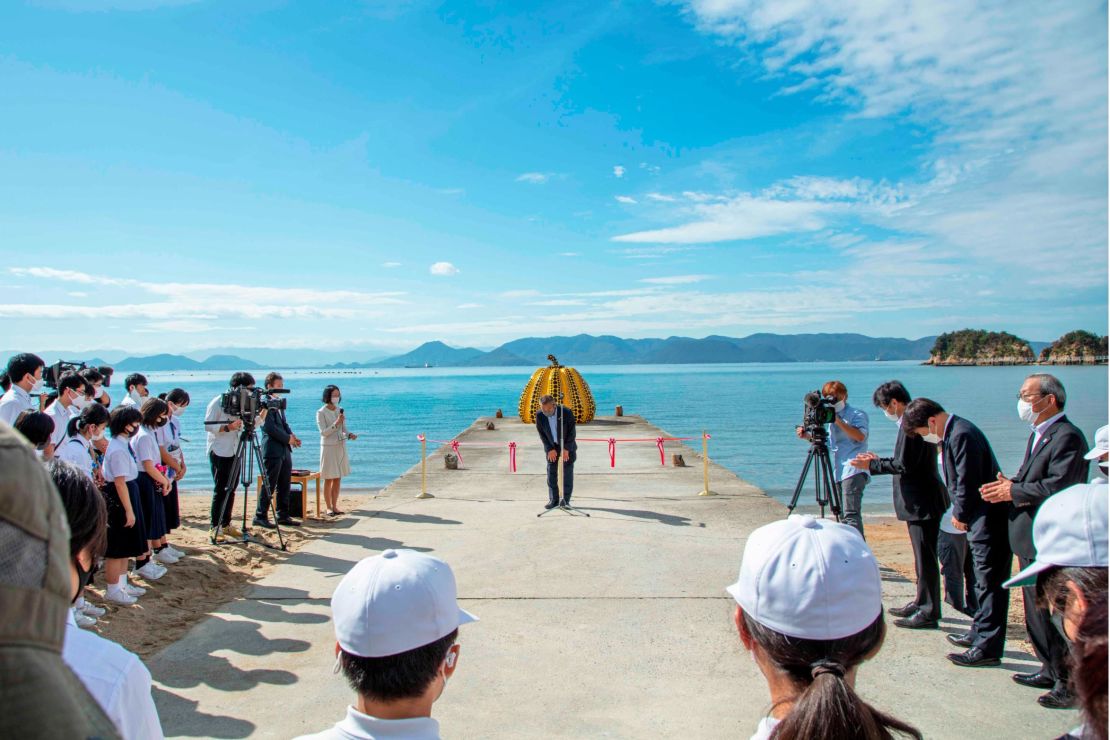
Amidst the serene waters of the Seto Inland Sea, Naoshima emerges once again as a beacon of resilience and artistic innovation. Known globally as Japan’s premier art island, Naoshima captivates visitors with its harmonious blend of contemporary sculptures and tranquil natural beauty. The island’s famed yellow pumpkin sculpture by Yayoi Kusama, a symbol of joyful eccentricity, recently returned to its rightful place after a tumultuous encounter with Mother Nature. Last summer, a powerful typhoon swept through the region, damaging the beloved installation and washing parts into the sea, yet the spirit of artistic boldness refused to be washed away. The festival of recovery and creativity that followed exemplifies how cultural icons can serve as anchors of community pride, inspiring a new wave of appreciation for lifestyle shifts centered on wellness and cultural connection.

This act of renewal underscores the importance of embracing wellness through cultural engagement, which experts like wellness advocate Dr. Jordan Peterson and art historian Lucy R. Lippard emphasize as vital for mental and emotional resilience. The resilience of Kusama’s sculpture was not simply a matter of replacing broken pieces; it was an affirmation of enduring creativity amid adversity. The artist’s production team crafted a new pumpkin that is 10% thicker and embedded with a hook, ensuring it can withstand future storms and wind. This thoughtful upgrade exemplifies an evolving lifestyle philosophy: embracing preparedness while remaining open to beauty and inspiration. Visitors, locals, and officials gathered in celebration when the sculpture was reinstalled, reaffirming that community and culture are intertwined in the pursuit of a balanced, inspired life.

Naoshima’s accessibility, a short ferry ride from Okayama and a 50-minute bullet train from Osaka, makes it an ideal destination for young adventurers seeking meaningful leisure. The island’s aesthetic is a testament to how blending art and environment can elevate everyday experiences, transforming a simple visit into a deliberate act of self-care and reflection. The ongoing Setouchi Art Festival invites travelers to partake in a journey of discovery, highlighting how curated cultural exposure enhances personal impact — from inspiring creativity or encouraging mindfulness to cultivating a sense of global community grounded in local beauty.

  • Plan your trip during the festival’s duration to experience fresh exhibitions and community events.
  • Take the 20-minute ferry from Okayama to fully immerse yourself in a peaceful, art-infused environment.
  • Explore nearby museums and abandoned houses turned into artistic statements, deepening your cultural engagement.

As the story of Naoshima’s yellow pumpkin exemplifies, lifestyle is an ongoing journey of embracing change, resilience, and beauty. It invites each individual to see the world not merely as a passive observer but as an active participant in a shared narrative of cultural revival, inspiring us to nurture our inner well-being while connecting with the wider world. The island’s rebirth serves as a reminder that life’s storms, whether literal or metaphorical, can forge stronger foundations — and that through art, community, and perspective, we can all navigate toward a more vibrant, meaningful existence.

Behind the Scenes with the Mastermind Driving Hong Kong’s Hottest Restaurants

Hong Kong’s Culinary Scene: A Reflection of Resilience and Innovation

In the heart of Hong Kong, a city renowned for its relentless energy and fierce competition, the culinary scene exemplifies a unique blend of resilience, innovation, and a sharp drive for excellence. Operating within a market often branded as “the most cutthroat F&B market in the world,” restaurateurs and publicists alike face constant pressure to innovate and refine amidst a landscape hungry for new experiences. The landscape is punctuated not just by the highest stellar ratings, like those of the two-Michelin-starred TATE Dining Room and Ando, but also by the sheer tenacity required to stay relevant in such an environment. This resilience isn’t purely economic; it’s a lifestyle—a never-ending pursuit rooted in passion and adaptability.

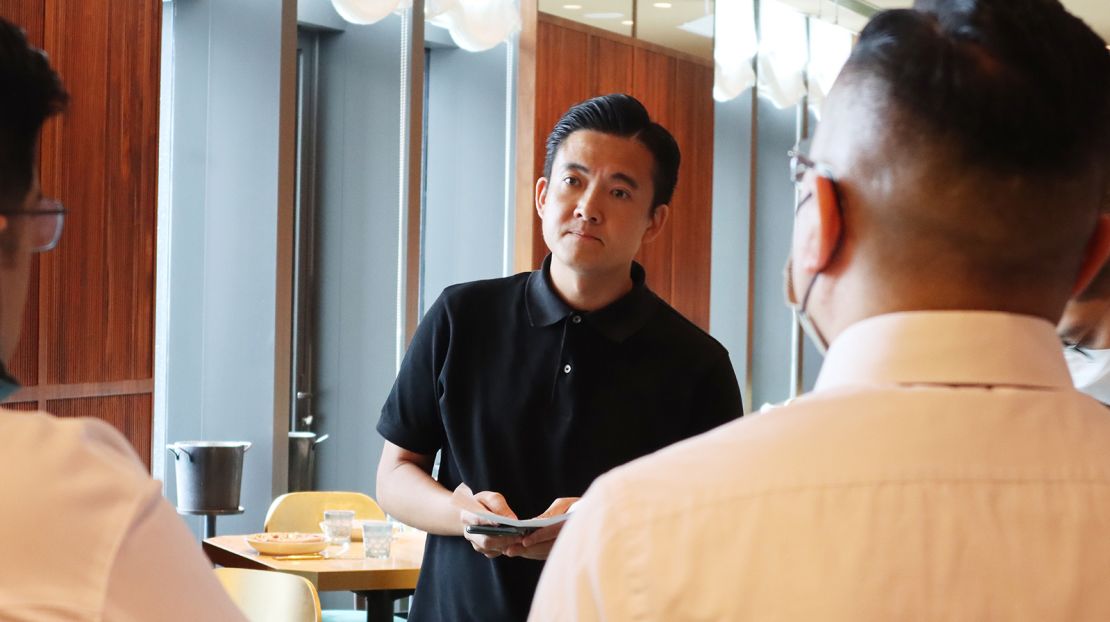
Leading this charge is Geoffrey Wu, a publicist whose impact on Hong Kong’s culinary world is undeniable. With over a decade of experience, Wu specializes in elevating some of the most prestigious restaurants, guiding them through the perilous waters of market expectations and evolving tastes. His role extends beyond traditional marketing; he immerses himself in the actual operation of restaurants—sampling dishes, refining menus, and even engaging directly with chefs and guests. Wu emphasizes that success hinges on a *strong opening*—testament to Hong Kong’s fast-paced, competitive mindset. When a restaurant like Bluhouse launched in June and promptly booked reservations through November, it exemplified how meticulous preparation and relentless energy pave the way for triumph in this unforgiving environment.

The city’s dining evolution over the past decade is nothing short of remarkable. Since the Cannes- and Michelin-influenced surge beginning in 2009, social media and an active food community have propelled local chefs to the forefront of international recognition. Now, chefs are no longer just creators but also figures engaging intimately with their audiences—building relationships and cultivating personal brands. Wu highlights this shift, noting that today’s chefs must actively touch the tables, share their stories, and participate in public moments—reflecting a change from the past when culinary skill alone sufficed. An example of this new era is Manav Tuli of Chaat, who, after moving to Hong Kong, embraced this culture of engagement and quickly earned a Michelin star, exemplifying how relationship-building is critical to establishing a strong foothold.

Embracing Change: The Spirit of Continuous Refinement

For Hong Kong’s chefs and industry insiders, there is an unshakable belief—“keep refining, keep pushing.” This mantra speaks to the core mindset that sustains the city’s culinary vibrancy. Whether it involves adding unique *tableside services*, educating diners about the cultural significance of dishes, or introducing inventive elements like palate cleansers, the industry refuses to stagnate. Wu’s own role at restaurants such as Yong Fu involves editing menus to highlight regional specialties, like authentic Ningbo cuisine, which often confuses diners with its *savory and sticky* flavor profile—yet remains a testament to local culinary heritage. Such continuous adaptation embodies the spirit of lifestyle evolution, demonstrating that excellence and freshness are the currency of survival and success.

Ultimately, the story of Hong Kong’s restaurant industry is a testament to the power of relentless drive and personal impact. It’s about more than just good food; it’s about creating experiences that resonate, connections that endure, and the resilience to reinvent oneself amidst unyielding competition. Wu, who enjoys early morning runs through the quiet city as a form of reflection, exemplifies this ethos—constant motion, continuous improvement, and a steadfast belief that true success lies in never standing still. Catering to discerning, knowledgeable customers who demand innovation, Hong Kong’s culinary entrepreneurs embrace the journey of fine-tuning and evolving, understanding that even the most celebrated restaurants have a finite shelf life. It’s this perpetual pursuit of excellence that makes Hong Kong’s culinary scene not just a market, but a living, breathing lifestyle—a testament to resilience and passion that inspires all who dare to participate.

Social Media Auto Publish Powered By : XYZScripts.com