Matox News

Truth Over Trends, always!

Behind the Scenes with the Mastermind Driving Hong Kong’s Hottest Restaurants

Hong Kong’s Culinary Scene: A Reflection of Resilience and Innovation

In the heart of Hong Kong, a city renowned for its relentless energy and fierce competition, the culinary scene exemplifies a unique blend of resilience, innovation, and a sharp drive for excellence. Operating within a market often branded as “the most cutthroat F&B market in the world,” restaurateurs and publicists alike face constant pressure to innovate and refine amidst a landscape hungry for new experiences. The landscape is punctuated not just by the highest stellar ratings, like those of the two-Michelin-starred TATE Dining Room and Ando, but also by the sheer tenacity required to stay relevant in such an environment. This resilience isn’t purely economic; it’s a lifestyle—a never-ending pursuit rooted in passion and adaptability.

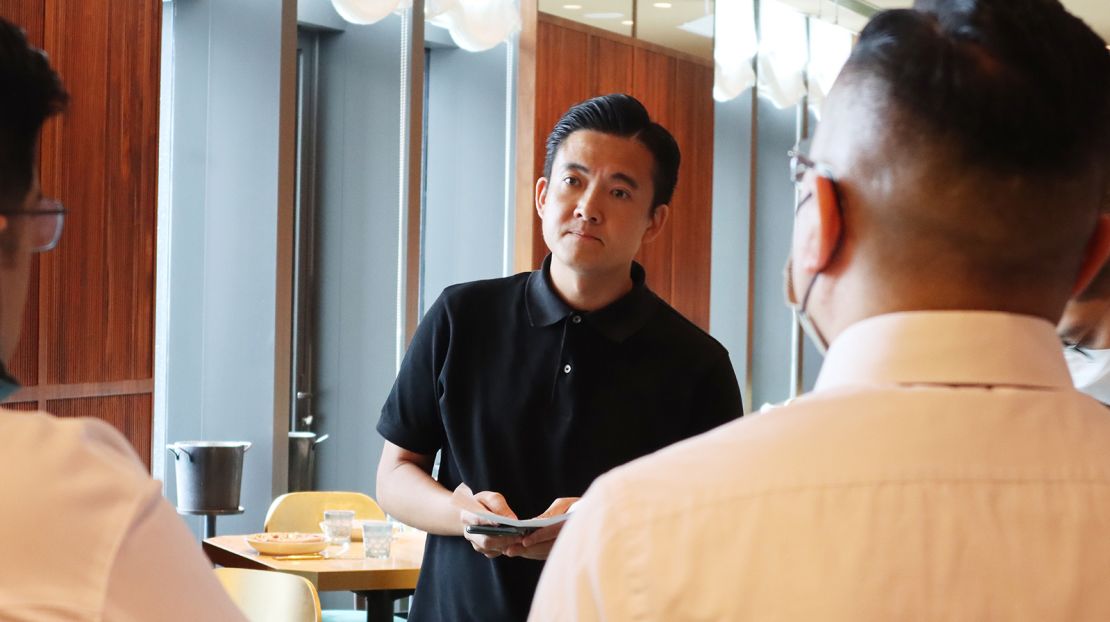
Leading this charge is Geoffrey Wu, a publicist whose impact on Hong Kong’s culinary world is undeniable. With over a decade of experience, Wu specializes in elevating some of the most prestigious restaurants, guiding them through the perilous waters of market expectations and evolving tastes. His role extends beyond traditional marketing; he immerses himself in the actual operation of restaurants—sampling dishes, refining menus, and even engaging directly with chefs and guests. Wu emphasizes that success hinges on a *strong opening*—testament to Hong Kong’s fast-paced, competitive mindset. When a restaurant like Bluhouse launched in June and promptly booked reservations through November, it exemplified how meticulous preparation and relentless energy pave the way for triumph in this unforgiving environment.

The city’s dining evolution over the past decade is nothing short of remarkable. Since the Cannes- and Michelin-influenced surge beginning in 2009, social media and an active food community have propelled local chefs to the forefront of international recognition. Now, chefs are no longer just creators but also figures engaging intimately with their audiences—building relationships and cultivating personal brands. Wu highlights this shift, noting that today’s chefs must actively touch the tables, share their stories, and participate in public moments—reflecting a change from the past when culinary skill alone sufficed. An example of this new era is Manav Tuli of Chaat, who, after moving to Hong Kong, embraced this culture of engagement and quickly earned a Michelin star, exemplifying how relationship-building is critical to establishing a strong foothold.

Embracing Change: The Spirit of Continuous Refinement

For Hong Kong’s chefs and industry insiders, there is an unshakable belief—“keep refining, keep pushing.” This mantra speaks to the core mindset that sustains the city’s culinary vibrancy. Whether it involves adding unique *tableside services*, educating diners about the cultural significance of dishes, or introducing inventive elements like palate cleansers, the industry refuses to stagnate. Wu’s own role at restaurants such as Yong Fu involves editing menus to highlight regional specialties, like authentic Ningbo cuisine, which often confuses diners with its *savory and sticky* flavor profile—yet remains a testament to local culinary heritage. Such continuous adaptation embodies the spirit of lifestyle evolution, demonstrating that excellence and freshness are the currency of survival and success.

Ultimately, the story of Hong Kong’s restaurant industry is a testament to the power of relentless drive and personal impact. It’s about more than just good food; it’s about creating experiences that resonate, connections that endure, and the resilience to reinvent oneself amidst unyielding competition. Wu, who enjoys early morning runs through the quiet city as a form of reflection, exemplifies this ethos—constant motion, continuous improvement, and a steadfast belief that true success lies in never standing still. Catering to discerning, knowledgeable customers who demand innovation, Hong Kong’s culinary entrepreneurs embrace the journey of fine-tuning and evolving, understanding that even the most celebrated restaurants have a finite shelf life. It’s this perpetual pursuit of excellence that makes Hong Kong’s culinary scene not just a market, but a living, breathing lifestyle—a testament to resilience and passion that inspires all who dare to participate.
Top 32 Chinese Dishes Every Foodie Needs to Savor ASAP!

Embracing China’s Culinary Wonders: A Taste of Tradition and Heritage

The diverse flavors of China are akin to a vast landscape of culinary treasures, each dish telling its own unique story. With an unparalleled selection of gastronomic delights, travelers can find themselves both challenged and exhilarated as they navigate the extensive menu that this country offers. The art of eating well in China isn’t merely about satisfying hunger; it’s a gateway to cultural understanding and historical appreciation.

Those venturing to sample authentic Chinese cuisine must delve into must-try dishes that showcase the depth and richness of its traditions. For starters, Peking Duck stands as a hallmark of Chinese culinary heritage. This dish has enchanted taste buds for over 1,500 years, originally stemming from Nanjing’s royal kitchens. The duck, known for its crisp skin and flavorful meat, is traditionally served with thin pancakes, cut vegetables, and sweet bean sauce. A well-executed Peking Duck experience is much more than a meal; it’s an immersive encounter with history.

Additionally, one cannot overlook the beloved Dan Dan Noodles, named for their origin as street food sold by hawkers. This classic Sichuan dish is a dance of flavors, featuring a mix of spicy, salty, and nutty profiles, often enriched with finely chopped pork. Whether served dry or in savory broth, these noodles illustrate the essence of comfort food in a bustling cityscape.

Essentials for a Culinary Journey

As one embarks on a culinary exploration of China, keep in mind some essential dishes and tips to maximize the experience:

  • Steamed Fish: Master the art of steaming fish—it’s not just a cooking method but a testament to the skill of timing and technique.
  • Sweet and Sour Pork: Light and refreshing, this dish utilizes pineapple and tangy sauce, perfect for summer.
  • Dim Sum: An experience in itself, this serves as a brilliant way to sample a range of flavors in one sitting.

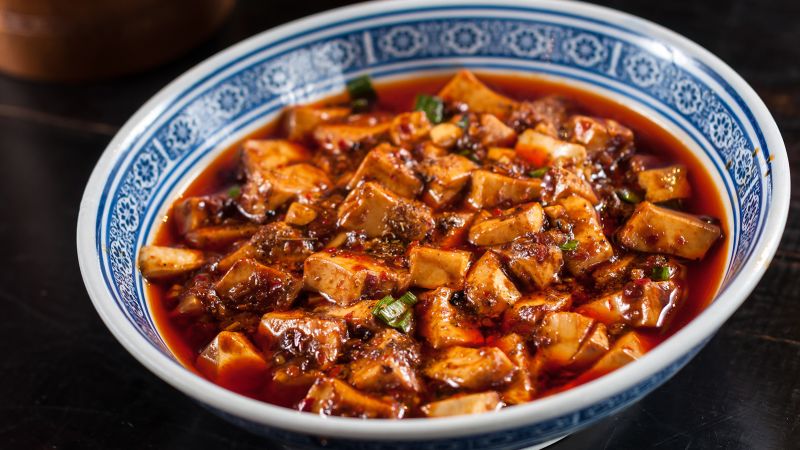
Moreover, specialties like Mapo Tofu and Hot and Sour Soup highlight regional differences that make Chinese cuisine so captivating. Mapo Tofu delivers a punch of spicy, salty flavors that exemplify Sichuan’s reputation for heat, while Hot and Sour Soup warms both body and soul with its balance of flavors, containing elements that are good for health in any season.

Reflecting on Wellness and Lifestyle Shifts

In today’s fast-paced world, embracing a diet inspired by the depth of Chinese cuisine can lead to transformative wellness practices. The incorporation of fresh ingredients, nutrient-dense foods, and balanced meals reflects a shift towards a holistic approach to living well. As culinary offerings adapt to modern health trends, one finds that these age-old recipes provide inspiration for savory solutions to contemporary dining dilemmas.

Ultimately, dining is not merely about consumption; it serves as a chance to embrace life’s journey—celebrating connections with others and fostering cultural appreciation. Whether it’s shared experiences over a steaming platter or a quiet dinner savoring every bite, the essence lies in the underlying concepts of mindfulness and enjoyment in life’s flavors. Every dish carries the invitation to explore and connect—making every meal a stepping stone in the ongoing adventure of discovery.

Stunning Highlights Along China’s Iconic Great Wall

The individual has spent nearly twelve years residing in Beijing, providing ample opportunity to explore various parts of China. Over this extended period, they have accumulated extensive travel experience across the country, gaining a comprehensive understanding of its diverse cultural, historical, and geographical features. The familiarity with Beijing serves as a base for their broader explorations, allowing them to appreciate the differences and similarities within China’s vast landscape.

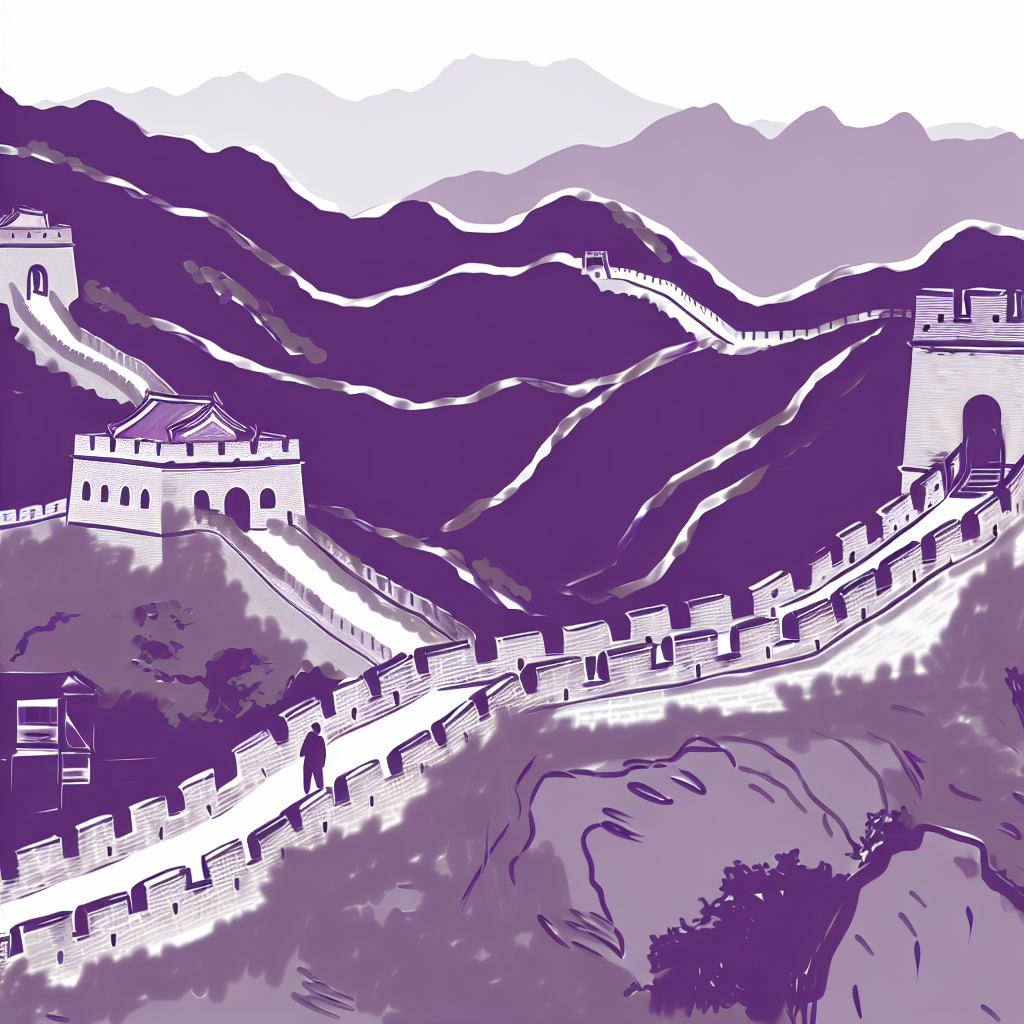
During their time in Beijing, the person has likely visited some of China’s iconic landmarks and cultural sites, such as the Great Wall, which is visible in the accompanying image. The Great Wall is one of China’s most famous and historically significant structures, stretching across multiple provinces and offering a glimpse into ancient Chinese civilization and military history. Specific sections they might have visited include the Yongtai and Turtle City areas, known for their scenic views and historical value. Such visits underscore a deep engagement with China’s rich cultural heritage, which is often characterized by well-preserved architecture and scenic landscapes.

The long-term residence and travel throughout China suggest a deep appreciation and understanding of the country’s diversity. From bustling urban centers like Beijing to quieter rural areas and historic sites, the individual has experienced various facets of Chinese life. Their journey highlights the country’s extensive cultural history, natural beauty, and architectural grandeur. As a seasoned traveler, they can attest to the profound contrasts and unique allure that various regions of China offer, making their experience a valuable perspective on one of the world’s most historically and culturally rich nations.

Blackpink Turns Heads at Coachella in Traditional Hanboks

Blackpink’s Historic Coachella Performance and the Rising Role of Korean Culture in Global Politics

In a moment that transcended entertainment and echoed across the geopolitical landscape, Blackpink, the iconic K-Pop girl group, made history at Coachella 2023 by becoming the first Asian act to headline the festival. Their performance, attended by over 125,000 fans, was not merely a display of musical talent but a deliberate assertion of cultural pride. The group honored their Korean heritage by debuting on stage in stunning hanboks, traditional Korean garments richly embroidered with symbolic motifs. This act was a potent statement, intertwining fashion, culture, and geopolitics, highlighting how nations leverage cultural diplomacy to elevate their influence on the international stage.

The significance of this moment extends far beyond the festival grounds. By incorporating hanboks into their performance, Blackpink subtly challenged Western-centric narratives that have historically marginalized Asian cultures in global pop and political spheres. According to cultural analysts, such displays of cultural pride serve as a form of soft power—an assertion of identity in a world often dominated by Western hegemony. The group’s ability to seamlessly fuse traditional Korean elements with modern pop iconography exemplifies the rising influence of South Korea as a cultural powerhouse, capable of shaping international perceptions and expanding its soft power reach.

The Cultural and Political Roots of Korea’s Expanding Global Influence

In recent years, South Korea has steadily ascended as a major player in both global culture and geopolitics. From the global dominance of K-Pop to Korean cinema’s critical success, the country’s cultural exports have become vital tools for shaping international narratives. Historians and geopolitical commentators argue that this cultural ascent correlates with South Korea’s strategic state policies aimed at fostering national pride and leveraging cultural diplomacy as a counterbalance against North Korea’s persistent threat. The use of traditional garments like hanboks during such high-profile events signals an intentional effort to promote Korea’s rich heritage, making cultural identity a cornerstone of their nation-branding strategy.

Furthermore, the appearance of hanboks with intricate embroidery or modern adaptations at major fashion events—such as Seoul Fashion Week or Milan Fashion Week—demonstrates a deliberate attempt by Korean designers to present their culture globally. International organizations and industry analysts alike recognize this as a calculated move that consolidates Korean soft power, bolster ties with diaspora communities, and perpetuate a narrative of cultural resilience. This is especially critical considering the regional tensions in East Asia, where soft power becomes an essential tool for diplomacy and influence without direct confrontation.

Fashion as an International Language of Power and Identity

The spectacle at Coachella was not only cultural but also deeply political. Internationally renowned fashion brands like Dolce & Gabbana and local artisans contributed to the group’s look, transforming their stage into a visual manifesto of Korean cultural resurgence. As historians note, fashion has long served as an expression of power and identity—witness Madonna’s Jean Paul Gaultier cone bras or Geri Halliwell’s Union Jack mini dresses—each moment capturing a turning point in cultural history. The use of hanboks, embroidered with symbols of royalty like peonies, underscored a refusal to let traditional culture be confined to the past, instead presenting it as a living, breathing force shaping Korea’s future aspirations.

As the world watches this evolution, the message is clear: nations are increasingly aware that soft power through culture can reconfigure global narratives, shape alliances, and influence societal perceptions. The cultural diplomacy embodied by Blackpink’s groundbreaking performance, therefore, marks not just a moment of teenage fanfare but a pivotal junction in the ongoing contest for influence—where tradition meets modernity on the grand stage of geopolitics.

If history is any guide, the echoes of this event will resonate through generations, a testament that when nations harness their cultural symbols at moments of global visibility, they carve their names into the fabric of history. As we stand on the brink of further shifts, one thing remains undeniable: the stages of the world are the new battlegrounds for influence, where tradition and innovation collide amid the relentless tide of change.

Social Media Auto Publish Powered By : XYZScripts.com