Matox News

Truth Over Trends, always!

Iran’s Regime Asserts Victory: Tehran Won't Back Down in the War of Words
Iran’s Regime Asserts Victory: Tehran Won’t Back Down in the War of Words

In what could be heralded as a pivotal moment in international diplomacy, President Donald Trump announced that recent negotiations between the United States and Iran might soon resume, potentially as early as this weekend. Trump suggests that both nations are “very close” to reaching an agreement, an assertion that has sent ripples through global geopolitical circles. This development, if realized, could signal a major shift in the ongoing tension that has defined US-Iran relations for decades, setting the stage for a possible new chapter of diplomacy, or at least a temporary easing of hostilities.

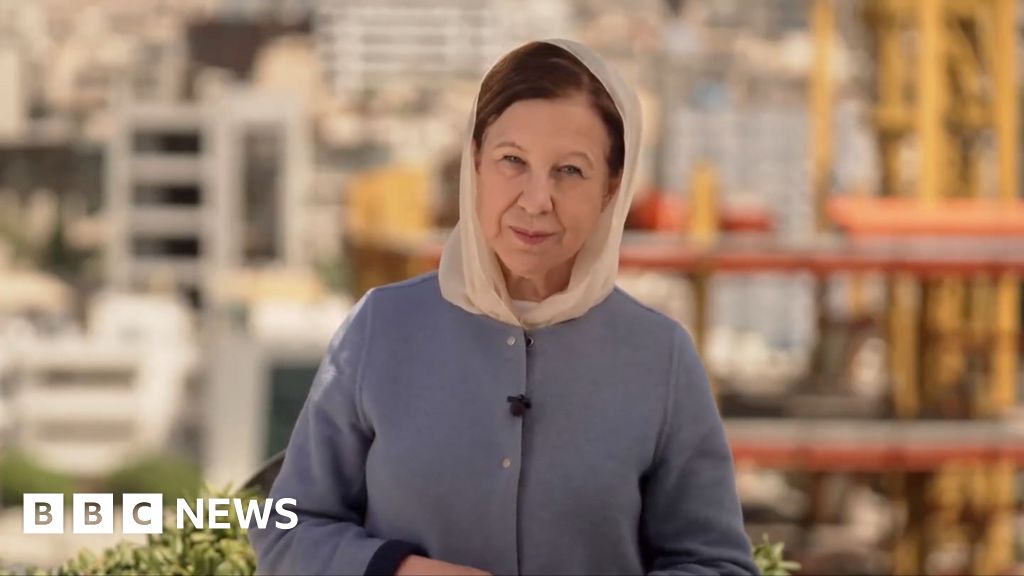
However, beneath the surface of the public proclamations, international analysts and Middle East experts underscore the complexity of this renewed dialogue. According to BBC’s chief international correspondent Lyse Doucet, although the Iranian populace and some leaders appear eager to end decades of enmity with the US, the Iranian regime remains skeptical about the sincerity and durability of such accords. She reports from Tehran that Iran’s leadership does not perceive itself to have lost the broader conflict and remains non-committal on making concessions “on Washington’s terms.” This attitude highlights a fundamental geopolitical reality: for Iran, the conflict is not merely about specific agreements but about asserting regional influence and resisting perceived foreign pressures.

The geopolitical impact of these potential talks extends far beyond bilateral relations. Historically, international agreements between the US and Iran have reshaped the power balance in the Middle East, affecting countries such as Saudi Arabia, Israel, and Turkey. Moreover, the shifting dynamics could influence economic stability, military alliances, and regional security strategies. The international community, embodied by institutions like the United Nations, watches intently, wary of whether these negotiations will ultimately foster peace or merely serve as temporary detours from ongoing geopolitical struggles. As Harvard geopolitical analyst Dr. Christina Marín notes, “any potential thaw must be approached with caution; history demonstrates that regional conflicts often resist easy resolutions.” Notably, the stakes for global stability are immense, with the Middle East’s future hanging in fragile balance.”

As diplomatic efforts proceed, the world is reminded of the delicate and often unpredictable nature of international relations. The decision to engage Iran on these terms marks a potential turning point, but also a stark reminder of how unresolved conflicts continue to threaten the global order. Will these talks lead to lasting peace, or will they simply serve as a fleeting reprieve in an ongoing struggle for regional dominance? As history unfurls before our eyes, each decision echoes through generations, shaping the geopolitical landscape in ways that are often beyond comprehension. The moment is laden with hope and uncertainty, leaving humanity to ponder whether this renewed effort can truly alter the course of history or fall prey to the entrenched shadows of past failures. The future remains unwritten, but the weight of history urges us to observe carefully — for in diplomacy’s fragile dance, the stakes could not be higher.

Netanyahu asserts Israel 'acted solo' in strike on Iranian gas facility
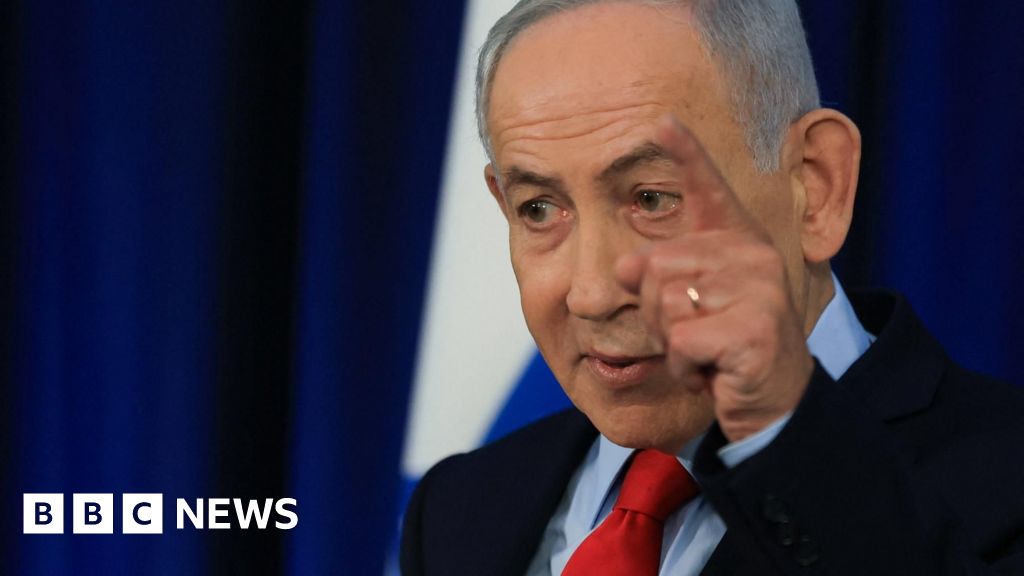
Netanyahu asserts Israel ‘acted solo’ in strike on Iranian gas facility

Recent developments in the Middle East have sent shockwaves through global energy markets, with gas prices surging as geopolitical tensions escalate in the region. An unexpected attack by Iran on Qatar has triggered a sharp increase in energy costs, reflecting not only the immediate conflict but also underlying fears of regional instability. This event highlights the profound impact of geopolitical shifts on international energy supplies, reminding nations that their economic resilience is deeply intertwined with the volatile politics of the Middle East.

In response to the attack, market benchmarks such as the UK gas prices briefly peaked at nearly 183p per therm on Thursday. Although prices have since pulled back slightly to 154.8p—a still significant 11.3% increase from the previous day—this volatility underscores broader concerns about supply disruptions. European gas prices have similarly surged by more than 10%. Such movements are not merely numbers on a screen; they translate into increased heating and manufacturing costs, influencing millions of households and businesses across the continent. Analysts warn that continued instability could push prices even higher, exacerbating economic strain on societies already grappling with inflation and energy shortages.

International organizations and regional powers are now grappling with the geopolitical fallout. The United Nations has expressed concern over the escalation, emphasizing the need for diplomatic resolution to prevent further destabilization. Meanwhile, analysts suggest that Iran’s strategic attack on Qatar—an important regional player and US ally— marks a shift in the regional balance of power. Historically, such conflicts have ripple effects, influencing not just immediate trade but also long-term alliances and energy routes. Institutions like the International Energy Agency (IEA) are warning of the potential for protracted supply disruptions, which could lead to a global energy crisis if the situation deteriorates.

The geopolitical impact of this incident extends beyond energy markets. It exposes the fragility of international diplomacy in a highly competitive, often unpredictable Middle East. This conflict, while localized at the moment, carries the potential to escalate into a larger regional or even global confrontation. According to renowned geopolitical analyst Dr. Emily Carter, “The attack on Qatar underscores the danger of destabilization in energy-rich regions, where even a single event can have cascading effects on global security and economic stability.” For youth and future generations, these developments serve as stark reminders of the precarious balance of power and the importance of strategic foresight in international relations.

As the world watches an uncertain future unfold, the weight of history presses heavily upon the unfolding events. The decisions made today—whether diplomatic, military, or economic—will define the course of regional peace and global stability for years to come. The crossroads are clear: an era of unpredictable conflicts shaping the fate of nations or a renewed commitment to diplomacy and stability. The choice is ours, but history is watching, and the pages of tomorrow remain unwritten.

US security moves mirror Russia's vision, Moscow asserts
US security moves mirror Russia’s vision, Moscow asserts

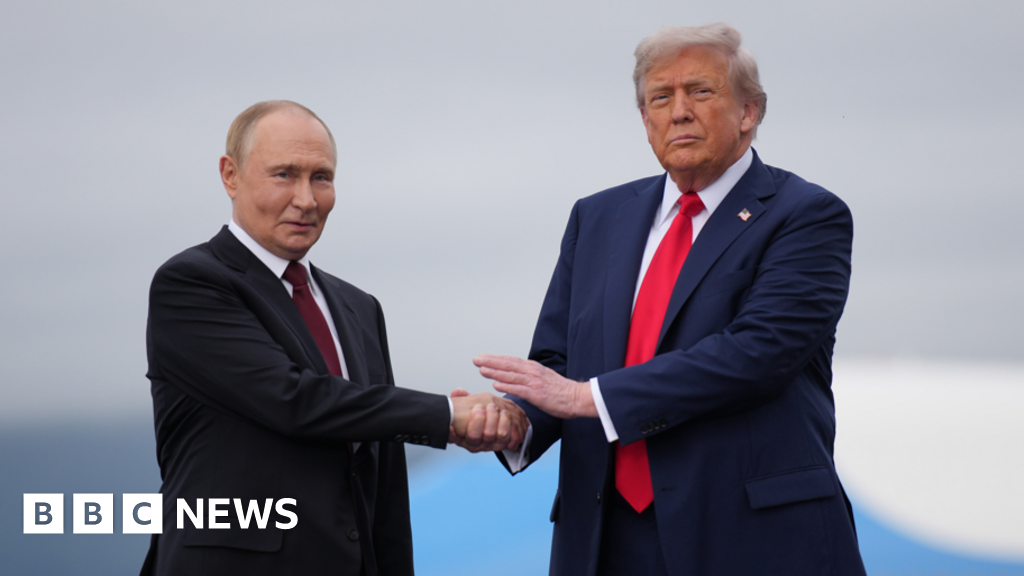
The recent unveiling of the United States’ National Security Strategy signals a pivotal moment in international geopolitical dynamics. While the document’s tone might seem conciliatory towards Russia, it also underscores a strategic realignment aimed at reinforcing America’s global influence. Moscow’s swift endorsement, described by Kremlin spokesperson Dmitry Peskov as “largely consistent” with Russian interests, indicates a mutual understanding—at least on the surface—designed to calibrate the ongoing tensions surrounding Ukraine and the broader European security architecture. However, this perceived alignment masks deeper strategic intentions that could reshape alliances and regional stability for years to come.

This strategy paints a stark picture of Europe’s future, portraying it as facing “civilisational erasure” due to intra-continental shifts, mass migration, and perceived censorship. Such framing signals the US’s intent to influence domestic European politics, championing patriotic European parties and advocating for a “revival of Western identity.” Instead of viewing Europe solely as an ally, Washington now appears to see it as a battleground for ideological and civilizational contest, with key stakeholders openly discussing the threat of economic destabilization and societal transformation. Historians emphasize that such rhetoric, when combined with the call for “re-establishing strategic stability,” could further entrench divisions, possibly undermining the very stability that transatlantic partnerships have bet upon for decades.

Meanwhile, Europe’s leadership navigates a complex web of relations, as some officials like German Foreign Minister Johan Wadephul stress the enduring US alliance within NATO—focused chiefly on security. Yet, critics from across the political spectrum, including former Swedish Prime Minister Carl Bildt, condemn the strategy for aligning too closely with extreme right factions and the far-right Alternative für Deutschland (AfD). Such connections raise concerns about the US’s flirtation with radical elements, threatening to polarize Europe further and undermine stability from within. Analysts warn that this alignment could embolden nationalist rhetoric and threaten the unity of European institutions, complicating efforts to resolve conflicts in Ukraine and Eastern Europe. As the US pushes for increased defense spending in countries like Japan, South Korea, Australia, and Taiwan, the geopolitical stakes escalate, with implications extending far beyond immediate security concerns.

Critics in Congress, including representatives such as Jason Crow and Gregory Meeks, warn that this strategy could severely damage America’s reputation and leadership in the international arena. The narrative of “America First,” paired with military interventions in the Caribbean and possible action in Venezuela, signifies a retreat from the value-based diplomacy that once underpinned U.S. foreign relations. As historians and analysts stress, such shifts threaten to isolate the United States from traditional allies and diminish its strategic credibility. In a world increasingly divided, the weight of history presses upon the choices made today—choices that could redefine the global order and determine the fate of countless societies. As the ink dries on this strategy document, the true repercussions remain cloaked in uncertainty, yet their echoes will resonate through the corridors of history, shaping the destiny of nations for generations to come.

US asserts it crafted the peace plan—protecting American interests and leadership

In a rapidly shifting geopolitical landscape, the United States finds itself at the center of a contentious debate over the future of Ukraine. Recently, reports emerged indicating initial proposals for ending the ongoing conflict in Ukraine included concessions that many allies deem unfavorable. These proposals, leaked to the public, suggested that Ukraine would have to withdraw from eastern territories it currently controls and place limits on its military strength—appeasing Russia but raising alarms among Kyiv’s Western allies. The draft, which has not been officially released, is seen by many as a Russian “wish list” that threatens to undermine Ukraine’s sovereignty, prompting sharp pushback from European leaders and NATO members.

U.S. Secretary of State Marco Rubio has publicly insisted that the plan in question was authored by the United States, emphasizing that it incorporates input from both Russia and Ukraine. However, some senators and international analysts have challenged this narrative, suggesting that the proposal more accurately reflects Russian interests rather than a balanced diplomatic effort. During a forum in Geneva, Republican Senator Mike Rounds claimed Rubio stated the draft was not official U.S. policy, further fueling doubts over America’s true stance. In response, State Department spokesperson Tommy Pigott dismissed these claims as “blatantly false,” reiterating the administration’s position that the plan was developed with American leadership and strategic input. The conflicting narratives underscore the delicate, high-stakes diplomacy playing out behind closed doors, with the future of the conflict hinging on fragile negotiations.

The core of the debate revolves around a 28-point plan that has caused intense division among Ukraine’s allies. European nations, including Germany, France, and the UK, have publicly voiced concerns, emphasizing that the plan could leave Ukraine vulnerable to future attacks and undermine its territorial integrity. This skepticism was articulated at the recent G20 summit, where a joint statement from most European leaders declared the plan “would require additional work,” citing concerns over border changes and restrictions on Ukraine’s military capabilities. French President Emmanuel Macron warned that any peace accord must guarantee security for all of Europe, resisting any proposal that can be perceived as capitulating to Russian demands. Meanwhile, German Chancellor Friedrich Merz acknowledged the distance still remaining towards a comprehensive and equitable peace, warning that “we are still quite a long way from a good outcome for everyone.”

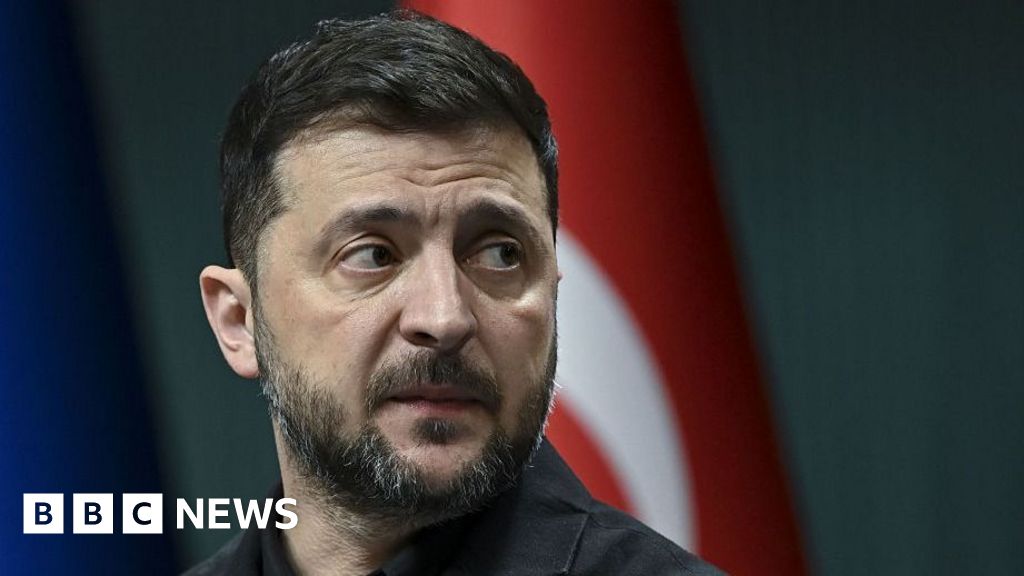
As the international community watches anxiously, the stakes have never been higher. Since Russia’s invasion of Ukraine in February 2022, the conflict has evolved into a larger confrontation involving NATO, the US, and the European Union—each seeking to preserve their strategic interests while navigating the complexities of international law and national sovereignty. The potential concessions within the proposed plan threaten to reshape regional security dynamics, with some analysts warning of a precedent that could embolden future aggressions. Meanwhile, Ukraine’s President Zelensky remains resolute, appointing a new negotiator to lead future talks and maintaining that his government will defend its sovereignty at all costs. But in the shadows of diplomatic negotiations, the weight of history presses down on every decision, hinting at a future where the line between peace and perpetual conflict remains perilously thin. The unfolding saga in Geneva could yet become a defining chapter—either fostering a fragile peace or unleashing new waves of uncertainty that will test the resolve of free nations for generations to come.

Social Media Auto Publish Powered By : XYZScripts.com