
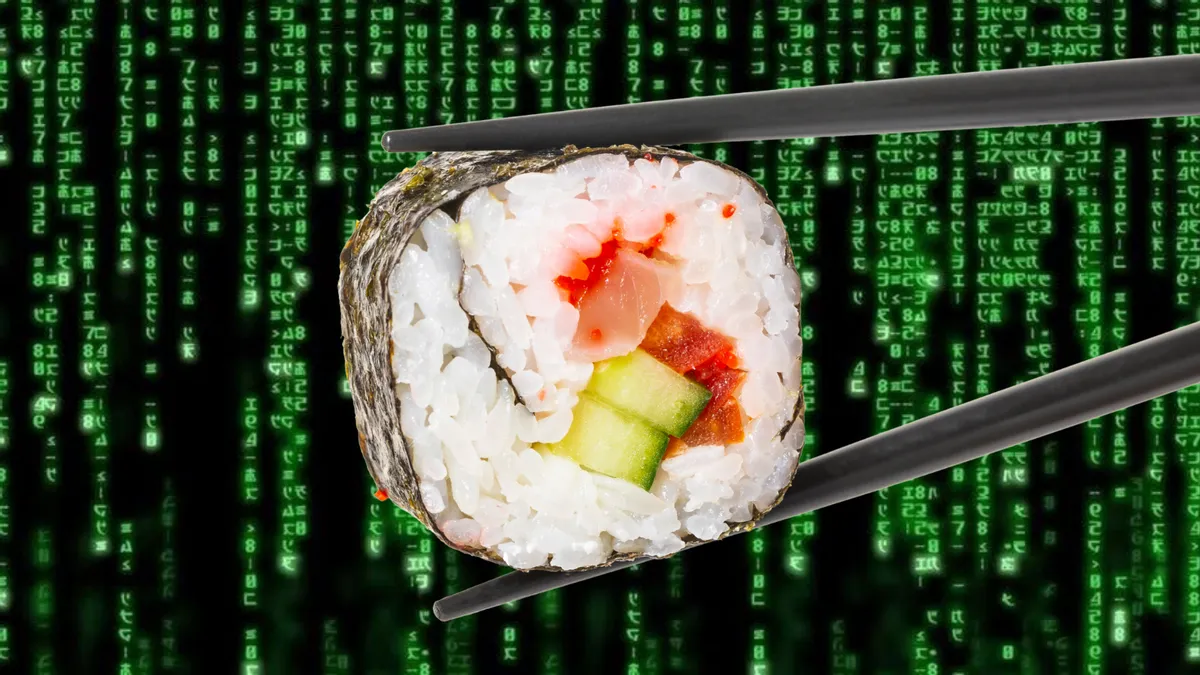

Fact-Check: Did Simon Whiteley Use Cookbooks to Create the Coding Effect?
Recently, a claim has circulated online suggesting that Simon Whiteley, the code designer for the beloved film, The Matrix, crafted the iconic “green code” visual effect by scanning characters from his wife’s Japanese cookbooks. This story, while intriguing and adding a touch of literary charm, warrants closer scrutiny to determine its factual accuracy. As responsible citizens and consumers of media, it’s crucial to separate verified facts from alluring myths.
Examining the Origins of the Story
The claim appears to originate from anecdotes shared by The Wachowskis, creators of the film, and Whiteley himself. Reports indicate that the visual effect of the digital rain — cascading green symbols — was inspired by real Japanese characters. However, whether the design was directly created by scanning from cookbooks or whether this story is an embellished account remains in question.
Whiteley’s own explanations and interviews collected by VFX industry sources suggest that, while Japanese characters served as inspiration, the actual process was far more technical and involved digital design techniques rather than simply copying characters from cookbooks. Indeed, interviews with the film’s visual effects team indicate that the code was generated via digital overlays using custom software designed expressly for this purpose, rather than through a straightforward scan of printed material.
Technical Process Behind the Iconic Code
The process of creating the falling code effect involved:
- Designing characters that evoke East Asian scripts but are not actual readable text.
- Digitally generating these characters to produce a seamless rain-like animation.
- Employing software to manipulate the code’s movement, density, and appearance, ensuring it fit the film’s aesthetic and thematic goals.
According to visual effects supervisor Jon Farhat, “The code was crafted digitally with input from linguists and graphic designers, to encapsulate the idea of information flowing in a cloaked, mysterious way.” This suggests a deliberate digital design rather than a mere scan of existing text source material.
Were the Characters From the Wife’s Cookbooks?
The specific claim that Simon Whiteley used characters from his wife’s cookbooks is rooted in a story Whiteley himself has recounted. He stated that he was inspired by Japanese script, specifically noting that some of the characters used in the digital rain were taken from his wife’s cookbooks on Japanese cuisine. However, in the context of animation and visual effects, this can be understood metaphorically as inspiration rather than an exact replication process.
Experts in Japanese language clarify that while cookbooks contain authentic Kanji characters, those used for visual effects in film are typically stylized or morphed to serve the aesthetic rather than represent meaningful language. Therefore, the assertion aligns with a creative process inspired by real characters but not digitally reproducing text from cookbooks line-by-line.
Fact-Checking the Core Claim
Based on the evidence, the following points emerge:
- The story that Simon Whiteley scanned characters directly from his wife’s cookbooks is plausible as an inspiration, but not entirely accurate as a technical explanation of how the visual effect was created.
- The actual digital rain effect was generated with sophisticated computer graphics and software designed specifically for the film, rather than a simple scan-and-reuse methodology.
- Expert statements reinforce that while real Japanese characters influenced the design, the iconic symbols in the film are stylized and generated, not literal text directly copied from printed cookbooks.
The Importance of Truth in Media Narratives
In a digital age where sensational stories spread rapidly, it’s vital to ground our understanding in verified facts. The claim linking Simon Whiteley’s design process to copying material from cookbooks oversimplifies and romanticizes the technical craft behind one of cinema’s most iconic visuals. Transparency about the creative process helps preserve trust in the arts and informs audiences about the craftsmanship involved in filmmaking.
Ultimately, truth is the backbone of an informed citizenry. As viewers and digital citizens, we must distinguish compelling storytelling from factual accuracy — a responsibility that supports a healthy, functioning democracy and respect for responsible creativity.







