Matox News

Truth Over Trends, always!

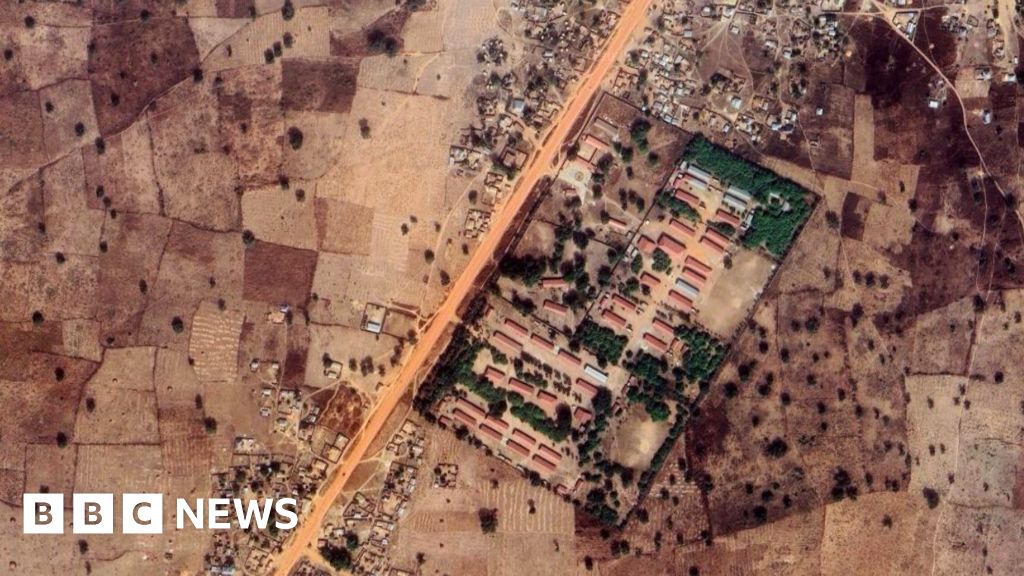
Nigerian Catholic School Students Abducted in Shocking Attack

The recent surge of violence and insecurity in Nigeria has precipitated a crisis that threatens the stability of West Africa’s most populous nation. In a series of catastrophic events, armed groups—ranging from criminal gangs to jihadist factions—have intensified their operations, abducting thousands of innocents and unleashing chaos across multiple states. Amidst this upheaval, the recent abduction of students from St Mary’s School in Papiri, Niger state, underscores a disturbing trend: the deterioration of security that now engulfs Nigeria like a relentless storm. The attack, executed by armed men reportedly storming the educational facility in the early hours, left residents in fear and confusion, highlighting the reckless disregard for life and” safety,” as analysts warn of a **”nation on the brink.”**

Geopolitical Impact: Nigeria’s Crisis and the International Response

International observers, including prominent historians and security analysts, connect these domestic upheavals to the broader geopolitical consequences for Africa and the global community. From the mounting human rights concerns to the destabilization of regional economies, Nigeria’s security failures threaten to ripple far beyond its borders. Notably, US President Donald Trump has made controversial claims that Christians are being persecuted within Nigeria, fueling diplomatic tensions. His overt threat to deploy troops—asserting he would send “guns blazing”—was swiftly dismissed by the Nigerian government as a *”gross misrepresentation.”* Despite this, such declarations amplify the fragile perception of Nigeria as a failed state, where the rule of law is under siege.

Meanwhile, the United Nations and various regional blocs have expressed concern over the proliferation of violence, including the ongoing jihadist insurgency in the north-east and resource-driven conflicts between herders and farmers in the central region. Analysts warn that Nigeria’s overlapping crises—religious, ethnic, and criminal—test the limits of state authority and threaten to ignite even greater regional instability. “Without decisive action,” warns one international security expert, “Nigeria could become a failed state whose chaos spills into neighboring countries.”

How Decisions Shape Societies and Futures

The Nigerian authorities have faced immense criticism for their response—or lack thereof. Despite repeated warnings and intelligence reports, government agencies permitted the reopening of schools like St Mary’s, after ignoring directives designed to safeguard students in a time of heightened threat. This persistent neglect is symptomatic of deeper systemic failures, as local authorities scramble to contain the mounting crises without sufficient resources or coordination. Governments’ decisions to mismanage or neglect essential security measures directly influence societal resilience, shaping the lives of millions. For many young Nigerians, the long-term impact is clear: a loss of hope, disrupted education, and the risk of radicalization as chaos becomes the magnetic force drawing vulnerable youth toward insurgent factions.

Furthermore, the international community remains divided in how to address Nigeria’s multifaceted crisis. While some, like the U.S., threaten military intervention, others advocate for enhanced aid, diplomatic pressure, and internal reforms. Yet, as the violence persistently erupts, it becomes evident that the fate of Nigeria—the giant of Africa—may hinge on whether its leaders can muster the political will to confront these criminal and insurgent networks with unwavering resolve. “Decisions made today,” warns a renowned historian, “will determine whether Nigeria’s children can inherit a nation of peace, or a land awash in the blood of the innocent.”

As the world watches Nigeria teeter on the edge, history reminds us that the unfolding chapter remains unwritten—and that every choice, every response, will echo through generations. The duration of Nigeria’s tumultuous struggle is yet to be measured, but the weight of what is happening now leaves no doubt: the continent’s future, and perhaps the global order, hang in the balance as the shadows of conflict stretch across the horizon, looming ominously over a nation’s destiny yet to be determined.

Woman sentenced to 20 years for deadly attack on Aussie surfers and American in Mexico

The recent tragic murders of three international tourists in Baja California have sent shockwaves through global communities and ignited debates on security and geopolitical stability in the region. The victims—Australian brothers Jake and Callum Robinson, aged 30 and 33, and American Jack Carter Rhoad, 30—symbolize the increasing vulnerability faced by tourists crossing international borders, especially in areas plagued by organized crime. Mexican judicial authorities announced that Ary Gisell Silva, a 23-year-old woman, received a 20-year prison sentence for her direct involvement in instigating and participating in the robbery that ultimately led to their death. This heinous crime underscores a persistent issue: how uncontrolled criminal activity in border regions threatens international security and the reputation of Mexico as a tourist destination.

The geopolitical impact of this incident extends beyond the borders of Mexico. The tragedy intensifies a broader concern among Western nations regarding safety in their citizens’ travel zones, especially in regions bordering the United States. International organizations like the United Nations Office on Drugs and Crime have long warned about the proliferation of violence and organized crime in Mexico, which often spills over into neighboring countries. Analysts suggest that such violent outbreaks not only discourage tourism but also weaken diplomatic relations, prompting governments to reconsider their travel advisories and security cooperation strategies. These developments jeopardize economic and diplomatic ties, emphasizing that violence in regions like Baja California is not just a local issue but a matter of global concern.

Recent history documents a pattern of violence, with other foreign tourists falling victim to criminal activity in Mexico’s Pacific coast regions. In 2015, a notorious attack saw two Australian surfers, Dean Lucas and Adam Coleman, murdered and later burned in Sinaloa. Such incidents serve as stark warnings that criminal enterprises have entrenched themselves deeply within parts of Mexico, intentionally targeting tourists to promote fear and chaos. International observers argue that these recurring tragedies expose underlying geopolitical vulnerabilities and demand urgent action. International organizations and security analysts warn that unchecked violence fuels instability, with ramifications that could reverberate globally if coordinated efforts are not prioritized.

As authorities aim to bring justice for the victims, the broader challenge remains: protecting life and restoring confidence in regions marred by crime. The Mexican government faces mounting pressure to clamp down on organized crime and demonstrate its commitment to safety, not only for its citizens but for international visitors whose livelihoods and families depend on secure borders. Meanwhile, the incident underscores the importance of a strategic reassessment by global actors, emphasizing cooperation and intelligence-sharing to combat transnational criminal networks. The unfolding story leaves us pondering whether the tide can truly be turned or if this is only the beginning of a darker chapter that will reshape how nations view security and sovereignty in the 21st century. Ultimately, the weight of history presses heavily on the collective conscience, reminding us that the choices made today will profoundly influence the safety and stability of future generations.

Russian missile strikes hit Ternopil, killing 25 in deadly western Ukraine attack

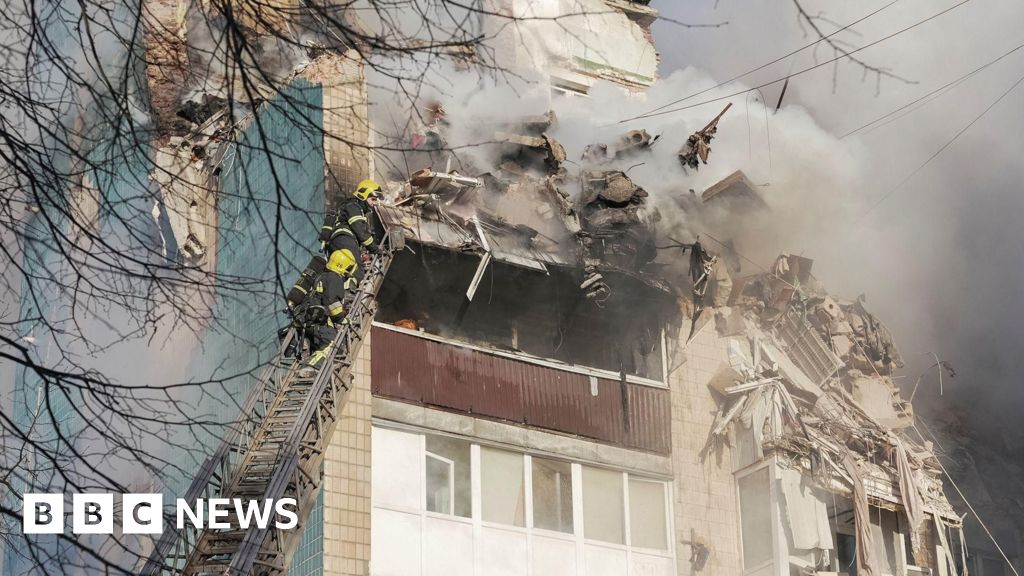
The latest series of attacks in Ukraine underscore the persistent volatility that has defined the ongoing conflict since Russia’s full-scale invasion in February 2022. Attacks targeting civilian populations and critical infrastructure in western Ukraine, notably the city of Ternopil, reveal the brutal reality of a war that shows no signs of abating. According to Ukrainian officials, at least 25 civilians, including three children, lost their lives, with over 70 wounded, many in devastating strikes involving Russian X-101 cruise missiles. As the smoke billows over residential areas and vital infrastructure, the international community faces an urgent question: how long can Ukraine withstand such relentless assault? Analysts warn that with each passing day, the toll on civilian lives and societal resilience intensifies, threatening to fracture the fragile fabric of Ukrainian society.

Ukraine’s military efforts, bolstered by Western aid, demonstrate both resilience and strain. Despite claiming to have intercepted 442 of 476 drones and 41 of 48 missiles—some intercepted by F-16 and Mirage 2000 fighter jets supplied by the United States and its allies—the Ukrainian air defenses are stretched thin. Ukrainian officials have openly pleaded for “the uninterrupted and timely supply of aviation weapons,” highlighting the precarious balance of hope and desperation. Henry Kissinger, once considered a voice of diplomatic pragmatism, has warned that the prolonged conflict risks entrenching divisions and feeding into a cycle of violence that could have lasting repercussions beyond Ukraine’s borders. Meanwhile, Moscow’s claims of targeting Ukraine’s military-industrial complex and energy infrastructure serve as a stark reminder that Russia aims to weaken Ukraine’s willpower, logistical capacity, and civilian morale, especially as the approaching winter threatens to turn the conflict into a brutal, cold endurance test.

The escalation in Russia’s strikes on Ukraine’s energy facilities signals an intent to erode the enemy’s resilience. The recent targeting of critical energy infrastructure in Ivano-Frankivsk and Lviv has resulted in blackouts and rationing, further complicating Ukraine’s ability to sustain the war effort and daily life. As the energy grid becomes increasingly vulnerable, international organizations, including the International Energy Agency, have voiced concern about the mounting costs of war—costs that threaten to reverberate through the economic stability of the entire region. Russia’s Defense Ministry asserts its long-range missile strikes are a reaction to Ukrainian attempts to disrupt Russian territory, including the first publicly acknowledged use of U.S.-supplied Atacms missiles inside Russian borders. This escalation pushes the conflict towards a new phase—one where the boundaries of conventional warfare and proxy assaults become dangerously blurred.

On the diplomatic front, efforts to broker peace are intensifying, but progress remains elusive. President Zelensky’s visit in Ankara for talks with Turkish President Recep Tayyip Erdogan signals a strategic move to seek international mediation, yet prospects for a substantive breakthrough remain limited. Reports suggest that the United States is involved in behind-the-scenes negotiations, with special envoy Steve Witkoff working with Moscow’s Kirill Dmitriev on potential peace initiatives. However, the Kremlin, led by Dmitry Peskov, remains intransigent, declining to send representatives and dismissing rumors of an active peace process. As NATO allies reinforce their support, deploying jets to Poland and increasing military aid, the risk of broader regional destabilization grows. The world watches as Russia’s demands for Ukraine’s neutrality and limits on its military capabilities remain unchanged—an uncompromising stance that prolongs the conflict and threatens to ignite a wider war.

With the upcoming fourth anniversary of the invasion looming, the stage is set for an uncertain future, where history seems poised to judge the choices made on the battlefield and in diplomacy. As civilians endure daily suffering and nations brace for intensified clashes, it becomes increasingly clear that the forces at play are reshaping the geopolitical landscape. The question remains: will diplomacy thaw the frozen conflict, or are we witnessing the birth of a new brutal epoch where history’s penmanship is written in smoke, fire, and the unyielding will of nations forging their own destinies?

Lebanon blames Israel for deadly attack near Palestinian refugee camp, 13 dead

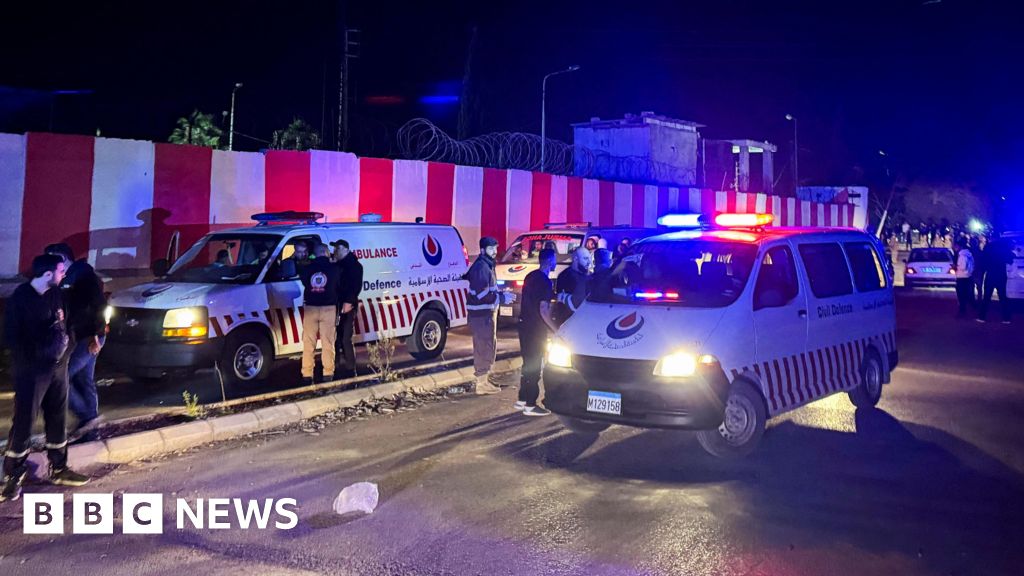
The Middle East remains a flashpoint of conflict, with recent events underscoring the volatility that continues to threaten regional stability and global security. Israel, reiterating its stance against militant groups, launched a strike near the largest Palestinian refugee camp in Lebanon, Ein el-Hilweh. According to Lebanese authorities, at least 13 individuals were killed, with dozens more injured. The Israeli military claimed the target was a Hamas training compound, ostensibly used for planning attacks against Israel, an assertion Hamas vehemently denies, branding it a fabrication and lies. This incident exemplifies how Israel’s technological precision and strategic strikes operate within a complex web of regional alliances and enmities, aiming to weaken militant capabilities while risking civilian casualties.

This violence cannot be viewed in isolation. Since the outbreak of the October 2023 conflict initiated by Hamas’s brutal assault on southern Israel—resulting in approximately 1,200 deaths and multiple hostages—the broader regional picture has deteriorated rapidly. Israel’s military response in Gaza and Lebanon has resulted in devastating civilian tolls, with Palestinian casualties surpassing 69,000, raising alarm among international observers and human rights organizations. Meanwhile, Hezbollah, backed financially and militarily by Iran, intensified its attacks against Israeli targets in a display of solidarity with Palestinians. These actions have pushed the region towards an unstable equilibrium of tit-for-tat violence, with the Lebanese Hezbollah engaging in ongoing hostilities, firing rockets in defense of Gaza, and launching an assault on northern Israel.

Analysts from think tanks and global institutions warn that the geopolitical impact of these escalating conflicts exceeds regional boundaries. They highlight how Iran’s influence and proxy networks have turned Lebanon into a battleground, transforming the Lebanese armed groups into key players in a broader confrontation. The 13-month war culminating in a fierce Israeli offensive in October 2024 has caused the displacement of over 1.2 million Lebanese civilians, sowing chaos and despair. The collapse of Lebanese stability threatens neighboring countries and global markets, especially considering Lebanon’s precarious economic situation. The United Nations and regional powers are calling for restraint, but with conflicting interests and deep-seated hostility, prospects for peace remain distant.

Historian voices and experts warn that decisions made now will carve the contours of future generations’ lives. The ongoing violence—fueling resentment and radicalization—edges the region closer to a broader, perhaps irreversible, rupture. With Israeli officials justifying their strikes as measures to diminish threats, and Hamas and Hezbollah positioning themselves as defenders of Palestinian and Lebanese sovereignty, the battle lines are being redrawn. This relentless cycle of violence exemplifies how international decisions—often made in the shadows—shape societal fate, threatening to plunge the Middle East into deeper chaos. As history unfolds in real-time, it is evident that the weight of these events will be felt long after today’s battles cease, leaving a fractured landscape where hope must fight to survive amidst the wreckage of yesterday’s conflicts.

Trump slams Nigeria’s Christian crackdown: Is religious freedom under attack?

Embracing a Lifestyle of Purpose and Resilience

In today’s fast-paced world, where the relentless pursuit of success often overshadows personal wellness, many young individuals are beginning to recognize the importance of __centering their lives around purpose, health, and resilience_. From the bustling streets of Lagos to the serene countryside, a rising shift in lifestyle ideals emphasizes _well-being as the foundation of true fulfillment_. Wellness experts like Dr. Jordan Peterson and motivational authors such as Brené Brown advocate for a life anchored in authenticity, self-care, and community. This cultural movement challenges the traditional metrics of success and highlights that _true vitality comes from nurturing the mind and body_ in harmony.

The _modern wellness paradigm_ is transforming how youth approach daily routines. Embracing practices like mindful meditation, active outdoor recreation, and nutritional awareness, many are striving to _find balance amid chaos_. For instance, African tech entrepreneurs and creatives are now integrating _lifestyle hacks that prioritize mental resilience_—whether it’s through local markets’ organic foods or outdoor ventures that foster _mental clarity_. The key message from wellness influencers like Jay Shetty and Oprah Winfrey centers on _investing in self-awareness and community_ as a route to personal impact. Living a life rooted in purpose translates to making choices that promote _long-term health, happiness_, and _shared prosperity_, which ultimately fuels a passion for _self-improvement and social contribution_.

Travel and leisure experiences are also evolving, becoming more intentional. Many youth-oriented explorers seek destinations that offer _authentic cultural immersion_ rather than superficial escapism. Travel hacks such as _connecting with local communities, engaging in eco-friendly activities, and practicing sustainable tourism_ serve as ways to _enhance personal growth_. Examples include hiking through Abuja’s national parks, volunteering in rural Nigeria, or participating in wellness retreats that combine _traditional healing rituals with modern mindfulness practices_. These experiences are not just leisure—they are _opportunities for self-discovery and connection to something greater_. As cultural theorist Chimamanda Ngozi Adichie reminds us, _embracing diverse narratives_ broadens our understanding of _what it means to live a fulfilled life_.

  • Prioritize daily movement—be it walking, dancing, or yoga—to boost physical and mental health
  • Choose destinations that foster _authentic cultural exchange_ and _self-growth_
  • Integrate _mindfulness practices_ into your routine for _lasting resilience_
  • Support local economies and _sustainable initiatives_ during travel

In a world filled with turbulence and shifting narratives, the _journey towards personal well-being_ becomes an act of defiance and hope. Young people today are redefining what _success_ and _happiness_ mean, turning away from material excess and towards _meaning, community_, and _self-awareness_. It’s an era that encourages individuals to _forge their own paths_, embracing _wellness as a lifestyle_ rather than a fleeting trend. And in doing so, they find the strength not only to improve their own lives but to inspire others along the way. Life, after all, is a continuous journey of growth—an ongoing act of embracing the resilience that resides within us all.

US-Canada clash over Reagan-era tariff attack as trade talks stall — Trump administration step in

Geopolitical Turmoil: Canada’s Trade Rift with the US Sparks International Reckoning

The recent escalation in trade tensions between Canada and the United States marks a significant turning point in international relations, highlighting the fragile nature of economic diplomacy in an era dominated by unilateral decision-making. The controversy began when the Ontario government ran a political advertisement featuring a historical speech by Ronald Reagan, emphasizing his stance that “trade barriers hurt every American worker”. The move, aimed at engaging US audiences on the impact of tariffs, unexpectedly ignited a diplomatic firestorm after Donald Trump responded with accusations of a “fraudulent” ad and, ultimately, the outright suspension of all trade negotiations with Canada. This sequence of events demonstrates how historical narratives can be weaponized in modern geopolitics, with repercussions that resonate far beyond the initial dispute.

The US-Canada trade relationship, long regarded as a cornerstone of North American stability, now faces an uncertain future. With the US imposition of 35% tariffs on Canadian steel, aluminum, and other key sectors, and Canada’s retaliatory measures, the economic fabric of both nations risks unraveling. Experts like Chris Sands, director of the Center for Canadian Studies at Johns Hopkins, warn that these developments could mark the cessation of meaningful negotiations. “Can we stop trade talks? Yes, but there was no evidence we were going anywhere anyway,” he notes, underscoring the perceived dead-end nature of current policy. The American move, fueled by political calculations amidst upcoming judicial hearings on presidential tariff authority, signifies a shift from Reagan’s ideals of free trade to a protectionist stance that threatens to destabilize the longstanding continental economic framework.

Moreover, this diplomatic breakdown occurs amid critical international deadlines. The scheduled review of the United States-Mexico-Canada Agreement in July 2026, coupled with U.S. Supreme Court hearings on Trump’s emergency tariff powers, underscores a pivotal moment for North American integration. The decision by the Canadian government to pivot towards building new partnerships in Asia reflects a broader strategy: diversifying economic reliance away from the tumultuous US market. As analysts observe, Canada’s stance is emblematic of a larger pattern—asserting sovereignty and safeguarding national interests against unpredictable American policies. Canada’s leadership now walks a tightrope, balancing domestic political pressure, regional unity, and its long-term strategic interests. These shifts will undoubtedly influence the global order, challenging established alliances and redefining how nations navigate shared economic destinies.

As history cast its long shadow over the present, the unfolding saga of North American trade relations raises a stark question: Will the echoes of Reagan’s optimistic free-trade vision be drowned out by the harsh realities of 21st-century protectionism? Or is this the beginning of a deeper reordering of global economic alliances? Only time will reveal whether these recent flashpoints are fleeting moments or the prelude to a fundamental transformation—where history’s lessons are either heeded or dismissed, and the world’s balance of power is reshaped by decisions made in moments of crisis. The weight of the future hangs heavy, as the pages of history continue to turn, writing a new chapter that will be remembered for generations to come.

Chernihiv Shrouded in Darkness After Major Russian Attack

Ukraine Under Siege: The Geopolitical Fallout of Russia’s Latest Strikes

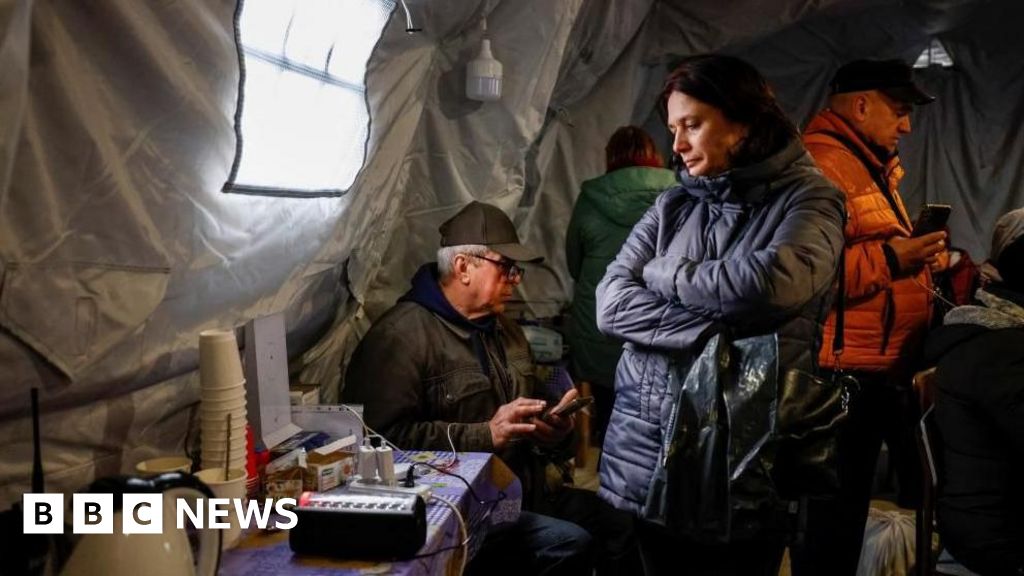
In an alarming escalation of its ongoing invasion of Ukraine, Russia has intensified its attacks on Ukrainian civilian infrastructure, with Chernihiv—a city in the country’s most northerly region—becoming the latest victim of what Kyiv describes as a “massive” missile and drone barrage. The attack has plunged Chernihiv into a complete blackout, leaving hundreds of thousands of residents without power and disrupting vital water supplies. This pattern of relentless assault signifies a clear shift in Russia’s military strategy, focusing on crippling Ukraine’s energy and logistic resilience, and raising profound questions about the future stability of the region.

Across the broader Chernihiv region, reports indicate that four civilians have been killed, including a 10-year-old girl, with ten others injured in the sustained missile strikes. The attacks have targeted the city’s electricity-generating facilities, with over 100 Shahed drones—Iran-designed UAVs carrying 50kg warheads—alongside ballistic missiles, wreaking havoc on the power grid. Deputy head of the Chernihiv Regional Military Administration, Andriy Podorvan, confirmed that these assaults are part of an alarming trend stretching back over six months, but recent months have seen a dramatic spike in frequency and intensity. The strategic targeting of energy infrastructure aims not only to weaken Ukraine’s wartime capacity but also to erode public morale, potentially paving the way for further instability in the transient ceasefire negotiations that have failed to halt hostilities.

The international community watches with growing concern. Analysts warn that sustained strikes on civilian infrastructure risk plunging Ukraine into a humanitarian crisis and further destabilizing Europe. The Biden administration and NATO allies remain cautious yet increasingly alarmed, recognizing that Russia’s escalation—be it through drone warfare or targeting of civilian targets—aims to push Kyiv into a strategic corner. The damage to Ukraine’s energy sector has exceeded $16 billion, as Kyiv grapples with the challenge of restoring power amidst dwindling supplies of replacement equipment, which can take more than a year to produce and install. In recent talks with US energy executives, Ukrainian officials have sought assistance in modernizing their grid, but tangible support—such as long-range missile systems—has so far been denied, reflecting a cautious approach driven by fears of broader escalation.

Yet, amidst the darkness, a resilient Ukrainian spirit persists. Citizens in Chernihiv remain defiant, with morale described as “high,” despite the daily hardships imposed by Russian attacks. Local leaders emphasize that they see through Moscow’s attempts to manipulate civilian suffering for political gain; instead, they find unity and resolve growing stronger. According to Oleksandr Babich, a Chernihiv resident, the city refuses to surrender, and the people are standing firm as Ukraine’s national identity is woven ever tighter by the shared experience of adversity. This crisis is not just about military conquest but a broader clash of values and sovereignty, with history now witnessing a pivotal moment that will shape the post-war order for generations.

As Russia’s assault intensifies, the full scope of its geopolitical impact begins to unfold. Politicians and military strategists alike warn that this relentless targeting of Ukraine’s infrastructure could destabilize regional alliances and provoke broader conflicts beyond Europe’s borders. Historians warn that such tactics—deliberate destruction of civilian infrastructure—are reminiscent of scorched-earth policies from past conflicts, designed to break the collective will of a nation. Yet, in the face of this new phase of warfare, the resilient Ukrainian people demonstrate that even amidst the shadows of war, hope and defiance continue to endure. With each missile launched and each city blacked out, the weight of history presses down—an indelible reminder that the future is forged today, amid chaos and conflict, where the outcome still hangs uncertain, waiting to be written by those who dare to resist.

US warns Hamas planning urgent attack on innocent civilians

Global Tensions Surge as Israel and Hamas Vie for Control Amid Fragile Gaza Ceasefire

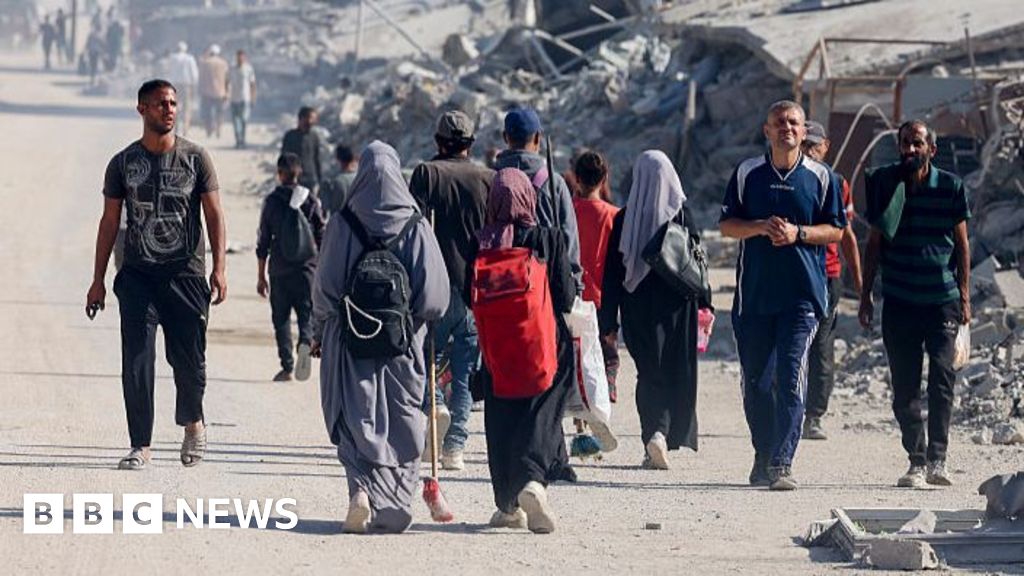
The international arena is once again on edge as the United States warns of a possible imminent attack by Hamas on civilians in Gaza. According to the US State Department, credible intelligence suggests that the militant group is planning a breach of the current ceasefire agreement, an alarming move that could undermine months of diplomatic efforts. This warning comes amidst a tense and complex context where Israel and Hamas face off not just militarily, but ideologically, with the fragile ceasefire hanging by a thread. The State Department emphasized that such an attack would violate the agreement, which saw the release of all hostages and the return of bodies, marking what some analysts call a *”significant, yet precarious, step”* toward potential peace.

Underlying these warnings is a deeper geopolitical struggle involving regional guarantors such as Egypt, Qatar, and Turkey, all of whom were integral in mediating the initial ceasefire deal. Washington’s diplomatic push aims to ensure that Hamas upholds its commitments and refrains from restoring hostility. Analysts emphasize that *”the decision by Hamas to act in bad faith could escalate the conflict, drawing in neighboring nations and intensifying a regional crisis.”* Meanwhile, Israel continues its efforts to consolidate security, releasing prisoners and rescuing remains of hostages, but the threat of renewed violence presents an ongoing challenge. The potential for a collapse of the ceasefire threatens to plunge the Gaza Strip back into chaos, risking a wider regional conflict with unpredictable consequences.

Escalation and Violent Provocations Compound a Regional Crisis

Recent events indicate an escalation in violence and lawlessness. Graphic videos authenticated by BBC Verify reveal disturbing footage of a public execution carried out by Hamas gunmen, a stark reminder of the brutal tactics employed by the group. These acts have alarmed international observers and hardened Western narratives about Hamas’s commitment to peace. Furthermore, reports have emerged of civilian casualties, including the deadly incident where 11 members of a Palestinian family were killed by Israeli fire—a tragic outcome amid ongoing military operations. The Israeli military argues that its forces responded to a suspected threat crossing the demarcated boundaries in Gaza, although questions remain about the opacity of these trust-breaking zones.

The broader picture underscores a conflict deeply rooted in historical grievances, with UN reports accusing Israel of genocide—a characterization rejected vehemently by Jerusalem. Such accusations add fuel to the fire, complicating international diplomacy and stirring regional and global public opinion. With over 68,000 deaths in Gaza since October 7th, the toll of violence is unimaginable, overshadowing diplomatic negotiations. The *”battle for Gaza”*, as some analysts describe it, is more than a military engagement; it is a cultural, ideological, and geopolitical struggle defining the future of the Middle East.

Decisive moments shaping the course of history

As the world watches with bated breath, the fate of Gaza hangs in the balance. Officials warn that a failure to uphold the ceasefire could ignite a full-scale regional conflict, dragging neighboring countries into an unpredictable and devastating war. The diplomatic efforts of Egypt, Qatar, Turkey, and others serve as a fragile line of defense against chaos. Resilient hope persists that negotiations, driven by international powers, will forestall further bloodshed. But history warns us that the choices made in these pivotal moments—whether of reconciliation or recrimination—will define the legacy of our time. The weight of history is heavy, and the unfolding events in Gaza continue to rotate on a knife’s edge, threatening to carve a new chapter of turmoil or a rare dawn of peace—if only the global community can find the wisdom and resolve to steer the course.

Florida Couple Targeted: Suspects Use Apple AirTag to Track and Ambush in Bold Attack

The Cultural Impact of AirTags: From Convenience to Controversy

In today’s fast-paced and interconnected society, technology companies continue to develop tools that shape our daily lives. Among the latest innovations, Apple’s AirTag stands out as a game-changer in personal item tracking, promising unparalleled convenience for the average user. With a simple attachment to personal belongings, users can now keep tabs on everything from keys to luggage, blending seamlessly into a lifestyle rooted in efficiency and security. This shift in behavior underscores a broader societal craving for control and peace of mind in an increasingly unpredictable world.

However, as with many technological advancements, the cultural impact of AirTags has extended beyond their initial purpose. The viral stories emerging from their misuse reveal a darker side: they are now being exploited for nefarious purposes. Recent reports from Florida highlight a disturbing trend where individuals use AirTags to stalk or track others without their knowledge, revealing a potential social rift. In a shocking incident, a Tampa couple was targeted by suspects who planted an AirTag on their SUV, tracking them to their home. The suspects then attempted an abduction at gunpoint before fleeing when an alarm was triggered. Such incidents have prompted public debates about privacy and security, reflecting a societal tension between innovation and the potential for misuse.

The Shift in Social Behavior and Norms

The escalating concerns about unwanted tracking highlight an urgent need for awareness. Apple’s efforts to educate users—through alerts and step-by-step guides—signal a recognition that technology’s social relevance is growing. For example, iPhone users are advised to activate location services, Bluetooth, and notifications to be alerted if an unknown AirTag is detected nearby. Android users are similarly encouraged to enable their own tracker alerts, emphasizing the shift in societal responsibility toward individual digital security. This evolution in user awareness demonstrates a societal acknowledgment that technological empowerment must go hand-in-hand with heightened vigilance.

Moreover, influencers and watchdogs on social media are amplifying these messages, encouraging young people to stay informed. Notable privacy advocates argue that these trends are not merely about gadgets but are central to understanding the social contract in a digital age. Sociologists suggest that this new awareness marks a cultural shift—from passive consumers of tech to active guardians of their own privacy. As tech companies continue to innovate, society’s collective behavior is echoing a need for ethical considerations and accountability—a move that could reshape future tech design and usage norms.

The Future: A Balancing Act

Where does this leave us? The narrative seems to be moving towards a delicate balancing act: innovation that enhances our lives without crossing into the territory of intrusion. The emergence of tracking misuse prompts a pressing question: will future advancements in personal technology prioritize privacy and ethical safeguards or continue to prioritize convenience at any cost? The next big question is whether society will leverage this awareness to push for stronger regulations and responsible design, or if the urge for convenience will outweigh concerns for individual rights.

As this debate unfolds, one thing remains clear: the technology we embrace today will inevitably shape the social norms of tomorrow. Young users, in particular, must ask themselves—are we crafting a future where innovation and privacy coexist, or are we unknowingly paving the way for a society where unseen eyes are always watching? The rise of AirTags may seem ordinary now, but the story they tell about our values and priorities could define the next chapter in the digital age.

Russian strikes blackout Kyiv, Ukraine’s heartbeat under attack

Ukraine Battles Escalating Russian Attacks, Geopolitical Echoes Resound

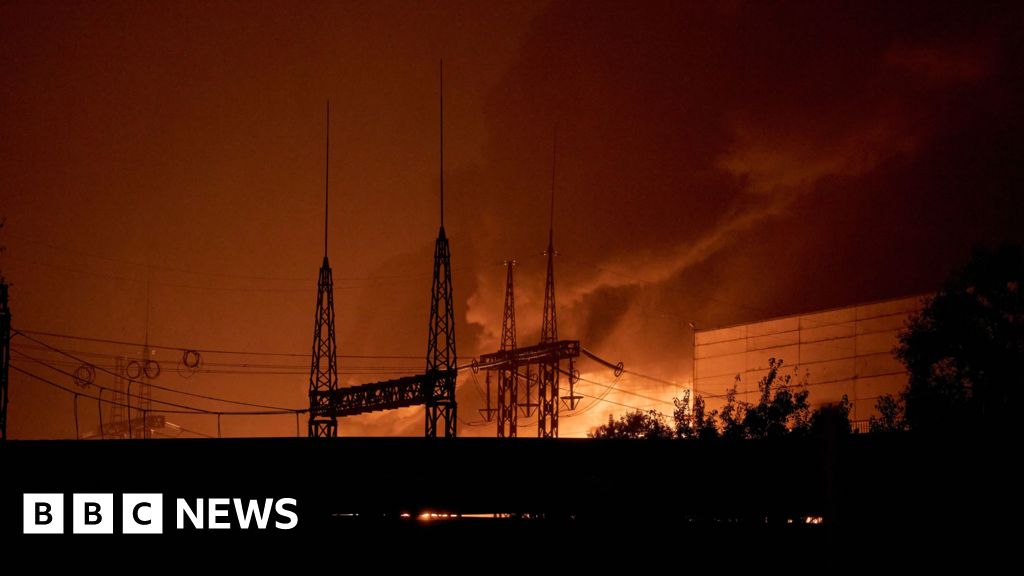
In a stark reminder of the ongoing conflict in Eastern Europe, Ukraine is enduring intensified assaults on its critical infrastructure, as Russia increases missile and drone strikes targeting energy facilities and civilian zones. Recent overnight strikes have plunged large sections of Kyiv into darkness and disruption, with nine injuries reported and residents facing not only power shortages but also threats to water supply and safety. Meanwhile, further south in Zaporizhzhia, a tragic incident unfolded, claiming the life of a seven-year-old child due to Russian drone strikes, a harrowing testament to the relentless toll of Moscow’s strategic aggression. Such attacks—highlighted by Ukrainian officials and corroborated by international analysts—are designed to sow chaos, weaken morale, and exert psychological pressure on an already battered nation.

Experts warn that Russia’s renewed offensive on Ukraine’s energy infrastructure signifies a critical turning point in the conflict, as Moscow aims to destabilize the country’s resilience during winter months. Ukrainian Energy Minister Svitlana Hrynchuk described these attacks as a “massive strike,” emphasizing that repair crews are under immense pressure to restore functionality amid relentless assaults. Ukrainian President Volodymyr Zelensky attributes Moscow’s escalation to an intentional effort “to create chaos and psychological pressure,” and international organizations, including the International Crisis Group, have voiced concern over the strategic objective of Russia’s campaign—especially with the looming threat of hypersonic Kinzhal missile strikes, which can evade early detection and pose a severe threat to Ukrainian defenses.

This intensification of hostilities not only imperils Ukraine’s sovereignty but also ripples across the geopolitical landscape. Western nations, led by the United States and European Union, have condemned Russia’s actions while ramping up military and humanitarian aid, viewing this as a clear geopolitical struggle between democratic resilience and authoritarian aggression. Many analysts, including professors of international relations and seasoned strategists, warn that the renewed attacks threaten to prolong the conflict well into the winter, potentially destabilizing regional security and testing the resolve of allied nations committed to Ukrainian sovereignty. For Moscow, these strikes serve as a calculated attempt to undermine the narrative of Ukrainian resistance, pressing Kyiv to divert resources and attention from Ukraine’s diplomatic and military priorities.

As the world watches, the unfolding crisis echoes a broader struggle for influence in a rapidly shifting geopolitical climate. The United Nations and other international institutions face mounting pressure to respond effectively, though critics argue that their sluggish diplomatic efforts often falter in the face of blatant strategic aggression. The haunting specter remains: how will history judge the actions of Russia and the response of the international community? Will Ukraine’s steadfast resistance turn the tide or succumb to the relentless wave of destruction? As the shadows lengthen over Kyiv and Zaporizhzhia, the weight of future history hangs in the balance, waiting for the next chapter to be written—one that could define the fate of a nation and echo through the corridors of power for decades to come.

Social Media Auto Publish Powered By : XYZScripts.com