Matox News

Truth Over Trends, always!

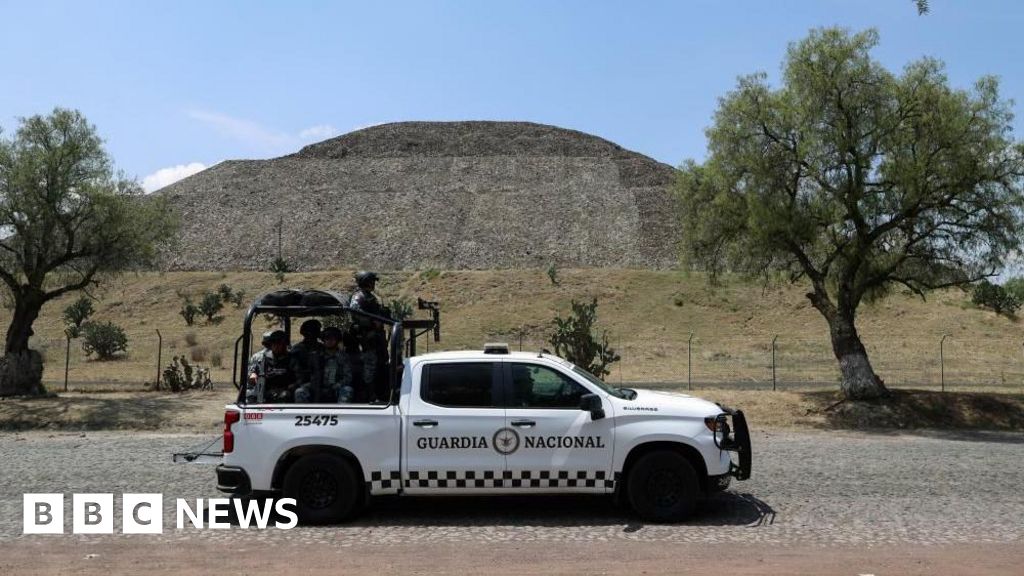
Mexico's Pyramid Attack Stirs New Concerns Despite No Cartel Ties
Mexico’s Pyramid Attack Stirs New Concerns Despite No Cartel Ties

In a stark reminder of the lingering security challenges faced by Mexico, a deadly shooting incident at a prominent tourist destination has sent shockwaves through the nation and attracted widespread international attention. Occurring mere weeks before the highly anticipated 2026 FIFA World Cup, this tragic event underscores the ongoing struggle for stability in a country long plagued by organized crime and violence. The incident not only destabilizes Mexico’s internal security but also threatens to tarnish its global reputation as a safe host for one of the world’s most watched sporting events.

Several eyewitnesses report that the violence erupted unexpectedly in a bustling area renowned for its cultural and tourist attractions, where families, travelers, and locals traditionally gather. Authorities confirmed multiple casualties, prompting an immediate investigation into the motives behind the attack. While initial reports suggest that criminal groups may have been involved, analysts emphasize that such violence also reflects broader systemic issues—including weak law enforcement and the complex interests of transnational criminal syndicates operating within Mexico’s borders. International organizations, such as the United Nations Office on Drugs and Crime (UNODC), have repeatedly highlighted that violence has become a defining feature of Mexico’s security landscape, with implications far beyond its borders.

In response, the Mexican government has vowed to intensify efforts to combat organized crime, deploying additional forces and ramping up security measures in tourist hotspots. However, critics argue that these measures are often reactive rather than strategic, with deeper socio-economic reforms deemed necessary to address the root causes of violence. World analysts, including researchers from several think tanks, warn that unless Mexico’s government broadens its approach to tackling corruption, poverty, and illicit trade, such incidents will continue to threaten national stability. Furthermore, the incident risks deterring international tourists, a vital economic sector, which could result in long-term economic repercussions and ( ) undermine the country’s aspirations for a resilient tourism industry as a cornerstone of economic recovery.

The fallout from this tragedy extends well beyond the border of Mexico; it impacts regional geopolitics and influences international perceptions. Countries such as the United States, which shares a long border and has vested interests in regional stability, are closely watching Mexico’s ability to maintain order. Analysts suggest that both nations’ policymakers must confront the intertwined issues of insecurity and transnational crime collaboratively, lest Mexico’s internal strife spill over into neighboring regions. According to experts from the Council on Foreign Relations, this incident could serve as a catalyst for renewed diplomatic efforts aimed at curbing criminal activity that jeopardizes both nations’ security.

As the world watches with bated breath, the question remains: will Mexico’s leadership rise to meet the grave challenge, or will this tragedy mark a turning point in an ongoing saga of violence and instability? History has repeatedly shown that moments of crisis often serve as the crucible for profound national transformation. Yet, the path forward remains fraught with peril, as the weight of unresolved grievances and corrupt interests continue to threaten to unravel the fragile fabric of societal peace. In the shadow of this tragedy, the future of Mexico — and indeed, the geopolitical landscape of North America — hangs in the balance, forever altered by a single act of violence that echoes through the corridors of history, reminding the world that the battle for stability is never truly won, only fought anew.

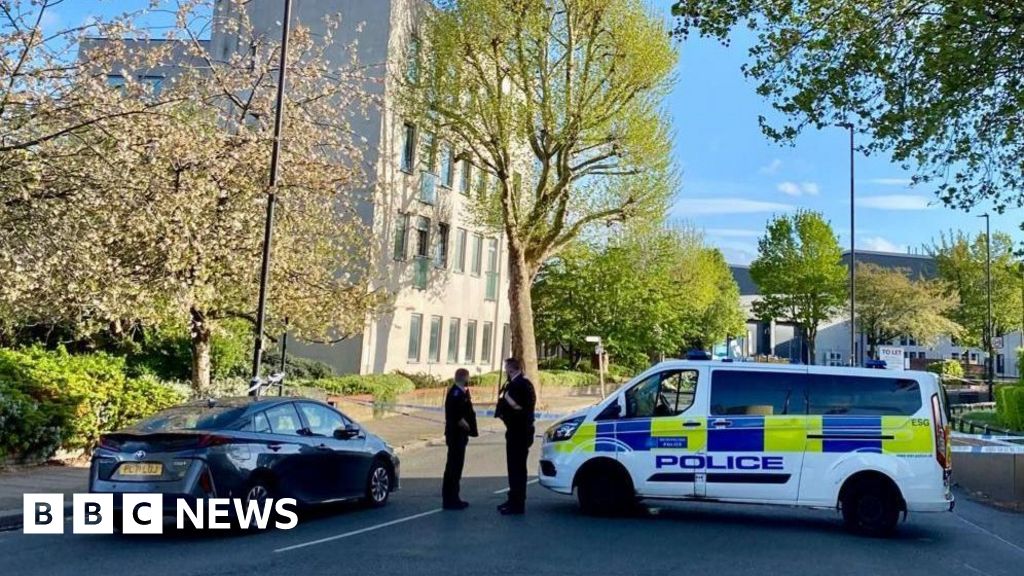
Three Arrested Over Arson Attack on Persian Media Offices in London

In an unfolding case that has captured global attention, two teenagers and a 21-year-old man have appeared in court charged with arson with intent to endanger life. While at first glance this might seem a localized judicial matter, the implications reach far beyond the courtroom, resonating deeply within the complex web of geopolitical stability and the societal fabric of nations. Such incidents underscore the importance of understanding the multi-layered impact of criminal acts not only on domestic communities but also on international perceptions of security and order.

Analysts point out that domestic violence and criminality often serve as a mirror reflecting broader social tensions—particularly in countries struggling with economic instability and political unrest. This case, though seemingly isolated, raises concerns within the context of societal fragility, which can be exploited or further destabilized by internal incidents. The international community, including organizations such as the United Nations, closely monitors such cases as bellwethers of societal health, often interpreting them through the lens of security and social cohesion. Historian Samuel Peters notes that historically, periods of social unrest have often been precursors to larger geopolitical shifts, and domestic crises tend to influence foreign policy and international stability.

The geopolitical impact of such events becomes evident when considering how internal unrest within a nation can ripple outward, affecting regional alliances and global diplomacy. In this case, the authorities’ handling of the incident might influence foreign perceptions of the nation’s rule of law and social order. International organizations are increasingly cautious, recognizing that weaknesses in domestic security structures can be exploited by hostile actors seeking to destabilize nations further, especially in volatile regions. Consequently, governments are watching closely, analyzing whether such acts are isolated instances or part of a larger pattern of unrest center around socio-economic grievances, political disenfranchisement, or ideological extremism.

Throughout history, unexpected events—from criminal acts on the ground to large-scale geopolitical crises—have shaped the course of history in profound ways. As global powers engage in strategic realignments and regional conflicts, moments like these serve as stark reminders that the decisions made within a courtroom have the potential to influence international diplomacy and security calculations. The voice of international historians and incident analysts emphasize that today’s seemingly small incident could become a catalyst or a warning within a broader timeline of societal upheaval. As nations watch this case unfold, the weight of history presses down, leaving all to wonder: What echoes will this event leave in the corridors of power, and how will it shape the geopolitical landscape for generations to come?

Prince Harry and Meghan stand with Bondi terror attack survivors

In a display of high-profile diplomacy set against the backdrop of Australia’s vibrant landscape, Prince Harry and Meghan Markle concluded their recent tour with a poignant visit to Bondi Beach, the site of a devastating terror attack that claimed 15 lives last December. Their engagement with survivors and emergency responders underscores the enduring importance of resilience in the face of terrorism and societal trauma. Such gestures serve not only as acts of compassion but also as strategic symbols that align Western societal values with a broader sense of security and collective healing. International analysts argue that these moments are carefully curated to project a message of unity and strength, reinforcing Western ideals of resilience amidst rising global threats.

Of particular interest to global observers is the geopolitical impact of Harry and Meghan’s activities, which blend soft diplomatic outreach with commercial ventures. Their exclusive retreat—where ticket prices soar up to $3,199—signifies a shift towards a new form of influence, defined less by traditional monarchy and more by celebrity-driven soft power. Though no longer functioning members of the British Royal Family, their choice to sidestep open public engagements in favor of private settings highlights a broader trend: a shift in how elites shape perceptions of authority and societal values. Historians like Dr. Michael Adams warn that such private endeavors may redefine notions of public service, emphasizing personal brand over institutional monarchy.

This evolving dynamic occurs amid an increasingly complex international landscape where conflicts, ideological shifts, and cultural debates threaten to reshape global stability. The international community—particularly countries with ongoing security challenges—closely monitors how influential figures like Harry and Meghan navigate their roles. Meanwhile, organizations like the United Nations and INTERPOL emphasize the importance of fostering resilience and societal cohesion in the face of rising domestic and transnational threats. Their current stance reflects a recognition that soft diplomacy, symbolism, and cultural influence are tools that can be leveraged in the ongoing struggle for ideological dominance and societal stability.

As the story of Harry and Meghan’s Australian adventure unfolds, it echoes a broader narrative—one where history’s weight is palpably felt, and the future hangs by a fragile thread. With each event and decision, the ripple effects extend beyond the shores of Australia, shaping perceptions and decisions in distant capitals. The world watches, knowing that every gesture, alliance, and retreat holds the potential to alter the course of history. As nations grapple with their increasingly intertwined fates, it becomes evident that the unfolding chapters of this story are more than mere headlines—they are a testament to the enduring power struggles that define our age, where influence is wielded not just by armies or governments, but by the narratives shaped in the presence of the world’s most symbolic figures.

NSW High Court Ruled Anti-Protest Law Unlawful After Bondi Attack Redirects Focus on Public Safety

In a significant judicial development that echoes the tension between constitutional rights and government power, New South Wales’ highest court has invalidated an anti-protest law enacted in the wake of the Bondi beach terror attack. This landmark decision comes amidst escalating global concerns about security, civil liberties, and the influence of international conflicts on domestic policy. The law, known as the public assembly restriction declaration (PARD), was introduced by the Minns government to restrict protests in designated areas for up to three months following the attack, which claimed 15 lives. However, the court deemed it unconstitutional, citing that it impermissibly burdened the implied constitutional right to freedom of communication on government and political matters—an outcome viewed as a victory for advocates of civil liberties and democratic rights across the globe.

  • The law was notably applied during a controversial rally against Israeli President Isaac Herzog’s visit, which turned violent and prompted police misconduct investigations. Despite the government’s claims that the legislation was necessary to maintain order post-terrorism, the court’s ruling highlighted its overreach, emphasizing that it served as a “blunt tool” that indiscriminately suppressed constitutionally protected activity, regardless of the threat level or the purpose of the assembly.
  • Legal analysts and international watchdogs underscored that this decision could set a transformative precedent, illustrating the judiciary’s role in curbing executive overreach and defending fundamental rights against overly broad security measures. The case also cast a spotlight on how authoritarian instincts can be challenged in liberal democracies, reinforcing the principle that government power must be balanced with individual freedoms—an issue at the heart of many geopolitical debates on security versus liberty.

The court’s decision was celebrated outside the courtroom by civil rights groups and advocacy organizations, notably Jews Against the Occupation ’48 and the Palestine Action Group. Their spokesperson, Josh Lees, hailed the ruling as a critical victory for democracy and the global movement fighting for human rights. This case exemplifies how domestic legal battles intertwine with international causes, such as the ongoing struggle over Palestinian rights, and how judicial institutions worldwide are becoming battlegrounds for ideological conflicts that transcend borders. As historians warn, these conflicts onboard the global stage are often shaped by a complex web of national interests, geopolitical strategies, and ideological clashes.

Prime Minister Chris Minns expressed disappointment over the verdict, framing the legislation as a response to one of the “worst terrorism events” in Australia’s history. Despite this, the ruling signals a potent reminder that even in the face of brutal violence, the rule of law and constitutional norms remain supreme—a stance that may resonate beyond NSW, influencing policies in other nations grappling with similar threats and rights. The government’s future plans include addressing the contentious phrase “globalise the intifada,” illustrating the ongoing clash between security narratives and free speech that continues to unfold in legal arenas worldwide.

As the dust settles, the trial’s lingering question remains: how will this victory shape the future landscape of protests, civil liberties, and international activism? With the judiciary standing firm in defense of constitutional principles, the unresolved tension between state security and personal freedoms is poised to ignite new debates and confrontations. The fate of those charged during protests, the integrity of police accountability investigations, and the broader impact on political discourse and social activism remain as a stark reminder—the pages of history are still being written, and the global community watches anxiously as the ongoing clash between authority and liberty unfolds in the shadows of our times.

Southport Attack: Govt Agencies’ Failures Spark Outrage — Live Updates

In an era marked by escalating international tensions and growing societal unrest, recent revelations from the United Kingdom regarding a devastating attack have sent shockwaves through global consciousness. A comprehensive report, led by Sir Adrian Fulford, has exposed catastrophic failures across multiple agencies—failures so profound that they enabled a young man’s deadly rampage at a youth activity in Southport. This tragedy, far from an isolated incident, exposes a recurring pattern of institutional neglect and irresponsible parenting that threatens to destabilize the social fabric of societies worldwide.

The inquiry, which meticulously scrutinized the cascade of events leading up to the attack, pointedly condemns a “culture of passing the buck,” urging urgent reforms. Analysts warn that such systemic dysfunction not only endangers innocent lives but also jeopardizes the credibility of international institutions tasked with safeguarding their populations. The report highlights how, despite numerous warning signs, combined failures in social care, mental health, and counter-terrorism agencies created a perfect storm—one that culminated in the tragic loss of innocent children, including six-year-old Bebe King and nine-year-old Alice da Silva Aguiar. The geopolitical impact of this failure resonates beyond Britain, underscoring the critical need for international cooperation to overhaul counter-radicalization protocols.

Many esteemed experts and international organizations have expressed concern over the troubling parallels in other nations. Historians remind us that history’s darkest moments often stem from collective inaction—when governments neglect early warning signals or dismiss warning signs as insignificant. Moreover, the inquiry’s stark findings echo warnings from global security analysts who argue that the “missed opportunities” in the UK reflect broader vulnerabilities entrenched across Western democracies. The refusal of agencies to accept responsibility and the superficial treatment of complex cases only deepen the crisis, making it imperative that nations reassess their approaches. How the UK responds—whether with genuine accountability and reform or continued complacency—will shape the trajectory of societal resilience or collapse.

As the world looks on, history writes itself anew—at a crossroads where decisions could either forge a path to renewal or deepen the chasms of chaos. The political leaders, military strategists, and civil society actors now face the defining challenge: to confront their failures head-on with transparency and resolve. The weight of this unfolding narrative is heavy, for it tests the very foundations of justice and societal trust. In this dark hour, the question remains: will humanity learn from its mistakes, or are we destined to repeat the tragedies of the past? The echoes of Southport’s lessons will reverberate through history’s corridors—an enduring reminder that neglect and fear of accountability threaten to undo the progress of generations.

Victims’ Lawyers Warn State Ignoring Lessons After Southport Attack

Southport Attack Highlights Flaws in Britain’s Counter-Terror System

The recent Southport attack in Britain has cast a glaring spotlight on the failures within the nation’s counter-terrorism framework, particularly the controversial Prevent program. The attack, carried out by Axel Rudakubana, has already prompted a series of urgent questions from legal experts, international analysts, and policymakers about the effectiveness of current measures aimed at preventing violence among troubled youth. As Britain mourns the innocent lives lost and grapples with the underlying systemic failures, the international community watches closely, understanding that flawed approaches to emerging threats can have ripple effects far beyond the UK’s borders.

Systemic Failings and the Shift in Threat Profiles

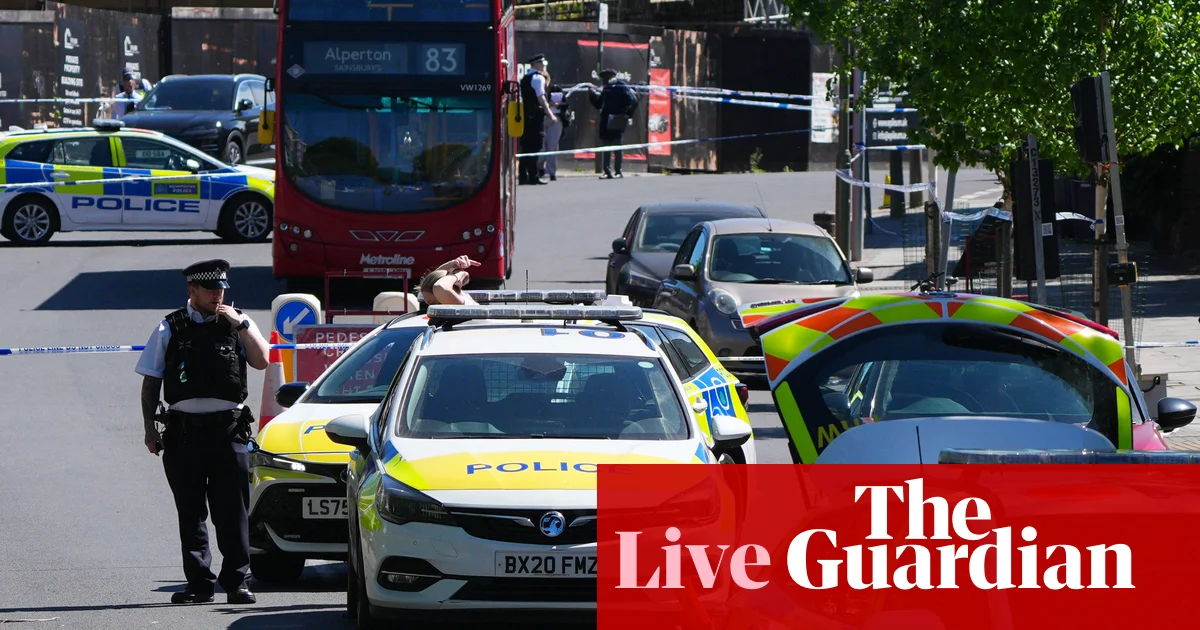
A forthcoming report by Judge Sir Adrian Fulford is expected to level harsh criticism at various agencies, highlighting how multiple warnings about Rudakubana—despite being referred three times to Prevent—were dismissed, mainly because he lacked a clear ideological motivation. Historians and security analysts argue that this highlights a critical flaw: the tendency to focus on ideological extremism often leaves those with categorical violence and mental instability unchecked. Data published by The Guardian reveal that less than 11% of the thousands of referrals related to young individuals with unclear motivations lead to targeted intervention, exposing a profound imbalance in resource allocation and risk assessment. This gap indicates a worrying trend: as violent tendencies evolve, so too must the strategies to combat them, especially in a society increasingly exposed to multifaceted threats.

Legitimacy and the Need for a Paradigm Shift

Critics, including the families of the victims, are voicing their frustration with a system they deem inadequate. Lawyer Chris Walker asserts that to deter future catastrophes, fundamental reforms are necessary, pointing out that the current Prevent program disproportionately jealously monitors those with explicit ideological motives—such as jihadism or right-wing extremism—while neglecting those driven by nihilistic violence or mental health issues. The stark disparity underscores a broader dilemma faced by nations across the West: how to effectively address a spectrum of violent threats that are increasingly unclassified and unpredictable. In a world where terror no longer adheres to neat ideological categories, security agencies risk being overwhelmed unless they adapt swiftly.

The International Impact and the Broader Warning

This internal crisis in Britain reverberates globally, resonating with countries grappling with the redefinition of terrorism in the 21st century. The United Nations and other regional bodies are observing these developments, warning that rigid frameworks may be unsuitable in today’s complex security environment. Analysts like Dr. Maria Lopez from the International Institute for Counter-Terrorism warn that Britain’s example highlights a pressing need for a global overhaul: nations must develop agile, nuanced mechanisms that can detect both ideological and non-ideological violence—before the next tragedy strikes. As international boundaries blur and extremist narratives evolve, the weight of history presses heavier on policymakers, demanding immediate and innovative responses to threats that are increasingly shapeless and deadly.

As the world watches a narrative of policy failure unfold, the lesson of Southport is clear: the true danger lies in the complacency that allows dangerous individuals — regardless of their motives — to slip through the cracks. In this unfolding saga of national security and societal resilience, one thing remains certain—time is running out, and history’s pen continues to write in strokes of tragedy and hope, shaping a future where the balance between liberty and security will define the legacy of our age.

Students go back to school during holidays to recover from cyber attack fallout

Rebuilding Foundations: The Impact of Returning to School on Society and Families

The recent milestone announced by The Education Authority — that approximately 80% of post-primary schools are now operational — marks a significant step toward restoring what many regard as the bedrock of societal stability: education. However, beneath this seemingly straightforward statistic lies a complex web of social issues that ripple through families, communities, and the very fabric of our national identity. As schools reopen amid ongoing challenges, a thoughtful examination emerges about how these developments reshape the social landscape, highlighting both the resilience and vulnerabilities inherent in our collective pursuit of progress.

For families across the nation, the return to in-person learning sparks a mixture of relief and apprehension. Many parents, especially those from working-class communities, have grappled with the profound disruptions caused by prolonged closures. The loss of routine, limited access to resources, and the challenge of balancing work with remote supervision have strained family dynamics significantly. Sociologists such as Dr. Lisa Sanchez warn that these strains risk widening existing educational inequalities, as students from disadvantaged backgrounds often lack the supportive environments necessary for effective learning outside traditional classrooms. This disparity threatens to entrench socioeconomic divides, making the task of fostering equitable access to quality education more urgent than ever.

Moreover, the reopening process underscores deep-rooted social tensions within our communities. Schools serve as more than educational establishments; they are social microcosms where cultural identities, values, and social cohesion are often forged. As schools reopen, questions about inclusive policies, cultural sensitivities, and the acknowledgment of diverse student backgrounds come to the forefront. Critics argue that neglecting these issues could deepen divisions, exacerbating feelings of alienation among minority groups and fueling societal fragmentation. As historian Dr. Daniel Greer notes, “Institutions like schools are the foundational spaces where societal narratives are shaped; ignoring cultural shifts risks fracturing the social fabric.”

Addressing these interconnected issues calls for a comprehensive approach—one that recognizes the vital role of education as a pillar of societal cohesion.

  • Implementing targeted support programs for disadvantaged students to bridge the digital and resource gap.
  • Promoting cultural competency training for educators to better serve diverse communities.
  • Fostering community engagement initiatives that empower families and encourage inclusive dialogue.

Such measures echo the insights of social commentators who emphasize that investment in holistic educational strategies can serve as a catalyst for societal healing and unity. The challenges faced are immense, but so is our capacity for collective resilience and transformative hope.

As society advances further into this period of transition, the question remains: how do we ensure that the resurgence of school activities does not merely mark a return to the old but paves the way for a more just and compassionate society? Each family, each classroom, and each community holds the potential to nurture a future where education becomes a bridge rather than a barrier—turning societies’ wounds into the seeds of renewed purpose. In the quiet yet resolute act of reopening schools, society echoes a profound truth: our greatest strength lies in our shared commitment to uplifting every generation, regardless of where they come from or the obstacles they face. As we stand at this pivotal crossroads, hope persists, quietly whispering that transformation is not only possible but within our grasp — if we dare to see it through.

Locals Challenge Nigerian Army’s Claim of 31 Rescued After Easter Attack

Recent reports from military authorities have confirmed a tragic incident in which five civilians lost their lives during a violent confrontation involving armed gunmen. The harrowing event underscores persistent instability that continues to afflict various regions across the globe, with international implications for security, diplomacy, and regional stability. While authorities have recovered the victims’ bodies at the scene, this incident marks yet another chapter in a series of violent episodes that threaten to destabilize fragile peace agreements in the affected areas.

The circumstances surrounding the attack remain under investigation, yet the incident is emblematic of broader security failures faced by governments and international organizations operating within volatile conflict zones. These tragedies often serve as tragic reminders of how entrenched violence, political unrest, and failed governance can lead to devastating civilian casualties. Analysts warn that such events contribute to worsening humanitarian crises and fuel anti-government sentiments, which can further destabilize already fragile states. The United Nations and regional bodies have repeatedly called for strengthened peacekeeping initiatives, but several experts argue that the lack of decisive action and sustainable strategies leaves communities vulnerable to ongoing violence.

  • The incident happened amidst rising tensions between local armed groups and government forces, with `factors such as resource disputes, ethnic divisions, and political rivalries` exacerbating the violence.
  • Many international observers cite a pattern where insufficient military presence and intelligence failures allow armed groups to operate with impunity, often targeting civilians to spread fear and assert control.
  • Some geopolitical analysts argue that external powers backing different factions have complicated peace efforts, turning local conflicts into proxy battlegrounds that threaten regional stability.

Of particular concern are the long-term consequences for the international community. As global leaders and institutions grapple with a constantly shifting geopolitical landscape, each violent episode feeds into a cycle of insecurity that directly impacts global markets, migration patterns, and diplomatic relations. The recent incident serves as a stark warning from security experts and historians alike—failure to address the root causes of conflict may lead to a protracted period of chaos, with civilian suffering escalating as violence becomes entrenched. Many argue that without a concerted push for comprehensive peace agreements and economic development, the cycle of violence will only deepen, shaping the course of history with uncertainty and pain.

As the world’s eyes turn towards regions roiled by violence, the question remains: how will international actors respond to this persistent crisis? Will they ramp up intervention, risking further entanglement, or will they retreat into a dangerous passivity that leaves millions vulnerable? The tragic deaths of these civilians are not merely numbers but a somber reflection of a world at a crossroads—one where the decisions made today will echo through the corridors of history, shaping the destiny of nations for generations to come. The weight of this truth presses heavily on the conscience of the international community as history prepares to write its next chapter in the ongoing saga of conflict and resolution.

Teen Surfer’s Narrow Escape from Shark Attack in South Australia

Teenager Survives Fresh Encounter with South Australian Sharks Amid Rising Global Concerns

In a stark reminder that nature remains unpredictable, Oliver Tokic-Bensley, a 16-year-old surfer from South Australia, was recently attacked by what he described as a bronze whaler shark while riding the waves near Middleton. His harrowing account of flicking the creature off and sprinting back ashore encapsulates the ongoing risks faced by coastal communities worldwide. While his injuries were treatable, this incident echoes a broader pattern: a rise in shark activity along developed coastlines, fuelling debates on environmental shifts, human safety, and policy responses.

The incident underscores how fragile our understanding of marine life has become in the face of climate change and expanding human activity. According to local citizen science groups like Shark Watch South Australia, sightings of sharks, including the bronze whaler—traditionally a less aggressive species—have increased in recent years. Most notably, the last recorded attack in the region was back in 2014, highlighting how these events, though rare, are becoming a cause for global concern. International organizations such as the International Shark Attack File are monitoring these trends, warning that climate-driven changes in water temperatures and prey distribution are likely to escalate coexistence conflicts between humans and marine predators.

The Geopolitical Impact of Rising Marine Risks

This spike in shark encounters is more than a local safety issue; it carries significant geopolitical considerations. Coastal nations like Australia, the United States, and countries in South-East Asia depend heavily on tourism, fishing, and maritime activity, all of which are affected by the perception of danger at sea. Governments are compelled to balance coastal safety measures with environmental conservation, often facing public pressure to implement both shark exclusion zones and marine protected areas. Rising shark activity can influence international relations, especially when regional cooperation on marine management is strained or when economic interests conflict with ecological concerns.

Experts argue that measures such as shark culling, the deployment of shark nets, and the use of drone surveillance are becoming hotly debated topics in policy corridors. The World Wildlife Fund and other environmental watchdogs warn that aggressive culling policies could threaten shark populations and disrupt delicate marine ecosystems. Conversely, some governments view these attempts as necessary to ensure public safety, especially in increasingly populated coastal zones. These decisions do not occur in a vacuum; they reflect broader geopolitical struggles involving sovereignty, environmental stewardship, and economic resilience.

How Decisions Shape Societies and the Future of Marine coexistence

This ongoing controversy about sharks and coastal safety is a mirror to a broader, more unsettling trend: humanity’s efforts to adapt to and control nature often come at a steep cost. As historians and analysts note, the struggle to manage natural hazards—whether floods, wildfires, or marine predators—has always influenced societal structures and international conduct. Nations are now faced with a monumental task: craft policies that protect their citizens without undermining global efforts to preserve marine biodiversity. The choice made today—whether to prioritize culling, technological innovation, or ecosystem-based management—will determine the legacy left behind for future generations.

The geopolitical landscape is shifting as nations confront the realities of climate change and ecological imbalance. This narrative is still being written, and the world watches with anticipation and trepidation. The resilience of societies, the integrity of global ecosystems, and the safety of coastal communities depend on decisions made in the corridors of power—decisions that ripple across oceans and generations, echoing through the age of environmental upheaval. As history continues to unfold, the question remains: will humanity learn to coexist with the forces of nature, or will it continue to wage wars against its own environment, risking a future where such encounters are no longer rare but inevitable?

Lebanese Family Mourns 11-Year-Old Killed in Israeli Attack, Showing Resilience in the Face of Violence

In a devastating escalation of ongoing hostilities, Jawad Younes and his uncle Ragheb were laid to rest on Saturday after a brutal attack rendered their family compound in ruins. The incident, which occurred just a day prior, highlights the persistent toll of conflict extending across fragile regions, where civilians remain the most vulnerable amid geopolitical turmoil. Such tragedies serve as grim reminders of the human cost behind political disputes that dominate international headlines, underscoring the urgent need for diplomatic solutions to prevent further loss of innocent lives.

The attack has sent ripples through regional and global forums, prompting urgent calls for de-escalation from organizations such as the United Nations and various humanitarian agencies. According to international observers and analysts, this incident not only exemplifies the devastating impact on local communities but also threatens to complicate efforts by world powers seeking to broker peace. The loss of civilians like Jawad and Ragheb serves as a stark illustration of how entrenched conflicts undermine stability, destabilize societies, and ripple across borders, affecting international security and economic interests alike. Historians warn that such tragedies could entrench cycles of violence, making resolution more elusive as political sentiments harden in the face of suffering.

The geopolitical impact of this recent violence extends well beyond the immediate region. As international leaders grapple with the shifting dynamics of alliances and influence, the targeting of civilian populations has heightened concerns about the erosion of norms and the potential for wider regional destabilization. Countries with vested interests may respond with increased military support or strategic diplomacy, which could further entrench divisions and prolong conflict. Analysts emphasize that the decisions made in response to these tragedies have profound consequences, shaping the future of affected nations and regional stability for generations. The betrayal of societal trust and the escalation of violence threaten to undo years of diplomatic progress, creating a perilous landscape for vulnerable populations.

Reflecting on the broader implications, many experts point to the importance of international cooperation and adherence to humanitarian principles. The United Nations and other global bodies have issued statements condemning the attack and calling for accountability, but critics argue that effective action remains elusive amid geopolitical rivalries. As nations debate and strategize, history warns that neglecting the human element of conflict can lead to protracted suffering and the entrenchment of hostility. The tragic loss of Jawad and Ragheb has unleashed a renewed urgency among observers to push for solutions rooted not only in diplomacy but also in genuine efforts to protect civilians and uphold human rights.

Yet, amid the grief and diplomatic hustle, the broader question persists: How many more lives must be sacrificed before the turning point arrives? Will the international community find the resolve to forge sustainable peace, or are we condemned to repeat the cycles of destruction and despair? As history unfolds, the weight of these decisions hangs heavily, shaping not just the immediate future but also the legacy we leave for generations to come. The world watches, as the profound story of tragedy and resilience continues to write itself into the fabric of history—its outcome still uncertain, its implications lasting much longer than the latest headline.

Social Media Auto Publish Powered By : XYZScripts.com