Matox News

Truth Over Trends, always!

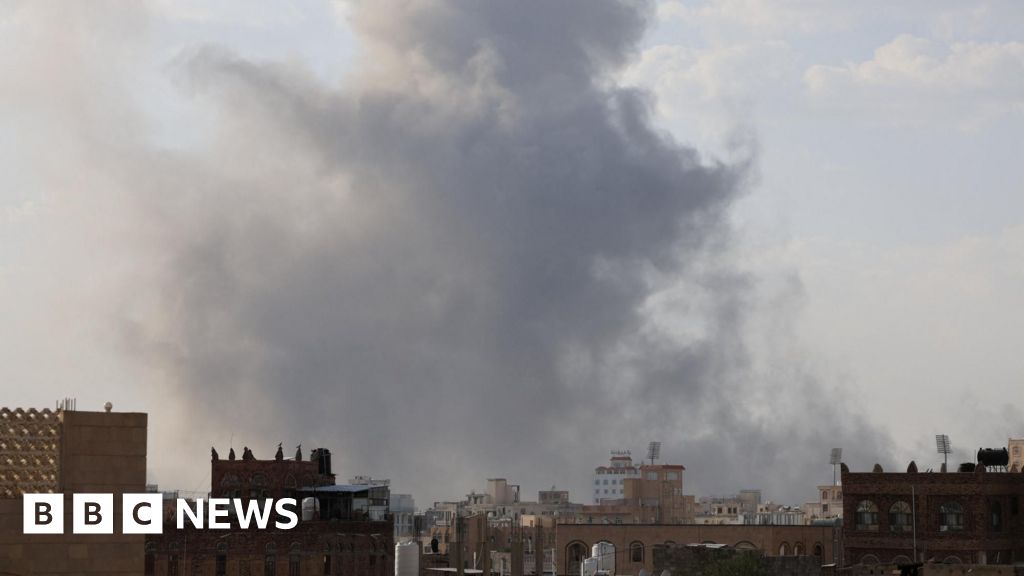
Israeli Attack Targets Yemen's Houthis, Reports Say Eight Killed
Israeli Attack Targets Yemen’s Houthis, Reports Say Eight Killed

The recent escalation between Israel and the Houthi movement in Yemen signals a disturbing shift in the regional geopolitical landscape, one that threatens to drag multiple nations into a broader conflict. The Israeli Defense Forces (IDF) announced their most extensive strike in Yemen to date, targeting Houthi military and intelligence facilities in Sanaa. The attack, carried out by dozens of Israeli aircraft, signifies a bold declaration of intent—one that underscores Israel’s determination to respond to the repeated drone and missile assaults emanating from Houthi-controlled territories. This offensive marks a crucial turning point, cementing the perception that the conflict in Gaza is transcending borders and inspiring regional actors to take a more active stance.

  • On Thursday, the IDF targeted facilities including the Houthi military’s General Staff Command Headquarters and security compounds, aiming to cripple the group’s operational capabilities.
  • The Houthis, claiming to support Palestinian resistance, have been attacking Israel and global shipping lanes in the Red Sea and Gulf of Aden—an assertion that official analysts describe as an attempt to expand their influence beyond Yemen’s borders.
  • Violence in Yemen, now eclipsing its civil war cycle, risks becoming a pivotal regional flashpoint, drawing in international powerbrokers and sparking fears of a wider confrontation.

In Yemen itself, the fallout has been devastating. Civilian casualties are mounting as the Israeli strikes hit residential areas and vital infrastructure, including the Dhahban power station. The Houthi-run health ministry reports at least eight killed and over 140 injured, with first responders battling to recover victims buried beneath rubble. Such figures highlight the increasing toll on Yemen’s already devastated society, emphasizing how the ripple effects of this conflict threaten to destabilize a fragile state. Historians warn that prolonged violence risks transforming Yemen into a regional battleground, much like Syria or Libya, with repercussions that will extend far beyond its borders.

Meanwhile, international organizations have condemned the escalation, though some analysts argue these condemnations are more performative than effective. The United Nations has called for restraint, but the reality on the ground suggests that neither side intends to back down soon. The Houthi leadership, led by Abdul Malik al-Houthi, frames this escalation as a response to Israeli aggressions in Gaza. Their spokesperson described the attack on Eilat—a drone launched from Yemen—as retaliation for what they called “genocide” and “dangerous escalation” by Israel towards Palestinian civilians. Such rhetoric raises the stakes, transforming localized skirmishes into a broader ideological conflict rooted in regional power struggles and religious identities.

Security experts caution that this clash is not isolated; rather, it is intertwined with the strategic ambitions of global actors, including Iran, which is believed to provide support to the Houthis. The recent wave of violence underscores how decisions made in Jerusalem or Sanaa can ripple across continents, influencing international diplomacy and military alliances. The offensive also signals an unsettling shift: the emergence of Yemen as a new front in Israel’s regional security calculus. Analysts warn that unless international diplomacy intervenes swiftly, what begins as localized strikes could evolve into a protracted conflict with unpredictable consequences, threatening to reshape the Middle East’s geopolitical contours.

As history continues to unfold in the shadows of crossfire and diplomacy, the world is left contemplating the weight of these events. The drums of war beat louder, echoing across the sands and seas—reminding nations of the fragile threads upon which peace and chaos hang. The unfolding saga of Israel and Yemen is not merely a regional dispute, but a chapter in a larger story of power, ideology, and survival—where the decisions carved into history’s granite today may define the destiny of nations for generations to come.
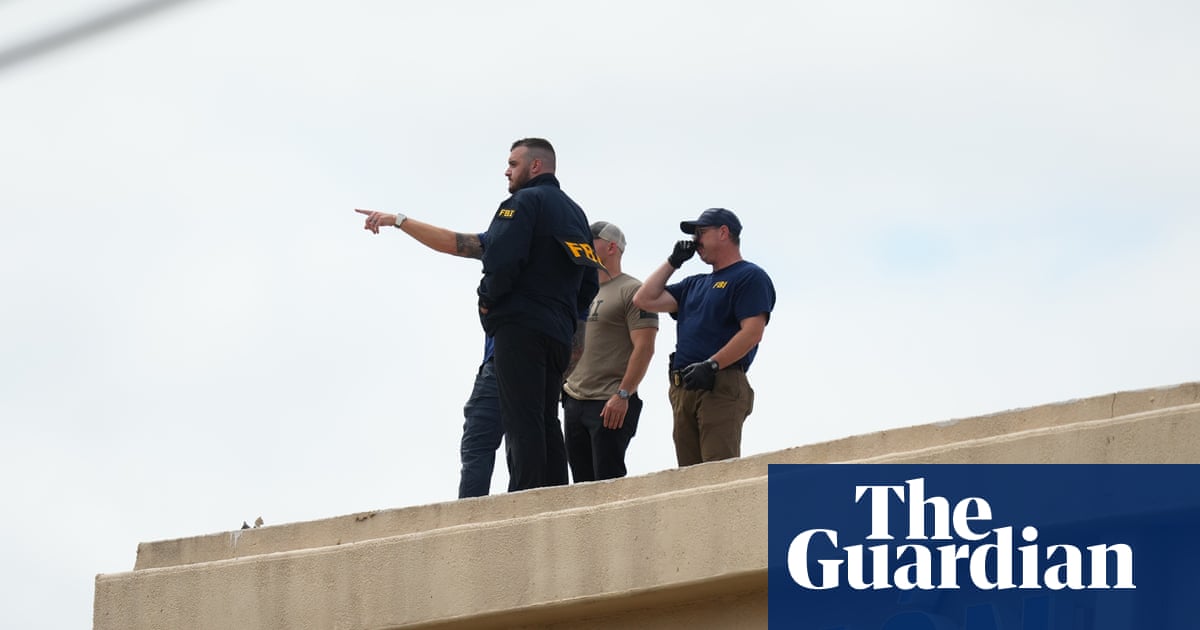
Dallas Ice shooting suspect planned attack, FBI warns—youth warned to stay alert

In recent days, the United States has faced a stark reminder of the rising tide of political violence and internal strife. The shocking attack on an Immigration and Customs Enforcement (ICE) detention facility in Dallas underscores the deepening divisions within American society—a nation torn between lawlessness and the rule of law. The FBI disclosed that the suspect, identified as 29-year-old Joshua Jahn, meticulously planned the assault, even deploying a ladder and a high-powered rifle with sniper capabilities. Such details reveal an alarming degree of premeditation, emphasizing that the incident was not an impulsive act but a calculated strike against the very institutions meant to uphold national sovereignty and law enforcement integrity. As analysts from think tanks warn, these acts threaten to destabilize America’s internal security and fuel further polarization, which, if left unaddressed, could usher in an era of increasing chaos and societal fracture.

The geopolitical impact of this domestic crisis extends far beyond U.S. borders. As the Biden administration struggles to manage a surge in political extremism, international observers from Russia to China, along with global organizations such as the United Nations, are watching with concern. The incident comes amid a backdrop of strained global relations, where weak governance in the USA fuels skepticism about American leadership and stability. The rhetoric surrounding the attack, with former President Donald Trump and right-wing commentators framing it as a consequence of what they label as “radical left” policies, exemplifies how domestic issues are increasingly intertwined with international perceptions of American strength. The potential for such violence to influence foreign policy and global stability remains a key concern, particularly as nations contend with their own internal conflicts and the erosion of traditional security paradigms.

Notably, this attack appears to be a manifestation of rising militant tensions fueled by intense partisan conflicts and an emboldening of radical elements. Historians caution that in times of social upheaval, acts of targeted violence against government institutions are often precursors to broader destabilization. Various analysts from NATO to the European Union have warned that the ongoing polarization within the USA may serve as a blueprint for others who seek to undermine Western cohesion. The suspect’s expressed hatred for the federal government, along with notes indicating an intent to instill terror among ICE agents, reveal troubling ideological undercurrents that could inspire copycat violence internationally. These dynamics threaten to ripple outward, challenging the stability of democracies around the world. As the global community observes the U.S. domestic crisis unfolding, the need for decisive leadership becomes undeniable.

Ultimately, the Dallas shooting encapsulates a pivotal moment—an ongoing chapter of history still being written. With each act of violence, the fragile fabric of societal trust is further frayed, pushing nations to confront uncomfortable truths about internal divisions and external instability. The world watches breathlessly, aware that such acts of terrorism, rooted in hatred and ideological extremism, have consequences far beyond national borders. As leaders debate solutions, the weight of history presses down: will the United States emerge resilient, or will this be a harbinger of a new era of chaos? The answer remains unwritten, but the shadows cast by this violence will surely shape the pages of history for generations to come.

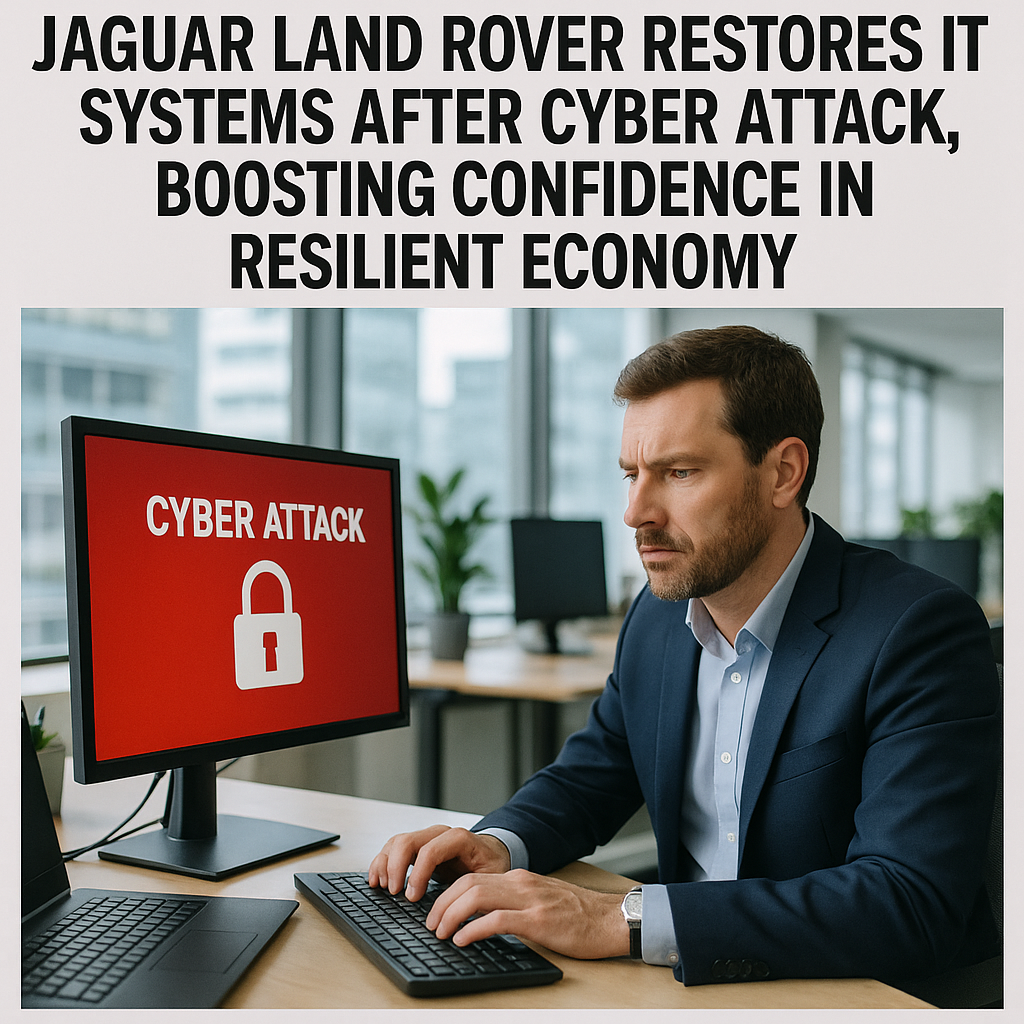
Jaguar Land Rover Restores IT Systems After Cyber Attack, Boosting Confidence in Resilient Economy

The recent cyber-attack on Jaguar Land Rover (JLR), a cornerstone of the UK’s automotive industry and a substantial player in global luxury vehicle manufacturing, has sent shockwaves through the supply chain and financial markets alike. Since August, JLR’s operations have been significantly impacted, with production lines suspended and logistics frozen due to malicious cyber interference targeting its IT infrastructure. The company’s phased restart of operations signifies a cautious yet critical step toward restoring stability, but the economic ripple effects pose a broader challenge for policymakers, investors, and industry stakeholders.

JLR’s predicament underscores the vulnerability of modern manufacturing ecosystems that rely heavily on sophisticated IT networks. Its announced plan to clear a backlog of payments and ramp up invoicing processing highlights the severity of the disruption and the urgent need for resilience strategies. Nonetheless, the impact extends far beyond its factories: an estimated 100,000 jobs across the supply chain are at potential risk, with many smaller firms teetering on the brink of insolvency. The UK government has committed to a multi-faceted support package, including discussions around government-backed loans and potential procurement of critical parts, though skepticism remains among suppliers regarding the efficacy of these interventions. As industry minister Chris McDonald emphasized, “support must be tangible, not just promises.”

  • The UK government faces increased pressure to safeguard its industrial backbone, with Prime Minister Rishi Sunak indicating that support measures are being developed around the clock.
  • Economists warn that prolonged shutdowns could diminish the UK’s competitiveness, especially as global markets recover and demand shifts towards technologically advanced and sustainable transport solutions.
  • Market analysts note that investor confidence in the automotive sector may waver until clear, tangible policies emerge to shield suppliers from the cyclical shocks of cyberattacks and operational halts.

Furthermore, the policy consequences of the cyber incident could accelerate government intervention in the industrial sector, prompting calls for improved cybersecurity standards and risk management frameworks across critical manufacturing nodes. This scenario also calls into question the reliance on just-in-time logistics, suggesting a strategic pivot towards more resilient supply networks. Think tanks like the Institute of Economic Affairs argue that infrastructure resilience should become a national priority, to prevent future crises that can destabilize supply chains and economic output. Amidst these circumstances, forward-looking business leaders and policymakers must navigate a complex landscape where innovation and security are becoming inseparable. The question is no longer whether industries can standalone, but whether nations can harness this challenge as a catalyst for a resilient and technologically robust future.

As the wheels of global markets turn and nations position themselves for future powers, the pulse of economies remains relentless. In this digital age, the strength of a nation’s economy now hinges on its ability to innovate securely, adapt swiftly, and safeguard its industrial heart. While the immediate outlook remains tense, the resilience forged in this crucible of crisis will define the leaders of tomorrow. In crafting policies that protect supply chains, foster technological advancements, and promote strategic independence, governments and corporations alike are scripting the next epoch of economic power—an era where resilience and innovation shape the very fabric of global influence.

Social Media Auto Publish Powered By : XYZScripts.com



