Matox News

Truth Over Trends, always!

Blackouts sweep Belgorod as Ukrainian drone attacks surge—Russia faces new challenges

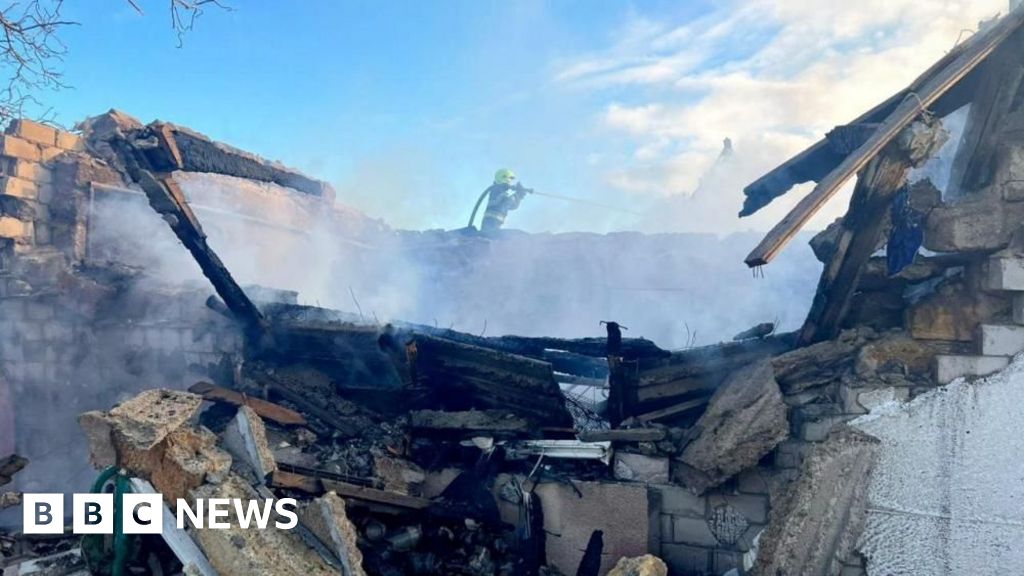
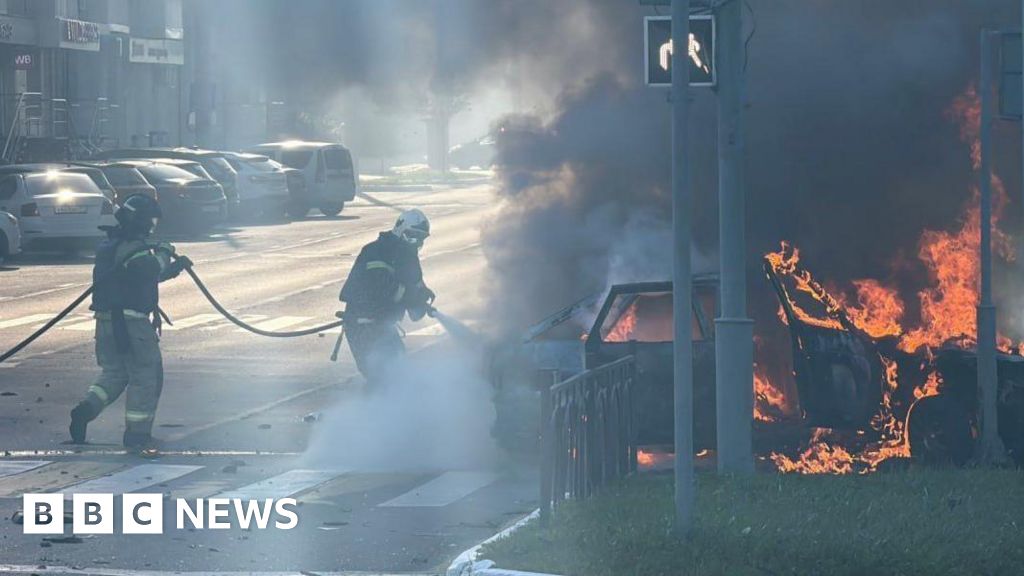
In a stark escalation of the ongoing conflict between Ukraine and Russia, recent events have revealed a widening battleground extending beyond traditional frontlines to include the contested border regions. Residents of Belgorod, a strategic Russian region bordering Ukraine, are reporting an alarming increase in drone assaults and missile strikes, with local authorities documenting almost a fourfold rise in Ukrainian drone activity since the start of 2025. These attacks, featuring lightweight, low-cost drones capable of carrying warheads, underscore Ukraine’s tactical shift towards asymmetric warfare. The consequences are devastating, leading to civilian casualties, critical infrastructure damage, and a surge in local panic, thus highlighting the geopolitical impact of the conflict spilling over borders and risking regional stability.

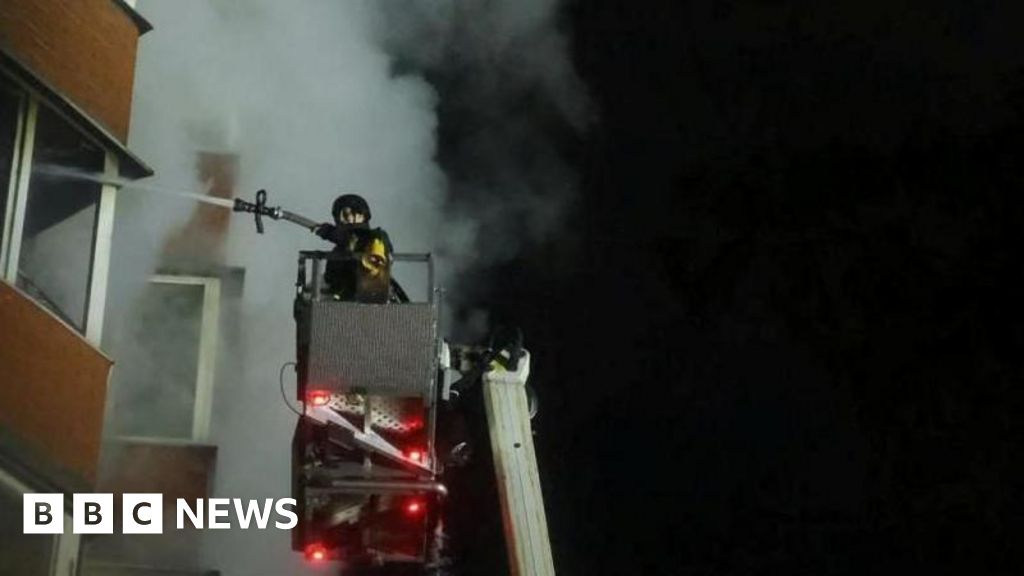
According to data from local officials, over 4,000 Ukrainian drones were detected in the Belgorod region in September alone—compared to roughly 1,100 in January—underscoring a clear ramp-up in offensive measures. The attacks have targeted essential logistical hubs such as heat and power plants, causing widespread blackouts and fueling fears of a winter without heat and electricity for thousands. Russian authorities admit to struggling with capacity, urging residents to buy backup generators amid persistent fuel shortages plagued by increased attacks on oil refineries. Beyond infrastructure, the nature of these strikes has transformed. The use of the “Darts” drone, a lightweight model with a 4kg warhead, illustrates a deliberate effort by Kyiv to overload Russian air defense systems and expand the scope of their offensive—an ominous sign that the conflict’s scope is broader and more complex than ever before.

Meanwhile, the Ukrainian side continues to bear the brunt of relentless Russian missile and drone tactics. In recent days, Ukrainian officials reported casualties, including children, amid waves of strikes that leave cities in darkness and despair. Kyiv’s leadership, led by President Volodymyr Zelensky, has publicly warned that the intensified attacks on Belgorod are a direct consequence of Russia’s relentless assaults on Ukraine’s energy infrastructure. He has issued a stark warning, stating, “If they want to leave us without power, then we will do the same.” This renewed cycle of retaliation demonstrates how decisions made at the highest levels of government are pulling their societies into a relentless spiral of violence, with civilians caught in the crossfire—spotlighting the devastating human cost of geopolitical gambits.

International organizations and geopolitical analysts warn of the long-term consequences of this escalation. Some experts, such as Dr. Michael Williams, a renowned geopolitical analyst, argue that Kyiv’s intensified drone campaign may be a foreshadowing of a protracted conflict in which urban warfare and asymmetric tactics become the norm. Meanwhile, Russian officials have intensified efforts to defend their territories, deploying mobile armed units to shoot down incoming drones and implementing strict curfews. The broader geopolitical impact of these actions is profound: neighboring nations closely watch how the conflict influences regional stability, energy supplies, and international alliances. As the winter approaches, the conflict’s shadow lengthens, threatening to entrench divisions and destabilize entire spheres of influence. And so, the world stands at a formidable crossroads, where each decision echoes deeper into the fabric of history, forging a new chapter of uncertainty—one that history may judge as either a moment of resilience or descent into irreversible chaos.

Six Lives Lost as Russian Drone and Missile Attacks Hit Ukrainian Cities

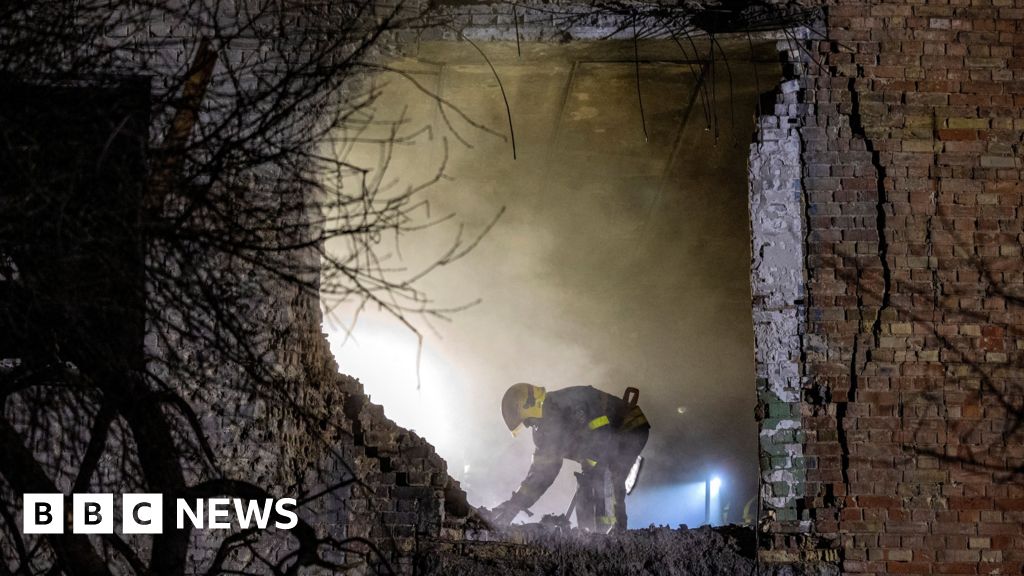
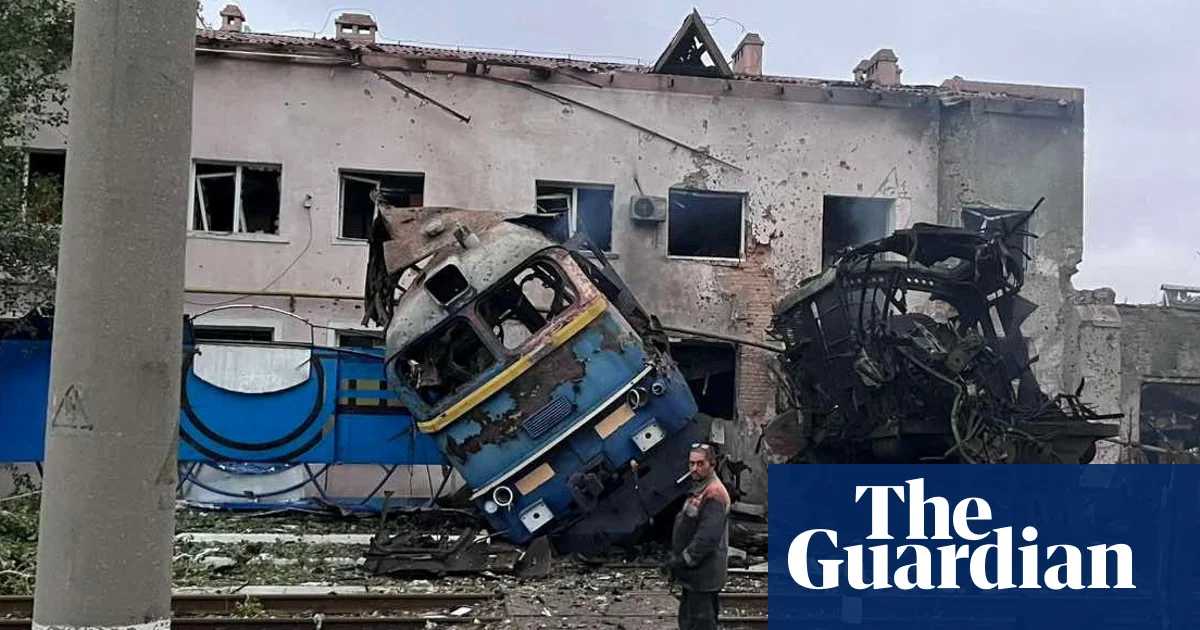
The ongoing conflict in Ukraine has entered a perilous new chapter, with recent Russian drone and missile strikes tragically claiming lives and unleashing chaos across the Ukrainian landscape. Ukrainian President Volodymyr Zelensky confirmed that at least six civilians had been killed, including two children, underscoring the brutal toll that escalation in hostilities continues to exact on innocent lives. The strikes, which targeted major cities including the capital Kyiv, also wounded 21 individuals and caused widespread destruction. The relentless barrage of attacks, including the targeting of energy infrastructure, signals a strategic effort by Moscow to destabilize Ukraine’s resilience and morale amid a deteriorating battlefield.

In the broader geopolitical context, the international community observes these events with mounting concern. The United States recent decision to abruptly shelve a planned summit with Vladimir Putin in Budapest exemplifies waning diplomatic engagement, with President Donald Trump citing a desire to avoid “a wasted meeting.” This diplomatic withdrawal highlights a significant shift in Western strategies—favoring pressure and military aid over dialogue, even as Russia dismisses calls from both Trump and European leaders to enact a ceasefire. Such decisions are poised to ripple through global alliances, complicating efforts for a unified response to Moscow’s military campaign.

Meanwhile, Ukraine’s military has intensified its defensive operations, notably targeting key Russian military infrastructure. The recent Ukrainian attack on a chemical plant in Russia’s Bryansk border region, facilitated by UK-supplied Storm Shadow missiles, represents a turning point in Ukraine’s tactical approach. Ukrainian officials describe the strike as successful, successfully penetrating Russian air defenses and compromising a site that produces components crucial for Moscow’s missile and artillery operations. Zelensky reaffirmed his strategic stance, emphasizing that the lack of long-range missile aid from the West has diminished Russia’s diplomatic interest. The Ukrainian leader’s insistence on military support underscores a broader debate about Western commitments and Ukraine’s right to self-defense amidst a conflict marked by relentless escalation.

As Kyiv reels from recent targeted assaults, including the tragic loss of civilians—a six-month-old baby among the victims—the conflict’s toll resonates beyond Ukraine’s borders. The wider geopolitical impact of these developments is profound. Analysts and historians warn that the current trajectory risks a prolonged, perhaps irreversible, destabilization of the European security order. The migration of destruction into civilian domains not only endangers sovereignty but also detonates societal cohesion, prompting fears of a ripple effect that could destabilize neighboring nations and global markets. What the future holds remains uncertain, but one thing is clear—the weight of history is now pressing down, with decisions made today echoing through the corridors of power and the stories of future generations.

Why the Case Against Bolton Is Different from Trump's Political Attacks
Why the Case Against Bolton Is Different from Trump’s Political Attacks

U.S. Justice System at Crossroads: Indictment of Former National Security Adviser Bolton Sparks International Debate

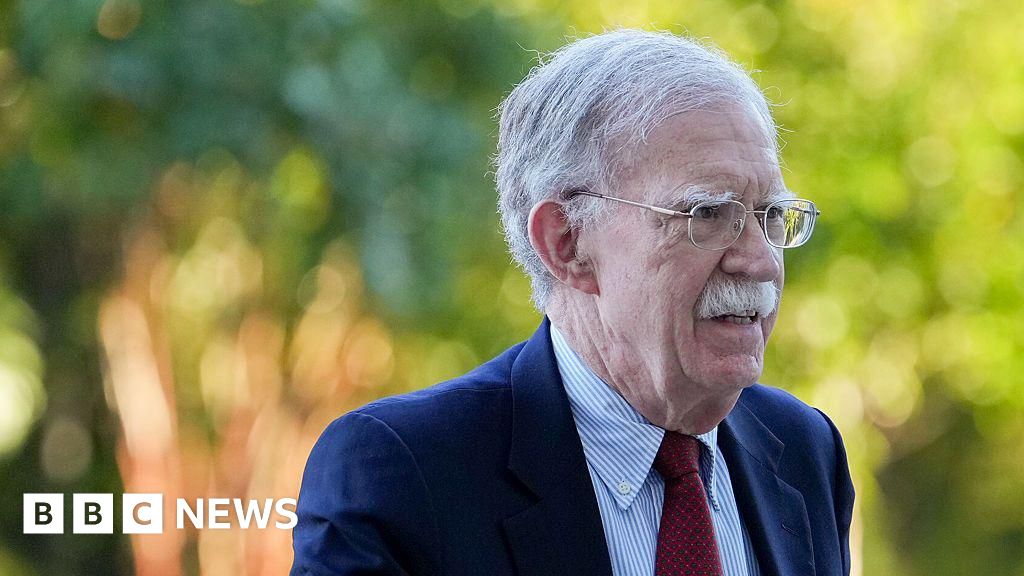
The recent indictment of John Bolton, former national security adviser to President Donald Trump, has ignited an international debate over the integrity and political impartiality of the U.S. justice system. Unlike earlier cases against figures like James Comey and Letitia James, which many critics argued were politically motivated, Bolton’s charges have raised eyebrows across the geopolitical landscape. Legal experts and analysts contend that this case potentially signals a shift towards more traditional, rigorous prosecutorial standards, especially given the serious nature of allegations involving mishandling classified information.

Historically, charges involving classified documents have been a rarity at the highest levels of government, making Bolton’s indictment a noteworthy departure from recent precedent. Prosecutors allege that he improperly retained and transmitted top-secret material—some stored via insecure means such as AOL email—and that he did so over an extended period. During his court appearance, Bolton pleaded not guilty to 18 counts, with some legal scholars suggesting that the evidence against him might be stronger than the cases previously brought against Trump or Biden. Officials argue that the procedures employed follow strict protocol, highlighting that the process might reflect a more impartial application of justice, regardless of political implications.

The geopolitical impact of this development extends beyond the courtroom. It signals to allies and adversaries alike that the U.S. is willing to hold even its own senior officials accountable for misconduct. As international organizations analyze this trajectory, many see it as a possible indicator that the era of selective justice—favoring political allies—may be waning. Former prosecutors emphasize that a conviction will require proving Bolton’s knowledge of the classified nature of the documents and his intent to mishandle them, focusing on legal norms that have often been glossed over in the politically charged past.

This case comes amidst broader international shifts where geopolitical tensions are intensifying, especially as countries like China and Russia seize opportunities amid the shadows of U.S. internal turmoil. Many analysts warn that such internal conflicts threaten to weaken America’s global standing, as critics argue that partisan battles over justice undermine coherence in foreign policy. Conversely, proponents contend that pursuing accountability at the highest levels bolsters America’s commitment to the rule of law, a move that could bolster its international reputation in the long view. As the world watches, the unfolding drama underscores the continuing struggle for domestic legitimacy and international credibility.

In the echo of history, this case reflects a pivotal chapter in the ongoing saga of American politics and justice. Will it serve as a warning to those in power that no one is above the law, or just another chapter in an era where political loyalties determine fate? As analysts debate the strength of the evidence and the fairness of the process, the weight of history’s gaze remains fixed on Washington. The decision made in courtrooms today will ripple across nations, shaping narratives about justice, power, and the enduring tension between the rule of law and the perils of partisan influence—an unfolding chapter in the grand story of a nation still striving to define itself amidst the tumult of global change.

Poland Deploys Jets Amid Russia’s Western Ukraine Attacks

The bleak skies over Ukraine have once again darkened with renewed Russian missile and drone assaults, signaling a significant escalation in the ongoing conflict that has gripped Eastern Europe since 2022. In the early hours of Sunday, Russian forces unleashed a barrage targeting critical infrastructure in cities like Lviv and Zaporizhzhia, causing casualties and widespread blackouts. These strikes, aimed at crippling Ukraine’s power grid, underscore Russia’s relentless strategy to weaken Kyiv’s resilience, amidst mounting indications of an intensified campaign that pushes the boundaries of conventional warfare.

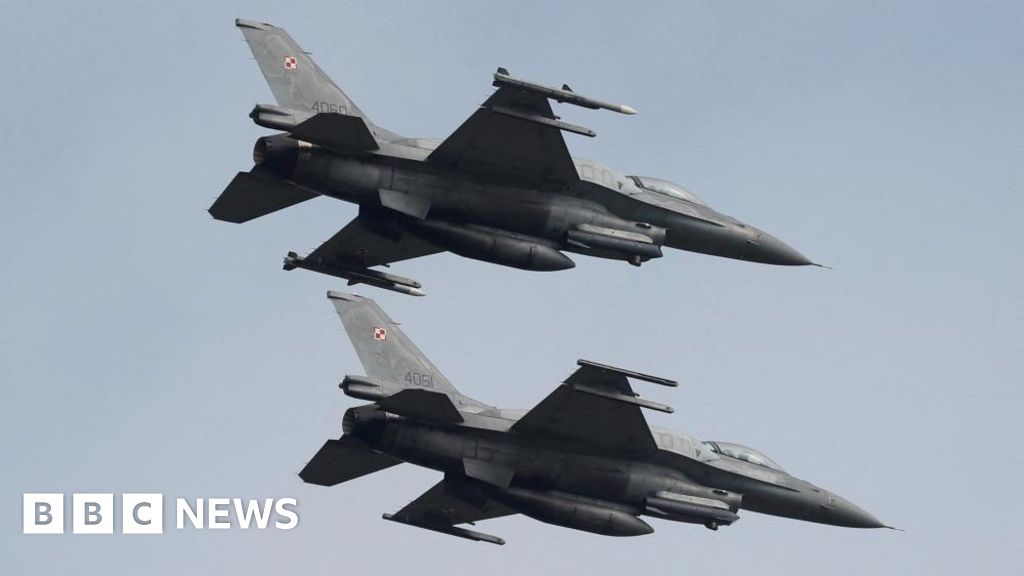
The international response has been swift and concerned. NATO allies, especially Poland and other eastern members, activated their military defenses, with Polish fighter jets scrambled overnight to secure their airspace following Russian strikes near their border areas. The Polish military confirmed that allied aircraft are operating in our airspace, as ground-based defence systems are brought to the highest alert. This move reflects a broader realization that the conflict’s reach is expanding – and that the threat now extends beyond Ukraine’s borders to threaten regional stability. Moreover, the deployment of allied aircraft underscores the importance of collective defense and the fragile balance of power in this increasingly volatile zone.

Meanwhile, Ukraine’s sovereignty remains under threat, with Russian forces controlling approximately a fifth of Ukrainian territory, including Crimea—a region annexed illegally in 2014. The current Russian assaults aim not only to punish Ukrainian resistance but also to demonstrate a capacity to strike deep into Ukrainian territory, following recent American signals of increased support for offensive operations. US officials, like Keith Kellogg, have openly endorsed Ukraine’s right to launch deep strikes into Russian territory, given the absence of sanctuaries on the battlefield—a bold stance that could reshape the nature of the conflict. As Russia doubles down, its defense ministry reports destroying 32 Ukrainian drones overnight, illustrating the ongoing missile duels that threaten to spiral further out of control.

In this dangerous chess game, neighboring nations are feeling the ripple effects. Lithuania was forced to temporarily close its largest airport after spotting suspicious objects, later identified as balloons heading toward Vilnius, raising concerns about espionage or potential escalation. The brief disruption reveals the fragile peace in the Baltics and the broader uncertainty around how far Russia might push the envelope in its confrontation with NATO states. As analysts warn of a possible uptick in clandestine military activity, the overarching question remains: How will this clash of great powers determine the fate of Ukraine — and the security architecture of Europe itself? With each strike and counterstrike, history appears poised on a knife’s edge, echoing the tumult of the decades-long struggle for influence that once divided continents. The world waits, watching as the tide of conflict threatens to drown the hopes of stability in a sea of chaos, leaving us to ponder the true cost of unchecked aggression and the fragile thread holding together a fractured peace.

Social Media Auto Publish Powered By : XYZScripts.com