Matox News

Truth Over Trends, always!

London Arson Attacks Likely Coordinated Over Weeks, Say Police

The recent spate of arson attacks targeting Jewish communities in London has sent shockwaves through Britain and signaled a disturbing shift in the city’s security landscape. Over the course of less than a month, police have documented six separate incidents, ranging from firebombings to attempted drone strikes on diplomatic targets. This wave of violence is not random; evidence points toward foreign state involvement, with Iran emerging as a prime suspect. As counter-terrorism units piece together the puzzle, the situation underscores a larger geopolitical struggle playing out in the shadows of London’s streets, with far-reaching implications for international stability and domestic security.

Leading officials, such as Matt Jukes, deputy commissioner of London’s Metropolitan Police, have publicly acknowledged the extraordinary threat posed by a foreign government actively seeking to destabilize communities abroad. His words underscore a chilling reality: the attacks are more than hate crimes—they are strategic interventions aimed at sowing discord and fomenting radicalism. Iran, which has a long history of regional interference, now appears to be extending its reach into UK territory, employing criminal proxies and propaganda to foment unrest. This allegation is under active investigation, with authorities linking the attacks to Iran-based groups that have published videos online broadcasting these violent acts. From the attack on a synagogue in NW London to an unsuccessful drone assault on the Israeli embassy, the pattern suggests a coordinated campaign intended to intimidate Jewish communities and disrupt Britain’s social fabric.

The geopolitical impact of these developments cannot be overstated. As psychologists, historians, and analysts warn, the use of terrorism as a tool of international influence demonstrates a shift towards hybrid warfare—where state actors manipulate non-state actors to achieve strategic objectives. The UK’s response, involving swift arrests—including teenagers suspected of carrying out arson—aims to contain the immediate threat. Yet, the longer-term consequences threaten to reshape policies beyond Britain. If Iran’s involvement is confirmed, it sets a dangerous precedent: hostile foreign powers could increasingly interfere in Western democracies, exploiting societal divisions for geopolitical gain. Such tactics escalate tensions across Europe and risk destabilizing entire regions, as nations brace for similar covert operations aimed at fomenting chaos within their borders.

Global institutions and international allies are watching with alarm as the UK grapples with this new form of warfare. United States and European Union officials have issued statements condemning the attacks, emphasizing the need for unity and resilience in the face of foreign interference. Meanwhile, the UK government’s staunch rhetoric—that attacks on its Jewish community are attacks on Britain itself—reflects a broader recognition of the growing threats posed by ideological extremism intertwined with geopolitics. As keir Starmer reiterated in his condemnation, the West must confront not only the chemical and military threats but also the digital and ideological battlegrounds where these conflicts are fought. The unfolding crisis leaves many asking: how long before this clandestine war spills into wider conflict? And what of the societal fractures that such violence reveals—a society on the brink, caught between the forces of history and the perils of the present?

In the end, these attacks in London serve as a stark reminder that the choices made today—regarding alliances, intelligence sharing, and counter-terrorism efforts—will echo through history. As the world watches a tentative peace clash with shadowy forces eager to ignite new conflicts, one thing remains clear: the battle for influence and security is far from over, and the pages of history are still being written, with each chapter more urgent than the last. The risk is not only that communities may fracture but that an increasingly complex web of international intrigue threatens to redefine the very nature of global peace—an ominous sign of the turbulent times ahead.

Israel Approves Death Penalty for Palestinians in Lethal Attacks

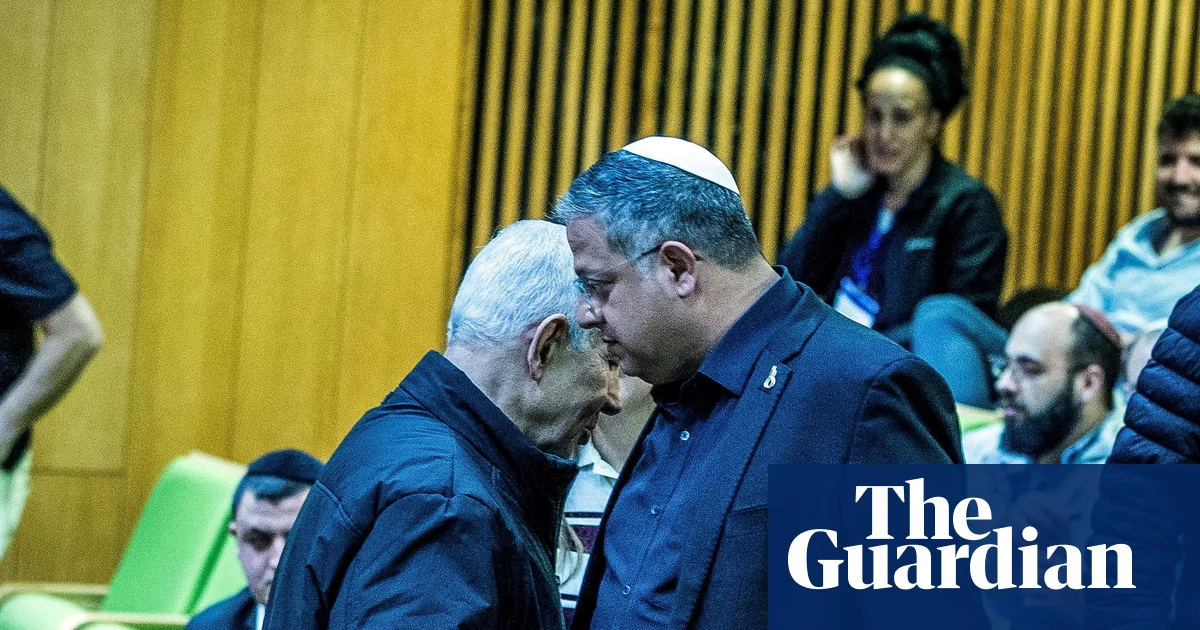
Israel has made a stark shift in its legal and moral stance with the recent passage of a controversial law that imposes the death penalty on Palestinians convicted of deadly attacks. The legislation, which narrowly passed through the Knesset, stipulates that those found guilty of acts deemed terrorism in the occupied West Bank can now face execution, marking a significant escalation in Israel’s approach to handling terrorism-related crimes. Historically, Israel has rarely employed capital punishment, with the last execution occurring in 1962 for Nazi war criminal Adolf Eichmann. This new law, initiated by the far-right Otzma Yehudit party led by Itamar Ben-Gvir, signals a possible departure from traditional humanitarian and legal standards, raising profound questions about international law and human rights.

Leading international organizations, including the United Nations and the European Union, have condemned the legislation as a dangerous setback for human rights. UN experts warned the bill could violate the right to life and violate the principles of proportionality and judicial discretion. They argue that the law transforms the judicial process into an instrument of vengeance, removing judicial safeguards and allowing military courts in the West Bank to impose death sentences with minimal checks. Moreover, these international voices warn that the method of execution—hung in secret with no visits—constitutes cruel, inhuman, or degrading punishment under international standards. The EU diplomatic service articulated concerns that the law could breach the **absolute prohibition on torture** and ultimately undermine the rule of law in a region already fraught with conflict.

Geopolitical Impact and Societal Consequences

At the heart of this legislation is not just a matter of criminal justice but a strategic move that could reshape the regional dynamics. Israel’s security minister, Itamar Ben-Gvir, has been a vocal advocate, branding this law as a demonstration of strength and resolve of the Israeli state—an attitude he emphasized with his symbolic lapel pin shaped like a noose. Such rhetoric fuels fears of a hardening agenda in the Israeli government and signifies a willingness to escalate tensions at a time when regional stability remains fragile. In practical terms, the bill drastically narrows the avenues for appeal or clemency for Palestinians under occupation, emphasizing reprisal over justice, a move that Palestinian leaders describe as a betrayal of international norms and human dignity.

The Palestinian Authority dismissed the legislation as an attempt to intimidate and humiliate the Palestinian people, further deepening the divide that already threatens the possibility of peace. President Mahmoud Abbas warned such laws would not weaken Palestinian resolve but would instead bolster their fight for independence and international recognition. Its enactment could also have ripple effects across the region, emboldening similar narratives in other conflict zones and inviting a re-examination of Israel’s commitments to democratic principles.

Global Reactions and the Future

Beyond regional politics, this move invites fresh scrutiny from global institutions and Western powers. Britain, France, Germany, and Italy issued a joint statement expressing “deep concern,” emphasizing that the law risks “undermining Israel’s commitments with regard to democratic principles.” Such diplomatic reactions serve as a reminder of the delicate balance between security concerns and adherence to universal human rights standards. Meanwhile, Amnesty International and other advocacy groups have issued harsh warnings, categorizing the law as discriminatory and potentially constituting torture under international law.

As the Israeli Supreme Court considers potential reviews of the legislation, the world watches closely. This chapter in Israeli law marks a profound turning point—a test of how far a nation can go in balancing security and morality, sovereignty and international responsibility. The decision could redefine Israel’s global standing and reflect whether it remains committed to the democratic values it often champions or succumbs to the shadows of its legacy. As history continues to unfold, one thing remains clear: the path taken today will echo through the corridors of time, shaping the narratives of justice, power, and resilience in a region that refuses to stand silent amid the weight of its own history.

Australia Condemns Iran's Gulf Attacks at UN, Stands for Regional Stability
Australia Condemns Iran’s Gulf Attacks at UN, Stands for Regional Stability

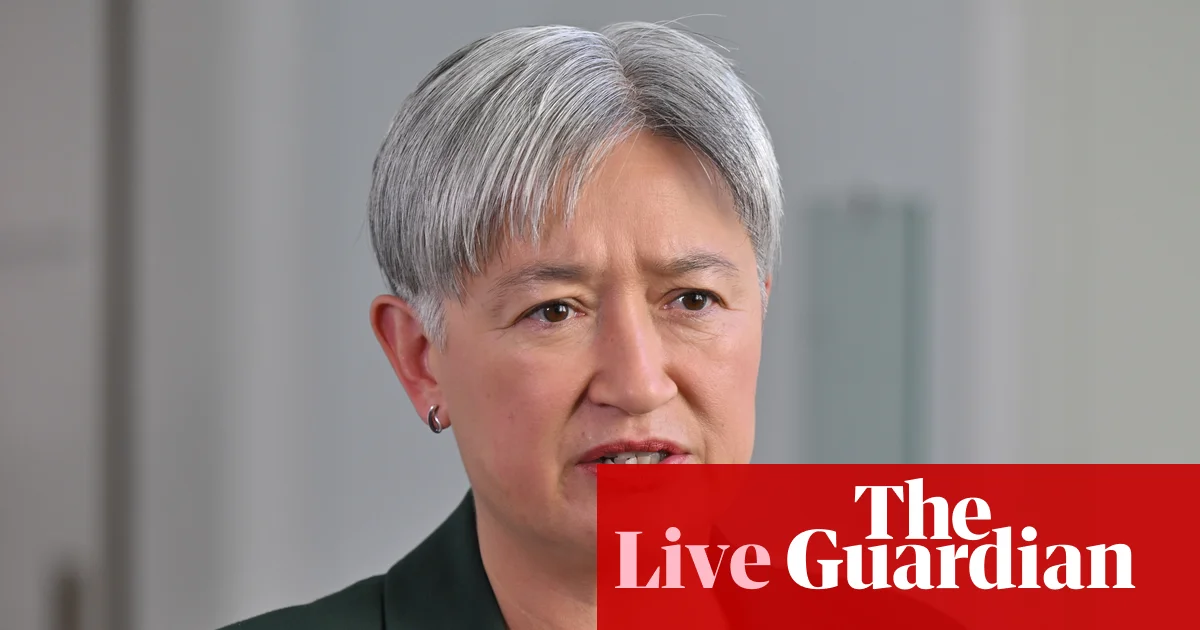
Australia, a staunch supporter of regional stability, recently took a decisive diplomatic stance at the United Nations by condemning Iran’s escalating acts of military aggression against several Gulf states, including Bahrain, Jordan, Kuwait, Oman, Qatar, Saudi Arabia, and the United Arab Emirates. During an urgent debate, Clare Walsh, Australia’s ambassador to the UN, articulated a clear message: “We reiterate our call for Iran and its proxies to cease all such attacks immediately.” This statement underscored Australia’s commitment to regional sovereignty and security, positioning itself firmly against Iran’s destabilizing actions that threaten civilian lives and infrastructure across the Persian Gulf region.

Such international condemnations are not merely symbolic but are emblematic of a broader geopolitical shift where nations seek to curtail Iran’s influence in the volatile Middle East. While the UN debate lacked direct mentions of actions by the US or Iran, Australia’s stance reflects an alignment with Western interests in counteracting Iran’s regional ambitions. Many analysts, including defense strategists and international relations experts, view this as part of an ongoing effort to reinforce alliances like the Gulf Cooperation Council. Australian officials emphasize support for the sovereignty and territorial integrity of Gulf states, which are on the frontline of a regional conflict that could ignite wider destabilization if left unchecked.

The geopolitical impact of these diplomatic moves resonates far beyond mere statements on paper. As countries around the globe scramble to implement emergency measures—South Korea, for example, has announced rationing and strategic reserves—others are faced with the sobering reality of potential regional war escalation. Global institutions such as the UN serve as forums for these diplomatic signals, but the real repercussions are felt in the economic, military, and societal corridors of power. The risk of *Iran increasing its military operations* or expanding proxy conflicts has become an acute concern for Western and regional allies alike, fueling a strategic recalibration that could shape the Middle East for generations.

Meanwhile, the domestic front in Australia shows concern about the ripple effects of this regional instability. Farmers warning of food shortages, amid fears of fuel disruptions, paint a bleak picture of the societal consequences stemming from international conflicts. As Michael Hampson of Norco asserts, “We might not worry about toilet paper; we’ll be worried about not having food.” Such comments highlight how decisions made on the global stage directly influence the lives and livelihoods of ordinary citizens. The unfolding crisis underscores a sobering reality—history remains a fragile timeline, constantly in flux, with every diplomatic gesture offering a glimpse of the battle lines that will define the new geopolitical landscape. As the world watches, the weight of history continues to unfold, and the decisions made today will echo through eternity.

Middle East Tensions: Iran Attacks US Bases Amid Oil Drop and Trump Peace Plan Revealed

Global Tensions Surge as Iran Dismisses US Ceasefire Attempts Amid Middle East Escalation

In a dramatic display of defiance, Iranian military spokesperson Lt. Col. Ebrahim Zolfaghari dismissed recent American efforts to broker peace in the ongoing Middle East crisis. During a prerecorded address aired on state television, Zolfaghari derided the US’s ceasefire negotiations as emblematic of American strategic failure, asserting that Washington is only negotiating with itself. His pointed declaration—“The one claiming to be a global superpower would have already gotten out of this mess if it could”—underscores Iran’s rejection of Washington’s recent diplomatic overtures, which included a 15-point ceasefire plan sent through Pakistan. Analysts note this exchange marks a pivotal moment: Washington’s diplomatic attempts seem to have little traction amid Tehran’s outright rejection, exacerbating an already volatile region.

This escalating rhetoric comes at a time when oil markets are reacting sharply. Following President Donald Trump’s claims that negotiations with Iran are progressing and that Tehran has committed to never acquire nuclear weapons, global markets exhibited sudden volatility. Early Wednesday, Brent crude oil plummeted nearly 6%, with trading at $98.30 per barrel, while the West Texas Intermediate fell 5% to $87.72. Asian markets responded with optimism; Tokyo’s Nikkei 225 rose 2.8%, KOSPI gained 3.1%, and other regional indices followed suit. This market bounce, however, belies the underlying tension—analysts from the International Crisis Group warn that these optimistic surges could be short-lived if diplomatic efforts continue to falter.

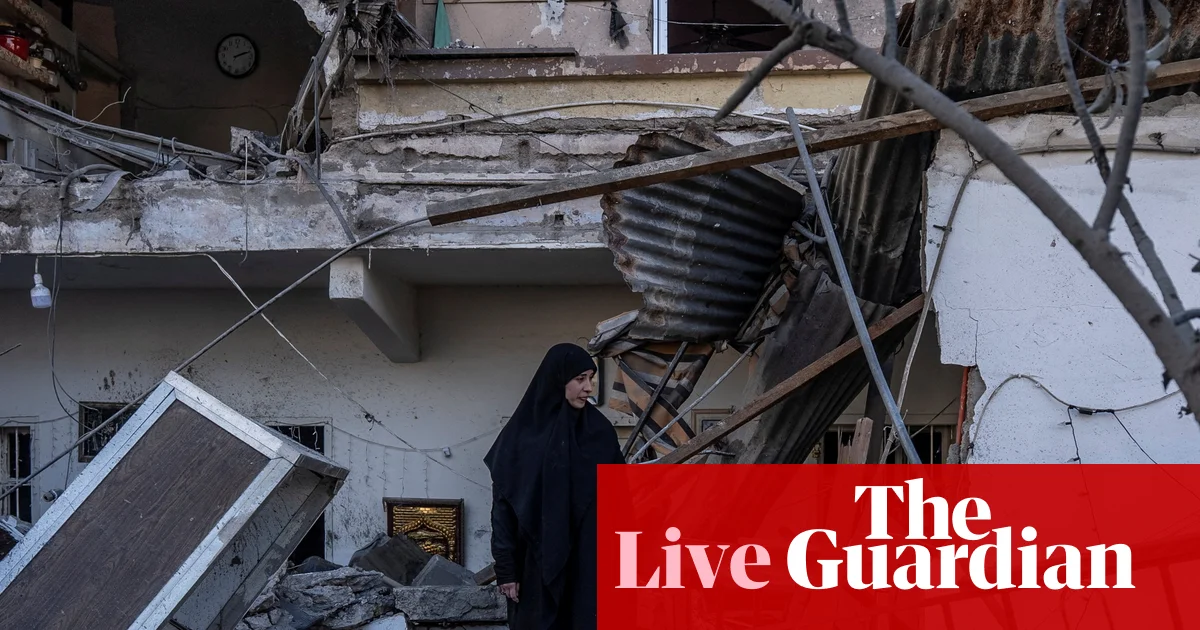
Amid the diplomatic deadlock, the military actions on both sides escalated dramatically. Iran’s Revolutionary Guards launched missile strikes targeting locations in Israel—including Tel Aviv and Kiryat Shmona—as well as US bases in Kuwait, Jordan, and Bahrain. Iranian state media reported these attacks, which came shortly after Iran’s authorities claimed responsibility for firing a projectile at the Bushehr nuclear power plant, an incident managed without damage but indicative of a widening conflict. In Lebanon, Israeli strikes continued to inflict significant humanitarian toll—killing over a thousand civilians and displacing more than a million—while Iran’s alliances in the region, notably Hezbollah, remain poised to expand hostilities further. The U.N. reports that Iran’s military campaign has resulted in the deaths of approximately 1,500 Iranians, adding more fuel to the regional inferno.

On another front, American troop deployment remains on high alert. President Trump reportedly approved the movement of over 1,000 soldiers from the elite 82nd Airborne Division into the Middle East to bolster US presence, undermining earlier claims of a peace process. Meanwhile, Iran’s response to this increased military presence has been hostile, with fears that Iran might resort to mining the Gulf or seizing more strategic assets, threatening global energy supplies. As the war’s stakes extend beyond borders, international organizations such as the WTO issue warnings about the impending global food crisis. The agency’s deputy director general, Jean-Marie Paugam, has highlighted that the closure of the Strait of Hormuz by Iran—a critical route for nearly a third of the world’s fertiliser supplies—has already begun affecting food security, particularly in West and North Africa. Paugam warns of a subsequent reduction in harvests and rising food prices, prognosticating a devastating impact on world agriculture in the coming years.

This turbulent convergence of geopolitics, military confrontation, and economic upheaval underscores a profound chapter in the unfolding history of the 21st century. As historians and analysts observe, decisions made today will resonate across generations, shaping the geopolitical landscape with consequential weight. The region’s fragile stability hangs in the balance; with each side entrenched in their resolve and outside powers inching closer to escalation, the world watches as the pages of history continue to turn—an epoch defined by conflict, diplomacy, and the unpredictable march of fate. The next move remains uncertain, but its consequences are bound to echo through the annals of history, reminding future generations that in the theater of nations, every act carries the weight of eternity.

Hamas Calls on Iran to Stand Down Against Gulf Attacks

In a stark display of the mounting tensions across the Middle East, a prominent Palestinian armed group has issued a statement affirming Tehran’s right to defend itself from perceived aggression by the United States and Israel. This declaration underscores the continuing realignment of regional alliances and the persistent volatility that threatens to further destabilize an already fractured geopolitical landscape. The explicit backing from Palestinian factions for Iran’s stance signals a consolidation of allied interests in opposition to Western-backed policies and military operations that have characterized the recent escalation of violence.

This development comes amid *heightened regional tensions*, with Israel and the U.S. intensifying their military presence in strategic locations across the Middle East, citing security concerns linked to Iran’s expanding influence. Analysts warn that such rhetoric from Palestinian groups, supported by Tehran, could be a prelude to increased hostilities. International organizations such as the United Nations have expressed grave concern over the potential for further escalation, emphasizing that regional conflicts risk spiraling into broader confrontations with global repercussions. The geopolitical impact of these statements cannot be overstated, as they reinforce the narrative of a divided Middle East where superpower rivalries and local grievances fuel an ongoing cycle of violence.

Historian Philip Zelikow and other foreign policy experts have highlighted that these declarations are more than mere words; they are a signal of a shifting balance of power in the region. As Iran persists in asserting its strategic interests, its allies, including various Palestinian factions and Syria, continue to challenge the influence of Western forces. The reaffirmation of Tehran’s right to defend itself is seen by many as a *tipping point*—a sign that the region’s traditional power dynamics are rapidly evolving. For nations in the Gulf and beyond, such developments threaten to redraw alliances and set the stage for a new era of proxy conflicts that could last for decades.

Meanwhile, the international community watches closely, uncertain how this volatile situation will unfold. The European Union and the United States have called for restraint, emphasizing diplomatic solutions over military confrontation. Yet, the core issues remain unresolved—namely, the status of Palestine, Iran’s nuclear pursuits, and the broader Arab-Israeli conflict—each feeding into a complex web of grievances that shape current events. The interconnectedness of these conflicts embodies the delicate tension that underpins global stability, with a single spark capable of igniting widespread chaos. It is a stark reminder that history’s pendulum still swings, and the decisions made today will echo through generations.

As the weight of history presses down, the unfolding narrative reveals an international landscape fraught with peril and promise. With every statement, every act of defiance, the future of the Middle East—and perhaps the world—is being written in real time. The stakes couldn’t be higher: the outcome may determine whether peace or perpetual conflict will define the next chapter of human history.

European Allies Mobilize to Strengthen Cyprus Defenses After Drone Attacks on British Base

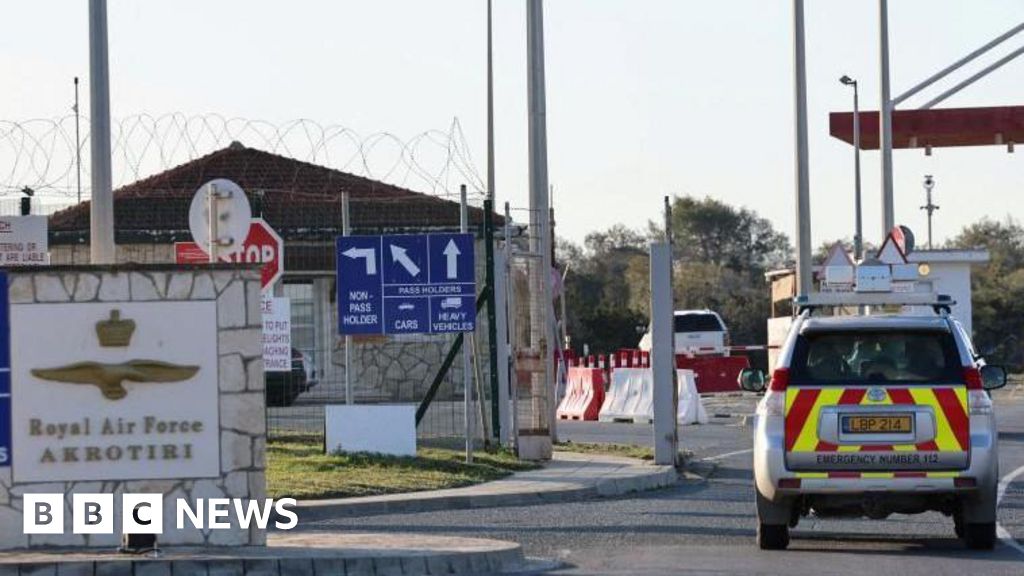
The recent escalation involving Cyprus and the accusations against the Iran-backed group Hezbollah mark a concerning shift in regional stability. The Cypriot government suspects that Hezbollah was responsible for a targeted attack on the United Kingdom’s RAF Akrotiri base, a critical strategic point in the eastern Mediterranean. This incident underscores the increasing reach of Iran-backed factions across the Middle East and their potential to influence international security far beyond their traditional spheres of influence.

As tensions mount, analysts emphasize the geopolitical significance of this development. The RAF Akrotiri base, a key outpost for British and allied operations, plays a pivotal role in overseeing the volatile Middle East and maintaining NATO interests in the region. The suspicion that Hezbollah, influenced by Iran’s regional ambitions, would target such a strategic asset indicates a troubling willingness to challenge Western military presence. Historically, Hezbollah’s involvement in conflicts across Lebanon and Syria has been closely monitored by international intelligence agencies as part of Iran’s broader strategy to counterbalance U.S. and Western influence.

In response, international organizations and regional powers are calling for restraint while carefully analyzing the incidents’ implications. The United Kingdom has condemned the attack, warning of serious repercussions should evidence confirm Hezbollah’s involvement. Meanwhile, the United States and its allies underscore the importance of responding decisively to prevent further destabilization. Many experts, including regional security analysts, believe this event could serve as a catalyst for renewed debates on Iran’s regional strategy and the effectiveness of international sanctions intended to curb its influence. Some warn that failure to address these provocations could embolden terrorist groups and escalate conflicts that threaten not just the eastern Mediterranean but global stability.

Ultimately, the situation remains fluid, with each decision carrying profound consequences for nations and societies. The attack at RAF Akrotiri symbolizes a troubling moment in the ongoing struggle for influence in the Middle East, revealing the fragile balance of power and the potential for small incidents to ignite larger conflicts. As historians and analysts observe from afar, the eyes of the world remain fixed on Cyprus — a seemingly distant but critically significant flashpoint. With every passing moment, the course of history continues to unfold, threatening to reshape alliances and redefine the security landscape in ways yet unseen. The next chapter in this unfolding drama will determine whether diplomacy prevails or if this incident signals a deeper, more dangerous confrontation.

Dubai’s Safe Haven Image Cracked as Missile Attacks Shift the Tide

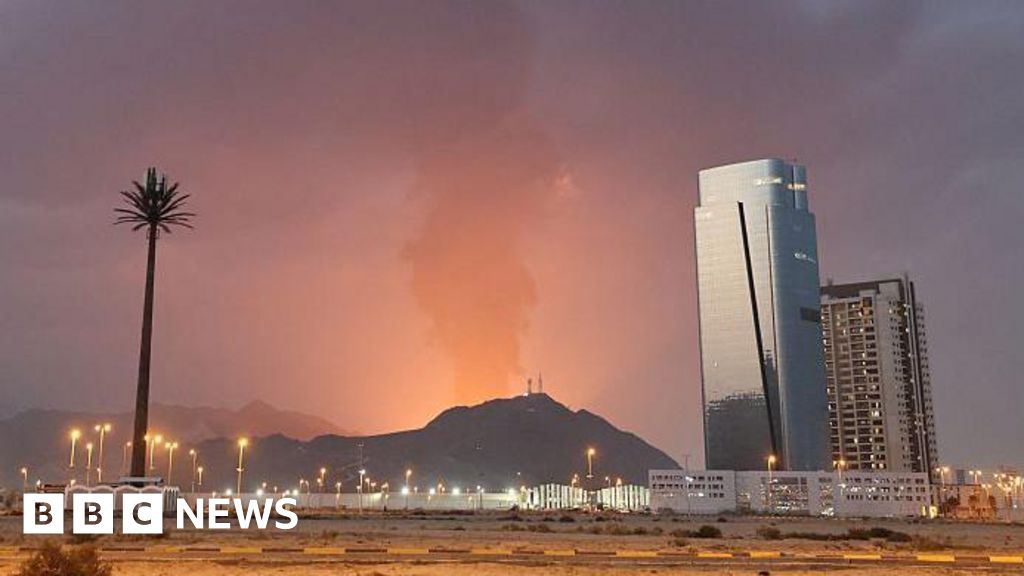
Dubai, long celebrated as a global hub for wealth, innovation, and cosmopolitan life, faces an emerging threat that threatens to reshape its reputation as a safe haven for expatriates and international influencers. Recent Iranian strikes in the region have punctuated a tense geopolitical environment, stirring fears about the stability of this prosperous Gulf city-state. While Dubai’s meteoric rise was largely rooted in its strategic geographic position and forward-looking economic policies, the recent escalation in regional conflict signals that this reputation may soon be tested beyond the mere perception of safety and prosperity.

Dubai, a key player within the United Arab Emirates, has benefited immensely from its open economy and its position as a nexus for trade, tourism, and finance. However, the escalation of hostilities involving Iran—an influential regional power—raises serious questions about the emergent risks facing its flourishing landscape. International security analysts recognize that the recent strikes have not only increased destabilization in the Persian Gulf, but also directly threaten Dubai’s role as a gateway for global commerce. The risk of broader conflict, especially considering Iran’s regional influence, has prompted observers like the International Crisis Group to warn of a potentially destabilizing ripple effect on the wider Gulf Cooperation Council (GCC) countries.

The geopolitical impact of these tensions extends well beyond regional borders. Historically, analysts such as Dr. Emily Andrews from the Council on Foreign Relations have emphasized that decisions taken at this juncture could alter regional alliances and economic partnerships. As the United States, **China**, and **Russia** recalibrate their positions amid this volatile backdrop, Dubai’s strategic importance may shift from a secure financial hub to an exposed territory vulnerable to collateral damage in wider conflicts. The recent Iranian strikes underscore a disturbing trend: regional conflicts now have the capacity to quickly penetrate the safety zones of global commerce, threatening to unravel the delicate balance that has kept Dubai’s economy thriving.

Further complicating the scenario are the perspectives of local and international leaders. UAE officials, under the leadership of **Sheikh Mohammed bin Zayed**, have historically adopted a cautious yet proactive stance in navigating regional tensions. However, the strategic dilemma is clear: continue economic openness in the face of escalating threats or adopt stricter defensive measures that could undermine the very openness that defines Dubai’s emergence. Meanwhile, international organizations such as the United Nations have called for restraint, yet their diplomatic efforts seem, at best, to serve as a temporary buffer in an increasingly unpredictable geopolitical climate. The delicate balance of regional power now teeters on a knife’s edge, with the potential for conflict escalation still looming large.

As history watches from the shadows, Dubai’s ongoing story remains an urgent testament to the unpredictable nature of modern geopolitics. The decisions made in the coming days and months will determine whether Dubai continues to be a beacon of prosperity or becomes a casualty of regional discord. The world stands at a crossroads—whether this city-state’s glittering skyline will stand resilient or give way to the chaos of unintended consequences is still uncertain, but the weight of history with each passing moment grows heavier. The unfolding chapter promises to leave an indelible mark on an era—one where the fragile veneer of prosperity is tested against the relentless march of geopolitical realities.

One Million Ukrainian Homes Left in Darkness After Russian Attacks

Ukraine Under Siege: Russia’s Escalating Assaults and the Shifting Diplomatic Landscape

Amidst a relentless barrage of Russian missile and drone strikes, Ukraine faces an increasingly severe crisis that threatens to plunge the nation into further chaos and hardship. The Kyiv government reports that over more than a million households are now plunged into darkness as Moscow’s forces intensify attacks on critical energy and industrial infrastructure. This surge of aggression occurs just as winter sets in—a period historically linked with heightened suffering for civilians caught in the crossfire of this protracted conflict. The strikes, which Kyiv attributes to Russia, involved over 450 drones and 30 missiles in a single night, demonstrating Moscow’s intent to dismantle Ukraine’s ability to sustain itself. The regional damage is widespread, with Dnipropetrovsk, Kirovohrad, Mykolaiv, Odesa, and Chernihiv bearing the brunt of the assault.

While Russia has long targeted Ukraine’s energy grid, recent months have seen an unmistakable escalation as Moscow employs hypersonic Kinzhal missiles capable of changing course mid-flight, complicating Ukrainian defenses. The International Atomic Energy Agency (IAEA) reported that Ukraine’s Zaporizhzhia nuclear power plant, located within Russian-occupied territory, temporarily lost all offsite power—highlighting the war’s destabilizing impact on nuclear safety. The specter of nuclear catastrophe lurks behind these military operations, underscoring the high stakes for global security. Meanwhile, Russia reports casualties of its own, with regional governor Roman Busargin confirming two deaths from a drone strike on a residential building in Saratov, a reminder that the conflict continues to spill into Russian territory itself, igniting fears of an expanded front.

Diplomatic Efforts and the Fragile Road to Peace

Despite ongoing violence, diplomatic activity is intensifying in Europe and the United States. Steve Witkoff, Washington’s envoy leading efforts to mediate peace, plans to meet with Ukrainian President Volodymyr Zelensky and European officials in Berlin. The goal is to forge a new peace accord before Christmas—a deadline that reflects both the urgency and the impatience of Western capitals eager to bring an end to this destructive war. The upcoming Berlin talks are expected to include senior European leaders such as French President Emmanuel Macron and German Chancellor Friedrich Merz, signaling a united front within the Euroworld despite recent stirrings of discord.

However, persistent obstacles loom large. Kyiv remains resolute on refusing to surrender territory in the Donbas, asserting that Moscow’s ambitions to fully occupy eastern Ukraine must be halted. The U.S. proposes a contentious plan—an eventual withdrawal of Ukrainian forces from contested regions, which Kyiv’s leadership cautiously questions, fearing it could open pathways for Russian expansion. President Zelensky has publicly expressed skepticism, warning, “What will restrain [Russia] from advancing? Or from infiltrating disguised as civilians?” Such doubts highlight the deep divide on how to secure enduring peace without sacrificing Ukraine’s sovereignty.

Financial and Geopolitical Repercussions on a Global Stage

Economic warfare continues to ramp up alongside military and political struggles. The European Union has frozen approximately £185 billion in Russian assets, aiming to channel these funds into Ukraine’s reconstruction and military efforts—an act condemned by Moscow as theft, with Russia threatening legal retaliation. As Kyiv faces a financial shortfall of nearly €135.7 billion over the next two years, the EU’s financial support becomes vital. Yet, the question persists whether these measures will be enough to deter Russia’s strategic aims or merely serve as symbolic gestures in a conflict where victory remains elusive.

Meanwhile, the debate over Ukraine’s membership in the EU has gained momentum. The latest peace plan underscores Ukraine’s desire to accelerate accession, possibly as soon as January 2027, a move supported by Brussels but fraught with challenges. Despite Ukraine’s application to join the EU in 2022, the path remains years long, with geopolitical analysts warning that swift integration could heighten tensions with Russia and provoke further escalation. The ongoing diplomatic dance reflects an international landscape in flux—one where history’s pen is poised to write the next chapter, with nations waiting and watching as the fragile hopes for peace hang in the balance. The struggle continues, and the world stands on the brink of a new era—one that history will judge through the lens of resilience, strategy, and unresolved conflicts still echoing across the continent.

Over 600,000 Americans Still in the Dark After Russian Attacks

In a stark reminder of the ongoing geopolitical conflict, Ukraine faces darkness and despair following a relentless attack that has left over 600,000 residents in the Kyiv region without power. According to Ukraine’s energy ministry, over 500,000 individuals in the capital are grappling with the loss of electricity in the wake of Russian missile and drone strikes targeting critical energy infrastructure. The strikes, which involved approximately 36 missiles and nearly 600 drones, are part of a broader escalation by Russia aimed at crippling Ukrainian resilience—especially as winter’s cold begins to set in. The outbreak of violence underscores a brutal strategy: weaken Ukraine’s ability to sustain itself, and thus, bend it to Moscow’s geopolitical will.

For Russia, these attacks are presented as a “massive strike” against Ukraine’s military-industrial complex and energy supplies, as per the Russian defense ministry. However, these targeted strikes extend beyond military objectives, hitting residential buildings and causing civilian casualties, including a 13-year-old injured during the latest assault. Ukrainian authorities report 29 injuries in Kyiv alone, with emergency services battling to contain the chaos. Despite Kyiv’s assertion that their air defenses shot down 558 drones and 19 missiles, the scale of destruction vividly illustrates Moscow’s refusal to cease its campaign of terror. The targeting of civilian infrastructure not only devastates communities but also seeks to undermine morale, especially with the harsh winter forecast that will see Kyiv temperatures plummet below freezing, putting vulnerable populations at further risk.

This latest escalation arrives amid clandestine diplomatic talks, with Ukrainian negotiators preparing to meet with U.S. officials this weekend. International diplomatic efforts, including a proposed draft peace plan spearheaded by President Donald Trump, aim to find a resolution—though both sides remain entrenched in their respective war aims. While Kyiv stresses the importance of safeguarding sovereignty and defending its territory, Vladimir Putin has reiterated a hardline stance: Russia will only cease operations if Ukrainian forces withdraw from territories Moscow claims as its own. This rigid stance, combined with Moscow’s control of most of the Donbas, and parts of Zaporizhzhia and Kherson, underscores a dangerous deadlock that risks prolonged suffering.

Many analysts warn that these armed confrontations serve as a microcosm of a larger global contest for influence. Historians suggest that this conflict is not merely a regional dispute but a pivotal moment shaping international norms and power structures. The European Union and the United States have called for a frozen front along existing lines, but with Moscow’s recent escalation, such an outcome seems increasingly elusive. As the world watches, the weight of history presses heavily on the shoulders of leaders, whose decisions could either usher in a fragile peace or deepen the chaos—leading towards a future written by war, resilience, and unresolved tensions that threaten to redefine international order itself.

In the shadow of winter’s bleakness, the true cost of these decisions remains unseen by many but felt profoundly by those suffering in Ukraine. As history’s pages turn, the question remains: will diplomacy prevail, or will the relentless tide of conflict forge an unyielding new chapter in a world teetering on the edge of chaos? The weight of this moment is a stark warning—what is decided today will echo through generations to come, shaping the destiny of nations and societies alike.

Russia ramps up train strikes as Ukraine’s rail network faces sharper attacks

In a dramatic escalation of Russia’s ongoing conflict with Ukraine, the country’s critical railway infrastructure has come under a relentless barrage of attacks since July 2025. According to Oleksii Kuleba, a deputy prime minister responsible for infrastructure, the number of assaults has tripled in just the last three months — from 800 attacks earlier this year to over 3,000 damaged objects, with cumulative damages reaching an estimated $1 billion (£760 million). These targeted strikes, primarily carried out through advanced drone technology, aim to cripple Ukraine’s logistical backbone, which is vital for both civilian commerce and military support in the eastern front.

The geopolitical impact of these attacks extends far beyond the immediate destruction. Ukraine’s extensive rail network, which moves more than 63% of the country’s freight—including essential grain exports—and 37% of passenger traffic, is a lifeline that sustains the nation’s economy and its war effort. No civilian airports have operated since the onset of the full-scale invasion, making rail mobility the sole conduit for both international aid and government leadership visits. As Ukrainian officials scramble to fortify this critical infrastructure—installing electronic countermeasures and deploying specialized air-defense units—the relentless assault exposes a brutal truth: Russia’s strategic objective is to undermine Ukraine’s logistical capacity, directly impacting the nation’s ability to sustain itself during wartime.

Behind the scenes, international analysts and military experts have echoed concern over the new precision of Russian drone strikes. Serhii Beskrestnov, a Ukrainian military drone specialist, warns that as Russia’s drone technology advances, the vulnerability of Ukraine’s train system will only deepen. The slow-moving trains, following predictable routes vulnerable to high-precision strikes, may soon face the moment where the tracks remain intact but without rolling stock to operate upon them. This scenario underscores a haunting possibility: the initiative to destroy Ukraine’s analog and digital infrastructure is a calculated, systematic effort to choke off the country’s ability to move supplies and personnel, ultimately aiming to capitulate the Ukrainian resistance from within.

The international community’s response remains divided, with Western nations providing military aid but also grappling with the long-term consequences of intensifying hostilities. Critics argue that Russia’s strategy seeks to destabilize Ukraine’s logistical framework, thereby forcing Kyiv into a perilous choice of capitulation or prolonged struggle. Official figures attribute these attacks to Moscow’s deliberate campaign to disrupt Ukraine’s southern logistics—blocking vital seaports—and to sow chaos in strategically significant regions such as Chernihiv, Sumy, and the industrial Donbas area. As the situation narrows down to a high-stakes chess match, historians warn that history may record this as the moment when Ukraine’s railways became the battlefield’s silent victims and the last hope of resilience against encroaching chaos.

With each passing day, the weight of history hangs heavier. The destruction of Ukraine’s railway system is more than a military tactic; it symbolizes a broader struggle for sovereignty, economic stability, and national identity. As Kyiv’s resilience is challenged and the world watches, the outcome remains uncertain. But one thing is clear: the fate of Ukraine’s railways—and perhaps the future of the nation itself—rests on the unfolding decisions of global leaders and their responses to this ongoing assault on vital infrastructure. The chapter of this conflict remains unwritten, yet the lessons of today will echo through history, etching the ongoing conflict into the annals of geostrategic shadows—where resilience and desperation collide amid the relentless march of war.

Social Media Auto Publish Powered By : XYZScripts.com