
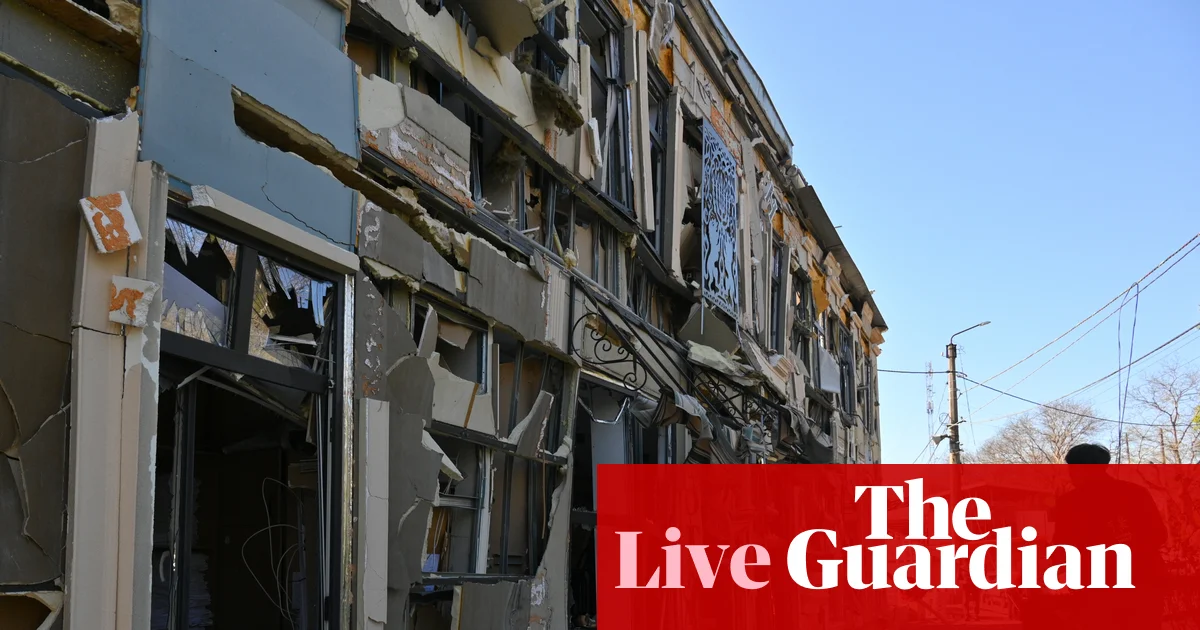

In the latest chapter of the ongoing Ukraine conflict, Russian drone attacks persist amidst international concerns about escalating violence and nuclear safety. Overnight reports indicate that more than 10 civilians were injured in Odessa as Russian forces targeted residential areas, hotels, and key infrastructure. The Ukrainian military leadership described the attacks as “extremely difficult” and pointed to a pattern of increased aggression in the region, notably in the strategic Prymorskyi district. Such relentless assaults highlight the fragile state of Ukrainian sovereignty and the precarious safety of its citizens, even months into Kyiv’s resistance backed by Western support.
Amid this chaos, geopolitical analysts warn that the conflict is reaching a critical juncture. President Zelenskyy marked the 40th anniversary of Chernobyl, accusing Russia of “nuclear terrorism” through frequent drone attacks that risk the safety of Europe’s largest nuclear power plant in Zaporizhzhia. The plant, critical for Europe’s energy security, has experienced its 15th blackout since Russian forces captured it in 2022, with Ukrainian officials warning that each disruption amplifies the risk of nuclear catastrophe. This pattern of sabotage underscores how Russia’s strategic use of drone warfare is more than mere aggression—it’s a calculated attempt to destabilize European infrastructure and foment fear.
In an effort to bolster its defenses, Poland’s recent initiatives have gained international attention. Polish Donald Tusk announced plans to develop a “drone armada” supported by Ukrainian technological expertise, aiming to leapfrog a whole technological epoch and secure the Polish skies from future air assaults. Tusk’s proposal signals how nations are responding to the threat of precision strikes and drone warfare by investing heavily in indigenous rapid response capabilities. Meanwhile, the EU is actively pursuing its own “drone wall,” a sophisticated anti-drone barrier to counteract suspected Russian drone incursions across Europe. Historians note that such defensive measures echo Cold War-era tactics, but with new technology that demands a modern, technological response to warfare that is increasingly space and air-centric.
As the international community confronts these emerging crises, nations like Germany and France are navigating diplomatic and strategic challenges. Germany’s Friedrich Merz is engaging with youth about Europe’s future, while President Ursula von der Leyen faces political awkwardness in Berlin. The decisions made in this geopolitical chess game—how to defend borders, secure energy, and deter aggression—will undoubtedly shape the contours of European security for decades to come. With the specter of nuclear risks, escalating violence, and new technologies, history continues to be written in these turbulent days, reminding us that while peace may seem fragile, the resolve to defend it is stronger than ever.






