
Turning Point in Middle Eastern Tensions: US Seizes Iranian-Flagged Ship Near Hormuz
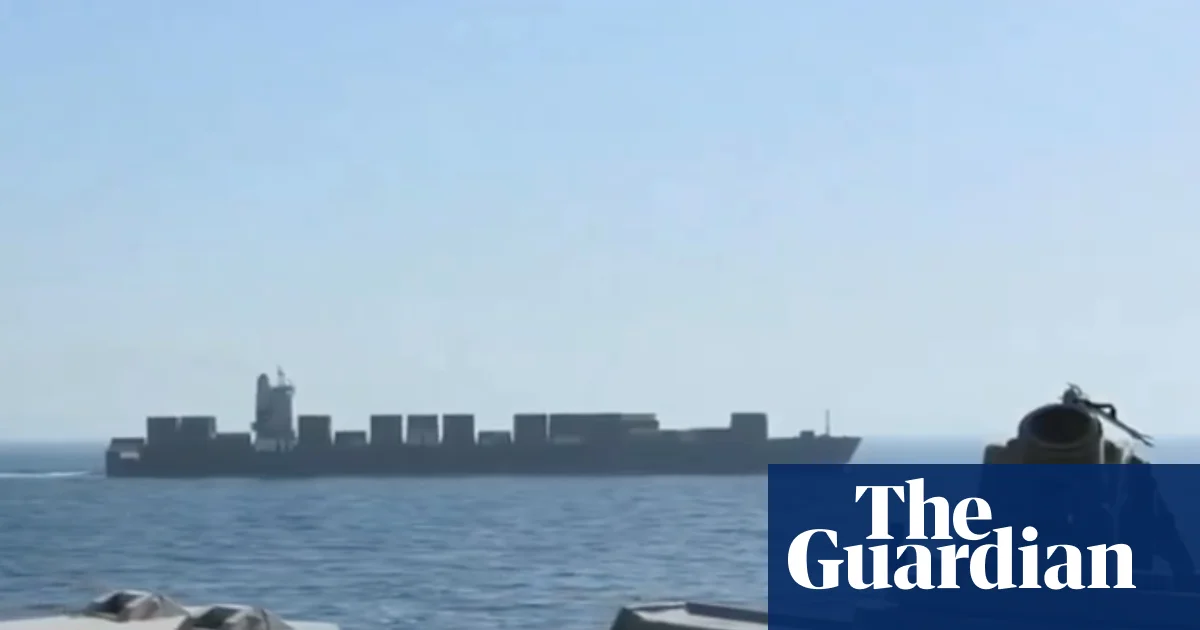
In a move that signals a significant escalation in the ongoing trade and military confrontation within the Gulf region, the United States military has intercepted and seized an Iranian-flagged container ship attempting to breach a newly enforced blockade near the Strait of Hormuz. This incident is the first such maritime conflict following the implementation of the US-led blockade designed to tighten economic pressures on Iran. The seizure occurred after US naval forces, aboard the USS Spruance, warned the vessel, identified as Touska, to cease its movement, warning of lethal force if they refused. Subsequently, US forces fired upon the vessel, claiming custody of the ship, which was under US Treasury sanctions for prior illegal activities. This military action underscores a deliberate tilt toward increased confrontation, with Washington asserting it was necessary to prevent violating international sanctions and pressure Iran economically.
Iran’s official military command, represented by Khatam al-Anbiya, swiftly condemned the seizure as an act of piracy and warned of imminent retaliation. For Tehran, this act breaches the fragile ceasefire that has largely held since early April, and it has cast doubt on the upcoming diplomatic parleys. Despite President Donald Trump‘s earlier announcements about redeploying negotiators to Pakistan for renewed talks with Iran, Tehran remains skeptical, citing the blockade, aggressive rhetoric, and what it describes as Washington’s “excessive demands”. Iranian state media reports suggest Tehran has now rejected any new peace talks, emphasizing that the escalating confrontation makes diplomatic resolution increasingly unlikely at this juncture. These developments threaten to unravel the limited progress made in recent months and bring the region closer to the brink of renewed violence.
The incident has profound effects on the geopolitical stability of the Middle East, as global leaders and analysts warn of the ramifications. The escalation risks igniting a broader conflict involving multiple nations with interests spanning from regional dominance to global energy security. Historians like Michael O’Hanlon and analysts from organizations such as the International Crisis Group have emphasized that the Gulf’s strategic choke points hold the power to disrupt global oil supplies, potentially triggering chaos in markets worldwide. The incident also amplifies the risk of a domino effect, with neighboring Arab states, Israel, and even NATO allies understandably concerned about Iran’s recent aggressive posturing and the US’s uncompromising stance. This crisis starkly demonstrates how decisions made at the highest level resonate down to ordinary societies, affecting everything from energy prices to national security.
As the world watches the unfolding drama in the Gulf, the haunting question remains: Will this confrontation mark a turning point, or will diplomacy still find a way to de-escalate? With history’s shadow looming large, the ongoing clash between superpowers has escalated beyond mere politics, transforming into a pivotal chapter in the unfolding narrative of post-war Middle Eastern geopolitics. Humanity stands at a crossroads—either the weight of decisions made now will forge a path toward peace, or the upcoming days will write a darker chapter, one where the sands of the Gulf are stained with the echoes of war yet to come.