Matox News

Truth Over Trends, always!

Exclusive Elf Movie Costume Goes for £239,000 at Auction, Setting New Record for Cultural Icon Status

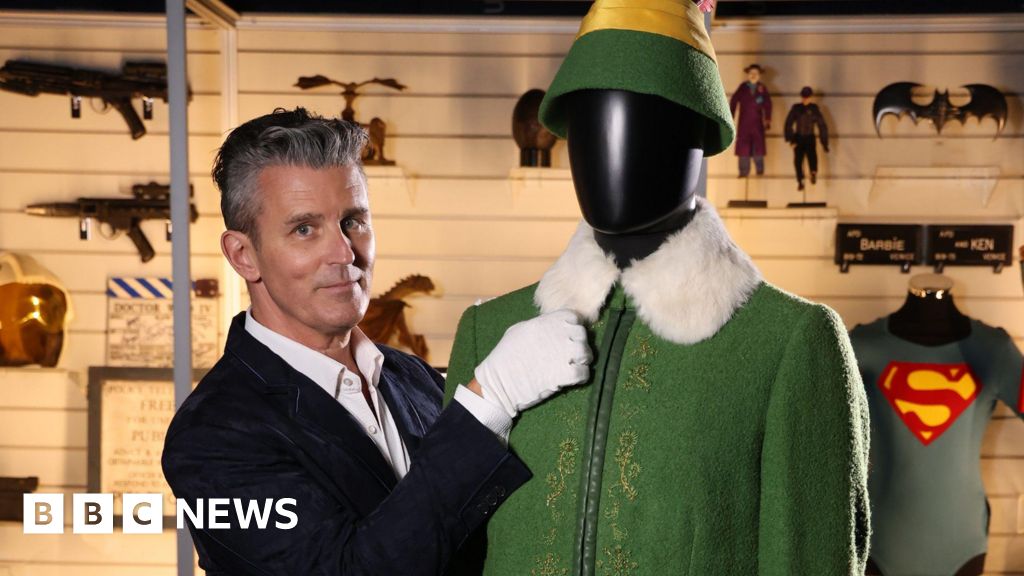
In the realm of pop culture, memorabilia do not merely serve as relics of entertainment but stand as tangible symbols of collective memory. Recently, an unprecedented auction in London has brought to light the enduring power of cinematic artifacts. A costume worn by Will Ferrell in the 2003 comedy Elf fetched over £239,000, underscoring the profound cultural valuation placed upon physical tokens of entertainment. This green and yellow ensemble, worn during a humorous scene in which Ferrell’s character presses every button in a New York lift, exemplifies how modern mythology is curated through attire, dialogue, and iconic moments. Provenance, as noted by the auction house, links this piece directly to the film’s producer, Jon Berg, amplifying its desirability and reminding us that history’s greatest stories are often preserved not only in scripts but in fabric and costume.

This phenomenon challenges us to consider the role of cultural artifacts in shaping national identity and societal continuity. A matching fedora from Indiana Jones and the Temple of Doom sold for an astonishing £327,600, while original weapons from Star Wars characters like Boba Fett are expected to fetch between £350,000 and £700,000. Beyond their monetary value, these objects serve as touchstones of myth and heroism; they embody stories that inspire generations, embodying a shared sense of heroism, adventure, and nostalgia. Such artifacts remind us that culture—whether through literature, film, or art—is fundamental in molding societal self-awareness and preserving our ideals across the tumultuous tides of history. Philosopher Ortega y Gasset might argue that these relics are manifest the consciousness of the collective, anchoring us in the narrative of who we are and what we aspire to be.

Moreover, the surge in valuation of these items reflects a broader cultural truth: that in an era of fleeting attention and digital surfeits, tangible connection to the past becomes vital for maintaining a sense of tradition. The artifacts from these films and series are more than mere collectibles—they are embodiments of values, stories, and moralities that have shaped our social fabric. As Chesterton once remarked, the true culture is the persistent effort to keep alive the memory of what is worth keeping alive. These relics stand as testament that our history is not only recorded in books but etched into the fabric, props, and artifacts of our popular legends. They serve as symbols of continuity amidst rapid change, anchoring future generations to the roots of their cultural identity.

In this way, the journey of these artifacts parallels the rhythm of human history. They are both memory and prophecy, whispering what was and hinting at what will be. Whether it is the humorous innocence of Buddy the Elf or the adventurous spirit of Indiana Jones, such objects remind us that true culture is layered—an intricate tapestry woven through time with threads of memory and hope. As T.S. Eliot suggested, culture is “not a sum of facts but the image of a possible human destiny.” In the celebration and preservation of these relics, we find the silent promise that our stories endure, whispering endlessly through the corridors of time, guiding us with the light of tradition into the dawn of tomorrow.
Rare Fabergé egg sells for record-breaking £22.9m at London auction

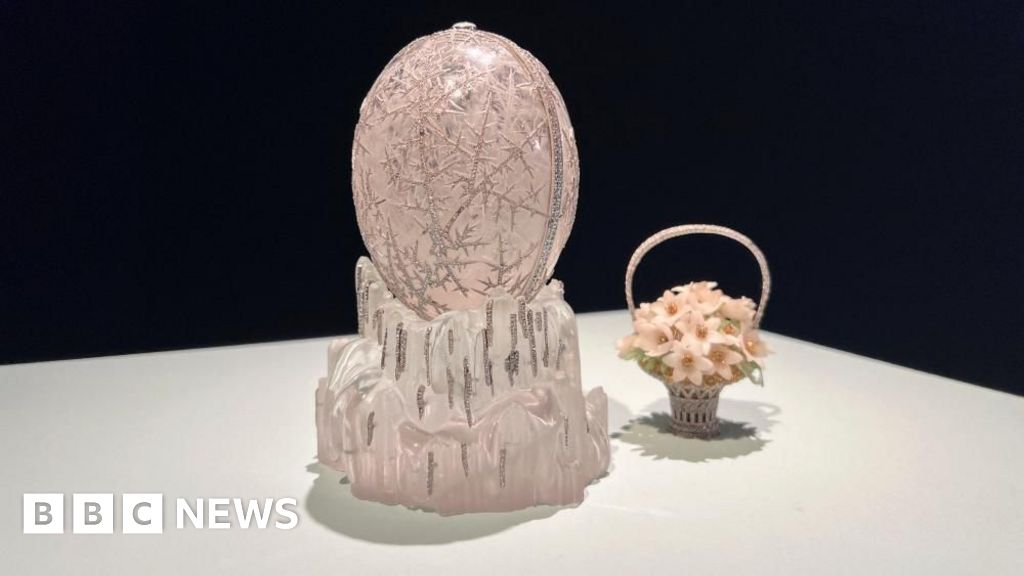
The recent auction of a Fabergé Egg in London has not only shattered previous records but has also ignited renewed interest in the era of the Russian Imperial family and its enduring cultural legacy. The Winter Egg, a masterpiece of exquisite craftsmanship, fetched an astonishing £22.9m ($30.2m), setting a new worldwide record for any work by the renowned jeweler. This extraordinary piece, crafted in 1913 for Tsar Nicholas II as a gift to his mother, symbolizes the opulence of the last days of Imperial Russia. Its sale highlights the enduring allure of imperial artifacts, but also underscores the complex historical narratives that continue to influence global perceptions of Russia.

  • The Winter Egg, carved from rock crystal and decorated with 4,500 diamonds, was created by Carl Fabergé, with design influences from Alma Theresia Pihl, one of only two women workmasters at the time.
  • It uniquely opens to reveal a miniature basket of white quartz flowers, exemplifying the meticulous craftsmanship and symbolic artistry associated with Fabergé’s creations.
  • The production of only 50 Imperial eggs between 1885 and 1917 places this piece among the rarest collectibles, with only seven remaining in private ownership today.

Historically, the Fabergé eggs stand as potent symbols of Russia’s imperial grandeur and the aristocracy’s decadence before the upheavals of the early 20th century. International auction houses like Christie’s not only serve as custodians of history, but they also act as focal points for geopolitical symbolism. The high-profile sale comes amid a tense period where Russia and the West remain embroiled in a complex confrontation, replete with economic sanctions, diplomatic standoffs, and a reassessment of Russia’s cultural legacy. Some analysts posit that the record-breaking price underscores a global fascination with the waning days of the Romanov dynasty, coupled with a broader cultural revival of old imperial symbols amidst geopolitical instability.

Reflecting the broader geopolitical impact, the sale of the Winter Egg is not merely a transaction; it is a reflection of shifting alliances, historical memory, and national identity. The West and Russia continue to interpret these artifacts through differing narratives—while some view them as relics of a lost imperial era, others see them as symbols of legacy and cultural resilience. Critical voices from historians and analysts emphasize how these relics influence international relations, sometimes becoming pawns in the ongoing ideological struggle that defines the modern geopolitical landscape. The recent auction is thus seen by many as an almost prophetic reminder that history’s threads—be they of imperial ambition, cultural pride, or political upheaval—are never truly silenced.

As history unfurls in unpredictable chapters, the story of the Fabergé Egg serves as a mysterious relic in an era defined by global tension. Its gleaming facets and delicate artistry mask a complex narrative of empire, revolution, and nationhood. The echoes of the Romanovs and their decadent legacy reverberate through time, shaping the discourse of power and influence that will ultimately decide the future of nations. In this unfolding story, the weight of history persists, a silent witness to the profound transformations that continue to sculpt the world order—where every artifact, like this rare masterpiece, bears witness to an epoch that refuses to be forgotten.

German Auction Halted Over Holocaust Artifact Sale Amid Backlash

In a development that has reverberated across international borders and reignited debates on morality and respect in the midst of ongoing geopolitical tensions, Poland and Germany have seemingly aligned in a rare display of diplomatic unity to halt an auction perceived as deeply offensive. The auction, scheduled to take place in Germany, involved the sale of hundreds of Holocaust artefacts—ranging from prisoner letters to Gestapo index cards—titled the “System of Terror.” Such items, which are invaluable historical records, are painfully intertwined with the suffering and loss experienced during one of the darkest chapters of European history. The decision to cancel this sale not only signifies a crucial stance against unethical commodification but also underscores the global responsibility to preserve Holocaust memory with dignity.

The coordinated effort was spearheaded after widespread public outcry, most notably from Holocaust survivors and human rights organizations. Historians and analysts have long warned about the dangerous normalization and trivialization of such artefacts when treated as commodities. The International Auschwitz Committee issued a piercing statement condemning the auction, emphasizing that these documents “belong to the families of victims” and should be preserved within museum and memorial contexts, rather than ending up in private collections for profit. The incident illustrates the tension between mercantile interests and the moral obligation to honor the victims of Nazi persecution,” threatening to diminish the significance of Holocaust remembrance in a Europe where nationalist rhetoric and revisionist narratives are resurging. It also showcases how international cooperation remains essential in confronting emerging threats to historical integrity.

The geopolitical impact of this incident reaches beyond mere auction cancellations. Poland, which has consistently underscored the importance of Holocaust education and remembrance, demonstrated diplomatic agility in working with Germany—a country still grappling with its Nazi past and tasked with confronting its history. This collaboration sends a message to the world that, even amidst rising populism and ideological discord, the collective memory of atrocities cannot be allowed to become a commodity. It also serves as a warning to international auction houses and private collectors: the moral price of profiting from history may be higher than expected. The incident has been closely analyzed by global institutions, with many linking it to broader concerns over the commercialization of historical trauma and the erosion of moral boundaries that safeguard human dignity.

As the dust settles on this controversy, it becomes clear that decisions made in the coming years will shape how societies stand in defense of their shared history. The cancellation of this auction is more than a single event; it is emblematic of a vital and ongoing debate about the role of nations and individuals in preserving the memory of suffering. With tensions simmering from Eastern Europe to Western capitals, the very fabric of history remains under threat—an unfolding chapter in the ongoing struggle to reconcile commerce with conscience. As historians warn of potential shifts in the moral landscape, the weight of history presses us all—reminding us that the future is forged by the choices of today, and that the echoes of the past are never truly silenced, but waiting for those brave enough to honor them with respect and integrity.

Social Media Auto Publish Powered By : XYZScripts.com