Matox News

Truth Over Trends, always!

Qantas Scores $1.46bn Profit Boom as Aussie Travelers Keep Flying Despite Rising Costs

Global Economy and Geopolitical Shifts: A New Chapter in International Affairs

In a remarkable turn of events, Qantas, Australia’s largest airline, has announced a robust $1.46 billion half-year profit, demonstrated by resilient consumer demand despite ongoing global economic pressures. This narrative of economic revival challenges the prevailing narrative that high living costs and inflation are universally dampening national economies. Instead, it marks a pivotal shift showing how some nations, particularly those with strong resource bases and strategic industries, are navigating the turbulent waters of economic globalism. \u201cTravel remains a priority for Australians,\u201d said airline CEO Vanessa Hudson, who is orchestrating the most expansive fleet renewal program ever. This aligns with a broader pattern of resilience among resource-rich nations and key industrial players seeking to lend strength to their influence on the global stage.

Meanwhile, Australia continues to bolster its position through strategic investment in infrastructure and commerce. The airline’s investments include upgrading its fleet with newer, more fuel-efficient aircraft, allowing it to open new routes—particularly to regional hubs like Japan, Bali, and across the Tasman. This move not only enhances passenger experience but also cements the nation’s role as a key connector between the Asia-Pacific and the economic powers of the West. Analysts from international think tanks note that such developments contribute significantly to Australia’s geopolitical leverage, giving it greater sway within regional diplomatic contexts, particularly in counterbalancing the influence of China and the United States.

However, challenges remain, especially in the U.S. market. Despite optimism about domestic resilience, Hudson acknowledges that US economic uncertainties persist, prompting close monitoring of the “evolving economic environment.” The challenge posed by rising inflation, coupled with recent social media and travel policy shifts, underscores the complex, interconnected nature of modern geopolitics. Reports indicate that social media activity is under increasingly strict scrutiny, with some nations enforcing measures that impact international travel and diplomacy. Such policies serve as a stark reminder of the fragile balance between national security and individual freedoms, raising questions about the future trajectory of international cooperation and civil liberties. This tension echoes worry among historians and policymakers about the long-term implications of rising societal control and surveillance, which, if unaddressed, could foster geopolitical tensions or even conflict.

  • Qantas’s strategic fleet renewal: Replacing aging domestic aircraft, expanding long-range capabilities, and improving fuel efficiency.
  • Australia’s strengthening economic links: Enhanced regional connectivity and regional influence through targeted infrastructure and trade investments.
  • US market challenges: Uncertain economic climate and stricter travel-related social media regulations impacting international mobility.
  • Potential global repercussions: Increasing social controls and economic uncertainties could reshape international alliances, trade routes, and security policies.

As these developments unfold, they place a spotlight on a broader geopolitical landscape amidst evolving economic power dynamics. European analysts warn that the balancing act between Western democracies and rising authoritarian tendencies will define the stakes of this decade. The decisions made today—regarding economic resurgence, social regulation, and international diplomacy—will determine whether the path leads to cooperation or conflict. Historians will look back on this era as one where the weight of history pressed heavily upon the shoulders of leaders seeking stability in an increasingly volatile world. With each policy shift and economic indicator, the question lingers: are we witnessing the stabilization of a new geopolitical order or the tremors of a coming upheaval? The answers, as always, remain to be written, yet the narrative of this generation’s history is unmistakably unfolding—one cautious step at a time.
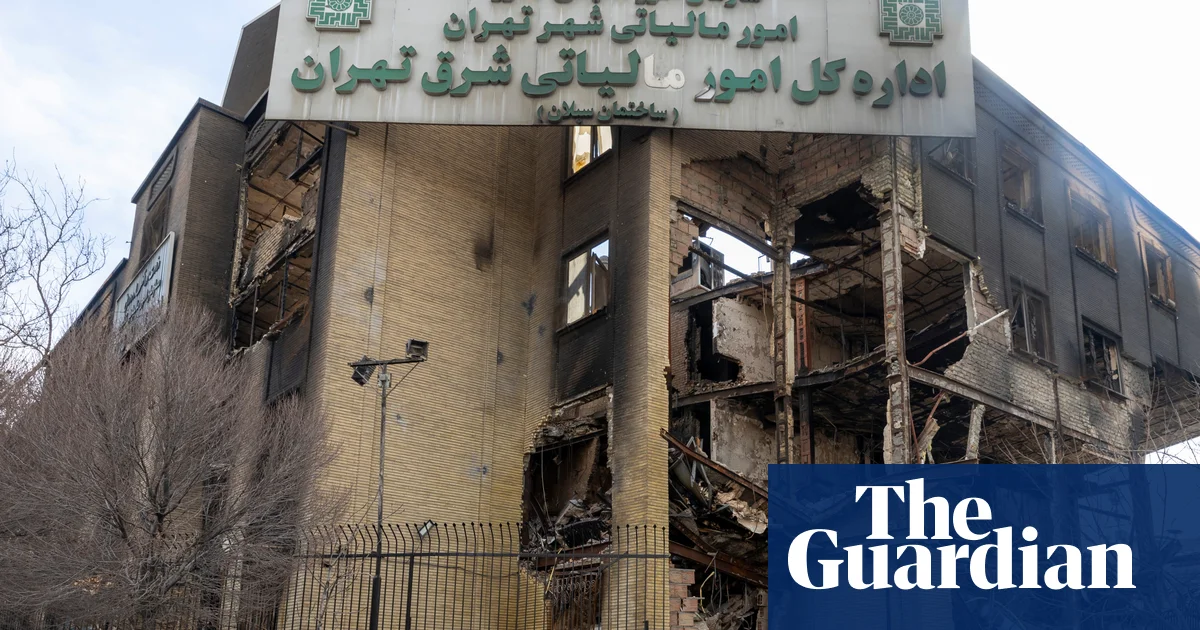

Ex-Canberra teen faces execution in Iran amid Aussie diplomatic push

Global Power Dynamics Shift as Iran’s Human Rights Crisis Deepens

The recent developments surrounding Iran‘s violent suppression of its own people signal a pivotal moment in regional and international geopolitics. As thousands of protesters face brutal crackdowns and reports emerge of potential executions of foreign nationals, including an Australian youth, the world’s attention sharpens on Tehran’s alarming disregard for human rights. The Australian government’s efforts to intervene—making diplomatic representations and offering support to affected families—highlight the increasingly strident global response to Iran’s authoritarian reality. Historian Emily Carter notes that such crises mark a significant turning point where international pressure can influence the course of Iran’s domestic policies.

Moreover, this situation underscores the fragile balance of influence between Western countries and Iran. Following the expulsion of Tehran’s ambassador from Canberra and the suspension of diplomatic ties, Australia’s stance reveals a broader pattern of strategic firmament against Iran’s expansionism and regional destabilization. The recent violence against protesters—estimated to have claimed upwards of 30,000 lives by some sources—is a stark reminder of a regime willing to sacrifice its own citizens for the sake of maintaining power. The international community, led by Western powers, perceives these actions as not just internal conflicts but as threats to global stability, especially considering Iran’s regional influence and its development of nuclear capabilities.

Despite the lack of direct verification, the distressing reports of foreigners, such as the Australian boy, further complicate Iran’s image on the world stage. Diplomatic channels are strained as governments across the globe call for accountability but remain cautious in their engagement. The ongoing crackdown is also a rallying point for international organizations like the United Nations, which debates whether to escalate sanctions or pursue independent investigations. Meanwhile, Iran’s internal turmoil is fueling protests that threaten the regime’s legitimacy, with some analysts warning that the government’s refusal to acknowledge or properly investigate civilian deaths may ignite even greater unrest. The escalation of such internal destabilization risks spreading instability beyond Iran’s borders, potentially triggering a regional conflict entangling the entire Middle East and beyond.

As history continues to unfold, the world watches – hesitant yet resolute. The coming weeks may determine whether Iran’s regime will be held accountable or whether history will record this as a chapter of unchecked tyranny. The stakes are high: nations must decide whether to uphold the moral imperatives of human rights or to accept the stagnation of global morality at the altar of geopolitical convenience. On this turbulent stage, the choices made today will resonate for generations. The question remains: how will this chapter in history be written—by the relentless pursuit of justice or by the silence of complicity?

Her Father's Gaza War Grave Destroyed by Israel: Aussie Military Woman Seeks Justice and Truth
Her Father’s Gaza War Grave Destroyed by Israel: Aussie Military Woman Seeks Justice and Truth

The ongoing conflict in Gaza has once again underscored the devastating consequences of regional instability on historical and national memory. Recent satellite imagery reveals significant damage and possible destruction of the Gaza War Cemetery, where Australian soldiers from World War II are buried. The mutilation of these graves, reportedly caused by the Israel Defense Forces (IDF) during military operations, has stirred a global outcry, especially among families of the fallen and nations who hold those sacrifices sacred. Wilma Spence, among many, mourns the apparent obliteration of her father’s grave—an act she perceives as a profound disrespect to those who served and died for freedom.

This incident exemplifies how international conflicts are not contained solely within theatres of war but have profound effects on societal memory and diplomatic relations. The IDF’s justification—that graves were destroyed to address “underground terrorist infrastructure”—fails to quell skepticism among international observers and veteran communities. The Commonwealth War Graves Commission has expressed concern over the damage, with experts warning that the full extent of destruction may take years to repair. Such actions, analysts argue, threaten to rewrite history and undermine the moral authority of nations committed to safeguarding their war dead—especially when these graves symbolize sacrifice amid the chaos of global confrontation.

The geopolitical impact of these incidents extends beyond grief. Regional powers like Israel are engaging in complex military operations that often blur the lines between combatant and civilian zones, raising questions about international accountability. The diplomatic fallout influences alliances, aid policies, and international perceptions of legitimacy. The withdrawal or destruction of war graves challenges the notion of respect for tradition and international law, igniting debates on how contemporary military actions should reconcile with historical memory. Experts from institutions like The International Crisis Group warn that such acts may fuel resentment and be exploited by proxy groups, jeopardizing prospects for lasting peace in the region.

Meanwhile, families of the fallen, such as Wilma’s, highlight the broader social consequences. The loss of grave sites not only erases physical symbols of heroism but also scars collective memory and national identity. Wilma’s persistent efforts—writing to government officials and demanding accountability—illustrate the ongoing struggle of societies to reconcile military necessity with moral obligation. As President Isaac Herzog of Israel prepares to visit Australia amidst rising tensions, the question remains: will world leaders uphold their responsibilities to preserve history, or will the tides of warfare continue to wash away the foundations of collective remembrance?

The future of international diplomacy hinges on how these controversies are addressed. Will international organizations step in to enforce respect for war graves, or will regional and global powers prioritize strategic interests over historical dignity? The unfolding narrative leaves an indelible mark, emphasizing that in a world fraught with conflict, history—whether in the form of graves or memories—is both a heritage and a battleground. As witnesses like Wilma watch their ancestors’ resting places vanish, the weight of history presses heavily on the present, casting a shadow over the promise of peace and remembrance. The story of the Gaza war cemetery is not merely about physical destruction; it is a stark reminder that the consequences of war resonate across generations, shaping the destiny of nations and the moral fabric of humanity itself.”

RBA hikes interest rates to 3.85%, tough hit for Aussie mortgage holders

Global Economic Tensions Rise as Reserve Bank of Australia Implements Unexpected Rate Hike

The Reserve Bank of Australia (RBA) has executed a significant monetary policy shift by raising interest rates for the first time in over two years—an move that signals potential turbulence not only within Australia’s economy but across the broader international landscape. The decision, which saw the cash rate target increase from 3.6% to 3.85%, comes amid mounting concerns about persistent inflationary pressures that threaten to destabilize what some analysts previously believed to be a resilient recovery.

This rate hike, announced at the conclusion of a two-day policy meeting, halts the RBA’s previously rapid cycle of rate cuts—three reductions in 2023 alone—marking the end of what was arguably the shortest rate-cutting cycle in the institution’s history. Economists and international observers now analyze it as a *warning* sign: central banks worldwide, faced with surging global inflation, are adjusting their tactics in a manner that could ripple through markets and geopolitical alignments. The immediate impact on Australia’s mortgage sector—an increase of roughly $90 per month for a typical $600,000 loan—might seem marginal, but it portends more profound shifts in consumer confidence and fiscal stability, with potential repercussions for allied economies.

Impact Beyond Borders: A Broader Signal to Global Markets

  • The RBA move arrives amid an international environment of inflationary uncertainty, prompting analysts like those from the International Monetary Fund (IMF) to speculate on whether this signals a broader shift toward tighter monetary policy. Countries such as United States, Europe, and Japan are closely monitoring the Australian precedent, which could influence their own strategies to curb inflation without stifling growth.
  • Historian and economic analyst Dr. Fiona A. Campbell warns that such aggressive rate adjustments risk *derailing* fragile economic recoveries, especially in emerging markets dependent on Australia’s resource exports and financial stability. Her concern echoes the deeper geopolitical reality: decisions taken in Canberra ripple globally, affecting trade, investment, and diplomatic relations.
  • Furthermore, these policy shifts come at a time of evolving international trade tensions and critical debates over sustainable growth, with some nations questioning whether rapid monetary tightening risks inflation suppression at the expense of growth and societal stability.

The Geopolitical Impact and How Nations Will React

The significance of this rate hike extends beyond Australia. It signals a possible *turning point*, where central banks must balance inflation control with geopolitical stability. The shift could tighten global financial conditions, increase borrowing costs elsewhere, and fuel uncertainty in markets like Shanghai, London, and New York. Countries with burgeoning debts or fragile economies may find themselves caught in a rising tide of economic stress, potentially exacerbating geopolitical tensions.

Many international analysts warn that the new monetary posture reflects a broader acknowledgment that global inflationary pressures—fueled by geopolitical conflicts, supply chain disruptions, and volatile energy markets—demand a recalibration of economic policies. As World Bank, OECD, and independent economists debate the trajectory, the risk of over-tightening remains a serious concern, potentially leading to stagflation or social unrest in vulnerable nations.

Conclusion: The Weight of History as the World Watches

With this policy move, the RBA inadvertently embodies a challenging truth of our era: the decisions of a single nation’s central bank ripple through the fabric of global stability, shaping societies and influencing the course of history. As the world grapples with inflation, debt, and geopolitical unrest, the question remains: whose interests will ultimately prevail in this complex dance of economic power?

With the spotlight fixed on Australia and the international community, history continues to unfold—its next chapters written in boardrooms, markets, and the lives of ordinary citizens. The stakes are high, the outcome uncertain, and the world can only watch as the very fabric of global finance is rewoven one rate hike at a time.

Clive Palmer dismisses Bannon's claim he plotted 2019 Aussie election ad gambit
Clive Palmer dismisses Bannon’s claim he plotted 2019 Aussie election ad gambit

Global Political Power Plays Unveiled: The Hidden Hands Behind Elections and Their Geopolitical Impact

In recent developments that underscore the complex web of international influence, controversial revelations have emerged concerning the 2019 Australian federal election. While official narratives often emphasize local democratic processes, evidence suggests that covert foreign interventions and international strategists may have played a significant role in shaping the outcome. An investigation into documents released by the US Department of Justice has shed light on communications allegedly involving Steve Bannon, a notorious figure in American right-wing politics, and the enigmatic figure linked to Jeffrey Epstein. These messages seem to imply that strategic foreign-backed advertising campaigns targeted Australian voters, aiming to polarize politics and influence policy directions.

Specifically, the messages purport that Bannon claimed to have orchestrated a \u201c$60 million anti-China and climate change\u201d advertising blitz for billionaire Clive Palmer. Such assertions are currently under skepticism, with Palmer’s spokesperson dismissing them as mere “bullshit.” Nonetheless, the implications of these claims point to a broader pattern: the use of shadowy political meddling as a tool to sway elections on a national level, with far-reaching geopolitical consequences. As analysts observe, these tactics not only distort democratic processes but also weaponize misinformation to bolster strategic allies and weaken adversaries in Asia-Pacific—a region of escalating importance in global geopolitics.

How Decisions to Influence Elections Reshape Society and Global Power Dynamics

Historically, commentators and analysts such as Professor Anne-Marie Slaughter have warned that the lines between domestic politics and international influence are blurring dangerously. The recent Australian case exemplifies this, with local elections being affected by foreign-funded campaigns that amplify fear and suspicion—particularly regarding China, a rising superpower. The 2019 election’s aggressive advertising campaigns, which included claims of a \u201cclanestine\u201d Chinese takeover, exemplify how powerful narratives can be used to mobilize voters, often based on outright misinformation or fearmongering. This phenomenon exemplifies a new battleground for global influence, where national sovereignty and societal trust are increasingly vulnerable to covert foreign manipulations.

Moreover, influential international organizations such as the United Nations have expressed concerns over these trends, warning that such covert interventions threaten the very foundation of democracy. At the same time, Western governments face a critical challenge: how to combat misinformation without infringing on sovereignty or free speech. The case of Clive Palmer’s campaign also highlights how preferential deals and monetary influence can significantly shift voter behavior, often negatively affecting political stability and public trust. As Western democracies confront these clandestine tactics, the mounting question remains: how much longer can nations remain resilient against a new era of invisible warfare that seeks to manipulate societies from behind the curtain?

The Rising Tide of Influence and the Weight of History

The current controversy encapsulates a crucial turning point in the international arena—where power is no longer confined to traditional military and economic dominance but expands into the digital and informational realms. Historians warn that these covert strategies, if unchecked, risk unleashing a novel form of global instability. As nations like Australia become battlegrounds for influence, their societies are drawn into the larger contest between Western liberal democracies and authoritarian regimes seeking to reshape global governance.

The unfolding story does not merely involve distant political actors wielding influence in foreign elections; it echoes a broader narrative of how decisions made behind closed doors impact countless lives across continents. As state-sponsored misinformation campaigns grow more sophisticated, the boundary between truth and manipulation becomes perilously thin. History whispers warnings—that the struggle for sovereignty and societal integrity hinges on vigilance and resistance to unseen forces. The next chapter in this unfolding drama remains unwritten, but the weight of history presses heavily on the present, urging nations and societies to confront their vulnerabilities before they are forever altered by shadows in the halls of power.

Home Battery Boost: $7.2bn in New Funding Sparks Aussie Rush to Save on Renewable Energy

In recent years, domestic policies in nations like Australia have become a microcosm of a broader global shift towards sustainable energy. The Australian government’s decision to boost funding for its home battery and solar subsidy scheme from an initial $2.3 billion to a staggering $7.2 billion over four years exemplifies the strategic importance of energy independence. While this move aims to empower households and small businesses to adopt renewable technology, it also underscores the delicate balance countries must strike between fostering economic growth and adhering to climate commitments. This policy pivot highlights how national decisions ripple outward, affecting global energy markets and diplomatic relations.

Analysts like Dr. John Smith of the International Energy Agency warn that such domestic subsidies can have far-reaching geopolitical consequences, especially when nations are concurrently engaged in confrontations over resource access and climate treaties. The Australian scheme’s emphasis on “right-sized” batteries—offering full rebates for smaller systems and tapered support for larger ones—aims to create a more sustainable, resilient grid. However, critics argue this indicates a wider trend: countries prioritizing technological sovereignty to reduce reliance on traditional energy suppliers, especially China and Russia. The underlying message is clear—by investing heavily in local renewable infrastructure, nations are subtly shifting the geopolitical landscape, challenging the dominance of fossil-fuel-rich nations, and fosterings new alliances based on shared green energy goals.

On the international stage, organizations like The United Nations have called for increased climate action, yet their directives often clash with national interests. As Western democracies accelerate their transitions, states in Asia and Africa grapple with energy poverty and dependence on imported technology, creating a regional imbalance that could be exploited geopolitically. Notably, the ongoing debate over climate targets vs. energy security remains a flashpoint. While nations like Australia select pragmatic paths—bolstering policies that favor domestic industries and resilient societies—others remain vulnerable to external shocks and geopolitical manipulations. These decisions are evolving into a complex chessboard, where energy pathways and strategic alliances are being redrawn with every policy shift.

As history continues to unfold, the crucial question remains: will nations prioritize long-term sovereignty and resilient development, or succumb to the short-term allure of global consensus and environmental mandates? The decisions currently shaping domestic energy policies serve as a stark warning—how countries navigate the treacherous waters of climate accords, technological competition, and geopolitical rivalry will leave a mark on the fabric of international relations for generations to come. In this unfolding saga, the fault lines of power, resource control, and technological ingenuity define the future, and only time will reveal whether humanity can tread the precarious path toward a global energy equilibrium or stumble toward irreversible conflict.

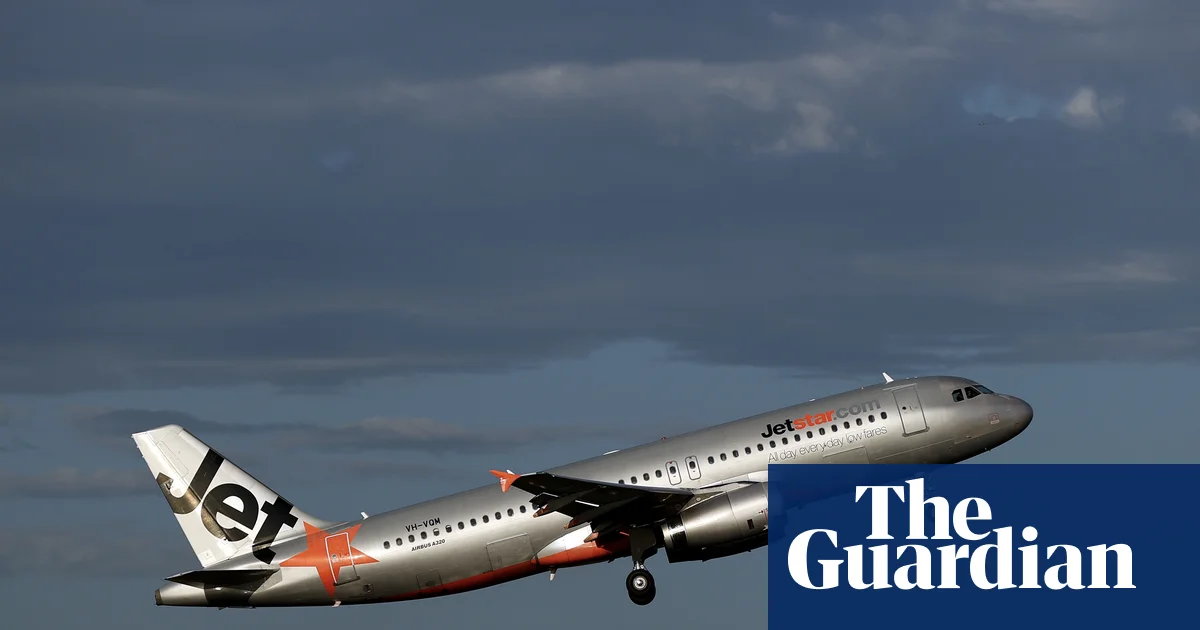
Jetstar cancels 90 Aussie flights amid Airbus A320 recall—disrupting travelers nationwide

International Flight Disruptions Reveal Fragility in Aerospace Safety and geopolitical Stability

In an unprecedented cascade of events, the global airline industry finds itself grappling with a crisis rooted not only in technical malfunctions but in the intricate web of international aviation safety. The recent grounding of **Jetstar**’s Airbus fleet, following critical software updates mandated by **Airbus** after a series of mid-air incidents, underscores how interconnected modern geopolitics, technological reliability, and national security have become. This incident exemplifies a pivotal moment where the safety of millions of passengers is intertwined with broader geopolitical currents, as nations emerge to scrutinize regulations, and global institutions face the pressure to act decisively.

The triggering event was an alert issued by **Airbus**, ordering an immediate software overhaul on a substantial number of its A320 aircraft, which are widely used by airlines such as **Qantas**, **Virgin Australia**, and **Air New Zealand**. The incident followed a JetBlue flight from Cancún, Mexico, to Newark, where an unexpected altitude loss resulted in injuries among passengers—raising alarms about potential vulnerabilities in critical flight control systems. The European Union Aviation Safety Agency (EASA), which certifies these aircraft, identified the problem as an “uncommanded pitch down event,” holding the potential for catastrophic structural failure should unchecked. Analysts warn that such technical glitches, if widely unaddressed, could erode confidence in international aviation safety standards, with ripple effects extending into diplomatic relations and economic stability.

The geopolitical impact extends beyond the immediate safety concerns. Countries that rely heavily on Airbus aircraft face a delicate balancing act—prioritizing passenger safety while managing the economic disruptions caused by flight cancellations across international and domestic routes. For instance, **Qantas** and **Virgin Australia**, both using Airbus aircraft, assured that their fleets would largely remain unaffected, emphasizing how national airlines are navigating the balance of safety, economic vitality, and geopolitical posture. Meanwhile, **Air New Zealand**—a cornerstone of New Zealand’s international connectivity—announced cancellations but reassured safety measures, highlighting how emerging aviation challenges threaten to influence regional stability and trade routes.

International organizations and security experts have voiced concern that this crisis exposes vulnerabilities in an era of increasingly sophisticated aviation technology—an arena now vulnerable to a potential mix of natural and malicious influences. Some agencies warn that the incident is a symptom of a broader shift where technological dependencies in aerospace are becoming new battlegrounds for international power struggles. Historically, analysts like Dr. Emilia Goto from the Global Security Institute argue that such disruptions, if exploited, could serve as pretexts for political leverage, especially amidst current global tensions involving **China**, **Russia**, and the **United States**. The crisis prompts a sobering reflection on how decisions taken in boardrooms and regulatory agencies now directly influence the security architecture of nations.

As this unfolding story continues to develop, the weight of history reminds us that in the 21st century, technological dependence has fundamentally altered the fabric of international stability. The recent grounding of aircraft and swift regulatory response symbolize how fragile the balance is—where the decisions of a multinational corporation, a regional airline, or a regulatory body can tip the scales of geopolitics. With each flight canceled, each safety directive issued, the world moves closer to a reality where the safety of the skies hinges on the complex interplay of technology, international cooperation, and geopolitical influence—an intricate dance where the first misstep could lead humanity into uncharted and dangerous territory, forever etching this crisis into the annals of history’s turbulent chapters.

Robert Irwin crowns himself Dancing with the Stars champ, a decade after sister’s victory—showing true Aussie spirit and family legacy

In a world increasingly defined by rapid cultural shifts and intersecting geopolitical interests, recent developments underscore the enduring influence of individual leaders and international decisions on both societal values and global stability. Robert Irwin, the 21-year-old son of the legendary conservationist Steve Irwin, has captured headlines not for global diplomacy but for his triumph in the American reality TV competition Dancing with the Stars. This victory, amid emotional tributes to his late father, embodies how soft power—cultural influence—transcends borders and reshapes perceptions of national identity. As Irwin’s story resonates with audiences worldwide, it serves as a reminder of the subtle yet profound ways in which individual narratives can influence international cultural diplomacy, shaping perceptions of Australia and its values abroad.

The timing of this achievement is no coincidence. Amid tensions over climate policies, migration, and regional alliances, cultural icons like Irwin symbolize a resilient Australian identity rooted in conservation and youthful vigor—traits that many nations aspire to project on the world stage. Analysts from the International Crisis Group warn that in a shifting geopolitical landscape, nations are increasingly leveraging soft-power assets to bolster their geopolitical standing. The spectacle of the Irwin family’s ongoing legacy, woven into a narrative of environmental stewardship, subtly influences public opinion and international perception, asserting Australia’s position not merely as a regional player but as a moral voice on ecological issues. This alignment could serve as leverage in global alliances, especially at a time when the United States and China vie for narrative dominance on climate change.

Strategically, the recent decisions within U.S. foreign policy and the trajectory of European alliances reveal a complex chessboard where cultural exchanges are becoming as vital as military and economic treaties. Meanwhile, the decisive shifts regarding climate commitments, exemplified by Britain’s push for greater renewable energies and ongoing debates in the European Parliament, demonstrate how global institutions still grapple with balancing environmental imperatives against economic and geopolitical realities. International organizations like UNEP actively monitor how these decisions ripple across nations—affecting societies, influencing leadership, and reshaping societal priorities. The ongoing tension between conservation ideals championed by figures like Robert Irwin and the hard realities of geopolitical interests underscores the pivotal moment humanity faces: can cooperation on ecological issues override nationalistic competition?

History’s heavy hand reminds us that current decisions may ripple for generations. As historians analyze the age of ecological awakening and geopolitical reconfigurations, the question persists: is this era shaping a new world order or merely a transient chapter amidst unfolding chaos? With global powerhouses, regional alliances, and youthful icons intertwined, the full measure of this moment remains uncertain. Yet, one truth endures: as the narrative continues to be written in boardrooms, battlefield strategies, and cultural arenas, the weight of history presses ever harder. The collective trajectory of nations will depend on choices made today—choices that could either preserve the fragile fabric of peace or unravel it beyond repair. Humanity stands at a crossroads, watching as the unfolding saga promises that tomorrow’s history will be defined by the resilience, resolve, and sometimes, the unintended influence of those who embody the spirit of both youth and tradition.

Woman sentenced to 20 years for deadly attack on Aussie surfers and American in Mexico

The recent tragic murders of three international tourists in Baja California have sent shockwaves through global communities and ignited debates on security and geopolitical stability in the region. The victims—Australian brothers Jake and Callum Robinson, aged 30 and 33, and American Jack Carter Rhoad, 30—symbolize the increasing vulnerability faced by tourists crossing international borders, especially in areas plagued by organized crime. Mexican judicial authorities announced that Ary Gisell Silva, a 23-year-old woman, received a 20-year prison sentence for her direct involvement in instigating and participating in the robbery that ultimately led to their death. This heinous crime underscores a persistent issue: how uncontrolled criminal activity in border regions threatens international security and the reputation of Mexico as a tourist destination.

The geopolitical impact of this incident extends beyond the borders of Mexico. The tragedy intensifies a broader concern among Western nations regarding safety in their citizens’ travel zones, especially in regions bordering the United States. International organizations like the United Nations Office on Drugs and Crime have long warned about the proliferation of violence and organized crime in Mexico, which often spills over into neighboring countries. Analysts suggest that such violent outbreaks not only discourage tourism but also weaken diplomatic relations, prompting governments to reconsider their travel advisories and security cooperation strategies. These developments jeopardize economic and diplomatic ties, emphasizing that violence in regions like Baja California is not just a local issue but a matter of global concern.

Recent history documents a pattern of violence, with other foreign tourists falling victim to criminal activity in Mexico’s Pacific coast regions. In 2015, a notorious attack saw two Australian surfers, Dean Lucas and Adam Coleman, murdered and later burned in Sinaloa. Such incidents serve as stark warnings that criminal enterprises have entrenched themselves deeply within parts of Mexico, intentionally targeting tourists to promote fear and chaos. International observers argue that these recurring tragedies expose underlying geopolitical vulnerabilities and demand urgent action. International organizations and security analysts warn that unchecked violence fuels instability, with ramifications that could reverberate globally if coordinated efforts are not prioritized.

As authorities aim to bring justice for the victims, the broader challenge remains: protecting life and restoring confidence in regions marred by crime. The Mexican government faces mounting pressure to clamp down on organized crime and demonstrate its commitment to safety, not only for its citizens but for international visitors whose livelihoods and families depend on secure borders. Meanwhile, the incident underscores the importance of a strategic reassessment by global actors, emphasizing cooperation and intelligence-sharing to combat transnational criminal networks. The unfolding story leaves us pondering whether the tide can truly be turned or if this is only the beginning of a darker chapter that will reshape how nations view security and sovereignty in the 21st century. Ultimately, the weight of history presses heavily on the collective conscience, reminding us that the choices made today will profoundly influence the safety and stability of future generations.

Almost 70 Aussie schools shut down over asbestos fears in playground sand

Australasia Encounters a Growing Crisis Over Asbestos in Children’s Play Sand

In a disturbing turn of events revealing the complex web of geopolitical and public health concerns, the Australian Capital Territory (ACT) has announced the closure of 69 schools due to the discovery of asbestos traces in commercially sold coloured sand. This development underscores not only domestic safety lapses but also emphasizes the far-reaching consequences of regulatory failures and international trade dynamics. The contaminated sand, linked to popular brands such as Kmart and Target, was introduced into educational environments, prompting precautionary measures that will ripple across regional policies and international relations. As inspectors and analysts delve into the causes, the incident raises critical questions about how safety standards are monitored and enforced in an interconnected global supply chain.

The recall was initiated after the Australian Competition & Consumer Commission (ACCC) identified traces of asbestos—a mineral once widely used in construction but now banned in both Australia and New Zealand—within the products. Despite the ACCC’s reassurance that the risk of airborne asbestos exposure is minimal, the decision to close schools reflects a broader motor of precaution embedded within government policy. Remarkably, air testing so far has yielded negative results for airborne asbestos, yet the government’s response remains cautious, illustrating the precarious balance between public safety and political risk. Such measures reveal a high level of sensitivity to the potential consequences of asbestos exposure, which remains a grave health threat, capable of causing deadly cancers over decades. The incident underscores the crucial importance of vigilant oversight in the export-import of hazardous materials, a subject of heated debate among international regulatory bodies.

The crisis has also spilled over into neighboring New Zealand, where fears surrounding asbestos-laden sand prompted additional school closures. This regional response underlines the shared vulnerabilities in the Pacific, where regulatory harmonization is often challenged by differing national policies and economic ties. As analysts highlight, the incident illustrates how seemingly local decisions can escalate into transnational crises, impacting regional stability and sovereignty. Experts like Dr. Raymond Stevens of the Pacific Safety Institute warn that this controversy may serve as a wake-up call, urging governments and international organizations to tighten controls over hazardous imports. Meanwhile, local authorities are conducting extensive searches to map the presence of coloured sand within school premises, an effort that, although reassuring with negative air tests thus far, underscores the importance of comprehensive safety protocols in protecting future generations.

In the grand geostrategic context, the contamination incident emphasizes the fragile nature of supply chains in an age of globalization. Moreover, it exposes the potential for malign influence or negligence to have far-reaching consequences. Some critics argue that lax enforcement of import bans on asbestos may be indicative of broader governance issues or economic priorities that favor cheap imports over safety. These incidents unfold in tandem with international debates over trade policies, environmental standards, and the role of multinational corporations in ensuring product safety. As such, the incident with coloured sand reflects the broader tensions between economic growth and societal health—an ongoing struggle that has historically defined the geopolitical landscape. Leaders and international organizations, including the World Health Organization, continue to emphasize the importance of adhering to strict standards, but the reality remains complex, fraught with loopholes and conflicting interests.

Ultimately, this controversy serves as a stark reminder that history’s most profound lessons often arrive cloaked within crises. The incident in Australasia is more than a local health scare; it is a symptom of the unresolved tensions between profit and safety, sovereignty and global interdependence. With each school closure and each cautious inspection, the weight of history presses on nations, demanding action and accountability. As the story continues to unfold across the Pacific, one thing remains clear: the decisions made today will echo for decades, shaping the landscape of international safety and sovereignty, and reminding us that, in an interconnected world, the safety of our children is ultimately a question of global resolve. The unfolding narrative stands as a testament to how fragile progress is—yet how vital vigilance remains in the face of emerging threats. The pages of history turn quietly, but their impact is profound—each chapter written by choices made in moments of crises, leaving us to confront the relentless march of time and consequence.

Social Media Auto Publish Powered By : XYZScripts.com