Matox News

Truth Over Trends, always!

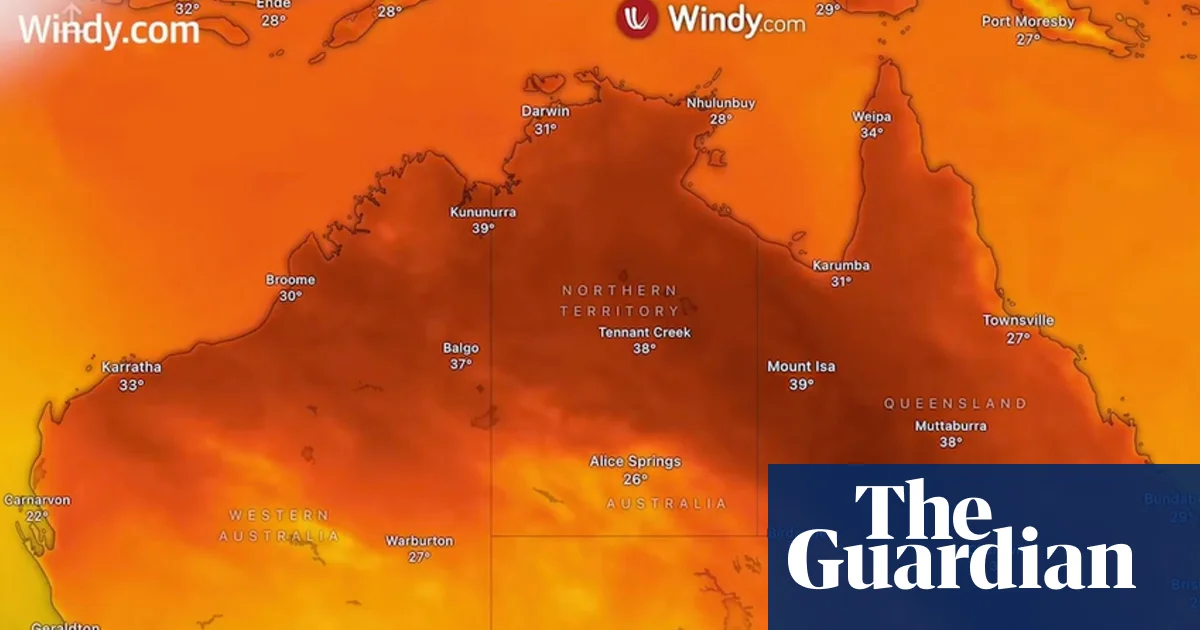
Sydney braces for fierce heat as record temperatures shift east and powerful winds threaten southern Australia

The Rising Temperatures and Political Stakes in the Age of Climate Crisis

As the weather patterns across Australia reach unprecedented heights, the underlying message for the international community becomes clear: climate change is accelerating, and its geopolitical impact is profound and far-reaching. Recent reports from the Bureau of Meteorology reveal that both New South Wales and Queensland set records for their hottest October temperatures, with Birdsville in outback Queensland reaching 46.1°C and Bourke in NSW hitting 44.8°C. These extreme heatwaves reflect a disturbing trend that, according to climate analysts, is largely driven by human activity and the ongoing climate crisis.

The impact is not contained to environmental implications alone; it also bears heavily on political stability, resource management, and global reputation. Australia’s climate crisis has ignited intense debates among policymakers and environmental groups alike. As prime minister of Australia, Anthony Albanese, faces mounting pressure to implement more aggressive climate policies, international observers watch with concern that insufficient action could undermine the nation’s global standing and economic resilience. Historians warn that this era could be remembered as a pivotal point where inaction may have cost entire communities their livelihoods, especially vulnerable rural towns like Birdsville where heatwaves are becoming the new normal.

Disaster on the Horizon: Extreme Weather Spurs International Response

Simultaneously, severe weather warnings across Victoria, South Australia, and along the Australian coast underscore the growing risk of natural disasters. Widespread strong winds—up to 130 km/h— and raging bushfires reported by the NSW Rural Fire Service highlight the dangerous cascading effects of climate change—drought, heatwaves, and destructive winds—often intersecting into a perfect storm of environmental and societal crises. These developments heighten the warning issued by climate experts that borderless phenomena require the global community to intensify cooperation, sharing resources and technology to adapt and mitigate.

This global challenge transcends Australia. Regions from the United States to India are witnessing record-breaking heat and supercharged storm systems. International organizations, such as the United Nations and Intergovernmental Panel on Climate Change (IPCC), emphasize that these patterns are no longer isolated incidents but part of a grim trend that demands urgent policy shifts. Some analysts warn that failure to address these problems could destabilize regional economies, trigger displacement, and spur international conflict over scarce resources, namely water and arable land.

Decisions That Define the Future

The recent climate events serve as a stark reminder that international cooperation and national leadership must evolve in tandem if humanity is to navigate this crisis. Countries must confront their responsibilities; for Australia, this means not only reducing emissions but also preparing societies for the unavoidable consequences of climate extremes. Likewise, global leaders face a choice: continue on a path of short-term economic gains at the expense of environmental stability or embrace bold reforms that will safeguard future generations.

As climate scientists warn that the current trajectory could lead to irreversible damage, the decisions made in the coming years will be etched into history. The world stands at a turning point—one where climate resilience, geopolitical stability, and social cohesion hang in the balance. The ongoing narrative is still being written, yet the warning signs are unmistakable: history’s true test lies ahead, demanding leadership and willpower amid an unfolding era of climate upheaval.

Over 1,000 illegal guns and parts taken in Australia and New Zealand crackdown—protecting our communities from crime

International Security Shaken as Australia and New Zealand Combat the Spread of Illicit Weapons

In a decisive move that echoes beyond its borders, Australia and New Zealand have launched an extensive transnational operation aimed at curbing the proliferation of illicit firearms. Over the course of a week, authorities seized more than 1,000 firearms and firearm parts, including weapons manufactured through sophisticated methods such as 3D printing. These efforts resulted in the arrest of over 180 suspects across multiple states and territories in both nations, signaling a critical focus on tackling the rising threat posed by untraceable, homemade firearms in the Indo-Pacific region. This crackdown underscores a pressing concern: how the dissemination of illicit weapons directly threatens the safety and sovereignty of countries committed to rigorous gun control regimes.

How Technology and Global Networks Fuel the Firearms Crisis

  • Authorities uncovered multiple 3D printers in New South Wales alongside Glock-style pistols, magazines, and holsters, revealing how technological advancements are transforming the landscape of illicit weapon manufacturing.
  • Investigations highlight the gradual evolution of these homemade firearms—from rudimentary, almost one-shot weapons to higher-quality, more deadly arms, often rivaling commercially manufactured guns in reliability.
  • Online communities and international retailers play a pivotal role in this expansion, consistently providing blueprints and parts that bypass traditional import controls. Many of these components, often ordered from overseas, assemble into weapons that are difficult to trace, challenging law enforcement agencies around the world.

According to analysts and historians tracking this wave of illicit arms, the trend reflects a dangerous convergence of technology and organized crime. The transnational nature of the trade compromises local and regional security, threatening to destabilize societies that have invested heavily in strict firearm control measures. The rise of 3D-printed weaponry symbolizes a turning point—where the digital revolution democratizes arms manufacturing and complicates international efforts to contain illegal firearms. International organizations warn that these developments threaten to nullify decades of progress in gun safety, creating a new battleground in the war against lawlessness.

Implications for International Security and Sovereignty

The geopolitical impact of the crackdown reverberates globally; it signals a renewed urgency for international cooperation to combat arms trafficking that infringes on national sovereignty. Countries like Australia, which has historically championed gun control, now face an evolving threat: clandestine networks operating across borders, often facilitated by the dark web, and technological advancements that unlock new avenues for illegal manufacturing. This dynamic sparks a debate among security experts about the adequacy of existing treaties and the need for enhanced cooperation, data sharing, and technological oversight.

In response, Australian Border Force officials report detecting over 8,000 illegal firearms, parts, and accessories at customs last year alone, emphasizing how international import routes are exploited by traffickers. For example, the seizure of a flame-thrower and other dangerous items in remote Australian locations underscores how porous borders have become in the face of evolving technology. These seizures demonstrate that, despite formidable regulations, illicit networks are adapting swiftly, pushing nations into a fierce race against time to restore control and safeguard their populations.

Critical voices in the international community, including security analysts and historical experts, continue to warn that neglecting this crisis could leave nations vulnerable to new forms of violence and destabilization. As smugglers and traffickers leverage online platforms and unregulated markets, the threat is no longer confined to a single country but is a shared peril to regional stability and global order. With each seized weapon, the weight of history reminds us: the ongoing battle to preserve sovereignty and public safety is far from over, and the choices made today will shape the security landscape for generations to come.

Conclusion: The Unfolding Battle for the Future

As justice authorities in Australia and New Zealand intensify their efforts, the broader implications for global security become painfully clear. The relentless tide of illegal firearms, fueled by technological ingenuity and transcontinental networks, underscores a stark reality: the fight against weapons proliferation is a battle waged not only on borders but across the digital universe and through the corridors of power itself. The pages of history continue to turn, each chapter woven with the stories of resilience, tragedy, and the indomitable quest to protect societies from chaos—a story still very much written, as the weight of the future hangs in the balance.

US and Australia team up on rare earths to push back against China's grip
US and Australia team up on rare earths to push back against China’s grip

The evolving geopolitical landscape continues to underscore the strategic importance of critical minerals in the global power struggle. On the recent front, the United States and Australia have solidified their alliance by signing a landmark agreement aimed at dominating the supply of rare earth elements. As tensions with China escalate over control of vital resources, this partnership signals a decisive move by Western nations to break China’s stranglehold—an alarming 70% of rare earths mining and 90% of processing. These materials are fundamental to modern defense systems, technology, and automotive industries. With China’s aggressive border restrictions and trade maneuvers, Washington and Canberra are actively seeking alternatives to secure their economic and military resilience.

Prime Minister Anthony Albanese emphasized the plan’s scope, revealing that this deal supports a pipeline of over $8.5 billion (A$13 billion; £6.3 billion) worth of projects, designed to expand Australia’s mining and processing capabilities. The agreement also commits an initial $1 billion investment over just six months, targeting critical supply chain vulnerabilities. Analysts observe that such investment is part of a broader strategic effort to foster self-sufficiency within allied nations, reducing reliance on China’s dominant market and circumventing future restrictions. Furthermore, a dedicated focus on developing advanced processing facilities, including a 100-tonne-per-year gallium refinery in Western Australia, highlights Washington’s commitment to undercut China’s control and bolster its own high-tech industries.

Alongside resource diversification, the agreement has significant military-strategic implications. Recently, President Donald Trump reaffirmed support for Australia’s Aukus submarine deal—an alliance with the US and UK—despite earlier delays and uncertainties over procurement aligned with the “America First” agenda. While current discourse suggests Australia may not receive US submarines in the near term, Trump’s unequivocal statement, “they’re getting them,” signals intention to strengthen traditional security ties. This dynamic infers a deliberate effort by Washington to leverage maritime dominance as a deterrent against an increasingly assertive China. As fireworks of diplomatic and military maneuvers intensify, the Pacific region remains the battlefield where the future of global supremacy is being forged.

The geopolitical impact of these moves is profound, altering alliances and reshaping regional balances of power. Experts warn that the strategies developed today will resonate for decades, influencing the capabilities of nations to sustain high-tech economies and military power. Historically, access to critical minerals has been a decisive factor in conflicts and economic dominance—patterns that repeat as nations scramble to secure the resources that fuel the 21st century’s technological revolution. As the US and Australia forge ahead to confront China’s resource monopoly, the world watches with bated breath, aware that these decisions are fueling a new chapter of international rivalry—one in which the raw materials of the future will define the winners and losers of the unfolding geopolitical saga. The pages of history are being written anew, and the stakes have never been higher.

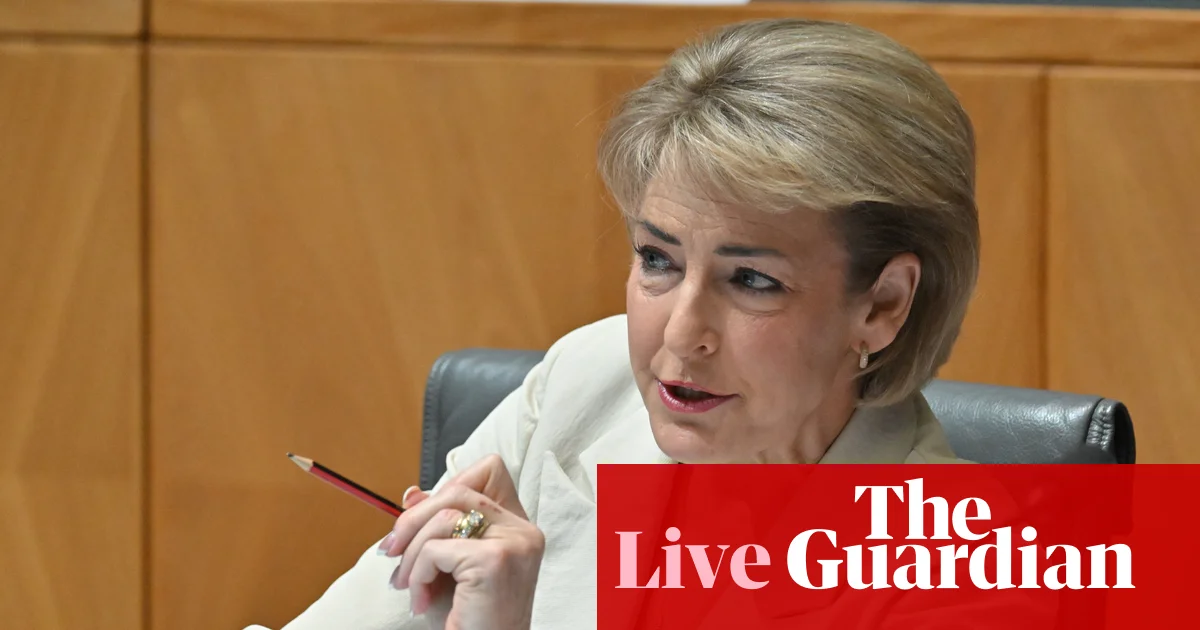
Australia News Live: Cash urges PM to condemn Chinese jet clash; Joyce grilled over One Nation shift

In a world continually edging closer to a new era of confrontation and uncertainty, recent developments underscore the volatile geopolitical landscape. From tense military encounters in the South China Sea to political maneuvering in Australia, the global stage is rife with flashpoints that threaten to ignite larger conflicts. Analysts warn that these incidents are more than isolated events—they reflect a broader strategic contest involving China, the United States, and regional powers, with international institutions often unable—or unwilling—to prevent deterioration.

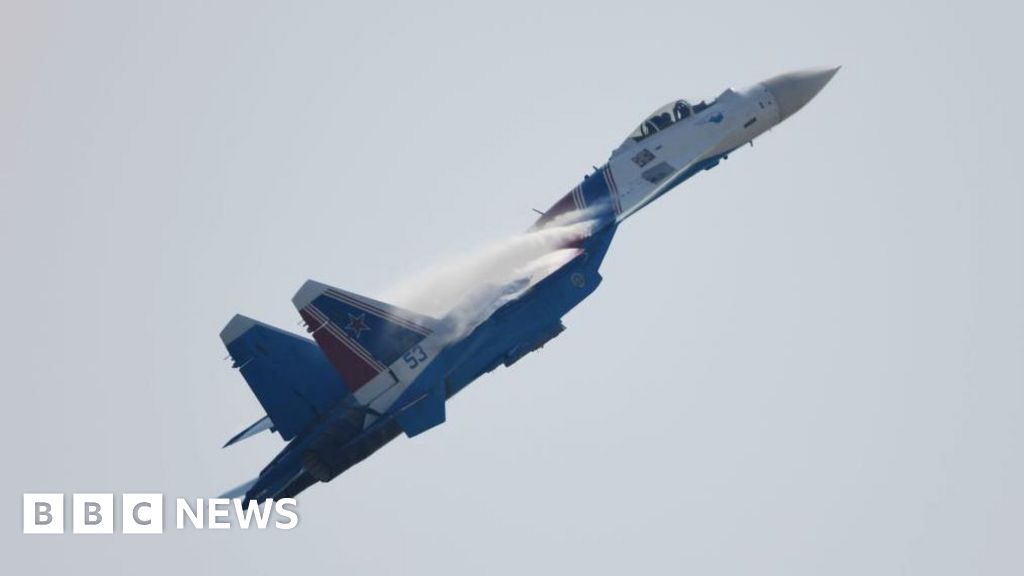
The incident that has drawn significant international attention occurred over the South China Sea, where reports emerged of a Chinese fighter jet releasing flares dangerously close to an Australian surveillance aircraft. Michaelia Cash, Australia’s shadow foreign affairs spokesperson, condemned the act as a “serious escalation” that endangers the lives of Australian defense personnel. The incident marks the third provocation within a year, highlighting China’s provocative posture as it seeks to assert dominance in the strategic maritime region. In response, Cash called upon Prime Minister Anthony Albanese to publicly condemn the action, warning that failure to do so would be a “failure to stand up for Australia’s national interests.” These provocative maneuvers expose a pattern of Chinese military assertiveness that complicates diplomatic efforts and deepens regional tensions.

Meanwhile, within Australia, political dynamics are heating up as key figures like Barnaby Joyce and David Littleproud navigate complex intra-party relationships, with indications of potential shifts towards One Nation. Joyce, the member for New England, remains notably reticent about his political future amid rumors of defecting to the far-right party. Such moves could have profound geopolitical impact by emboldening nationalist sentiments and possibly altering Australia’s traditionally close alignment with the US on defense and foreign policy issues. The political realignments mirror a global trend where nationalist and populist movements threaten to undermine established diplomatic alliances and multilateral efforts to maintain regional stability.

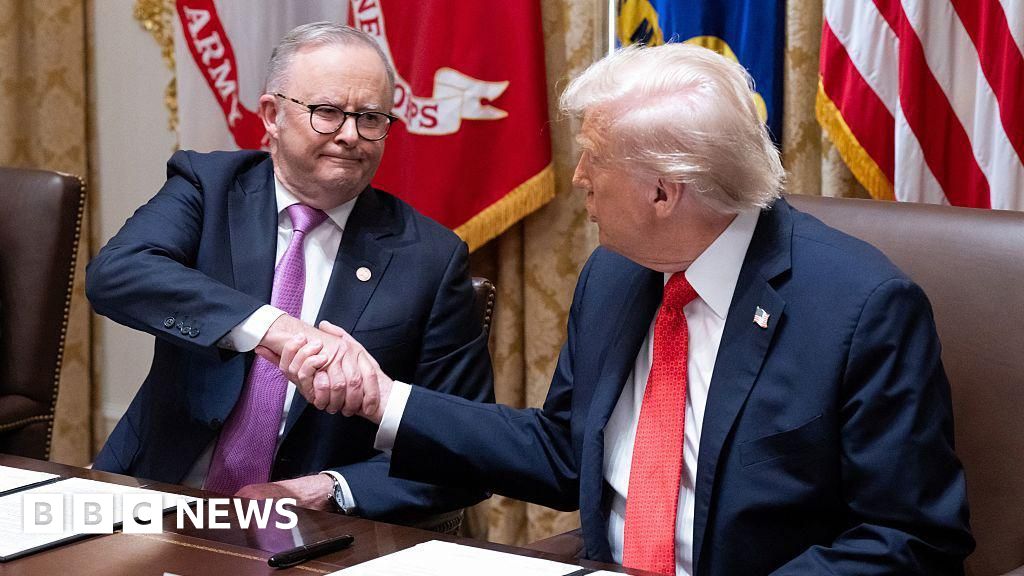
Simultaneously, tensions extend beyond the Pacific with U.S. President Donald Trump and Australian Prime Minister Anthony Albanese engaging in a high-profile meeting at the White House. The visit saw the signing of a significant minerals and strategic partnership deal, signaling a pivot towards greater resource-driven cooperation. However, the broader message remains clouded by diplomatic undercurrents and the looming threat of military escalation. Historian and international security analyst Dr. Richard Martin notes that “these developments are indicative of a world where traditional power balances are shifting rapidly. The risk of miscalculation grows as nations test the limits of their strategic patience.” The risk of misunderstandings escalating into open conflict is heightened as superpowers and regional actors seek to secure their spheres of influence amid weakened international institutions.

As the world’s superpowers jostle for dominance, the flashes of military bravado, political confessions, and international diplomacy reveal a fragile geopolitical order. With Great Power dynamics on a knife’s edge, and regional allies watching nervously, the ongoing story remains one of tension—and opportunity—for those daring enough to shape it. The weight of history is pressing down, reminding us that every decision today writes the prelude to future conflicts. The question remains: how many more incidents of provocation and political upheaval can the global system withstand before shaping a new chapter—one written in the aftermath of chaos, or in the hope of a measured peace? The pages are still being turned; the unfolding drama continues to test humanity’s resolve and strategic wisdom.

Australia calls out China’s risky jet maneuvers, raising tensions

The escalating military tensions between Australia and China continue to threaten the fragile stability of the Indo-Pacific region. Recent incidents, including a dangerous confrontation over the South China Sea, underscore the simmering rivalry that, if unchecked, could reshape the geopolitical landscape. Australia’s defense department publicly accused a Chinese military aircraft of releasing flares in close proximity to an Australian patrol jet, the P-8A, an act described as “unsafe and unprofessional”. Though no injuries occurred, the event signals a dangerous escalation in aerial encounters that have become increasingly frequent in the contentious waters where China asserts expansive territorial claims.

  • On the incident’s surface, the Chinese authorities dismissed Australia’s claims, asserting that the Australian jet had “illegally intruded” into China’s airspace and issued a demand for Canberra to cease what they termed as “provocative actions.”
  • Coinciding with this event, Australian Prime Minister Anthony Albanese was heading to the United States for high-profile talks with President Donald Trump concerning the AUKUS partnership—a trilateral deal involving Australia, the US, and the UK centered on developing nuclear submarines.
  • This series of confrontations is not isolated; it follows a pattern of similar encounters that include Chinese jets dropping flares near Australian planes and Navy vessels employing sonar pulses in international waters, injuring Australian divers off Japan’s coast last November.

Experts and global organizations warn that these dangerous displays of military bravado could spiral into full-blown conflict if not managed carefully. The United States and its allies consider China’s expansive claims over the South China Sea and its aggressive military posture as clear threats to regional security and international law. Political analysts suggest that China perceives these provocative actions as a means to assert dominance over vital maritime routes and surrounding island chains, challenging the sovereignty of various Southeast Asian nations. Meanwhile, historians caution that such persistent frontier brinkmanship echoes the perilous prelude to the South China Sea’s previous conflicts and even Cold War-era cruise tensions.

The geopolitical impact of these incidents extends beyond the immediate region. As Australia aligns more closely with American strategic interests through initiatives like AUKUS, Beijing’s response is to fortify its territorial claims and signal its willingness to confront Western influence head-on. The Chinese government’s recent assertions portray Australia’s actions as illegal and provocative, aiming to rally domestic support and project strength. In an era where military encounters risk miscalculation, analysts warn that such provocations could ignite larger confrontations with global consequences. The United Nations and international diplomatic efforts urge restraint, but the momentum for escalation persists.

As history continues to unfold, the confrontation in the skies and seas off Asia serves as a stark reminder: the arena of international diplomacy is fraught with peril, and the decisions made today will echo through generations. With each flare, each sortie, the world watches—and witnesses history in the making, teetering at the edge of chaos or peace. The question remains: will cooler heads prevail, or will these hostile shadows cast a long, dark future over the free nations?”

Ben Smee, Guardian Australia, scores Queensland Journalist of the Year — a win for fearless reporting

Investigative Journalism Shines a Light on Human Rights Violations in Australia

Recently, Guardian Australia and SBS journalists garnered significant attention at Queensland’s prestigious media awards, the Clarions, securing the coveted Journalist of the Year accolade. Their groundbreaking investigation, “In the Box: Inside the Isolation Cells where Australian Kids are Imprisoned,” not only captivated public interest but also exposed alarming conditions faced by vulnerable children in Queensland police custody. This journalism exemplifies the crucial role media play in holding governments accountable and exposing systemic failures that threaten societal values. The investigation’s detailed footage and extensive research shed light on children as young as 11 held in tiny, freezing cells designed for adult detainees, often with no access to basic necessities such as toilets or bedding. Such revelations have ignited a debate that transcends national borders, highlighting how human rights abuses can quietly persist under the guise of law enforcement.

The geopolitical impact of this investigative work goes beyond national borders, emphasizing the importance of transparency and accountability in governance—principles fundamental to stable societies worldwide. Experts and international watchdogs have long warned against the normalization of systemic mistreatment of marginalized groups, especially in institutions intended for public safety. The exposure of these conditions in Queensland has prompted calls for reform from advocates across the globe who argue that such practices undermine not only human dignity but also the legitimacy of state authority. International organizations, including UN human rights agencies, continuously monitor similar issues elsewhere, and the Australian case reasserts the need for comprehensive oversight mechanisms that prevent the escalation of systemic violence. As analysts suggest, the decisions made today in Queensland could influence reforms in comparable jurisdictions worldwide, reinforcing the fact that unchecked power fosters environments where human rights can be easily trampled.

Within the broader context of international shifts in public accountability, this case underscores a turning point—an era where investigative journalism is serving as a vital check against governmental overreach. Historians of media and policy highlight that such stories can catalyze meaningful reform, forcing authorities to face their shortcomings amid mounting public pressure. The awards attributed to Smee’s work exemplify how dedicated reporting can shape societal perceptions and influence policy change. The judges commended the investigation for its compelling storytelling and meticulous research, which not only illuminated the plight of detained children but also showcased the enduring importance of fearless journalism in safeguarding democratic principles. As such, the case from Queensland stands as a stark reminder: the weight of history is still being written, with citizens and journalists alike playing pivotal roles in shaping the future of justice and human rights.

As the world watches, the revelations from Australia serve as a powerful narrative illustrating that justice is a continuous struggle against complacency. The ongoing debate over child detention policies echoes across continents, stirring international pressure for reform. Ultimately, this story reminds us that the decisions governments make in the shadows today may either protect or doom future generations. In a world where power can easily corrupt, the vigilant watchdogs of truth ensure that history remembers the lessons learned—however painful they may be.

Australia News: Nationals Back Joyce — Anti-Immigration Rallies Face Counter-Protests

As the world witnesses rapid geopolitical shifts, Australia finds itself navigating an increasingly complex landscape shaped by internal political shifts and external international pressures. The recent turmoil within the National Party, marked by Barnaby Joyce‘s announcement to leave the party and potentially join One Nation, underscores a broader trend of political realignment and nationalist sentiment sweeping across nations. Analysts suggest that such departures threaten the cohesion of coalition governments and could alter Australia’s influence within regional and global spheres. Meanwhile, former PM John Howard has stirred controversy by claiming that he’s “never met a multicultural person,” highlighting a troubling shift away from Australia’s multicultural identity and risking increased ethnic divides in an already tense social climate.

Meanwhile, in Washington, Prime Minister Anthony Albanese prepares for a historic meeting with Donald Trump, symbolizing Australia’s delicate balancing act between its traditional alliances and emerging global power struggles. This high-stakes diplomatic engagement comes amid protests across Australia, both in support of and against immigration policies, reflecting a nation in ideological flux. Throughout the domestic landscape, debates over immigration, multiculturalism, and national identity are fueling social divides that are increasingly being exploited by political actors on both sides of the spectrum. As one historian warns, the choices Australia makes now will shape its societal fabric and geopolitical influence for generations to come.

  • Internal political instability with Joyce’s departure and potential party realignment threaten coalition stability, impacting national policymaking and regional influence.
  • External, Australia’s relationship with key allies like the U.S. is under scrutiny as the PM prepares for pivotal meetings that could redefine trans-Pacific alliances.
  • Societal tensions stemming from immigration debates threaten to undo decades of multicultural integration, risking backlash and social fragmentation.

Experts from international organizations warn that such internal and external upheavals are more than mere political skirmishes—they are *turning points* that will determine Australia’s geopolitical posture in an era characterized by shifting alliances and rising Asian powers. The domestic turbulence over figures like Joyce, backed by social movements rallying in response to immigration policies, mirrors broader global trends where nationalism and populism threaten to erode the foundations of liberal democracy. As this unfolding drama continues, historians caution that the decisions made today will echo through history, influencing whether Australia will emerge stronger as a united, multicultural society or divided along ideological lines.

The Weight of History Unfolds

In the shadow of these dramatic political and international developments, the global community watches with bated breath. The decisions that Australia faces—balancing national interest with social cohesion, and alliance commitments with regional ambitions—are emblematic of a world in flux. No matter the outcome, the narrative is being written in real-time, a chapter of history where every move could tilt the balance of power, ignite societal conflict, or forge a new direction for this island continent. The weight of history is undeniable, and as the story continues to unfold, only time will reveal whether these bold choices will cement Australia’s role as a resilient democracy or lead it down a path of division and decline.

October heat records at risk across multiple states as scorching heat moves east through central Australia

Australia Confronts Record-Breaking October Heatwaves and Severe Storms

In an alarming turn of climate patterns, Australia is experiencing unprecedented weather extremes that threaten to leave a lasting imprint on its environment and society. According to the Bureau of Meteorology, parts of South Australia, Queensland, New South Wales, and the ACT are set to endure temperatures soaring up to 15°C above average this weekend. These climatic anomalies are not only breaking historical records but also signaling a potential shift in global weather systems, prompting international concern about the evolving climate crisis.

Climate analysts and historians warn that these rapid temperature increases, especially in inland regions such as Oodnadatta and Birdsville, could constitute a harbinger of intensified extreme weather events caused by human-induced climate change. Dean Narramore, a senior meteorologist at the bureau, highlighted the severity of the situation, noting that some locations may approach or surpass their October temperature records. The forecast predicts 45°C in Oodnadatta on Monday, while the interior states could see their temperatures reach the low to mid 40s. Such conditions highlight an urgent consequence of a warming planet—a phenomenon that international organizations like the UN have described as a threat to global stability.

Global Implications of a Warming Australia

These extreme temperatures are not an isolated event but part of a larger narrative about the **accelerating impacts of climate change**. As Australia faces this unusual early summer heat, the geopolitical impact reverberates beyond its borders. Nations vested in climate diplomacy are watching closely, understanding that Australia’s weather patterns could serve as an early warning for broader global disruptions. The intergovernmental panels and international agencies emphasize that such irregularities threaten agricultural production, water security, and urban resilience, with ripple effects felt worldwide.

Meanwhile, severe thunderstorms loaded with potential for giant hail are predicted to strike eastern Queensland and northeastern New South Wales, areas already vulnerable to extreme weather. This unpredictable combination of heatwaves and violent storms underscores the fragile balance of Australia’s climate system, but it also exemplifies the how decisions made today shape the resilience of future societies. Historically, climate science experts like Dr. Jennifer Francis warn that failure to mitigate these rapid shifts could lead to irreversible environmental damage, challenging societies’ ability to adapt and survive.

Contemporary Challenges and International Response

As Australia grapples with these climatic upheavals, the international community faces a stark choice: intensify efforts to curb emissions or watch as the pattern of devastation accelerates. The recent weather upheaval underscores a fundamental truth voiced by global policymakers and historians alike—the window for meaningful action is narrowing. The recent intense heatwave, coinciding with the threat of deadly thunderstorms, exemplifies how local climate phenomena are intrinsically linked to global issues, urging nations to forge coordinated strategies to combat the crisis.

Yet, amidst warnings and predictions, the unfolding events serve as a reminder that history is not yet written. The choices made by governments, industries, and societies will determine the trajectory of this crisis. As the sun blazes hotter year after year, and as storms grow more ferocious, the question remains: will humanity rise to meet this challenge or be swallowed by an indifference that leaves future generations to bear the consequences of today’s inaction?

In the shadow of this climate upheaval, the weight of history bears heavily on the present—each decision a stroke on the vast canvas of the future. And as the story unfolds, one truth remains undeniable: **the unfolding climate crisis is not just the story of Australia but a universal chapter, demanding unwavering resolve before the pages of history close on our chance to act**.

From The Descendants to Gina: Guardian Australia Leads Walkley Nominations in Youth-Focused Awards

In an era marked by geopolitical upheavals and complex international conflicts, the significance of investigative journalism continues to grow—serving as a vital check against abuses of power and informing societies navigating turbulent shifts. Recently, Guardian Australia demonstrated its commitment to this critical pursuit by earning four nominations at the 70th annual Walkley Awards for excellence in journalism, highlighting a broader global trend where fearless reporting is increasingly essential. These nominations, particularly in categories exploring Indigenous affairs, prison conditions, and economic influence, underscore the vital role media plays in exposing uncomfortable truths that challenge official narratives and hold governments and corporations accountable.

Among the distinguished entries was The Descendants project, a multi-part series examining Australia’s dark history from both sides of its frontier, built on the foundations of their 2019 award-winning work The Killing Times. Led by Lorena Allam, a former Editor of Indigenous Affairs now a professor at UTS, the series used innovative data visuals and interactive storytelling to probe the deeply personal and often traumatic process of truth-telling. Such initiatives shine a spotlight on how historical injustices and contemporary policies intertwine, affecting both indigenous populations and national identity. Analysts at the Australian Strategic Policy Institute note that this form of journalism not only informs but also shapes national discourse—potentially steering policy reforms or sparking public dialogue on reconciliation.

Similarly, the series Fatal Inaction exposed a tragic pattern of neglect within Australia’s prison system, where 57 inmates have died by hanging in 19 facilities despite clear warnings and repeated recommendations for reforms stemming from the 1991 royal commission into Aboriginal deaths in custody. Crisis investigations led by Christopher Knaus and Ariel Bogle reveal that authorities knew about these hanging points yet failed to act, reflecting broader systemic failures. Such revelations come at a precarious time when global human rights organizations emphasize the importance of prison reform and accountability, with the United Nations warning that neglect and inaction in detention facilities often catalyze social unrest and undermine rule of law.

The reach of Guardian Australia’s investigative efforts extends even into realms of economic influence, illustrated by their nomination in the podcast category for Gina: Power, Privilege and Influence. The series, explored by senior journalist Sarah Martin, dissected the life and ambitions of Australia’s wealthiest individual, Gina Rinehart. Analytically, this narrative reveals the powerful role elite economic actors play within national and global markets, and how their influence might tilt policy decisions in favor of corporate interests over societal wellbeing. Echoing concerns expressed by international economists, such as those at the International Monetary Fund, these stories underscore how concentrated wealth can accelerate inequalities and destabilize democratic institutions if left unchecked.

As the global landscape continues to shift with the ongoing U.S.-China rivalry, Russia’s military endeavors, and regional conflicts in the Middle East and elsewhere, the impact of investigative journalism cannot be overstated. Historians like Timothy Snyder warn that without vigilant scrutiny, authoritarian tendencies may flourish under the guise of stability, eroding liberties and fostering societal divisions. International organizations such as the United Nations stress that the free press is the backbone of resilient democracies, especially in times of crisis. Guardian Australia’s recognition serves as a reminder that, even amid the chaos and uncertainty, the beacon of truth-telling remains a profound weapon—one capable of shaping history’s course, for better or worse. The coming months will reveal whether these journalistic standouts will inspire change, or if the forces opposing transparency will silence these stories—and thus, the truth—once again. Until then, the weight of history presses on, reminding us that the fight for accountability and justice is as urgent as ever, echoing through the corridors of power and into the consciousness of future generations.

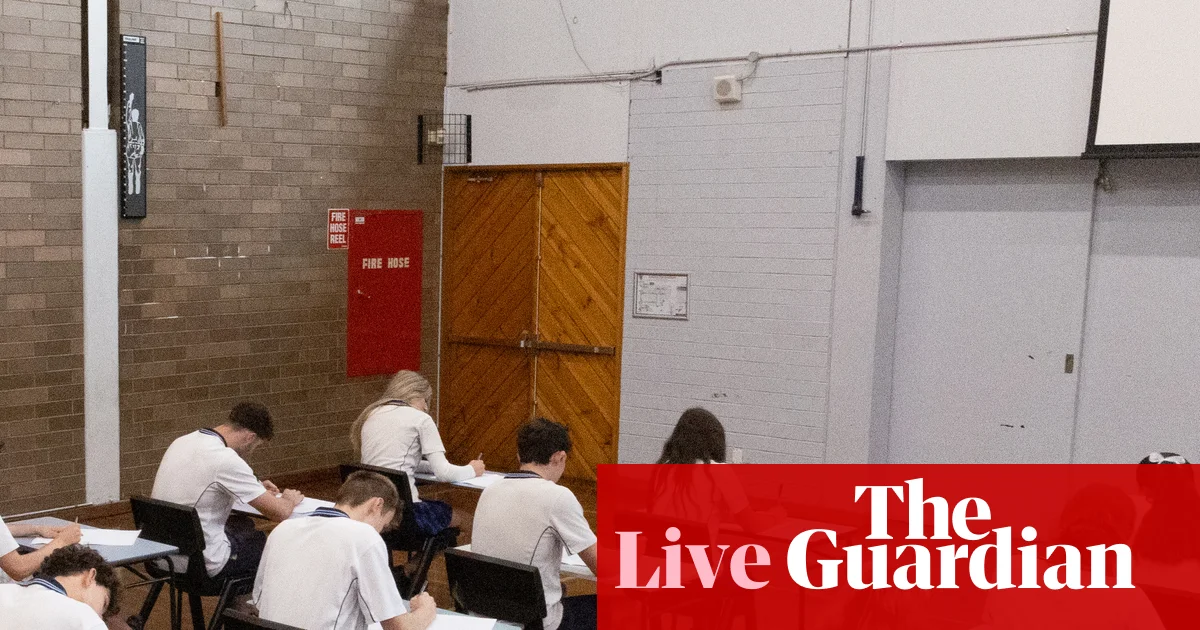
Australia News Live: HSC Exams Kick Off in NSW, ADF Falls Into Incident Near Townsville

In an era marked by rapid international shifts and strategic realignments, strong nations and alliances are navigating transformations that will influence global stability for decades to come. The recent enthusiasm surrounding AU-KUS—a trilateral security pact between Australia, the United States, and United Kingdom—symbolizes a new chapter in the international order. According to defense analysts, this alliance aims to counterbalance China’s expanding military reach and assertive regional presence, particularly in the Indo-Pacific. This move underscores a profound strategic shift, forging a collective front that seeks to secure economic and military dominance in an increasingly contested region.

  • The US is demonstrating unprecedented enthusiasm for AU-KUS, with Pat Conroy, the defense industry minister, highlighting the “hugely encouraging” support from congressional leaders. This solidifies the alliance’s significance on the diplomatic front, as each nation seeks to safeguard their interests amid rising geopolitical tensions.
  • Simultaneously, Australia is bolstering its defense capabilities with the deployment of advanced submarine technology, reflecting a broader push by regional powers to strengthen deterrence against external threats. Such military advancements, however, carry the risk of escalating regional arms races, impacting the security landscape of the Indo-Pacific.

Parallel to these military developments, global finance and security are witnessing a crackdown that signals a shift towards greater control. Australian authorities, led by Tony Burke, announced sweeping reforms targeting cryptocurrency ATMs—a vital tool used for illicit activities such as money laundering and terrorism financing. With Australia hosting the third-largest number of crypto ATMs worldwide, the government’s move to empower Austrac with expanded oversight aims to curtail criminal misuse of digital currencies. This policy shift exemplifies how nations are increasingly viewing financial regulation as a tool to reinforce national security—an approach that might spark similar actions worldwide.

However, the economic implications are stark: despite a 3.2% growth in household income from 2023 to 2024, many Australians remain under financial strain. Recent research from the Australian Institute of Health and Welfare reveals that approximately 1.26 million low-income households face housing stress, underscoring the widening gap between economic growth and societal well-being. This divergence signals that national prosperity is concentrated among the wealthiest, while the young and vulnerable struggle under mounting economic pressures—a trend that could fuel unrest and reshape domestic politics in the coming years.

As history continues to unfold, these developments reveal a complex tableau: the forging of international alliances designed to shape a new power dynamic, coupled with domestic reforms aimed at controlling emerging threats and addressing societal inequities. It is in this crucible of change that the future of geopolitics will be forged—an epoch where strategic decisions made today will echo through the corridors of history, defining the fate of nations and societies for generations to come.

Social Media Auto Publish Powered By : XYZScripts.com