Matox News

Truth Over Trends, always!

Australia under threat: Andrew Hastie warns US alliance’s decline, Sri Lankan hackers target Aussie funds

Geopolitical Shifts in Australia and Sri Lanka: The Rising Tide of Sovereignty and Security

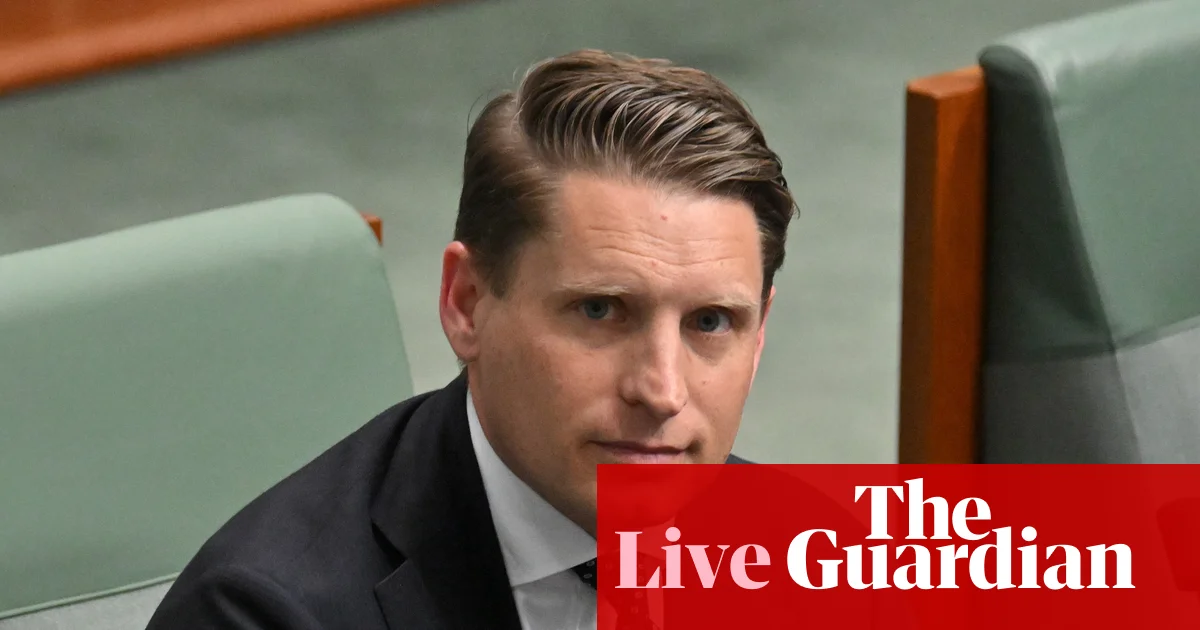
Amidst a rapidly transforming international landscape, Australia is confronting a crucial juncture in its national sovereignty, with influential voices warning that its traditional alliance with the United States may be undermining its strategic independence. Prominent Australian figures like Andrew Hastie, a leading member of the opposition, have openly criticized the bipartisan consensus that has deepened reliance on U.S. military and diplomatic support. In a speech at the Robert Menzies Institute in Melbourne, Hastie emphasized that this reliance has “eroded Australia’s sovereign capability,” particularly its defense industry, which is vital for maintaining independent hard power. As analysts within international organizations warn, such trends threaten the long-term security and autonomy of nations that, until now, have depended heavily on U.S. backing.

Hastie’s outspoken critique signals an awakening among young populations and nationalists who see the necessity of recalibrating alliances to safeguard sovereignty. He advocates for rebuilding Australia’s defense infrastructure and industrial capacity, asserting that “if ANZUS is going to continue for another 75 years, we need to invest in our industrial base and our defence force.” This stance is markedly different from the cautious optimism of traditional allies; instead, it calls for proactive measures to restore strategic independence. Historians like Paul Kennedy warn that over-dependence on superpower alliances can be “strategic trade-offs,” leading to deindustrialization, weakened hard power, and societal vulnerabilities — risks that are increasingly pressing as global conflicts intensify.

Meanwhile, across the Indian Ocean, Sri Lanka faces its own formidable geopolitical dilemma. The country, still recovering from the 2022 debt crisis, has become a battleground for cyber and financial vulnerabilities. Recent reports indicate that hackers infiltrated the Sri Lankan finance ministry’s systems, siphoning off approximately US$2.5 million — funds owed as debt repayment to Australia. This breach underscores how fragile national security has become amid economic turmoil, with Colombo defaulting on external debt exceeding US$46 billion. The theft, the most significant ever from a Sri Lankan state institution, highlights how international financial dependencies can be exploited in asymmetric threats, jeopardizing diplomatic commitments. Experts cite the situation as a warning of how cyber warfare and economic destabilization can dismantle international trust and financial stability.

  • The theft of funds destined for debt repayment illustrates the vulnerabilities emerging from Sri Lanka’s post-crisis recovery efforts.
  • Australian officials have committed support, emphasizing their readiness to assist in investigating the breach.
  • This cyber incident, alongside ongoing sovereign debt challenges, exemplifies the new frontier of international conflict where cyber and financial warfare are paramount.

As these developments unfold, the international community must grapple with a shifting balance of power, where nations are increasingly questioning the efficacy of traditional alliances. While U.S.-led security arrangements have historically provided a shield for regional stability, the past decade has revealed cracks in this approach, with emerging nations asserting their sovereign priorities and resilience. The narrative of this moment is still being written, with young leaders like Hastie urging a reevaluation that prioritizes national industries, autonomy, and strategic foresight. The interconnected web of cyber threats, economic dependencies, and military alliances underscores a truth — that how nations choose to navigate these perilous waters will determine the course of history for generations to come. As history’s pen continues to carve new chapters, the world watches closely — for it is in these decisive moments that the tide of power truly shifts, shaping a future that remains uncertain yet fundamentally responsive to the choices made today.

Australia news live: NDIS savings to improve aged care amenities, minister confirms; fourth suspect charged in Baghsarian murder case

Global Geopolitical Shifts as Domestic Policies Reshape Societies

In a revealing turn of events, Australia is experiencing significant domestic policy changes that echo broadly across the international stage. The recent decision by the government to redirect savings from the National Disability Insurance Scheme (NDIS) towards enhancing aged care services marks a pivotal moment in the nation’s social policy landscape. The move has sparked intense criticism from advocates and experts, who argue that essential personal care services—such as showering, dressing, and continence care—are fundamental to aging with dignity. As Minister Sam Rae states these changes will be in effect from October, the broader geopolitical impact extends beyond mere budget reallocations, subtly challenging Australia’s commitments to social justice and quality of life for its vulnerable populations.

This policy adjustment occurs amid a chorus of dissent that underscores how deeply intertwined domestic decisions are with international perceptions. Critics, including prominent analysts and advocacy groups, contend that the government’s choices underestimate the societal value of personal care, risking societal fragmentation and unrest. Historically, decisions that devalue social welfare have often precipitated geopolitical vulnerabilities, exacerbating inequalities and fueling regional instability. The Global Human Rights Watch has lamented these developments, warning that neglecting social priorities undermines national stability at a time when international trust is increasingly fragile. These internal shifts cannot be viewed in isolation; they feed into the complex web of global geopolitics, where societal resilience is often a precondition for geopolitical strength.

Meanwhile, in the realm of economic nationalism and resource management, controversial debates have emerged surrounding gas exports. Independent Australian senator David Pocock has publicly championed a 25% tax on gas exports, asserting this is not radical but a necessary step to serve the national interest. “We’re one of the biggest gas exporters in the world,” Pocock emphasized, “and yet we feel poor every time gas prices go up internationally. Norway’s $3tn sovereign wealth fund exists because of political courage—and Australia must follow suit.” His stance is resonating amidst growing calls for political leadership that prioritizes national wealth and social welfare over corporate profits. The geopolitical consequence of such position is profound: it signals a shift toward resource nationalism, which could alter existing international energy alliances and impact global markets.

Furthermore, with the ongoing investigation into the alleged kidnapping and murder of Chris Baghsarian, the case has taken a new turn: a fourth individual has been charged, underscoring how internal security issues remain an unpredictable variable in the geopolitical calculus. This local tragedy holds mirror to broader concerns about societal stability and law enforcement’s capacity to address organized crime and corruption—factors that directly impact international relations. As the world watches, analysts warn that neglecting internal security chaos may embolden transnational criminal networks, further complicating Australia’s international standing.

From domestic policy shifts driven by political will to external resource management strategies, the weight of history presses against nations caught between internal priorities and global responsibilities. Each decision, no matter how seemingly local, has the potential to ripple through the fabric of international relations, shaping power dynamics, economic dependencies, and societal resilience. As these stories unfold, they serve as a stark reminder that history’s greatest moments often hinge on decisions made in the quiet corridors of power, with the future yet unwritten. The unfolding chapter of Australia’s internal struggles and resource battles foreshadows a shifting geopolitical landscape—one where nations are tested not just by external threats, but by their willingness to uphold the dignity and security of their own societies in turbulent times.

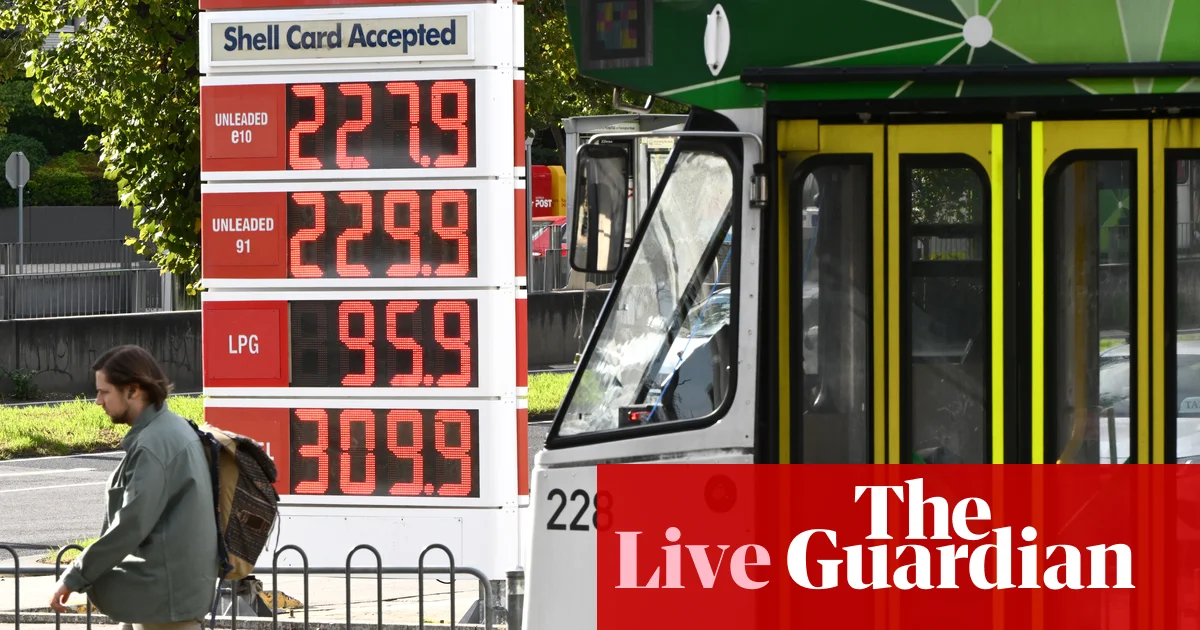
Australia News Live: Albanese Announces National Cabinet to Tackle Ongoing Fuel Crisis this Week

Global Tensions Rise as Middle East Conflict Sparks Economic Uncertainty

In a stark reminder that geopolitical conflicts are no longer confined to distant borders, recent events in the Middle East have sent ripples across the global economy, highlighting the interconnected nature of international affairs. Since the United States and Israel launched military strikes against Iran on 28 February, the region has descended into a complex conflict with profound consequences not only for localized populations but for nations worldwide. The unfolding crisis underscores how international decisions can reverberate through markets, societies, and the balance of power, demanding a nuanced global response.

Major powers and international organizations are closely monitoring the situation, recognizing that the opening or closing of vital shipping lanes such as the Strait of Hormuz carries weight far beyond the immediate region. Historians and analysts warn that this conflict could signify a turning point in regional stability, with world leaders advocating for a permanent resolution. Among them, Anthony Albanese, Prime Minister of Australia, has emphasized the long tail of economic shocks that such conflicts can produce, warning that no nation is immune to their effects—highlighting the age-old truth that in the era of globalization, regional upheavals quickly become global crises.

As the conflict persists, national leaders are convening to strategize responses. Albanese has announced plans to reconvene the national cabinet in the coming days to address rising fuel prices and supply concerns. His government has indicated that, although there are no immediate plans to escalate military involvement, Australia intends to play a constructive role in diplomatic negotiations. This approach reflects a broader international consensus on seeking a negotiated settlement, as echoed by Penny Wong, Australia’s Foreign Minister, who expressed the country’s desire for the full reopening of critical shipping lanes—an essential step toward stabilizing global energy markets.

The regional conflict in the Middle East has ignited a global energy crisis that analysts warn could have enduring repercussions. Energy prices have surged, affected supply chains, and increased economic uncertainty among nations that rely on the strategic flow of oil and gas. International organizations such as the International Energy Agency are sounding warnings about the potential for prolonged volatility. Meanwhile, historians and geopolitical experts draw parallels to past conflicts, warning that unresolved tensions could lead to a broader confrontation, with the stakes for nation-states and their populations growing ever higher. The resolution of this crisis hinges on diplomatic agility and a recognition that the pursuit of peace benefits all.

As stories unfold and diplomatic efforts continue, the question remains: how will this pivotal chapter in history shape the global order? Will nations succumb to the pressures of conflict, or will they forge a path toward lasting peace? The weight of decisions made in these critical moments will echo through the corridors of history, defining the next chapter of international relations. The unfolding saga reminds us all that in our interconnected world, the fate of distant nations is intertwined with the prosperity, security, and stability of societies everywhere. As the world waits and watches, the true impact of this crisis will be felt long after the bombs fall silent – a stark testament that in the theater of geopolitics, history is always still being written.

Australia Updates: Free Public Transit Extended in Victoria, Man Charged with Murder in NSW

Global Impact Unfolds as Regional Policies and International Tensions Shape the Future

In a move reflective of the broader geopolitical currents shaping the 21st century, Victoria, Australia, has announced an extension of its ambitious public transport relief program. This measure, which initially aimed to combat rising fuel costs and provide a cost-of-living shield for residents, now extends until the end of May with subsidized fares set to continue through the year. The decision echoes a global trend among youth-oriented governments seeking populist support ahead of key elections, but it also underscores a deeper crisis of economic resilience in the face of shifting energy markets. With $400 million allocated in the upcoming budget, Victoria’s policymakers attempt to navigate the wider fiscal storm impacting many similar jurisdictions worldwide.

Yet, as these domestic moves play out, international tensions continue to simmer under the surface, with a particularly stark example emerging from the Strait of Hormuz. The former Australian Nationals leader David Littleproud has openly called for Australia to intervene in this strategic waterway. Given that roughly 20% of global oil shipments pass through this narrow corridor, the closure of the Strait threatens to trigger catastrophic spikes in global energy prices and, by extension, economic fallout on a scale reminiscent of the 1970s oil crises. Littleproud’s plea for Australia to “interject” aims to restore the “safe navigation” of tankers, warning that a failure to act could induce a worldwide recession, with analysts like those at the International Energy Agency warning of potential chaos if tensions escalate further.

This international dispute fuels the broader narrative of a fractured liberal order, where regional conflicts threaten to ignite larger alliances and rivalries. The specter of a destabilized Middle East, combined with global energy dependency, is prompting thoughtful voices—such as respected historians and foreign policy analysts—to warn that the decisions made today will determine the trajectory of global stability for decades. Furthermore, the political actors in Australia, increasingly aware of their geopolitical importance, are urged to balance regional security interests with the national imperative to avoid entangling military conflicts. The danger of such conflicts spilling into broader proxy wars or economic sanctions underscores the fragility of international peace efforts.

Domestic Turmoil and International Dilemmas Intersect

While political leaders debate intervention in foreign disputes, domestic issues—the tragic loss of life at Melbourne’s Supanova convention and the ongoing investigation into a woman’s murder in New South Wales—highlight the societal challenges faced by nations in turmoil. The incident outside Melbourne Showgrounds, where a pedestrian was tragically killed, and the arrest of a 25-year-old man on murder charges, serve as a grim reminder that social stability remains an elusive goal amidst economic and geopolitical upheaval. These local tragedies resonate globally, prompting international observers to question the societal fabric and the effectiveness of law enforcement strategies.

Conclusion: The Unfolding Tapestry of Today’s World

As the Victoria government extends its economic relief measures and Australia contemplates international intervention, the shards of a fractured global order become painfully evident. Each decision—domestic or foreign—intertwines in the complex, unpredictable fabric of history—a fabric that will define the lives of future generations. The tension in the Strait of Hormuz and the local tragedies on Australian soil serve as stark symbols of a world at a crossroads — where youthful governments seek to reassure their citizens, and powerful nations grapple with the consequences of their actions. In this moment, history whispers again: the choices of today will echo eternally into the uncertain dawn of tomorrow.

Australia updates: War crimes suspect Ben Roberts-Smith in bail hearing; PM confirms no harsher fuel rules after refinery fire

In a year marked by pivotal geopolitical shifts and domestic upheavals, the international landscape continues to reverberate with profound consequences. Strong leaders and rising nations are increasingly asserting their influence, with decisions made in capitals shaping societies worldwide. Recent developments underscore this reality, as nations grapple with internal crises while vying for supremacy on the global stage. These events serve as a stark reminder that the weight of history is still unfolding, and the decisions of today will echo through future generations.

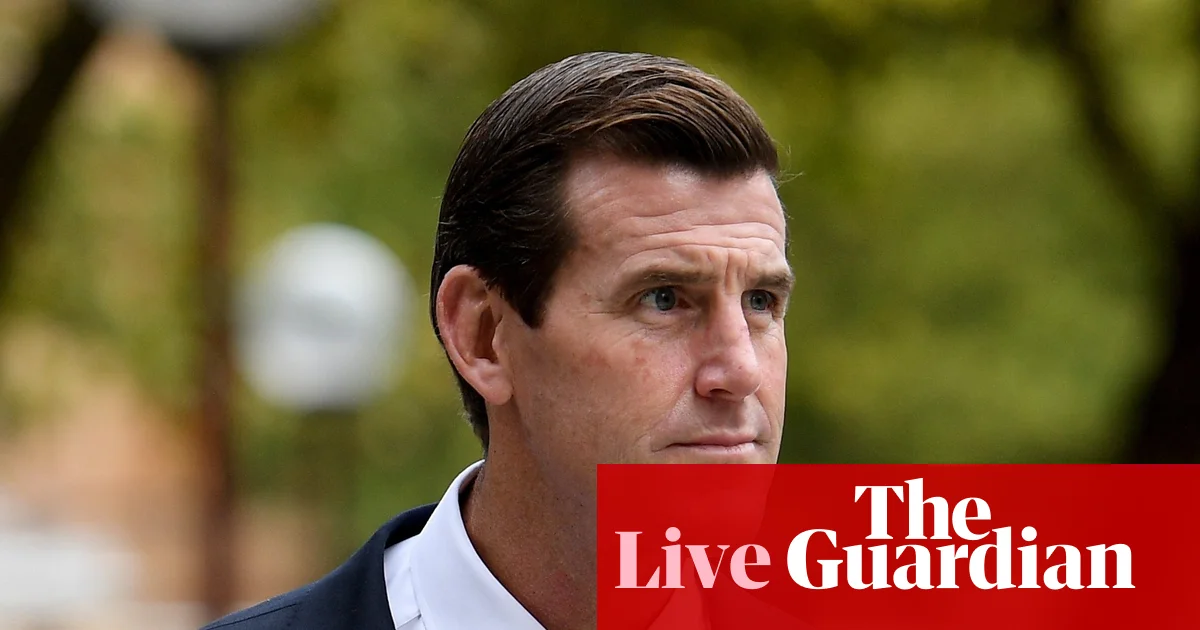
Across Australia, a nation of both immense natural resources and strategic importance, the government faces significant challenges. The detention and upcoming bail decision for Ben Roberts-Smith, a decorated soldier embroiled in war crime allegations, encapsulate a period of internal conflict and judicial scrutiny. His case draws national attention to issues of military accountability and the societal debate surrounding justice for alleged atrocities committed in Afghanistan. While this legal saga unfolds within Australian borders, it perfectly exemplifies how domestic legal processes are intertwined with international perceptions and diplomatic relations. The outcome could influence Australia’s defense policies and its global standing in addressing war crimes—a matter closely watched by analysts and historians who underscore the importance of accountability in maintaining moral legitimacy.

Simultaneously, the country’s critical fuel infrastructure has been rocked by a fire at the Viva Energy refinery in Corio, Victoria. The blaze, which temporarily reduces petrol and diesel supplies, has ignited fears of escalating energy shortages amid ongoing geopolitical tensions involving the Middle East. The Australian Prime Minister, Anthony Albanese, has reassured the nation that the event will not escalate into harsher fuel restrictions, highlighting the government’s proactive measures to stabilize markets. These include securing extra fuel supplies from regional partners and backing private corporations like BP, which have committed to international investment schemes to boost domestic reserves. Such decisions reflect a broader strategy—one that balances national security with economic resilience, all while navigating global conflicts that threaten regional stability.

International reactions are equally telling. Former U.S. President Donald Trump renewed accusations that Australia had not done enough to support U.S. efforts in the Middle East, casting a shadow over the already tense alliance. America’s role as a geopolitical stabilizer is under scrutiny, particularly as allied nations such as Japan and South Korea ramp up their military spending in response to rising regional threats. Meanwhile, European nations face concerns about the resurgence of classic interstate rivalries with Russia’s renewed assertiveness and China’s expanding influence. International organizations warn that these internal and external disputes threaten to redraw the map of global alliances, pushing nations into new layers of uncertainty. Historians suggest that these conflicts could define the geopolitical narrative of the 21st century, where sovereignty and international power are in a constant state of flux.

As the world stands at this crossroads of history, the decisions made behind closed doors in courts and cabinets today will shape the fabric of societies for decades. The verdict on Ben Roberts-Smith may determine how justice is perceived in military conduct, while energy measures reflect a nation’s resilience amid upheaval. Meanwhile, the dance of diplomacy and accusations between Australia, the U.S., and other powers reveals a fragile international equilibrium—one that could tip into chaos or cohesion depending on the choices of leaders. The unfolding story is a testament to the enduring truth that in the theater of geopolitics, every act echoes in the chambers of history, and the true measure of a nation’s strength lies in how it faces its trials, both close to home and in the shadows of distant conflicts.

US Marine pilot's appeal thwarted in Australia extradition case
US Marine pilot’s appeal thwarted in Australia extradition case

In a case that underscores the fragile balance of international relations and the complex web of military diplomacy, Daniel Duggan’s arrest in 2022 has ignited renewed debate over covert military training and the geopolitical stakes involved. Duggan, an Australian former fighter pilot, was detained over allegations that he illegally provided military instruction to the Chinese military within South Africa. This incident marks a significant flashpoint, revealing the intricate layers of modern warfare that transcend national borders and challenge the existing global order.

The geopolitical impact of Duggan’s case extends well beyond the immediate legal consequences. His detention exposes a shadowy arena where nations covertly extend their military influence, often through proxies and clandestine operations. As international organizations and analysts scrutinize the incident, concern mounts over the potential expansion of Chinese military capabilities facilitated through foreign partnerships. Critics warn that such activities threaten the strategic balance in Africa and Asia, regions already fraying under the weight of great-power competition. The case has prompted responses from North Atlantic Treaty Organization (NATO) allies and other Western powers, who view these covert operations as part of China’s larger effort to expand its global reach and challenge U.S. dominance.

Scholars and security experts emphasize that Duggan’s arrest is emblematic of a broader pattern of military diplomacy behind closed doors. Historians like Dr. Emily Turner have highlighted how, throughout history, covert military training has served as a critical tool for emerging powers to bolster influence without provoking open conflict. The South African government, itself navigating a complex regional landscape, finds itself at an uncomfortable crossroads—balancing diplomatic relations with Beijing against Western concerns about sovereignty and security. As for South Africa, this incident threatens to alter its diplomatic positioning, potentially positioning the nation as a battleground for proxy conflicts that could destabilize its internal security and economic progress.

The fallout from Duggan’s arrest presents a strategic dilemma for international security architectures. Agencies such as the United Nations and Western intelligence community are grappling with the implications of unchecked military aid crossing borders through unconventional channels. This incident serves as a cautionary tale—highlighting how decisions made in the shadows today can escalate into larger conflicts tomorrow. European and American leaders warn that allowing such clandestine activities to flourish could undermine decades of diplomatic progress and provoke a new era of instability. The ongoing saga underscores the importance of vigilance and the need for unwavering commitment to maintaining a balance of power rooted in transparency and mutual respect.

As history continues to unfold, Duggan’s arrest becomes more than a legal matter—it is a stark reminder of the currents shaping our contemporary world. In a geopolitical landscape fraught with shifting alliances and covert pursuits, the right to sovereignty and security often hangs in the balance. The decisions made today will dictate whether nations forge a path toward cooperation or succumb to the chaos of clandestine conflict—placing the very fabric of global stability at a crossroads for generations to come. Ultimately, the story of Duggan is a chapter in the ongoing narrative of power, influence, and the relentless march of history itself.

Australia News Live: Big Fire at Geelong Oil Refinery; Canavan Backs Tough Immigration Stance

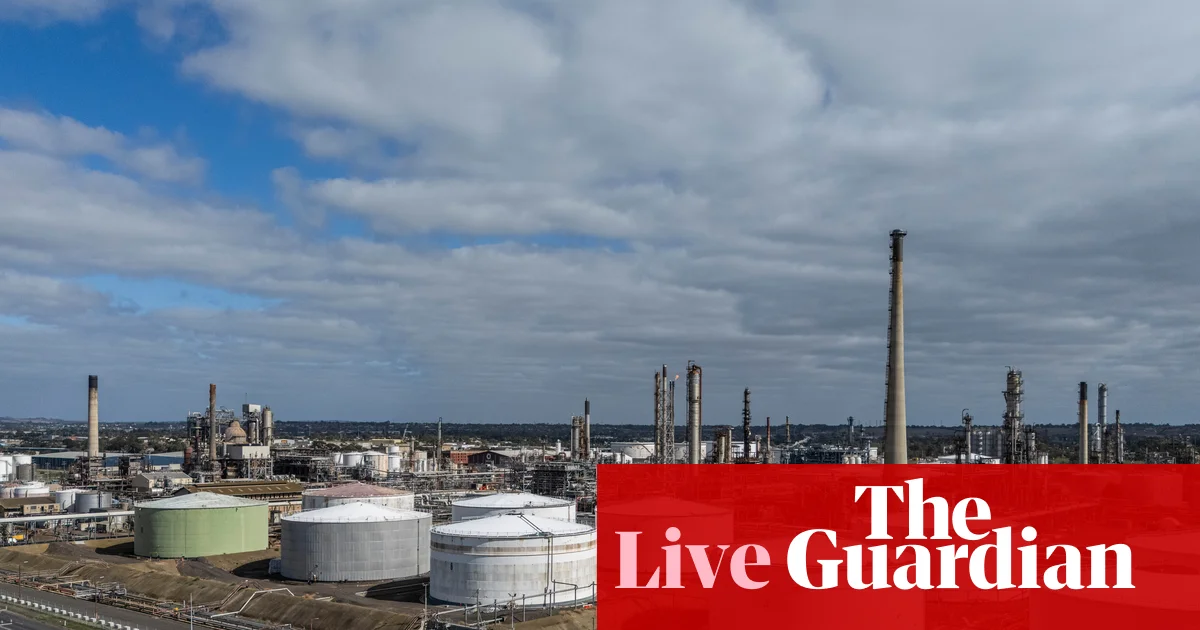
The world is witnessing a series of pivotal moments that threaten to reshape the geopolitical landscape in profound ways. Australia, often considered a distant continent, is currently embroiled in a domestic crisis that threatens its economic stability and raises questions about its future energy security. In Geelong, an “unprecedented” fire at the Viva Energy oil refinery has sent shockwaves through the nation. The blaze, which began late last night, has been described by local officials as decades-in-the-making in terms of its scale and impact. The refinery is responsible for roughly 50% of Victoria’s fuel supply and approximately 10% of the country’s national output, underscoring its strategic significance. As fire crews battle to control the inferno, international actors and analysts watch cautiously, aware that the implications extend far beyond Down Under.

  • The refinery’s destruction or prolonged shutdown could exacerbate Australia’s ongoing fuel crisis, which has already strained households and industries nationwide. The reliance on two remaining refineries, with the other operated by Ampol in Brisbane, highlights how geopolitically sensitive this critical infrastructure truly is. Many international analysts warn that such fragility can serve as a catalyst for broader energy insecurity, potentially inflaming geopolitical tensions with major energy-producing nations. These vulnerabilities are compounded by the fact that both Australian refineries require government support to stay operational, indicative of a broader global trend where energy security and government intervention intersect in geopolitics.
  • The incident coincides with tense political debates within Australia, as Matt Canavan, leader of the National Party, publicly defended the government’s controversial immigration policy. His stance, which proponents tout as “reasonable and fair,” has ignited a fierce contest of narratives over national identity and sovereignty. Canavan’s rhetoric, referencing the naturalisation process of his grandparents and invoking the literary phrase “Having good fences make for good neighbours,” underscores a broader worldview increasingly aligned with nationalist, sovereignty-centric principles. Critics, however, interpret this as an extreme form of discrimination cloaked in patriotic language, highlighting a sinking support for immigration among Australians—a trend that some analysts argue could embolden hardline policies that threaten social cohesion.

International observers, including historians and geopolitical think tanks, warn that such nationalistic rhetoric, when paired with vulnerabilities like energy supply shocks, can escalate into broader regional instability. As the United Nations and World Bank scrutinize Australia’s internal debates and energy roadmaps, the global community remains wary of a potential domino effect. The concern is not merely about Australian sovereignty but how ever-accelerating shifts in domestic policy and energy infrastructure risks ripple effects in the Indo-Pacific and beyond, especially amid rising tensions with China and regional alliances. The fusion of energy crises with aggressive nationalist discourse could, analysts warn, fuel a dangerous cycle of escalation and realignment in international security frameworks.

As history continues to unfold, the nation’s response in the coming weeks will serve as a litmus test for its political stability and strategic resilience. Will the fires at Geelong become a symbol of vulnerability or a rallying point for innovative reform? Will the rhetoric of figures like Canavan morph into a broader movement that tests the limits of accepted policies? The answers to these questions may well determine whether Australia remains a bastion of stability or a flashpoint for new geopolitical conflicts. As the flames lick the skies and political volleys echo across the continent, the weight of tomorrow’s history presses down—an unwritten chapter begging to be shaped by the choices made today.

Harry and Meghan touch down in Australia for four-day trip—making headlines again

The recent royal visit to Australia marks a significant milestone in recent diplomatic history. This occasion is noteworthy not only as the couple’s first visit since 2018, when they were working members of the royal family, but also as a symbol of ongoing ties and shifting alliances across the Commonwealth. Such visits are carefully orchestrated events that serve to reaffirm longstanding bonds, bolster diplomatic ties, and project influence within regional geopolitics. Considered by analysts as a gesture of both tradition and soft power, this tour underscores the importance that Australia continues to hold in the global strategic landscape.

In the context of rising international tensions, the geopolitical impact of these visits becomes even more apparent. As the global order faces unprecedented challenges—ranging from the assertiveness of China in the Indo-Pacific to evolving security concerns—it is clear that symbols like these royal visits serve multiple purposes. They act as diplomatic signals, reaffirm allegiance, and subtly shape public perceptions. According to prominent international affairs think tanks and historians specializing in Commonwealth history, such acts are deliberate moves that help maintain influence and demonstrate unity among member nations. The Australian government, under its current leadership, appears to leverage this royal presence to emphasize national sovereignty while also signalling openness to global partnerships—an intricate dance that impacts both domestic policies and international relations.

The visit also comes at a time of notable international shifts and reevaluations. Some critics argue that these royal engagements must be viewed through the prism of historical legacy and modern diplomacy. For instance, while Australia continues to evolve its identity, the monarchy remains a symbol of stability for many Australians, yet also a reminder of colonial history with complex implications. International organizations and political analysts warn that these symbolic gestures may influence public perception of unity and strength amid regional disputes and power struggles. In this environment, each royal appearance is regarded as more than ceremonial; it is a strategic move that can sway public opinion and diplomatic alignments alike.

As the pages of history turn, the ongoing significance of this royal visit unfolds with dramatic poignancy. The narrative of a monarchy that endures despite modern upheavals is neither static nor inevitable. It remains a chapter in a larger story where nations must navigate the delicate lines of tradition, sovereignty, and international influence. Today, as the royal couple steps onto the land Down Under once more, the world watches—perhaps unaware that history itself is being written in real time, with every handshake and smile echoing through the corridors of power. The question remains: how will this visit influence the future of Australia, and what echoes will these moments leave for generations yet unborn?

Australia News Live: Poor Hospital Meals Worsening Healthcare Costs; Crocodile Remains Discovered by Adelaide Roadside

Global Power Dynamics Shaped by Emerging Geopolitical Shifts

In an era marked by rapid geopolitical evolution, recent decisions by major nations and international institutions have signaled profound shifts that will resonate across societies and borders. The ongoing reshuffling of alliances and policies underscores not only the strategic recalibrations of influential countries but also the unfolding saga of geopolitics that historians like Samuel Huntington have long warned about. As the United States, China, and Russia redefine their roles on the global stage, their actions bear consequential impacts for diverse societies, economies, and international stability.

Most notable among these developments is the recent **renewal of cooperation** between the European Union and the UK which signals a potential easing of post-Brexit tensions—however, critics argue that this shift may merely be a strategic facade for underlying fractures. Meanwhile, the BRICS nations continue their efforts to establish a parallel economic order, challenging Western dominance. The recent discussions surrounding the New Development Bank unveiling new funding initiatives demonstrate a strategic pivot away from traditional Western-led financial systems. Analysts from institutes like the Council on Foreign Relations suggest these movements foreshadow a multipolar world where sovereignty and local priorities will become central to international diplomacy. But how will these changes influence societies at ground level? It is likely that countries aligning with emerging poles will pursue policies that bolster national industries, while others may face increased instability due to shifting alliances.

Decisions at the National Level: a Double-Edged Sword

On the national front, recent policy shifts reflect a focus on sovereignty and economic resilience—yet, the repercussions are multifaceted. Governments are recalibrating foreign policies, trade agreements, and military commitments, which directly influence societal cohesion and economic stability. For example, the recent US-China trade negotiations illustrate an intent to protect domestic industries but risk escalating tensions with potential global repercussions. Historically, as Henry Kissinger pointed out, such strategic moves often contain unpredictable ripple effects that can threaten international peace. The re-establishment of alliances or dissolution of treaties like the Paris Climate Accord impacts both climate policies and economic development, especially for vulnerable societies depending on these frameworks.

Furthermore, the international community’s response to these shifts—discussed within bodies such as the United Nations—raises questions about effectiveness and relevance. While some organizations strive to adapt, critics argue that global institutions often serve as arenas for powerful nations to advance their agendas, leaving smaller nations at a disadvantage. The recent climate negotiations exemplify this tension, where environmental commitments become politicized, skewed by geopolitical interests. As geopolitical analysts like George Friedman observe, the power balance is increasingly defined by strategic resilience rather than military might alone. The decisions shape societies’ futures, where sovereignty clashes with the need for global cooperation, and citizens feel this tension most acutely in their daily lives.

Heading Toward an Uncertain Future

The unfolding story of geopolitics remains fraught with uncertainty, yet history’s persistent theme reminds us: every shift creates both opportunity and peril. The long arc of international relations hinges on the choices made today—from military alliances to economic policies—that will determine the fate of generations. As international actors maneuver with strategic patience, the question remains: which nations will emerge resilient, and which will fall prey to the chaos of transnational power struggles? The weight of history presses heavily on this moment. Citizens around the world—particularly the youth—must keenly observe how these decisions mold a future where their societies flourish or falter amid the shadows of emerging global order.

Canada Cuts Migration, Housing Costs Drop—What Australia Can Learn

Canada’s Migration Strategy and Its Consequences on Society and Housing

Canada, often hailed as a beacon of cultural diversity and a proud admirer of open immigration, has recently embarked on a radical shift in its social policy. In late 2024, the government dramatically reduced migration levels, aiming to curb housing costs and relieve strained public services. Historically, immigration has been the backbone of Canada’s demographic and economic vitality, contributing significantly to its population growth—approximately 400,000 new residents annually before the pandemic. However, the newly implemented caps not only targeted permanent residents but also sharply limited temporary migration, notably international students, which have traditionally been a vital element of the nation’s educational and economic fabric.

This sudden policy change has already revealed profound social ripple effects. Universities have faced a sharp decline in foreign student enrollments, threatening the financial stability of numerous programs and the broader research ecosystem. Meanwhile, in communities across the country, the immediate effect has been a drop in housing demand, leading to falling rents over the past 17 months and a cooling of apartment prices, some by as much as 35% in major cities. For families and young professionals, this moment offers a glimmer of respite—if only temporary—from the relentless affordability crisis. Yet, the question remains: are these market corrections enough to address the core issues that have long plagued Canadian society?

The Price of Short-Term Fixes

Experts like Steve Pomeroy, a renowned housing analyst, argue that the rapid decline in migration has brought some modest relief to market pressures. Still, he emphasizes that these changes are superficial when viewed through the lens of long-term societal stability. The fundamental issue lies in the chronic mismatch between housing supply and demographic demands. Canada’s population boom in the two decades before the pandemic demanded an annual addition of 160,000 new homes; however, post-2021, the country struggled to build even a third of that—only around 490,000 homes needed annually, but the reality was far less. Construction sectors, inherently slow to respond, could not keep pace with this sudden demographic shock. Consequently, Canada’s housing affordability, a persistent crisis, remained largely unresolved—a problem rooted in structural planning failures rather than immigration numbers alone.

Nevertheless, the **sudden reduction of migration has temporarily alleviated some market pressure**, bringing rents down and slightly moderating house prices. Yet, researchers like Carolyn Whitzman caution against mistaking short-term fixes for solutions. The high asking prices in cities like Toronto and Vancouver—over $700,000 for a single-bedroom apartment—remain woefully out of reach for the average worker earning minimum wage. This stark reality underscores that high migration rates were not the sole or even primary cause of affordability issues, which have roots in unsustainable land-use policies and speculative markets. Reducing migration without addressing these foundational issues risks creating new social gaps, particularly in education and community cohesion.

Societal Aging and the Demographic Dilemma

Both sociologists and economists echo the concern that both Canadian and Australian societies are aging, creating an urgent need for younger, working-age populations. Countries like Canada rely heavily on migrants—mainly younger individuals—to fill critical roles in healthcare, service industries, and agriculture. According to Nathan Janzen, assistant chief economist at the Royal Bank of Canada, the drastic fluctuations in migration levels have been unprecedented. As immigration slows, the ageing population faces a widening funding gap, threatening to overload the health care system and strain social services. Where once migrants encouraged a youthful demographic, now the decline threatens to reverse these gains, exposing the vulnerabilities of an economy reliant on population growth for sustained productivity.

Janzen highlights a sobering truth: what truly influences economic vitality is not just the size of the population but the displacement of its age structure. By limiting migration, Canada risks amplifying its ageing society’s challenges, with a shrinking workforce and diminishing government revenues—both crucial elements for societal resilience. This dynamic calls for forward-looking policies that harmonize population management, housing development, and public services, rather than superficial measures grounded solely on reducing numbers.

The Hope in Transformation

Despite the turbulence, there exists a hope for societal renewal. As Whitzman observes, “Immigration isn’t the problem; it’s poor planning that neglects the needs of a changing society”. With deliberate, inclusive strategies, Canada could transform its demographic challenges into opportunities—building resilient communities, investing in affordable housing, and fostering industries that value both population growth and sustainable development. Perhaps society’s greatest strength lies in its capacity to adapt, to learn from missteps, and to forge pathways that prioritize families, education, and community cohesion. If the nation can confront its social tensions with clarity and resolve, it might yet find a way to flourish amid change—reminding us all that even in the face of upheaval, hope remains a guiding light for a society striving to redefine itself for generations to come.

Social Media Auto Publish Powered By : XYZScripts.com