Matox News

Truth Over Trends, always!

Interpol’s Tiger Trafficker Breaks Cover in India—Arrested by Authorities

In a landmark development in the ongoing battle against illegal wildlife trafficking, authorities in India have arrested Yangchen Lachungpa, one of the world’s most wanted traffickers of tiger body parts. Lachungpa’s detention marks a significant blow to transnational organized crime networks that have long exploited the lucrative black market for tiger parts, which are highly sought after in China and other parts of Asia. Her arrest, following a coordinated operation involving the Madhya Pradesh State Tiger Strike Force and the Wildlife Crime Control Bureau, underscores the international community’s increased resolve to combat poaching, especially in regions where local enforcement has historically been challenged by corruption and remoteness. As a key figure in a sprawling trafficking network connecting Nepal, Tibet, and Bhutan, Lachungpa’s capture reveals the extensive reach of these illegal operations and their impact on global biodiversity.

Wildlife officials have described her arrest as a major breakthrough, emphasizing that her role in orchestrating trafficking corridors out of India contributed significantly to the continued decline in tiger populations across Asia. It is rare for a woman to be captured in connection with such heinous crimes, making her detention even more noteworthy. Despite her previous arrest in 2017 and subsequent disappearance after bail, authorities remained persistent, and her recent re-arrest highlights the importance of international cooperation in wildlife conservation battles. The case also sheds light on the delicate balance between law enforcement efforts and geopolitical considerations, as traffickers like Lachungpa operate in jurisdictions where corruption and weak enforcement traditionally hinder justice.

The illegal trade of tiger parts, driven by demand in China, remains a significant threat to one of the world’s most iconic species. Tiger parts are used in traditional medicine and as symbols of status, fueling a lucrative black market that global organizations such as the International Fund for Animal Welfare have repeatedly condemned. In 2024, there were 26 documented cases of tiger poaching, an unsettling figure that shows this illicit trade persists despite global crackdowns. The previous year saw 56 cases—a stark indicator of the ongoing crisis. Such statistics compel international bodies and governments to act decisively, recognizing that wildlife trafficking is intertwined with broader issues of environmental degradation, illegal financing, and regional instability.

Historian and geopolitical analysts warn that how nations treat their wildlife resources reflects larger geopolitical shifts and societal priorities. As India demonstrates increased enforcement and international cooperation, it sends a message—the tide is turning against illegal trafficking networks. Yet, beneath this victory lies a sobering reminder: the fight against wildlife crime is ongoing, often more covert and complex than it appears. The arrest of Lachungpa serves as a reminder that these networks threaten not only biodiversity but also the social fabric of nations, where corruption and criminal enterprise threaten stability. As history continues to unfold, the world watches—knowing that the fate of remaining tiger populations now hinges on collective vigilance and unwavering resolve to confront this dark chapter in human stewardship. The path to saving these majestic creatures remains fraught with danger, but the lessons learned here may yet shape a future where species once pushed to the brink can survive against all odds.

Authorities threaten parents as 1,000 adopted children are forcibly taken back—what’s happening to our families?

Across the United Kingdom, a silent crisis is unfolding within the realms of adoption and foster care. Deep within families tasked with providing love and stability to society’s most vulnerable children, there is a disturbing narrative of neglect, misunderstanding, and broken support systems. An investigative report by the BBC reveals that numerous adoptive families are being pushed to the brink—being threatened, harassed, and sometimes driven to the point of despair, all while grappling with children who have suffered severe trauma before their placement. These families, often lauded as heroes of society for welcoming children in need, are instead becoming casualties of a system that fails to back them in their darkest hours.

This troubling scenario threatens the very fabric of families, communities, and the future of social cohesion. Sociologists such as Prof. Laura Machin have highlighted the devastating effects such failures have on families, noting that nearly 38% of adoptive parents consider returning their child to care amid the mounting crises. Many families report being misled about the level of post-adoption support and subjected to a culture of blame from social workers overwhelmed by caseloads and systemic limitations. When behavior problems emerge, instead of receiving compassionate intervention, adoptive parents often face the language of blame, legal threats, and even police involvement—an experience that can fracture communities that operate on trust and shared morals. The social impact is profound, with trauma routinely dismissed or misunderstood, leaving families feeling isolated and betrayed.”

Within this chaos, family units are suffering as children with complex needs are returned to care or are left in environments unfit for healing. The BBC investigation uncovers a shocking number—more than 700 children—who are returned to care before their adoption is finalized, and hundreds more after, illustrating a failing system that lacks the preventative support necessary to keep families intact. These breakdowns are often precipitated by inadequate early intervention, with research from Lancaster University indicating that many such disruptions could be avoided with proper, timely help. Social workers, under immense pressure, sometimes resort to disinformation or blame parents for issues rooted in trauma, neglect, or abuse that originated long before adoption. The moral and human toll is immeasurable, with stories like that of Verity and Ian, who adopted their children from a violent environment, only to face threats of prosecution when their own efforts to protect and nurture were met with legal and bureaucratic hostility.

At the core of this social dilemma lies a profound need for reform—a society that recognizes the lifelong commitment of adoption and the essential role of support systems. Advocates like Fiona Wells from the grassroots group Patch emphasize that adoption should be a lifelong journey, backed by continuous, meaningful support. The current landscape, however, often leaves families to fight alone, with legislation outdated and social services strained beyond capacity. As Sarah, a seasoned social worker, admits, social workers on the ground frequently harbor a blame culture, and systemic neglect leaves many families in crisis. But in the light of this ongoing crisis, there is hope. Movements pushing for policy reforms and better resources are gaining momentum, advocating for early intervention, proactive mental health support, and a compassionate approach to trauma—cornerstones of restoring trust and healing fractured lives. Society must reckon with these painful stories, recognizing that behind every statistic are real families burdened by systemic failures, human suffering, and the need for societal compassion.

As society stands on the precipice of change, it reflects a timeless truth: that the strength of our communities is inherently linked to our ability to nurture the vulnerable with dignity and respect. Liam’s story, from trauma to independence, reminds us that amid systemic flaws there is potential for renewal—if society chooses to face its challenges head-on and build a future rooted in compassion and support. For in the quiet resolve of families fighting for their children, lies the hope that society’s moral compass can be recalibrated—toward justice, toward healing, and ultimately, toward a society that truly values every human life, no matter how scarred or lost it may seem.

Brazil’s Former President Detained as Authorities Flag Flight Risk

The recent arrest of Jair Bolsonaro, the controversial former Brazilian president, marks a pivotal moment in Brazil’s tumultuous political landscape and signals a potential shift in Latin American geopolitics. Convicted of plotting a military coup aimed at seizing power after his electoral defeat in 2022, Bolsonaro’s detention has ignited both support and condemnation among international observers. The Supreme Court Justice Alexandre de Moraes justified the move by citing the risk of Bolsonaro fleeing—highlighting how state security measures are increasingly intertwined with political vendettas in a region grappling with political polarization. As Bolsonaro’s supporters gather en masse, the full geopolitical impact of this crisis remains uncertain, yet fundamental questions surrounding national sovereignty and regional stability are now at the forefront.

Bolsonaro’s conviction, which led to a sentence of over 27 years, centered on his alleged role in orchestrating a conspiracy to subvert democratic processes. Notably, courts accused him of inciting violence during the assault on government institutions on 8 January—an event widely condemned as a direct consequence of his rhetoric. Leading international organizations have expressed concern, warning that such actions threaten the fragile democratic fabric of Brazil. Renowned analysts warn that his detention and the subsequent crackdown could further polarize the nation, risking destabilization in the region and inspiring like-minded populist movements across Latin America. Meanwhile, the United States, under the rhetoric of trade sanctions and diplomatic caution, has observed these developments with a mix of apprehension and strategic calculation, aware that Brazil’s stability is a cornerstone for regional influence and global trade routes.

Moreover, the detention of Bolsonaro has a broader international dimension, symbolizing a clash between old-world populism and emerging forms of governance in the 21st century. His legal team challenged the custody measures, emphasizing that “supporters are willing to fight for democracy,” even as the court warned that the former president posed a serious flight risk. The specter of Bolsonaro seeking asylum at foreign embassies, notably in the U.S., underscores the potential for diplomatic flashpoints. Such threats not only complicate Brazil’s internal affairs but also ripple into U.S.-Brazil relations, with implications for trade, diplomacy, and regional alliances. International organizations, including the OAS, have called for calm, but the underlying tensions reveal a deep fissure—one that could define Brazil’s political trajectory for years to come.

As Brazil stands at this crossroads, historians note that the unfolding events echo past crises that have shaped the modern world—moments where the fight for democracy clashed with authoritarian impulses. The decision to imprison Bolsonaro, taking into account his role in inciting violence and attempting to destabilize the government, could serve as a precedent on how emerging democracies confront populist insurgents. Yet, the potential for unrest remains significant, as Bolsonaro’s supporters prepare to rally in his favor. This confrontation will test the resilience of Brazil’s institutions and the international community’s ability to prevent a descent into chaos. In this moment, history continues to write itself—reminding us that the fate of nations often hinges on choices made not just in courts but in the hearts and minds of their people, with each step edging closer to a new chapter in the ongoing saga of liberty versus tyranny.

Islamabad Bombing Claims 12 Lives, Authorities Vow Justice

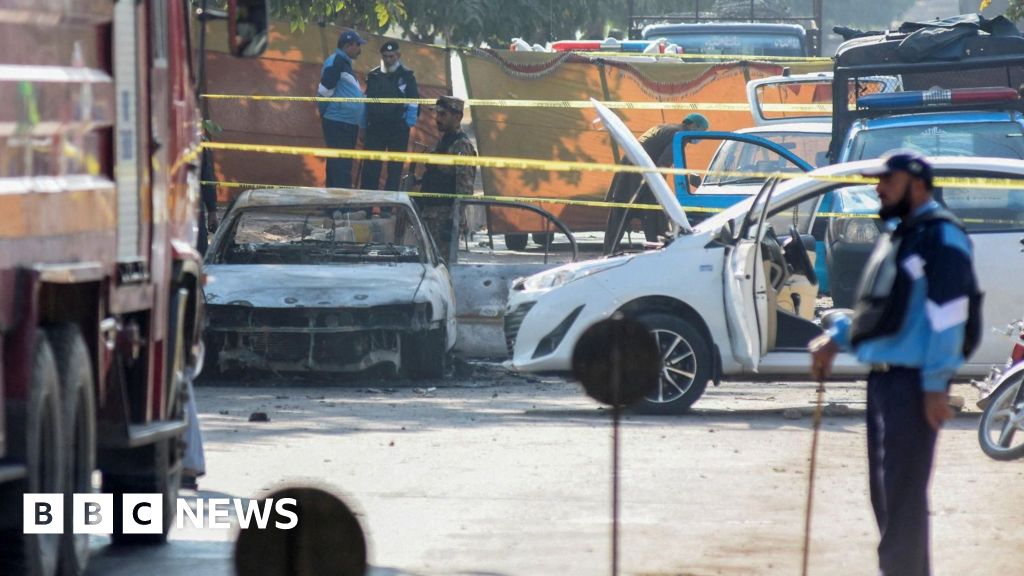
The recent suicide attack in Islamabad, resulting in the loss of 12 lives and devastating injuries to at least 27 others, underscores a troubling resurgence of violence in the heart of Pakistan. This attack, occurring outside a district courthouse, marks a significant deviation from recent trends, as Islamabad had largely been spared from the wave of terrorist violence that afflicted other regions of the country over the past few years. Pakistani authorities swiftly denounced the act, with Interior Minister Mohsin Naqvi emphasizing their resolve to identify and bring the perpetrators to justice. The incident, occurring at 12:39 local time, is a somber reminder of the complex internecine conflicts, regional insurgencies, and internal political strife that continue to threaten stability in this nuclear-armed nation.

Analysts suggest that this surge in violence may be indicative of deeper geopolitical shifts and internal struggles for power. Historically, Pakistan’s internal security has been challenged by militant groups linked to both state and non-state actors, often exploiting geopolitical tensions between neighboring India, Afghanistan, and superpower influences from China and the United States. The timing of this attack—coming three years after Islamabad’s last major suicide bombing—raises questions about the effectiveness of the country’s counter-terrorism policies. According to respected geopolitical analyst Rajat Sharma, such acts of violence are “a reflection of the fragile stability that underpins Pakistan’s internal security apparatus, especially in a regional climate heavily influenced by contestation over influence and sovereignty.”

In the broader context, this incident may also impact international perceptions of Pakistan. The United Nations and various regional watchdogs have often warned that fragile security in countries like Pakistan could serve as a catalyst for destabilization across South Asia. The Pakistani government now faces increased scrutiny from allies and adversaries alike—ewn governments seek stability, while militant factions aim to destabilize. As President Asif Ali Zardari condemned the attack, many regional experts pointed out the importance of strengthening societal resilience and security agencies, or risk allowing these acts of terror to spiral into broader chaos with unpredictable, possibly global, repercussions.

Historically, Islamabad’s last major terrorist event was three years ago, yet the recurrence of such violence indicates a persistent threat that could deepen regional instabilities. The international community, including actors like Russia and China, closely monitors Pakistan’s trajectory, aware that its internal security deeply influences regional and even global geopolitical balance. The significant costs of mounting internal conflicts are not only measured in lives lost but also in the fragility of international alliances, trade routes, and strategic interests spanning from the Middle East to Asia. As the dust settles over the charred remains of the scene, the weight of history presses down—these moments, fleeting yet profound, continue to shape the course of an increasingly interconnected world. Today’s violence in Islamabad could be a harbinger of renewed instability, a reminder that in the theatre of geopolitics, the stakes are nothing short of global security itself.

US authorities ground cargo plane model following Kentucky crash

US Authorities Ground All MD-11 Cargo Planes Following Kentucky Crash

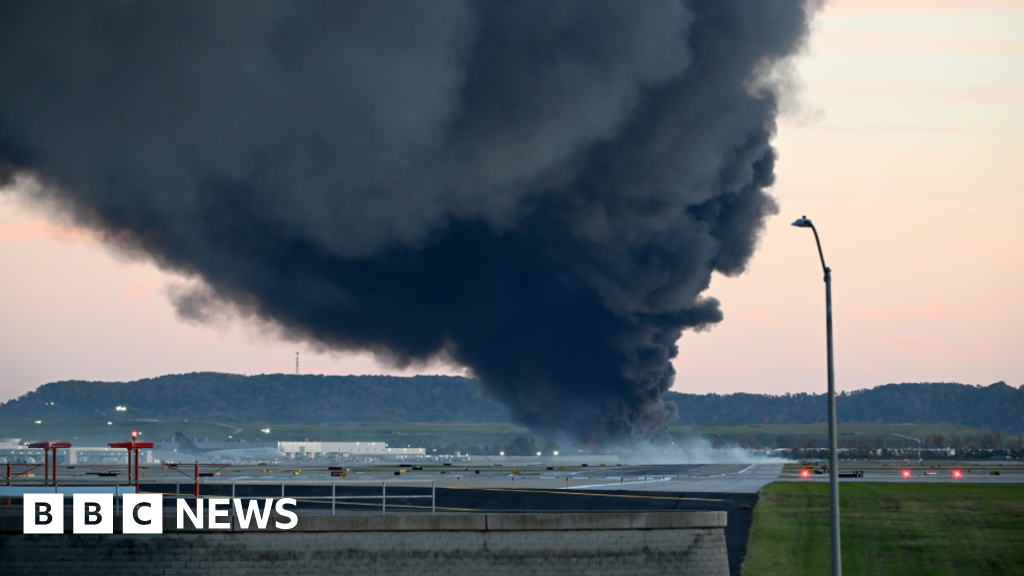
In a decisive move that underscores the fragility of oversight in an increasingly interconnected world, US aviation authorities have ordered immediate grounding of all models of the Boeing MD-11, following a catastrophic accident in Kentucky. The incident involved a UPS cargo plane that, during takeoff, burst into flames and collided with nearby businesses, resulting in 14 fatalities—an event that has sent shockwaves through the international freight industry and beyond. The Federal Aviation Administration (FAA) cited the plane’s left engine catching fire and detaching, compounded by the massive fuel load of 38,000 gallons, which fueled the inferno and made rescue efforts exceedingly perilous. The significance of this event stretches far beyond regional safety concerns—it calls into question the enduring viability of aircraft models still in operation, over three decades after their commercial debut.

Global Security and Trade Chains Hang in the Balance

  • The FAA’s order affects 70 aircraft operated by UPS, FedEx, and Western Global Airlines, with approximately 55 planes actively in service during last week’s operations.
  • The decision arrives amidst growing scrutiny of aging military-grade aircraft still used in civilian contexts, highlighting a broader debate on aircraft longevity, safety standards, and regulatory oversight.
  • International organizations such as the International Civil Aviation Organization (ICAO) have begun reassessing safety protocols for older aircraft across nations, with some analysts warning of potential systemic failures if aging fleets are not properly phased out.

The crash exhibits a disturbing trend: a 34-year-old model, initially designed as a passenger aircraft with Thai Airways, was transferred to cargo operations where it has remained. McDonnell Douglas manufactured the MD-11, which was eventually absorbed by Boeing in 1997; production halted in 2000. Despite being decommissioned from passenger service in 2014, these aircraft still operate in freight roles, reflecting the resilience of older aviation assets but also exposing vulnerabilities in maintenance and safety checks. Many aviation experts argue that the pursuit of profit and efficiency in a hyper-competitive logistics sector has impeded necessary fleet upgrades, risking the safety of crew, communities, and the integrity of logistics infrastructure.

Strategic Implications and Future Risks

As the world’s economies grapple with this incident, the geopolitical impact becomes increasingly evident. The disruption of cargo flights reverberates through global supply chains, affecting everything from pharmaceuticals to critical medical supplies—a realization that how nations manage transportation safety can directly influence international stability. Though US companies have assured the public that contingency plans are in motion, the incident raises alarming questions about the adequacy of current regulations and the hidden risks of aging aircraft fleets.

Historian and aviation analyst Dr. Lawrence Adams has warned that this tragedy could mark a turning point in how international regulators address aircraft lifespan and safety standards. International organizations are contemplating tighter controls, but some caution that the time-consuming process of updating fleets could be hindered by economic pressures and geopolitical rivalry. As nations watch this unfolding crisis, they are reminded that the decisions made today about safety, regulation, and technological overhaul will shape their destinies for decades to come.

Amidst the cloud of smoke and irreversible loss, the relentless surge of history presses forward. The crash in Kentucky is more than a tragic accident—it’s a stark warning echoing from the corridors of power, urging humanity to confront the hidden costs of technological obsolescence. As policymakers and industry leaders scramble to respond, the world waits—knowing that some moments in history are not just about the past, but about the choices that will determine the fate of generations yet unborn.

Hermosillo Shop Fire Claims 23 Lives, Authorities Report

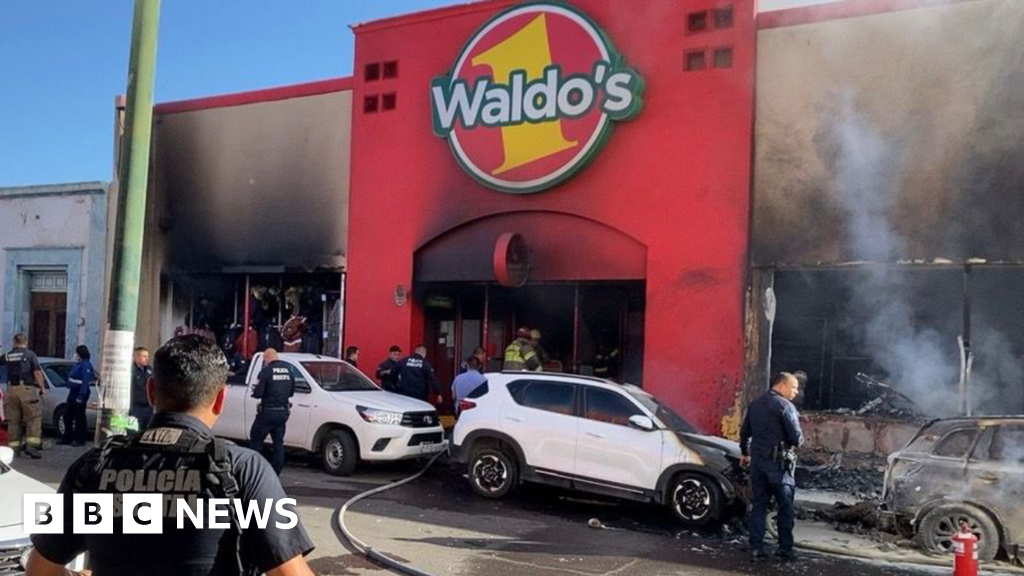
In a tragic event that has once again underscored the fragility of public safety in Mexico, a devastating fire erupted at a branch of Waldo’s, the nation’s largest discount retail chain, located in the city of Hermosillo. The blaze, which broke out on a Saturday in the heart of northwestern Mexico, resulted in the loss of at least 23 lives and injured 11 others, including children. The incident has sent shockwaves through the community and raised questions about safety standards, corporate oversight, and the underlying vulnerabilities within Mexico’s urban infrastructure amidst a broader socio-economic climate that struggles to keep pace with rapid development.

Authorities initially described the fire as an explosion, though the cause remains under investigation. Regional Governor Alfonso Durazo emphasized that the cause had yet to be determined, ruling out the possibility of an attack or deliberate act of violence. This measured response appears calibrated to avoid unnecessary panic, but the incident raises concerns about the safety protocols of widespread retail outlets, many of which operate under similar conditions across the country, often with lax enforcement. The loss of life during a festive weekend—coinciding with Mexico’s *Day of the Dead*—also highlights how societal and cultural vulnerabilities intersect with ongoing issues of urban safety and economic inequality. Mexican President Claudia Sheinbaum expressed her condolences via social media, yet such expressions often seem inadequate in the wake of recurrent tragedies, exposing a gap between political rhetoric and actionable change.

The geopolitical impact of this disaster extends beyond Mexico’s borders, shedding light on ongoing debates about regional safety standards and economic stability. Experts warn that such incidents threaten to undermine confidence in Mexico’s retail sector and could provoke foreign investment hesitancy, especially in the wake of recent economic shocks and political turmoil. Historians and analysts have noted that urban disasters in Mexico are often symptomatic of deeper issues—weak government oversight, corruption, and insufficient emergency response infrastructure—that hamstring efforts to safeguard lives. As Mexico’s government promises an “extraordinary, transparent, and thorough” investigation, the incident becomes a stark reminder that how nations respond to moments of crisis shapes their international image and internal resilience.

Furthermore, the incident highlights an unsettling pattern of neglect that pervades many developing economies. The cancellation of cultural events linked to the *Day of the Dead* reflects the societal impact of such tragedies—disrupting traditions and communal mourning. As international organizations monitor Mexico’s response, questions persist about how political will and institutional reform can prevent future calamities. The loss of young lives, including a 15-year-old girl, is a poignant reminder that beneath the statistics lie innocent victims whose fates are intertwined with the decisions made in halls of power. As history continues to unfold, the world watches Mexico’s next steps—knowing that what transpires could well define its trajectory for decades to come, shaping the legacy of this generation’s response to tragedy.”

Epping sex offender rearrested after wrongful release, authorities crack down

In a striking display of systemic failure, Britain faces a moment of reckoning as a convicted sexual offender, Hadush Gerberslasie Kebatu, mistakenly released from prison, is now in custody and faces imminent deportation. This incident underscores a broader geopolitical impact that resonates beyond national borders, raising questions about border security, immigration policies, and the effectiveness of justice systems amid Britain’s ongoing political and social upheaval. As Prime Minister Rishi Sunak and senior ministers publicly denounce this failure, international observers scrutinize whether the UK’s fragile immigration frameworks are equipped to prevent such disasters from recurring.

On a closer examination, the incident reveals a troubling portrait of how decisions impact society, especially for victims of crime and marginalized communities. The wrongful release of Kebatu, who was convicted for multiple offenses just days after arriving in the UK via small boat, highlights the dangerous intersections of immigration, security, and justice. Analysts and historians warn that such lapses risk undermining public confidence and embolden extremist narratives that advocate for stricter borders and sovereign control. The incident’s ripple effects threaten to accelerate debates on the effectiveness of the UK’s border enforcement, especially amidst the contentious post-Brexit climate where sovereignty and national security are at the forefront.

  • The prison error, caused by human oversight amidst an overwhelmed system, led to Kebatu’s questionable release, despite clear warnings of his dangerous behavior.
  • His subsequent roaming through London, aiming to return to prison or seek assistance, exemplifies the chaos unleashed by administrative negligence.
  • Politicians and security officials have vowed to conduct an urgent investigation, with some calling for immediate deportation and others raising alarms about the vulnerabilities in the chain of custody.

Experts from organizations like the International Crisis Group warn that such incidents expose not only the failures of a specific nation’s justice system but also highlight the broader risks of uncoordinated immigration practices affecting the stability of European nations. The incident also sparks outcry from conservative voices who argue that lax immigration oversight and bureaucratic incompetence threaten societal safety. As Britain grapples with this controversy, the question remains: how do these internal failures influence the country’s international reputation and its capacity to control its borders amidst a global landscape fraught with migration and security challenges?

Ultimately, Kebatu’s escape and reapprehension serve as a stark warning, one that echoes across nations where border security has become a fierce political battleground. The decision to release him, and the subsequent chaos that ensued, is a microcosm of a world where sovereignty is increasingly challenged by porous borders and ineffective institutions. With Britain now under renewed pressure to overhaul its immigration and criminal justice systems, the unfolding story of Kebatu’s case remains a poignant reminder of how the choices made today shape the course of history. As history continues to be written in these turbulent times, the true impact of this crisis will be felt in the coming years—and it leaves the world watching, waiting for the next chapter in this ongoing saga of security, sovereignty, and societal resilience.

Authorities end search for Australian outback boy—hope remains alive

In a case that has captivated Australia and captured international attention, the mysterious disappearance of four-year-old Gus Lamont in the barren, rugged outback region underscores not only the human tragedy but also the profound implications of nationwide search and rescue operations. The local authorities, led by Commissioner Grant Stevens, have mobilized one of the largest land and air searches in South Australian history, yet almost three weeks on, the boy’s whereabouts remain unknown — exemplifying how disaster management becomes a test of state capacity, societal resilience, and technological resources.

  • The search has spanned roughly 470 square kilometers, an area twice the size of Edinburgh, with authorities deploying over 80 personnel from the Australian Defence Force.
  • Despite extensive efforts, no signs of Gus have emerged, prompting authorities to shift from active search to a “recovery operation”.
  • Social media has been flooded with misinformation, including AI-generated images, highlighting the challenges of managing public perception during crises, which authorities ask citizens to counteract by sourcing credible information.

This tragic case not only demonstrates the fragile nature of human life in remote territories but also exposes the vulnerabilities of state response to unpredictable scenarios. International analysts and emergency experts warn that the rugged terrain, unpredictable weather, and the delicate age of the missing child—described as shy and adventurous—have made the rescue efforts exceptionally difficult. Such circumstances amplify the challenges faced by local law enforcement and civilian volunteers, raising real questions about how nations build resilient systems for person-centered emergencies.

From a geopolitical perspective, this incident offers a stark reminder of how vulnerable communities in remote regions are to crises and the importance of international development in strengthening local emergency services. As Australian authorities try to balance their limited resources against the vast terrain, this case echoes broader debates on state capacity and societal cohesion. Historically, scholars such as Dr. Helen Clark have emphasized how effective public response systems often depend on a nation’s technological infrastructure, political will, and community engagement. The failure to find Gus in the current timeframe raises questions about the preparedness and resilience of isolated communities, especially in nations reliant on vast territories with sparse populations.

Furthermore, the incident has ignited global conversations about social media’s double-edged sword: while it accelerates awareness and mobilizes grassroots assistance, it also fosters misinformation and panic. The spread of fake images and speculative narratives can hinder official investigations, complicating trust in institutions and raising moral questions about privacy and dignity during crises. International organizations, including the United Nations, have long warned that mishandling information can hamper rescue efforts, emphasizing the need for responsible journalism and civic communication.

As the search continues amid warnings of shifting weather conditions and inaccessible terrain, the international community is watching with bated breath. The story of Gus Lamont encapsulates a universal truth: amid the chaos of nature and human vulnerabilities, nations stand at a crossroads—where decisions made in moments of crisis can either reinforce resilience or reveal profound systemic weaknesses. This tragic disappearance will undoubtedly be etched into the annals of history, a grim testament to the fragile boundary between safety and the unknown. As the world bears witness to the ongoing search, one can only ponder—how much longer can we ignore the lessons that such incidents impose upon our collective consciousness? We are left not with answers, but with the haunting echo that history’s most profound stories are often written in silence, waiting for the day when the truth finally surfaces.

Scores feared dead as school building collapses, authorities warn

The recent tragedy in Indonesia, where a collapsed Islamic boarding school has left at least five students dead and over 100 injured, underscores a critical moment in the nation’s ongoing safety and governance struggles. The incident, centered in the town of Sidoarjo, reveals the dangerous consequences of unchecked construction practices and regulatory failures. The building’s collapse, caused by the addition of two unsafe floors to an under-constructed foundation, highlights the larger issues Indonesia faces in terms of infrastructure development and regulatory oversight, issues that resonate across many developing nations in Southeast Asia.

Despite the international outcry and efforts of rescue teams using thermal drones and heavy machinery, the possibility of finding survivors has diminished. The disaster management agency (BNBP) announced that *no signs of life* were detected in the debris, a heartbreaking entry point into the larger conversation about safety standards and government accountability. Experts and analysts warn that such tragedies reflect deeper systemic flaws—poor enforcement of building codes, corruption, and the prioritization of economic gains over safety—threatening societal stability and the legacy of governance in the region. The incident also serves as a stark reminder of the. *fragility of human life* amidst rapid urban proliferation and construction without appropriate oversight.

On a broader geopolitical level, the incident in Indonesia acts as a clarion call to regional institutions and international partners. While those involved are primarily concerned with immediate rescue operations, critical analysis from organizations like the World Bank and international human rights groups emphasize that long-term safety reforms are necessary for social progress. Such disasters threaten to undermine the legitimacy of local authorities and fuel public distrust in state institutions, which are often seen as ineffective or corrupt. These events have repercussions beyond national borders; they feed into regional narratives about governance, sovereignty, and the need for vigilant oversight as urban populations swell. How nations respond—by tightening regulations, improving safety standards, and ensuring transparency—will determine their standing on the global stage.

Historian and policy analysts stress that this incident is no isolated event but part of a broader pattern affecting many countries committed to rapid development amid legacy issues of governance and accountability. The tragic collapse in Indonesia symbolizes a moment where history is still being written—where the choices to reform or ignore safety standards could have lasting consequences. As rescue teams turn their tools towards removing debris, the world watches and waits, acutely aware that the true test lies ahead: whether this tragedy will catalyze meaningful change or become yet another chapter of neglect in the overarching narrative of progress and safety. In this unfolding history, every decision, every policy, and every effort to secure the safety of the vulnerable will leave an indelible mark on the fabric of society.

Florida man accused of killing and eating his own pet peacocks, authorities say

Recent events from Florida underscore a disturbing trend that transcends regional boundaries—acts of cruelty and violence that reflect broader societal tensions and value shifts. The case of Craig Vogt, a 61-year-old man charged with killing and consuming his pet peacocks out of spite, highlights how personal conflicts can escalate into extraordinary acts of cruelty. Such incidents may seem isolated, yet they serve as a stark mirror to underlying issues that resonate across nations and cultures: the erosion of civility, the rising influence of individual alienation, and the unpredictable consequences of unchecked emotion. Internationally, analysts warn that these outbursts point, {\em perhaps} alarmingly, to the fragility of social cohesion amid rapidly changing societal norms.

This case also raises questions about the underlying legal and cultural frameworks that address animal cruelty, a matter of global concern validated by institutions such as the World Organisation for Animal Health (OIE) and several national agencies. While the United States continues to grapple with inconsistent legislation across states, the incident exemplifies how personal grievances can manifest in extreme acts of violence, with potential ripple effects on community safety and social trust. Historians often cite that acts of individual violence are frequently shaped by a complex web of societal factors: economic struggles, mental health issues, or cultural attitudes. As the US justice system considers this case, international organizations observe that such stories should serve as cautionary tales, prompting a reevaluation of community support mechanisms and animal welfare laws that might prevent further tragedies.

On a broader geopolitical spectrum, the repercussions of seemingly isolated incidents contribute to the ongoing narrative of societal stability. When individual acts of cruelty go unchecked, they threaten to undermine the moral fabric of community life—an issue that populates the agendas of both emerging nations and established powers. The European Union, for instance, maintains strict animal protection policies, recognizing that the health of societal morals directly correlates with international standing and internal safety. Conversely, nations with lax enforcement risk fostering environments where such bizarre acts could become normalized, fueling unrest or destabilization amid already complex geopolitical tensions. International security think tanks warn that these micro-level anomalies, if ignored, could serve as indicators of deeper systemic unrest, especially amid the increasing social upheaval driven by economic downturns or political polarization.

Ultimately, the story of Vogt and his peacocks might seem an isolated anomaly, but beneath it lies a resonant warning: the choices made by individuals reflect, and threaten to reshape, the societal landscape. As history unfolds, nations must grapple with the subtle but potent influence of personal morality and justice, knowing that even the smallest actions can echo through the corridors of power and history. The collective hope remains that society can learn from such disturbing episodes—transforming tragedy into a catalyst for stronger, more compassionate communities—before the weight of unchecked cruelty inexorably changes the course of history itself.

Social Media Auto Publish Powered By : XYZScripts.com