Matox News

Truth Over Trends, always!

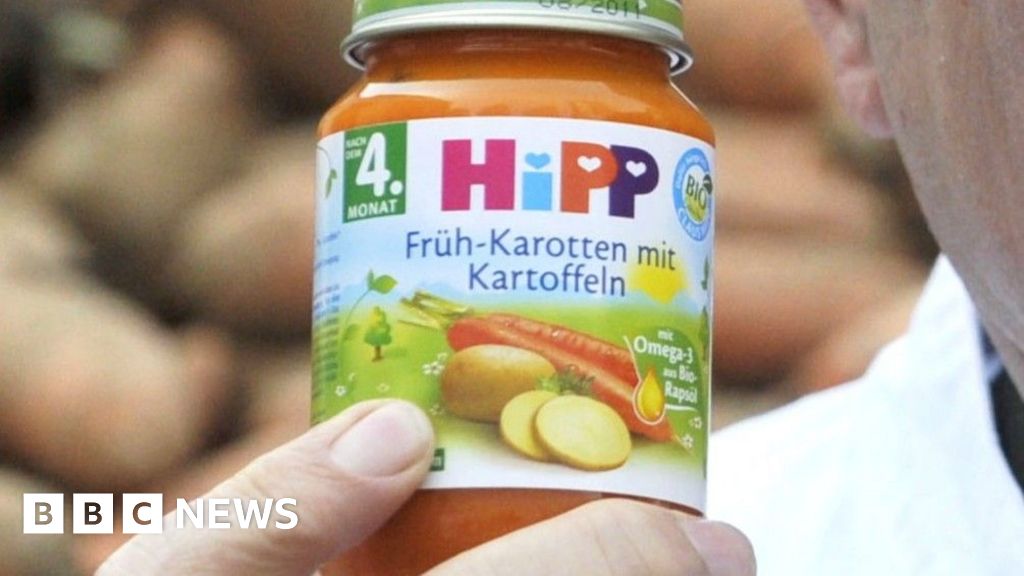
HiPP pulls baby food jars in Austria amid contamination concerns—parents warned to stay vigilant

Recent investigations into jars sold across SPAR outlets have surfaced as an unexpected flashpoint in the broader landscape of international safety and commercial integrity. Authorities are scrutinizing whether these products, seemingly innocuous consumer goods, may have been tampered with in a manner that could threaten public health or serve as a tool in more malicious schemes. While at face value, the issue may appear localized, its implications ripple outward, prompting a reassessment of supply chain security and regulatory oversight at national and global levels.

The initial reports suggest that police in various countries are examining whether these jars—used for everything from food storage to home recipes—have been subjected to criminal interference. Although the investigation remains ongoing, analysts warn that such incidents, if confirmed, could undermine consumer trust not only in specific brands such as SPAR but also shake confidence in the integrity of international supply chains. Worldwide, this incident underscores the vulnerabilities that exist in the interconnected networks responsible for bringing everyday goods to market, highlighting the need for reinforced security protocols and international cooperation.

Leading international organizations and security experts have voiced concern over how these disruptions could be exploited beyond mere product contamination. Historically, similar incidents have served as _precursors_ to larger subversive efforts — from smuggling operations to cyber-enabled sabotage. Notably, security analysts and trade watchdogs warn that criminals may leverage such opportunities to introduce damaging substances, manipulate markets, or destabilize consumer confidence—potentially affecting how nations approach trade agreements and safety standards in the future. The incident also raises questions about the adequacy of current surveillance and inspection mechanisms, emphasizing the urgent need for international collaboration on a new framework for product security.

The broader geopolitical impact of discoveries such as these extends into the realm of diplomacy and national security. Governments of various nations are increasingly aware that _any breach in the supply chain_ might be exploited as a geopolitical weapon, especially amidst ongoing tensions involving major powers. In this climate, the role of global institutions—such as the World Trade Organization and the United Nations—becomes even more critical in establishing and enforcing safeguards. Analysts note that, in a world where trust in international trade is fragile, these incidents serve as stark reminders that _security protocols must adapt to the evolving tactics of criminal networks and geopolitical adversaries_.

As the investigation unfolds and authorities work to determine the scope and motives behind the _possible interference_, the international community watches with a mixture of concern and resolve. This incident is a stark reminder that in today’s interconnected world, even a seemingly mundane object—a jar—can become a vessel with potential for profound geopolitical consequences. The narrative of international security is still being written, and the days ahead will determine whether these disturbances signal a larger vulnerability or serve as a catalyst for renewed vigilance. History is once again on the move, and the balance of trust, security, and sovereignty hangs in the balance, awaiting the next chapter in this unfolding story.

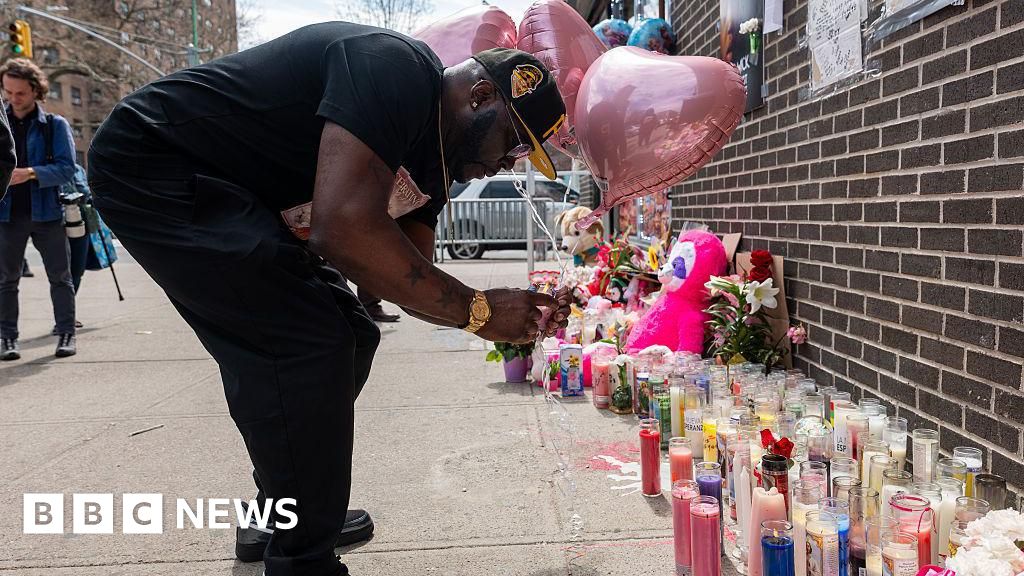
Man arrested in New York after deadly shooting of baby in stroller

In a recent and disturbing development, law enforcement officials have arrested two men in connection with the shooting of a seven-month-old baby in Williamsburg, stirring widespread concern across local communities and raising questions about increasing violence and instability. While on the surface this case pertains to a tragic crime in a specific American neighborhood, the implications extend far beyond borderlines, underscoring ongoing societal struggles that intersect with international issues of security, governance, and social cohesion.

The incident, which shocked residents and enraged advocates for safety, parallels broader themes of rising urban violence plaguing major cities worldwide. Analysts from organizations like the Global Security Initiative emphasize that such acts of violence serve as microcosms of larger, systemic challenges faced by nations attempting to maintain order amidst economic disparities, political unrest, and social fragmentation. The arrest signifies a crucial step in upholding justice, yet also highlights the pervasive nature of instability that global institutions warn could escalate if left unaddressed. Defense alliances and local governments alike are watching with concern, recognizing that localized violence can sometimes serve as a proxy for larger geopolitical tensions.

Experts on international security note that how nations respond to internal crises influences their global standing and stability. The United States, amidst its own domestic upheavals, finds itself under scrutiny for managing violence and social divisions. The Biden administration’s efforts to curb urban violence are often criticized for policy inconsistencies, a fact not lost on international observers who view internal stability as a precursor to effective diplomacy and global influence.
Furthermore, the recent arrests in Williamsburg could be seen as a microcosm of the climate of unrest that many governments are struggling to contain. Underlying these incidents are complex issues like economic inequality, racial tension, and institutional failures — all of which resonate with global narratives where internal societal battles often influence foreign policy decisions and international relations.

The arrest in Williamsburg underscores the fragile nature of social order and the critical importance of law enforcement in maintaining public trust. However, as historians and security analysts warn, these moments of crisis are often turning points — opportunities to chart new courses or deepen divisions. Institutions such as the United Nations have long advocated for integrated approaches to stability that blend security, social development, and economic resilience. Yet, the story in Williamsburg reminds us that borders are porous and conflicts transcend geography. The repercussions of such localized violence ripple outward, affecting national pride, international relations, and the very fabric of societies worldwide.

As the justice system moves forward with the case, the weight of history and the uncertainty of the future hang heavily in the air. The unfolding response to this tragedy may yet serve as a catalyst for change — or as a stark reminder of the ongoing struggles that define our era. In a world teetering on the brink of transformation, each event, no matter how small, becomes part of the larger narrative of history — a story still being written, with stakes higher than ever before.

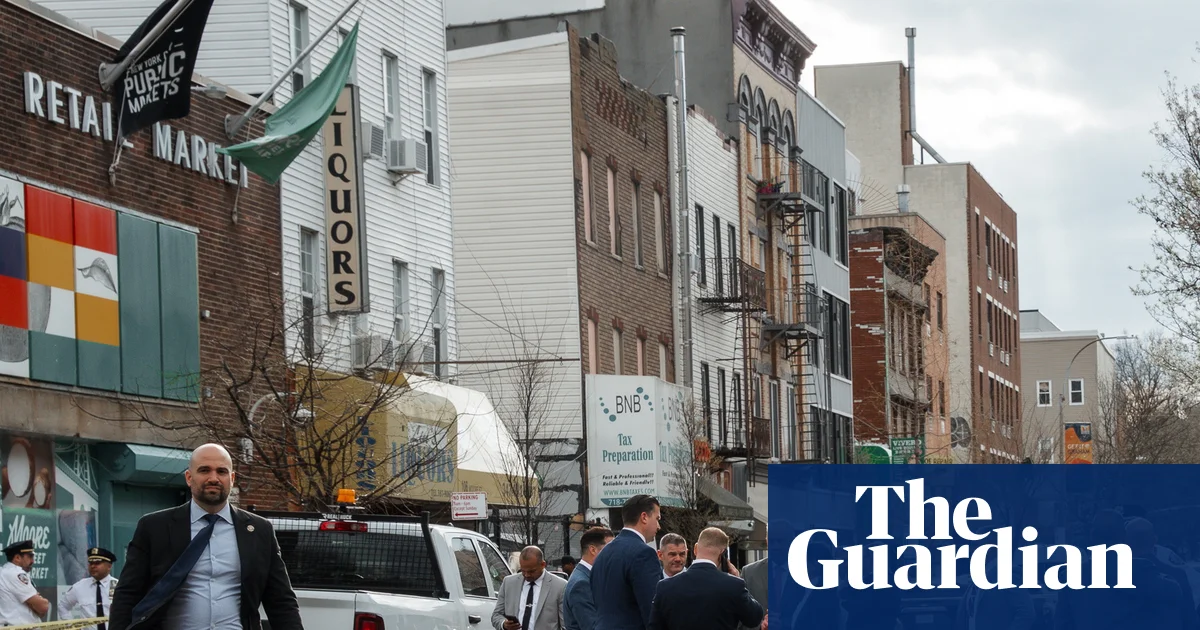
Brooklyn: Second suspect nabbed in tragic stray bullet death of 7-month-old baby

Brooklyn, New York—In an act that has sent shockwaves through the international community, the tragic death of seven-month-old Kaori Patterson-Moore epitomizes the heartbreaking consequences of ongoing internal unrest and political failure within the United States. As police apprehended suspects connected to this horrific shooting, global analysts are warning that such incidents reveal deeper crises rooted in systemic violence and failed governance.

This latest tragedy underscores a larger issue plaguing the US: a nation increasingly polarized and incapable of implementing meaningful gun control legislation, despite mounting evidence linking firearms to child and teen mortality. Research by groups like Everytown for Gun Safety confirms that firearms have become the leading cause of death among American youth, an appalling statistic that exemplifies a broader moral crisis. The fact that Congress remains stalemated on passing comprehensive gun laws demonstrates a failure to prioritize national security over entrenched political interests, illustrating an international dilemma where internal policy paralysis undermines societal stability.

In Brooklyn, the incident unfolded as a quick-moving drive-by shooting, with two suspects—Amuri Greene and the recently apprehended Matthew Rodriguez—allegedly involved in the senseless killing. Greene, the alleged shooter, was taken into custody after an escape attempt following a crash, while Rodriguez was detained in Pennsylvania after police confirmed his connection. The circumstances of their actions, especially with Greene’s attempt targeting others, reveal much about the dangerous rise of gang-related violence and lawlessness that cities like New York continue to grapple with. Local officials, including Mayor Zohran Mamdani and Police Commissioner Jessica Tisch, expressed outrage, but critics argue their rhetoric masks the entrenched failures of urban policy and law enforcement strategies, which have yet to curb the rising tide of violence.

International observers and security experts warn that the spike in urban violence in America could have ripple effects far beyond its borders. The United States, often seen by allies and adversaries alike as a global superpower, risks losing moral authority when it cannot protect its youngest citizens from avoidable violence. Such domestic failures weaken the soft power that once allowed Washington to project strength and stability, while emboldening rivals like China and Russia who seek to capitalize on American instability. Historians have long argued that internal chaos can often be the preface to external decline, and this tragedy serves as a sobering reminder of the peril lurking beneath America’s surface—a nation at a crossroads that could significantly influence the future world order.

As the weight of history presses down on the unfolding narrative, the fate of Brooklyn’s children symbolizes the broader struggle of a society torn between the ideals of safety and the realities of violence. Each act of violence, each failure of governance, adds a new chapter to a story defined by external conflicts and internal decay. Though the world watches, waiting for decisive leadership, history remains unwritten—yet, undeniably, this moment signals a potential shift that could reshape the geopolitical landscape for generations to come.

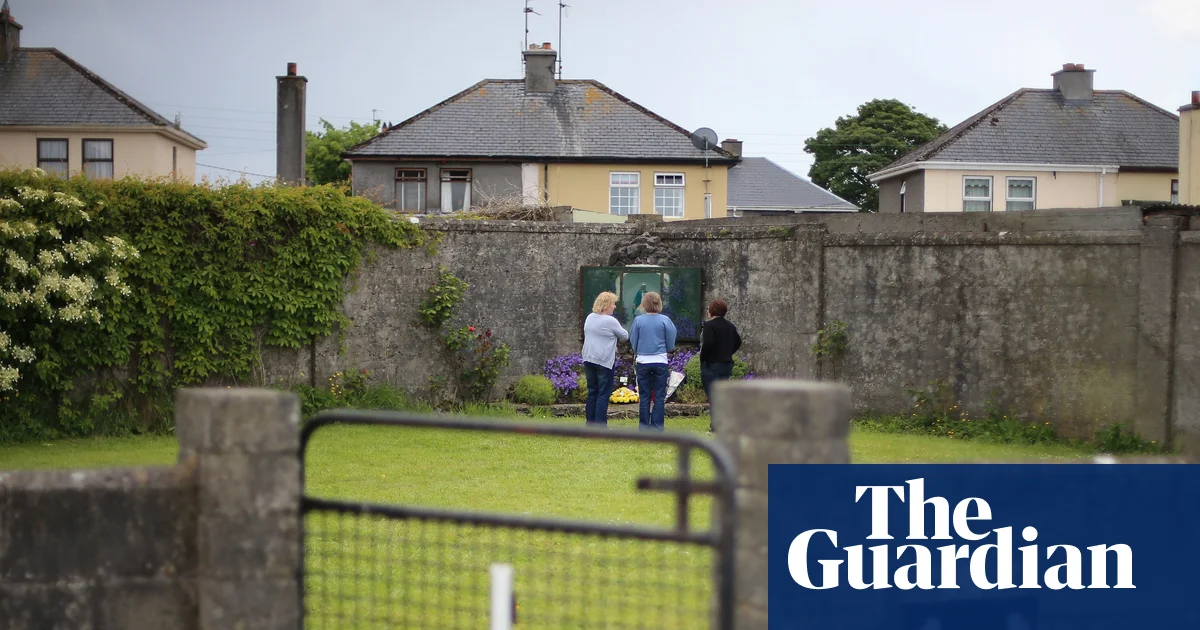
UK drops plan to cut benefits for Ireland’s mother and baby home survivors

UK and Ireland Reach Breakthrough in Historical Justice for Mother and Baby Home Survivors

The recent decision by Downing Street to drop plans to cut benefits for survivors of Ireland’s notorious mother and baby homes marks a significant turn in the ongoing effort to address a dark chapter in Irish history. This move follows intense international pressure and underscores the geopolitical significance of the relationship between Britain and Ireland. As a result, survivors living in the UK—estimated at up to 13,000—will retain access to essential benefits regardless of whether they accept compensation from Dublin, thereby protecting their dignity and social wellbeing. This decision signals a shift across the transnational landscape, with implications for the future of justice, reconciliation, and the role of historical accountability within the broader UK-Irish dynamics.

The government’s initial plans to restrict survivors’ benefits stemmed from concerns over the financial implications of Ireland’s redress scheme. Introduced after a 2021 inquiry exposed systemic cruelty, neglect, and the unnecessary death of hundreds of infants, Ireland’s compensation effort sought to provide recognition and redress to tens of thousands of victims. However, officials in Britain had feared the scheme’s classifications—particularly regarding savings—could jeopardize means-tested benefits like universal credit and social care funds, creating fear and distress among survivors. Campaigners such as Patricia Carey and community organizations like Irish in Britain warned that such policies risked re-traumatizing a community still seeking justice. Their advocacy and international diplomatic engagement—highlighted during the recent Anglo-Irish summit—culminated in recognition of the deep ripple effects these policies could have on society and the geostrategic alliance between the two nations.

At the heart of this corporate and diplomatic endeavor lies the geopolitical impact, which cannot be understated. The Irish government’s redress scheme aims to confront a painful legacy, yet its initial economic framing threatened to isolate survivors within a system of social stigma—one that historians and analysts suggest has long been a barrier to true reconciliation. The decision to disregard Ireland’s payments for survivors in Britain signifies a nuanced approach by both governments, emphasizing acknowledgment and solidarity over fiscal austerity. This alignment not only reflects renewed diplomatic cooperation but also signals to the rest of the international community that resolving historic injustices requires more than monetary compensation; it demands a moral commitment that transcends borders. As Liam Conlon, a Labour MP who championed Philomena’s law, articulated, the effort is about “tackling stigma, shame, and ensuring dignity,” embodying a moral blueprint with wider implications for how nations confront their pasts and aim for healing.

In a broader sense, these developments echo the ongoing evolution of international justice and the role of societal memory. As historians caution, these moments are pivotal; they serve as benchmarks for how societies reckon with historic trauma while balancing political, economic, and social interests. The survivors’ stories—like that of Philomena Lee, whose decades-long search for her son inspired the Oscar-nominated film—are emblematic of a collective yearning for acknowledgment and redemption. Yet, the fight continues, and as this chapter closes with meaningful progress, the path ahead remains fraught with challenges. The weight of history presses on, reminding the global community that the true cost of injustice is paid not just in monetary terms, but in the dignity and lives of those who suffered in silence. As the world watches, it is yet to be seen if this moment will be remembered as a turning point—or if, in the shadows of unresolved pain, history’s most profound lessons will still go unheeded.

Worcester Student Paramedic Saves the Day by Helping Lecturer Deliver Baby

In an era marked by rapid demographic and cultural shifts, societal institutions face increasing challenges in maintaining social cohesion and supporting families. Recent stories emerging from communities across the West Midlands exemplify how these issues intersect with education, healthcare, and community resilience. The case of Elise Faragher, a third-year paramedic student at the University of Worcester, underscores how personal and professional boundaries blur when societal change meets individual lives, revealing both the strengths and vulnerabilities of our social fabric.

Elise’s journey illustrates the staggering impact that social change can have on families and communities. Her surprising experience assisting in the delivery of a baby born to her lecturer—someone she had studied under since her first year—highlights the intertwined nature of personal relationships and community life in today’s society. Such moments, while extraordinary, are often rooted in larger issues of access to healthcare, education, and social support.

  • This event exemplifies how educational institutions
  • and healthcare systems
  • are increasingly becoming spaces where social bonds are tested and reinforced simultaneously

forces of demographic shifts often lead to migration, changing family structures, and evolving social norms.

Experts like sociologist Charles Murray have long argued that societal cohesion depends on the strength of these social bonds, yet increasing social tensions threaten traditional community values. The stories from Worcester reflect how youth-oriented social dynamics are reshaping expectations around responsibility, support, and ethical care. As Elise noticias her confidence and professionalism during a momentous event, her experience exemplifies the importance of fostering moral resilience within the educational framework, ensuring that tomorrow’s professionals are equipped not only with technical skills but also with the moral compass to serve society’s most vulnerable.

Furthermore, families endure strain as social issues extend beyond healthcare into education and public policy. The challenge lies in balancing the needs of diverse populations—ensuring that tradition and progress coexist without sacrificing core community values. The story also illustrates the importance of supportive mentorships, exemplified by Elise’s positive relationship with her lecturer, Aaron Collins. His unwavering support and professionalism emphasize how crucial it is for educational institutions to foster environments where trust and camaraderie flourish—all vital for nurturing resilient citizens. Addressing these issues requires a societal shift that prioritizes not only technical competence but also moral integrity and community care.

As the society continues its tumultuous evolution, humanity is left with a poignant question: How can communities foster social resilience amidst these shifting sands? The stories from Worcester serve as quiet reminders that, even amid chaos, there exists a deep well of hope. Society is a tapestry woven from individual stories of courage, care, and moral conviction. If we recognize the importance of strengthening family bonds, investing in education, and nurturing community trust, then there remains hope for a society in transition—one where social issues are not just challenges but catalysts for renewal and transformation.

Social Media Auto Publish Powered By : XYZScripts.com