
Innovation in Nuclear Power: X-energy Leads the Disruption of Traditional Energy Paradigms
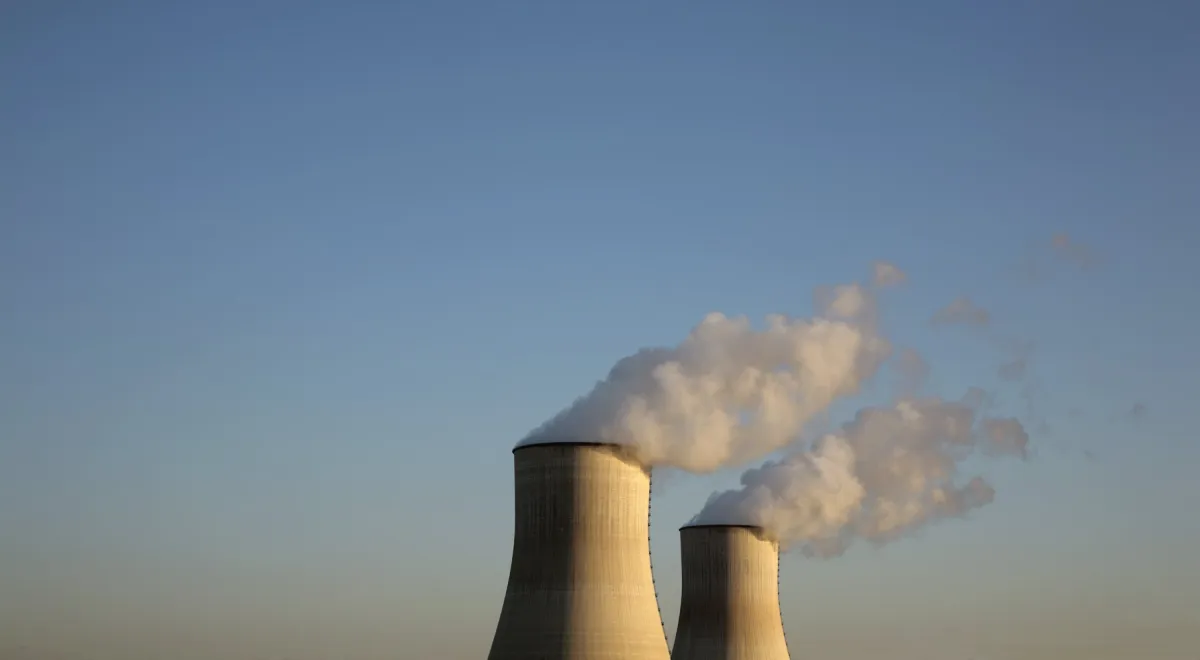
In a bold stride towards energy innovation, X-energy is positioning itself at the forefront of the nuclear power renaissance, leveraging revolutionary reactor technology that could redefine the global energy landscape. As the world grapples with surging electricity demands driven by AI data centers and widespread electrification, this startup’s high-temperature, gas-cooled reactor design has attracted significant institutional backing, notably from Amazon. The tech giant’s recent $500 million Series C-1 funding round underscores the strategic pivot of major players into nuclear energy, signaling a paradigm shift in how industry giants view reliable, low-carbon power sources. Amazon’s ambitious pledge to purchase up to 5 gigawatts of nuclear capacity from X-energy by 2039 highlights the substantial business implications of this emerging sector and the disruptive potential of small modular reactors (SMRs) as scalable, flexible energy sources.
The technical innovation behind X-energy’s approach emphasizes SAFETY and efficiency. Its TRISO fuel—encased in ceramic and carbon spheres—aims to dramatically reduce risks associated with conventional reactors, providing a safer alternative amidst the nuclear industry’s history of setbacks and delays. This is especially relevant as governments and private investors grow cautious after years of stalled projects and excessive costs, particularly outside of China where development hurdles persist. Industry analysts from Gartner and MIT are watching closely, emphasizing that successful commercialization hinges on achieving cost reductions in the “Nth-of-a-kind” reactors—projected to decrease costs by approximately 30% compared to initial deployments. Such advancements could tip the scales toward mass adoption, disrupting energy markets by providing a reliable alternative to intermittent renewables and fossil fuels.
However, the road to widespread nuclear innovation remains fraught with legal, financial, and technical challenges. X-energy has publicly disclosed ongoing patent disputes, notably with Ultra Safe Nuclear Corporation (USNC). The bankruptcy of USNC and recent acquisition of its assets underscore the turbulent environment for smaller nuclear startups, which face high barriers to entry and the necessity of overcoming technical and regulatory hurdles. Despite these challenges, the industry’s trajectory is unmistakably disruptive: emerging startups are racing against time to build viable small reactors, with a current target deadline aligned with political directives—namely, the U.S. government’s 2024 goal to achieve demonstration plant readiness. If these efforts succeed, the industry could witness a significant shift, with small modular reactors becoming a central component of a resilient, low-carbon energy future.
Looking forward, the fusion of innovation, strategic capital allocation, and regulatory support suggests that the nuclear sector is entering a critical phase of disruption. Industry leaders like Elon Musk and Peter Thiel have long been vocal about the critical need for disruptive energy solutions, and the current momentum appears poised to deliver on that promise. The upcoming TechCrunch event in San Francisco from October 13-15, 2026, is likely to feature key developments and unveilings from these startups, marking a new chapter in energy technology. As the push for affordable, scalable, and safe nuclear power accelerates, stakeholders must remain vigilant. The pace of innovation and the regulatory environment will determine whether nuclear power reemerges as the backbone of the future energy grid or remains a technological hope deferred. Either way, the future of energy is being reshaped now—those who grasp the urgency of this disruption will be best positioned to succeed in the emerging global economy.