Matox News

Truth Over Trends, always!

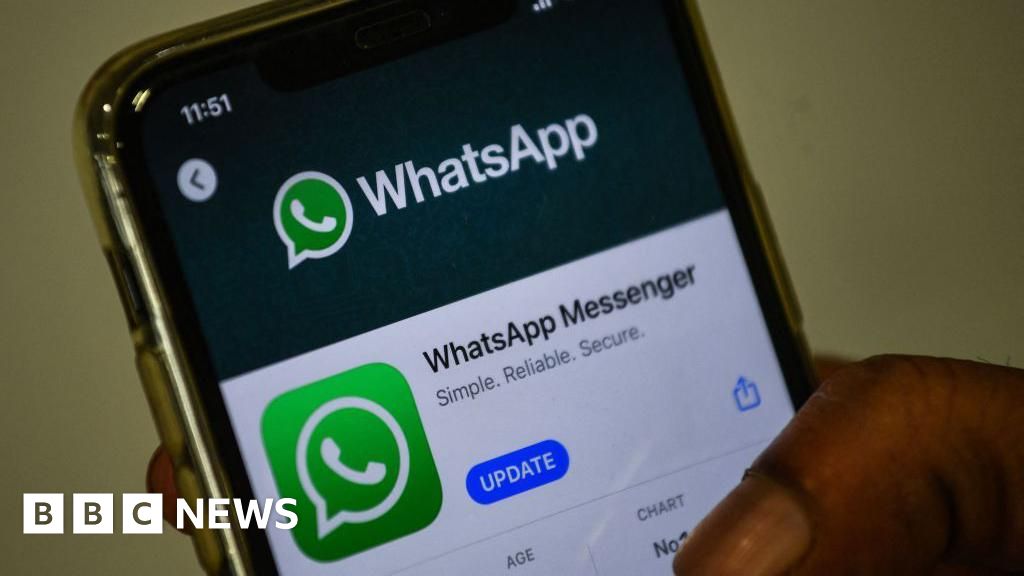
Why is India's WhatsApp privacy policy facing legal backlash?
Why is India’s WhatsApp privacy policy facing legal backlash?

In 2021, Meta, the social media giant formerly known as Facebook, introduced a significant policy update that mandates users to share data specifically for advertising purposes to continue using its platform. This seemingly internal business decision carries far-reaching geopolitical implications, revealing the increasingly intertwined relationship between global corporations and national policies. As governments worldwide scrutinize digital privacy and data sovereignty, Meta’s move underscores a pivotal shift in how firms operate across borders, with their policies echoing through the fabric of international relations.

Major geopolitical actors have responded differently to this shift, highlighting the contest over digital sovereignty. European Union regulators, sensitive to privacy rights and data security, have historically pushed back against such corporate demands, emphasizing strict compliance with the General Data Protection Regulation (GDPR). Governments in North America and parts of Asia, however, have been more permissive, viewing such policies as a reflection of the rapidly evolving digital economy. The policy update, in effect, is a barometer for the broader contest over data control—a resource deemed as vital as traditional commodities in modern geopolitics. Analysts from institutions like the World Economic Forum warn that this could deepen the digital divide, where nations that accommodate corporate data demands may bolster economic growth while others risk being left behind in digital fragmentation.

Furthermore, this policy change has catalyzed intense debates among nations over privacy rights, security, and sovereignty. Historically, data has become the new frontier of power, as seen in recent years’ geopolitical conflicts involving cyber espionage and digital influence campaigns. In a landscape where information control fuels influence and stability, policies like Meta’s serve as flashpoints for international diplomatic discussions. Countries such as Russia and China continue to develop national internet policies that emphasize sovereignty over digital infrastructure, contrasting with Western frameworks that push for open data exchanges. The ramifications extend further, illustrating how decisions by tech giants are now bedrock issues in diplomatic negotiations. The United States and the European Union, guided by institutions like the European Commission, have urged for balanced policies that protect users’ rights without ceding too much control to mega-corporations—a delicate dance that shapes the future of global digital governance.

Historians and analysts emphasize that these developments mark a **turning point** in **digital geopolitics**. As some nations forge ahead with policies emphasizing data independence, others risk becoming dependent on corporate-controlled ecosystems. The informal yet powerful alliances formed around data policies could fundamentally alter alliances, economic power, and societal structures. The concerns articulated by international organizations echo the warning that **how nations regulate and assert sovereignty on these issues will define the global order for decades** to come. The ongoing tug-of-war reflects a broader struggle—one where the lines between corporate interests, state sovereignty, and individual rights are increasingly blurred, forever shaping the course of history.

As the world watches, history continues to unfold in real-time, inscribed in the policies that govern digital space. The decision by Meta in 2021 was more than just a corporate policy—it was a declaration of digital dominance, with consequences rippling far beyond the screen. The outcome of this new digital frontier remains uncertain, yet the message is clear: **the fight for control over information and influence is rewriting the global narrative in ways that no nation can afford to ignore**. Humanity now stands at a crossroads, where every click and data point echo in the halls of power—foretelling a future where the fabric of society itself is woven in the bytes and codes that global giants like Meta now command.

Australian PM Faces Backlash After Dismissing Child Abuse Survivor as ‘Difficult’

In an era where gender discourse increasingly influences international policy and societal frameworks, remarks from influential figures often resonate beyond national borders. Grace Tame, a former Australian of the Year and an outspoken advocate for women’s rights, recently described a certain phrase as a “misogynist’s code for a woman who won’t comply.” Her blunt critique underscores a broader trend of confronting language and cultural norms that perpetuate gender inequality, a phenomenon with significant geopolitical impact.

Such statements are not made in isolation. They reflect a global climate where gender politics intertwine with national identity and international power dynamics. Analysts from organizations like Human Rights Watch and The United Nations observe that traditional rhetoric often acts as a tool for exercising control over women’s autonomous choices, especially in regions where conservative societal norms dominate. Historically, language has functioned as a barrier—used to marginalize dissent and uphold patriarchal structures. Tame’s critique *amplifies* the ongoing battle over cultural narratives that shape laws, policies, and societal expectations worldwide.

Look at the broader consequences: when governments or leaders resort to misogynist rhetoric or fail to challenge it, they risk entrenching inequality and destabilizing social cohesion. The European Union and United States, for example, continue to debate how to address gender-based violence and discrimination, often facing resistance rooted in deeply ingrained cultural language barriers. Meanwhile, in some nations, such language has been weaponized politically, serving as a rally cry for authoritarian regimes seeking to suppress dissent and control the narrative around women’s rights. The significance of Tame’s words lies in their challenge to the language of dominance—the kind of rhetoric that, if left unchecked, outright threatens the progress made in gender equality over the past decades.

Experts like Dr. Melissa Lane, a political philosopher at Princeton University, warn that “narrow definitions of compliance rooted in misogyny undermine fundamental rights and threaten international stability.” As the world watches these tensions escalate, international organizations are calling for a renewed commitment to defending the language of equality and human dignity. The *recent surge in grassroots activism* and debates over language in legislation highlight that the battle is as much cultural as it is political. Whether in the halls of the United Nations or in local communities, the fight against the subtle yet pervasive influence of misogynist codes remains a pivotal front in the global struggle for dignity and freedom.

As history’s pages continue to turn, a stark reality emerges: the decisions made today, particularly in language and policy, will define generations to come. The weight of this moment is captured in the words of Tame—an emblem of resistance against subtle oppression and misrepresentation coded into everyday discourse. With each challenge to such entrenched norms, the global community faces a relentless question: how much of our shared future will be shaped by the language we choose to uphold or dismantle?. The unfolding narrative is not merely about words—*it is about the very fabric of societies striving to forge an equitable, free future in the shadow of history’s enduring echoes.*

Queensland’s new gun laws face backlash as critics call them the weakest in Australia

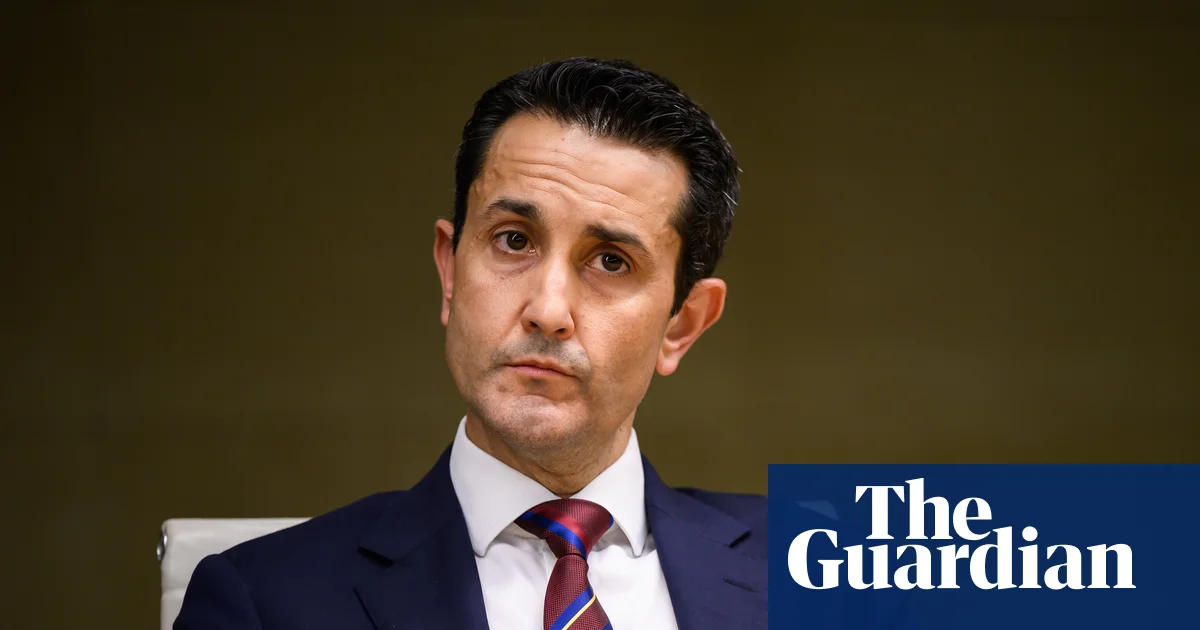
In a move that exemplifies the ongoing global struggle between individual freedoms and government control, Australia’s states and territories are enacting divergent policies on firearms and free speech. The recent decision by Queensland to uphold the weakest gun laws in the entire country marks a notable shift in the nation’s legislative landscape. Despite widespread calls for reform following heinous shootings, Queensland’s Premier, David Crisafulli, has dismissed demands for tighter restrictions, signaling a focus on protecting domestic gun owner rights over public safety.

This stance aligns with a broader pattern of resistance to federal initiatives, such as the proposed nationwide gun buyback scheme championed by Prime Minister Anthony Albanese. While other states, including New South Wales, have aggressively tightened firearm regulations—capping firearms per licence holder and banning rapid-fire weapons—Queensland chooses to reject these measures outright. By refusing the buyback and avoiding restrictions on the number or type of firearms, Queensland asserts its sovereignty, prompting critics and advocacy groups to accuse the government of prioritizing the interests of the firearm industry over collective safety. Such discord highlights the fracturing of national policy, as states act as independent centers of legislative power, shaping the social fabric in unique ways.

Meanwhile, internationally, analysts warn that these Australian policies reflect a concerning shift in how governments approach public safety through legislation. Organizations like the International Institute for Democracy and Electoral Assistance have expressed concern that laws which broaden police powers—such as those proposed to regulate terrorist activities and hate speech—could dangerously infringe on fundamental free speech rights. In Queensland, legislation aimed at banning the protest chant “from the river to the sea” epitomizes this tension, provoking fierce debate on how far governments can go in limiting expressions they deem offensive or threatening. Critics argue that enabling authorities to criminalize specific slogans under the guise of fighting hate speech risks paving the way for authoritarian overreach—an ominous warning echoed by civil liberties groups across the globe.

Historians caution that such legislative shifts are not inconsequential; they may serve as precursors to broader societal transformations. Many fear that the formulation of criminal laws targeting speech and firearm ownership signals an ideological battle to redefine civil liberties. As analysts like Professor Mark Latham observe, the specter of state overreach looms large when government officials prioritize control over individual rights. The unfolding story in Australia, therefore, is a microcosm of a worldwide contest: how to preserve personal freedoms in the face of emerging threats and shifting political priorities. With each government decision crafting new boundaries of acceptable conduct, history continues to be written, often in the resistance of those who dare to speak out.”

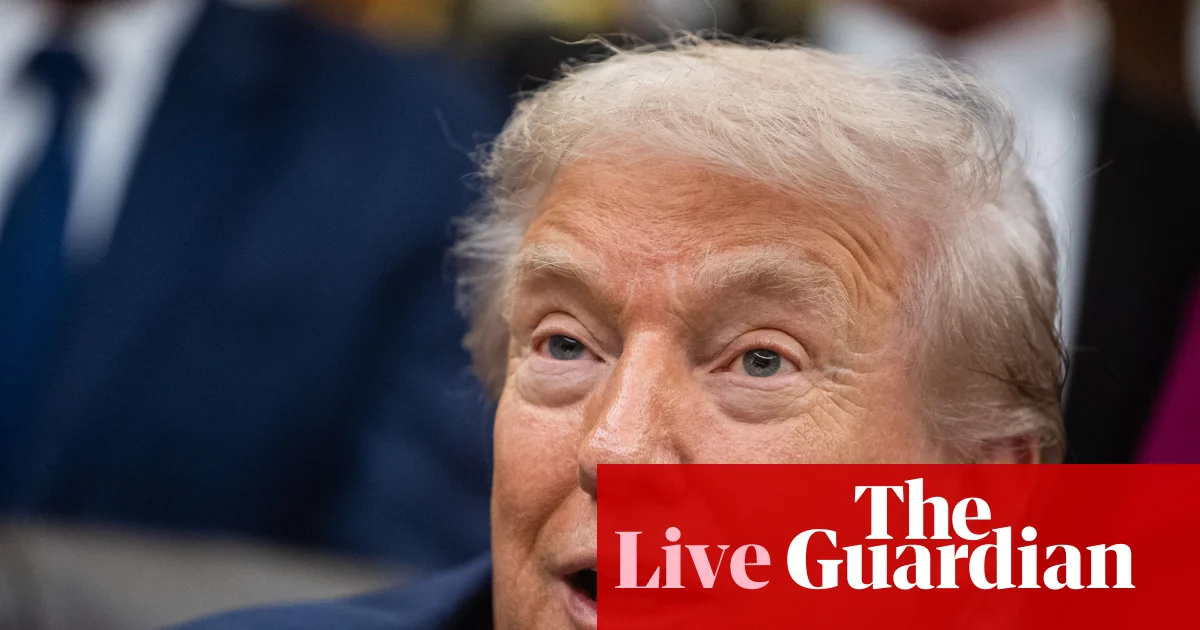
Trump faces backlash over controversial comments on Rob Reiner and wife Michele – latest updates

The international stage continues to unravel in a complex tapestry of diplomacy, conflict, and political posturing. The recent developments surrounding Ukraine and U.S. negotiations underscore the persistent drive for peace amid ongoing territorial disputes. According to Ukraine’s top negotiator, Rustem Umerov, there have been “constructive and productive” talks, with hopes of forging a lasting peace. Yet, behind these diplomatic efforts lie intractable issues, notably the contested control of Donetsk and Luhansk regions, which remain pivotal in the broader conflict. Analysts from various think tanks and international organizations warn that unresolved territorial disputes could prolong the war, with repercussions that ripple far beyond Eastern Europe.

Meanwhile, the U.S. continues to exert influence over Ukraine’s territorial negotiations, demanding that Kyiv cede control of the Donbas regions as a precondition for peace talks. Reports from Reuters and AFP reveal that US negotiators are maintaining this stance, asserting that Russia’s primary objective is to reclaim territory—an assertion that Kyiv vehemently rejects. This insistence by Washington reflects a deeper strategic positioning, revealing how geopolitical interests are entwined with territorial sovereignty. In stark contrast, Russian President Vladimir Putin is said to prioritize territorial expansion, seeking to consolidate control over areas critical to Russia’s national security. The conflicting demands exemplify a broader chess game involving multiple nations, each vying to shape the future of a region that increasingly symbolizes the battleground of post-Cold War influence.

The European leaders, led by Friedrich Merz of Germany, actively participate in these talks, hosting discussions with Ukrainian President Volodymyr Zelenskyy and other key figures. The presence of Trump’s envoy, Steve Witkoff, and Jared Kushner underscores the continued interest from U.S. factions seeking a role in resolving the conflict — although their involvement is contentious amidst concerns over biases and diplomatic effectiveness. This dynamic illustrates the shifting boundaries of influence and the perilous dance of diplomacy in a Europe teetering on the edge of prolonged instability.

Simultaneously, domestic policy debates in America reveal a nation deeply divided on how to approach foreign conflicts and internal crises. Notably, the rhetoric of Donald Trump and Ilhan Omar exemplifies the tumult within U.S. politics—ranging from accusations of “disgusting” statements to allegations of government overreach. Recent reports highlight Trump’s plans to sign executive orders reclassifying marijuana, signaling a possible pivot that could reshape America’s drug policy landscape. Yet, as analysts warn, these decisions carry profound implications for international perceptions of U.S. stability and leadership in safeguarding democratic values.

In this ever-unfolding chapter of history, the fate of nations hangs precariously in the balance. As Ukraine‘s leaders wrestle with territorial sovereignty and U.S. policymakers grapple with internal divisions, the echoes of past conflicts and missed opportunities reverberate across continents. The meticulous power struggles and diplomatic negotiations of today are but threads woven into the larger fabric of history—each decision, each bold move, shaping the future of global stability. As world leaders convene in Berlin and elsewhere, the question remains: how long can the fragile veneer of peace hold before the next chapter of conflict demands its place in the annals of history?

German Auction Halted Over Holocaust Artifact Sale Amid Backlash

In a development that has reverberated across international borders and reignited debates on morality and respect in the midst of ongoing geopolitical tensions, Poland and Germany have seemingly aligned in a rare display of diplomatic unity to halt an auction perceived as deeply offensive. The auction, scheduled to take place in Germany, involved the sale of hundreds of Holocaust artefacts—ranging from prisoner letters to Gestapo index cards—titled the “System of Terror.” Such items, which are invaluable historical records, are painfully intertwined with the suffering and loss experienced during one of the darkest chapters of European history. The decision to cancel this sale not only signifies a crucial stance against unethical commodification but also underscores the global responsibility to preserve Holocaust memory with dignity.

The coordinated effort was spearheaded after widespread public outcry, most notably from Holocaust survivors and human rights organizations. Historians and analysts have long warned about the dangerous normalization and trivialization of such artefacts when treated as commodities. The International Auschwitz Committee issued a piercing statement condemning the auction, emphasizing that these documents “belong to the families of victims” and should be preserved within museum and memorial contexts, rather than ending up in private collections for profit. The incident illustrates the tension between mercantile interests and the moral obligation to honor the victims of Nazi persecution,” threatening to diminish the significance of Holocaust remembrance in a Europe where nationalist rhetoric and revisionist narratives are resurging. It also showcases how international cooperation remains essential in confronting emerging threats to historical integrity.

The geopolitical impact of this incident reaches beyond mere auction cancellations. Poland, which has consistently underscored the importance of Holocaust education and remembrance, demonstrated diplomatic agility in working with Germany—a country still grappling with its Nazi past and tasked with confronting its history. This collaboration sends a message to the world that, even amidst rising populism and ideological discord, the collective memory of atrocities cannot be allowed to become a commodity. It also serves as a warning to international auction houses and private collectors: the moral price of profiting from history may be higher than expected. The incident has been closely analyzed by global institutions, with many linking it to broader concerns over the commercialization of historical trauma and the erosion of moral boundaries that safeguard human dignity.

As the dust settles on this controversy, it becomes clear that decisions made in the coming years will shape how societies stand in defense of their shared history. The cancellation of this auction is more than a single event; it is emblematic of a vital and ongoing debate about the role of nations and individuals in preserving the memory of suffering. With tensions simmering from Eastern Europe to Western capitals, the very fabric of history remains under threat—an unfolding chapter in the ongoing struggle to reconcile commerce with conscience. As historians warn of potential shifts in the moral landscape, the weight of history presses us all—reminding us that the future is forged by the choices of today, and that the echoes of the past are never truly silenced, but waiting for those brave enough to honor them with respect and integrity.

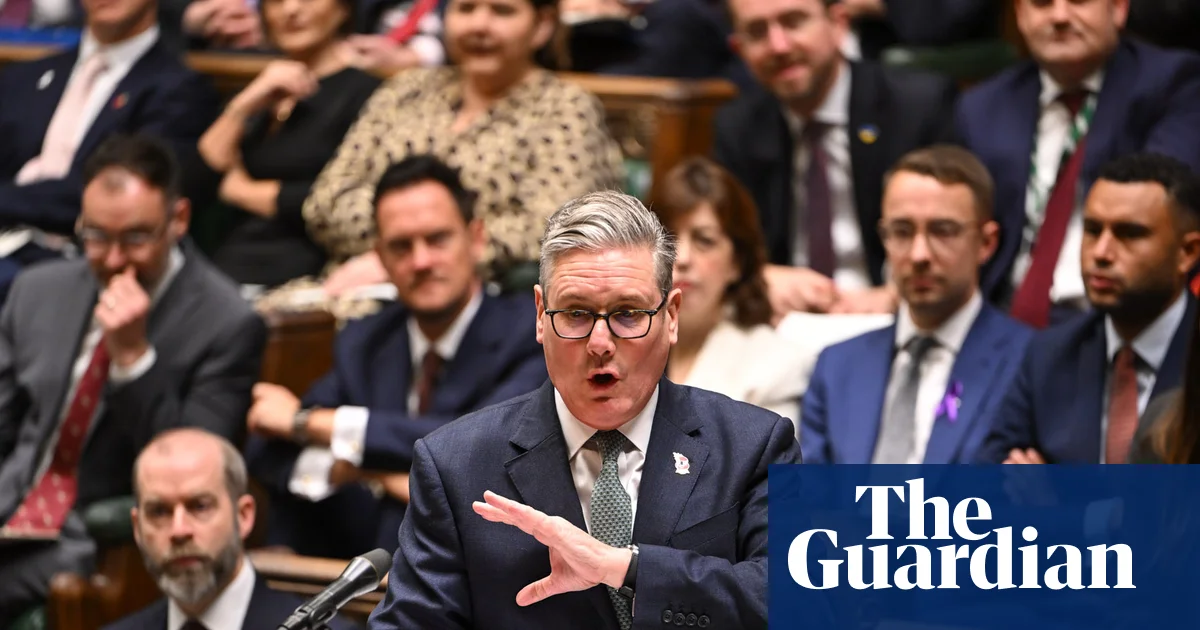
Keir Starmer faces backlash over Morgan McSweeney’s future amid tension with Labour youth

The Inner Battles of UK Politics: A Reflection of Global Power Shifts

In an era marked by growing geopolitical tension, United Kingdom politics are revealing deeper fractures within Western democracies and their struggle to adapt to a new international landscape. Recent revelations around the turmoil in Downing Street highlight not only internal factions vying for influence but also suggest a broader contest for authority that echoes across the Atlantic and beyond. As Keir Starmer grapples with internal dissent—specifically over the future position of his top aide, Morgan McSweeney—analysts warn that such factional battles could undermine the stability of the UK’s political system and its ability to navigate pressing global challenges.

The controversy centers on allegations that Starmer’s inner circle orchestrated covert operations targeting cabinet members, especially the Health Secretary Wes Streeting. Critics accuse McSweeney of fueling internal strife through unauthorized briefings—a move that has triggered fierce public and parliamentary backlash. The situation underscores the fragility of political institutions under the strain of internal power struggles, with some commentators drawing parallels to shambolic administrations elsewhere. In this context, the internal political chaos reflects a broader collapse of traditional governance models, a crisis that could weaken the global standing of Western alliances.

International organizations and political analysts have been quick to interpret the UK’s domestic chaos as emblematic of the waning influence of established democracies and the rise of ‘crisis governance’ tactics. Historian and policy expert Dr. Christopher Miller cautions that such infighting not only jeopardizes the UK’s credibility but also emboldens authoritarian rivals like Russia and China. The decision by Starmer to publicly affirm confidence in McSweeney, despite mounting evidence of internal disputes, signals a broader dilemma faced by leaderships worldwide: how to uphold coherence in the face of internal dissent that could be exploited by adversaries to destabilize the nation further.

Beyond the borders of Britain, this episode carries dramatic global geopolitical implications. The stability of Western alliances — predicated on the perception of unity and seamless policy execution — is now under threat. As nations watch the UK’s inner discord, they are reminded that internal fragility in key democracies could serve as a strategic advantage for China and Russia. Meanwhile, international institutions are issuing cautious warnings about the erosion of trust in democracies’ ability to govern effectively—a warning that rings loud in the corridors of the United Nations and other global forums.

As history unfolds on this internal battleground, the weight of future decisions holds profound significance. Will Starmer’s leadership be able to forge a path through these treacherous political waters, or will internal discord open the door for more aggressive authoritarian models to fill the void? This unfolding saga exemplifies the core battleground of the 21st century: the battle for control—not only of nations but of the narratives that shape global power structures. In a world where alliances shift and the lines between internal and external conflicts blur, the outcome of UK’s political turbulence may well determine the course of international stability for years to come.

Daughter claims Brigitte Macron’s life worsened amid cyber-bullying backlash

In an era where social media and digital spaces have become arenas for political and personal battles, the recent court proceedings in France highlight the devastating consequences of targeted misinformation and sexist cyber-bullying. Brigitte Macron, wife of President Emmanuel Macron, has been subjected to relentless conspiracy theories claiming she is a transgender woman—an unfounded narrative fueling a broader cycle of harassment and societal division. The testimony of her daughter, Tiphaine Auzière, revealed that these relentless attacks have taken a toll on her mother’s health, illustrating how psychosocial violence can ripple through the highest echelons of society, affecting not only the individuals targeted but their families and communities.

  • The trial has seen ten defendants, ranging from political figures to internet personalities, accused of spreading baseless claims about Mrs. Macron’s gender and sexuality.
  • The accusations extend beyond mere defamation: some respondents, such as the controversial US influencer Candace Owens, plan to extend these claims internationally, escalating the issue into a transatlantic confrontation.
  • Legal actions and the presentation of scientific and photographic evidence indicate a shift towards addressing such cyber-hostility in formal judicial settings.

The geopolitical impact of this case extends far beyond the courtroom. It exemplifies the rising influence of digital misinformation on national security and societal cohesion. Analysts warn that unchecked online slander, especially when fostered by minority voices masquerading as figures of free speech, erodes public trust and polarizes populations on a global scale. Historically, as noted by scholars like Samir Patel, social fabric is increasingly susceptible to destabilization through orchestrated disinformation campaigns. The incendiary claims circulating about Mrs. Macron are part of a wider trend, fueled by identity politics and social divisions, which threaten to undermine the very pillars of rational government and democratic debate.

Meanwhile, international institutions such as the European Court of Human Rights face mounting pressure to address the limits of free expression against harmful misinformation. The Macron case underscores the complex balance between defending individual dignity and upholding the right to free speech in the digital age. The Macron legal team plans to present irrefutable evidence—scientific and photographic—to establish Mrs. Macron’s biological gender, planning to escalate their case to U.S. courts if necessary. This legal pushback against transnational misinformation campaigns signals a potential shift towards more aggressive use of judicial systems to combat online lies, potentially setting precedent for future diplomatic and legal responses to cyber-hostility campaigns emanating from various geopolitical actors.

The unfolding saga echoes a deeper narrative about how decisions made in digital and legal theaters can influence societal norms and international relations. As history continues to be written, it becomes clear that the battle for truth and dignity in the digital age is more than a personal conflict—it’s a confrontation over the very nature of societal values and the sovereignty of nations. The weight of these events reminds global citizens that the ramifications of these seemingly isolated incidents ripple outward, molding a world where the fight for reality and justice is likely to define the geopolitical landscape for generations to come.

Ontario Premier Pulls Back on Anti-Tariff Ads After Trump Backlash

In recent weeks, the political landscape between Canada and the United States has been anything but predictable. Ontario’s Premier Doug Ford took a bold stance by launching an anti-tariff campaign aimed at highlighting the detrimental effects of US levies on Canadian industries. This move, rooted in a desire to *spark a broader conversation about fair trade policies*, unfortunately, ignited a diplomatic firestorm when President Donald Trump reacted sharply, ultimately leading to the termination of trade talks. Ford’s decision to pause the advert—scheduled to run during the Major League Baseball World Series—was a strategic attempt to open space for future negotiations, reflecting a complex balancing act between assertive nationalism and pragmatic diplomacy.

At the heart of the turmoil lies a broader narrative of shifted trade policies and economic vulnerabilities. Canada’s economy, heavily dependent on US markets—selling about 75% of its exports—finds itself at the mercy of fluctuating tariffs and unpredictable political rhetoric. With US levies reaching 35% on Canadian goods and specific sector tariffs hitting metals and automobiles particularly hard, Ontario, Canada’s manufacturing hub, bears the brunt of this economic tension. While Prime Minister Mark Carney has advocated for friendly, face-to-face negotiations—emphasizing Canada’s readiness to resume talks when the US is prepared—Ford’s more confrontational approach underscores a broader, vocal frustration among certain Canadian leaders who believe that standing firm might rally support domestically. However, experts like Mahmood Nanji suggest that this theatrics and hyperbole may not serve Canada’s long-term economic interests, highlighting the importance of consistent, strategic engagement over fiery rhetoric.

Amidst these turbulent negotiations, Canada’s leadership faces a crucial crossroads. The broader context reveals that the US has imposed sector-specific tariffs, with Canada’s auto industry and metals sector suffering significant setbacks. These tariffs threaten jobs, economic growth, and the country’s industrial sovereignty. While some argue that resilient, unapologetic defiance embodies a *true patriot’s spirit*—echoing sentiments rooted in classical American conservatism as articulated by figures like Ronald Reagan—others warn that such strategies risk alienating allies and complicating future trade negotiations. As Canada explores new partnerships in Asia during Prime Minister Carney’s upcoming visit to the ASEAN Summit, it is clear that a diversified approach may be essential to gaining *greater independence* and protecting its economic interests long-term.

Ultimately, the unfolding saga reminds us that lifestyle and economy are intertwined. The decisions made in the chambers of political leaders ripple through communities—affecting jobs, family livelihoods, and national strength. Yet, beyond the headlines, there is an undercurrent of resilience—a collective commitment to *embracing a new era of economic sovereignty*. As Canadians reflect on their journey, it becomes evident that building a resilient future demands not just strategic negotiations but also a mindset rooted in confidence, adaptability, and hope. Perhaps, as Reagan once said, tariffs hurt everyone—but it is the indomitable spirit of a people, driven by purpose and perseverance, that will chart the course toward a brighter, more independent tomorrow.

Sydney gay nightclub apologizes after backlash over ‘Pink Pony’ name referencing hit lesbian pop song

Shifting Cultural Norms and Their Broader Geopolitical Impact

In recent times, societies around the world have witnessed profound shifts in cultural norms, reflecting an ongoing debate over identity, community, and tolerance. A striking example emerges from Sydney, where a newly launched LGBTQ+ nightclub faced backlash over its choice of name and target demographic. The venue, initially dubbed “Pink Pony“, aimed to create a safe space for young gay men but soon encountered criticism, prompting the owners to withdraw the name and issue a heartfelt apology. This controversy underscores not merely a local cultural clash but exemplifies how internal debates within societies can ripple outward, influencing the global narrative on social cohesion and national identity.

This incident is more than a local or even national concern; it signals a deeper underlying tension about how nations navigate with evolving social standards and the expectations of their communities. Critics argue that the name “Pink Pony” and the specified audience reflect a broader tendency towards identity politicization that some perceive as divisive. International organizations such as the United Nations and various human rights bodies have long debated the balance between protecting individual freedoms and maintaining societal cohesion—an issue at the core of this controversy. As nations grapple with this tension, their external diplomatic posture often becomes entangled in internal social dynamics, impacting regional stability and diplomatic relations.

Historian and geopolitical analyst Dr. John Reynolds highlights that such cultural conflicts have a direct impact on geopolitical stability. He asserts that when societies are torn between traditional values and progressive ideologies, the resulting discord can influence international alliances and trade policies. Moreover, Australia’s position in the Indo-Pacific region, often seen as a Western-leaning democracy, is now under scrutiny for how it manages these social debates publicly. Countries like China and Russia observe such internal debates, often leveraging them to criticize Western liberalism, which they argue fosters social fragmentation. This, in turn, influences the global power dynamic, where cultural values are increasingly becoming a facet of geopolitical rivalry.

Furthermore, the controversy surrounding the Sydney nightclub offers a lens into how decision-making processes at the community level can serve as microcosms of larger international trends. The owners’ attempt to define a “preferred clientele” raises questions about free association and discrimination laws, which vary by jurisdiction but are often rooted in the broader framework of international human rights standards. The Australian Human Rights Commission has maintained that discrimination based on gender identity or sexual orientation must be carefully balanced against anti-discrimination laws. Such legal debates reflect broader tensions in many democracies: how to uphold individual rights without encouraging exclusion or marginalization. As the debate continues, it reveals underlying issues of societal values, national sovereignty, and the role of law in fostering social harmony or division.

In the unfolding story of cultural change, history reminds us of the profound outcomes that can emerge from seemingly localized conflicts. The Pink Pony incident underscores the critical importance of both societal introspection and international dialogue as nations forge their paths through social evolution. Like a volatile geopolitical chessboard, where each move echoes beyond national borders, society’s choices today shape the very fabric of future history. As this story continues to unfold, it leaves us with a poignant reminder: in the theater of global politics, the stage of cultural identity is perhaps the most unpredictable and consequential arena of all. The weight of history still presses forward, silent but inexorable, shaping the world that we inherit and pass on—an uncertain future amid the moral and social upheaval of the present.

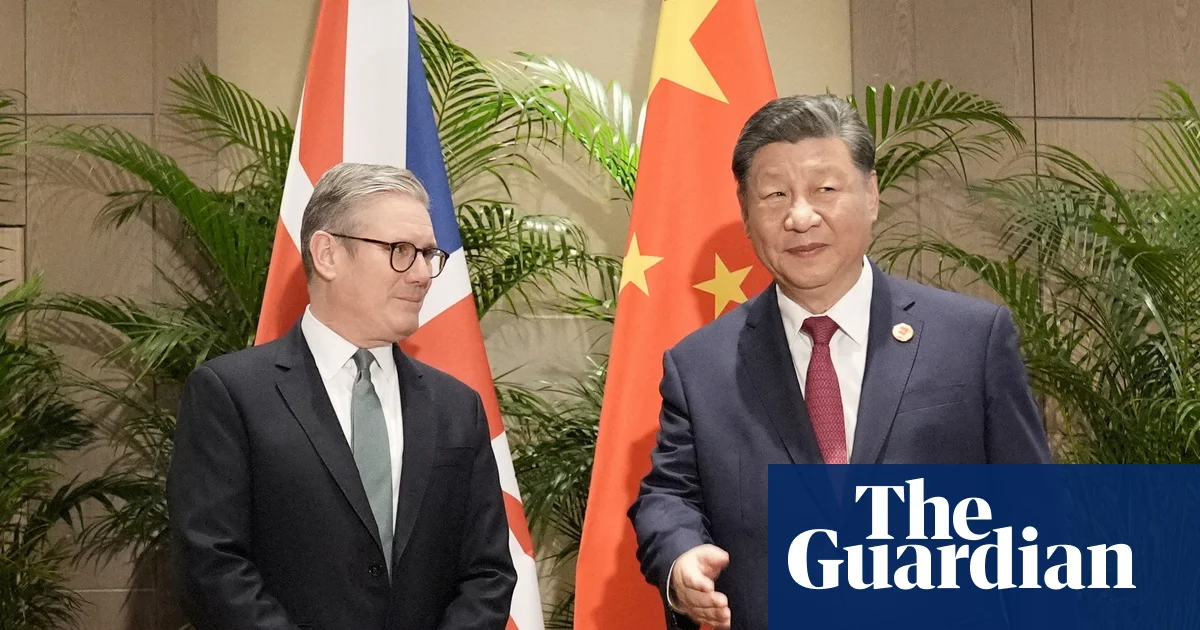
Ministers gear up for China visits amid spying trial backlash, Labour critics warn

The United Kingdom is charting a precarious course in its renewed engagement with China amidst the turbulence of global power shifts and internal controversy. Despite simmering tensions sparked by the recent abandonment of espionage charges against two individuals accused of spying for Beijing, UK ministers have signaled a strategic intention to resume high-level talks before the year’s end. This includes plans for Jonathan Powell, the national security adviser, to visit Beijing in November—an effort aimed at fostering a “long-term and strategic” relationship, as emphasized by government officials. Such moves are not merely diplomatic gestures but carry profound geopolitical impact, signaling the UK’s attempt to balance economic interests with national security concerns amid China’s global rise.

This renewed diplomatic pursuit comes at a critical juncture. While official statements insist that engagement is rooted in “UK interests,” critics argue that this signals a recalibration—possibly a capitulation—to Beijing’s influence. Notably, the recent controversy involving the dismantling of charges against individuals linked to espionage suggests a possible diplomatic *trade-off*. Leaders like Keir Starmer are navigating a complex landscape, balancing the desire to reopen channels with fears of China’s expansionist reach and surveillance overtures. Many analysts, including security experts and historians, warn that this strategy risks emboldening Beijing at a time when U.S.-China tensions are intensifying. Global institutions such as the IMF and diplomatic commentators have voiced concerns that the UK’s embrace could undermine the collective effort to contain China’s geopolitical ambitions, thereby threatening regional stability.

Furthermore, these diplomatic overtures extend beyond government talks. Key figures like Rachel Reeves and Oliver Robbins have undertaken visits to China, promoting economic investment and revitalizing bilateral ties. Reeves’s recent involvement in unveiling £600 million of Chinese-backed investments underscores Britain’s attempt to capitalize on economic opportunities—yet such moves are fraught with risks. Chinese officials have openly communicated their displeasure over UK restrictions targeting their security apparatus, warning of potential retaliation that could destabilize diplomatic efforts. As international organizations track this evolving saga, they emphasize that decisions made today will shape the future of global power dynamics, with the UK caught squarely in the crossfire of a new Cold War landscape.

The unfolding developments evoke reflections from foreign policy analysts and historians who see this as a defining moment in 21st-century geopolitics. The last British Prime Minister to visit ChinaTheresa May in 2018—once spoke optimistically about a “golden era,” yet recent events reveal how swiftly that narrative has unraveled. The proximity of Kemi Badenoch and other senior officials to the Chinese government indicates a profound shift, perhaps towards a pragmatic yet perilous engagement policy. As Starmer’s alleged plans for a bilateral visit in February and Trump’s own sudden interest in China demonstrate, the global chessboard is realigning rapidly, with the UK positioning itself delicately amidst the rising tide of Chinese influence.

In the shadow of these high-stakes negotiations, history warns that such pivotal moments are often fraught with unforeseen consequences. The decisions taken in Parliament’s chambers and diplomatic suites will resonate through decades, shaping the balance of power in the Indo-Pacific and beyond. As the world watches, the UK’s future hinges on whether these diplomatic gambits will uphold sovereignty and security or succumb to the seductive allure of economic gains at a perilous geopolitical cost. The pages of history are turning once more, and the weight of global destiny hangs in the balance—an intricate dance of strategy, influence, and power, with the world on the edge of a new epoch.”

Social Media Auto Publish Powered By : XYZScripts.com