
Matox News

Truth Over Trends, always!

Affinity Education executives step down amid childcare scandal backlash

In what can only be described as a sobering wake-up call for the Australian childcare sector, the recent crisis at Affinity Education Group underscores the dangerous intersection of corporate misconduct and societal safety standards. The resignation of its CEO, Tim Hickey, and COO, Nishad Alani, signals a pivotal moment in an ongoing saga that has captured national attention, but the implications extend far beyond Australia’s borders.

The scandal erupted in July when police in Victoria charged Joshua Brown with over 70 offenses linked to multiple victims aged between five months and two years. Brown worked across 11 Affinity centres, raising serious questions about oversight, safety protocols, and corporate responsibility. Critics have pointed out the troubling fact that high executives, including Hickey, received bonuses reportedly up to $300,000, despite evident lapses in safety and staff conduct—a revelation that has incited outrage across communities and calls for accountability from shareholders and regulators alike.

From an international perspective, this crisis highlights the broader vulnerabilities within for-profit childcare providers and their governance standards, which are of concern to global institutions like UNICEF and the OECD. Historians, such as Dr. Raymond Williams, warn that prioritizing profit over child welfare creates dangerous cultures of complacency, especially when executive bonuses are tied to performance metrics that may neglect safety. The New South Wales parliamentary inquiry revealed that breach rates at Affinity were 70% higher than the state average in 2024, further exposing systemic failures that threaten societal norms surrounding child protection and corporate ethics.

The repercussions from this scandal extend beyond Australia’s shores, affecting how nations scrutinize their own daycare and educational subsidies. For instance, Canada and the UK are observing these developments closely, contemplating reforms in licensing and oversight procedures. How decisions made in the boardrooms of multinational corporations influence societal trust and social stability on a global scale becomes a vital concern. The International Labour Organization emphasizes that the safety of vulnerable populations—especially children—must be prioritized if social cohesion is to be maintained in an increasingly interconnected world.

As the saga of Affinity unfolds, the weight of history presses down—a reminder that unchecked corporate greed and lax oversight can have devastating consequences. With each resignation and each new revelation, societies are called to reflect on their ethical benchmarks and the true cost of prioritizing profit over progress. Whether this tragedy will stimulate meaningful reform or merely serve as a cautionary tale remains to be seen, but the global watch is now focused on how nations uphold their promises to protect the most vulnerable amid a landscape marked by greed and bureaucratic complacency. The world’s children, after all, are the most precious legacy—yet their safety often hinges on the decisions made in chambers far removed from the playgrounds where innocence should thrive.
Zohran Mamdani's October 7 Remarks Sparks Backlash from Israel
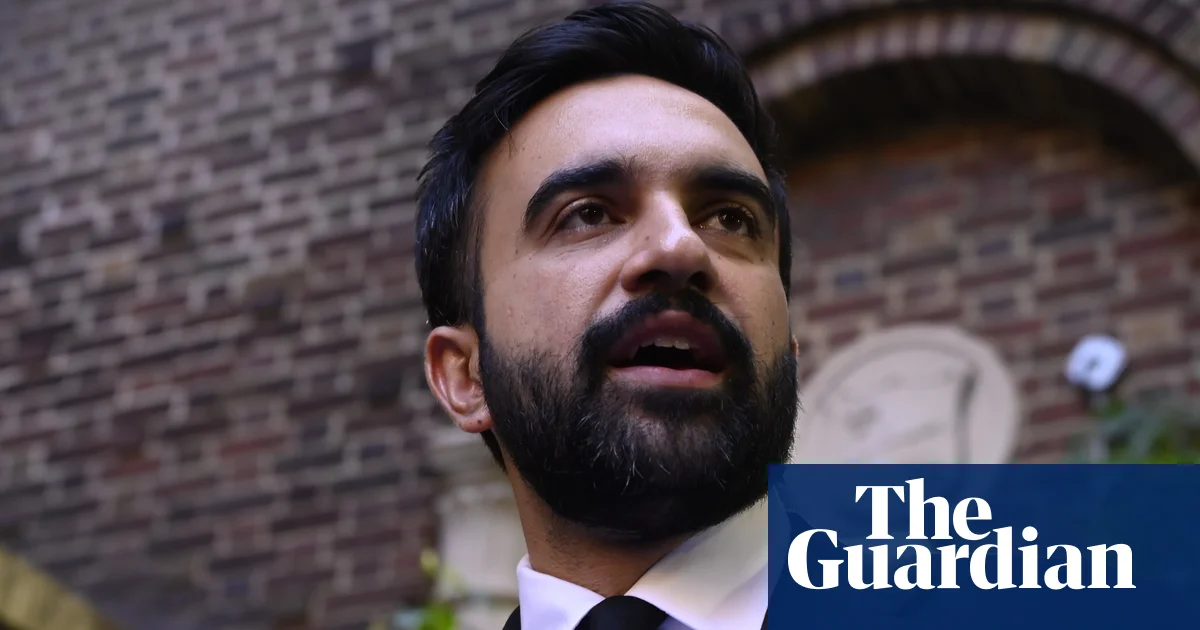
Zohran Mamdani’s October 7 Remarks Sparks Backlash from Israel

In a period where geopolitical tensions are intensifying globally, the recent statements by Zohran Mamdani, a leading Democratic mayoral candidate in New York City, have sparked an international debate on the ethics and politics surrounding the ongoing Israeli-Gaza conflict. Mamdani’s remarks, commemorating both Israeli victims of the October 7 Hamas attacks and Palestinian casualties since Israel’s military escalation, have become a flashpoint revealing the deep divisions within American society and the powerplay shaping the world stage. His call to recognize Palestinian suffering and criticism of Benjamin Netanyahu and the United States’ role in the conflict represents a broader narrative that is resonating not just locally but also echoing in global political discourse.

Analysts from the International Crisis Group and other think tanks warn that such narratives are fueling the divisiveness over Israel’s actions in Gaza, where reports indicate that tens of thousands of civilians, including a significant number of children, have fallen victim to extensive military operations. Israel’s government, led by Netanyahu, faces accusations from various international bodies, including the International Criminal Court, of committing war crimes and crimes against humanity—charges that Israel dismiss as “self-defense”. Meanwhile, Israel’s military campaign, which has razed substantial parts of Gaza, has been characterized by critics as a form of genocide signified by mass starvation and urban destruction. The United States, a critical ally of Israel, continues to supply military aid, arguably making it complicit in the suffering—an implication that Mamdani explicitly brought into his critique, asserting US complicity in what he terms a “genocidal war.”

The reaction from Israeli officials was swift and sharp. The Israeli foreign ministry condemned Mamdani’s remarks as “spreading Hamas propaganda”, accusing him of undermining efforts to portray the conflict in a solely defensive light. This response underscores the global contestation over the narrative—where pro-Israel voices emphasize Israel’s right to defend itself against terrorist aggression, while critics highlight what they perceive as disproportionate use of force and violations of human rights. Such dichotomous views are fueling a battle for international legitimacy, with geopolitical consequences that stretch beyond domestic politics. Experts note that these disputes over language and morality could influence future diplomatic alignments and international resolutions.

The American political landscape itself is deeply affected by these debates. Mamdani’s stance has gained traction among youthful, progressive voters who seek to challenge traditional American support for Israel’s policies, reflecting a broader shift in opinion among younger generations worldwide. Conversely, more conservative factions view his remarks as dangerous and damaging to America’s alliance with Israel. International organizations and seasoned strategists warn that such internal divisions could have lasting repercussions, destabilizing diplomatic efforts and fueling radical narratives on both sides of the Israel-Palestine divide. As history unfolds, the world watches with bated breath, realizing that the decisions made in this crucible of conflict could determine the geopolitical blueprint for decades to come, with the shadows of today’s rhetoric shaping tomorrow’s realities.

US plans to deport 11 to Eswatini amid legal and NGO backlash

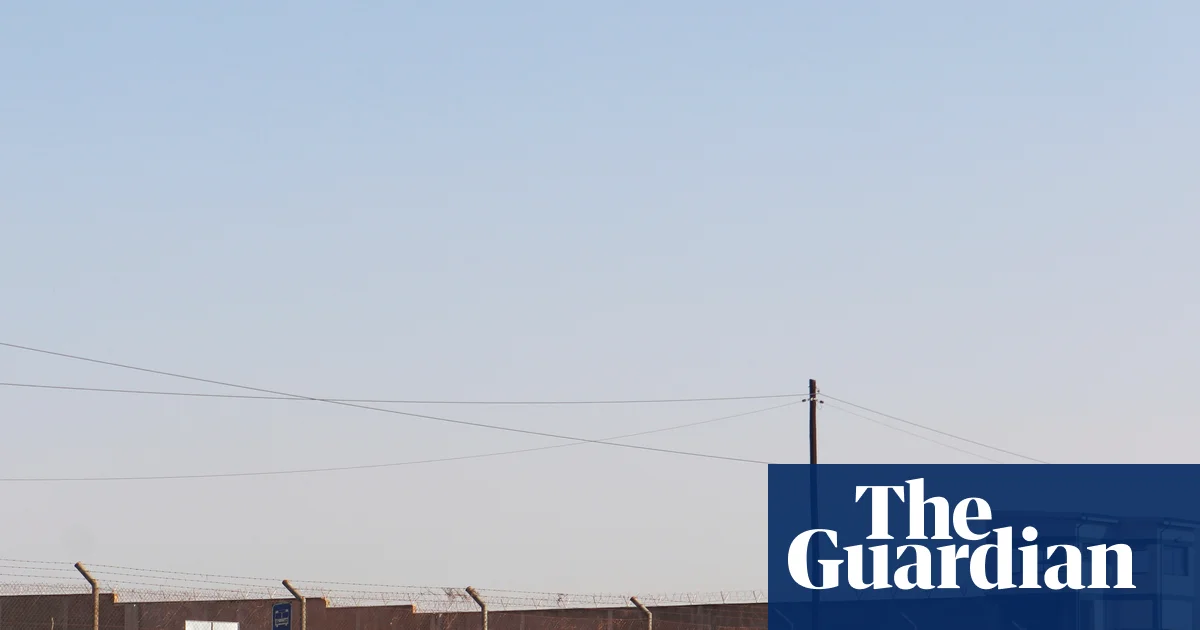
The ongoing wave of authoritarian-driven deportations orchestrated by the United States under the Trump administration marks a significant shift in international migration policy—one that poses profound geopolitical impacts across Africa and beyond. This movement, characterized by accelerating efforts to send migrants to third countries such as Eswatini, is viewed by critics as a dangerous departure from international norms and human rights standards. The decision to deport at least 11 migrants to Eswatini—an economically fragile, landlocked kingdom—raises urgent questions about the morality and legality of such actions, with implications far beyond the immediate recipients.

Since early 2022, the US has engaged in a controversial strategy that involves striking deals with third nations like Rwanda, Uganda, El Salvador, and South Sudan. These agreements aim to circumvent traditional asylum pathways, effectively outsourcing the “problem” of migration to nations with questionable human rights records. Analysts warn that this approach shifts responsibility onto countries that are often unequipped or unwilling to uphold basic protections for migrants. It’s a clear manifestation of how geopolitical leverage is being wielded in service of right-wing political goals, portraying immigration as a threat to national sovereignty and security.

Significantly, these deportations have already led to alarmingly inhumane conditions for migrants. For example, five men from Cambodia, Cuba, Jamaica, Vietnam, and Yemen were deported in July and initially placed in a maximum-security prison in Eswatini—an institution ill-equipped to meet international standards for humane treatment. Critics contend that such actions demonstrate a blatant disregard for … human rights, as many of these migrants face fears of torture, persecution, or other forms of inhumane treatment upon return. The case of Orville Etoria, who served 24 years in US prisons before being deported to Jamaica, exemplifies the complex and often tragic outcomes of this driven—yet morally ambiguous—migration policy.

Meanwhile, the international community, including ethics-focused organizations and legal advocates, has voiced alarm over what they see as a blatant abdication of moral responsibility. Amnesty International and other NGOs have called on governments to respect international treaties, such as the 1951 Refugee Convention, emphasizing that mass deportations with little regard for individual circumstances violate the very core of international human rights law. Meanwhile, legal proceedings in Eswatini are tangled in delays, with NGOs challenging the legality of these deportations and pressing for transparency. The ongoing legal battles underscore how these government actions threaten to destabilize the fragile legal frameworks designed to protect migrant rights.

In the backdrop, historians and geopolitical analysts warn that the prevalent trend reveals a broader pattern of authoritarian consolidation and geopolitical realignment. As Western powers fragment their commitment to international law, smaller nations are increasingly caught in the crossfire, forced to serve as pawns in a larger game of geopolitical dominance. The story of Eswatini, under the thumb of Africa’s last absolute monarch, King Mswati III, embodies this dangerous power dynamic—where sovereignty becomes a container for silence, and human rights are sidelined in the pursuit of political expediency.

In the end, the unfolding saga of US-led deportations and the resultant strain on nations like Eswatini reminds us that history is not static; it is fiercely contested and deeply consequential. The decisions made today echo through the corridors of international law and morality, shaping the future of global migration policy. As the tides of political calculation continue to shift, humanity must confront whether the players in this game truly serve justice or merely perpetuate a cycle of cruelty—a narrative still being written on the dark pages of history.

Social Media Auto Publish Powered By : XYZScripts.com



