Matox News

Truth Over Trends, always!

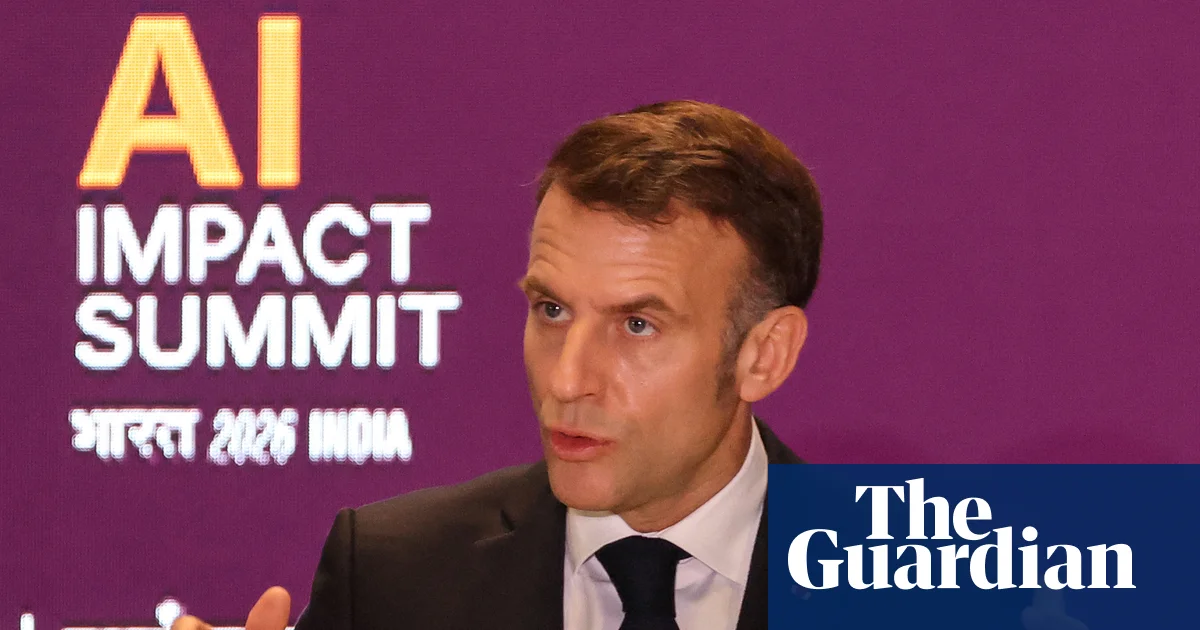
Macron backs EU AI rules, pledges swift action against online child abuse

Europe and France Assert Leadership in AI Safety Amid Global Contest

In a rapidly evolving global landscape dominated by artificial intelligence advancements, Europe and France are positioning themselves as formidable frontrunners in establishing a balanced approach to regulation and innovation. During the recent G7 summit hosted by France, President Emmanuel Macron boldly defended Europe’s commitment to safeguarding children and promoting responsible AI development. His remarks come amidst mounting international concern over the unchecked proliferation of AI-generated content, especially concerning the exploitation of minors and the concentration of power within a handful of US and Chinese tech giants. Macron’s advocacy for robust safeguards signals a clear intention to champion a safe and innovative digital future—an agenda that resonates across democracies weary of reckless techno-capitalism fueling societal vulnerabilities.

International observers, including the United Nations Secretary General António Guterres, have underscored the urgency of global cooperation, emphasizing that “no child should be a test subject for unregulated AI.” The UN’s stance — echoing concerns raised by child safety advocates and cybersecurity researchers — underscores that AI must be “the property of everyone,” not just a domain of corporate or geopolitical interests. Meanwhile, Bill Gates, prominently scheduled to speak at the conference, withdrew suddenly amid revelations regarding his controversial past associations, illuminating broader debates around accountability in the AI industry. Critics argue that true progress hinges on transparency and moral responsibility, realities often sidelined by the concentration of AI development within American and Chinese tech conglomerates, which control the lion’s share of the world’s most advanced models.

Decisions on Regulation Will Define Power and Influence in the 21st Century

Amid these debates, the European Union remains at the forefront with its AI Act, a comprehensive regulatory framework aimed at curbing abuses and ensuring human-centric AI development. European leaders, including Macron, emphasize that regulation does not stifle innovation but rather cultivates a safer environment where progress can flourish sustainably. Critics from the White House—like senior adviser Sriram Krishnan—have voiced opposition, arguing that restrictive legislation hampers entrepreneurial spirit. Yet, as historians highlight, history demonstrates that unchecked technological power can lead to societal destabilization, especially when AI technologies morph into tools for manipulation or surveillance. UNICEF and Interpol reports reveal a deeply troubling trend: over 1.2 million children have been victims of sexually explicit deepfakes, exposing the dark underbelly of AI misuse. Such alarming findings underscore the crucial need for vigilant regulation and international cooperation, so that societies do not pay the ultimate price for corporate greed or geopolitical ambitions.

Meanwhile, global powers like India seek to carve out their rightful place on the AI stage. With ambitious plans to invest over $15 billion in data centers and infrastructure, India under Prime Minister Modi aims to become a major AI hub, leveraging its vast population as both a growth market and a testing ground for emerging technologies. Modi’s call for “established levels of authenticity” for online content illustrates a strategic move to prevent AI monopolies from consolidating control—especially at a time when US models remain fiercely proprietary and opaque, while Chinese systems like DeepSeek and Qwen are often more open-source and adaptable. Such divergences not only impact technological sovereignty but also signal a new era of geopolitical contest, where AI’s strategic value could shape the future balance of power.

The Face of a New World Order Emerges

The unfolding debate over regulation, transparency, and moral accountability marks a pivotal juncture in history—one where the fabric of society, sovereignty, and individual rights hang in the balance. As world leaders and tech titans grapple with the profound responsibilities imposed by AI’s limitless potential, the decisions made today will echo throughout generations. With each new directive, each law, and each technological breakthrough, humanity strides into an uncertain dawn—where the fate of countless lives and the ideals of freedom, safety, and truth are intricately intertwined. In these tumultuous moments of technological revolution, the true measure of a civilization’s resilience lies not only in its innovations but in its unwavering commitment to safeguarding its people from the unseen dangers lurking within the code of the digital age. The history of tomorrow is being written now; the question remains—will it be a future of liberty and safe progress or one of control and chaos? Only time will tell, and the pages of history are still turning.
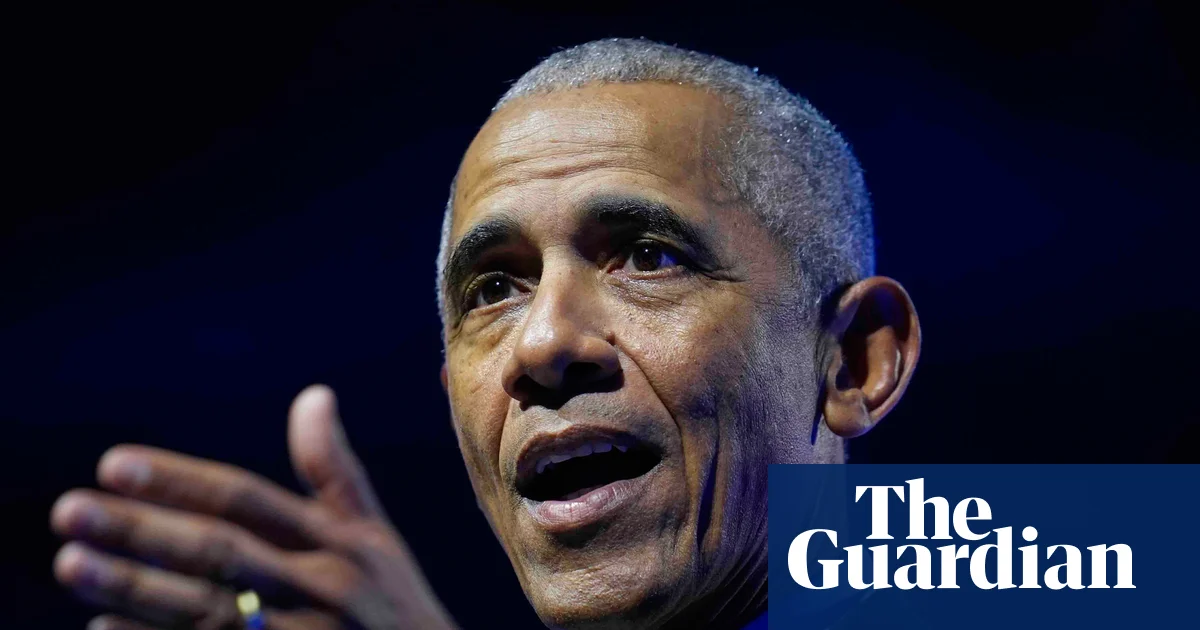
Obama backs anti-ICE protests in Minneapolis—Young voices rising for reform

The recent upheavals in Minneapolis and the surrounding Twin Cities expose a significant chapter in the ongoing struggle over U.S. immigration policies and federal authority. Former President Barack Obama publicly voiced his support for local demonstrators opposing the controversial Immigration and Customs Enforcement (ICE) operations, which he described as “unprecedented.” His remarks highlight the geopolitical impact of internal U.S. policies that not only shape the nation’s social fabric but also resonate broadly on the international stage. As mass protests erupt and authorities retreat, analysts argue these events underscore an inflection point in America’s internal stability and how its leadership chooses to wield federal power in the face of public dissent.

At the heart of this critical moment is how decisions at the federal level influence societal perceptions and international credibility. The escalation of ICE actions—deployed without clear guidelines and involving aggressive tactics like tearing gas canisters and entrapping families—has been widely condemned. Historically, experts like Dr. Samuel Harper, a senior analyst at the Global Policy Institute, underline that “the backlash against federal immigration enforcement reveals a broader narrative: Americans are deeply divided about the **values** that define their nation.” It is ironic that the federal government, which often portrays itself as the defender of national sovereignty, now faces accusations of endangering the very communities it claims to protect, thereby fueling accusations of overreach and authoritarianism.

U.S. officials, including Tom Homan, the former border czar, indicated a voluntary scaling down of operations following highly publicized deaths at the hands of federal agents—a turning point that many interpret as a response to mounting protests. These developments suggest that the message conveyed by the American populace, especially the youth, is one of resistance against what many see as overstepping constitutional bounds. The international community, including the United Nations and human rights organizations, has scrutinized these events, warning of damage to America’s global image and urging accountability. Yet, critics argue that such recalls signal a recognition of the tides turning, as a citizenry increasingly demands adherence to fundamental rights and the rule of law.

As the debate intensifies, the emotional narratives shared by leaders like Obama and Michelle Obama evoke a sense of crisis—a call for Americans to reflect on their core values. Historically, moments of internal unrest often serve as turning points in national identity; whether these protests mark a shift towards greater justice or signal unresolved divisions remains to be seen. What is undeniable is that the decisions made in the coming weeks will reverberate across generations, influencing policies, societal attitudes, and the very fabric of what it means to be an American. As history continues to unfold, the weight of this chapter will linger, a stark reminder that the struggle over liberty, justice, and sovereignty remains as vital as ever, etched into the annals of a nation still seeking its true direction amid tumult and change.

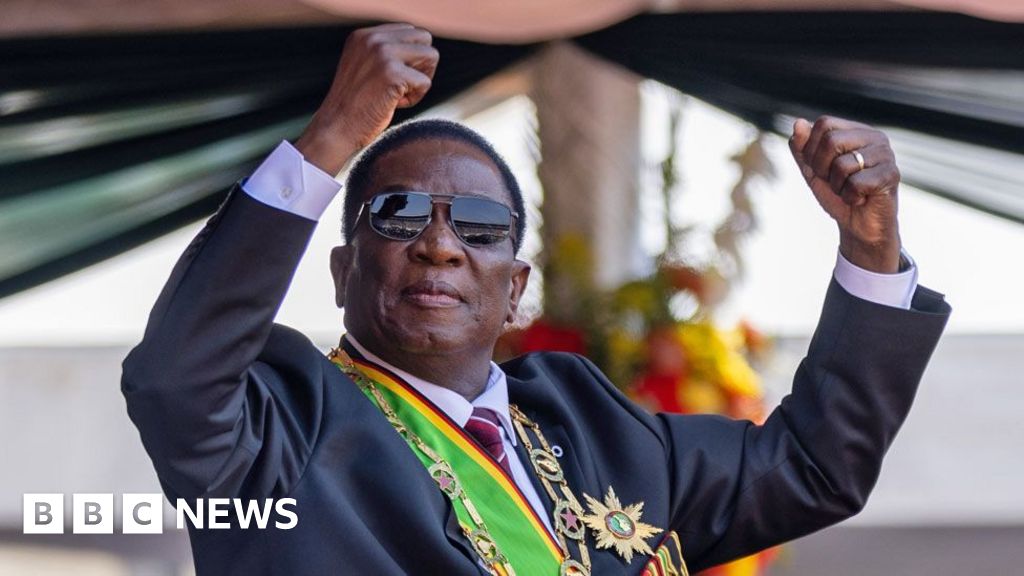
Zimbabwe cabinet backs bill to extend presidential terms—youth watch carefully

The recent declaration by Andrease Ethan Mathibela, national chairman of the Zimbabwe National Liberation War Veterans Association, highlighting a stand against corruption and nepotism, symbolizes a pivotal moment in a broader pattern of political awakening across the developing world. Mathibela’s courage to openly criticize entrenched power structures echoes a window into how corruption continues to threaten nations’ sovereignty and democratic aspirations. This stance, coming at a time when silence might have been deemed easier, underscores the delicate balance many leaders face when confronting internal decay versus maintaining political stability.

In the context of Zimbabwe, recent events point to a decisive shift in the nation’s political landscape—one that could potentially alter the trajectory of its governance. Analysts suggest that vocal opposition by influential military and veteran groups marks the erosion of previously tolerated authoritarian practices. Global institutions such as the African Union have expressed cautious optimism, warning that unchecked corruption could unravel fragile progress and undermine regional stability. Meanwhile, Western nations have scrutinized Zimbabwe’s internal struggles, often framing these developments as symptoms of deeper systemic failures that threaten democratic foundations. The spotlight intensifies on President Emmerson Mnangagwa’s government, which faces mounting pressure to confront these accusations or risk becoming a cautionary tale of corruption’s corrosive effects.

The broader **geopolitical impact** of such internal dissent extends beyond Zimbabwe’s borders, serving as a bellwether for many nations grappling with similar issues. The decision of veteran groups and civil society to speak out reflects a global pattern—the rising willingness of citizens and former military figures to challenge corrupt regimes, which could usher in a new wave of political accountability. Experts argue that this dynamic signals a shift in societal expectations; the **international community** now watches closely, noting that how governments respond to internal criticism will influence regional stability and the global perception of governance legitimacy. In this light, leaders worldwide are urged to recognize that the era of passive acceptance is waning; trust in institutions hinges on transparency and genuine reform.

As the world observes this unfolding chapter, the stakes could not be higher. With historical regimes facing pressure from within and external forces demanding change, the **future of Zimbabwe** teeters on a knife’s edge—caught between the ancien régime and the hopes of genuine reform. This current moment, charged with the voices of veterans and citizens alike, embodies the age-old struggle over integrity, power, and the true meaning of independence. History is being written now, and the outcome will echo across the continents—reminding us that—no matter how daunting the obstacles—the fight for justice and transparency is an eternal pursuit with no guarantees of victory. Still, as these stories unfold, the world waits, for in the shadows of unspoken histories, the echoes of future change resonate.

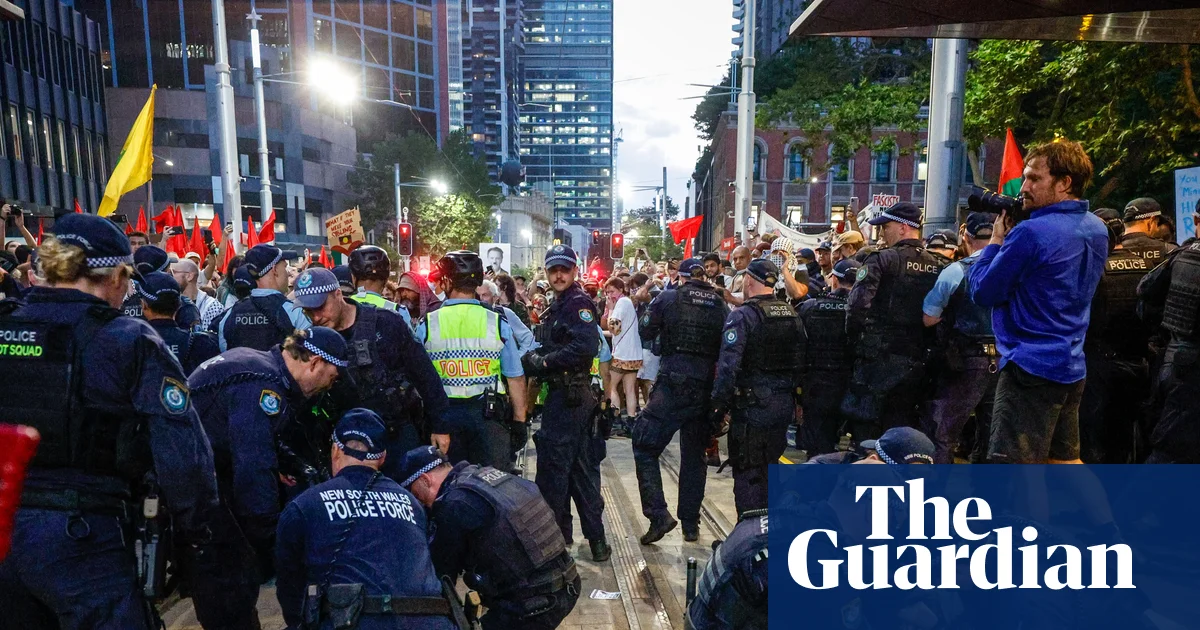
Chris Minns backs police in tough spot amid viral video of officers’ clash with protesters

In recent days, Australia has become a focal point of international controversy surrounding civil liberties, security measures, and the geopolitical ripples emanating from conflicts in the Middle East. The protests in Sydney against the visit of Israel’s president, Isaac Herzog have sparked fierce debates about police conduct, the limits of public assembly, and the influence of domestic political decisions on international diplomacy. The police’s aggressive response, including pepper spray and physical assaults on protesters, has drawn condemnation from local figures and raised questions about the blurring line between maintaining order and infringing on rights.

At the core of the unrest are broader security measures enacted in response to the Bondi terror attack, which left 15 victims. NSW Premier Chris Minns justified the police’s actions, asserting they were operating under a “difficult situation” created by restrictions on protests — themselves a reaction to the threat of terrorism. This highlights how **counter-terrorism strategies** can justify heightened police powers, often at the expense of civil liberties. Such measures reflect a growing trend where governments, citing security concerns, impose restrictions that can escalate tensions and infringe upon the rights of dissenting citizens. As analysts warn, this approach risks eroding democratic norms and setting dangerous precedents for the use of force in peaceful protests.

International observers, including human rights groups and political analysts, recognize the geopolitical impact of these events. The confrontation in Australia echoes similar patterns seen elsewhere — where domestic security concerns are leveraged to justify aggressive law enforcement, often with the tacit approval or complicity of political leaders. Green MPs in NSW and independent voices have accused Minns of deliberately creating a “pressure cooker” environment, exacerbating tensions rather than diffusing them. This domestically charged climate not only affects how societies respond to dissent, but also influences international perceptions of Australia’s stance on human rights and civil liberties. As international organizations like Amnesty International increasingly scrutinize such police actions, the risk remains that domestic crackdowns could serve as a blueprint, emboldening similar tactics in other nations facing internal dissent or protests rooted in geopolitical conflicts.

Furthermore, the handling of pro-Palestine protests during Herzog’s visit signals a troubling intersection between local policies and broader geopolitical conflicts. The police’s forceful tactics, documented in multiple videos, have intensified international concerns about the escalation of police-state dynamics in nations ostensibly committed to democratic principles. Historians warn that such episodes, if repeated across different regions, can accelerate a global shift towards authoritarianism disguised as security. Meanwhile, global institutions and allied nations are watching closely, questioning whether Australia’s approach signifies a rare reaction or a dangerous trend that could ripple across other democracies. This unfolding clash exemplifies the ongoing tension between security and liberty — a debate that will define the global order for decades to come, as the narratives of resistance and repression become increasingly intertwined.

As history continues to unfold, the events in Sydney underscore the fragile balance between safeguarding a nation’s security and preserving its democratic fabric. The actions of law enforcement on the streets have reverberations far beyond their immediate borders, touching on fundamental questions of human rights, sovereignty, and the very essence of free societies. The world waits, holding its breath, as these stories—etched into the annals of history—serve as a stark reminder that the fight for liberty is ongoing, and the outcome remains uncertain. How nations choose to respond today will determine whether we move closer to an era of authoritarian control or a renewed commitment to the enduring values of freedom amidst the turbulent currents of history.

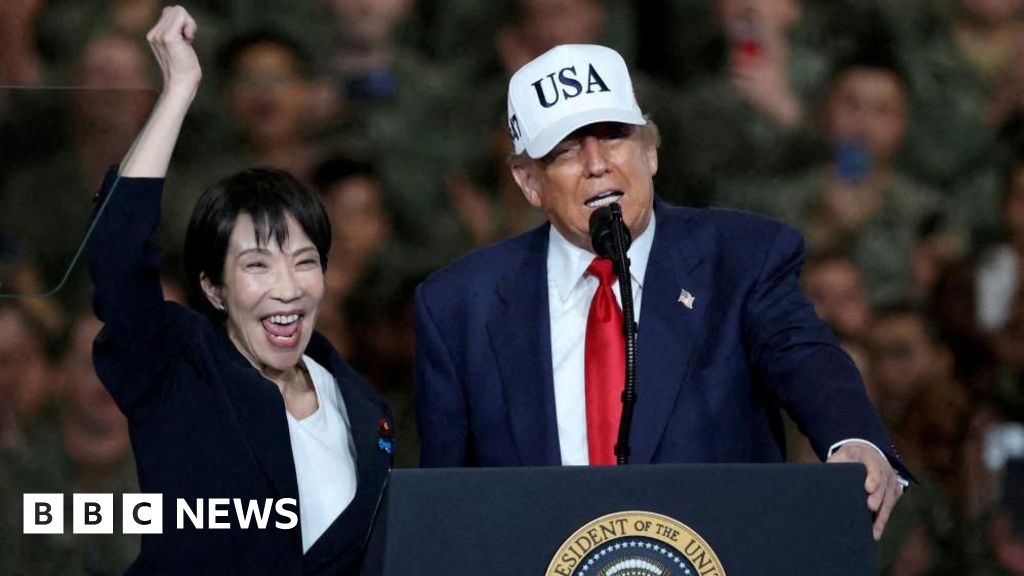
Trump backs Takaichi in Japan’s urgent election push

In an unprecedented move that underscores a significant shift in international geopolitics, the United States has publicly endorsed a candidate in a foreign election for the first time in recent history. Traditionally, America’s foreign policy and diplomatic efforts have focused on supporting democratic processes through behind-the-scenes influence rather than overt backing of specific individuals or parties. However, recent developments suggest a profound change in strategy, with the potential to ripple across global power dynamics.

This intervention has ignited a fierce debate among international analysts, historians, and policymakers. Critics argue that such direct interference contravenes the principles of sovereignty and non-intervention enshrined in the UN Charter and other international agreements. Conversely, proponents within the U.S. government contend that safeguarding national interests often involves strategic engagement in foreign political affairs. This marks a departure from past caution, signaling a more assertive U.S. posture that emphasizes direct influence over the political landscape of key allied and adversarial nations alike.

The geopolitical impact of this overt support extends far beyond the immediate electoral outcome. America’s active involvement could weaken legitimacy for the elected government, complicate diplomatic relations, and embolden adversarial nations to pursue their own interventions. It also raises profound questions about the erosion of international norms regarding sovereignty and free elections. Prominent international organizations, such as the European Union and the G7, have expressed cautious concern, emphasizing the importance of respecting national sovereignty and impartial electoral processes. Meanwhile, many regional leaders worry that this new American posture could unleash a domino effect, where other powers, notably Russia and China, escalate their efforts to influence foreign elections—destabilizing global stability.

Historical analysis by leading scholars underscores that intervention in foreign elections usually backfires, fostering resentment and diminishing long-term American influence. Experts suggest that this move signals a strategic recalibration, possibly influenced by recent geopolitical shifts and the rise of nationalist movements worldwide. According to the International Crisis Group, these actions risk sowing suspicion and hostility in regions where local populations are already wary of foreign interference. The broader narrative now depicts a global arena where power struggles shift from conventional military confrontations to a subtler, yet arguably more dangerous, race for influence through political meddling.

This episode leaves the world teetering on a precipice, with history’s unfolding pages recording a pivotal moment. As the U.S. asserts itself more boldly on the international stage, nations must grapple with the dual realities of defending sovereignty while confronting the new norms of global influence. The question remains: will this strategy reinforce American dominance or ignite a dangerous chain reaction with consequences that could reshape the international order for generations? In the turbulent tides of history, the answer is yet to fully emerge, leaving nations to wonder whether they are witnessing the dawn of a new era or the twilight of diplomatic trust.

Green Party backs former mayoral hopeful for Gorton and Denton byelections, shifting focus to future leadership

The upcoming byelection in Gorton and Denton has become more than a simple electoral contest; it symbolizes deeper social and cultural shifts within the communities of Greater Manchester. With the Green party selecting Hannah Spencer, a councillor and former mayoral candidate, as their candidate, this race highlights the growing influence of youth-oriented, environmentally-focused politics that challenge traditional party dominance. Spencer’s background as both a community member and trade professional exemplifies a shift towards candidates who embody local roots and diverse experiences, resonating with a population increasingly disillusioned with the status quo.

This race is unfolding amidst a fractured political landscape where social issues—from economic inequality to cultural identity—are shaping voter sentiment. The Labour Party, traditionally dominant in the area, is facing stiff competition from Reform UK and the Greens, each representing contrasting visions for the future of society. Labour’s campaign’s emphasis on experience, rooted in their local and national networks, seeks to appeal to voters who value stability and tradition. In contrast, the Greens, led by Zack Polanski, are framing the contest as a “battle for the soul of the nation”, underscoring a desire among younger voters to push for progressive change and environmental justice. This political clash is not merely about policies but about the cultural identity and moral direction of the community, which is sharply divided along generational and ideological lines.

Social tensions are further exemplified by the Green party’s recent endorsements and their outreach efforts. Backed by groups like the Muslim Vote, their support in a constituency with roughly 30% Muslim constituents signals a conscious effort to address **cultural representation and inclusivity**. Such moves reflect a broader challenge minorities and marginalized groups face worldwide: balancing tradition with the push for social acceptance and political influence. As sociologists like Arjun Appadurai have noted, societies are increasingly fractured along lines of ethnicity and faith, yet also eager for a sense of belonging and agency. The Greens’ emphasis on engaging these communities indicates a recognition that future societal cohesion depends on constructive dialogue and representation, even as it stirs debate about social cohesion versus cultural integration.

The families and communities impacted by this electoral contest face very tangible issues: economic opportunities, social inclusion, and cultural identity. The decline of traditional industries and the threats to local jobs create a backdrop where young families seek new pathways to stability, while cultural tensions can either divide or unite depending on how issues are approached. As historian Eric Hobsbawm warned, societal change often occurs through what he termed “the long 19th century of social upheaval,” reminding us that the societal clarity sought in elections is often the result of ongoing, complex struggles. The choices made in Gorton and Denton will resonate beyond these walls, reflecting the society’s capacity to embrace change and tradition alike.

Ultimately, this byelection underscores a society at a crossroads—facing the call for renewal amidst division. Its outcome will signal not just political shifts but reveal how communities choose to navigate the delicate balance of progress and preservation. As society stands on this precipice, one is left pondering—a society’s greatest hope is not in the absence of conflict but in its willingness to transform conflict into conversation, fear into understanding, and division into unity. Only then can the promise of a society that truly reflects its people be realized, shining a hopeful light on the horizon of future generations.

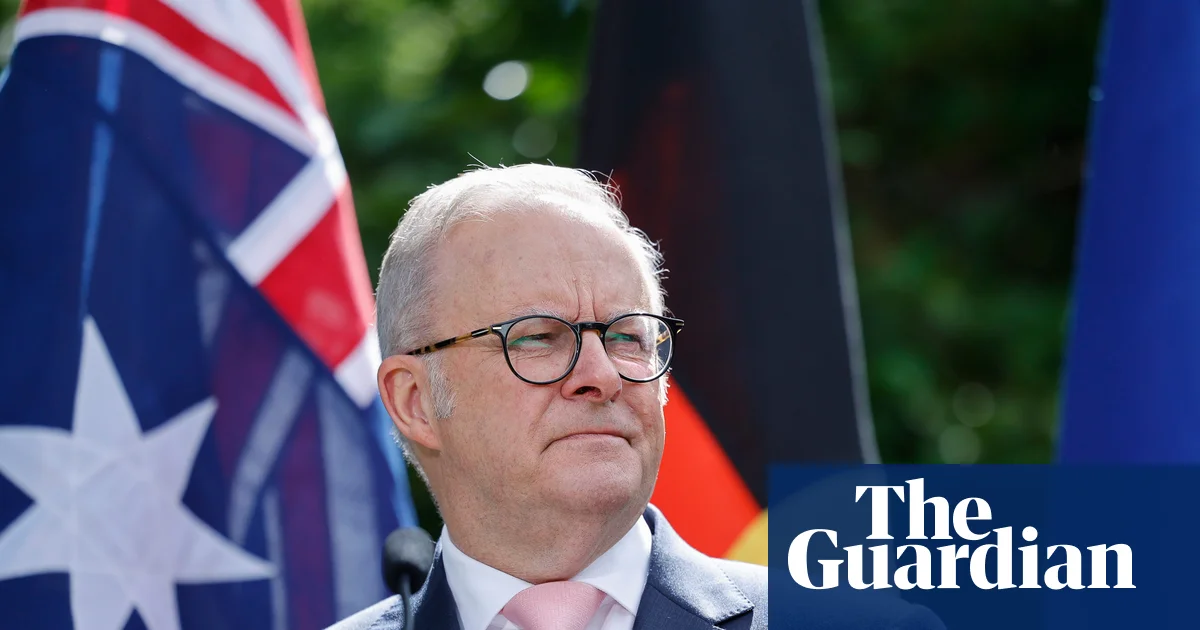
Albanese backs Herzog’s Australia trip as MP demands cancelation — Bondi terror attack aftermath

The Geopolitical Tensions Ignite in Australia Over Herzog’s Planned Visit

The upcoming visit of Isaac Herzog, the President of Israel, to Australia in February has transformed a diplomatic gesture into a flashpoint for international and domestic controversy. The Albanese government’s decision to host Herzog, amidst mounting violence in the Israel-Gaza conflict, underscores the profound geopolitical impact that international diplomatic decisions are increasingly carrying in an era of amplified global tensions. As pro-Palestinian protests threaten to flood streets nationwide, and security measures are heightened, analysts warn that this situation could further destabilize Australia’s social fabric and influence international relations.

This tension was precipitated by the December 2023 terror attack in Bondi, which left 15 civilians dead, prompting a deeply divisive debate on whether inviting Herzog to visit amid ongoing conflict and alleged war crimes is a prudent decision. Anne Aly, Australia’s Minister for Multicultural Affairs, refrained from outrightly endorsing the visit but acknowledged its importance in fostering unity. Conversely, Sophie Scamps, a member of Australia’s parliamentary opposition, and the Palestine Action Group have voiced vehement opposition. They argue that Herzog’s presence could “ignite further division” and could serve to legitimize a controversial figure accused by some international bodies of inciting genocide. These domestic divisions echo wider international debates over how nations should navigate relationships with Israel in a landscape scarred by accusations of war crimes and the ongoing humanitarian crisis in Gaza.

International Organizations and Historical Perspectives Shape the Discourse

Adding to the complexity, the United Nations—or more precisely, a commission of inquiry—has accused Israel of genocide in Gaza in a 2025 report, a document dismissed by Israel as “distorted and false.” Despite this, critics highlight that such accusations reflect a growing international criticism of Israel’s military conduct and raise questions about the legitimacy of Herzog’s visit. Historically, the international community has been divided over how to address Israel’s actions in Gaza, with some, such as the UN panel, framing Israeli policies as genocidal, while others, like Israel’s foreign ministry, dismiss such claims as “Hamas falsehoods”.

Observers including historians like Beverly Crawford and international analysts emphasize that the decisions taken by Australia in this context could have ripple effects well beyond bilateral relations. As U.S. and European alliances continue to grapple with their own external pressures, Australia’s handling of Herzog’s visit serves as a microcosm for the global debate over morality, solidarity, and strategic interests. The planned protests witness Australia’s detailed confrontation with its identity—balancing its historic alliance with Israel and its moral responsibility amidst a humanitarian crisis.

Decisive Actions Shape the Future of International Diplomacy

  • The Albanese government’s insistence on maintaining the visit despite protests reflects a broader choice—prioritizing diplomatic engagement over domestic and international dissent.
  • Major security responses and policy restrictions, such as the controversial protests and police restrictions in Sydney’s CBD, illustrate how internal security concerns are directly linked to international diplomatic gestures.
  • The ongoing debate about Herzog’s visit—and whether it will serve to deepen divisions or foster reconciliation—underscores **the critical importance of diplomatic strategy** in shaping regional stability and international perceptions of Australia’s role on the world stage.

As protests continue and the world watches, Australia’s decision stands as a stark reminder of how history’s heaviest questions—about justice, morality, and international order—are judged in its courts, in its streets, and in the corridors of power. The weight of history is relentless, and with each decision, the world edges closer to defining its moral compass in an era where illusions of separation give way to the profound interconnectedness of nations and peoples. In this moment, the future hangs in a delicate balance, a testament to how echoes of decisions made today will shape the legacy of generations to come—and the unfolding story of a divided world that seeks unity amidst chaos.

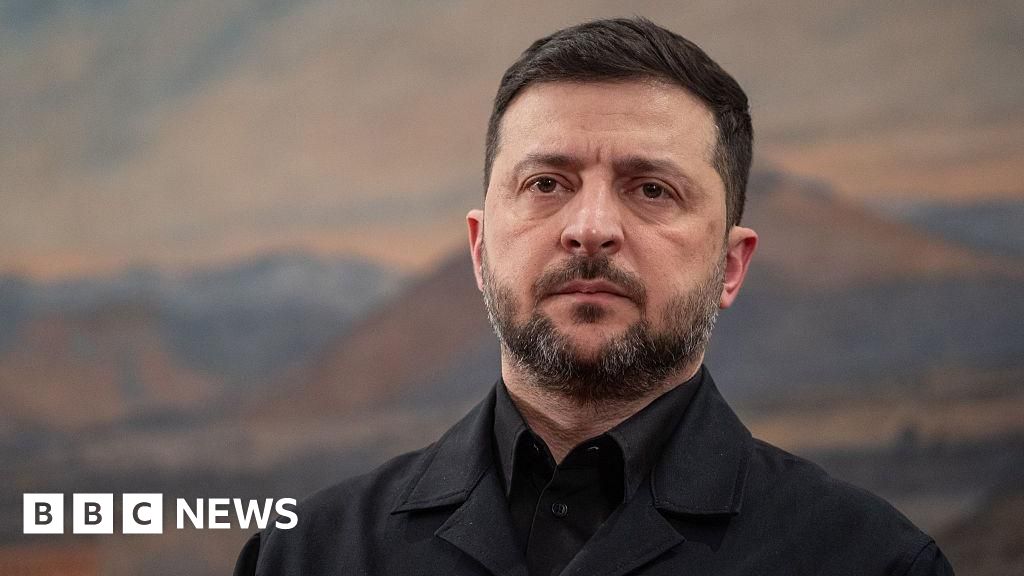
Zelensky to address Trump after US backs Russia-Ukraine peace plan

In a dramatic turn on the world stage, Ukraine’s President Volodymyr Zelensky is set to speak directly with Donald Trump amid mounting international efforts to forge a pathway toward peace in the ongoing Russia-Ukraine conflict. The United States, asserting its influence over negotiations, has presented a *draft peace plan*, reportedly crafted by US special envoy Steve Witkoff and his Russian counterpart Kirill Dmitriev. Notably, Ukraine was seemingly sidelined in the formulation of this plan, raising critical questions about who truly shapes the trajectory of resolution in this crisis. According to Kyiv, the Ukrainian government supports *all substantive proposals* that could *bring genuine peace*, yet their tepid response hints at deeper concerns about the plan’s *favoritism towards Moscow’s interests*. Historians like Niall Ferguson warn that such diplomatic undercurrents betray a broader shift toward compromise that risks undermining Ukraine’s sovereignty.

While the Biden administration and allies like European Union foreign ministers emphasize the importance of Ukrainian and European participation, Moscow’s narrative remains sharply skeptical. Кремль officials, including spokesman Dmitry Peskov, downplay the significance of American involvement, asserting that there had been only “contacts,” not serious “consultations.” Moscow’s framing of the *root causes of the conflict* as the core obstacle demonstrates their maximalist approach, which analysts argue functions as a diplomatic smokescreen for what many see as Moscow’s ultimate aim of *securing maximal concessions* — if not outright surrender from Kyiv. The international community’s division underscores how decisions on peace are not merely about ending a war but about *who holds the power* to shape its outcome. Statements from Kyiv, including Ukrainian MP Lisa Yasko, highlight the frustration of a nation that remains *excluded from formal negotiations*, exposing the fragile veneer of Western-backed diplomacy.

Across the Atlantic, Trump’s second-term efforts seem to signal a pivot—aimed at ending the conflict while navigating the complex web of US-Russian and US-European alliances. Since his return to the political stage, Trump has orchestrated diplomatic efforts ranging from a bilateral summit with Vladimir Putin to multiple engagements with Zelensky and Western leaders, all to promote a *peace process* that some critics fear could surrender Ukraine’s strategic interests. Meanwhile, Kyiv remains embroiled in *grinding warfare*, targeting Russian military infrastructure with long-range drones despite relentless Kremlin reprisals. Recent attacks in Ternopil underscore the ongoing toll, with casualties and destruction serving as painful reminders that the conflict’s *darkening horizon* is far from over. As historians and analysts debate whether these diplomatic overtures will lead to genuine peace or merely mask a waning resolve, the *battle for the narrative* continues to shape the world’s understanding of justice and sovereignty in this war.

Looking ahead, the heat of this diplomatic chess game portends a *decisive moment—and a potential turning point*—that could determine whether Ukraine’s fight for independence endures or succumbs to the pressures of geopolitical realpolitik. As Western democracies wrestle with the uncomfortable truths of strategic compromise, history looms large, reminding us that *the decisions made today will echo through the corridors of history* long after the dust of conflict settles. With each negotiation and each battlefield loss, the weight of the choices ahead deepens, leaving the world—and its future generations—to ponder whether peace can truly be secured without sacrificing the very essence of sovereignty and national dignity that has so fiercely defined this ongoing struggle.

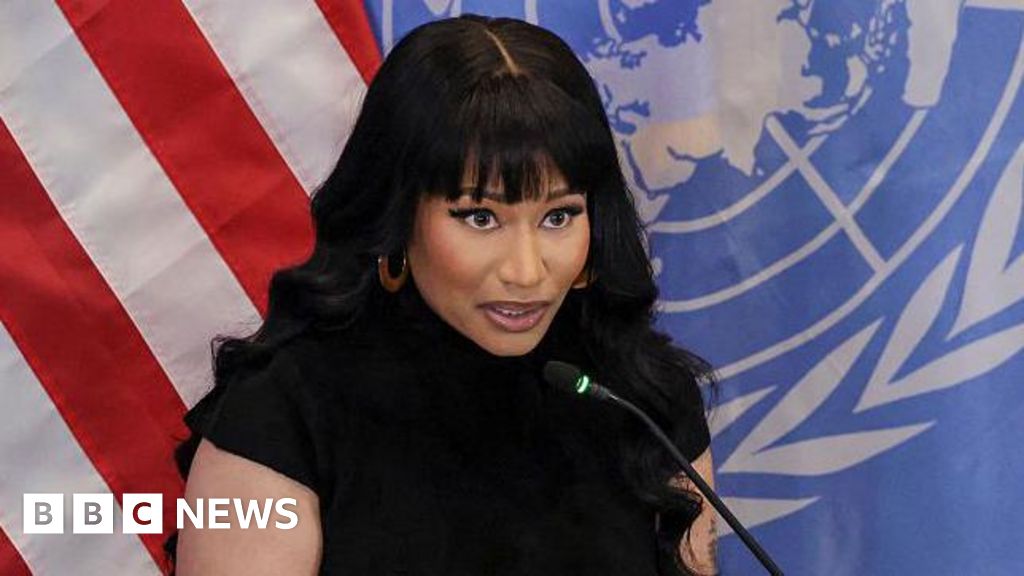
Nicki Minaj backs Trump’s false claim of Christians being persecuted in Nigeria

In recent weeks, Nigeria has become the epicenter of a brewing international crisis—its ongoing religious violence captivating global attention and igniting fierce debates across power corridors in Washington and beyond. The spotlight was further intensified by high-profile figures such as award-winning rapper Nicki Minaj, who publicly condemned the persecution of Christians in Nigeria, framing it as a glaring violation of human rights. Her advocacy, supported by statements from the U.S. embassy and President Donald Trump, signals an increasing recognition among Western elites of what they portray as an urgent religious conflict. Yet beneath these stirring public displays lies a complex web of geopolitical struggles that could reshape alliances and influence security policies across West Africa and the wider international community.

Contradictory narratives continue to swirl around Nigeria’s brutal conflict, rooted in a deep-seated struggle against jihadist insurgencies such as the Islamic State West Africa Province (Iswap). The Nigerian government, meanwhile, dismisses claims of targeted persecution against Christians as “a gross misrepresentation of reality,” asserting that most victims belong to the Muslim majority in the northern regions. Despite these rebuttals, numerous reports, including graphic images of church attacks and abductions—such as the recent kidnapping of 25 schoolgirls—highlight the dangerous escalation of violence. Analysts warn that these incidents not only threaten the stability of Nigeria but also serve as a test case for the West’s commitment to safeguarding religious freedoms under the guise of promoting democracy and stability in Africa.

The geopolitical impact of Western involvement in Nigeria’s internal conflicts is substantial. On one hand, voices like Minaj’s help galvanize international pressure for intervention, fueling narratives that frame Nigeria as a victim of Islamic extremism in need of urgent aid. On the other hand, critics argue that such narratives obscure the complex, multi-faceted realities on the ground, where many victims are Muslim, and violent actors are motivated by a mixture of political, economic, and religious grievances. Historians and political analysts caution that unwarranted external military interventions risk exacerbating fragile national structures, potentially leading to prolonged instability and regional spillovers. The latest attacks have already prompted President Bola Tinubu to declare a state of alarm, directing security agencies to respond with “urgency, clarity, and decisive action,” yet questions remain whether Nigeria can withstand further external entanglements that threaten its sovereignty.

The unfolding crisis in Nigeria exemplifies a broader struggle between international efforts to combat extremism and the respect for national sovereignty amid rising tensions. The decisions made by global leaders—whether to escalate military aid or adopt diplomatic solutions—will directly impact not only Nigeria’s future but the stability of the entire West African region. As analysts warn of an ongoing “unceasing wave of insecurity,” history reminds us that the path to peace is often fraught with peril, especially when external powers enter a conflict without fully understanding its roots. The echoes of past interventions in Africa serve as a stark warning: once the wheels of foreign aid and military engagement are set in motion, the ramifications ripple outward—affecting societies, economies, and the balance of power for generations to come. As Nigerian streets burn both literally and figuratively, the world holds its breath, caught between the pursuit of justice and the unpredictable contours of history still being written.

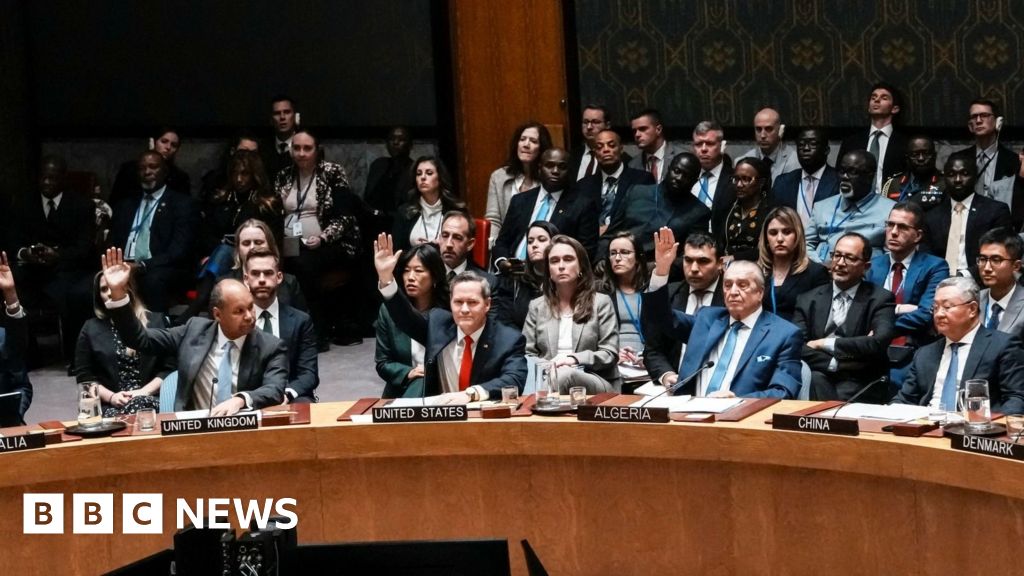
UN Security Council Backs Trump's Gaza Strategy, Youths Take Note
UN Security Council Backs Trump’s Gaza Strategy, Youths Take Note

The United Nations Security Council has taken a decisive step by passing a US-drafted resolution endorsing Donald Trump’s 20-point peace plan for Gaza. This resolution, supported by 13 nations including the UK, France, and Somalia, reflects a significant shift in international approach to the ongoing Israeli-Palestinian conflict. The plan’s core involves the deployment of an International Stabilisation Force (ISF), aimed at disarming non-state armed groups, ensuring civilian security, and facilitating economic reconstruction. The US’s strategic push aims at transforming Gaza’s brutal cycle of violence into a “peaceful” rebuilding process, but critics argue that it risks entrenching external influence over Palestinian sovereignty.

However, this move has ignited fierce resistance from Hamas, which categorically rejects the plan, labeling it as a veiled attempt to impose “international guardianship” that violates Palestinian rights. Hamas officials have condemned the deployment of the ISF, alleging it would disarm and weaken their resistance, turning the group into a “party to the conflict” aligned with Israel and its allies. The group’s rejection highlights a fundamental divide—while international actors seek stability, many Palestinians see this effort as eroding their national aspirations. Historians and analysts warn that such external interventions risk further destabilizing Gaza by undermining the Palestinian Authority’s legitimacy, potentially prolonging the cycle of violence.

The resolution’s implications extend beyond immediate security concerns. It introduces a framework for future Palestinian statehood, a notion vehemently opposed by Israel. The inclusion of potential statehood naturally complicates U.S. and regional diplomacy, with Israel emphasizing a rejection of any plans that threaten its dominance over Jerusalem and the West Bank. The Obama-era Arab Peace Initiative—once a beacon for regional reconciliation—seems to be giving way to new, unpredictable dynamics as Arab countries navigate their relationships with Israel and the United States. The geopolitical impact is profound, redefining alliances and strategies across the Middle East.

Meanwhile, the plan has broader consequences for regional stability. The envisaged ISF’s coordination with Israel and Egypt is a calculated attempt to stabilize the borders and rebuild Gaza’s infrastructure, but it also raises questions about sovereignty and the role of foreign troops within Palestinian territories. The deployment of a new Palestinian police force—operating under a U.S.-backed authority for the first time—signals a possible shift in local governance, although Hamas remains firmly opposed, promising to resist what it calls a “foreign occupation.” The ongoing conflict, marked by the recent ceasefire and the tragic toll on civilians—over 69,000 Palestinians reportedly killed—remains a stark reminder of how fragile peace remains in this turbulent region. Diplomats warn that misjudgments or renewed conflicts could plunge Gaza back into chaos, with the weight of history pressing heavily against hopeful prospects for peace.

As the world watches, the unfolding saga in Gaza embodies a complex interplay of ambition, resistance, and international power. The resolution’s passage is a pivotal episode in a story that stretches beyond the borders of the Middle East—one that could either herald a new chapter of cautious stability or accelerate a cycle of conflict that seems unending. The questions remain: will outside forces foster peace, or will they deepen the divide that has long scarred this land? As history continues to unfold, the fate of Gaza hangs in the balance, a stark reminder that peace is often the most fragile of victories in a region still haunted by its turbulent past.

Social Media Auto Publish Powered By : XYZScripts.com