Matox News

Truth Over Trends, always!

UN Security Council Backs Trump's Gaza Strategy, Youths Take Note
UN Security Council Backs Trump’s Gaza Strategy, Youths Take Note

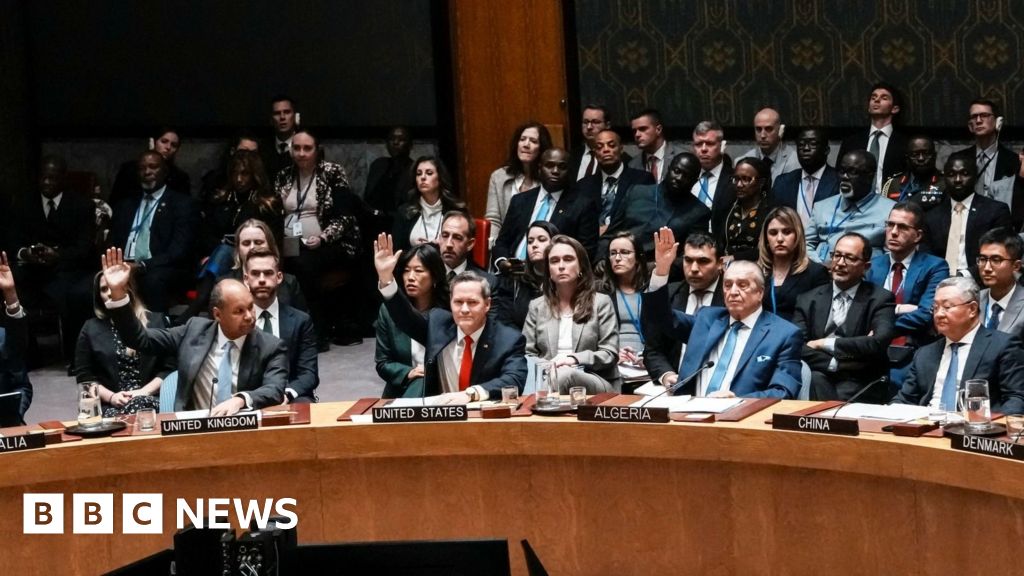
The United Nations Security Council has taken a decisive step by passing a US-drafted resolution endorsing Donald Trump’s 20-point peace plan for Gaza. This resolution, supported by 13 nations including the UK, France, and Somalia, reflects a significant shift in international approach to the ongoing Israeli-Palestinian conflict. The plan’s core involves the deployment of an International Stabilisation Force (ISF), aimed at disarming non-state armed groups, ensuring civilian security, and facilitating economic reconstruction. The US’s strategic push aims at transforming Gaza’s brutal cycle of violence into a “peaceful” rebuilding process, but critics argue that it risks entrenching external influence over Palestinian sovereignty.

However, this move has ignited fierce resistance from Hamas, which categorically rejects the plan, labeling it as a veiled attempt to impose “international guardianship” that violates Palestinian rights. Hamas officials have condemned the deployment of the ISF, alleging it would disarm and weaken their resistance, turning the group into a “party to the conflict” aligned with Israel and its allies. The group’s rejection highlights a fundamental divide—while international actors seek stability, many Palestinians see this effort as eroding their national aspirations. Historians and analysts warn that such external interventions risk further destabilizing Gaza by undermining the Palestinian Authority’s legitimacy, potentially prolonging the cycle of violence.

The resolution’s implications extend beyond immediate security concerns. It introduces a framework for future Palestinian statehood, a notion vehemently opposed by Israel. The inclusion of potential statehood naturally complicates U.S. and regional diplomacy, with Israel emphasizing a rejection of any plans that threaten its dominance over Jerusalem and the West Bank. The Obama-era Arab Peace Initiative—once a beacon for regional reconciliation—seems to be giving way to new, unpredictable dynamics as Arab countries navigate their relationships with Israel and the United States. The geopolitical impact is profound, redefining alliances and strategies across the Middle East.

Meanwhile, the plan has broader consequences for regional stability. The envisaged ISF’s coordination with Israel and Egypt is a calculated attempt to stabilize the borders and rebuild Gaza’s infrastructure, but it also raises questions about sovereignty and the role of foreign troops within Palestinian territories. The deployment of a new Palestinian police force—operating under a U.S.-backed authority for the first time—signals a possible shift in local governance, although Hamas remains firmly opposed, promising to resist what it calls a “foreign occupation.” The ongoing conflict, marked by the recent ceasefire and the tragic toll on civilians—over 69,000 Palestinians reportedly killed—remains a stark reminder of how fragile peace remains in this turbulent region. Diplomats warn that misjudgments or renewed conflicts could plunge Gaza back into chaos, with the weight of history pressing heavily against hopeful prospects for peace.

As the world watches, the unfolding saga in Gaza embodies a complex interplay of ambition, resistance, and international power. The resolution’s passage is a pivotal episode in a story that stretches beyond the borders of the Middle East—one that could either herald a new chapter of cautious stability or accelerate a cycle of conflict that seems unending. The questions remain: will outside forces foster peace, or will they deepen the divide that has long scarred this land? As history continues to unfold, the fate of Gaza hangs in the balance, a stark reminder that peace is often the most fragile of victories in a region still haunted by its turbulent past.
UN backs Morocco’s claim to Western Sahara—Youth Defense of Sovereignty

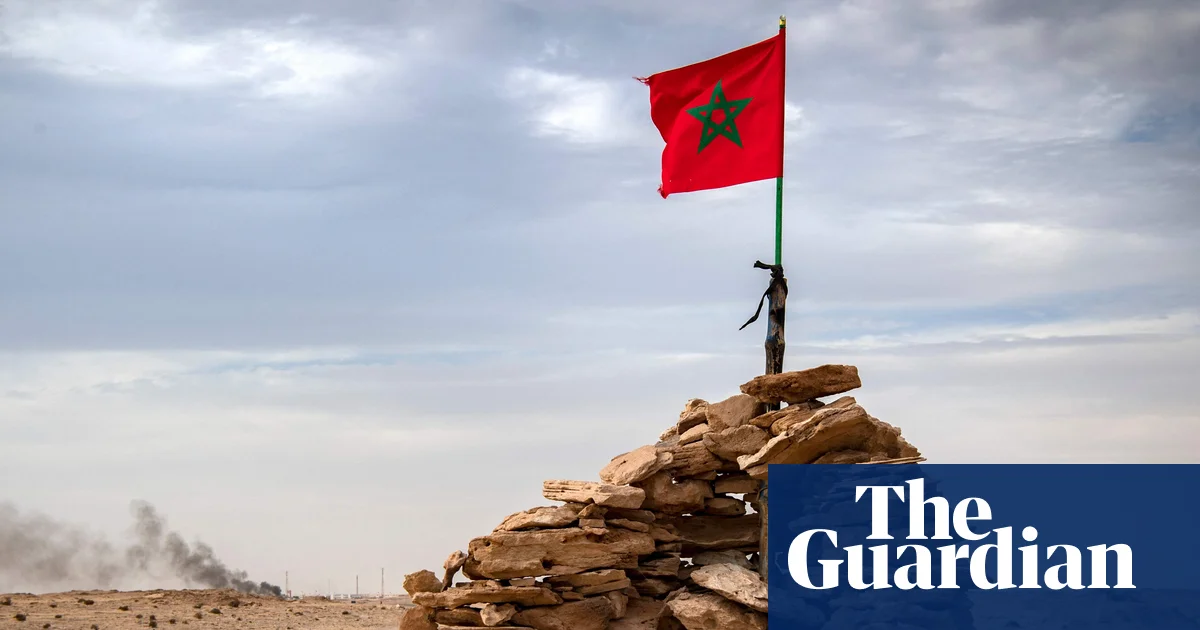
In a watershed moment for international geopolitics, the United Nations Security Council has approved a landmark resolution supporting Morocco’s claim to Western Sahara, a contentious, phosphate-rich territory long marred by dispute and unresolved conflict. This decision, backed by a broad coalition of nations and notably sponsored by the United States, marks a decisive shift in the diplomatic landscape of North Africa. The resolution underscores a preference for autonomy combined with Moroccan sovereignty, effectively sidelining the long-held demand for a *referendum on full independence* advocated by the Polisario Front and its allies. As the global community’s focus shifts toward pragmatic solutions, the question remains: how will this influence regional stability and the broader balance of power?

This move is not merely about territorial sovereignty but about geopolitical impact. While the resolution has garnered support from most European Union member states and an increasing number of African nations seeking stability and economic development, it has faced fierce opposition from Algeria, a key supporter of the Polisario Front. Algeria perceives this shift as a threat to the independence aspirations of the Sahrawi people, who have endured decades of displacement and statelessness. The stalemate immediately raises critical questions: can diplomacy forge a new path or will this deepen tensions in a region historically plagued by conflict? Analysts from the International Crisis Group warn that while the resolution appears to favor Morocco, the core issues—self-determination, resource rights, and regional influence—are far from resolved, highlighting the persistent **u**tension and instability.

Historically, Western Sahara’s strategic importance cannot be overstated. Under Spanish rule until 1975, the territory has since been at the center of a bitter struggle involving Morocco, Polisario, and external powers vying for influence. The 1991 ceasefire was intended to set the stage for a referendum, yet voter eligibility disputes and ongoing clashes have indefinitely postponed resolution. More recently, Morocco has transformed the area through infrastructure development—constructing ports, highways, and urban settlements—further consolidating control. Meanwhile, the Polisario Front denounces any move perceived as legitimizing Morocco’s occupation, asserting that “peace *can never be achieved* by rewarding expansionism.” The UN’s heavy-handed measures, including decades of peacekeeping efforts, now face re-evaluation amidst shifting international support, threatening to alter the *status quo* entrenched for over thirty years.

As U.S. Ambassador Mike Waltz declared the resolution “historic,” the broader implications for international diplomacy become clear. The move aligns with Washington’s strategic interests, signaling a tilt toward pragmatic autonomy solutions that sideline calls for full independence. Yet, critics argue that this narrow victory could sow the seeds of renewed conflict, especially as the Polisario camp remains committed to self-determination. The broader regional calculus involves **u**s backing Morocco as a linchpin in North African stability, but it also risks heightening tensions with Algeria and other neighbors invested in Sahrawi independence. This pivot could fundamentally reshape how nations approach conflict resolution in contested regions, setting precedent for future geopolitical disputes rooted in resource control and sovereignty.

As the diplomatic landscape evolves, the next chapter remains to be written. The UN’s renewed mission and the international community’s divided stance are testaments to the complexity and high stakes of this conflict—a clash over land, identity, and influence. In the shadow of shifting alliances and unending aspirations for sovereignty, history’s relentless march continues, leaving the world perched on a precipice of uncertainty. What future awaits Western Sahara? The answer hinges on decisions yet to be made—and the enduring will of its people, whose hopes for justice echo in the ongoing contest for their homeland.

Australia Backs Trump’s Bold 20-Point Peace Plan for Gaza—A Fresh Hope for the Future

Global Reactions to Trump’s 20-Point Peace Plan for Gaza: A New Chapter in Middle Eastern Diplomacy

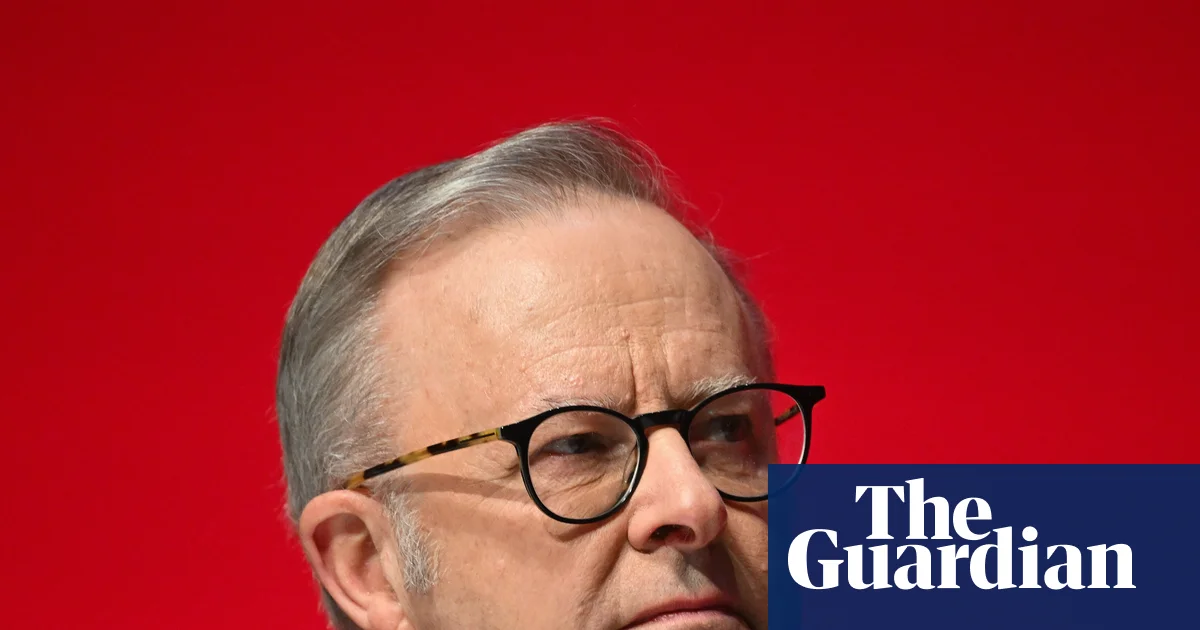
The recent announcement of President Donald Trump’s 20-point peace plan for Gaza has ignited a complex web of international responses, reflecting both cautious optimism and deep skepticism. The plan, unveiled alongside Israeli Prime Minister Benjamin Netanyahu, proposes a transitional “apolitical” governance committee for Gaza, with the United States potentially leading the effort. Australian Prime Minister Anthony Albanese has publicly welcomed the initiative, calling it a ‘door open’ to the elusive two-state solution that many analysts believe is the only sustainable pathway to peace. Albanese’s diplomatic comments, made during his trip to the US, UK, and UAE, underscore a shift among allies toward supporting specific diplomatic proposals amid ongoing regional turmoil.

Particularly notable is the broad regional backing for the plan’s emphasis on Palestinian self-determination, with Indonesia and Pakistan explicitly endorsing the proposals. These nations have traditionally shown solidarity with Palestinian aspirations, and their support signals a regional consensus that, despite its flaws, the plan might serve as a foundation for alleviating suffering and reducing violence. Nevertheless, the plan’s effectiveness hinges on Hamas’s willingness to disarm and accept the transition, a condition that commentators and former experts warn could predicate future failure. As international organizations like the UNO and analysts from think tanks observe, the plan’s success depends on whether key players—most critically Hamas—are willing to abandon violent opposition, a move seen by many as tantamount to signing their own political death warrants.

Nevertheless, the plan’s details are a matter of fierce debate. Critics from the Greens, citing Palestinian sovereignty, argue the initiative may be yet another iteration of external forces imposing a solution without genuine Palestinian agency. Mehreen Faruqi contends that the US-led effort, with figures like Tony Blair involved, does little to foster authentic independence for Palestine, warning that it could merely perpetuate a cycle of occupation under a new guise. Meanwhile, Australia’s opposition remains divided—some see it as a *beacon of hope*, whereas others worry it could undermine Palestine’s right to self-governance. The Coalition’s stance, to revoke recognition of Palestinian statehood, signals a potential retreat from diplomatic recognition, which could destabilize regional prospects further.

Throughout this evolving diplomatic theater, the geopolitical impact remains profound. The plan’s anticipated impact on regional stability, coupled with potential shifts in alliances—especially between the US, Britain, and Middle Eastern nations—could alter the balance of power for decades to come. Historians and international analysts warn that these decisions will be scrutinized in the corridors of history, as one of the most pivotal moments in the Middle East since the original accords. As leaders grapple with the aftermath of decades of conflict, the question remains whether the region can pivot toward peace or whether it risks yet another cycle of violence, entrenching divisions that threaten to spiral out of control.

In the shadows of these high-stakes negotiations, the weight of history lingers, whispering of past hopes dashed and wars fought over uncertain promises. The world now watches as the chapters of this story are written, unsure whether this latest diplomatic effort will spark a new dawn or plunge the region deeper into chaos. For the youth across continents—those who will inherit the future—the decisions made today may very well determine whether peace, elusive yet desperately yearned for, becomes a genuine possibility or remains a distant, fading dream.

Social Media Auto Publish Powered By : XYZScripts.com



