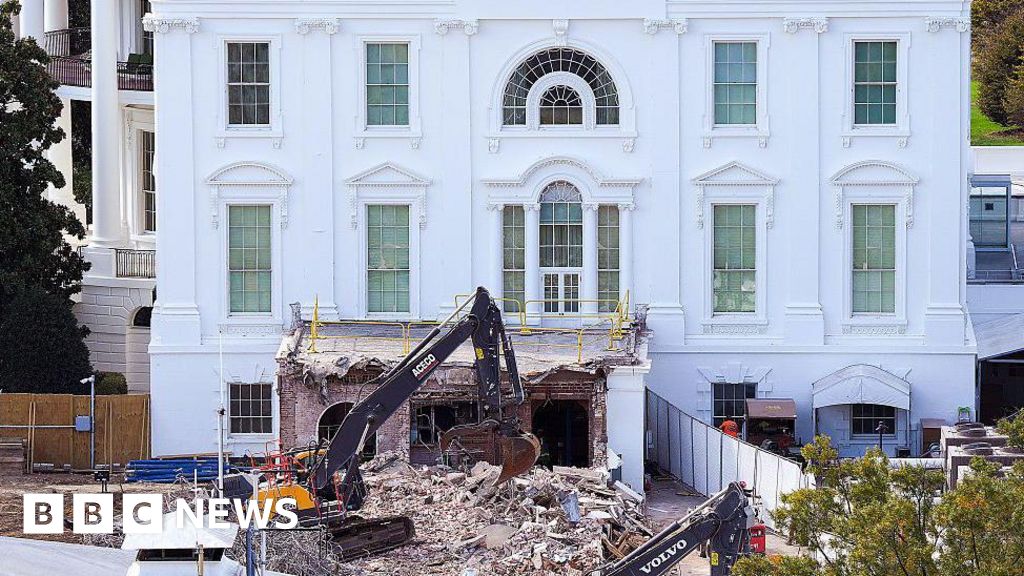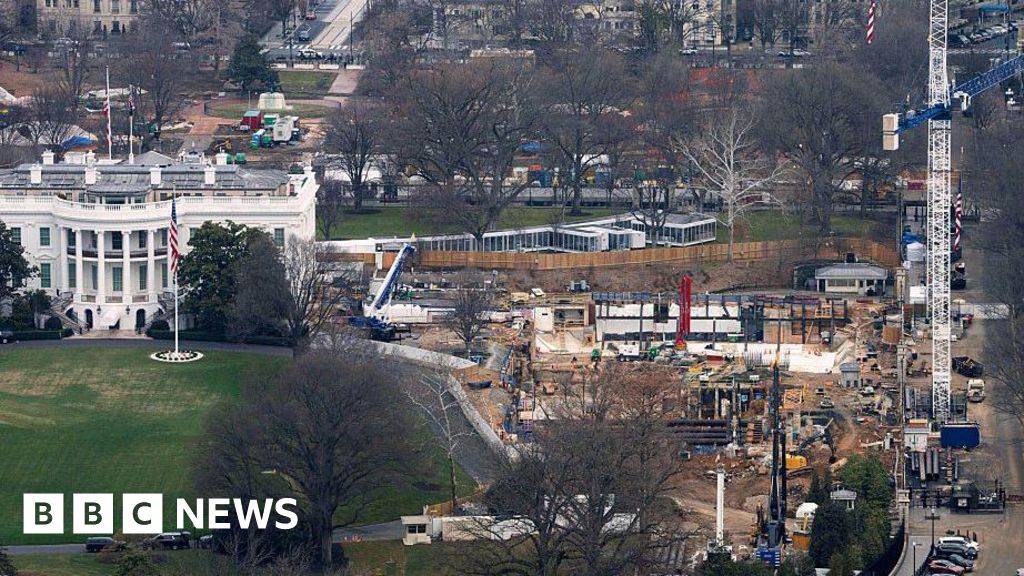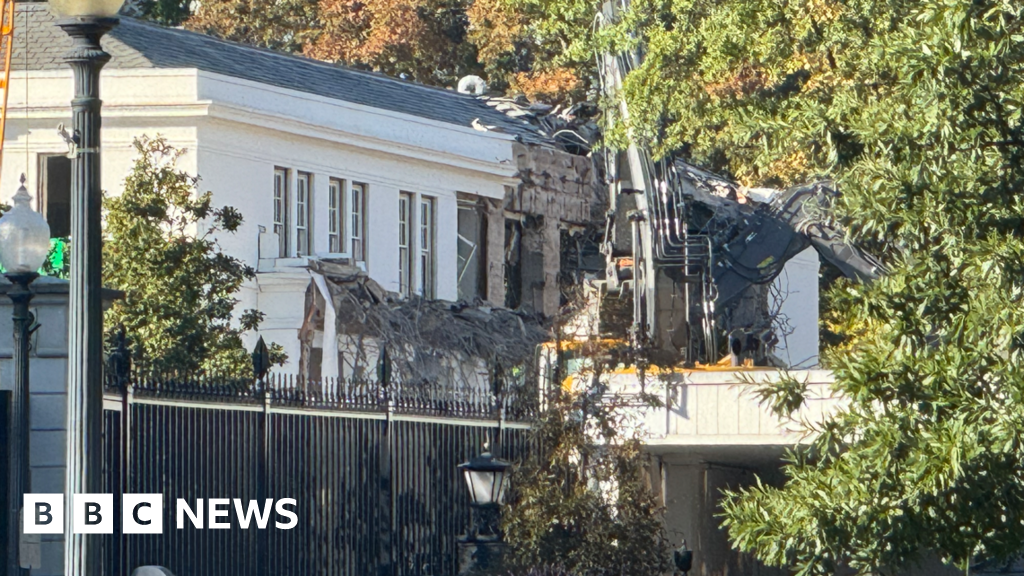

In recent days, the landscape of geopolitical and domestic power politics continues to showcase a fundamental truth: decisions made at the highest levels of government, whether at the Capitol or in diplomatic corridors, have profound consequences on national identity and global stability. **Senate Republicans** have recently proposed a substantial $1 billion allocation dedicated solely to security enhancements around President Trump’s White House ballroom. This move underscores an acknowledgement of the growing importance of symbolic power centers, where decisions about security measures can reflect a broader posture of authority and control. As theorist Carl Schmitt emphasized, sovereignty resides in the ability to decide on exceptions, and in this case, these expenditures signal a desire to reinforce the loci of executive power amid an increasingly polarized political atmosphere.
Meanwhile, the international stage reflects a precarious calm during Victory Day celebrations, as Ukrainian and Russian forces observe a temporary ceasefire. This pause, dictated by strategic calculations and political optics, exemplifies the complex interplay of war and diplomacy. It echoes historical lessons from conflicts such as the armistice negotiations post-World War I, where moments of ceasefire often shifted the trajectory of ongoing conflicts. These fragile truces, while temporary, reveal the underlying power struggle as both nations strive to project strength without escalating into full-scale war. For observers, this delicate dance highlights how power exists not only in combat, but in the decisions to pause and show restraint—decisions that inevitably shape the future of sovereignty and territorial integrity.
Adding another dimension to the unfolding narrative, reports from China detail a devastating fireworks plant explosion in central China, which killed at least 26 people. While seemingly disconnected from the political arena, such disasters often serve as somber reminders of the fragility of state control and the consequences of regulatory oversight. In authoritarian regimes, the perception of state competence directly influences the public’s trust in leadership. The catastrophic event also offers a lens into the relentless pursuit of economic growth juxtaposed against safety that is often compromised in pursuit of national prestige. When leaders prioritize power and economic ambitions over safety, the collapse of such systems underscores the peril inherent in concentrated authority—an enduring lesson in the importance of balanced governance.
Domestically, the Trump administration’s review of Smith College’s admission policies concerning transgender students signals an ongoing power struggle over social norms and the definition of inclusion. The investigation suggests a concerted effort by conservative factions to challenge what they deem as progressive overreach. As constitutional experts debate whether such policies align with the principles of equal protection under the law, the broader contest over societal values becomes evident. Campaign promises of restoring traditional norms often revolve around asserting control over social institutions, transforming them into battlegrounds for ideological dominance.
- Protecting the traditional idea of gender and education
- Resisting what some see as encroachments on free speech and religious liberty
- Reasserting sovereignty over cultural identity
These issues expose a fundamental tension: whether society’s future hinges on the preservation of foundational values or on the continued evolution toward a new social contract dictated by political and cultural elites.
Ultimately, the grand theatre of politics remains the crucible where the **forces of power, tradition, and change** collide, shaping the destiny of nations and peoples alike. As history teaches, the decisions made in these corridors are not merely fleeting legislative acts but chapters written into the fabric of history—testaments to the unyielding human desire to forge a destiny where power is wielded selectively, and where sovereignty is continually contested. Politics, then, is not merely a game of institutions but the arena where the future is written, where each act of power reverberates through the ages—an unrelenting testament to the enduring human struggle for control and identity.