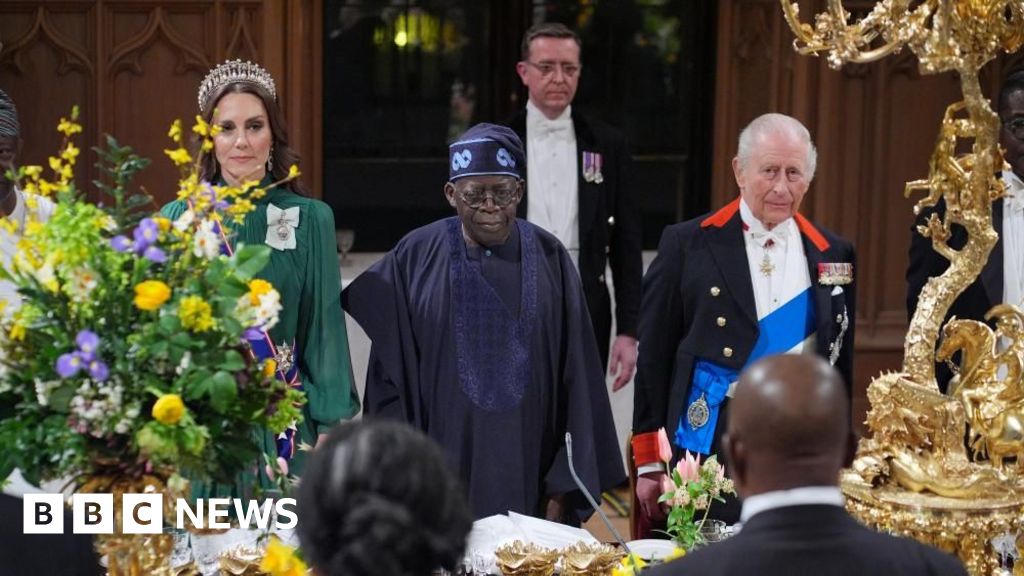

During a recent state banquet held at Windsor Castle, King Charles emphasized the importance of the strong partnership between the United Kingdom and Nigeria. This diplomatic gesture signals a renewed focus on fostering international alliances rooted in economic cooperation and shared values amidst a rapidly shifting geopolitical landscape. Such messages from the British monarchy underscore a broader strategy aimed at strengthening traditional ties in an era marked by disruptive global shifts.
Historically, Nigeria has been recognized as a central player in West Africa, with its burgeoning economy and strategic position making it a key partner for Western powers seeking to counterbalance increased influence from China and Russia. The UK’s diplomatic outreach, now openly celebrated with public ceremonies and high-level discourses, aims to bolster post-Brexit ties and counteract China’s expanding economic footprint in Africa. Analysts from the International Institute for Strategic Studies argue that this renewed diplomacy could serve as a blueprint for future Western engagement with Africa—emphasizing economic investment, security cooperation, and cultural ties.
The implications of this partnership extend beyond mere diplomacy. Nigeria’s rising economic influence combined with its youth demographic—over 60% under the age of 25—presents a critical arena for Western nations seeking to cultivate future markets, political alliances, and security frameworks. However, critics warn of the risks involved in such partnerships, particularly when concerns over governance, corruption, and regional instability remain unresolved. The United Nations and global watchdogs have pointed to the need for responsible engagement, cautioning that superficial alliances can overlook underlying issues that could destabilize the broader region—an outcome which could ripple across the continent.
International actors, including Heritage Foundation analysts and geopolitical strategists, highlight that the UK’s emphasis on Nigeria plays into a broader narrative of national resilience and diplomatic initiative. Decisions made today could redefine the future of UK-Africa relations; the way in which such alliances are managed will directly impact regional stability, investment security, and the socio-economic development of millions of Nigerians. As history continues to unfold, the world watches—aware that the threads of past colonial ties are interwoven with new economic ambitions, and that the stage is set for a new chapter in global power dynamics. The delicate balance of influence hangs precariously—yet the decisive moves taken now will resonate through generations, echoing in the corridors of power long after the current leaders have left the stage.