
Global Tensions Surge as Iran Dismisses US Ceasefire Attempts Amid Middle East Escalation
In a dramatic display of defiance, Iranian military spokesperson Lt. Col. Ebrahim Zolfaghari dismissed recent American efforts to broker peace in the ongoing Middle East crisis. During a prerecorded address aired on state television, Zolfaghari derided the US’s ceasefire negotiations as emblematic of American strategic failure, asserting that Washington is only negotiating with itself. His pointed declaration—“The one claiming to be a global superpower would have already gotten out of this mess if it could”—underscores Iran’s rejection of Washington’s recent diplomatic overtures, which included a 15-point ceasefire plan sent through Pakistan. Analysts note this exchange marks a pivotal moment: Washington’s diplomatic attempts seem to have little traction amid Tehran’s outright rejection, exacerbating an already volatile region.
This escalating rhetoric comes at a time when oil markets are reacting sharply. Following President Donald Trump’s claims that negotiations with Iran are progressing and that Tehran has committed to never acquire nuclear weapons, global markets exhibited sudden volatility. Early Wednesday, Brent crude oil plummeted nearly 6%, with trading at $98.30 per barrel, while the West Texas Intermediate fell 5% to $87.72. Asian markets responded with optimism; Tokyo’s Nikkei 225 rose 2.8%, KOSPI gained 3.1%, and other regional indices followed suit. This market bounce, however, belies the underlying tension—analysts from the International Crisis Group warn that these optimistic surges could be short-lived if diplomatic efforts continue to falter.
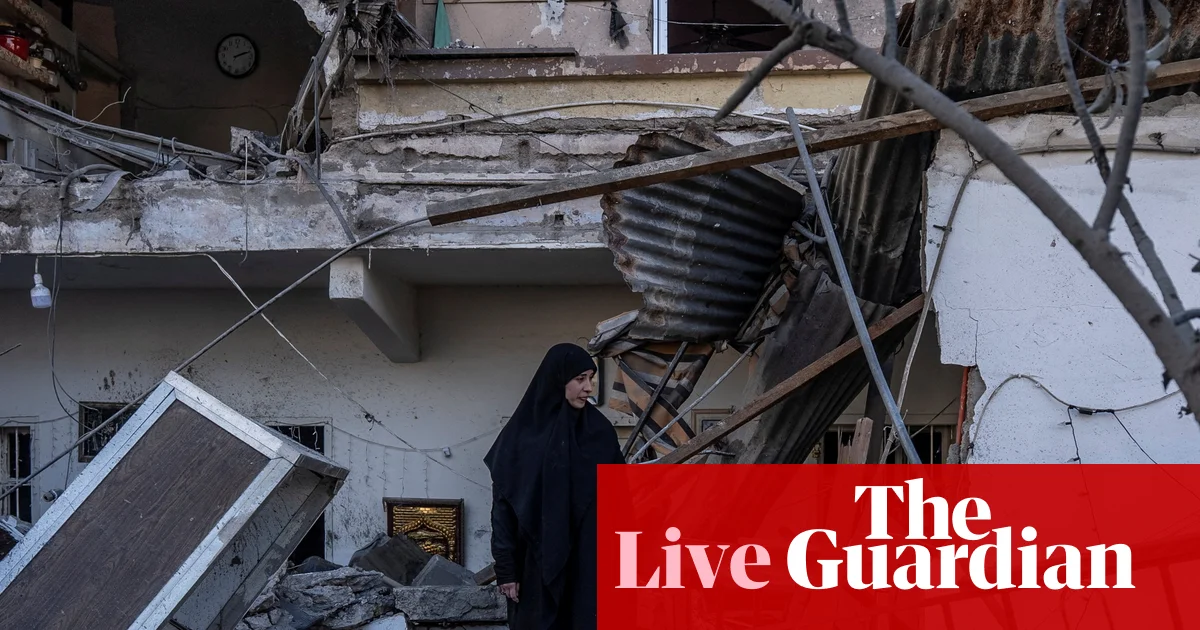
Amid the diplomatic deadlock, the military actions on both sides escalated dramatically. Iran’s Revolutionary Guards launched missile strikes targeting locations in Israel—including Tel Aviv and Kiryat Shmona—as well as US bases in Kuwait, Jordan, and Bahrain. Iranian state media reported these attacks, which came shortly after Iran’s authorities claimed responsibility for firing a projectile at the Bushehr nuclear power plant, an incident managed without damage but indicative of a widening conflict. In Lebanon, Israeli strikes continued to inflict significant humanitarian toll—killing over a thousand civilians and displacing more than a million—while Iran’s alliances in the region, notably Hezbollah, remain poised to expand hostilities further. The U.N. reports that Iran’s military campaign has resulted in the deaths of approximately 1,500 Iranians, adding more fuel to the regional inferno.
On another front, American troop deployment remains on high alert. President Trump reportedly approved the movement of over 1,000 soldiers from the elite 82nd Airborne Division into the Middle East to bolster US presence, undermining earlier claims of a peace process. Meanwhile, Iran’s response to this increased military presence has been hostile, with fears that Iran might resort to mining the Gulf or seizing more strategic assets, threatening global energy supplies. As the war’s stakes extend beyond borders, international organizations such as the WTO issue warnings about the impending global food crisis. The agency’s deputy director general, Jean-Marie Paugam, has highlighted that the closure of the Strait of Hormuz by Iran—a critical route for nearly a third of the world’s fertiliser supplies—has already begun affecting food security, particularly in West and North Africa. Paugam warns of a subsequent reduction in harvests and rising food prices, prognosticating a devastating impact on world agriculture in the coming years.
This turbulent convergence of geopolitics, military confrontation, and economic upheaval underscores a profound chapter in the unfolding history of the 21st century. As historians and analysts observe, decisions made today will resonate across generations, shaping the geopolitical landscape with consequential weight. The region’s fragile stability hangs in the balance; with each side entrenched in their resolve and outside powers inching closer to escalation, the world watches as the pages of history continue to turn—an epoch defined by conflict, diplomacy, and the unpredictable march of fate. The next move remains uncertain, but its consequences are bound to echo through the annals of history, reminding future generations that in the theater of nations, every act carries the weight of eternity.