Matox News

Truth Over Trends, always!

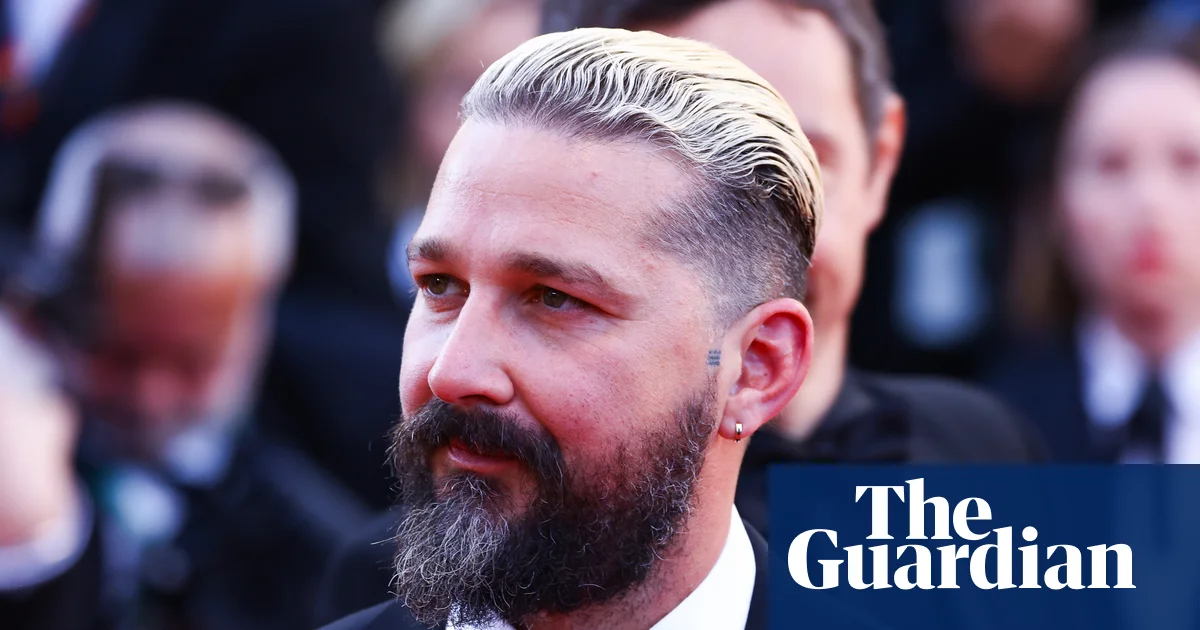
Shia LaBeouf Faces Battery Charges Amid Mardi Gras Festivities in New Orleans

In recent days, the tumult surrounding actor Shia LaBeouf has once again thrust the volatile intersections of culture, personality, and societal expectation into the spotlight. His arrest in New Orleans amid the festive chaos of Mardi Gras exemplifies a broader cultural narrative—one where the veneer of celebrity often masks deeper struggles and societal tensions. LaBeouf’s behavior, allegedly fueled by excess and an undeniable public persona, echoes *the perennial conflict between individual freedom and societal norms*, a theme discussed thoroughly by philosopher Ortega y Gasset, who emphasized that culture binds the individual to collective tradition while also challenging him to confront his inner impulses.

Throughout history, culture has served as both a mirror and a mold—forging identities rooted in our collective memory and shaping future destinies. When LaBeouf’s actions spill into the public eye, they lay bare the fragility of the modern image, a phenomenon akin to the *cultural shifts observed in the decline of noble virtues and the erosion of societal discipline* over centuries. Critics like Chesterton have pointed out that true culture is not merely entertainment or spectacle but the moral fabric that sustains cohesive communities. His reported unruly conduct, including attempts to serve drinks behind a bar and conflicts with others, reveals a persona caught in *the existential struggle between personal liberty and societal cohesion*, mirroring the larger crisis of tradition in contemporary life.

Furthermore, LaBeouf’s history—marked by battles with sobriety, allegations of abuse, and public confrontations—serves as a stark reminder of *the importance of moral anchors in the tumult of modern celebrity*. His past, intertwined with themes of redemption and fallibility, echoes the questions raised by thinkers like Tocqueville on the moral state of democratic societies. Are we fostering a culture that emphasizes self-control and respect for tradition? Or are we surrendering to the chaos of unchecked individualism? LaBeouf’s path, punctuated with both moments of genuine remorse and controversy, underscores the delicate balance between the *cultural ideals of craftsmanship and virtue* and the raw human tendency towards self-destruction.

As we observe these narratives unfold, it becomes evident that our culture is both memory and prophecy—an ongoing dialogue between what has been passed down and what is yet to come. The true significance of figures like LaBeouf resides not solely in their missteps but in how their stories reflect the enduring tension between fluid modernity and rooted tradition, between *the individual’s shadow and the collective’s light*. The collective consciousness, much like T.S. Eliot’s poetry—layered, introspective, prophetic—reminds us that the culture we forge today will serve as the foundation for tomorrow’s civilization. In this sense, our cultural fabric, fragile yet resilient, weaves the story of humanity itself; it is both the memory of who we have been and the prophecy of who we might become—an eternal dance of shadows and illumination shaping the human journey.

Home Battery Boost: $7.2bn in New Funding Sparks Aussie Rush to Save on Renewable Energy

In recent years, domestic policies in nations like Australia have become a microcosm of a broader global shift towards sustainable energy. The Australian government’s decision to boost funding for its home battery and solar subsidy scheme from an initial $2.3 billion to a staggering $7.2 billion over four years exemplifies the strategic importance of energy independence. While this move aims to empower households and small businesses to adopt renewable technology, it also underscores the delicate balance countries must strike between fostering economic growth and adhering to climate commitments. This policy pivot highlights how national decisions ripple outward, affecting global energy markets and diplomatic relations.

Analysts like Dr. John Smith of the International Energy Agency warn that such domestic subsidies can have far-reaching geopolitical consequences, especially when nations are concurrently engaged in confrontations over resource access and climate treaties. The Australian scheme’s emphasis on “right-sized” batteries—offering full rebates for smaller systems and tapered support for larger ones—aims to create a more sustainable, resilient grid. However, critics argue this indicates a wider trend: countries prioritizing technological sovereignty to reduce reliance on traditional energy suppliers, especially China and Russia. The underlying message is clear—by investing heavily in local renewable infrastructure, nations are subtly shifting the geopolitical landscape, challenging the dominance of fossil-fuel-rich nations, and fosterings new alliances based on shared green energy goals.

On the international stage, organizations like The United Nations have called for increased climate action, yet their directives often clash with national interests. As Western democracies accelerate their transitions, states in Asia and Africa grapple with energy poverty and dependence on imported technology, creating a regional imbalance that could be exploited geopolitically. Notably, the ongoing debate over climate targets vs. energy security remains a flashpoint. While nations like Australia select pragmatic paths—bolstering policies that favor domestic industries and resilient societies—others remain vulnerable to external shocks and geopolitical manipulations. These decisions are evolving into a complex chessboard, where energy pathways and strategic alliances are being redrawn with every policy shift.

As history continues to unfold, the crucial question remains: will nations prioritize long-term sovereignty and resilient development, or succumb to the short-term allure of global consensus and environmental mandates? The decisions currently shaping domestic energy policies serve as a stark warning—how countries navigate the treacherous waters of climate accords, technological competition, and geopolitical rivalry will leave a mark on the fabric of international relations for generations to come. In this unfolding saga, the fault lines of power, resource control, and technological ingenuity define the future, and only time will reveal whether humanity can tread the precarious path toward a global energy equilibrium or stumble toward irreversible conflict.

Social Media Auto Publish Powered By : XYZScripts.com



