Matox News

Truth Over Trends, always!

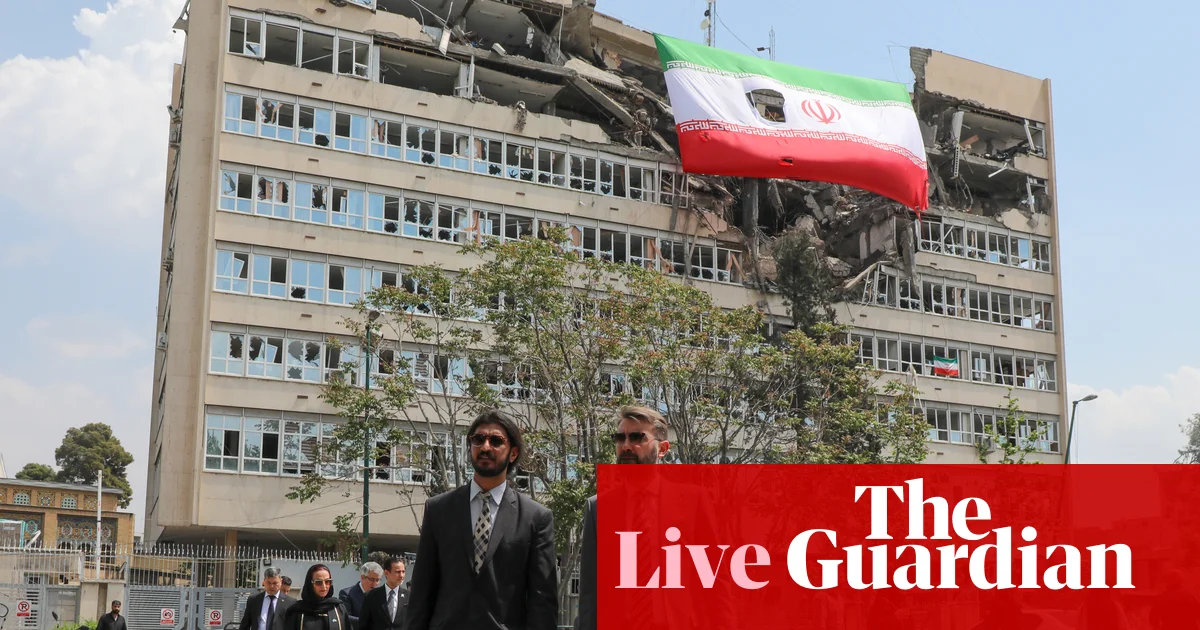
Live: Iran considers Pakistan talks with US amid rising tensions—claims ‘new battlefield’ cards in US-Israel standoff

In an unfolding series of high-stakes confrontations in the Middle East, Iran has condemned recent US military actions, labeling the seizure of an Iranian-flagged cargo ship as “maritime piracy” that exacerbates existing tensions in the region. This incident, accompanied by the US Navy’s deployment of marines onto the vessel, has thrown diplomatic efforts aimed at de-escalation into disarray. Iran’s foreign affairs ministry has called for the immediate release of the ship and its crew, asserting that the act violates international law and breaches earlier ceasefire agreements with the United States. Such moves not only threaten to derail fragile negotiations but also deepen fears of broader regional conflict, potentially impacting the global flow of oil and commodities through the vital Strait of Hormuz.

Officials in Washington remain committed, at least officially, to the pursuit of diplomatic solutions. Donald Trump has asserted that “a deal with Iran would happen relatively quickly,” reinforced by his declaration that the US would not lift its blockade until Iran agrees to negotiate on its nuclear program. Such statements underscore the complex and precarious nature of international diplomacy amid escalating military threats and economic sanctions. Meanwhile, US Vice-President JD Vance remains in the US, fueling uncertainty about the upcoming second round of talks. Despite Islamabad’s efforts, led by Pakistani military and diplomatic officials, to host meaningful negotiations in Islamabad, the outlook remains grim. Both Iran and the US are entrenched in a cycle of accusations and retaliatory measures, with Iran warning of “new cards on the battlefield” as the ceasefire deadline looms.

Beyond the naval standoff, the broader geopolitical impact resonates globally. Oil markets have reacted with a dip in prices amid hopes that peace talks will succeed and the Strait of Hormuz will be reopened, a critical corridor through which a significant portion of the world’s oil supply passes. Notably, Russia and Iran maintain ongoing discussions, emphasizing the strategic importance of maintaining passageways and stability in the region. Yet, this fragile calm is threatened by reports of violence escalating in Gaza, where Palestinian casualties continue to rise due to Israeli strikes, and clashes between Hamas fighters and Israeli-backed militias threaten to ignite a wider conflict. Historians and analysts warn that these developments could set the stage for a prolonged regional upheaval with far-reaching consequences for international security and economic stability.

At the core of this volatile situation lies the posturing over Iran’s nuclear capabilities. Donald Trump claims that the US has “obliterated” Iran’s nuclear dust sites during last year’s strikes—an assessment questioned by experts who highlight that underground facilities in Isfahan and Natanz remain largely intact, capable of resuming nuclear activities. Iran’s leadership, meanwhile, continues to assert its right to develop nuclear energy while warning that continued blockade and military threats only reinforce their resolve to reveal “new cards” on the battlefield. As diplomatic efforts flounder, the world faces a stark reality: the unfolding decisions and retaliations in the Middle East are not just about regional power — they are about who ultimately controls the future of global geopolitics. The unfolding drama echoes the words of historians who have long warned that the Middle East’s persistent conflicts are intertwined with the world’s strategic interests, often resulting in chaos that echoes far beyond its borders. Today, as each move is scrutinized and claims are made, the weight of history presses upon us—reminding us that the sands of this conflict are indeed shifting beneath our feet, with the potential to reshape the very fabric of global order.

Gear Up for Startup Battlefield 2026: How Young Innovators Can Stand Out and Win

Innovation Disrupts Industry: Startup Battlefield Announces 2026 Call for Innovations

In a clear sign that the next wave of technological breakthroughs is on the horizon, TechCrunch’s annual Startup Battlefield program has opened applications for 2026, inviting early-stage innovators worldwide to showcase their game-changing ideas. The competition, part of the flagship TechCrunch Disrupt event scheduled for October in San Francisco, continues to serve as a launchpad for startups destined to reshape industries and redefine technological boundaries. Industry experts, including MIT researchers and technology analysts, emphasize the significance of such platforms in fostering disruptive innovation and scaling foundational tech advances beyond mainstream horizons.

The criteria: Disruption over polish

Startup Battlefield is distinguished not by the maturity of participants but by their potential to catalyze meaningful shifts. The organizers seek companies with ideas that feel category-defining—those that threaten to make existing solutions obsolete. Product innovation takes precedence over polish, with emphasis on real-time proof of concept. For example, a company demonstrating an MVP that exemplifies real disruption—such as a technology that radically alters supply chain logistics or leverages AI in unexpected ways—stands a strong chance of selection. According to Gartner analysts, the emphasis on real-market impact accelerates the emergence of sector-transforming startups, securing their position in a fast-evolving digital economy.

Global, diverse, and resilient: The new frontier

One notable aspect is industry and geographic diversity. The program’s Startup Battlefield 200 cohort reflects a global mosaic—sources from emerging markets and underrepresented sectors, breaking away from traditional Silicon Valley dominance. Founders are encouraged to articulate their origin stories—why their solutions hold unique promise amid shifting geopolitical and technological landscapes. As Elon Musk and Peter Thiel have repeatedly stressed, fostering diverse innovation ecosystems is crucial to maintaining technological sovereignty and economic resilience in the face of intensifying global competition.

Submission insights: Show, tell, and stay authentic

  • Show your MVP in action: Live demos or real-time recordings trump static mockups
  • Know your competition: Honest acknowledgment combined with clarity on your competitive edge is indispensable
  • Tell your story: Your vision, founder motivation, and conviction matter as much as technical details

Critically, the application process remains welcoming to early-stage companies, including those still pre-launch or bootstrapped. No need for extensive funding or revenue yet—what matters most is potential and market game-changing vision. Many successful applicants have faced rejection before; persistence and authenticity often turn the tide for future applications.

Looking ahead: The stakes have never been higher

The upcoming application deadline, May 27, 2026, marks a pivotal moment for disruptors eager to align their vision with industry leaders and investors seeking the next Tesla or SpaceX. As AI, blockchain, quantum computing, and other frontier technologies accelerate rapidly, startups that leverage innovation and disruptive power will define the future competitive landscape. Gartner’s latest forecasts suggest that companies capable of making significant breakthroughs early on will dominate emerging markets and shift global industry standards. With a vibrant, diverse cohort poised to challenge the status quo, the time for aspiring innovators is now—failure to act could mean falling behind in the race for technological dominance. Given the dynamic, high-stakes environment of 2026, startups must embrace bold visions, demonstrate tangible proof, and prepare for a future where disruption is the new normal.

Innovation is rewriting the rules of the game: are you ready to lead the charge? Apply now and position yourself at the forefront of the revolution.

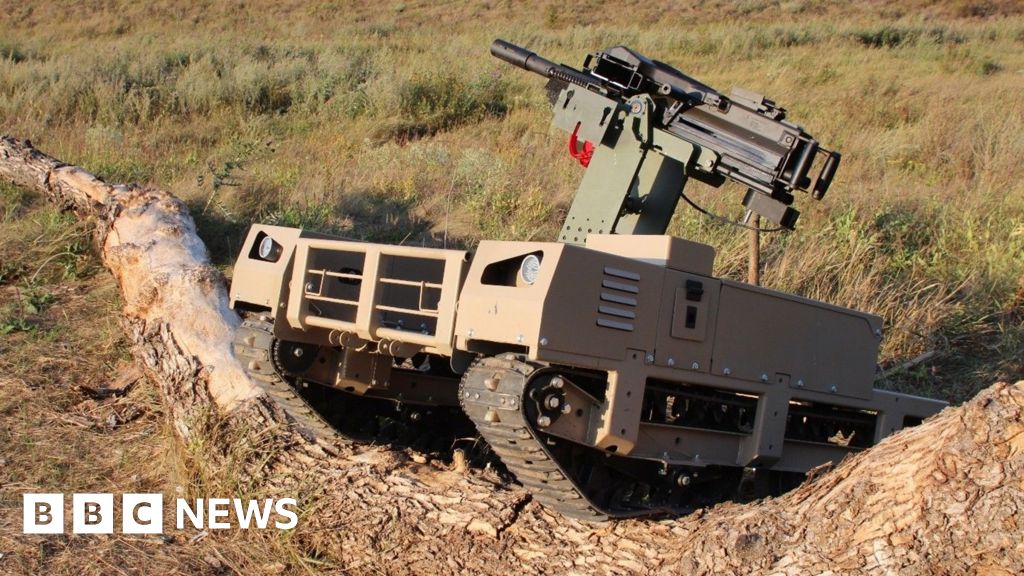
Robots with weapons hit the battlefield in Ukraine—showing innovative defense in action

In a decisive move that signifies a profound shift in the landscape of modern warfare, Ukraine has announced the deployment of armed robotic units on the battlefield against Russian forces. This development marks an unprecedented step in the ongoing conflict, reflecting Kyiv’s strategic adaptation to new technological frontiers and the increasing importance of unmanned combat systems in contemporary military doctrine. As conflicts increasingly intertwine with advancements in artificial intelligence and robotics, the outcome of this deployment could redefine power dynamics not only regionally but across the global geopolitical spectrum.

The Ukrainian government’s initiative signals a broader trend among nations with vested interests in technological superiority. According to defense analysts and military strategists, this move underscores a deliberate effort to minimize human casualties while maximizing operational efficiency. The use of armed drones and autonomous systems could serve as a force multiplier, allowing Ukrainian troops to target enemy formations with precision that diminishes the risks associated with traditional combat. However, such developments are not without controversy; they raise significant concerns over ethical standards, escalation risks, and the potential for unintended consequences. International organizations such as the United Nations have issued cautious statements, urging restraint and emphasizing the need for clear international regulations governing autonomous weapon systems.

The geopolitical impact of Ukraine’s decision resonates far beyond its borders. This technological leap could inspire other nations to accelerate their own military modernization programs, particularly in regions where ongoing conflicts threaten regional stability. Historically, the proliferation of autonomous weapons has been contentious, with critics warning against a future where machines could operate independently in lethal scenarios. Yet, proponents argue that such advancements are essential for maintaining strategic parity, especially against adversaries who continue to modernize their forces. These developments could provoke a new arms race, further complicating diplomatic negotiations and sowing seeds of instability in an already fragile international order.

As international institutions grapple with the implications of autonomous weaponry, a pivotal question emerges: how will the shift towards robotic warfare influence the fabric of society, sovereignty, and ethical warfare? Debates among historians and strategists emphasize that technology alone does not determine the outcome of conflicts; it is the underlying political will, public support, and adherence to international law that ultimately shape history. Looking ahead, the unfolding of Ukraine’s robotic battalions stands as a stark reminder that the course of geopolitics is often dictated by innovation—an ongoing saga where humanity teeters on the edge of a new frontier. As the world watches, the echoes of this bold step will reverberate through history, leaving future generations to grapple with the true meaning of victory and the cost of technological dominance.

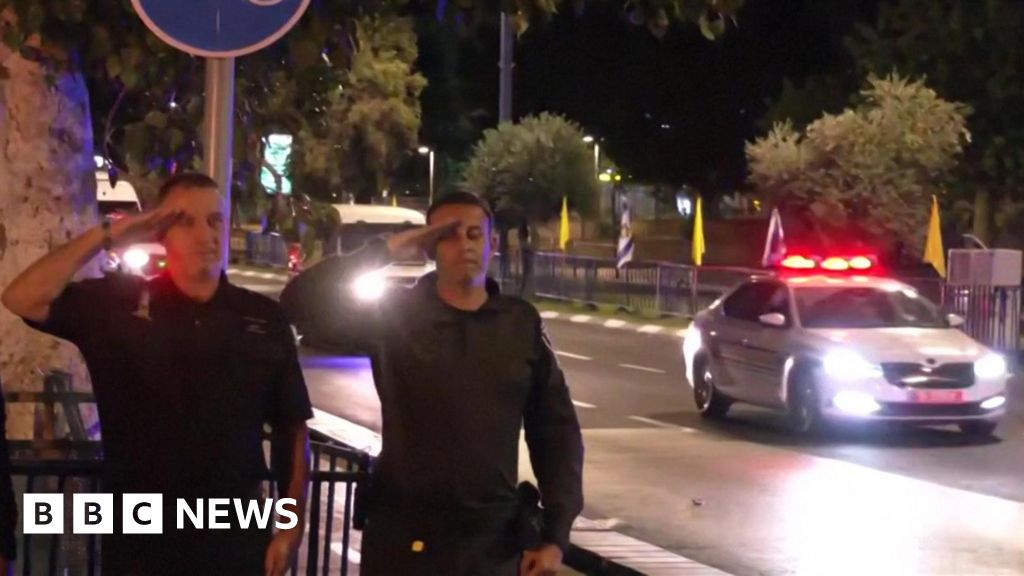
Israel confirms: Red Cross removes another dead hostage from Gaza battlefield

The ongoing conflict between Israel and Hamas continues to shape the geopolitical landscape of the Middle East, revealing the fragility of ceasefire agreements and the profound human toll inflicted by decades of unresolved tensions. Recent developments highlight a complex diplomatic and military calculus, as the Israel Defense Forces (IDF) announced the return of another coffin containing the remains of a hostage, now back in Israel. This resumption of human remains exchange underscores the persistent struggle to honor commitments amid wartime chaos, even as the broader conflict persists unabated.

Analysis by international specialists suggests that these hostages and dead bodies are central to both the moral and strategic objectives of each side. The International Committee of the Red Cross (ICRC) reported it had taken measures to handle the remains with dignity, handing them over to Israeli forensic authorities for identification. Meanwhile, the Israeli government strongly urges the public to wait for official information, denying any desire to incite rumors or mislead the international community. The tension over the incomplete return of bodies—despite a recent ceasefire agreement—has sparked fury within Israel, with critics arguing that Hamas’s reluctance to return all remains undermines trust in any negotiated peace process.

The ceasefire deal—brokered by the United States—was supposed to facilitate the humane exchange of hostages and the return of bodies, but discrepancies have emerged. Hamas claims it remains committed to handing over all remaining remains, accusing Israel of obstructing this process by blocking access to conflict zones with heavy machinery. Israel, on the other hand, insists that Hamas must fulfill its obligations under the agreement. This standoff highlights a crucial turning point: whether the current diplomacy will hold or escalate into further violence. The international community, including various historians and analysts, warns that such unresolved issues threaten to plunge the region into a protracted cycle of violence, with ripple effects felt far beyond Middle Eastern borders.

Meanwhile, the broader geopolitical impact of this conflict is stark. The US, while visibly supporting Israel, maintains that the ceasefire and subsequent negotiations aim to prevent regional destabilization. However, the deteriorating humanitarian situation in Gaza—where over 67,000 deaths have been reported—continues to fuel international concern about the long-term consequences of this war. Israeli Prime Minister Benjamin Netanyahu vows to continue fighting terrorism, emphasizing that the mission is far from over. Yet, critics argue that these military actions come at the expense of global moral authority, complicating efforts to assemble an international consensus for peace. The unfolding negotiations, the exchange of bodies, and the strategic standoff are all a testament to the enduring complexity of this conflict, where every decision may have seismic consequences for international stability.

As the world watches with bated breath, the fate of hostages, the handling of remains, and the fragile ceasefire serve as stark reminders that history is still being written in blood and hope. The next chapter will test the resilience of diplomacy, the morality of war, and the persistent desire for peace—echoing through the halls of power and the quiet hearts of countless families caught in the crossfire. Here, in this crucible of history, the future remains uncertain, teetering on a knife’s edge as the specter of ongoing violence looms over the region and beyond.

Social Media Auto Publish Powered By : XYZScripts.com