Matox News

Truth Over Trends, always!

Montana Firefighter and Union Leader Battles to Prioritize Workers' Voice in the Big Sky State
Montana Firefighter and Union Leader Battles to Prioritize Workers’ Voice in the Big Sky State

In an era where geopolitical stability is increasingly intertwined with domestic policy shifts, the United States faces a pivotal crossroads. Recent upheavals within the U.S. Forest Service highlight the deeper fissures in the American political landscape—fissures that echo far beyond the borders of Montana. The abrupt termination of a quarter of Montana’s Forest Service employees, many with decades of service and personal hardship, exemplifies a trend of fiscal austerity measures and ideological assaults on public land stewardship. Such actions raise questions about how the priorities of government influence societal cohesion and the international reputation of a nation that claims to champion environmental conservation and social justice.

The story transcends local employment issues; it illustrates the concerted efforts by political elites, notably former Interior Secretary Ryan Zinke, to leverage public lands for corporate gain. Zinke’s record—characterized by his return to Congress and his tight alignment with industry interests—underscores a broader national and global debate. Critics argue that policies favoring extractive industries, under the guise of defending public lands, threaten not only environmental integrity but also social equity. International watchdogs, like the United Nations Environment Programme, warn of the long-term geopolitical consequences of unchecked resource exploitation—potentially fueling regional conflicts, displacing indigenous communities, and undermining international conservation treaties.

Within this turbulent domestic landscape, independent voices like Sam Forstag are emerging as defenders of the working class. Forstag’s candidacy for Congress disrupts the traditional politicization of public lands and workers’ rights—a battle that resonates globally. His campaign reflects a larger movement rallying around tangible policy solutions, including

  • expanding affordable housing
  • universal childcare
  • reforming healthcare

. Such policies, analysts argue, are essential not only for restoring domestic stability but also for asserting national sovereignty amidst powerful global forces seeking to suppress those who stand for their communities. The debate is about more than elections; it is about the future direction of a nation that once championed individual enterprise and community resilience, now threatened by a tide of corporate imperialism.

As the 2026 midterms approach, the world’s gaze turns to Montana—yet what unfolds there will ripple across seas and continents. The fate of leaders like Zinke and insurgent voices like Forstag is intertwined with the international ecosystem of geopolitics and environmental stewardship. The narrative of American policymaking underpins the shifting alliances and power dynamics that shape global stability. With each contested vote and policy battle, history is being written—one that may determine whether nations capita­lize on newfound unity or succumb to division and exploitation. The weight of history, once unfathomable, now presses firmly on this pivotal chapter: will the choices made today solidify a future of resilience and national sovereignty, or carve a path toward perpetual chaos? The answers remain unwritten, but the story is far from over.

Chrome ramps up with new features as browser battles heat up

tech giants and startups drive disruptive innovation in web browsers, signaling a new era of digital competition

In a landscape traditionally dominated by Google Chrome, 2025 is shaping up as a pivotal year for innovation and disruption in the browser market. As emerging AI-powered startups and tech companies leverage artificial intelligence to redefine user experience, Google is rallying to retain its dominance by rolling out a series of advanced features aimed at deep integration, enhanced productivity, and user convenience. This strategic move underlines an industry transition: the race for browser supremacy is intensifying, with innovation becoming the central battleground.

Google’s recent updates include features such as Split View, PDF annotations, and a new “Save to Google Drive” function, designed to boost productivity and keep users within the Google ecosystem. These enhancements reflect an acknowledgment that user engagement hinges on seamless integration and smarter workflows. Experts from MIT and industry analysts from Gartner argue that such features may serve as a defensive shield against innovative challengers that have brought AI-driven browsing experiences to the forefront.

  • Split View for multitasking across tabs
  • PDF annotations for in-browser editing
  • Direct save to cloud to prevent data loss

This upgrade exemplifies how legacy browsers are trying to adapt, but critics warn that unless these features are coupled with massive user experience overhauls, they risk becoming mere band-aids.

Meanwhile, startups like ChatGPT Atlas and others are unleashing AI-centric browsers that promise to revolutionize how we interact online. These new entrants focus on disruption through automation, personalized content, and autonomous browsing capabilities, forcing giants to reconsider their strategies. The industry observes that if these startups gain mass adoption, we could witness a seismic shift in how digital markets operate. Historically, Peter Thiel has emphasized the importance of monopoly via innovation, a lesson now resonant in the race for browsing dominance. The question remains whether legacy players can evolve swiftly enough to fend off these challengers or risk obsolescence.

The business implications of this shift are profound. As Google deepens its AI integrations and other companies introduce revolutionary functionalities, the boundaries between browsers and AI assistants are blurring. This suggests a future where the browser becomes an intelligent gateway to a personalized, autonomous digital ecosystem. Such a transition not only threatens traditional browser revenue streams but also opens new avenues for cloud services, AI subscriptions, and SaaS models. Companies that master these innovations will secure a competitive edge, while those slow to adopt risk losing relevance in this fast-changing industry.

As we move into this new epoch, the urgency for establishing innovation-driven monopolies has never been greater. The convergence of AI, cloud integration, and user-centric features points to a future where dominance will depend on technological agility and strategic disruption. Industry observers and investors must stay alert, as the next wave of breakthroughs could redefine the digital landscape altogether. With giants and startups alike accelerating their R&D efforts, the battle to shape the browser of tomorrow is not just about software—it’s about wielding the power to influence global information flows.

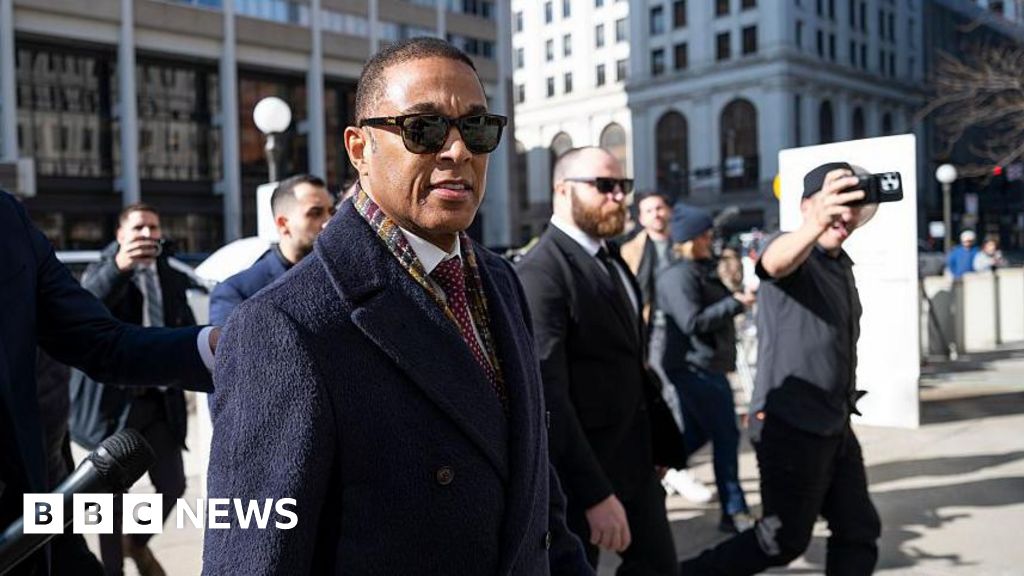
Ex-CNN Host Don Lemon Battles Back in Minnesota Church Protest Case

The recent incident in the United States, where a former CNN host along with eight other individuals were formally charged for interrupting a church service as a form of protest against immigration raids, underscores a troubling shift in domestic activism with global repercussions. The act, which took place during an event ostensibly rooted in faith and community, reflects a broader trend of activists leveraging public spaces to challenge increasingly contentious immigration policies. Such actions, while hailed by some as courageous civil disobedience, also serve as a stark mirror to the deep divisions rippling across American society and, by extension, the geopolitical landscape.

This stark confrontation between law enforcement, civil liberties, and national security considerations does not merely echo within U.S. borders but resonates far beyond. Analysts warn that these localized protests symbolize a broader international narrative where governments face mounting pressure from civic groups, advocacy organizations, and external actors. The United States’ handling of immigration policies, often shaped by bipartisan debates, is increasingly intertwined with global power dynamics, especially with nations like Mexico and Central America. As the U.S. continues to combat irregular migration flows, every act of domestic protest magnifies the overarching question: how will internal dissent influence America’s role on the world stage?

Geopolitical Impact and International Repercussions

Foreign policy experts highlight that these spectacles of civil unrest do more than challenge domestic policy—they alter international perceptions of America’s stability and commitment to the rule of law. According to international think tanks and historians specializing in U.S. history, acts of civil disobedience such as these may contribute to a narrative of chaos or instability, which adversarial nations could exploit. Moreover, the ongoing discourse reveals a nation at a crossroads—balancing its immigration commitments with the stringent enforcement measures that have become a wedge issue domestically.

Additionally, the incident arrives amidst rising tensions with China and Russia, who eagerly watch America’s internal divide as a sign of vulnerability. Global institutions, including the United Nations and European Union, have issued mixed messages—calling for human rights protections while grappling with their own crises. The protests, now etched into the national consciousness, serve as a reminder that the decisions made within American borders ripple outward, influencing alliances, trade relations, and diplomatic negotiations worldwide. Every act of defiance becomes part of a larger narrative: America’s democratic resilience being tested on its home turf.

The Future of American Identity

History historians and political analysts warn that such protests presage a more turbulent era where the American identity itself is under scrutiny. Citizens, especially younger generations, are demanding a different vision of national purpose—one that balances security with compassion. As the nation wrestles with these fundamental questions, the weight of history presses down, reminding all observers that the path forward remains uncertain yet pivotal in shaping the global order. Indeed, these moments reflect not just a confrontation over immigration, but a fundamental debate about who America is and what it will stand for in the 21st century.

As observers witness these unfolding events, one thing remains clear: in the theater of history, the lines are shifting, the stakes rising, and the outcome uncertain. The decisions made today will resonate through generations, as America’s story continues to be written in the ink of activism, policy, and power.

Swedish Navy Battles Repeated Russian Submarine Encounters—More Threats Ahead

Swedish Defense Reports Increasing Russian Submarine Activity in the Baltic Sea

The Baltic Sea has long been a pivotal flashpoint for escalating security concerns among NATO allies and Russia. Recently, reports from Sweden’s navy highlight a startling trend: encounters with Russian submarines are occurring on an almost weekly basis. Sweden’s Chief of Operations, Capt Marko Petkovic, emphasized that Moscow is actively reinforcing its presence in the region, modernizing its fleet, and increasing submarine capabilities. This pattern of persistent submarine sightings and naval activity signals a broader push by Russia to assert dominance over the Baltic, an extension of its deeper strategic ambitions amidst the ongoing Ukraine conflict.

Russian Naval Modernization and the Geopolitical Stakes

According to leading analysts, Russia’s naval modernization efforts are part of a deliberate strategy to project power and challenge NATO’s influence in Northern Europe. The Russian fleet, particularly its Kilo-class submarines produced annually in St. Petersburg and Kaliningrad, are being upgraded with advanced capabilities—a move that has only heightened tensions in a region already volatile from recent conflicts and hybrid warfare threats. Capt Petkovic points out that Russia is continuously modernizing its vessels, making the underwater theatre in the Baltic more dense and unpredictable.

Added to this, the “shadow fleet”—a fleet of civilian-flagged oil tankers allegedly used to carry crude oil from Russia—raises concern over potential covert operations. While not overt military threats, these vessels could be repurposed to support drone attacks or other hybrid tactics, blurring the lines between civilian and military assets. Such tactics align with Russia’s overarching approach to hybrid warfare, an indirect yet persistent threat that NATO and regional partners are increasingly wary of. Europa and NATO officials are warning that, in the event of a ceasefire or armistice in Ukraine, Russian escalation could shift focus toward securing and expanding influence in the Baltic basin.

European Responses and NATO Vigilance

The response from NATO nations underscores a renewed commitment to <undersea countermeasures> and regional security. Sweden recently hosted Playbook Merlin 25, a major anti-submarine warfare exercise involving nine countries, including Germany, France, and the United States. This exercise aimed to bolster submarine-hunting skills amid a complex underwater environment that, due to its hilly and unpredictable terrain, provides prime hiding spots for submarines. According to Capt Petkovic, increased NATO vigilance has already had a tangible effect, with a notable absence of cable incidents since the establishment of Operation Baltic Sentry earlier this year. Such operations demonstrate that NATO’s unity and strategic planning are key in mitigating regional instability and deterring further Russian assertiveness.

However, the geopolitical impact goes beyond mere military preparedness. It signals a broader contest over influence in the sovereignty of Baltic states and their access to vital sea lines of communication—a lifeline for their economies and national security. As these emerging threats pose risks to not only military infrastructure but also civilian infrastructure, the stakes are high. The ongoing tension has analytical voices warning that the Baltic Sea may soon echo the echoes of Cold War conflicts, with the possibility of a new, dangerous era of hybrid and conventional hostility.

While some champions of diplomacy argue for negotiations, the reality depicted by recent movements suggests that history is once again at a turning point. How the West responds to Russia’s naval expansion and hybrid tactics in the Baltic will shape the geopolitical landscape for decades to come. The outcome remains unwritten, but what is clear is that the wider world is on the brink of witnessing a new chapter of strategic confrontations, where control over the Baltic could become a crucial pawn in a larger struggle for dominance.

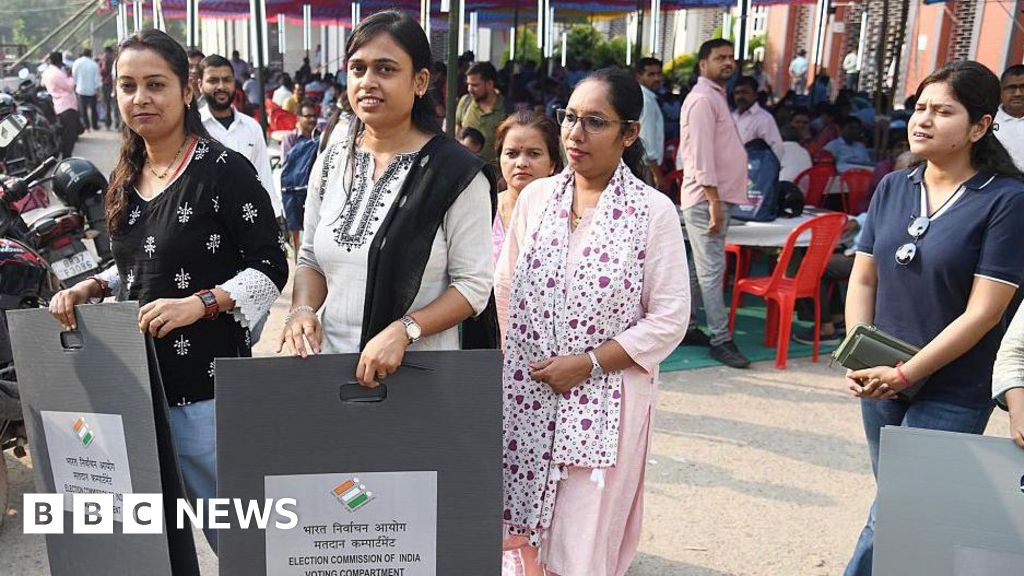
Modi's Party Battles Key Election Fight in India’s Youth Heartland
Modi’s Party Battles Key Election Fight in India’s Youth Heartland

India’s Bihar Election: A Landmark Moment in the Geopolitical Arena

As the eastern state of Bihar prepares for its critical electoral showdown, the nation watches with bated breath, recognizing that the outcome is more than a regional contest—it is a barometer for broader geopolitical trends. With over 74 million eligible voters, the election sets the stage for a pivotal shift that could influence India’s national direction, especially in how it consolidates power amidst internal divisions and external pressures. The recent voting process, marked by the first phase in Bihar, exemplifies the intense political jockeying that continues to define India’s democracy, where every vote carries implications not just for local governance but for the global standing of a nation aspiring to regional dominance.

Amid accusations of electoral roll revisions skewed to favor the ruling Bharatiya Janata Party (BJP), the election exposes underlying tensions that extend well beyond Bihar’s borders. Critics, including opposition parties, accuse India’s Election Commission of disenfranchising genuine voters—particularly among marginalized groups—and thus skewing the democratic process. In contrast, the BJP and the Election Commission maintain that the exercise ensures electoral integrity. This controversy underscores a broader question about how internal decisions within India influence the nation’s image on the international stage, especially as global institutions scrutinize its commitment to fair democratic practices. Analysts have noted that the legitimacy of these elections will have lasting effects on India’s internal coherence, affecting its economic stability and diplomatic credibility among allies and rivals alike.

Historical Leaders and Future Uncertainty

The political landscape in Bihar remains intertwined with historic figures whose influence has shaped the state’s ongoing saga of political rivalry and social change. Names such as Nitish Kumar and Lalu Prasad Yadav echo through decades of Bihar’s turbulent politics. Kumar, a veteran leader, has been a guiding force, often aligning with national narratives to bolster Bihar’s development agenda, notably aiding the BJP’s push into federal power following the 2024 general elections. Conversely, Yadav, once a charismatic champion of marginalized castes, now faces legal challenges, yet his political progeny continue to vie for dominance—most notably his son Tejashwi Yadav, who is being projected as the opposition’s key candidate. This generational shift marks a potential turning point; leaders in declining health hint that Bihar’s current political order could soon give way to new faces, thus altering the socio-political fabric of the region.

International observers and historians warn that the possible end of these political dynasties does not only signify a local change but may herald a redefinition of Bihar’s role in India’s larger geopolitical calculus. As analysts from institutions such as the United Nations Development Programme and *noted* Indian political historians suggest, the consolidation or fragmentation of Bihar’s political landscape could influence India’s national unity, economic policy, and its capacity to project power in South Asia. The delicate balance maintained by these aging political titans is now under threat, raising questions about how India will manage internal stability as it seeks a more assertive role on the global stage.

Choices that Reshape the Future

The unfolding election has also become a battleground of ideas, with a fresh entry—the Jan Suraaj Party led by Prashant Kishor—signaling a new wave of political engagement driven by young voters. His campaign represents a broader shift, emphasizing the importance of youth participation and fresh perspectives. Meanwhile, the controversy over voter list revisions, which saw millions of names removed—including many Muslim voters—raises serious questions about India’s democratic trajectory. Critics argue this dilutes the voice of the marginalized, while supporters contend it refines electoral fairness. Regardless, the outcome depends heavily on the urban and female voters, whose rising participation could tip the scales in favor of change or re-stabilization.

As the counting approaches on November 14th, the world must recognize that Bihar’s election is more than a regional event; it is a crucial chapter in the wider story of India’s evolution as a global power. The choices made within those voting booths resonate far beyond India’s borders, influencing regional alliances, economic partnerships, and the broader struggle for influence in a multipolar world where every political shift can alter the balance of power. *The unfolding drama of Bihar’s future, written in the quiet act of casting a ballot, echoes through history’s corridors—reminding us that the destiny of nations is shaped by moments of decisive change, often buried within millions of individual voices.*

Mamdani, Cuomo, and Sliwa Clash on Housing Sparks, City Noise Battles, and Trump Talk

As urban landscapes continue to evolve, so do the *lifestyle shifts* influencing generations across the globe—particularly the younger demographics craving a blend of health, vitality, and cultural engagement. In the heart of New York City, debates may rage over politics and policy, but beneath the surface lies an unstoppable tide of \_wellness\_ and self-empowerment sweeping through the streets and neighborhoods. This movement is not just about fitness; it’s a holistic approach that encapsulates mental clarity, dynamic community intersections, and innovative ways to integrate personal health with urban living.

Today’s youthful urban explorer isn’t just looking for the *next trendy cafe* or *Instagrammable spot*—they are prioritizing **wellness** as a lifestyle core. From \_mindfulness retreats_ in \_Little Italy_ to \_burnout-busting_ fitness classes in \_Williamsburg_, the focus on *living intentionally* has become a cultural phenomenon. Wellness experts like Dr. Mark Hyman emphasize the importance of **mind-body harmony**, while holistic practices such as meditation, clean eating, and *urban outdoor activities* are now mainstream. These shifts are fundamentally transforming how young people see their environment: not just as a backdrop for socializing, but as an active partner in their quest for vitality and purpose.

Moreover, this _vitality movement_ isn’t limited to personal health—it extends to community resilience and cultural awareness. Youth-driven initiatives frequently aim to bridge social divides through _community gardens_, _local markets_, and _group fitness events_. A compelling aspect is the emphasis on \_accessible self-care\_; making fresh, organic produce available in underserved neighborhoods, advocating for **affordable** fitness programs, and fostering a culture of **empowerment** and _self-actualization_. Influential voices like author and wellness advocate Deepak Chopra underscore that true wellness is rooted in _self-awareness_ and _connection_—a message resonating strongly with younger city dwellers eager to redefine the urban experience as \_more than just hustle and grind\_.

  • Explore local outdoor spaces for **mindful walks** and **journaling sessions**—cities like New York offer lush parks and hidden gardens promising mental clarity.
  • Participate in **community-led health initiatives**—farmers markets, urban farms, or free fitness classes—making wellness an inclusive pursuit.
  • Adopt **holistic routines**—integrate meditation, nutritious eating, and tech-free zones into daily life to combat digital burnout and stress.

Ultimately, this _wellness revolution_ is about more than fleeting trends—it’s about embracing **lifestyle ownership** that fuels _resilience_ and _inspiration_. For young people stepping into the bustling world of **urban life**, the pursuit of **health, vitality, and community** becomes a conscious act of self-empowerment, transforming everyday environments into personal sanctuaries. As they navigate the twists and turns of this modern era, they discover that _lifestyle_ isn’t just a static choice, but a continuous journey—one that reflects the resilience of youth, the depth of cultural narratives, and the enduring human spirit eager to thrive amidst the concrete jungle. In this dance of progress and tradition, every step forward becomes a testament to the belief that a healthier, connected, and purpose-driven life is within reach when we choose to embrace it.

Social Media Auto Publish Powered By : XYZScripts.com