Matox News

Truth Over Trends, always!

Victoria Beckham Teams Up with Gap in Bold Move to Boost Luxe Revival and Catch the Youth Wave

Once the quintessential symbol of 80s and early 2000s casual style, Gap has long faced challenges in maintaining its cultural relevance amid changing fashion trends and market pressures. After nearly three decades of decline, the retailer is making a calculated leap back into the spotlight by embracing a more premium, design-led approach. This strategic pivot signals an important shift in cultural dynamics: the blurring lines between high street staples and luxury fashion, reshaping societal perceptions of affordable style. The move is not just about rejuvenating a brand, but about re-establishing its social relevance as a trendsetter for young, style-conscious consumers.

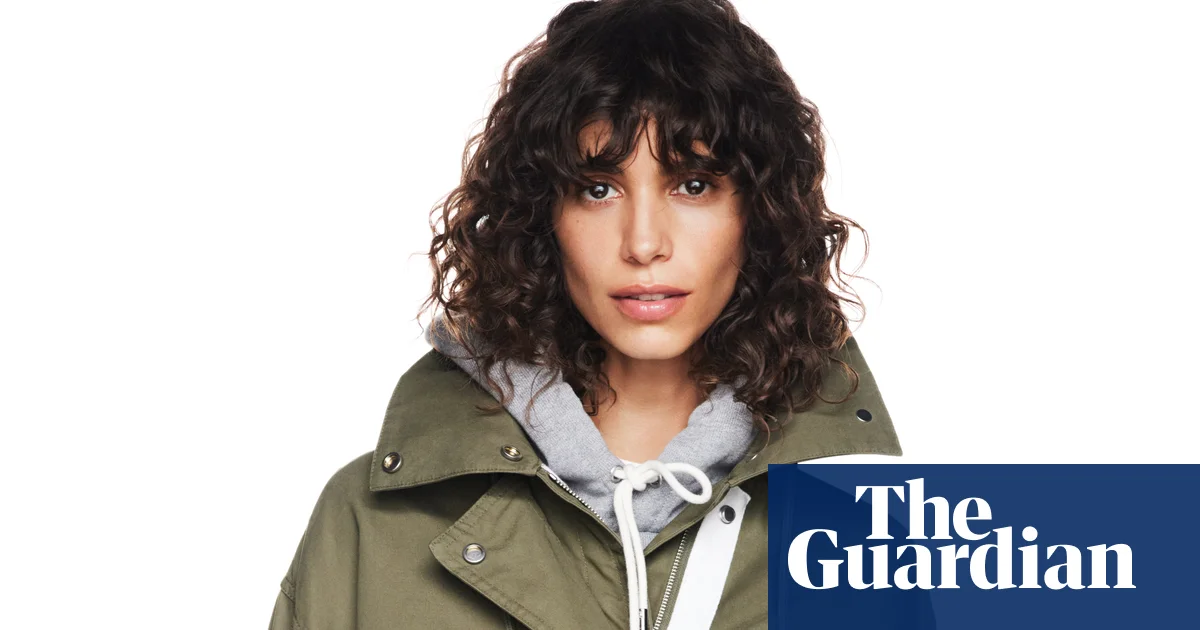
This year, Gap unveiled a collaborative collection with fashion icon Victoria Beckham, marking a new chapter in its “luxification” journey. The 38-piece collection features reimagined classics—denim, shirting, outerwear—through Beckham’s refined design eye. Priced from £25 to £250, the collection balances accessible luxury with aspirational appeal, aimed at a brisk new demographic: younger shoppers who crave both high quality and a sense of belonging to a trend). Pieces like a tailored denim jacket and crisp white T-shirts are rooted in Beckham’s own wardrobe and seen regularly on high-profile runways, positioning Gap as a gateway to high fashion without the high-end price tag.

By integrating pieces reminiscent of 90s style—such as capri pants inspired by Sarah Jessica Parker’s Gap ad—and adding a modern twist with Beckham’s branding, the collection champions cultural nostalgia while pushing fashion forward. The collaboration also extends Gap’s influence beyond its traditional scope, tapping into the network of celebrities and influencers like Anne Hathaway and Timothée Chalamet, who have been spotted in the brand. The strategy, championed by CEO Richard Dickson, reflects a broader industry trend: the disappearance of the traditional luxury/fast fashion hierarchy. As Catherine Shuttleworth notes, collaborations like these are now seen as strategic growth platforms, driving both brand relevance and customer engagement in a competitive landscape.

Gap’s renewed focus on quality and design signals a shift in consumer behavior—particularly among young, price-conscious shoppers seeking products that offer a sense of style, exclusivity, and social validation. This isn’t just about reselling basics; it’s about creating a sustainable identity that balances affordability with a luxury aesthetic. Meanwhile, competing brands like Uniqlo and Cos are already capitalizing on this “affordable aspiration” market, and Gap appears eager to redefine itself as a contender in this emerging space. The success of Gap’s long-term collaborations and its ability to consistently deliver on product quality will determine whether this resurgence is more than just a fleeting trend—it could redefine the future of affordable luxury on the high street.

Yet amid this revival, a next big question emerges: as Gap steps into this nouvelle era of fashion, will it manage to maintain authentic cultural influence while balancing the demands for rapid trend responsiveness? If fashion influencers and sociologists like Shoshana Zuboff are right, the question isn’t just about clothing anymore—it’s about how brands can cultivate genuine connections in a digital age obsessed with authenticity. The future of Gap’s strategy might depend less on collaborations and more on whether it can craft an authentic cultural identity that resonates deeply with a generation seeking more than just style but a sense of belonging—an aspect that could determine if this revival is merely temporary or a true reawakening of an American icon.


Victoria Beckham Making a Bold Comeback in Chic Trousers and Party Looks at Paris Show

The Beckham empire continues to captivate the modern zeitgeist, demonstrating how a family brand can evolve beyond sports and fashion into a broader cultural phenomenon. Recently, Victoria Beckham showcased her new collection at Paris Fashion Week, seamlessly blending history, artistry, and social influence. Her inspiration from Tamara de Lempicka, the Polish art deco painter known for her sinuous lines and vibrant colors, underscores a broader trend of designers drawing from historical art to set contemporary style narratives. This collection’s sober tailoring paired with decadent party dresses not only pushes fashion boundaries but also reflects a subtle shift toward understated elegance—a move that resonates with a generation seeking authenticity over excess.

An intriguing aspect of this fashion evolution is the cultural impact of the Beckhams’ expanded brand identity. The recent surge in their US recognition — driven by David Beckham’s rise in MLS and Netflix’s documentary about Victoria’s entrepreneurial journey — signifies a strategic shift from celebrity to cultural iconography. Their influence now extends beyond the football field and runway, shaping lifestyle trends among youth and young adults who value both style and social relevance. The fashion line, once in peril with a debt of £54m, has rebounded spectacularly, thanks to a savvy expansion into makeup and beauty. In 2025, combined sales across fashion and beauty escalated by 19% to over $170 million, with profits quadrupling, marking a definitive turning point from near-collapse to industry contender. This resilience showcases a broader societal appetite for brands that combine heritage and modernity, blurring traditional lines of consumer allegiance.

The Beckham brand is also pushing ahead with international expansion, planning new store openings in New York and Paris later this year—despite setbacks such as the collapse of Saks department store, which previously was their primary U.S. retail partner. This illustrates a larger trend in the global retail landscape: brands that are adaptable, leveraging both physical and digital spaces to reach an increasingly image-conscious audience. As Victoria notes her affinity for classics like tailored trouser suits with pockets — “the pocket queen” — her designs subtly symbolize the empowerment, independence, and practicality that define modern youth culture. The collection’s focus on neutral tailoring and flowing color palettes signals a shift—away from ostentation—toward a more refined, conscious form of expression that aligns with contemporary sensibilities and social values.

Yet, beneath these outward shifts lies a compelling question: as brands like Victoria Beckham’s solidify their cultural relevance through art, fashion, and celebrity storytelling, what does this say about the future of status and identity? Will the next wave of youth-driven trends continue to be shaped by the intersection of art, entrepreneurial audacity, and social media influence? These are the questions the industry is beginning to ask itself, as the Beckham story — a perfect storm of family legacy, artistic inspiration, and entrepreneurial resilience — continues to unfold. The next chapter may hold even deeper transformations, forcing us to ask: can a brand remain both socially relevant and authentically modern, especially in an era where authenticity itself is a trending commodity?

Brand Beckham drops the ultimate clapback costume — and the fashion game just got more fierce

In an era where celebrity branding is less about talent and more about strategic image manipulation, the recent spectacle surrounding the Beckham family exemplifies this evolution. Over the past week, the media has been captivated by a series of social media revelations from Brooklyn Beckham that expose unseen cracks within one of the world’s most meticulously crafted dynasties. Meanwhile, David Beckham’s appearance at Paris Fashion Week, wielding a rare Hermès bag and a sashiko-dyed jacket, signals yet another chapter in the art of using fashion as a subtler form of communication. These shifts in behavior underscore how modern celebrities, especially those embedded in traditional institutions like the royals or famed families, are increasingly using clothing and public appearances as signals—either for unity or to send a hint of discord.

Fashion’s role as a social language is nothing new—think of Princess Diana’s iconic looks or Wallis Simpson’s modern take on regal style—yet today’s spectacle is amplified by social media’s immediacy. Influencers, sociologists, and brand strategists argue that what these figures wear isn’t just about aesthetics; it’s about shaping public perception. David Beckham’s choice of sashiko—an *ancient Japanese technique of visible mending*—may seem trivial, yet experts like brand consultant Andy Milligan suggest it could be a deliberate semiotic message. Are Beckham’s wardrobe choices a covert nod of resilience, a statement of humility, or simply a comfortable choice? The current climate makes it increasingly difficult to discern whether these “fashion statements” are organic expressions or carefully curated signals crafted by a team of image architects working behind the scenes.

At the same time, the family melodrama—highlighted poignantly by Brooklyn Beckham’s emotional social media exposé—reflects a broader shift in societal attitudes. In this digital age, transparency is currency, and celebrities are no longer passive figures; they are active participants in shaping their narratives, often blurring the line between authenticity and performance. Though Brooklyn’s claims paint a stark picture of family conflict, critics warn that such revelations serve a dual purpose: they keep the Beckham brand in perpetual conversation, attuned to the shifting values of a social media-driven generation. This combination of high fashion, family feud, and social media theatrics sets the stage for a powerfully modern brand of public spectacle—one where image is everything and vulnerability is often strategic.

Looking ahead, one has to ask: as families and celebrities fine-tune their appearance for both the camera and the subconscious, what does this say about the *future* of influence? Will fashion and personal narrative become so intertwined that the authentic self is forever mediated through carefully edited symbols? Or is this an inevitable sign of a society where every gesture, every garment, is a piece of the puzzle in a sprawling game of perception management? With the lines between reality and spectacle increasingly blurred, it seems the next big question for youth and society alike is: *are we witnessing the dawn of a new era where true authenticity is the ultimate act of rebellion?*

Social Media Auto Publish Powered By : XYZScripts.com



