Matox News

Truth Over Trends, always!

UK’s Public Art Digitisation Hits 1 Million Entries — Just The Beginning

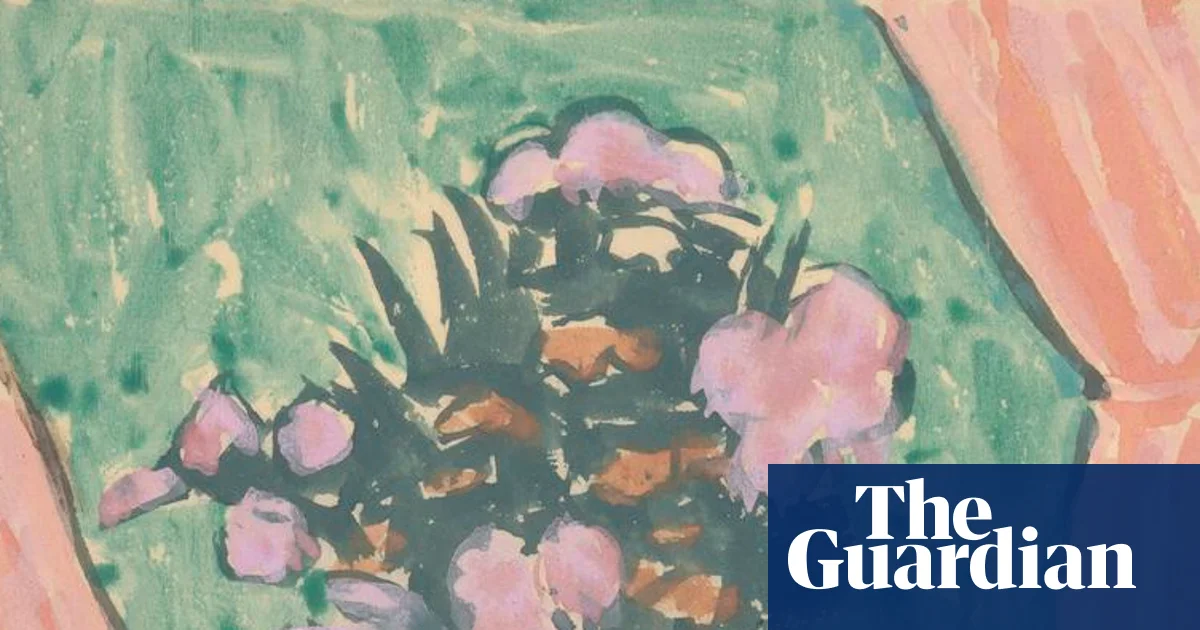
In recent years, the digital revolution has transformed the way societies engage with their cultural heritage. Art UK, a prominent charity dedicated to cataloging the UK’s vast array of artworks, recently announced it has reached a milestone of one million items in its online database. This extensive digital archive has expanded beyond traditional paintings to include sculptures, street murals, architecture drawings, and even crumpled pieces of paper—highlighting the *diversity and richness* of the nation’s artistic record. The initiative is more than just a technological feat; it is a societal act, democratizing access for young people, families, and communities who, once locked out of galleries, now carry access to the nation’s cultural memory in their pockets.

This expansive digital resource is particularly vital in **breaking down barriers** within education and community engagement. As sociologists like Dr. Laura H. S. García articulate, *”When access to the arts is broadened through online platforms, it fosters a sense of belonging and cultural understanding among youth, especially those from underrepresented communities.”* For many young people, such platforms ignite curiosity—driving them from screens to galleries and inspiring future creators. Yet, paradoxically, there is an ongoing crisis: the decimation of creative education in state schools. As Terrett emphasizes, *”Growing up in a small village with limited art resources made me value access. Sadly, today’s children face even more hurdles when it comes to creative learning.”* With arts programs sliced and funding reduced, the challenge remains to ensure that digital access complements, rather than replaces, hands-on engagement with art, to sustain the vital emotional and moral fabric that arts provide.

This digital shift isn’t just about preserving history; it fuels societal cohesion. Public art, once confined to galleries and urban spaces, is now *more accessible than ever*, allowing younger generations to engage with contemporary and historical narratives alike. The increased visibility fosters an understanding of **cultural identities** and shared history, fostering *a sense of community resilience*. Social commentators argue that this democratization can serve as a catalyst for social change, helping to address inequalities and give voice to marginalized groups. As historian Dr. Marcus Levinson notes, *”Society’s collective memory is our moral anchor; digital access ensures the stories of **families** and **communities** are not lost but become intertwined in the national consciousness.”* With art serving as societal mirror and moral compass, expanding its reach can inspire a generation increasingly aware of social issues—yet, it demands a concerted effort to embed art into everyday lives, especially amidst a climate of societal disconnection.

In closing, as society grapples with demographic shifts and the rapid pace of technological change, the vital question remains: how do we foster an inclusive environment where art nurtures hope and moral resilience? The digital archives like Art UK’s burgeoning collection symbolize a beacon of potential—a collective effort to bridge gaps, inspire dialogue, and rebuild a society where the arts serve as a foundation for moral clarity and human connection. As we navigate these societal waters, perhaps the true challenge lies not only in preserving art but in cultivating a society that recognizes and actively invests in the moral and emotional development of its youth. Only then can we move forward, hand in hand, into a future where creativity and community are not just ideals but lived realities—anchored in the shared hope that society’s true strength lies in its ability to transform challenges into opportunities for collective renewal.

A New Beginning for Sundance: Fresh Perspectives and What’s Ahead for the 2026 Film Festival

The Evolving Spirit of Sundance: A Reflection on Culture, Identity, and the Promise of New Horizons

Once heralded as the heart of independent American cinema, the Sundance Film Festival has long embodied more than mere entertainment; it is an emblem of cultural authenticity, tradition, and societal identity. Founded by the iconic Robert Redford, Sundance was initially a celebration of the rugged frontier spirit, a platform for filmmakers who dared to challenge the mainstream and craft stories rooted in authenticity and local color. As Ortega y Gasset observed, “A culture is the incarnation of the ideals, troubles, aspirations, and contradictions of its people.” Sundance’s identity has always been intertwined with this philosophy—an ongoing dialogue between art and life, challenging the uniformity of Hollywood and fostering the distinct voices that shape a nation’s soul. As the festival shifts from Park City to Boulder, questions arise about whether this migration signifies a recalibration of cultural priorities, or a necessary evolution in an era demanding resilience and reinvention.

The festival’s historical relevance extends beyond the arts into the very fabric of societal change. It has historically celebrated films that grappled with American values, social justice, and identity politics, echoing Tocqueville’s insights on the importance of local cultures as the foundation of democracy. Films like Little Miss Sunshine or Whiplash serve as milestones—not just for their cinematic artistry but for their reflection of American resilience and the unyielding pursuit of excellence amidst adversity. Yet, today’s Sundance faces a paradox: while technological advancements have democratized film production, making independent filmmaking more accessible, access to distribution and slots in the festival are tightenings of a gate increasingly guarded by economic interests and corporate financiers. This shift underscores Gasset’s assertion that culture, once a collective expression, is now often filtered through economic and ideological lenses, risking the dilution of authentic voices in favor of market-driven narratives.

The Cultural Shift: From Authenticity to Commercial Opportunism

Recent years have witnessed a transformation, wherein the historic Sundance ideal—an incubator for raw, unpolished stories—has become entangled with the commercial pursuits of streamers and studios. The festival now often reflects a stratification: the real films that challenge convention and inspire discourse, versus those crafted within a calculated, factory-like process aimed at pleasing a broad, attention-starved audience. Philosophers like Chesterton warned of the danger of losing sight of the true in pursuit of the merely entertaining, and modern Sundance seems caught at this crossroads. The remarkable success of films like Josephine, which tackles harrowing subjects with originality, exemplifies the enduring relevance of art that speaks to the human condition beneath the veneer of commercial appeal. Such films remind us that culture is the memory of society and the prophecy of its future, a prophetic voice echoing through the shadows of contentious and uncomfortable truths.

As critics and audiences grapple with shifting tastes, the festival’s market dynamics reveal an underlying tension: the blurred lines between artistic integrity and financial viability. The absence of broad studio backing and limited sales post-festival reflect a conservative climate, where risks are minimized, and content is scrutinized through the lens of profitability. Yet, hope persists in the form of genuine cinematic art—films like Josephine—a film that not only confronts a tough subject yet does so with profound originality—embodying the quintessential Sundance spirit: challenging, daring, and purposeful.

Looking Forward: A New Horizon for Sundance and Society’s Cultural Mission

As Sundance prepares to relocate to Boulder, echoes of historical parallels resonate: just as great movements in art and thought have sought new ground—be it the Renaissance’s movement from Florence to Venice or the Harlem Renaissance’s cultural revival—so too must the festival redefine its cultural mission. The debate surrounding what Sundance should be—an incubator for authentic storytelling or a marketplace of commercially viable content—reflects a broader societal inquiry: what is the role of culture in forging identity and guiding society? To quote T.S. Eliot, “The progress of an artist is a continual self-sacrifice,” emphasizing that true cultural progress requires sacrifice, honesty, and resilience. The festival’s move offers an opportunity not merely for geographical change but for a renewal of purpose—balancing the demands of visibility and commerce with an unwavering commitment to the truthful and original voices of tomorrow.

In the end, culture remains a vital thread linking our past and future—a tapestry woven with memory, hope, and prophecy. Sundance, in its evolving form, may yet remind us that the true power of cinema lies not in its commercial success but in its ability to mirror humanity’s deepest struggles and aspirations. As we stand on the cusp of this new chapter, the enduring question remains: will we heed the wisdom of our cultural memory and listen for the prophetic voices whispering from the shadows? Perhaps, in their echoes, lies humanity’s most profound future—an enduring testament that from the ashes of change rises the future of art and identity intertwined in the sacred dance of tradition and innovation.

Sony Developing ‘Labubu’ Toy Movie: A Promising Beginning for a New Franchise

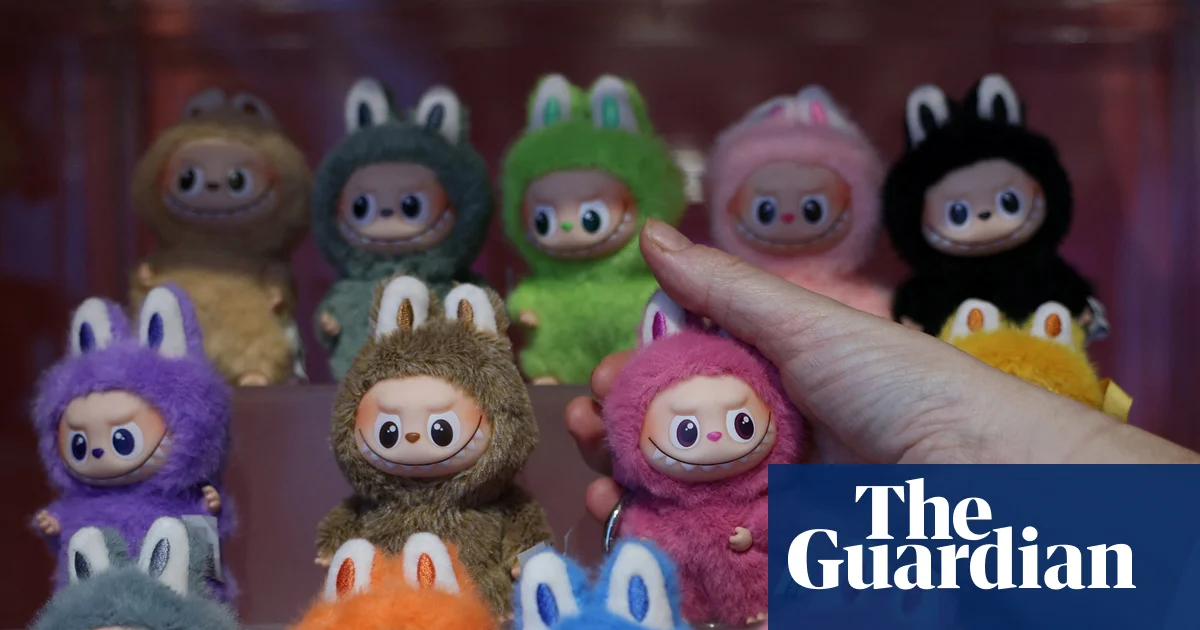
In an era defined by rapid technological advancement and cultural shifts, the story of Labubu—the viral plush toy turned potential cinematic franchise—illustrates a profound truth about our society’s evolving relationship with culture, commodification, and identity. Historically, culture has served as the bedrock of society’s self-understanding, a mirror reflecting collective memories and a compass guiding future aspirations. Today, however, the lines between art, commerce, and social identity blur more than ever, with the entertainment industry reshaping itself into a producer of brands and icons that seep into the very fabric of youth culture. Labubu—initially conceived as a whimsical monster figurine inspired by European fairy tales—evolved into a societal phenomenon rooted in social media, celebrity endorsement, and a desire for unique forms of personal expression. This mirrors the cultural shifts outlined by Ortega y Gasset, who argued that culture is not merely a relic of the past but a living, breathing consciousness that must adapt to new social realities.

What makes this phenomenon so compelling is not just the toy’s evolution into an object of high fashion or celebrity allure but the underlying mechanism of cultural reinforcement. The plush doll’s rise underscores the importance of tradition and memory in shaping society’s identity, even as that identity becomes increasingly commercialized. As Chesterton once observed, “The modern world is full of idols—idols which are scared — but most of all the idol of the consumer’s taste,” pointing to how modern culture often elevates superficial novelty over enduring values. Labubu, with its roots in Nordic fairy tales, symbolizes a form of ancient mythic storytelling dressed in the garb of contemporary branding, transforming from a simple collectible into a social currency—an emblem of belonging and status for a new generation of followers. Its appeal is emblematic of society’s innate quest for meaning in the ephemeral, permanence in the transient.

Furthermore, the commercial transformation of toys into film franchises exemplifies an inversion of the traditional artistic process. Historically, films inspired toys; now, we witness the reverse, where merchandise driven franchises become the roots from which cinematic stories grow. The blockbuster success of Barbie at the global box office—grossing over $1 billion in 2023—heralded a new chapter in Hollywood, one where toy brands like Mattel are pitching multiple ideas for cinematic universes rooted in their iconic products. Such developments demonstrate how the boundaries between cultural production and commercialism are eroding, leading to a cultural landscape where the personal and the branded merge seamlessly. It’s not merely entertainment; it’s a new mythology, a collective dream forged in the crucible of consumer desire. As Tocqueville warned, liberty and identity flourish when rooted in tradition—but when brands become the new symbols of belonging, we risk losing sight of the deeper currents that give culture its meaning.

In this landscape, the relevance of culture as a vessel of societal memory and prophetic vision becomes even more vital. The rise of Labubu and similar phenomena serve as poignant reminders that culture is both the repository of our shared stories and the blueprint of our future aspirations. As poets like T.S. Eliot suggested, tradition is no mere dead weight but a guiding force; it is both memory and prophecy—a dialogue between what we carry and what we seek to become. Consequently, in the age of rapid commodification, to understand and cherish culture is to recognize its power to forge identities rooted in history yet stretching toward eternity. It is through this sacred tension—between memory and prophecy—that humanity’s enduring story continues, whispering the promise that beneath the shifting sands of popular trends, the true soul of society remains bound to its roots, awaiting renewal in the fertile soil of collective memory.

Social Media Auto Publish Powered By : XYZScripts.com