
Matox News

Truth Over Trends, always!

US Green Beret Caught Betting on Maduro Raid on Polymarket

Emerging Threats in Prediction Markets: Insider Trading and National Security Risks

The recent arrest of Gannon Ken Van Dyke, a master sergeant in the US Army’s Special Operations Command, signals a disruptive moment in the intersection of prediction markets and national security. Charged with using classified government information to profit over $400,000 on Polymarket, Van Dyke’s case exemplifies how innovative financial platforms, once thought to be merely speculative, are increasingly vulnerable to abuse from insiders with privileged data. This incident underscores a breach not only of legal boundaries but also of the fundamental trust that underpins the rapid expansion of decentralized prediction technologies.

Prediction markets like Polymarket have emerged as disruptive tools that challenge traditional forecasting models, offering users a platform to hedge or speculate based on real-world events. These platforms leverage blockchain technology, algorithmic transparency, and market-driven incentives, positioning themselves as the next frontier of financial and information disruption. Yet, as the business implications unfold, concerns about insider trading and security vulnerabilities are mounting, threatening to undermine their legitimacy and regulatory standing. The Forbes-backed prediction platform, which boasts a growing user base, is now under increased scrutiny from federal agencies, notably the Commodity Futures Trading Commission (CFTC), which perceives these platforms as both revolutionary and risky.

This crackdown reflects a broader industry trend: the blurring of lines between trading platforms and national security. As disruptive technologies such as artificial intelligence and blockchain continue to transform data analysis and decision-making, bad actors have exploited these innovations to manipulate outcomes and profit unlawfully. Recent enforcement actions, including Israeli arrests for leaks related to prediction markets, highlight the tangible risks posed by insider information in a zero-trust environment. Experts like MIT researchers warn that without robust safeguards and regulatory frameworks, these platforms risk fueling a new era of covert influence operations and financial misconduct.

The business implications of this dangerous trend are profound. Companies like Kalshi, a direct competitor to Polymarket, have faced fines and regulatory hurdles, revealing the delicate balance between democratized access to information and the potential for abuse. As the prediction market economy matures, investor confidence is at risk, and the potential for market manipulation could deter legitimate users and institutional investors alike. Industry leaders and regulators are now faced with urgent questions: How do you harness the disruptive power of these platforms without opening avenues for insider trading and national security breaches? Gartner analysts emphasize the need for innovative compliance solutions that blend technology with policy, to preserve the integrity of this burgeoning sector.

Looking forward, the geopolitical and technological landscape demands proactive adaptation. As Elon Musk and other tech visionaries advocate for more decentralized and autonomous systems, the necessity for intelligent regulatory frameworks becomes undeniable. The future of prediction markets hinges on their ability to innovate securely, integrating advanced fraud detection, identity verification, and transparent protocols. The coming months will likely see increased government intervention, startup innovation, and high-stakes legal battles that will shape this disruptive industry’s trajectory. The question remains: can the promise of decentralized intelligence be harnessed safely, or will it fall prey to the very abuses it seeks to disrupt? In a world hungry for real-time information, those who navigate this challenge effectively will dictate the future of strategic decision-making and financial innovation for generations to come.
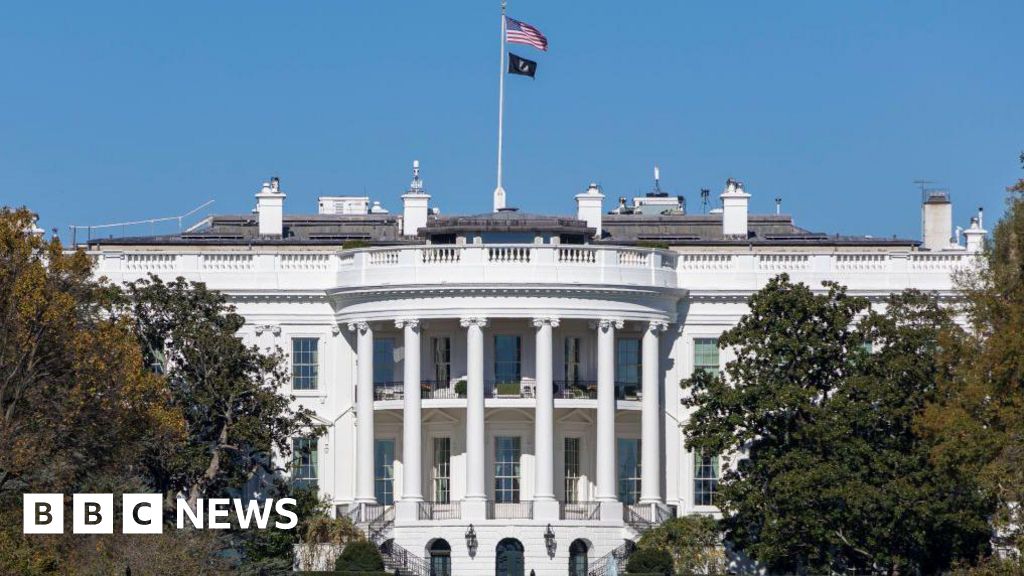
White House staff barred from betting on prediction markets

In recent years, social media and betting platforms have experienced unprecedented growth, transforming from mere entertainment avenues into influential tools that shape public opinion and geopolitical discourse. With some users engaging in bets surrounding international events and conflicts, the boundaries between entertainment and political influence are increasingly blurred. These platforms not only reflect societal anxieties but also contribute to a new geopolitical landscape where information spreads rapidly and sentiment sways opinions at an unprecedented scale.

This surge in activity, particularly among youth demographics, serves as both a mirror and a catalyst for wider societal shifts. Analysts argue that the granular engagement of younger populations with global issues—whether through online betting, commentary, or social media—creates a vibrant but volatile space where perceptions are formed and manipulated. Such trends are scrutinized by international organizations and thinkers, warning that how nations and societies interact within these digital forums could have lasting effects on diplomatic stability and national security. The phenomenon also raises questions about responsibility and regulation, as governments across the globe grapple with controlling misinformation and safeguarding civic integrity in digital spaces.

Historically, the influence of emerging technologies on geopolitics has been profound—from the advent of radio and television broadcasting to the rise of the internet. Today, platforms that combine social interaction with betting on global events are emerging as a new frontier of influence, with tangible _impact on diplomacy, military strategy, and international relations_. As noted by international analysts, this convergence of entertainment, information, and wagering creates an arena where narratives can be shaped or distorted in real time, often aligning with geopolitical interests of powerful nations.

Most concerning is the potential for these digital spaces to escalate conflicts or influence electoral processes. Countries such as the United States, Russia, and China are increasingly aware of the strategic importance of controlling online narratives, as well as the flow of information that fuels civic unrest or geopolitical instability. As historians emphasize, moments of rapid technological adaptation can leave lasting scars or forge new alliances—both of which have monumental implications for global security. The decisive influence of digital platforms today is a stark reminder that history is not merely being made in the halls of power but in the interconnected maze of virtual spaces.

As the world stands at this digital crossroads, one thing remains clear: the decisions made—by governments, corporations, and everyday users—will determine the direction of future conflicts and alliances. The unfolding story is far from over, but one truth persists—history’s pen continues to inscribe our collective fate, and in this modern age, the lines between reality and perception are thinner than ever, leaving humanity to grapple with the profound consequences of every comment, bet, and shared story within the vast digital domain.

Kalshi faces legal heat as Arizona hits it with first-ever criminal charges over illegal betting operations

Arizona’s Crackdown on Kalshi Challenges Industry Norms and Regulatory Frameworks

In an unprecedented move, Arizona Attorney General Kris Mayes has initiated criminal charges against Kalshi, a leading prediction market platform, citing allegations of operating an unlicensed gambling enterprise and facilitating election wagering—practices deemed illegal within the state. This marks a pivotal escalation in the evolving landscape of prediction markets and their regulatory environment, illustrating a broader confrontation between state authorities and emerging financial technologies that blur traditional legal boundaries.

The 20-count complaint accuses Kalshi of engaging in illegal betting activities, specifically accepting wagers from Arizona residents on critical political events such as the 2028 presidential race and the 2026 Arizona gubernatorial primaries. Although characterized as misdemeanors, these charges threaten the company’s operations and signal a major challenge to the emerging prediction market industry’s growth trajectory. Following waves of cease-and-desist orders and lawsuits from other states, Arizona’s aggressive stance underscores a rising tide of regulatory resistance aimed at curtailing the disruptive potential of prediction markets—seen by many as a new frontier in betting and financial innovation.

Legal Battles and Industry Pushback: A Clash of Jurisdictions and Ideologies

Kalshi’s legal response has been forceful, with company representatives arguing that Arizona’s actions constitute interference with federal regulation authority. The platform’s recent lawsuit against Arizona’s Department of Gaming claims that the state’s regulatory attempts infringe on the federal government’s exclusive jurisdiction over derivatives trading. Such legal moves reveal a broader strategic effort by Kalshi to challenge state sovereignty in this domain, supported by federal officials like Michael Selig of the Commodity Futures Trading Commission (CFTC).

  • Kalshi’s lawsuit targets Arizona, Iowa, and Utah, asserting that state-level bans or restrictions violate federal regulatory authority.
  • Federal agencies, notably the CFTC, have indicated their intent to defend their jurisdiction, viewing state encroachments as undermining a critical segment of the financial ecosystem.
  • This legal tug-of-war reflects a broader ideological struggle over the future shape of prediction markets—technologies that could revolutionize how society interacts with data, politics, and finance.

Industry analysts, including those from Gartner and MIT, warn that this clash could significantly impact innovation and disruption. Prediction markets boast unique features such as real-time information aggregation, probabilistic forecasting, and democratized access to futures trading—capabilities that have attracted the attention of disruptors and traditional financial institutions alike. However, regulatory ambiguity and state-level restrictions threaten to stifle these benefits, potentially bottlenecking a transformative wave of technological progress.

Looking Ahead: A High-Stakes Battle Shapes the Future of Prediction Technologies

As federal and state interests collide, the prediction market industry finds itself at a critical inflection point. Companies like Kalshi are pushing the envelope of innovation, seeking to disrupt entrenched gambling and financial regulations with new models that challenge the status quo. Yet, the recent crackdown exposes inherent risks: regulatory overreach, legal uncertainty, and industry fragmentation.

Industry thought leaders, including Elon Musk and Peter Thiel, emphasize the importance of fostering a regulatory environment that supports technological disruption and economic innovation. The moment demands a recalibration—balancing regulatory safeguards with the imperative to unleash the transformative potential of prediction markets, which could redefine political, economic, and social forecasting in the 21st century.

In this high-stakes arena, the coming months will be critical. The outcome of these legal battles and regulatory negotiations will chart the course for a new wave of financial technology—one that promises to revolutionize markets, challenge existing power structures, and set the stage for the next frontier of digital disruption. Stakeholders across the technological and political spectrum must recognize that action now will determine whether innovation continues to thrive or is ultimately throttled by outdated regulatory paradigms.

Social Media Auto Publish Powered By : XYZScripts.com