Matox News

Truth Over Trends, always!

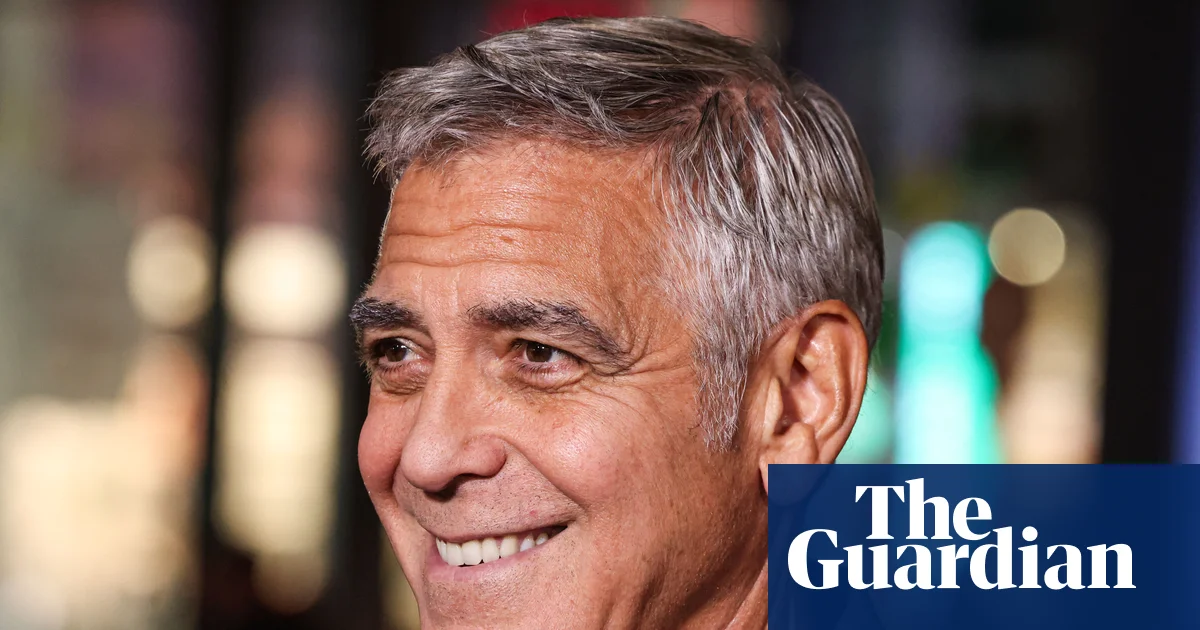
George Clooney Warns: Dropping Biden for Harris Was a Misstep

Global Implications of Domestic Political Shifts in the United States

In a remarkable display of internal discord within the Democratic Party, recent events have underscored the profound geopolitical impact of America’s shifting political landscape. The outspoken actor and activist George Clooney publicly criticized the party’s decision to renominate Kamala Harris as the Democratic candidate for the 2024 presidential election. Clooney’s assertion that the nomination was a “mistake” highlights a fissure growing within American political ranks, a fissure that could have ripple effects well beyond national borders. As he expressed regret over the absence of a primary process to challenge Harris, Clooney subtly questioned the durability of the current Democratic leadership’s strategy, hinting at the potential for wider instability in Washington.

His candid comments came amidst a backdrop of widespread concern among analysts who warn that Biden’s perceived decline and the party’s controversial nomination process threaten to undermine America’s global standing. Historically, United States elections have been pivotal, shaping international alliances and economic policies worldwide. The decision to forego a competitive primary—an attempt at party unity, as some officials argue—may instead fracture the very fabric of American society and influence the geo-strategic balance. Particularly, how the U.S. handles internal dissent now could serve as a harbinger for its ability to lead on global challenges.

Meanwhile, the internal saga has devolved into personal attacks, with Hunter Biden publicly dismissing Clooney’s critique with uncensored hostility. This public spat underscores a broader theme: the erosion of civility in political discourse—yet it masks a deeper question of policy direction and international influence. Critics, including some historians and international observers, warn that such internal chaos may embolden adversaries like China and Russia, who are watching carefully to exploit perceived vulnerabilities in American leadership. Decisions made behind closed doors today could ultimately influence the future of global security, trade, and diplomatic relations for generations to come.

Rising Dissent and Its Global Consequences

  • In July, Hunter Biden’s profanity-laced interview criticizing Clooney revealed the deep divisions within emerging political narratives about America’s leadership, encapsulating a nation at a crossroads.
  • Harris’s own reflections in her book, “107 Days,” exposed her awareness of her delicate political position, recognizing the potential harm to national unity should her candidacy be challenged from within.

International institutions and political analysts have long warned that fractured democracies pose risks to global stability. The United Nations, for example, has emphasized that enduring democracy depends on transparency, accountability, and internal cohesion—all elements that appear strained in the current American scenario. As the geopolitical focus pivots toward Asia, the Middle East, and Eastern Europe, America’s internal turmoil serves as a cautionary tale about the importance of strong, decisive leadership at home. With international crises mounting—climate change, ISIS resurgence, and economic instability—the risk of distraction and disunity undermine America’s capacity to lead effectively.

The history books may record this an era of betrayal of democratic ideals, where internal discord amid high-stakes elections fractured both society and the balance of power. As global powers recalibrate their strategies, the American story continues to unfold—its next chapters determined not only by the outcomes of elections but by how it navigates the aftermath of its own internal divisions. In the shadows of the White House, decisions ripple outward, shaping the future of nations and civilizations—an unfolding saga still deeply embedded in the fabric of history itself.
Mali Sets $10,000 Visa Bond for U.S. Visitors in Response to Biden Policies

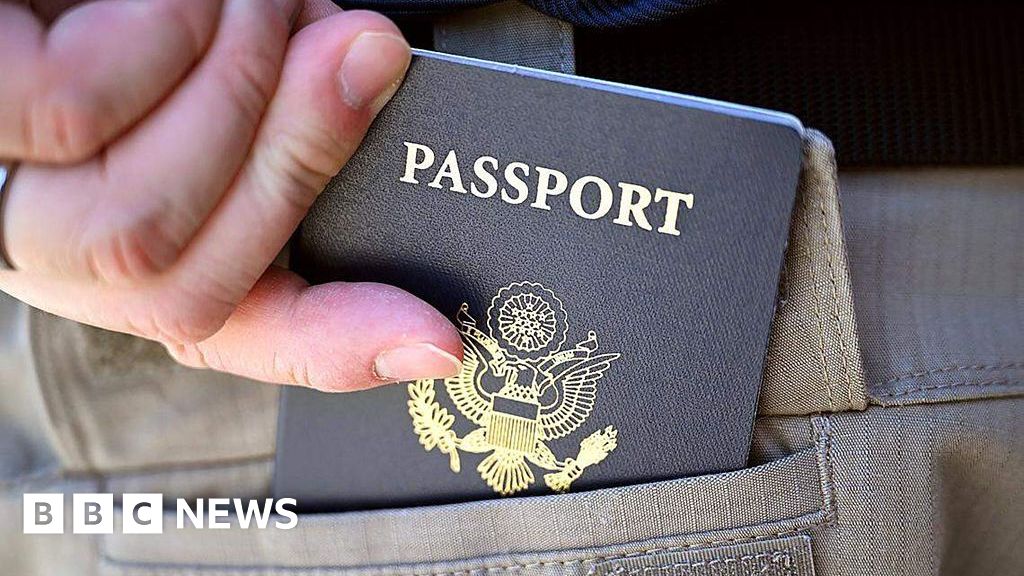
Recent developments in Mali reveal a shifting landscape of international diplomacy and regional stability, illustrating the complex interplay of sovereignty, security, and geopolitical influence. The West African nation, historically beset by unrest and coups, has announced a unilateral decision requiring US nationals visiting Mali to post bonds of up to $10,000 (£7,500) for business and tourist visas. This move mirrors recent policies enacted by the Trump administration and signals Mali’s assertion of sovereignty against perceived external pressures. The official explanation from Mali’s foreign ministry underscores a desire to establish an “identical visa programme” as a response to Washington’s demands, emphasizing a growing tendency among African nations to push back against Western dominance in international affairs.

Despite attempts to bolster diplomatic relations—highlighted by recent high-level visits to discuss economic and security cooperation—the underlying tensions remain palpable. In July, US officials traveled to Mali with aims to promote cooperation, especially in accessing natural resources like gold and lithium, crucial to global markets. However, the recent visa restriction highlights a deeper geopolitical rift, linked to Mali’s internal political shifts and its pivot towards Russia and other regional actors. Since the 2021 coup led by Gen. Assimi Goïta, Mali’s leadership has sought to reduce Western influence, expelling French troops and bringing in mercenaries from Moscow’s Wagner Group. This controversial move has raised alarms from Western powers and international observers, emphasizing a strategic shift that challenges Western dominance in Africa.

The broader geopolitical impact of these developments extends beyond Mali’s borders, echoing across the Sahel and West Africa. Countries like Burkina Faso have mirrored Mali’s stance, refusing to accept deported migrants from the US—an act of defiance that underscores regional resistance to Western diplomatic and immigration policies. The recent suspension of US visa issuance in Burkina Faso, coupled with local government officials questioning diplomatic intentions and calling US proposals “blackmail,” indicates a new era of sovereign assertion. Analyzing this trend, analysts suggest that African nations are increasingly asserting control over their own geopolitical destinies, rejecting external interference, particularly under the guise of security or economic cooperation.

Looking ahead, the significance of this diplomatic tug-of-war is undeniable. It not only reshapes how African states engage with Western powers but also signals a momentous shift in global alliances. The decisions made today—be it Mali’s visa restrictions or Burkina Faso’s refusal to cooperate—are more than mere policies; they embody a larger struggle for geopolitical influence and control over regional narratives. As history continues to unfold, the world must reckon with a new era where sovereign nations challenge traditional power brokers, driving a wedge into the established order and rewriting the rules of international engagement. The weight of history presses heavily on the present, a stark reminder that in this interconnected world, every decision echoes beyond borders, shaping the future for generations to come.

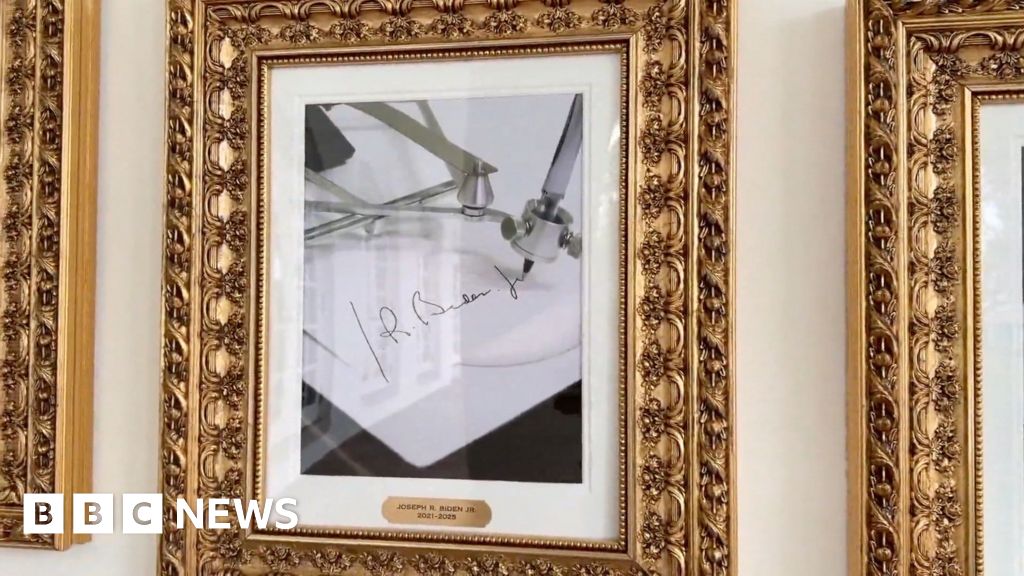
White House swaps Biden portrait for autopen image, signaling new era

The unveiling of a new “Presidential Walk of Fame” at the White House signals an ongoing effort by U.S. leadership to shape national memory and influence public perception of its political legacy. The exhibit, located adjacent to the iconic Oval Office, features portraits of former Presidents, serving as a visual narrative of American history. Yet, the deliberate omission of President Joe Biden and the replacement of his portrait with an image of an autopen signing his name mark a subtle yet profound statement about the current political climate.

Historically, the U.S. has used public commemorations to reinforce the legitimacy of its leaders and the enduring ideals of democracy. However, this recent move reflects deep-rooted tensions and ongoing debates about leadership authenticity and election legitimacy. Prominent conservative analysts and former officials have raised concerns over the administration’s transparency, with some claiming that President Biden’s use of an autopen—a mechanical signing device—undermines the perceived integrity of critical presidential decisions, including pardons. These claims, articulated by figures like Donald Trump, aim to sow skepticism about the administration’s sincerity and fuel narratives that question the authenticity of current leadership.

From an international standpoint, such domestic controversies have far-reaching geopolitical implications. As global institutions analyze shifts within the United States, allies and adversaries alike interpret these visual cues and political signals as indicators of internal instability or strategic ambiguity. Analysts from think tanks such as the Council on Foreign Relations warn that these internal divisions, if left unresolved, could weaken the U.S. position on the international stage, affecting alliances, trade negotiations, and military commitments. The strategic calculus by which nations gauge the reliability of the world’s superpower hinges upon these symbolic acts—acts that now cast shadows over the endurance of American leadership in the 21st century.

Indeed, the actions surrounding the “Presidential Walk of Fame” come at a critical juncture. As the world watches, global institutions monitor whether internal turmoil within America precipitates broader instability. The current landscape underscores a profound truth: decisions made within the corridors of power—whether symbolic like portraits or procedural like signing documents—are inseparable from their consequences on society. It is a reflection of a nation grappling with its identity, legacy, and future under the weight of history still yet to be written.

Social Media Auto Publish Powered By : XYZScripts.com



