Matox News

Truth Over Trends, always!

Next-Gen Wearable Airbag Threatens to Revolutionize Bike Safety for Youth

Revolutionizing Cycling Safety: Airbag-Powered Suits Set to Disrupt Traditional Gear

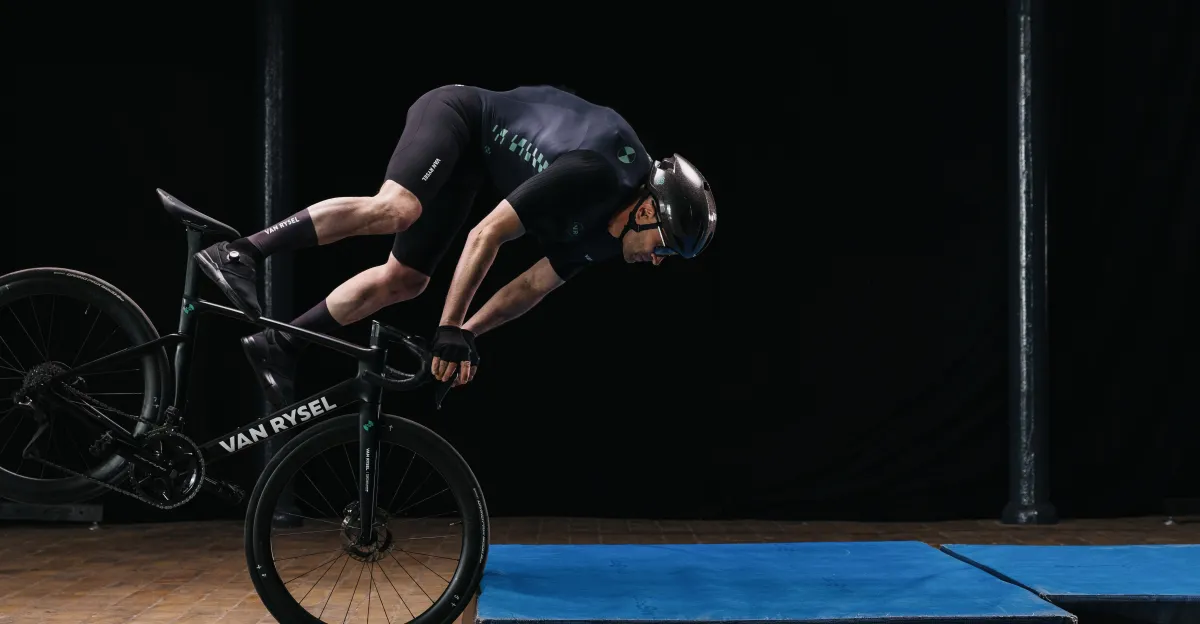
In a bold move toward enhancing rider safety, UCI, the governing body of professional cycling, has initiated a paradigm shift by endorsing the development of advanced protective gear. This comes after a recent call for innovations seeking cutting-edge technology capable of safeguarding athletes at unprecedented speeds. Among the most promising solutions is the emergence of airbag-integrated suits, designed to mitigate injury severity during high-impact crashes—the kind that traditionally threaten careers and even lives.

This new generation of skinsuits exemplifies disruption at the intersection of sports, safety, and technology. Engineered with aerodynamic, heat-dissipating materials—along with abrasion-resistant layers—the suits serve a dual purpose: reducing drag for improved performance and enhancing safety. Most notably, embedded airbag systems deploy in real time to protect vital upper-body regions including the cervical zone, spinal cord, and central core, areas previously vulnerable in high-velocity accidents. By shifting focus beyond just helmets, innovators like Van Rysel are recognizing that comprehensive protection requires addressing multiple facets of rider safety, aligning with the strategic thinking of industry leaders such as Elon Musk and Peter Thiel, who emphasize disruption as a catalyst for industry transformation.

The implications are profound for the business and sports worlds alike. As the industry anticipates widespread adoption, companies that pioneer this integrated safety technology stand to reshape market dynamics, forcing traditional gear manufacturers to innovate or risk obsolescence. This aligns with perspectives from Gartner analysts, who forecast that wearable safety tech innovations will account for a significant share of future sports equipment sales, with Airbag suits positioned as a potential game-changer. The advancement also signals an era where safety exceeds mere compliance; it becomes a competitive advantage, fostering greater athlete confidence and potentially uplifting spectator engagement in professional cycling.

Looking ahead, the trajectory of these innovations suggests not just incremental improvements but disruptive leaps akin to what electric vehicles did to automotive industry norms. As more safety algorithms are integrated with wearable tech and AI-driven deployment mechanisms, the future of high-speed sports will demand a proactive approach to risk management. Industry stakeholders—ranging from startups to established corporations—must act swiftly. The urgency is palpable: those who lead the charge into this new era of protective equipment will dominate the market and shape the future of athletic safety standards. With technology forging ahead at an unprecedented pace, the question is not if, but when, these revolutionary suits will become the new baseline for rider safety worldwide.
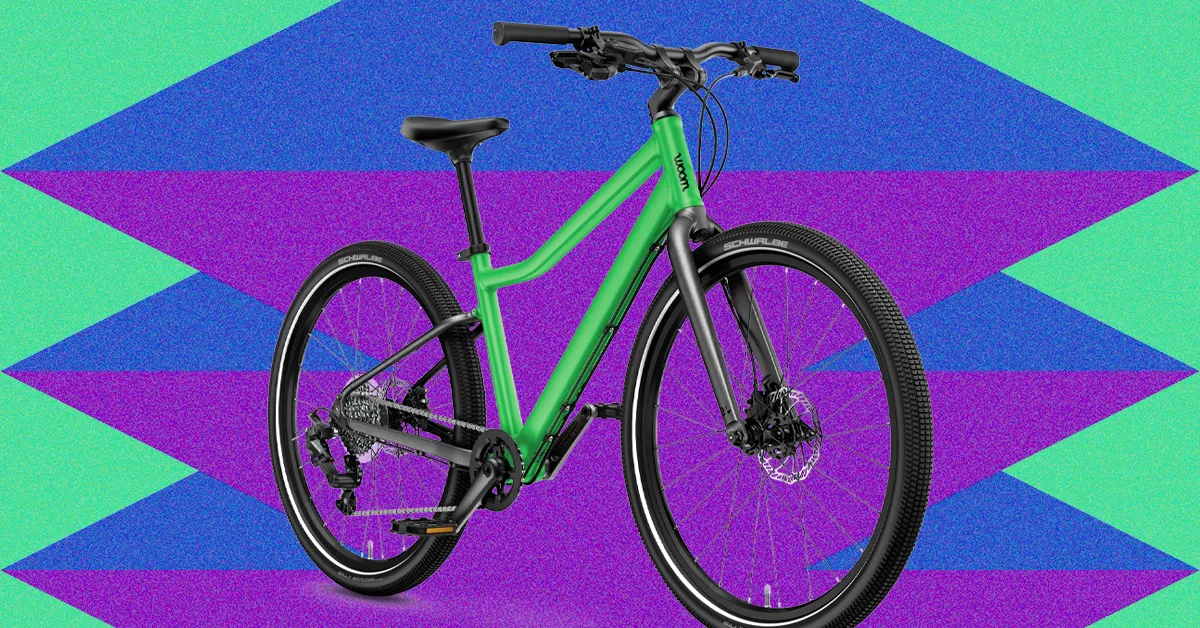

Top Kids’ Bikes of 2026: Woom, Prevelo, Guardian & More for Young Riders

The global market for children’s bicycles is experiencing a rapid wave of technological innovation that signals broader industry disruption. Leading brands are integrating advanced safety features such as Mips technology, an in-helmet system designed to combat rotational impact and reduce concussions, and embedded digital access—like Twiceme chips—allowing instant access to critical medical data via smartphones. These developments reflect an imminent shift akin to the broader tech revolution, with safety and connectivity prioritized at the forefront. Industry analysts, including Gartner and MIT’s Media Lab, acknowledge that such smart safety innovations could set new standards, forcing traditional manufacturers to pivot or risk obsolescence.

Meanwhile, the competition is further disrupted by innovative form factors and manufacturing approaches that challenge the status quo. Companies such as Linus and ByK are pushing the envelope with lightweight alloy frames, vegan leather accents, and sleek, minimalist designs that appeal to both parents and children—leading to a renaissance in aesthetic and functional design. This wave of premium features comes with a price tag—around $400—but is justified by durability, safety, and style, which are increasingly valued by a new generation of consumers. The industry’s digitization also fosters a burgeoning secondary market—via platforms like eBay and Facebook Marketplace—highlighting a shift from linear purchase models to circular economies, a pattern experts like Peter Thiel have long predicted as vital for sustainable business models.

However, the most significant market implications are observable in emerging features that set the foundation for an integrated mobility ecosystem. For instance, the adoption of lightweight, pedal-enabled bikes like Nüdl’s Unicorn Helmet with Mips goes beyond safety, embedding social and health data that foster community and emergency responsiveness. Such innovations anticipate a future where bicycles are not just toys but connected, intelligent devices—a trend seen in broader tech giants’ ventures into wearable and IoT-enabled devices. As industry leaders like Elon Musk and disruptors inspired by insights from institutions like MIT and Gartner emphasize, the convergence of IoT, AI, and edge computing will redefine mobility solutions across all age groups, including children. This transformation creates both opportunities and challenges, demanding manufacturers innovate quickly to maintain competitive advantage or risk getting pushed aside by agile, tech-savvy startups.

Looking forward, the potential for disruption in children’s mobility markets signifies a broader narrative of technological revolution that could — within a few short years — overhaul entire sectors. The integration of safety, connectivity, and design indicates a clear trajectory toward smart, adaptive, and personalized transportation options. Industry giants and startups alike are racing to secure their positions in this fast-evolving space, driven by the primal demand for safety, style, and environmental consciousness among a new generation of consumers. As Peter Thiel’s principles of technology leverage emphasize, foundational shifts in markets usually precede exponential growth—making now the critical moment for investors, entrepreneurs, and policymakers to act with urgency. The next wave of innovation is approaching swiftly, and those who adapt first will shape the future of mobility, for children and beyond.

Social Media Auto Publish Powered By : XYZScripts.com


