
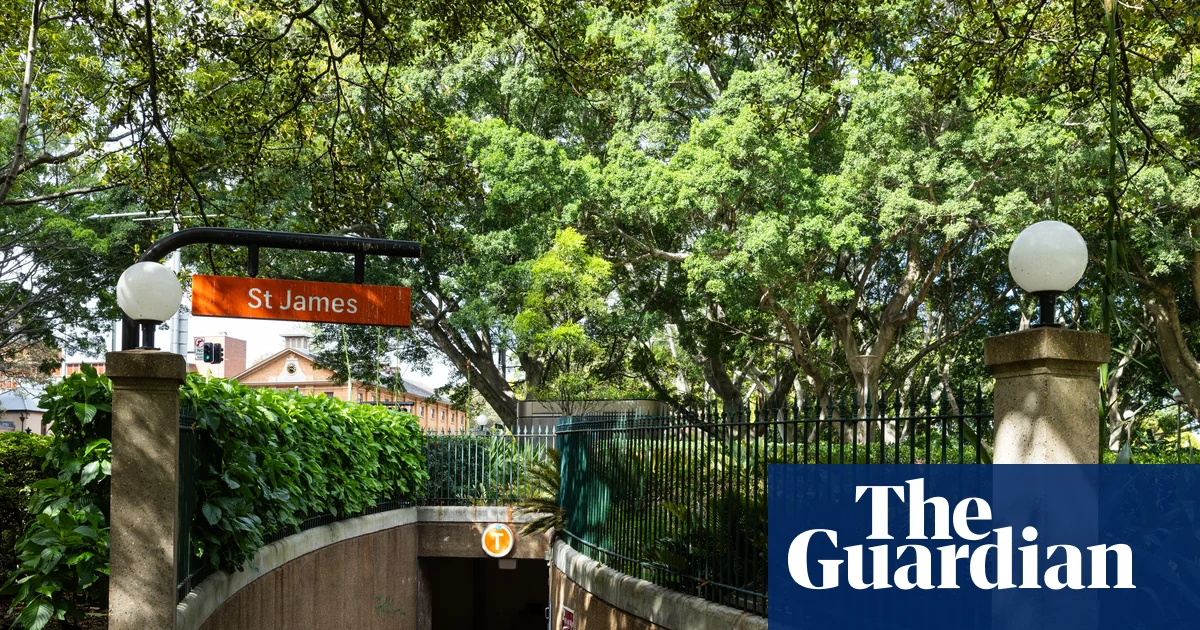

In a society that prides itself on progress and fairness, the death of Bikram Lama—a young international student who perished sleeping rough in Hyde Park—has ignited a fierce discussion about the deep-seated flaws in Australia’s social safety net. Lama’s story represents more than just a tragic individual loss; it exposes the systemic neglect faced by marginalized communities, especially those caught in the paradox of immigration and social exclusion. As investigations reveal, Lama, deemed a non-resident by authorities, was effectively locked out of services designed to protect human dignity, leaving him all but invisible to the nation’s conscience. His death highlights an urgent moral failing: the government’s failure to provide basic support to those in the greatest need, with families, educators, and communities bearing the heavy toll of such systemic neglect.
Remarkably, Lama’s death has served as a catalyst for local authorities, advocacy groups, and ordinary citizens to demand meaningful policy change. An alliance of 48 Australian councils, led by the Mayor of Greater Dandenong, expressed that Lama’s tragedy underscores “the human cost of policy-driven exclusion”. In particular, their authority calls attention to the lack of access to healthcare, housing, and income support for those in immigration limbo.
- Many individuals like Lama are trapped in a limbo where their contributions to society are dismissed because of bureaucratic red tape and restrictive residency rules.
Such policies, social commentators argue, perpetuate a cycle that damages not just individuals but entire communities. Experts like sociologist Dr. Cassandra Goldie contend this isn’t just an isolated failure but a consequence of decades of policies that deny basic human rights and social protections, emphasizing the systemic nature of this crisis. For families, these gaps mean losing loved ones before they even have a chance to build a future—obliterating hopes and deepening social divides that threaten the fabric of society itself.
In response to Lama’s death, local leaders are seeking concrete solutions—calling on the federal government to expand access to essential services, including healthcare and income support, for all residents regardless of their immigration status. The City of Sydney, for example, plans to request funding for specialized homelessness services, aiming to clear pathways to stable housing and employment. Such measures are not only practical but grounded in a moral obligation to treat every human being with dignity and respect—values that resonate deeply with societal ideals. In the words of advocates like Kate Colvin of Homelessness Australia, extending work rights and basic safety nets is essential to prevent future tragedies. As Erin Longbottom from St Vincent’s efforts recounts, “Political pressure and community activism” are vital tools in compelling governments to reshape policies that have long marginalized vulnerable populations.
Ultimately, Lama’s story leaves society at a crossroads—an echoing reminder that the true measure of a society is how it treats its most vulnerable. It calls for reflection on the moral fabric that binds us and challenges us to ask: are we willing to confront the uncomfortable truths of systemic neglect? As policymakers, communities, and individuals grapple with these questions, hope persists in the possibility of societal renewal. Because in the quiet moments of mourning and activism, society’s greatest strength reveals itself—not in the severity of our failures but in our capacity for compassion, change, and renewal. Perhaps, in embracing this challenge, we may yet forge a future where no one’s life is allowed to slip into shadow, unseen and unvalued—a society truly worthy of its people’s potential.







