Matox News

Truth Over Trends, always!

Bill Gates’ nuclear firm scores green light for breakthrough next-gen reactor

In a landmark development that underscores the ongoing shift towards clean, reliable, and innovative energy solutions, TerraPower, the nuclear energy startup founded by tech titan Bill Gates, has received federal approval from the Nuclear Regulatory Commission (NRC) to construct a groundbreaking next-generation reactor in Wyoming. This milestone marks the first time in U.S. history that a commercial-scale, advanced nuclear power plant has secured such a permit, signaling a significant disruption in the national energy landscape. The project is slated for completion by 2030 and redefines the trajectory of nuclear technology, emphasizing safety, efficiency, and sustainability.

The Wyoming plant is positioned at the forefront of disruptive innovation in nuclear engineering. Unlike traditional reactors, TerraPower’s design emphasizes a smaller, more modular approach that aligns with the evolving demands of modern electrical grids under the pressure of burgeoning AI data centers and digital infrastructure. According to industry analysts at Gartner and MIT’s Nuclear Innovation Initiative, this development could catalyze a new wave of nuclear deployment, significantly reducing reliance on fossil fuels and untangling the energy crisis intensified by climate change. With construction expected to conclude within five years, this plant symbolizes a pivotal shift where safe, sustainable nuclear power becomes a core component of national energy strategies.

  • Advanced reactor designs that prioritize safety and waste management efficiency
  • Smaller, faster-to-deploy modules suitable for diverse grid demands
  • Potential to revolutionize clean energy deployment amidst climate and geopolitical pressures

Bill Gates recently articulated the broader implications of this innovation in a 2024 interview with The Verge, emphasizing how nuclear energy’s evolving designs can play a crucial role in combating climate change. “We’re exploring reactors that not only minimize safety concerns but also optimize fuel use and waste handling,” Gates explained, highlighting the importance of disruptive technology in crafting resilient energy systems. This strategic push aligns with market trends that see nuclear power as an indispensable part of the transition away from carbon-heavy sources and toward a more sustainable future. Industry leaders and policymakers globally are watching closely, recognizing that the success of TerraPower’s Wyoming project could establish a new blueprint for business innovation in nuclear energy, opening doors for investors and entrepreneurs eager to capitalize on the clean energy revolution.

Looking ahead, the implications of this development extend far beyond Wyoming’s borders. As governments and private sector players enhance investment in nuclear innovation, the global energy market stands on the brink of a paradigm shift. The race is on to develop smaller, safer, and more adaptable reactors that can integrate seamlessly into complex energy ecosystems, responding swiftly to the demands of AI-driven economies and decentralized grids. The coming decade will undoubtedly be transformative, with the potential to disrupt traditional energy giants and establish new industry titans dedicated to sustainable and disruptive nuclear breakthroughs. The urgency to innovate has never been greater, and TerraPower’s Wyoming project exemplifies the aggressive pursuit of technological advancement essential for shaping a resilient, clean energy future.

Watch the defining moments from Bill Clinton's deposition
Watch the defining moments from Bill Clinton’s deposition

Bill Clinton’s Testimony Sparks International Debate Amid Election and Power Struggles

The recent deposition of Bill Clinton before the House Oversight Committee has thrust the American political landscape into a tumultuous spotlight, shedding light on the entrenched power and secrecy that often characterize Western democracy’s elite. Despite Clinton’s vigorous denial of any knowledge regarding Jeffrey Epstein’s criminal activities, the implications of this hearing reach far beyond U.S. borders, resonating with international concerns over accountability and transparency among powerful leaders.

This high-profile event also coincided with the deposition of Hillary Clinton, signaling a potential turning point in the ongoing scrutiny facing the political class. The proceedings, amplified by calls from Republicans for the transcripts’ release and Democrats suggesting the need for former President Donald Trump to participate, underscore a deepening partisan divide—not only in America but as a precedent that could influence political accountability globally. As analysts from international watchdogs observe, such spectacles often serve as reflections of the fragile balance between justice and political self-preservation, affecting national stability and societal trust in institutions.

Global Impact: A Question of Power, Justice, and Societal Integrity

From a geopolitical perspective, the Clinton hearings carry weight well beyond the borders of the United States. Countries around the world watch anxiously, aware that political scandals involving the highest echelons of power can catalyze broader demands for transparency and rule of law. According to international legal scholars, these revelations test the resilience of democratic norms and may influence how emerging nations shape their own governance structures. Key institutions such as the United Nations and regional bodies will likely interpret this crisis as a warning sign: even the most powerful can be vulnerable to oversight, but how societies respond can determine their future stability.

Voting populations across various nations increasingly demand accountability, wielding social media and grassroots movements to challenge elites and push for reforms. The Epstein scandal, intertwined with accusations of elitism and unchecked influence, fuels societal debates about how power is derived, maintained, and challenged. As historians and geopolitical analysts warn, failure to confront these issues risks perpetuating cycles of corruption and disillusionment, which could inspire populist upheavals or authoritarian backlashes in vulnerable regions.

The Unfolding Narrative: History in the Making

As the revelations from Clinton’s deposition unfold, history continues to be written in real time. The intersection of personal scandal with national policy underscores a profound truth: the decisions made today about accountability, transparency, and justice will shape the fabric of global society for generations. Decisions taken in the corridors of power—whether to conceal or confront—will echo across continents, influencing societal trust and the legitimacy of institutions in ways that are yet to fully unravel.

In a world eager for stability amid chaos, the weight of history presses heavily on political figures. The stories forged within these testimonies forge a new chapter—one marked by the struggle for truth in a universe where power often seeks to obscure itself. The coming days will reveal whether justice can transcend politics or whether the shadows of past transgressions will continue to loom over the future of democracy. As history’s tide carries us forward, the fate of societies hangs in the balance, awaiting the steps of those who hold the keys to revelation and reform.

California Bill Would Keep ICE Away from Polling Places—Protecting Your Vote

California’s Bold Move to Safeguard Voting Rights in a Divided America

In an era where the United States remains polarized, the recent introduction of a bill in California reflects a decisive stance on safeguarding electoral integrity amidst mounting tensions. Sponsored by state senator Tom Umberg and co-authored by Sabrina Cervantes, this legislation aims to protect voters by barring federal immigration agents, notably ICE, from stationing themselves near polling places during the upcoming midterm elections. The bill explicitly forbids federal agents from conducting enforcement actions within 200 feet of voting locations, citing concerns about potential intimidation and interference. This move underscores how domestic policy decisions are intertwined with international narratives about sovereignty and the preservation of democratic norms.

The legislation arrives in a context where former President Donald Trump and right-wing figures like Steve Bannon have amplified narratives alleging widespread voter fraud—claims that have repeatedly been debunked but continue to fuel political strategies. Trump’s call for voters to “nationalize” and “take over” voting in at least 15 locations reflects an alarming willingness to blur the lines between federal authority and partisan interests. These claims, dismissed by election security experts and international observers, serve as a pretext for advocates like California’s lawmakers to assert state-level protections against what they see as federal overreach. Analysts warn that such rhetoric threatens to undermine confidence in electoral processes, with long-term impacts on the stability of democratic institutions.

Adding geopolitical weight to the debate, international organizations have expressed concern about the potential erosion of electoral legitimacy driven by internal conflicts and misinformation campaigns. Historians note that extreme measures taken to manipulate or influence elections often echo tactics used by authoritarian regimes to consolidate power. The bill’s expansion of buffer zones and voting protections signals a commitment to uphold democratic principles, yet critics argue it also feeds into a narrative of crisis—one that could justify further federal intervention or inspire similar measures across other U.S. states. As the country teeters on the edge of an electoral precipice, the decisions made today could reverberate through generations, shaping how sovereign nations grapple with internal conflicts and external pressures alike.

International observers and political analysts emphasize that the stakes extend beyond California’s borders. The geopolitical impact of these domestic policies is profound: they exemplify a broader trend where internal disputes over sovereignty influence global perceptions of America’s stability. Historically, moments of internal strife, whether through civil war or political crises, have had ripple effects that reach far into international stability. As U.S. leaders prepare for a fiercely contested midterm season, the unfolding story of electoral security and federal-state conflicts remains a dramatic testament to the fragile architecture of democracy itself. The pages of history continue to turn, and with each chapter, the weight of human aspiration and the specter of authoritarian temptation hang in the balance, warning the world that the fight for free elections is a battle for the soul of nations.

Zimbabwe cabinet backs bill to extend presidential terms—youth watch carefully

The recent declaration by Andrease Ethan Mathibela, national chairman of the Zimbabwe National Liberation War Veterans Association, highlighting a stand against corruption and nepotism, symbolizes a pivotal moment in a broader pattern of political awakening across the developing world. Mathibela’s courage to openly criticize entrenched power structures echoes a window into how corruption continues to threaten nations’ sovereignty and democratic aspirations. This stance, coming at a time when silence might have been deemed easier, underscores the delicate balance many leaders face when confronting internal decay versus maintaining political stability.

In the context of Zimbabwe, recent events point to a decisive shift in the nation’s political landscape—one that could potentially alter the trajectory of its governance. Analysts suggest that vocal opposition by influential military and veteran groups marks the erosion of previously tolerated authoritarian practices. Global institutions such as the African Union have expressed cautious optimism, warning that unchecked corruption could unravel fragile progress and undermine regional stability. Meanwhile, Western nations have scrutinized Zimbabwe’s internal struggles, often framing these developments as symptoms of deeper systemic failures that threaten democratic foundations. The spotlight intensifies on President Emmerson Mnangagwa’s government, which faces mounting pressure to confront these accusations or risk becoming a cautionary tale of corruption’s corrosive effects.

The broader **geopolitical impact** of such internal dissent extends beyond Zimbabwe’s borders, serving as a bellwether for many nations grappling with similar issues. The decision of veteran groups and civil society to speak out reflects a global pattern—the rising willingness of citizens and former military figures to challenge corrupt regimes, which could usher in a new wave of political accountability. Experts argue that this dynamic signals a shift in societal expectations; the **international community** now watches closely, noting that how governments respond to internal criticism will influence regional stability and the global perception of governance legitimacy. In this light, leaders worldwide are urged to recognize that the era of passive acceptance is waning; trust in institutions hinges on transparency and genuine reform.

As the world observes this unfolding chapter, the stakes could not be higher. With historical regimes facing pressure from within and external forces demanding change, the **future of Zimbabwe** teeters on a knife’s edge—caught between the ancien régime and the hopes of genuine reform. This current moment, charged with the voices of veterans and citizens alike, embodies the age-old struggle over integrity, power, and the true meaning of independence. History is being written now, and the outcome will echo across the continents—reminding us that—no matter how daunting the obstacles—the fight for justice and transparency is an eternal pursuit with no guarantees of victory. Still, as these stories unfold, the world waits, for in the shadows of unspoken histories, the echoes of future change resonate.

Bill and Hillary Clinton to testify in House Epstein probe

The unfolding saga surrounding the Epstein scandal continues to reverberate across the geopolitical landscape. In a development that underscores the intricate influences of powerful global elites, former US President Bill Clinton and his wife, Hillary Clinton, the former Secretary of State, have agreed to testify in a congressional investigation linked to the late sex offender Jeffrey Epstein. This move not only averts potential contempt of Congress charges but also raises profound questions about the intersection of power, accountability, and international diplomacy.

The Clintons’ decision to cooperate marks a pivotal moment in the ongoing effort to dissect Epstein’s vast network of influence. As key figures with longstanding ties to elite circles, their testimonies are anticipated to provide critical insights into allegations that implicate a broader web of political and financial interests. Experts warn that these revelations could have far-reaching geopolitical implications, especially as they challenge the veneer of Western political integrity. Analysts from international watchdog organizations stress that such disclosures may trigger a chain reaction, exposing other influential figures and prompting calls for systemic reform.

The geopolitical impact of this situation extends beyond American borders. Historically, revelations involving domestic scandals of this magnitude tend to ripple across alliances and diplomatic relations. Global governance hinges on transparency, and when prominent leaders are entangled in such controversies, it fuels debates over sovereignty, judicial independence, and international morality. The Epstein affair has already become a symbol of elite impunity, with critics arguing it exposes the decadence and corruption lurking within global centers of power. As governments respond differently—some seeking to shield themselves with silence, others pushing for accountability—the international community watches intently.

Distinguished historians and analysts warn that the decisions made now could very well serve as a turning point in the ongoing battle for transparency. The controversy highlights the underlying tensions in modern societies where entrenched elites often evade justice, fostering public disillusionment and fueling populist movements. International organizations, including the United Nations and various human rights watchdogs, continue to emphasize that global institutions must uphold the rule of law and resist the corrupting influence of power. Yet, the narrative remains dynamic, with each revelation adding weight to the broader discourse on morality and justice in the 21st century.

Despite the Clinton’s cooperating stance, the shadow of this revelation will linger, shaping the political terrain for years to come. As history watches, the unfolding story of accountability—woven into the larger fabric of geopolitics—is far from over. The tension between transparency and secrecy persists, threatening to redefine international power dynamics and the social contract itself. In this high-stakes chess match of influence and truth, the world remains perched on a precipice, where the decisions of today will echo through the corridors of history, forever shaping the global order of tomorrow.

Starmer under fire from Labour youth over U-turn on workers' rights bill
Starmer under fire from Labour youth over U-turn on workers’ rights bill

Global Implications of the Labour Rights U-turn Amid Political Turmoil

In a remarkable turn of events that has sent shockwaves across the international political landscape, Britain’s Labour Party appears to be embroiled in a seismic policy shift that risks fundamental upheaval within its own ranks. Campaign promises made openly in the party’s manifesto, such as introducing ‘day one’ protections from unfair dismissal, have been swiftly abandoned in the face of mounting political and economic pressure. This retreat, characterized by a notable U-turn on employment legislation, has rekindled deep divisions within Labour, with its former allies and critics questioning the party’s commitment to its core principles.

Historian and political analyst Dr. Michael Armstrong notes that such policy reversals by major parties are not uncommon in parliamentary democracies, but the scale and public manifestation of Labour’s pivot mark a distinctive moment of crisis. Official statements from figures like Angela Rayner, once a prominent advocate for workers’ rights, highlight the internal tensions; her strong opposition to the *climbdown* underscores the broader implications for Labour’s social base and its relationship with labor unions. Union leader Sharon Graham has openly condemned what she describes as a “shell of its former self” legislation, warning that the Bill’s dilution—particularly the exclusion of reforms like fire and rehire bans and zero-hours contract restrictions—severely undermines trust in Labour’s promises.

The geopolitical impact of Britain’s internal discord reaches beyond its borders, serving as a cautionary tale to global democracies grappling with electoral mandates and governing realities. International organizations and foreign diplomats observe with concern the apparent unraveling of Labour’s electoral commitments, pondering whether this signals a broader trend of political expediency overriding genuine reform. Some analysts suggest that this collapse of ideological clarity could embolden populist and nationalist forces elsewhere, capitalizing on perceived governmental unreliability. As geopolitical strategists warn of a potential decline in political stability within the UK, European allies and transatlantic partners scrutinize the developments for signals of increased volatility, which could influence investment climates, alliance strategies, and the future of the UK’s role on the world stage.

In the hallowed halls of Westminster and the dusty corridors of history, this moment will be remembered as a symbol of the complex dance between policy promises and political pragmatism. As the battle lines within Britain are redrawn—highlighted by colorful debates over leadership ambitions, party loyalty, and the very fabric of democratic representation—the weight of the decision lingers. With Britain teetering on the cusp of a pivotal crossroads, the choices made today threaten to echo through generations, leaving an indelible mark on the annals of modern democracy. The unfolding saga of Labour’s legislative retreat serves as a stark reminder that, in politics, the line between ideals and reality is often blurred—a domain where the fate of nations and societies is ultimately forged amidst chaos and compromise, in the shadow of history still waiting to be written.

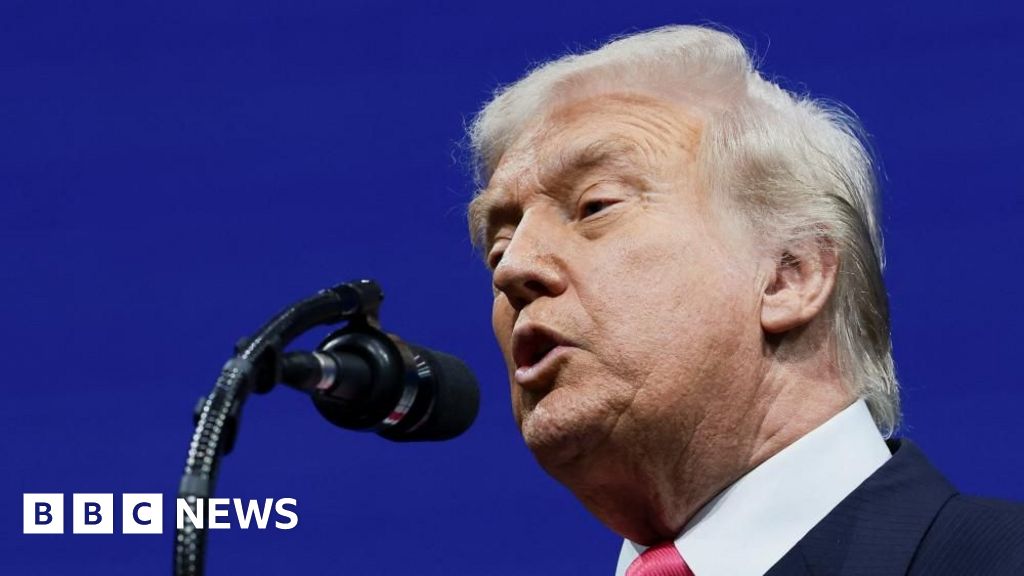
Trump signs bill demanding release of Epstein files to expose the truth

The United States has taken a monumental step in addressing one of its most controversial and secretive criminal investigations by finally signing legislation mandating the release of government files related to Jeffrey Epstein. This development marks a significant culmination of a months-long fight fueled by victims’ advocates, political pressure, and shifting public sentiment — and it signals a *turning point* in how the US approaches accountability for powerful elites.

  • President Donald Trump announced the signing of the law after initially opposing it, citing concerns over revealing sensitive information. However, mounting bipartisan pressure and vocal advocacy from victims’ families prompted a rare political reversal. The law requires the Attorney General to release documents—including investigation transcripts, flight logs, and communications—within 30 days, barring any that could jeopardize ongoing criminal cases or reveal victims’ identities. This act of transparency is hailed by many as vital to uncovering the scope of Epstein’s network and its potential ties to influential figures across politics, finance, and entertainment.
  • Amid this, Congress overwhelmingly supported the measure, with only one dissenting vote on the House floor, a testament to the bipartisan consensus that justice must be served regardless of the powerful people involved. Critics, including some legal experts and advocates, remain cautious, warning that significant redactions are imminent to protect victims’ privacy and national security interests. Nevertheless, this legislation advances the clamoring call for truth and transparency, challenging the concealed hierarchies that have long shielded the rich and powerful.”

Analysts and historians note that this move could reshape the geopolitical landscape, especially considering Epstein’s known associations with high-profile figures such as King Charles’ brother and former US presidents. The released files could potentially expose connections that threaten the public image of some of America’s most influential families and institutions, thereby impacting diplomatic and domestic stability. Internationally, this sets a precedent — pressing other nations to scrutinize their own elite networks and consider the long reach of transparency and justice.

Moreover, the geopolitical impact extends beyond Washington. Countries with longstanding ties to Epstein’s victims, or who suspect their own elites might be implicated, now face increased pressure to review internal affairs. The series of revelations could trigger diplomatic investigations, strained alliances, and policy debates rooted in transparency versus secrecy. International organizations, such as the United Nations or the European Union, are observing these developments closely, as the fight to reveal the truth intersects with broader debates on global accountability and human rights.

Ultimately, the story of Epstein embodies a deeper narrative of societal decay and the silent complicity of those who shield the status quo. As the files are finally subjected to public scrutiny, the tide of history begins a new chapter — one that may reveal uncomfortable truths about the interconnected web of power and depravity. The weight of this revelation underscores a fundamental question: how long can a society sustain its illusions of justice when the shadows of secrecy threaten to engulf the very foundations of democracy? The next few weeks will be pivotal, yet the echoes of this epoch-defining act will resonate through history, reminding us all that in the ongoing battle between transparency and concealment, the truth remains America’s most potent weapon.”

House Approves Funding Bill to End Shutdown — How Your Representatives Voted

The recent resolution to end the historic US government shutdown marks a significant moment in American political history, but it also highlights the deep divisions and strategic calculations shaping the geopolitical landscape. After 42 days of deadlock, President Donald Trump officially signed legislation that restores government funding through January, bringing a temporary respite to millions of Americans affected by furloughs, delayed flights, and food insecurity. This episode reflects both the resilience of procedural politics and the underlying tensions that continue to define the Biden administration’s approach to governance amidst a highly polarized environment.

Key to understanding the geopolitical impact of this shutdown is the internal debate among U.S. lawmakers over healthcare subsidies, border security, and fiscal priorities. The compromise emerged from a Senate-brokered deal in which only a handful of Democrats chose to sacrifice some healthcare support to achieve broader financial stability. The legislation, extending federal funding at current levels until January, also allocates funds to critical departments such as Veterans Affairs, the USDA, and the legislative branch—a move aimed at stabilizing core institutions. International analysts see this outcome as a temporary fix that underscores the fragile state of U.S. political consensus, which could influence global perceptions of American stability and credibility on the world stage.

Renowned historians and think tanks, such as the Council on Foreign Relations, warn that episodic crises like this shutdown serve as cautionary tales of internal discord spilling over into global confidence. “When Americans debate over fiscal priorities while facing national security threats and international commitments, it creates uncertainty among allies and adversaries alike,” noted Dr. Linda Garcia, a foreign policy analyst. The shutdown’s aftermath may also embolden foreign actors to test U.S. resilience and diplomatic resolve, especially in regions like Eastern Europe, where the ongoing conflict in Ukraine demands unwavering support and decisive leadership. The temporary compromise reveals that internal political fractures could undermine America’s ability to project power and uphold its commitments worldwide.

The words of international observers remind us that decisions taken in Washington do not occur in isolation; instead, they ripple across the global map. China and Russia watch closely, aware that domestic tumult weakens America’s diplomatic leverage. Meanwhile, nations dependent on U.S. aid and influence are left to ponder the durability of America’s political will. As Congress grapples with fiscal disputes, the underlying message rings loud and clear: the stability of democracies relies not only on government continuity but on the unyielding unity of its institutions and citizens. History warns that neglecting these foundational elements risks descending into chaos that no amount of quick legislative patchwork can mend. The unresolved fissures within the U.S. political system threaten to shape the course of history in unpredictable and potentially perilous ways, leaving the future hanging precariously in the balance—an enduring reminder that the weight of democracy’s fate rests on the resolve of those who govern and those they serve.

South Australia Rejects Restrictive Late-Term Abortion Bill Amid Fierce Debate

In a decisive turn within Australia, the South Australian Parliament recently defeated a contentious bill aiming to restrict access to late-term abortions. This legislative battle not only spotlights the country’s ongoing internal debate over reproductive rights but also echoes a broader, international struggle over the influence of anti-abortion movements. The bill, proposed by former One Nation member Sarah Game—now an independent—demanded to tighten restrictions on abortions after 22 weeks and six days, significantly narrowing existing laws that permit late-term terminations when the mother’s physical or mental health is at risk.

The motion was defeated by a vote of 11 to 8, with emotional scenes unfolding as several Members of the Legislative Council (MLCs) expressed visible distress during the debate. Health experts from the Royal Australian and New Zealand College of Obstetricians and Gynecologists (RANZCOG) sharply criticized the proposed legislation, asserting it was rooted either in ignorance or deliberate misrepresentation of medical realities. The attorney general, Kyam Maher, underscored that the bill’s premise was fundamentally flawed, emphasizing that it risked erecting unnecessary barriers to essential healthcare.

Global analysts highlight that Australia’s internal opposition to abortion laws is increasingly influenced by imported tactics from United States conservatives, who have long sought to chip away at reproductive rights. As noted by international organizations and historians, this pattern involves focusing on the most rare and medically complicated late-term procedures, which necessarily involve cases of severe fetal abnormalities or maternal health threats. Experts warn that these strategies serve to erode broadly accepted standards of informed consent and patient autonomy, gradually shifting societal perceptions of reproductive healthcare. The defeat of the South Australian bill is thus seen as a victory against these well-funded and strategically driven anti-abortion campaigns, which often cloak their motives under the guise of protecting life.

However, the battle is far from over. In South Australia, controversy is ongoing regarding the device of anti-abortion tactics and their influence on policy. Critics point to the banning of Joanna Howe, who had proposed similar legislation and alleged threats and intimidation tactics by opponents—actions that democratic leaders unequivocally condemned. These developments are emblematic of a strained climate where advocacy, opposition, and political coercion increasingly intertwine, raising concerns about the future landscape of reproductive rights in Australia and beyond. As analysts warn, these national debates are part of a wider geopolitical carriage of value clashes that resonate across borders, influencing laws and societal attitudes worldwide.

With international organizations watching closely, and historians cataloging these moments as pivotal shifts, the ongoing struggle over abortion rights continues to be a defining issue of our era. As the controversy in South Australia evidences, the decisions made today ripple outward, shaping societies and influencing policies that will define generations to come. The scales of justice and morality in reproductive rights hang precariously, and the pages of history are once again being written—this time, with the weight of countless lives and societal values at stake, as the relentless tide of change carries us toward an uncertain future.

Developers Cabinet-Approved Planning Bill After Dozens of Meetings, While Environmental Groups Were Lockout — Labour Criticizes

International Ramifications of National Housing and Environmental Policies

In an era marked by escalating climate change, rising inflation, and geopolitical strain, domestic policies that appear to prioritize rapid development over environmental conservation are drawing international scrutiny. The United Kingdom’s recent planning and infrastructure bill, which promises to fast-track the construction of 1.5 million homes by the end of this parliamentary term, exemplifies a broader trend among powerful nations eager to boost economic growth at the potential expense of natural ecosystems. While advocates tout these measures as essential for addressing housing shortages and stimulating economic revival, the core question remains: at what cost to the natural world, and consequently, to global stability?

It is revealing that behind the scenes, lobbying efforts from developers have been intense at the highest levels of government. As detailed by independent analysts, meetings between ministers and property giants such as Vistry, Barratt, Taylor Wimpey, and others have been prolific—conducted with near impunity. Conversely, environmental groups and ecologists seeking dialogue report difficulty in securing even preliminary discussions with key ministers, highlighting a troubling imbalance of influence. This disparity underscores a broader pattern of governmental favoritism that threatens to undermine efforts at sustainable development across borders. Such internal dynamics within the UK may serve as a cautionary tale for other nations in Europe and beyond, where similar conflicts over land use and environmental protection are simmering.

Globally, the implications are profound. International organizations such as the United Nations repeatedly warn that disregarding ecological considerations in pursuit of growth can lead to irreversible loss of biodiversity, destabilizing local and regional climates. The UK’s case underscores a global tendency to dismiss ecological expertise—despite extensive research from historians, economists, and scientists advocating for integrated planning that recognizes the foundational role of environmental resilience. As the UK fast-tracks development projects like the controversial bulldozing of ancient wetlands near Newton Abbot, other countries watch keenly, pondering whether they will follow suit or stand firm in protecting their biospheres. The decisions made today will shape the geopolitical landscape of the future, potentially fueling regional instability if ecological degradation breeds social unrest or economic downturns.

As history threads a narrative of humanity’s often destructive relationship with the environment, the outcome of Britain’s legislative debates looms large. If the bill’s supporters succeed in downplaying the importance of ecological safeguards, the precedent set might reverberate, emboldening similar policies worldwide. Yet, the voices of ecological advocates and international observers serve as warnings that quick fixes often worsen pre-existing crises. The world teeters on a precipice: will it prioritize growth over sustainability, or will it recognize that true progress depends on a delicate balance? As the final votes hover and the dust of political debate settles, history continues to unfold—its chapters yet unwritten, waiting for the choices future generations will be forced to confront.

Social Media Auto Publish Powered By : XYZScripts.com