Matox News

Truth Over Trends, always!

Starmer under fire from Labour youth over U-turn on workers' rights bill
Starmer under fire from Labour youth over U-turn on workers’ rights bill

Global Implications of the Labour Rights U-turn Amid Political Turmoil

In a remarkable turn of events that has sent shockwaves across the international political landscape, Britain’s Labour Party appears to be embroiled in a seismic policy shift that risks fundamental upheaval within its own ranks. Campaign promises made openly in the party’s manifesto, such as introducing ‘day one’ protections from unfair dismissal, have been swiftly abandoned in the face of mounting political and economic pressure. This retreat, characterized by a notable U-turn on employment legislation, has rekindled deep divisions within Labour, with its former allies and critics questioning the party’s commitment to its core principles.

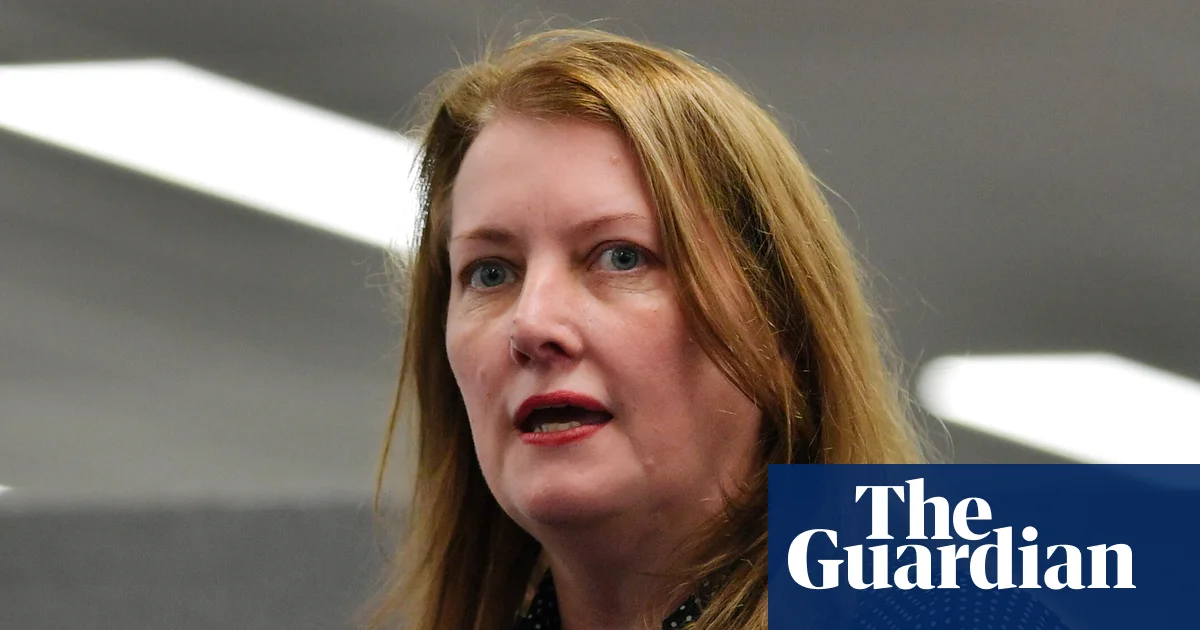
Historian and political analyst Dr. Michael Armstrong notes that such policy reversals by major parties are not uncommon in parliamentary democracies, but the scale and public manifestation of Labour’s pivot mark a distinctive moment of crisis. Official statements from figures like Angela Rayner, once a prominent advocate for workers’ rights, highlight the internal tensions; her strong opposition to the *climbdown* underscores the broader implications for Labour’s social base and its relationship with labor unions. Union leader Sharon Graham has openly condemned what she describes as a “shell of its former self” legislation, warning that the Bill’s dilution—particularly the exclusion of reforms like fire and rehire bans and zero-hours contract restrictions—severely undermines trust in Labour’s promises.

The geopolitical impact of Britain’s internal discord reaches beyond its borders, serving as a cautionary tale to global democracies grappling with electoral mandates and governing realities. International organizations and foreign diplomats observe with concern the apparent unraveling of Labour’s electoral commitments, pondering whether this signals a broader trend of political expediency overriding genuine reform. Some analysts suggest that this collapse of ideological clarity could embolden populist and nationalist forces elsewhere, capitalizing on perceived governmental unreliability. As geopolitical strategists warn of a potential decline in political stability within the UK, European allies and transatlantic partners scrutinize the developments for signals of increased volatility, which could influence investment climates, alliance strategies, and the future of the UK’s role on the world stage.

In the hallowed halls of Westminster and the dusty corridors of history, this moment will be remembered as a symbol of the complex dance between policy promises and political pragmatism. As the battle lines within Britain are redrawn—highlighted by colorful debates over leadership ambitions, party loyalty, and the very fabric of democratic representation—the weight of the decision lingers. With Britain teetering on the cusp of a pivotal crossroads, the choices made today threaten to echo through generations, leaving an indelible mark on the annals of modern democracy. The unfolding saga of Labour’s legislative retreat serves as a stark reminder that, in politics, the line between ideals and reality is often blurred—a domain where the fate of nations and societies is ultimately forged amidst chaos and compromise, in the shadow of history still waiting to be written.

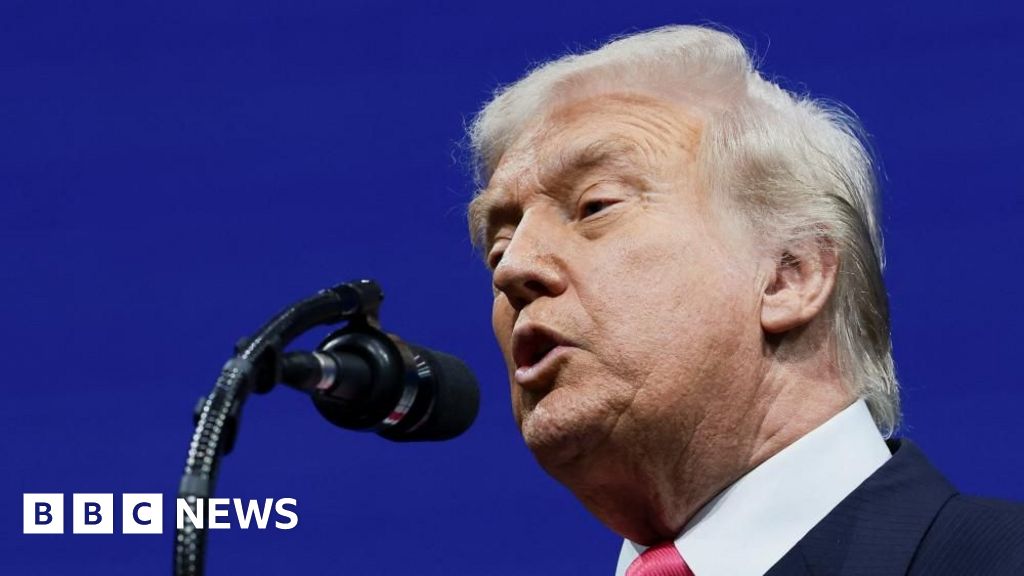
Trump signs bill demanding release of Epstein files to expose the truth

The United States has taken a monumental step in addressing one of its most controversial and secretive criminal investigations by finally signing legislation mandating the release of government files related to Jeffrey Epstein. This development marks a significant culmination of a months-long fight fueled by victims’ advocates, political pressure, and shifting public sentiment — and it signals a *turning point* in how the US approaches accountability for powerful elites.

  • President Donald Trump announced the signing of the law after initially opposing it, citing concerns over revealing sensitive information. However, mounting bipartisan pressure and vocal advocacy from victims’ families prompted a rare political reversal. The law requires the Attorney General to release documents—including investigation transcripts, flight logs, and communications—within 30 days, barring any that could jeopardize ongoing criminal cases or reveal victims’ identities. This act of transparency is hailed by many as vital to uncovering the scope of Epstein’s network and its potential ties to influential figures across politics, finance, and entertainment.
  • Amid this, Congress overwhelmingly supported the measure, with only one dissenting vote on the House floor, a testament to the bipartisan consensus that justice must be served regardless of the powerful people involved. Critics, including some legal experts and advocates, remain cautious, warning that significant redactions are imminent to protect victims’ privacy and national security interests. Nevertheless, this legislation advances the clamoring call for truth and transparency, challenging the concealed hierarchies that have long shielded the rich and powerful.”

Analysts and historians note that this move could reshape the geopolitical landscape, especially considering Epstein’s known associations with high-profile figures such as King Charles’ brother and former US presidents. The released files could potentially expose connections that threaten the public image of some of America’s most influential families and institutions, thereby impacting diplomatic and domestic stability. Internationally, this sets a precedent — pressing other nations to scrutinize their own elite networks and consider the long reach of transparency and justice.

Moreover, the geopolitical impact extends beyond Washington. Countries with longstanding ties to Epstein’s victims, or who suspect their own elites might be implicated, now face increased pressure to review internal affairs. The series of revelations could trigger diplomatic investigations, strained alliances, and policy debates rooted in transparency versus secrecy. International organizations, such as the United Nations or the European Union, are observing these developments closely, as the fight to reveal the truth intersects with broader debates on global accountability and human rights.

Ultimately, the story of Epstein embodies a deeper narrative of societal decay and the silent complicity of those who shield the status quo. As the files are finally subjected to public scrutiny, the tide of history begins a new chapter — one that may reveal uncomfortable truths about the interconnected web of power and depravity. The weight of this revelation underscores a fundamental question: how long can a society sustain its illusions of justice when the shadows of secrecy threaten to engulf the very foundations of democracy? The next few weeks will be pivotal, yet the echoes of this epoch-defining act will resonate through history, reminding us all that in the ongoing battle between transparency and concealment, the truth remains America’s most potent weapon.”

House Approves Funding Bill to End Shutdown — How Your Representatives Voted

The recent resolution to end the historic US government shutdown marks a significant moment in American political history, but it also highlights the deep divisions and strategic calculations shaping the geopolitical landscape. After 42 days of deadlock, President Donald Trump officially signed legislation that restores government funding through January, bringing a temporary respite to millions of Americans affected by furloughs, delayed flights, and food insecurity. This episode reflects both the resilience of procedural politics and the underlying tensions that continue to define the Biden administration’s approach to governance amidst a highly polarized environment.

Key to understanding the geopolitical impact of this shutdown is the internal debate among U.S. lawmakers over healthcare subsidies, border security, and fiscal priorities. The compromise emerged from a Senate-brokered deal in which only a handful of Democrats chose to sacrifice some healthcare support to achieve broader financial stability. The legislation, extending federal funding at current levels until January, also allocates funds to critical departments such as Veterans Affairs, the USDA, and the legislative branch—a move aimed at stabilizing core institutions. International analysts see this outcome as a temporary fix that underscores the fragile state of U.S. political consensus, which could influence global perceptions of American stability and credibility on the world stage.

Renowned historians and think tanks, such as the Council on Foreign Relations, warn that episodic crises like this shutdown serve as cautionary tales of internal discord spilling over into global confidence. “When Americans debate over fiscal priorities while facing national security threats and international commitments, it creates uncertainty among allies and adversaries alike,” noted Dr. Linda Garcia, a foreign policy analyst. The shutdown’s aftermath may also embolden foreign actors to test U.S. resilience and diplomatic resolve, especially in regions like Eastern Europe, where the ongoing conflict in Ukraine demands unwavering support and decisive leadership. The temporary compromise reveals that internal political fractures could undermine America’s ability to project power and uphold its commitments worldwide.

The words of international observers remind us that decisions taken in Washington do not occur in isolation; instead, they ripple across the global map. China and Russia watch closely, aware that domestic tumult weakens America’s diplomatic leverage. Meanwhile, nations dependent on U.S. aid and influence are left to ponder the durability of America’s political will. As Congress grapples with fiscal disputes, the underlying message rings loud and clear: the stability of democracies relies not only on government continuity but on the unyielding unity of its institutions and citizens. History warns that neglecting these foundational elements risks descending into chaos that no amount of quick legislative patchwork can mend. The unresolved fissures within the U.S. political system threaten to shape the course of history in unpredictable and potentially perilous ways, leaving the future hanging precariously in the balance—an enduring reminder that the weight of democracy’s fate rests on the resolve of those who govern and those they serve.

South Australia Rejects Restrictive Late-Term Abortion Bill Amid Fierce Debate

In a decisive turn within Australia, the South Australian Parliament recently defeated a contentious bill aiming to restrict access to late-term abortions. This legislative battle not only spotlights the country’s ongoing internal debate over reproductive rights but also echoes a broader, international struggle over the influence of anti-abortion movements. The bill, proposed by former One Nation member Sarah Game—now an independent—demanded to tighten restrictions on abortions after 22 weeks and six days, significantly narrowing existing laws that permit late-term terminations when the mother’s physical or mental health is at risk.

The motion was defeated by a vote of 11 to 8, with emotional scenes unfolding as several Members of the Legislative Council (MLCs) expressed visible distress during the debate. Health experts from the Royal Australian and New Zealand College of Obstetricians and Gynecologists (RANZCOG) sharply criticized the proposed legislation, asserting it was rooted either in ignorance or deliberate misrepresentation of medical realities. The attorney general, Kyam Maher, underscored that the bill’s premise was fundamentally flawed, emphasizing that it risked erecting unnecessary barriers to essential healthcare.

Global analysts highlight that Australia’s internal opposition to abortion laws is increasingly influenced by imported tactics from United States conservatives, who have long sought to chip away at reproductive rights. As noted by international organizations and historians, this pattern involves focusing on the most rare and medically complicated late-term procedures, which necessarily involve cases of severe fetal abnormalities or maternal health threats. Experts warn that these strategies serve to erode broadly accepted standards of informed consent and patient autonomy, gradually shifting societal perceptions of reproductive healthcare. The defeat of the South Australian bill is thus seen as a victory against these well-funded and strategically driven anti-abortion campaigns, which often cloak their motives under the guise of protecting life.

However, the battle is far from over. In South Australia, controversy is ongoing regarding the device of anti-abortion tactics and their influence on policy. Critics point to the banning of Joanna Howe, who had proposed similar legislation and alleged threats and intimidation tactics by opponents—actions that democratic leaders unequivocally condemned. These developments are emblematic of a strained climate where advocacy, opposition, and political coercion increasingly intertwine, raising concerns about the future landscape of reproductive rights in Australia and beyond. As analysts warn, these national debates are part of a wider geopolitical carriage of value clashes that resonate across borders, influencing laws and societal attitudes worldwide.

With international organizations watching closely, and historians cataloging these moments as pivotal shifts, the ongoing struggle over abortion rights continues to be a defining issue of our era. As the controversy in South Australia evidences, the decisions made today ripple outward, shaping societies and influencing policies that will define generations to come. The scales of justice and morality in reproductive rights hang precariously, and the pages of history are once again being written—this time, with the weight of countless lives and societal values at stake, as the relentless tide of change carries us toward an uncertain future.

Developers Cabinet-Approved Planning Bill After Dozens of Meetings, While Environmental Groups Were Lockout — Labour Criticizes

International Ramifications of National Housing and Environmental Policies

In an era marked by escalating climate change, rising inflation, and geopolitical strain, domestic policies that appear to prioritize rapid development over environmental conservation are drawing international scrutiny. The United Kingdom’s recent planning and infrastructure bill, which promises to fast-track the construction of 1.5 million homes by the end of this parliamentary term, exemplifies a broader trend among powerful nations eager to boost economic growth at the potential expense of natural ecosystems. While advocates tout these measures as essential for addressing housing shortages and stimulating economic revival, the core question remains: at what cost to the natural world, and consequently, to global stability?

It is revealing that behind the scenes, lobbying efforts from developers have been intense at the highest levels of government. As detailed by independent analysts, meetings between ministers and property giants such as Vistry, Barratt, Taylor Wimpey, and others have been prolific—conducted with near impunity. Conversely, environmental groups and ecologists seeking dialogue report difficulty in securing even preliminary discussions with key ministers, highlighting a troubling imbalance of influence. This disparity underscores a broader pattern of governmental favoritism that threatens to undermine efforts at sustainable development across borders. Such internal dynamics within the UK may serve as a cautionary tale for other nations in Europe and beyond, where similar conflicts over land use and environmental protection are simmering.

Globally, the implications are profound. International organizations such as the United Nations repeatedly warn that disregarding ecological considerations in pursuit of growth can lead to irreversible loss of biodiversity, destabilizing local and regional climates. The UK’s case underscores a global tendency to dismiss ecological expertise—despite extensive research from historians, economists, and scientists advocating for integrated planning that recognizes the foundational role of environmental resilience. As the UK fast-tracks development projects like the controversial bulldozing of ancient wetlands near Newton Abbot, other countries watch keenly, pondering whether they will follow suit or stand firm in protecting their biospheres. The decisions made today will shape the geopolitical landscape of the future, potentially fueling regional instability if ecological degradation breeds social unrest or economic downturns.

As history threads a narrative of humanity’s often destructive relationship with the environment, the outcome of Britain’s legislative debates looms large. If the bill’s supporters succeed in downplaying the importance of ecological safeguards, the precedent set might reverberate, emboldening similar policies worldwide. Yet, the voices of ecological advocates and international observers serve as warnings that quick fixes often worsen pre-existing crises. The world teeters on a precipice: will it prioritize growth over sustainability, or will it recognize that true progress depends on a delicate balance? As the final votes hover and the dust of political debate settles, history continues to unfold—its chapters yet unwritten, waiting for the choices future generations will be forced to confront.

Councils foot the bill for school transport for 470,000 pupils—money well spent on our future.

In today’s society, a troubling trend emerges: the increasing strain on local communities, families, and schools due to the dramatic rise in costs associated with funded transport for children with special educational needs and disabilities (Send). According to recent government estimates, nearly half a million under-16s in England depend on taxis, buses, and other subsidized transportation to access education centers—an essential service that is now becoming less sustainable under financial pressures. This issue underscores how social disparities are deepening, as families with children who require specialized transport are disproportionately impacted, often facing difficult choices that threaten their children’s right to education and their own economic stability.

The data, based on voluntary submissions from three-quarters of local authorities, reveals that in the 2023-24 financial year, £1.5 billion was spent on transport for under-16s with Send—more than double the amount spent just a decade ago. This upward trajectory highlights a profound social issue: the widening gap between resource allocation and demand. Many councils are now grappling with the harsh reality that fulfilling statutory responsibilities for transport is no longer financially feasible. The growing cost not only compromises the equity of educational opportunity but also raises questions about the long-term consequences for community cohesion and social mobility. The historian and sociologist Raymond Williams warned that such structural neglect risks eroding the social fabric, leaving marginalized children further behind in the race for knowledge.

This crisis hits hardest families of children with Send. For instance, Ailith Harley-Roberts, a parent and campaigner, shares the story of her 15-year-old daughter Talia, whose funded transport service will cease at 16. This change, mandated by her local council, threatens to impose hours of additional travel—sometimes requiring her family to drive several hours daily—adding immense stress and financial hardship. Such demographic shifts reveal an underlying moral dilemma: society’s commitment to equality of opportunity is challenged when vital services are reduced or eliminated. The British sociologist Stuart Hall argued that social policy must safeguard these rights, yet budgetary cuts threaten to undo years of progress toward inclusive education, marginalizing children with complex needs and their families.

Moreover, experts warn that these cuts are not merely logistical issues but social crises in the making. Rob Williams, senior policy advisor at the NAHT, emphasizes that funded transport plays a crucial role in enabling children to attend school regularly and develop independence. When councils reduce or withdraw transport provisions—often citing economic constraints—it exacerbates inequalities and threatens to deepen attainment gaps. The government’s delay in reforming the Send system, announced recently, underscores a failure to address these pressing social injustices, risking the collapse of a fragile support network.

As communities confront this social dilemma, the moral weight of ensuring every child’s right to education becomes clear. The cultural shift towards austerity threatens to overshadow commitments to social justice and inclusivity. Yet, amidst the economic chaos, there remains a quiet hope—a reminder that society is resilient, capable of transformation. As the philosopher Albert Camus once reflected, “In the midst of winter, I found there was, within me, an invincible summer.” Perhaps, with steadfast resolve, society can rekindle its sense of collective responsibility and forge a future where every child, regardless of their needs, can walk the path of learning free from undue hardship and neglect. It is this hope—embedded in the strength of our families and communities—that can serve as our guiding light in the turbulent times ahead.

Social Media Auto Publish Powered By : XYZScripts.com