Matox News

Truth Over Trends, always!

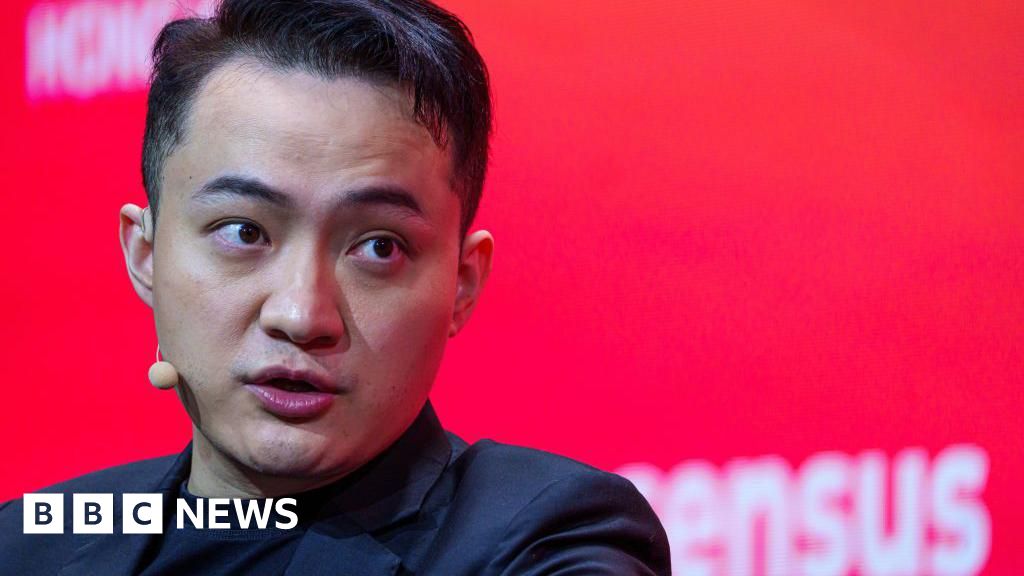
Billionaire Investor Sues Trump Family’s Crypto Firm Over Alleged Extortion

In a development that has sent shockwaves through the international financial and tech sectors, billionaire investor Justin Sun has initiated a lawsuit against the family-run World Liberty crypto venture, citing a loss of $45 million following his substantial investment in their tokens. This legal action not only highlights the volatile nature of the emergent cryptocurrency landscape but also underscores broader concerns about transparency and regulation within this rapidly expanding economic frontier.

The clash has immediate geopolitical implications that extend beyond the realm of individual investors. As Sun’s lawsuit unfolds, financial authorities and regulatory bodies across multiple jurisdictions are paying close attention. Many analysts warn this case could become a \u201Cbenchmark\u201D for future governmental crackdowns on unregulated digital assets, especially amid a global push for stricter oversight of cryptocurrencies. According to leading economic historians and international organizations such as the International Monetary Fund and World Bank, this conflict is emblematic of a larger struggle—one where nascent blockchain innovations collide with entrenched financial regulatory frameworks, often with unpredictable repercussions for ordinary citizens and national economies alike.

For U.S., European, and Asian regulators, such disputes serve as a crucial test case. The case reveals the urgent need for a cohesive global approach to regulate digital asset markets, which remain plagued by a patchwork of rules and inconsistent enforcement. Potential consequences range from increased regulatory clampdowns to restrictions on cross-border crypto transactions, thus altering global trade flows and investment strategies. Some experts suggest this crisis could accelerate a shift toward clearer international standards, yet others warn of the risk that overregulation might stifle innovation and push activity into clandestine channels, threatening the very essence of a decentralized digital economy.

As Justin Sun and the World Liberty family prepare for court proceedings, the broader battle over control, legitimacy, and the future of digital currencies remains unresolved. Observers like geopolitical analyst Dr. Michelle Porter emphasize that this incident is a harbinger—signaling a critical juncture where economic, legal, and technological forces collide. Her warning echoes a warning often sounded by historians: that history’s most pivotal moments often arise from conflicts that challenge the status quo, shaping the landscape for generations to come. With many nations watching closely, the outcome of this lawsuit could well alter the very fabric of the digital economy, embedding lasting lessons for investors, regulators, and societies worldwide.

As the story continues to unfold, the tale of Justin Sun’s legal challenge against World Liberty stands as a stark reminder of the tumultuous path humanity treads in the quest to harness the revolutionary potential of cryptocurrency. In a world teetering between innovation and regulation, the true impact of this clash remains uncertain—yet its echoes will resonate through history, hinting at a future where old paradigms are finally challenged by new, unpredictable forces. The narrative of global finance is still being written, and with every passing chapter, the stakes grow higher—shaping the destiny of nations and societies in ways that may never be fully understood.


Police target billionaire K-pop mogul over BTS-related issues

In an unprecedented development shaking the global entertainment industry and the economic landscape of South Korea, Bang Si-hyuk, the visionary behind the international K-pop sensation Supergroup, vehemently denies allegations of investment fraud ahead of the public listing of his $7.3 billion conglomerate. The controversy arising from these accusations grapples with the fragile intersection of artistry, capitalism, and strategic geopolitics, underscoring how cultural phenomena can evolve into high-stakes financial battlegrounds.

The controversy centers around claims that Bang Si-hyuk engaged in deceptive practices with investors prior to his company’s market debut—an event that was anticipated to propel not only corporate stature but also elevate South Korea’s world economic image amidst ongoing regional tensions. Critics allege that misrepresentations during the company’s IPO process could threaten investor trust and destabilize markets sensitive to Asian economic outlooks. Yet, Bang Si-hyuk swiftly dismissed these allegations, asserting that his enterprise maintained the highest standards of transparency and integrity. These conflicting narratives highlight the volatile relationship between corporate power and regulatory oversight within emerging economic powerhouses like South Korea.

International analysts scrutinize this scandal as more than a mere corporate spat; it exposes the broader geopolitical implications of South Korea’s rising cultural influence and economic ambitions. The burgeoning global following of K-pop and related entertainment industries serve as soft power tools, providing South Korea with strategic leverage against regional rivals like China and Japan. However, such high-profile financial controversies threaten to undermine this image, especially as the nation seeks to solidify itself as a global economic leader. According to experts at the International Monetary Fund, stability within corporate sectors linked to national exports and cultural diplomacy is paramount; any doubts cast on industry leaders could send ripples through international markets.

Moreover, the role of international institutions in monitoring and responding to financial misconduct takes center stage as this scandal unfolds. World Financial Watchdogs and regional regulatory agencies are now closely examining the case, with some analysts warning that failure to uphold transparency could embolden more speculative behaviors across emerging markets. Historically, other nations’ experiences indicate that unchecked corporate scandals, especially involving influential figures like Bang Si-hyuk, can trigger broader distrust in financial systems—undermining **market stability** and jeopardizing societal progress. His case vividly exemplifies how the *decisions made in boardrooms* at pivotal moments can either drive national prosperity or precipitate crises.

As the story develops, the weight of history looms large. Decades from now, this moment might be remembered as a turning point—either as a testament to the resilience of South Korea’s economic reform or as a cautionary tale about the perils of unchecked influence and greed. The global community watches with bated breath, knowing that the outcomes of this controversy could redefine the boundaries of cultural power and corporate accountability in the 21st century. The global chessboard remains in motion, and it is only a matter of time before the next move shapes the narrative of an emerging superpower, caught between its *dream of greatness* and the *reality of moral testings*—a story still being written, with history’s ink barely dry.

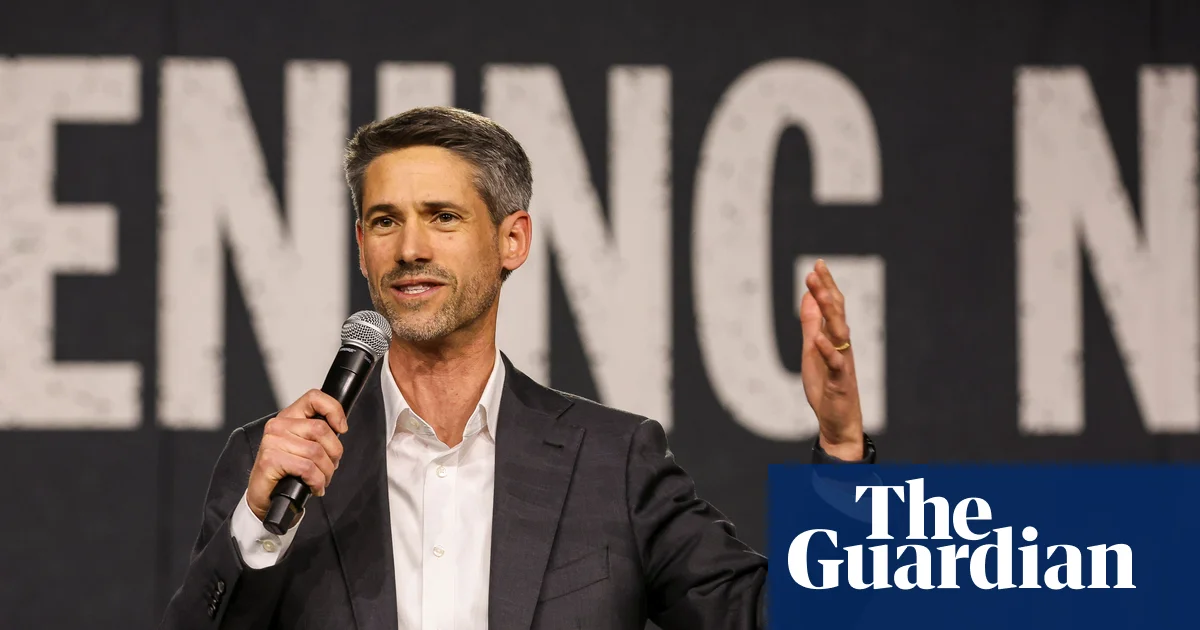
Crypto billionaire Ben Delo boosts Reform UK with £4M donation

Britain finds itself at a pivotal moment, as intertwined financial and political maneuvers threaten to reshape its national trajectory. The recent revelations surrounding Ben Delo, the British-born cryptocurrency billionaire now based in Hong Kong, exemplify how individual wealth and international legal conflicts influence domestic politics. Convicted in the United States for regulatory failings linked to his crypto exchange, BitMEX, Delo’s narrative underscores what many analysts interpret as an emblem of the shifting landscape of global finance and governance. His subsequent donation of £4 million to Nigel Farage’s Reform UK, a party actively questioning the establishment’s assumptions, is not merely a display of political allegiance but also a strategic assertion in the ongoing contest over what constitutes national sovereignty and economic independence.

The decision of Delo to support Reform UK– and his public statements asserting that the “entrenched self-deception of our elites” is the obstacle to national recovery – signals a broader movement tethered to *populist* resistance against unchecked globalization. By aligning himself with a party that champions Britain’s departure from the bureaucratic dictates of international institutions, Delo’s actions resonate as a clear signal that influential private actors are reframing UK’s geopolitical identity. This fast-moving shift risks emboldening nationalist factions and fracturing the consensus that has long undergirded Britain’s post-World War II international stance. Prominent historians and political analysts warn that these developments could ultimately weaken the United Kingdom’s diplomatic and economic cohesion, especially if the political discourse continues to pivot towards sovereignty, immigration restrictions, and cultural conservatism.

Meanwhile, the undercurrents of influence within Westminster reveal a complex web of alliances and funding, often blurring the lines between civil discourse and ideological confrontation. Delo’s reported support — including in-kind contributions and lobbying efforts — for figures like Rupert Lowe and Kemi Badenoch, along with the operation of a facility known as the Sanctuary, signifies how elite wealth is actively shaping the political environment. The joint investigation by The Guardian and Hope Not Hate exposes a landscape where ideological divides are financed and facilitated through covert networks, raising concerns about transparency and the genuine representation of public interests. Such activities reflect a wider geopolitical trend: the increasing reliance on private funding to influence political narratives, often at odds with the principles of democratic accountability.

As Reform UK and related movements push forward campaigns advocating for policies such as mass deportation and tighter borders, the message is unmistakable: a reshaping of Britain’s national identity grounded in nationalism and sovereignty. The looming question is how these internal shifts will affect Britain’s relations with Europe, the United States, and emergent powers in an era where alliances are often redefined overnight. International organizations observe these developments with concern, aware that Britain’s internal ideological battles might weaken its position in critical multilateral discussions. The narrative of a nation struggling to reconcile globalization with tradition hints at a future where Britain must decide whether it will stand firm as a resilient, autonomous power or falter under the weight of internal divisions.

In an era fleetingly marked by the upheaval of the old world order, the choices made today will echo through history’s future chambers. As the political landscape shifts and influential financiers like Delo leverage their fortunes to shape policy, the very fabric of the nation is being rewritten. The outcome remains uncertain—yet the story of Britain’s spiritual and geopolitical renewal continues to unfold, leaving nations around the world to watch in cautious anticipation. Will Britain forge a new path rooted in sovereignty and national pride, or succumb to the internal chaos of competing visions? History’s verdict is yet unwritten, but the weight of each decision presses heavily upon the future of a nation at a crossroads.

British billionaire Chris Rokos pledges £190m to support Cambridge students and innovation

In an era marked by rapid technological advancements and shifting cultural paradigms, societies worldwide are confronted with profound challenges that ripple through families, education systems, and communities. These upheavals are not merely superficial trends but fundamental transformations that compel social actors to reevaluate their approaches to governance, societal values, and human development. As noted by influential figures in education and politics, institutions such as Cambridge University exemplify a tradition rooted in scientific innovation and collaborative culture—traits that are desperately needed in our current climate of uncertainty. The question remains: how do these institutions adapt to ensure that social cohesion and moral integrity are preserved amidst the chaos?

Social issues such as economic inequality, demographic shifts, and cultural tensions are increasingly affecting the foundation of family life and educational environments. For many families, the widening gap between the privileged and those languishing in poverty undermines the stability necessary for healthy development of children and youth. Sociologists like Charles Murray have long argued that educational disparity contributes significantly to societal polarization, threatening to fracture the social fabric. Schools, once centers of learning and social mobility, are now battlegrounds for addressing these divides.

  • Students from marginalized communities face barriers to quality education that limit their future opportunities.
  • Educational institutions struggle to balance inclusion with preserving a sense of civic order and national identity.

This dynamic exerts a direct influence on families, as parents grapple with ensuring their children’s safety and future prospects in a turbulent environment.

Within this context, the cultural shift towards individualism and identity politicization often fuels generational tensions, complicating the task of fostering unified communities. As social commentators highlight, these tensions can strain the very bonds that uphold societal cohesion. Importantly, despite these challenges, there is a growing recognition of the need to reaffirm traditional values of responsibility, community service, and national unity. Thought leaders and historians, such as Yuval Noah Harari and Victor Davis Hanson, emphasize that **building resilient communities requires a collective effort focused on moral foundations and shared purpose**. Policies aimed at strengthening family stability and supporting local initiatives become crucial in reversing fragmentation and reinvigorating a sense of belonging among youth.

Ultimately, the social fabric of our societies hinges on our ability to adapt with prudence and resolve. The path forward demands a deliberate effort to bridge divides—culturally, economically, and ideologically—by empowering families, reforming educational paradigms, and promoting civic engagement. As communities confront their own strains and crashes, hope persists in the possibility of societal renewal. Perhaps, as history shows, it is through facing adversity that society finds its true strength—learning to navigate the turbulent waters of change with a moral compass intact, steering toward a horizon where the enduring bonds of family and community can flourish once more. In that future, we may find, lies the mirror of our collective resilience and the blueprint for generations yet to come.

Google Founder Endorses Both Sides in California Race as Ex-CEO Battles Billionaire Tax

The influence of Silicon Valley in global geopolitics is no longer confined within the boundaries of the United States. Instead, its tentacles stretch across state borders and into the corridors of power, shaping policies with unprecedented financial muscle. Recent revelations demonstrate that tech billionaires, from giants like Google, Facebook, and Reddit, are pouring millions into California’s political battles—particularly the ongoing fight over a proposed wealth tax. This intense involvement signals a broader trend: the digital aristocracy is not merely content with accumulating wealth; they aim to influence and perhaps even dictate the regulatory landscape.

Key figures such as Eric Schmidt and Sergey Brin, both emblematic of Silicon Valley’s rise, are active players in these political campaigns. Schmidt’s substantial $1.04 million donation to the California Business Roundtable highlights a clear opposition to the Billionaire Tax Act. This legislation, aimed at funding vital social programs like education and healthcare, is stymied largely by the tacit agreement of California’s ultra-rich, who view this proposal as a threat to their economic dominance. Analysts warn that this kind of financial interference undermines fair democratic processes and reveals an emerging pattern of ‘digital oligarchs’ leveraging wealth to combat even modest redistribution efforts.

Meanwhile, Sergey Brin, embodying a more duplicitous approach, has contributed to both sides of California’s political spectrum. His donations to a Republican candidate, Steve Hilton, and Democratic supporter Matt Mahan, exemplify how Silicon Valley elites manipulate political discourse—playing both sides in pursuit of broader influence. Brin’s extensive funding to oppose the wealth tax, supported by recent investments from his Nevada estate, underscores how financial power consolidates to thwart reforms that would put a dent in their fortunes. Additionally, Brin’s attendance at a White House dinner with Donald Trump signals an intent to engage directly with the highest levels of state and federal authority, aiming to influence policies that affect the fabric of society.

This strategy is not isolated but part of a larger geopolitical impact—where international tech giants project power domestically to shape the socio-economic environment to their advantage. Experts cite a growing concern over how these financial maneuvers threaten the democratic process, with some voices from international organizations warning of a “tech-driven oligarchy” that may influence elections, policies, and global perceptions of sovereignty. As Silicon Valley’s influence balloons, questions arise about how these wealthy actors’ interests align or conflict with national and societal priorities. The battle over the Billionaire Tax exemplifies the broader clash: a fight between the political will of the common citizenry and the vested interests of an emerging ruling class of digital elites.

As the fight intensifies and these financial power plays continue to unfold, the essence of this debate echoes a warning from historians and political analysts: the rise of economic aristocracy within technology-rich states portends a realignment of power. With each campaign donation and political endorsement, the lines between corporate interests and public policy blur further, casting ominous shadows across democratic institutions. Humanity now watches as history’s uncharted chapter is written amid the allure of wealth and influence—an unfolding saga whose outcome could redefine societal standards for generations to come. The true question remains: will the voices of the many rise above the whispers of a few powerful tech barons, or will this new digital aristocracy shape the future amidst the remnants of democracy? The answer lies in the continuing pages of history, soon to be inscribed with the choices of today’s political and technological elites.

Social Media Auto Publish Powered By : XYZScripts.com