Matox News

Truth Over Trends, always!

Black Friday 2025 Unveiled: Hot Deals, Price Match Hacks & Early Access for Savvy Shoppers

The Rise of Black Friday 2025: A Cultural and Social Shift

As we march further into the digital age, one tradition that continues to evolve—and shape our societal norms—is Black Friday. What started as a day reserved for early-morning rushes outside retail stores has transformed into an expansive, month-long phenomenon that reflects broader shifts in consumer behavior and social priorities. This year, with Black Friday 2025 scheduled for Friday, November 28, the spectacle isn’t just about snagging deals anymore; it’s become a mirror for society’s shifting attitude towards shopping, technology, and even community engagement.

Traditional scenes of crowds lining up outside brick-and-mortar locations, shivering in the cold, are gallantly giving way to a new online-first approach. Retailers like Amazon, Best Buy, and Walmart are kicking off their sales well before the actual Black Friday date, often starting as early as mid-November and extending into December. This shift isn’t accidental—it’s a direct response to the social relevance of convenience for younger generations. Influencers and tech-savvy consumers are less interested in fighting crowds for sales than they are in accessing deals from the comfort of their homes, which signals a profound change in consumer culture. The move online has also made Black Friday an event accessible to people regardless of geographical or physical limitations, democratizing the shopping experience and further embedding it into the fabric of social life.

Beyond the convenience aspect, experts highlight the cultural impact of Black Friday as a marker of our collective priorities. Retail analysts and sociologists note that the season’s deals—ranging from QLED TVs to Apple’s latest gadgets—are not just about consumption but serve as social rituals—virtual gatherings, online shopping competitions, and sharing of “best deals” on social media. Influencers such as tech reviewer Marques Brownlee and lifestyle icons are amplifying this shift by showcasing early deal finds, making Black Friday not just a shopping day but a social event where consumers are increasingly engaging through digital platforms. Interestingly, the social importance of bargain hunting has shifted from physical space to digital spaces, turning deals into virtual gatherings that foster a sense of community and shared experience, even across thousands of miles.

  • Early Black Friday deals like ultracompact power stations or high-end gadgets are already making waves online.
  • Price match policies are evolving, but a majority of stores are now less flexible—except for Target and Best Buy—highlighting shifting expectations in consumer rights and retailer policies.
  • Smart shopping tools like wishlist organizers and AI-powered price trackers are changing how the next generation approaches Black Friday—more strategic, less impulsive, and highly informed.

Looking ahead, the question that looms over this trend is whether the virtualization of Black Friday will continue to erode the traditional in-store experience or if a new hybrid model will emerge—one where social engagement is integrated seamlessly with instant digital access. As sociologists and trend analysts debate whether this evolution enhances or diminishes communal ties, one thing remains clear: Black Friday 2025 is less about the deals and more about the cultural redefinition of how, when, and why we shop within our society’s larger digital narrative. Could this evolving trend signify a long-term shift in retail culture, or is it simply a fleeting adaptation? The next big question for our society—perhaps even more important than the sales itself—is whether our collective approach to consumerism is truly progressing toward a more connected, yet socially conscious future, or if we’re merely trading the chaos of the storefront for the isolated clicks of the screen.

Top Black Friday Tech Deals for Students: Laptops, TVs & More Savings

Black Friday Sparks Innovation Surge & Industry Disruption

As the countdown to Black Friday 2023 begins, the technology sector is witnessing not only an influx of unprecedented deals but also a clear signal of shifting market dynamics driven by rapid innovation and strategic disruption. Well-established giants like Apple and Bose are offering deep discounts, yet the symposium of sales underscores a deeper narrative: the acceleration of competitive innovation that could redefine industry standards in the near future. In a landscape where consumer expectations continually shift toward integrated, ultra-connected devices, the tech giants are vying to lead the next wave of hardware evolution.

Among the most compelling trends is the aggressive pricing strategy that is fostering a disruptive environment for traditional players. For instance, Apple’s latest 13-inch MacBook Air has dropped to an all-time low of $749.99, representing a strategic milestone that could threaten entrenched market shares of Windows-based rivals. Meanwhile, Bose’s QuietComfort Ultra Earbuds are on sale for $50 off, exemplifying how premium brands are balancing innovation with price competitiveness to lure consumers. This model of competitive discounting indicates a broader industry shift—where cost and performance innovations are pushing consumer devices into more accessible territory without sacrificing core functionalities.

Disruption & Business Implications

  • Enhanced Product Ecosystems: Companies are increasingly integrating AI, biometric sensors, and improved wireless connectivity to create more cohesive user experiences, driving loyalty and market differentiation.
  • Emerging Market Leaders: Smaller firms and startups leveraging AI-driven manufacturing and supply chain disintermediation could upend traditional giants, accelerating the pace of innovation.
  • Consumer Data & AI: Heavy investments in AI for personalization and predictive analytics are transforming how companies approach product development and customer engagement, as highlighted by Gartner’s latest forecasts on AI adoption.

Industry analysts such as Gartner and MIT scholars warn that the race for technological supremacy is now intensifying, with startups and established players alike betting heavily on disruptive innovations. Companies like Tesla and Elon Musk have demonstrated the disruptive potential of integrating AI and automation into core business operations—trends that are now permeating the consumer electronics sector. The innovation race is no longer limited to hardware but extends to software, services, and integrated hardware-software ecosystems—setting a precedent for a future where disruption becomes the new normal.

Future Outlook: The Need for Vigilance & Strategic Foresight

As the industry accelerates toward an era of unprecedented innovation, the urgency for companies to adopt proactive strategies grows. The next wave of technological disruption promises to eliminate legacy barriers and democratize access to advanced consumer electronics. However, market leaders must remain vigilant, investing in R&D and safeguarding intellectual property amid increasing competitive pressures. The industry’s trajectory indicates that only those who leverage disruptive innovation while navigating the complexities of global supply chains will thrive.

In conclusion, this holiday season marks more than just a shopping frenzy; it is a tangible reflection of a broader technological revolution that is poised to reshape the business landscape. Innovation, disruption, and strategic agility will be the key drivers of success in the coming years, compelling industry insiders to stay alert and adapt swiftly to emerging trends. The race for technological dominance is heating up, and future competitiveness will hinge on the ability to anticipate and capitalize on next-generation breakthroughs—fundamentally changing how we connect, work, and play.

Top Home Depot Black Friday Deals You Can’t Miss in 2025

Tech Industry Shaken by Market Disruption and Innovation Amid Holiday Sales Frenzy

In a display of dynamic market shifts and relentless innovation, the tech landscape is witnessing unprecedented disruption fueled by expansive consumer campaigns such as the ongoing Home Depot Black Friday sale. This year’s event, extended from November 5 to December 3, underscores a larger trend where disruptive pricing strategies and aggressive promotional tactics are redefining competitive boundaries. Big names like Google and Dewalt are leveraging this retail surge to push their latest smart home gadgets and power tools, fundamentally altering how businesses approach innovation and consumer engagement.

At the forefront of this movement are innovations like Google’s Nest Learning Thermostat (4th Generation), which is now available at its lowest retail price and exemplifies the power of precision smart home control. This device, praised for its sleek design and robust connectivity, integrates external temperature sensors and adaptive readouts to maintain optimal comfort levels—a testament to how disruption in IoT (Internet of Things) devices continues to accelerate. Industry analysts, including Gartner and MIT’s digital innovation labs, highlight that this surge in smart appliances signals a pivotal shift: the integration of intelligence into everyday devices is no longer optional but essential for competitive advantage.

Business Implications: The Race for Dominance in Smart Home and Power Tools

Meanwhile, the power tools segment is experiencing its own seismic shift. DeWalt and Milwaukee Tools are offering buy-one-get-one deals on essential equipment like cordless drills and impact drivers—an aggressive strategy aimed at locking in consumer loyalty at an early phase of ecosystems built around robust battery tech and modular systems. This approach is disrupting traditional sales models, forcing competitors to reconsider their pricing and product development trajectories. Experts argue that such BOGO and deep discount strategies” may significantly accelerate ecosystem lock-in, consolidating market power among brands like Milwaukee, Makita, and Ridgid.

Looking ahead, business analysts speculate that this hyper-competitive environment will force companies to innovate not just in product evolution but in business models. The recent trends suggest that the most successful firms will integrate advanced battery technology with AI-powered management systems, creating seamless, interconnected tool ecosystems that deliver unparalleled value. Elon Musk’s recent remarks on AI displacing traditional manufacturing and Peter Thiel’s focus on zero-to-one innovations further emphasize that disruption in this sector is imminent and necessary to avoid obsolescence.

Forward Looking: The Urgency of Innovation in a Disruptive Market

As the holiday deals season underscores the trend, the tech industry faces a clear mandate: embrace innovation or risk irrelevance. From smart thermostats that optimize comfort intelligently to power tools that integrate with next-gen battery tech, the race is on for market supremacy. Industry leaders and disruptors alike must leverage the current window of consumer engagement to accelerate R&D, data-driven customization, and strategic partnerships. The message is undeniable: The future belongs to those who disrupt, adapt, and innovate swiftly.

In conclusion, the current retail frenzy is more than a fleeting seasonal event; it’s a harbinger of a technological evolution where disruption, innovation, and strategic agility will determine industry leadership. With market shifts accelerating and consumer expectations evolving, tech companies that prioritize innovation today will shape the landscape of tomorrow—and those that delay risk being left behind in the dust of revolutionary change.

Score Big: Over 10 Must-See Early Black Friday Apple iPad Deals for the Trendsetters

The Rise of Early Black Friday Apple iPad Deals and Their Cultural Significance

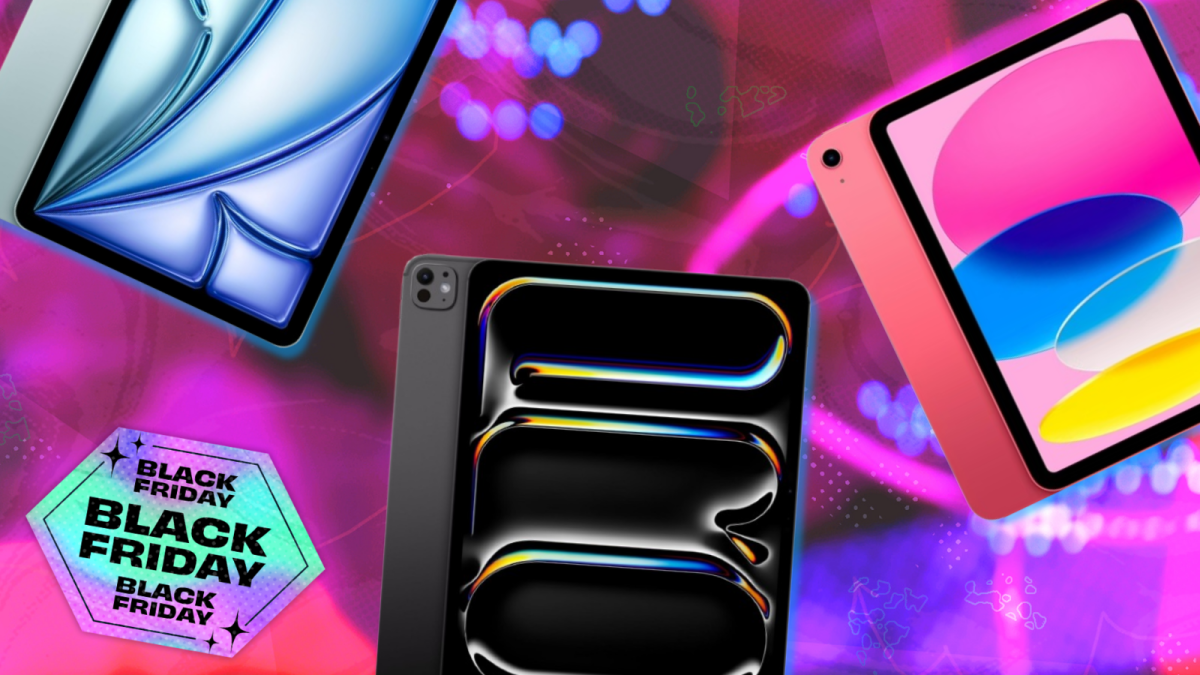
As Black Friday approaches, a shift in consumer behavior is underway that reveals much about our evolving social norms and relationship with technology. Traditionally seen as a single, explosive shopping event in late November, the holiday season now kicks off early, with tech giants like Apple leading the charge in offering substantial discounts on their most coveted devices. This phenomenon is more than mere consumerism; it is a reflection of changing social values and the heightened importance of digital connectivity among young Americans. The early bird gets the deal—and for many, that means securing the latest iPad models at prices that highlight an increasingly competitive landscape among major retailers.

Influencers and tech analysts now recognize that these early deals shape a new cultural narrative: the merging of lifestyle enhancement with practical productivity. For instance, brands like Amazon, Best Buy, and Walmart are competing head-to-head, spotlighting not only savings but also the social status that comes with owning cutting-edge Apple gadgets. The iPad Pro, for example, is on sale for up to $200 off, with models like the 13-inch M4 chip variant already chilling at close to its historic low of $1,299. This is significant—especially when considering how such devices are now embedded in our identity as digital natives. The graying line between work and leisure continues to blur as young users embrace tablets not just for entertainment but as essential tools for education, content creation, and social connection.

Beyond the pricing hacks and flash sales, these tech discounts serve as a marker of a broader societal shift—a shift towards prioritizing digital fluency and self-optimization. Sociologists suggest that Early Black Friday deals on tools like the iPad Air and iPad Mini mirror the ambitions of a generation eager to leverage technology to shape their future. Experts observe that this trend emphasizes a collective aspiration for innovation and self-reliance. A prime example: the iPad Air in a vibrant purple or sleek blue, now offered at nearly $50 off, symbolizes not just affordability but a form of lifestyle branding—an emblem of youth empowerment in the digital age. These devices are not mere gadgets; they are *extensions* of our identity and social capitalization.

But here’s the next big question: as these early Black Friday deals become the new norm, are we witnessing a permanent shift in how the younger generations approach consumerism and technology? Will the accumulation of digital tools redefine notions of status, productivity, and community? Influencers and tech futurists are already debating whether this early shopping frenzy signals a predictable evolution or a disturbance in the traditional retail calendar. What remains clear is that the cultural impact of snagging your latest iPad at a discounted rate may be just the beginning—prompting us to ask whether the future of society will be more driven by *early adoption* and *digital identity* than by the conventional rhythms of commerce.

Black Musical Theater: Celebrating 200 Years of Cultural Resilience and Innovation

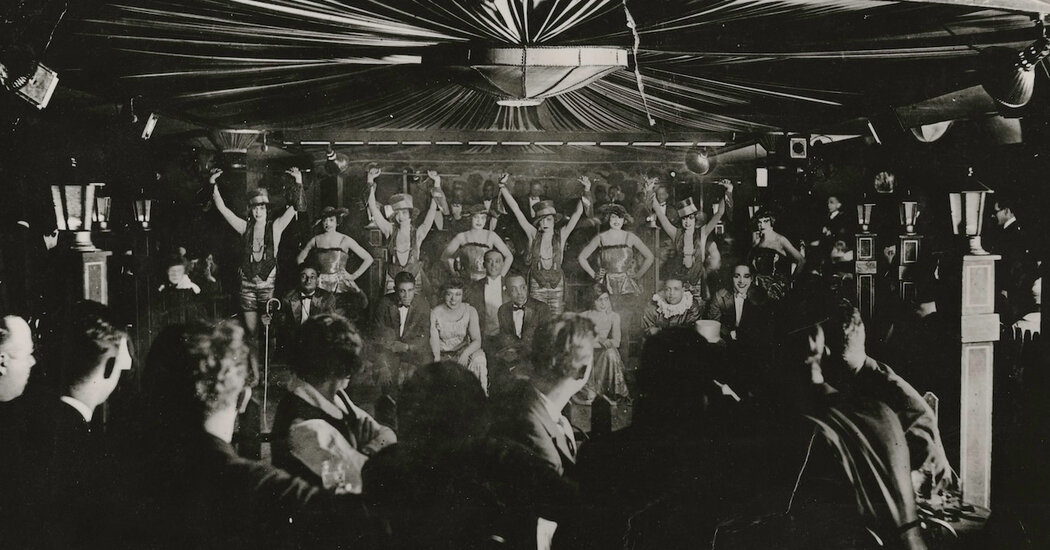
In the great tapestry of human civilization, culture functions as both the mirror of our collective identity and the canvas upon which we project our future aspirations. On the cusp of pivotal moments in history, artists and cultural pioneers have often assumed the mantle of societal architects, shaping and reflecting the values, struggles, and triumphs of their epoch. The founding of Amas Musical Theater in 1968 by LeLaine LeNoire exemplifies this parallel—it was not merely an act of artistic enterprise but a declarative stance on the importance of cultural diversity and representation in American society. Her initiative, infused with purpose, sought to elevate multiethnic casting, thereby enriching the cultural dialogue and affirming the integral role of identity within the American narrative.

Much like the Greeks of ancient times, who consecrated myth and drama as essential facets of civic life, modern cultural innovators understand that the arts serve as repositories of memory and beacons of prophecy. The success of productions like “Mama, I Want to Sing!” and “Bubbling Brown Sugar” signals a turning point—a recognition that authentic stories rooted in diverse experiences contribute to the moral and aesthetic fabric of society. These works, born amidst tumultuous social change, echo the timeless insight of thinkers like G.K. Chesterton: that tradition, which preserves the best of our collective past, must evolve to include the voices previously marginalized. In this context, cultural renaissance is intertwined with the assertion of rightful identity, a vital act of cultural self-preservation amid an ever-changing world.

The importance of such cultural endeavors extends beyond entertainment; they forge a profound connection between society’s fabric and the individuals anchoring it. A nation’s cultural output, as Tocqueville observed, reveals the undercurrents of its democracy, exposing the virtues and flaws woven into its institutions. In this regard, Amas Musical Theater and similar initiatives symbolize a democratization of culture—a recognition that art is not just a luxury, but a vital expression of societal sovereignty. They remind us that by celebrating roots and forging new traditions, society cultivates resilience and continuity, allowing forgotten histories to reemerge and guiding humanity towards a future mindful of its heritage.

Ultimately, culture emerges as both memory and prophecy: a living archive charting the human journey and a visionary force shaping what is yet to come. As the poet T.S. Eliot might have suggested, in our pursuit of harmony between past and future, we discover “the still point of the turning world”—a place where the echoes of tradition inform the aspirations of tomorrow. Our shared cultural history is a testament to our resilience, an ongoing dialogue that sustains not merely individual identities but the spirit of civilization itself. To engage with this heritage is to participate in a sacred act of rebirth, forging a path where the memory of yesterday guides the prophecy of tomorrow, reflecting the eternal human endeavor to find meaning and coherence amid chaos.

Apple’s sleek M4 MacBook Air hits new lows just in time for Black Friday

Apple’s M4-Powered MacBook Air Sets New Benchmark for Portable Computing

The recent rollout of the 13-inch and 15-inch MacBook Air models featuring Apple’s cutting-edge M4 chip signifies a seismic shift in the portable computing landscape. As the industry witnesses a swell of disruption and innovation, Apple’s latest offerings—available at unprecedented discounts ahead of Black Friday—highlight its strategic focus on delivering maximum performance in ultra-slim form factors. With the base 13-inch model now retailing for just $749.99—$250 off at Amazon—Apple is not only increasing accessibility but also challenging entrenched notions of premium hardware pricing.

At the core of this tech renaissance is the Apple M4 chip, which has quickly become a critical enabler of faster performance, enhanced battery life, and seamless integration with macOS 26. Gartner analysts note that the M4’s architecture signifies a paradigm shift, promising to disrupt traditional PC segments and accelerate Apple’s market dominance. The MacBook Air now features

  • Double the RAM at 16GB
  • Expanded webcam capabilities with a 12-megapixel Center Stage camera
  • Thunderbolt 4 ports upgrade

. These enhancements reinforce Apple’s strategic move to deliver higher-value experiences, placing the new MacBook Air well ahead of competitors in the ultralight category.

The implications extend beyond Apple’s product line. Industry watchers forecast a ripple effect, with other OEMs racing to adopt advanced ARM-based architectures inspired by Apple’s disruptive approach. MIT’s computer science faculty emphasize that such shifts point towards a future where integrated, efficient, and AI-optimized chips define the standard for next-generation laptops. This aligns with broader trends where software and hardware integration become pivotal for business agility, mobility, and innovation.

For businesses and consumers alike, this evolution signals a decisive move towards ultra-portable devices that do not compromise on performance. The 15-inch variant, with a superior six-speaker system and larger display, underscores Apple’s ambitions to tap into the professional segment without sacrificing portability. Meanwhile, the industry as a whole faces a decisive question: who will lead the next wave of disruption? As Elon Musk and Peter Thiel warn of a tech arms race driven by AI and hardware innovation, such advancements could reshape entire markets within the next few years—a race that tech pioneers must engage in decisively.

In conclusion, Apple’s latest MacBook Air models exemplify how innovation and disruption drive business strategies in the technology sector. With the combined power of the M4 chip and strategic pricing falls, Apple is reaffirming its leadership in shaping the future of portable computing. For industry stakeholders, the message is clear: timing is critical to stay ahead of the curve. The coming months will be pivotal as competitors scramble to respond, and early adopters profit from the cutting-edge capabilities that define tomorrow’s standards in portable hardware. The race to dominate the AI-integrated, ultra-light device market is intensifying—making now the critical moment for strategic investment and innovation-led growth.

Back in Black: Top Trendy Picks for Halloween Styleēm

As Halloween approaches, a phenomena is sweeping through the youth fashion scene: the embrace of an all-black dress code characterized by sumptuous velvets, vampy accessories, and a deliberately moody aesthetic. This trend isn’t just about costumes—it’s a cultural movement that reflects a broader shift towards embracing the darker side of style and identity. Fashion influencers and trend forecasters alike are noting how young adults are straying from the traditional flamboyance of bright colors or playful patterns, instead making a statement with gothic-inspired ensembles that exude sophistication and rebellion simultaneously.

At the heart of this trend is a desire for authentic self-expression. Social media platforms such as Instagram and TikTok are flooded with videos and photos showcasing (often curated) looks that combine luxurious velvets, daringly vampy accessories, and a minimalist but impactful palette of black. Notable influencers like Hailey Bieber and Alyssa Bailey have publicly embraced this aesthetic, thereby fueling its mainstream appeal. Experts in youth sociology argue that this shift signifies a move away from superficial trends and toward a more layered, even provocative, form of self-representation that resonates with a generation eager to challenge societal norms.

From a cultural impact perspective, this dark fashion trend reflects more than surface style; it signals a broader social relevance. The rise of goth chic among young people mirrors a desire to explore complex emotions and identity facets that society often sidelines. Fashion analyst Lisa Morgan suggests that this movement is akin to a “modern rite of passage,” where the act of dressing in sumptuous Velvets and vampy accessories becomes a form of self-empowerment. Moreover, the aesthetic’s occult connotations and mystique resonate with a generation that’s increasingly interested in individuality and personal narratives, often expressed through DeFi, gaming, and other digital realms where dark, rebellious themes are both celebrated and commodified.

Looking ahead, the question remains: is this just a seasonal Halloween surge or a lasting cultural shift? As the trend gains momentum, some sociologists suggest it could redefine mainstream fashion norms, pushing society toward a more accepting attitude towards alternative identities. Meanwhile, brands are taking note—luxury houses like Alexander McQueen and Rick Owens are increasingly integrating gothic elements into their collections, signaling that this isn’t a passing fad but a potentially permanent fixture in youth-driven style. The future of fashion may very well involve a deeper engagement with themes of darkness and power, raising an intriguing question: will society at large begin to see the allure of the “dark aesthetic” as not just a trend, but a reflection of a broader cultural awakening? It’s a provocative thought that challenges us to ask whether the next frontier of style will be defined by what we hide in plain sight, and what that reveals about the shifting landscape of youth identity and societal norms.

Catalonia town bans Black Cat adoptions this Halloween, citing safety concerns

Shadows of Tradition and Modern Morality: The Black Cat Ban in Terrassa

In a world increasingly attuned to the nuances of culture, animal welfare, and security, Terrassa, a historic town in Catalonia, has taken a controversial step that underscores the global tension between tradition and modern-day safety concerns. The town’s decision to temporarily ban the adoption of black cats during Halloween—set to last from October 6 to November 10—has sparked debates that reach far beyond its provincial borders. This measure, justified by local authorities as a safeguard against potential ritualistic abuse, embodies a broader societal shift where concerns for animal welfare increasingly influence policy-making amid fears of exploitation.

While Terrassa’s city council reports no local record of cruelty toward black cats, the decision aligns with a rising wave of precautionary policies motivated by incidents elsewhere—an approach reinforced by warnings from international animal rights organizations. European and Western communities have long associated black cats with superstitions rooted in witchcraft and misfortune, yet in many other cultures, such as in Japan and Egypt, these animals symbolize prosperity and good luck. The contrasting symbolism underscores how cultural perceptions can influence policy decisions that, ostensibly, aim to protect animals but also reflect societal fears and prejudices. Prominent historians and analysts suggest that such actions are frequently reactions to heightened societal anxieties, especially amid cultural shifts emphasizing safety and morality over centuries-old traditions.

Geopolitical Impact and Society’s Response to Cultural Shifts

The black cat ban in Terrassa could be viewed as emblematic of a larger global trend in which local authorities adapt policies based on perceived threats—whether they stem from cultural misunderstandings or real incidents—meanwhile influencing international standards. Such measures might appear minor, but they carry significant geopolitical implications. When a European town adopts an anti-\u201crituals\u201d stance without evidence of actual abuse, it adds to the narrative of a continent increasingly cautious—or perhaps afraid—of its own cultural rituals and symbols. Analysts warn that this could set a precedent, encouraging other jurisdictions to implement similar restrictive policies rooted in moral panic rather than factual crime rates.

Organizations like the World Animal Protection have expressed concerns about such bans, emphasizing that they often obscure deeper societal issues of superstition and misinformation. Yet, the decision’s impact on society reaches beyond animal welfare, touching on broader matters of cultural identity, immigration, and the ongoing clash between tradition and modern modernization. This is a reflection of how international communities are increasingly caught in debates where security and morality are prioritized over cultural diversity and historical significance. Political commentators argue that such measures, while temporary on the surface, could deepen divisions within Europe, particularly amid the continent’s ongoing struggle with multicultural integration and societal cohesion.

Yesterday’s Traditions, Today’s Fear: The Unfolding Tale of Cultural Evolution

As Terrassa‘s measures take hold, history will record whether this is a fleeting precaution or a sign of deeper societal transformation. The city’s decision to restrict animal adoptions during Halloween, though presented as an “extra precaution,” hints at a broader narrative echoed across borders: the ongoing effort to reconcile age-old cultural symbols with modern moral standards in an interconnected world. International organizations monitor these shifts, warning that too often, fear-driven policies obscure genuine cultural exchange and risk marginalizing traditions that have defined societies for centuries.

Indeed, as history continues to unfold, the world stands at a crossroads—where decisions on seemingly minor issues like the fate of black cats embody the profound tensions shaping the future of cultural identity, security, and morality. This is not just about animals or superstition; it is about how societies choose to navigate the complex dance between honoring the past and protecting the present, with the specter of history hovering in the background as an unyielding witness to all that is lost and gained in the march forward.

Social Media Auto Publish Powered By : XYZScripts.com