Matox News

Truth Over Trends, always!

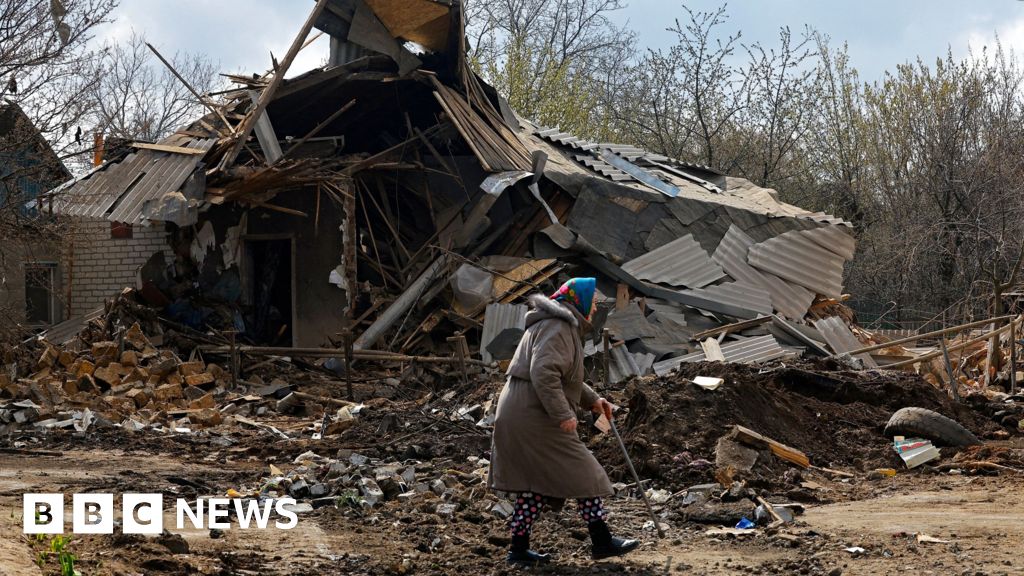
Ukraine and Russia trade blame over hundreds of ceasefire breaches

Ukrainian President Volodymyr Zelensky has issued a stern warning to Russia, affirming that his nation’s forces would respond “symmetrically” to any Russian attacks. This declaration signals a significant shift in Ukraine’s military posture amidst ongoing tensions and the broader geopolitical contest for influence in Eastern Europe. As the conflict continues to evolve, analysts suggest that Ukraine aims to establish a clear doctrine of reciprocity, signaling its readiness to escalate military responses should Russian aggression persist. This statement not only underscores Ukraine’s resolve but also complicates the delicate diplomatic landscape, making international repercussions far-reaching.

Since the onset of hostilities, Russia has maintained a strategy of targeted assaults on Ukrainian infrastructure and military positions, challenging Ukraine’s sovereignty and prompting a swift international response. The United Nations and NATO have urged de-escalation, emphasizing the importance of diplomatic solutions. However, Zelensky’s firm vow indicates a growing expectation among Kyiv’s leadership that Moscow cannot continue its current trajectory without risking a broader conflict. Historians and geopolitical analysts warn that the decision to adopt a symmetrical response could be a pivotal turning point, raising the stakes of a regional conflict that threatens global stability.

Global institutions such as NATO are closely monitoring Ukraine’s military stance, acknowledging that Kyiv’s willingness to match Russian aggression might redefine the boundaries of regional confrontation. Europe faces a dilemma: uphold diplomatic engagements or prepare for increased military commitments. The European Union has expressed solidarity with Ukraine, yet fears remain that a escalation could draw in other states, potentially igniting a wider regional conflict. The stance taken by President Zelensky resonates with longstanding national sentiments of resilience and sovereignty, but also serves as a warning to other nations about the rising tide of hybrid and conventional warfare.

Meanwhile, international scholars note that Russia’s pursuit of strategic objectives in Ukraine—such as securing territorial gains and weakening Kyiv’s Western integration—remains unchanged, prompting concerns about the potential for a prolonged, attritional conflict. In this complex chess match, every decision carries the weight of history, shaping the future of millions of lives and redefining global power dynamics. The international community stands at a crossroads, confronting the reality that the outcome of this confrontation will not only determine Ukraine’s fate but also test the resilience of the entire liberal order. As the world watches, the question remains—how much farther will this conflict go, and what new boundaries will be drawn in the sands of geopolitics?

In the unfolding narrative of this turbulent epoch, the resolve of Ukrainian defenders and the strategic calculus of Russia intertwine in a high-stakes game of survival and dominance. With each provocative move, the world edges closer to an unpredictable future where the lines between diplomacy and warfare blur, and the weight of history presses down on all nations. This is not merely a regional crisis—it is a defining moment, echoing through time, as the international order faces one of its most defining tests in decades.

Survivors blast Melania Trump for “shifting blame” in Epstein abuse case

In the realm of international geopolitics, few scandals have cast as long a shadow as the Jeffrey Epstein case, revealing deep fissures within United States political and social institutions. Recent events underscore the delicate balance between national sovereignty, justice, and the influence of powerful elites. As survivors of Epstein’s heinous crimes continue to demand accountability, their stories threaten to unravel the carefully curated narratives maintained by factions within the US government. The controversy surrounding how the Biden administration handles these revelations is seen as a critical test of its commitment to justice and transparency, with potential ripple effects on US diplomatic relations and global perceptions of American governance.

Amidst this turmoil, the White House has faced mounting pressure to release the remaining Epstein Files—a move that many analysts, including leading international watchdogs and legal experts, argue is vital for restoring trust in American institutions. However, key figures like Pam Bondi, who has refused to comply with congressional subpoenas, exemplify a broader pattern of protectionism for the powerful, which critics say undermines the very foundations of rule of law. These actions do not merely impact domestic politics; they send disturbing signals to allies and adversaries alike that the US may be retreating from its moral obligations in the face of elite corruption. Historically, such internal conflicts have exposed vulnerabilities that external actors—China, Russia, and Iran—are quick to exploit, viewing these scandals as signs of American decadence and decay.

Meanwhile, international pressure intensifies as survivors, human rights advocates, and foreign policymakers urge the US to prioritize accountability and justice. The International Criminal Court and United Nations have weighed in, emphasizing the importance of safeguarding victims and ensuring transparency in the investigation process. Yet, there remains a palpable disconnect between official US actions and the expectations of an increasingly globalized world that demands honesty and reform. Historians warn that, much like previous internal crises—such as Watergate or the Iran-Contra scandal—these revelations could mark a pivotal point in America’s moral trajectory. If the US fails to address these internal malpractices decisively and transparently, it risks further erosion of its credibility abroad, empowering rivals to challenge its global leadership.

As the story continues to unfold, the echoes of this scandal threaten to redefine the geopolitical landscape. The public’s focus on elite impunity and the US government’s response will shape perceptions of strength or weakness in a world where nations now vie for influence through a complex web of alliances, conflicts, and economic rivalries. The survivors’ voices serve as a sobering reminder of how internal crises can act as catalysts for global recalibration: powerful states watching with keen interest because, in truth, the underlying fractures within America’s moral fabric represent more than domestic turmoil—they are, whether recognized or not, a challenge to the order of the international system. As history waits in the wings, ready to record the decisions of today, the question remains: will the US confront its crises with conviction, or will it allow the shadows of the past to consume its future? All eyes are now on a nation whose choices in these defining moments will resonate through generations and across continents, leaving a legacy whose true measure is yet to be written.

El Paso airspace shut down sparks chaos — blame balloons or drone threats?

In a move that has sent shockwaves through the regional and international landscape, El Paso‘s airspace was abruptly closed for ten days, a shutdown reportedly triggered by a dispute over drone technology testing conducted by the United States military. This unexpected decision underscores the fragile geopolitical climate in North America and its potential implications for broader security dynamics. Although official sources remain tight-lipped about the specific causes, various intelligence reports and military analysts suggest that the closure was directly linked to advanced drone testing operations—an area where technological escalation intertwines dangerously with sovereignty and security concerns.

The resurgence of drone capabilities has become a focal point of contention between military authorities and regional stakeholders. Critics argue that such testing, especially when conducted near border regions like El Paso, could inadvertently escalate tensions with neighboring nations or destabilize an already volatile security environment. The incident highlights the rapid pace at which technological advancements in military hardware are influencing geopolitical stability. Historians and security experts warn that without clear international protocols, these tests risk fueling an arms race that could destabilize diplomatic efforts and trigger an unintended escalation of conflict.

This closure has far-reaching geopolitical impact. Regional actors—including Mexico and various Latin American nations—are closely monitoring the United States’ military maneuvers, wary of how these tests might affect border security and regional stability. Furthermore, global institutions such as the United Nations have increasingly voiced concern over the reckless deployment of emerging military technology in sensitive zones. The turning point lies in how these technological demonstrations are perceived: as defensive innovations or as acts that could inadvertently trigger a new arms race. The decision to shutter airspace—although temporary—intensifies existing debates about transparency, sovereignty, and the need for international regulations governing drone warfare.

As the dust settles on this dispute, the world’s eyes remain fixed on Washington and its military-industrial complex. Analysts warn that such isolated incidents, if unchecked, herald a new era of confrontational posture. The international community, under increasing pressure from peace advocates and global watchdogs, faces a critical choice: to embrace arms control or risk spiraling into unprecedented levels of technological conflict. History will judge whether this brief closure marks a relic of posturing or the beginning of a broader strategic recalibration. The pages of history continue to turn swiftly, with the next chapter yet unwritten, leaving nations to ponder—are we entering a phase of responsible stewardship or reckless escalation?

Parents blame system failure as NHS fined £200,000 over tragic death of daughter

In recent months, a tragic and sobering case has underscored the profound significance of societal and institutional responsibilities in safeguarding families and communities. The death of Ellame Ford-Dunn, a 16-year-old girl battling severe mental health issues, highlights glaring deficiencies in the NHS system tasked with protecting its most vulnerable members. The tragic sequence—her absconding from a 24-hour acute mental health ward and subsequent suicide—has ignited debates about the integrity and adequacy of mental health services, especially for young people. Her parents have publicly expressed their profound grief and anger, emphasizing that their daughter was failed by a system designed to safeguard her.

The failures go beyond individual negligence, illustrating a deep systemic shortcoming. According to officials, the supervising nurse did not follow Ellame when she left the ward—an act justified by instructions not to pursue patients who absconded. This procedural lapse was linked to broader issues such as the national shortage of mental health beds for children and adolescents, which has forced overwhelmed institutions into making difficult decisions. The trust involved pleaded guilty to criminal health and safety offences and was fined £200,000 plus costs, acknowledging its failure to provide safe care. Yet, critics argue that financial penalties are insufficient when weighed against the human cost of such tragedies, asserting that these incidents reveal failures embedded within the very fabric of an understaffed and underfunded mental health infrastructure.

Expanding beyond the immediate case, experts and social commentators warn that such failures threaten the fabric of family and community life. Societal institutions—including schools, health systems, and community organizations—are interconnected in a delicate web of support. When one strand weakens, families are left to bear the burden of preventable losses. Historically, sociologists such as Émile Durkheim have emphasized that social cohesion relies on trust in institutions—trust that must be rooted in accountability and effective service delivery. Within this context, the ongoing struggle to adequately resource mental health services for youth reveals how social neglect can produce devastating outcomes that ripple through generations. This case acts as a stark reminder that families, especially those with vulnerable children, pay the highest price when systems falter, and that societal failure to adapt to evolving mental health challenges risks fracturing the moral fabric of communities.

Yet, amidst grief and calls for reform, there lies a persistent hope that society can reflect on these failures and transform them into catalysts for real change. As mental health experts advocate for more comprehensive policies and increased funding, there is a pressing moral imperative to prioritize the well-being of our youth. The story of Ellame is not merely a story of tragedy but a call for society to recommit to its moral duty—envisioning a future where no parent must endure such loss, and where institutional failures give way to resilient, caring systems responsive to the needs of children in distress. Society must unite in this challenge, for in our collective response, lies the potential to forge a future where safety, dignity, and hope are accessible to every vulnerable child, and where the scars of past failures serve as lessons guiding a society toward true justice and compassion.”

Coroner: Suffolk School Not to Blame for Girl’s Tragic Death

Society Faces Critical Challenges as Young Lives Are Lost to Social and Mental Health Crises

The tragic death of Georgia Scarff, a talented 16-year-old from Bury St Edmunds, Suffolk, underscores the complex nexus of mental health issues, school safeguarding shortcomings, and broader societal challenges affecting families, education, and communities. While the context surrounding Georgia’s death is individually heartbreaking, it also reflects systemic flaws that demand urgent societal reflection and action. The circumstances reveal how social issues, when unaddressed, can lead to devastating outcomes for our youth—and by extension, threaten the fabric of our society.

A key element of the tragedy lies in the ineffective safeguarding protocols within Georgia’s school environment. Despite an established system meant to protect students, a critical lapse occurred when an email from her mother outlining her mental health struggles was not logged on the school’s safeguarding platform. This omission meant that teachers and staff, who might have been able to intervene, remained unaware of Georgia’s vulnerability. Coroner Darren Stewart, in his report, emphasized that such failures in communication could compromise the well-being of children. As sociologists like Dr. Helen Fisher point out, “school safeguarding systems are only as strong as their implementation—and that implementation must be universal and meticulous.” The gap in information sharing serves as a cautionary tale about the importance of robust, technology-enabled safeguarding that ensures no warning signs go unnoticed, especially when young lives hang in the balance.

Further complicating Georgia’s story are broader societal issues such as mental health stigma and demographic pressures faced by well-funded institutions. Despite her evident talents and positive reputation among peers and family—highlighted as a “significantly positive force”—she struggled with feelings of hopelessness rooted in personal loss and academic anxiety. Her family described her as “kind and thoughtful,” passionate about design, technology, and geopolitics, and an accomplished athlete. Yet, her transition into an elite boarding school, where fees can reach £52,000 annually, was marked by difficulties. The emotional toll of adapting and her prior history of trauma, including her father’s tragic death, were overshadowed by societal expectations of resilience and success. This mismatch between societal assumptions and individual mental health needs fosters a social tension whereby young people feel compelled to hide their struggles in environments that are supposed to nurture them.

  • High academic pressure and societal expectations can amplify mental health issues among youth.
  • School safeguarding protocols need more rigorous, technology-driven safeguards to prevent information gaps.
  • Families and communities must foster open, stigma-free dialogue around mental health to better support vulnerable youth.
  • Public policies should prioritize mental health funding and teacher training to recognize early signs of distress.

As social commentator Mark Bauerlein observes, “the society we have built often overlooks the silent suffering of its young, making tragedy an all too familiar outcome.” Georgia’s story is a stark reminder that mental health crises cannot be ignored or minimized, nor can they be treated as solely personal issues. Instead, they are societal issues demanding collective responsibility—a shared moral imperative to reshape our institutions and cultural attitudes. The hope remains that through improved communication, comprehensive support systems, and a societal shift toward genuine empathy and understanding, we can prevent future tragedies and create an environment where young people like Georgia—bright, hopeful, and talented—can realize their potential without the shadow of despair looming over them.

In this society’s reflection on loss, there lies an opportunity—an opening to rebuild and to fortify the bonds that define our communities. For even as the night falls dark with tragedy, the dawn of a more compassionate and robust social fabric glimmers on the horizon. Society’s greatest challenge is not just in acknowledging these wounds, but in tending to them—the hope of transformation whispering softly amid the echoes of those we’ve lost.

US and Canada clash over wildfire blame — who’s really fueling the flames?

Canada’s Wildfire Season: A Growing Challenge for North America’s Climate Conscience

The recent surge in Canadian wildfires has captured not only national attention but has also ignited a contentious debate across borders. As fires scorch vast swathes of boreal forests—spanning over 37 million acres in 2023 alone—the smoke consistently drifts southward, clouding skies from Vancouver to Manhattan. This phenomenon underscores a new reality in our climate landscape: wildfires are no longer isolated natural disasters but interconnected crises demanding a comprehensive, strategic response. For youth seeking to understand their role in this shifting ecosystem, it’s essential to realize that our personal choices—be it energy consumption or advocacy—compound to influence broader environmental health.

The Cross-Border Impact of Wildfires: A Shared Crisis

The pollution caused by Canadian wildfires affects millions of Americans and Europeans, leading to thousands of premature deaths each year, as confirmed by recent scientific studies published in Nature. Experts like Dr. Michael Brauer emphasize that wildfire smoke should be treated as a serious public health concern, on par with deadly illnesses like cancer. Yet, political tensions surface when U.S. lawmakers demand accountability from Canada, framing wildfires as a failure of management rather than acknowledging them as a symptom of the larger climate crisis fueled predominantly by human activity. These calls for accountability often overlook the fact that both nations are battling the repercussions of climate change—an issue that requires cooperation, not blame.

Understanding the Bigger Picture: Climate Change and Ecosystem Management

As wildfire seasons extend and intensify, the shift toward more extreme fire ecosystems becomes clear. Climate change contributes to hotter, drier conditions, making forests increasingly prone to ignitions. Countries are grappling with these realities, but the solutions go beyond firefighting. While strategies like controlled burns and better forest management are debated, experts warn that these are just palliative measures without addressing root causes. Governments are gradually investing, for instance, with Canada’s pledge of over $47 million directed toward preventative research and community preparedness, hoping to better mitigate the worst impacts. For engaged youth, this emphasizes that resilience is built through forward-thinking, innovative governance and a proactive stance on climate change.

Personal and Collective Resilience: Embracing Change and Responsibility

Amidst the chaos of wildfires, there exists a broader message of personal impact and societal responsibility. Protecting vulnerable communities, advocating for sustainable policies, and reducing carbon footprints are all ways individuals can contribute to a resilient future. Recognizing that wildfire smoke can reach health-damaging levels—even in major cities—should serve as a wake-up call for a new generation eager for meaningful change. As Beverly, a climate expert, notes, the interconnectedness of global emissions and local wildfires reminds us that climate action is a collective moral duty. Embodying this awareness in daily life cultivates a mindset of empowered optimism, where each small step contributes to a broader wave of change, inspiring communities to adapt and thrive.

Looking Forward: A Journey Rooted in Courage and Hope

While the headlines often focus on blame and crises, the story of wildfires is ultimately a narrative about transformation. It is about learning to coexist with these natural yet exacerbated phenomena and embracing the resilience that comes with collective action. For the youth standing on the cusp of environmental leadership, the message is clear:面对未来,我们必须携手合作,应对气候变化的挑战。Driven by innovation and responsibility, we forge a path not merely to survive, but to flourish—transforming adversity into an opportunity for global and personal growth. As the smoke gradually clears, so too can our sense of purpose, rooted in the understanding that true wellness stems from a blend of personal accountability and strategic unity.

Social Media Auto Publish Powered By : XYZScripts.com