Matox News

Truth Over Trends, always!

Iran Blames US for Ground Strike Plot as Talks Continue

Global Power Play: Iran Warns US of Confrontation Amidst Rising Tensions

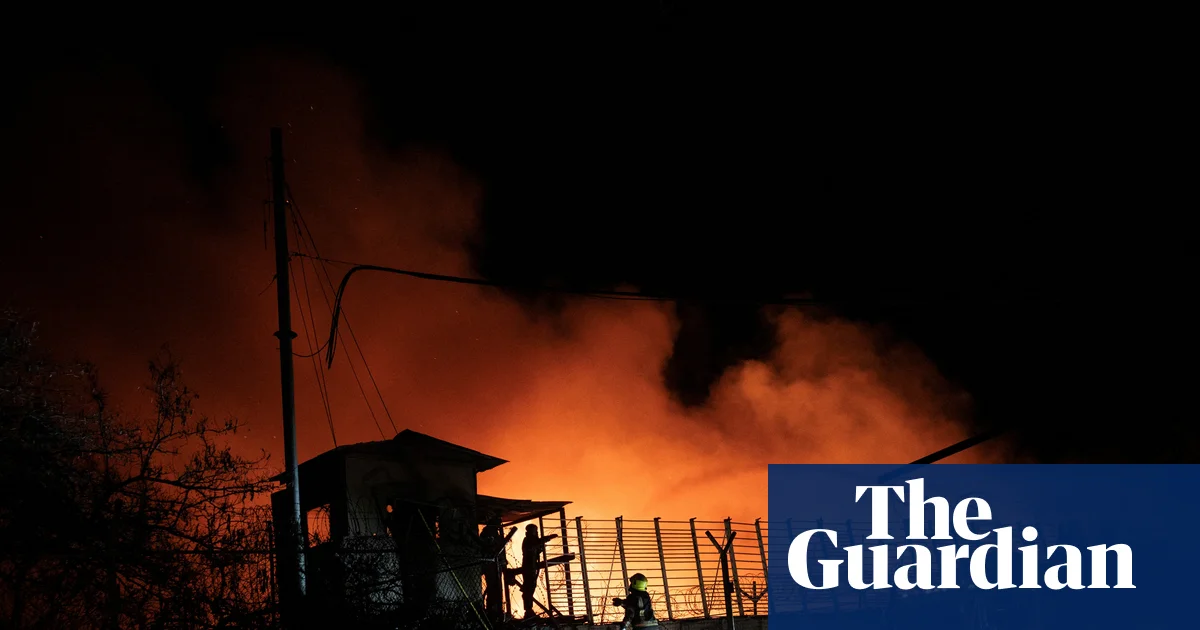
As the international community watches with concern, Iran has issued a stark warning to the United States, revealing that Tehran is prepared for a potential confrontation amidst ongoing conflicts in the Middle East. Marking 30 days since the outbreak of a devastating war, Iranian officials have accused the US of covert military strategizing. Mohammad Bagher Ghalibaf, the speaker of the Iranian parliament, publicly alleged that while the US publicly seeks negotiations, behind closed doors, plans are underway for a ground invasion. Such claims heighten fears of a broader regional war, fueling fears that the current conflict could spiral into a geopolitical powder keg with global repercussions.

This escalation has profound geopolitical impact. Analysts from the International Crisis Group warn that the escalating rhetoric and military posturing threaten to destabilize an already volatile area. Iran’s missile readiness and its warning that it is “waiting for American troops to set them on fire” send a clear message to Washington: any ground encroachment would meet fierce resistance. The leadership’s combative stance appears to be a bid to deter American military ambitions and to reaffirm Iran’s regional influence. This could reshape alliances in the Middle East, rallying some nations to Iran’s cause while others seek to avoid direct confrontation, yet all are aware that the risks of further escalation are deadly for global stability.

US Responses and Global Tensions

Adding fuel to the fire, recent statements by former US President Donald Trump reveal a significant shift in American posture. In an interview with the Financial Times, Trump expressed his willingness to pursue control of Iran’s vital oil resources, stating, “We could take [Kharg Island] very easily.” His explicit mentions of seizing Iran’s oil highlight an aggressive approach that could drastically alter international energy markets and escalate military tensions in the region. The notion of “taking” Iran’s oil is seen by analysts as a turning point that signals a return to a more confrontational US stance, risking conflagration with Tehran and its allies. The geopolitical consequences could include a reshuffling of regional power balances, with oil-rich states reacting to the potential for renewed conflict.

Meanwhile, other narratives are emerging globally. The European Union is under threat as civil liberties groups warn that governments in five member states are “innovatively eroding the rule of law,” raising questions about the resilience of democratic institutions across Europe. The potential for further authoritarian drift in Europe signifies a post-Cold War withdrawal from democracy, which could embolden more aggressive foreign policies and undermine international cooperation. As these internal struggles unfold, they further complicate responses to crises like Iran, illustrating how internal political stability directly influences international security considerations.

Turning Points and the Unfolding Future

In an age where power dynamics swiftly shift, the unfolding narrative around Iran and the US serves as a stark reminder of how history’s pivotal moments are shaped. The aspirations of superpowers to dominate energy resources, combined with ideological clashes and regional ambitions, threaten to ignite a conflict that could drag the world into chaos. As historians emphasize, the decisions made today—whether to pursue diplomacy or escalate military measures—will define the geopolitical landscape for generations. The weight of history presses heavily upon nations; their paths are fraught with peril, and the echoes of this crisis will resonate into the future, shaping global narratives of power and resistance.

Afghanistan Blames Pakistan for Deadly Hospital Attack in Kabul

Escalating Tensions in South-Central Asia: Cross-Border Conflict and Humanitarian Crisis

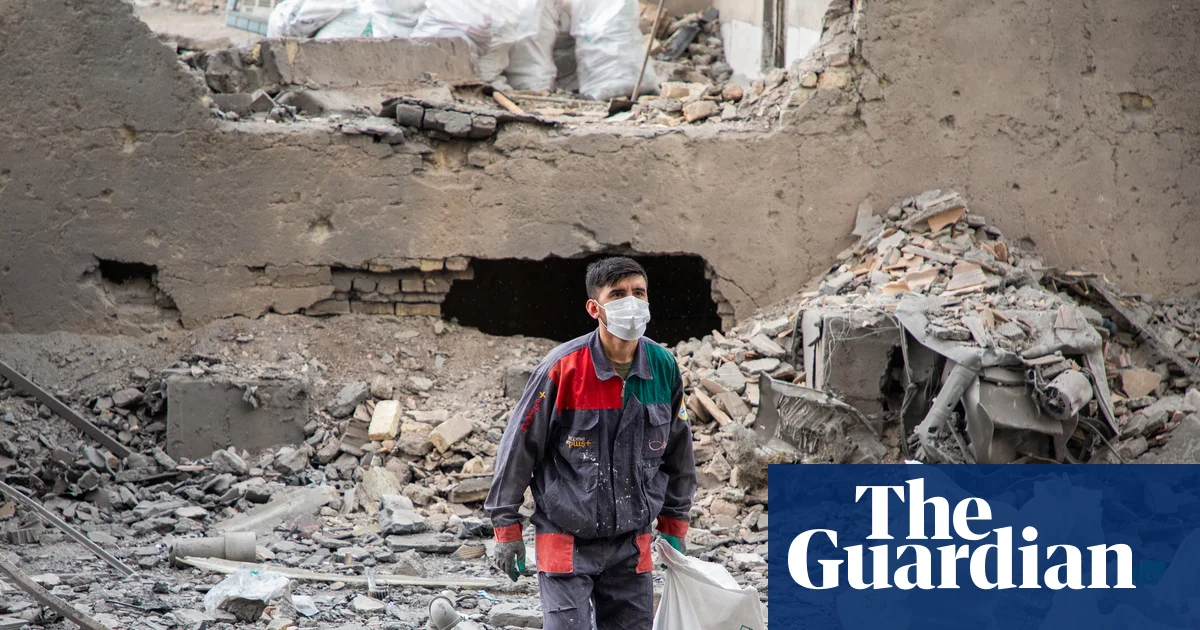
The recent escalation of hostilities along the Afghanistan-Pakistan border has alarmed international observers and reignited fears of a broader regional conflict. Reports of airstrikes targeting a hospital in Kabul, reportedly causing hundreds of casualties, have fueled accusations and denials, with Afghanistan alleging Pakistani military strikes as the cause of the devastating attack. Conversely, Pakistan has dismissed these claims, asserting that its military operations only targeted militant infrastructure without causing civilian casualties. This diplomatic standoff underscores a deeper geopolitical crisis, where accusations of cross-border terrorism and territorial infringements threaten to destabilize an already fragile region.

International organizations and analysts are raising alarm over the potential for a wider conflict that could destabilize the entire South Asian subcontinent. The UN Security Council recently adopted a resolution urging Taliban-ruled Afghanistan to combat terrorism more effectively while condemning all forms of terrorist activity. However, the underlying accusations of harboring militant groups such as the Pakistani Taliban continue to poison bilateral relations. Experts warn that persistent cross-border clashes—fueled by a complex web of militant networks, historical grievances, and strategic interests—could lead to an all-out regional war if not managed swiftly and judiciously. The breaking point remains fragile, and the lines between warfare and diplomacy are dangerously blurred.

History studies and international analysts like those at the International Crisis Group highlight that such tensions are not new but are exacerbated by recent political shifts. The Taliban’s return to power in Afghanistan, coupled with Islamabad’s persistent accusations of Kabul providing safe havens for militants, creates a perfect storm of mistrust. Additionally, Pakistan characterizes its military operations as necessary measures against terrorist threats, asserting that their target sites are precise and without collateral damage. Meanwhile, Afghanistan responds with devastating images of hospital ruins and mass casualties, which further galvanize internal outrage and international concern. As both sides dig in, the risk of unintentional escalation grows—a dangerous game that could ignite a much larger conflict with unpredictable consequences for global security.

Ultimately, this crisis exemplifies the dangerous intersection of geopolitics, militant extremism, and national sovereignty shaping the 21st century landscape. The world watches with mounting trepidation as the consequences of diplomatic failures threaten to spiral into the chaos of prolonged warfare and human suffering. The weight of history hangs heavily on the shoulders of international leaders, who must navigate these treacherous waters—not merely for regional stability but for the future of global peace itself. As the shadows deepen over Kabul and Islamabad, the unfolding story continues to write itself in the blood of innocents and the decisions of nations—an ominous reminder that in this shattering era, history remains an unfinished, all-consuming narrative, waiting for its next chapter.

Afghan Asylum Seeker Dies in ICE Custody, US Group Blames Authorities

In a stark illustration of the ongoing immigration and border enforcement policies shaping modern geopolitics, the recent death of Mohommad Nazeer Paktyawal, an Afghan immigrant detained by U.S. Immigration and Customs Enforcement (ICE), has sparked renewed debate about the human toll of America’s immigration crackdown. This tragic event underscores the increasingly severe consequences faced by migrants caught in the machinery of US immigration policies, particularly under administrations committed to mass deportations and strict enforcement.

The circumstances surrounding Paktyawal’s death, which occurred less than 24 hours after his detention in Texas, have raised significant concerns. The 41-year-old, a former Afghan special forces soldier evacuated after the fall of Kabul in 2021, was living with his wife and six children in a Dallas suburb while his asylum case was pending. Yet, despite his service and contribution to both Afghanistan and the US, he was detained while taking his children to school, an event that has become alarmingly commonplace amid the Trump-era policies that have seen ICE’s detention numbers skyrocket to record highs—about 68,000 individuals held as of February, according to recent reports. Analysts warn that this escalation in detention practices increases the likelihood of tragic incidents like Paktyawal’s death, highlighting systemic issues within the enforcement apparatus.

ICE’s official statement claimed Paktyawal was being medically monitored after suffering a swollen tongue, and despite attempts at resuscitation, he succumbed to causes yet to be publicly clarified. Critics argue this incident points to more profound flaws, including inadequate medical care and the brutal reality that many detainees face substandard conditions. Human rights organizations and advocacy groups like AfghanEvac have called for immediate investigations, emphasizing that it is highly unusual for a healthy man to die within a day of detention. The broader geopolitical impact of this event is multi-layered: it exemplifies the human cost of immigration policies that often overlook individual stories and fails to balance national security with humanitarian responsibility.

Historically, the US’s approach to Afghan migrants—many of whom served alongside American forces—has become a contested battleground. Under President Joe Biden’s administration, over 70,000 Afghans entered the US through the Operation Allies Welcome program, but recent policy shifts have seen a rollback of temporary protected statuses granted for humanitarian reasons. The withdrawal of protections for around 14,600 Afghans marks a troubling trend, as many face the peril of deportation despite their service and sacrifices. Experts warn that these policies risk fueling instability both domestically and across regions hosting displaced populations, compounding fears of marginalization and societal division.

As the lights of history’s unfolding narrative continue to cast shadows over this tragedy, the death of Mohommad Nazeer Paktyawal serves as a harbinger of deeper issues within the US immigration system. It forces nations and societies to confront a sobering question: at what cost does the pursuit of strict border enforcement come? The international community watches with cautious concern, as policies shaped in Washington ripple outward—affecting the lives of countless individuals and shaping the geopolitical landscape for generations to come. In the echoes of this loss, history presses on, reminding us that beneath the policies and politics lie human stories—stories that demand justice, compassion, and acknowledgment of the profound human toll.

Germany blames Russia for 2024 cyber assault and election interference

Germany has officially levied accusations against Russia for engaging in a series of aggressive cyber-operations, signaling a significant escalation in the already tense relationship between the two nations. According to a statement from Germany’s foreign ministry, Russian military intelligence is believed to be behind a cyber-attack targeting German air traffic control systems in August 2024, an incident that, if true, raises profound security concerns across Europe. This move is viewed by many analysts as part of a broader pattern of hybrid warfare tactics employed by Moscow to destabilize Western democracies and manipulate international stability.

Furthermore, Germany’s allegations extend beyond cyber interference, claiming that Russia sought to influence and destabilize the country’s February 2024 federal elections. The foreign ministry emphasized that these actions are part of an ongoing attempt by Moscow to undermine **Western democratic institutions** and sow discord within allied nations. In response, Germany’s government has summoned the Russian ambassador and vowed to coordinate closely with its European partners to implement counter-measures designed to hold Russia accountable, with the goal of making “Russia pay a price for its hybrid actions.” This stance echoes a wider international consensus warning against Moscow’s attempts to weaken the resolve of Western nations through covert means.

Global institutions and defense analysts are closely monitoring these developments, framing it within the context of an evolving geopolitical chess game. Experts such as Dr. Emily Carter, a respected international security analyst, point out that these cyber activities are part of a deliberate Russian campaign to demonstrate its resilience and willingness to challenge Western dominance in the digital age. The lack of an immediate response from Russia has only heightened concerns, with some voices warning that the current silence may be a strategic delay, signaling that Moscow is prepared to escalate the cyber conflict if necessary. Historically, such actions are reminiscent of Cold War-era tactics—disrupting critical infrastructure and manipulating democratic processes to extend influence and control beyond traditional battlegrounds.

As the world watches with cautious eyes, the shifting alliances and ongoing espionage battles spotlight the profound geopolitical impact of these developments. The response from Western nations underscores a broader message: that sovereignty and security are now intertwined with the invisible and insidious realm of digital warfare. The future of international stability hinges on whether these nations can effectively counter such hybrid threats before history repeats itself in a more destructive and irreversible manner. With each passing day, the weight of history grows heavier on the shoulders of leaders worldwide—reminding us that the margins of peace are thin, and the consequences of neglect are often catastrophic. In this digital Age, the struggle for dominance has shifted from traditional battlegrounds to the unseen frontiers of the cyberspace, where the rules are still being written, and the stakes could not be higher.

Senior DWP Official Blames Victims in Carer’s Allowance Scandal—Where’s Accountability?

The Deepening Crisis in Social Welfare: How Systemic Failures Impact Families and Communities

The recent revelations surrounding the carer’s allowance benefits scandal have cast a stark light on the ongoing systemic failures within the Department for Work and Pensions (DWP). An internal post, now removed, blamed victims—many of whom have been burdened with life-altering debts—shifting blame onto carers rather than acknowledging institutional deficiencies. This incident underscores a broader societal issue: the failings of a complex, opaque social welfare system that disproportionately affects vulnerable families and undermines community trust.

The independent review conducted by disability rights expert Liz Sayce confirmed longstanding “unacceptable” systemic leadership problems and poor benefit design at the root of the scandal. Despite repeated warnings from whistleblowers, auditors, and MPs, senior DWP officials failed to address or resolve these vulnerabilities for over a decade. Such systemic neglect leads to a cascade of damaging consequences, not only for individual carers—many of whom face crippling debts and potential criminal convictions—but also for the societal fabric that relies on a well-functioning welfare system to uphold social cohesion. The erosion of trust in institutions vital to supporting families fosters social fragmentation, especially among disadvantaged communities.

Efforts by authorities to deflect blame—such as claiming overpayments resulted from claimants’ failure to report earnings changes—highlight a misdiagnosis of the core issue. Critics argue that the fundamental flaw lies with the confusing guidance and labyrinthine reporting regulations that no single claimants can navigate without error. This cognitive and bureaucratic maze endangers families, whose wellbeing depends on clarity and fairness. For example, Carers UK and social commentators like Emily Holzhausen emphasize that the problem is systemic, rooted in policy complexity, rather than individual failings. When families face crushing debts because of bureaucratic upheavals, entire communities are destabilized, with ripple effects on children’s education, mental health, and social stability.

The political response echoes this systemic concern. Last week, Sir Peter Schofield acknowledged the “mess” inherited from the previous government and promised to ‘sort it out,’ but these words ring hollow without meaningful reform. Since 2019, approximately 180,000 carers have accumulated debts amounting to £300 million—an alarming figure demonstrating the tangible toll of institutional neglect. While authorities pledge to reassess affected cases and cancel debts, the long-term damage remains. The societal challenge lies in mending institutional integrity and restoring public confidence. Ultimately, society must confront whether our social safety nets sustain or suppress community resilience, especially for those who serve as the backbone of caregiving and familial support.

Hope Beyond the Crisis

History and sociology remind us that social change often emerges from moments of crisis. Scholars like sociologist C. Wright Mills have argued that institutions are reflections of societal values—if they are broken, societal values are compromised. Yet, amid despair, there’s a flickering hope: reform driven by community voices, accountability, and moral clarity can redirect the course. Restoring dignity to carers and rebuilding trust in our institutions demands more than piecemeal fixes; it calls for a societal commitment to prioritize transparency, simplification, and moral responsibility. Society’s true strength lies in its ability to recognize its failings, learn, and forge a future where families are supported, communities thrive, and social justice prevails.

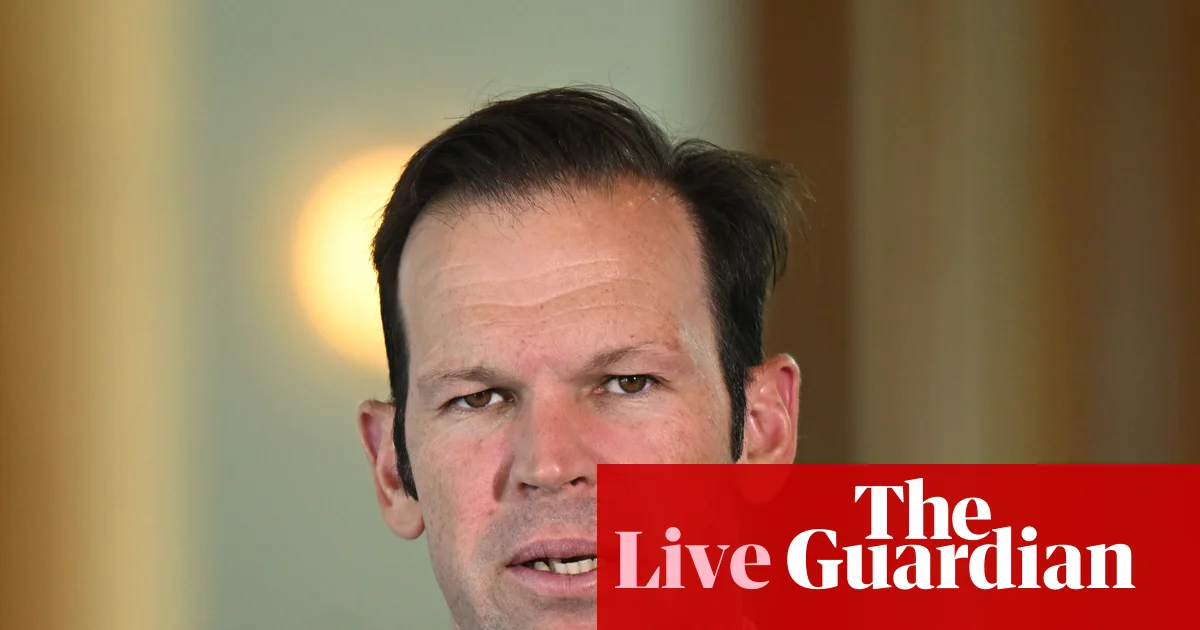
Australia news live: Canavan warns One Nation challenge to Liberals, BoM blames Covid for IT cost surge

In recent months, Australia has attracted international attention for its conflicting priorities in environmental investment and domestic politics. According to a new analysis by green advocate Market Forces, the nation’s top 30 superannuation funds hold approximately $33 billion in global fossil fuel companies — a figure that remains disturbingly high despite a slight decline from last year’s $39 billion. These investments not only underscore the nation’s continued support for major oil, coal, and gas conglomerates such as BHP and Woodside, but also highlight a broader reluctance among investors to shift vigorously toward renewable energy sources, despite clear evidence that renewable investments have historically outperformed fossil fuels. This troubling persistence of fossil fuel funding represents a significant geopolitical challenge: nations heavily invested in hydrocarbons may find themselves increasingly vulnerable to international shifts toward clean energy, thus risking economic instability in the face of global decarbonization efforts.

Meanwhile, the ongoing political landscape in Australia reveals a factional struggle with serious impacts on national policy. Matt Canavan, a prominent Nationals MP, has raised alarms about the rising popularity of One Nation, led by Pauline Hanson. His warnings articulate a concern that this populist, nationalist movement is not only threatening the traditional Liberal and National Party coalition but also expanding its influence into outer suburban and regional sections of the country. This shift is particularly disruptive because it challenges the long-standing geopolitical consensus regarding energy policy and economic development, with increasing calls within the political class to recalibrate Australia’s commitments to fossil fuels. Analysts suggest that such internal divisions could weaken Australia’s negotiating power on the global stage, especially amid mounting pressure from international climate policies and climate diplomacy. As historian Samuel P. Huntington warned, the face of modern conflict is shifting — and domestic political waves are as impactful as military conflicts in shaping global power distributions.

Costly Tech and Climate Commitments in Question

Simultaneously, the Bureau of Meteorology has come under heat for the staggering $96.5 million cost of its new website overhaul, a figure that provoked criticism amid reports of cost blowouts and underwhelming performance. The BoM, citing unavoidable inflation due to Covid-era economic conditions and official caps on public sector staffing, defends its expenditure as justified by the necessity for a robust, secure weather system capable of handling vast data flows. However, critics, including Senator Barbara Pocock, decry the project as a cautionary tale of contract mismanagement amidst a climate of public distrust. The controversy highlights the international pattern of infrastructure investments facing scrutiny under the shadow of pandemic-driven inflation and the urgent need for fiscal accountability. Analysts note that such misalignments threaten the credibility of climate and weather agencies, which are crucial in guiding policy decisions in an era of volatile climate variability and geopolitical uncertainty.

Ultimately, these intertwined narratives—a nation’s economic fossil fuel strategies, its turbulent political future, and the transparent handling of infrastructure investments—compose a complex tableau of national resilience and vulnerability. With each foreign investment decision, policy debate, and government expenditure, history’s weight grows heavier, quietly scripting the next chapter of a global competition shaped by energy, ideology, and technology. The planet’s political climate remains volatile, and the decisions made today echo into the distant corridors of power, where the future of nations, societies, and the very environment itself is being quietly wired into the fabric of history.

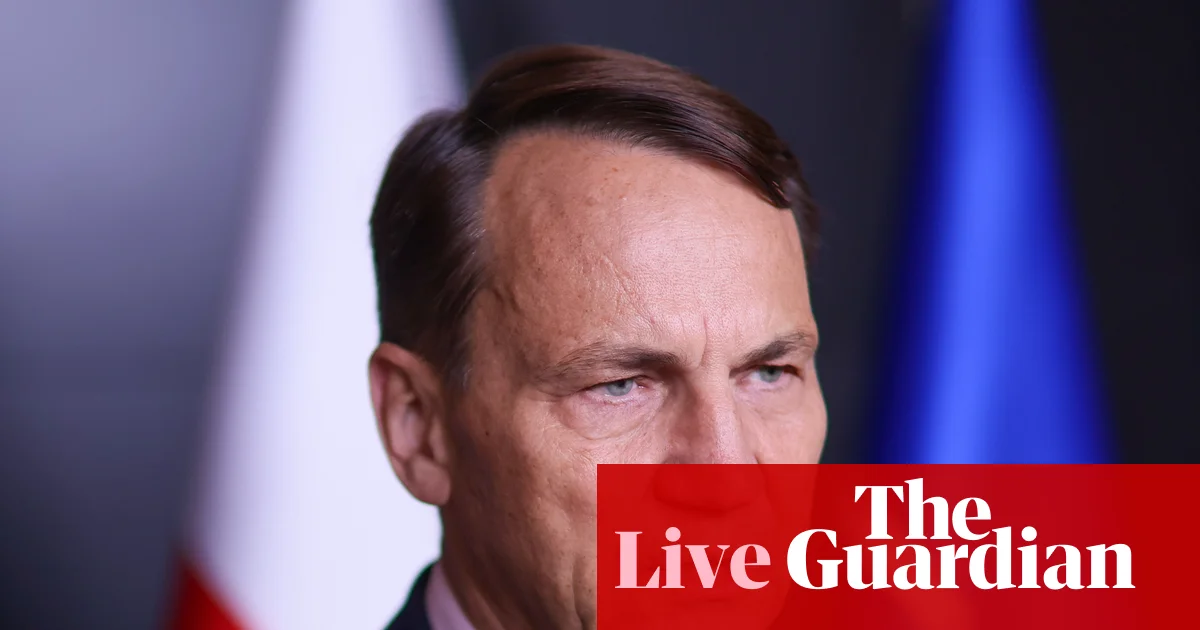
Poland Blames Russia for Rail Sabotage, Calls It State Terrorism — European Tensions Rise

Global Unrest Deepens: Russia’s Strategic Moves and the Rising Response from Europe

In a significant escalation of regional tensions, Russia has recently been accused of orchestrating a series of acts deemed by some as *state terrorism*. Polish Foreign Minister Radosław Sikorski publicly labeled recent Russian rail sabotage incidents as an act of state terrorism, explicitly alleging that the incidents over the weekend were not mere accidents but carefully planned assaults intended to cause human casualties. He further warned about a growing disinformation tsunami in the wake of these events, emphasizing the importance of clear, credible diplomacy amidst a whirlpool of conflicting narratives. Such tensions reflect a deliberate effort by Moscow to destabilize Eastern European countries, which are increasingly under pressure as NATO and EU members prepare their defenses against what many see as an aggressive expansionist Russia.

The situation has compelled Poland to take concrete measures. Sikorski announced that Poland will withdraw its consent for the last remaining Russian consulate in Gdańsk, effectively shutting it down in response to previous sabotage attacks that Poland claims are inspired by Moscow. These actions underscore a shift in Poland’s policy posture, signaling a refusal to tolerate what it perceives as hybrid warfare tactics. Meanwhile, across the Atlantic, analysts from international think tanks warn that such provocations could serve as a prelude to broader military escalation, forcing NATO nations to reconsider their strategic calculations as the threat from Russia looms larger. The recent NATO summit saw calls for increased air defense capabilities, especially from Slovakia, which is seeking to bolster its eastern flank amidst fears of Moscow’s territorial ambitions.

Within this volatile environment, key geopolitical conversations are taking center stage. Slovakia has formally requested NATO to strengthen its air defenses along the eastern border, a move that echoes Poland’s mounting concerns. Slovakian Prime Minister Robert Fico emphasized the importance of maintaining a robust defensive posture, especially as most NATO allies are increasing their defense investments. Meanwhile, Britain remains a cautionary tale in the EU, with Sikorski warning that outside the union, the UK has struggled with economic downturns and increased migration from less-developed regions—outcomes he argues could be mirrored by Poland if it chooses diverging paths from EU integration. Historians like Dr. Emily Watson note that these debates highlight the fundamental question Europeans face: independence through unity versus sovereignty through divergence. With rising fears of an all-out conflict, the consensus remains uncertain, and the weight of history presses heavily upon today’s decision-makers.

Amidst these diplomatic tensions, the crisis in Ukraine has reached a new peak. President Volodymyr Zelenskyy reported that Russian forces launched over 470 attack drones and 48 missiles overnight, striking civilian infrastructure and military targets with ruthless intensity. Zelenskyy’s stark warning that “the pressure on Russia is still insufficient” serves as a rallying cry for Western allies, as Ukraine continues to face relentless assaults. The attacks prompted neighboring Poland to close airports and scramble fighter jets near the border, exemplifying how these conflicts ripple through the region. Zelenskyy’s scheduled visit to Turkey in hopes of reigniting stalled peace talks underscores the delicate, yet profound, hope for diplomatic resolution amidst ongoing chaos. With the European continent at a crossroads, the question remains: how long can peace be preserved before the depths of history overwhelm the present?

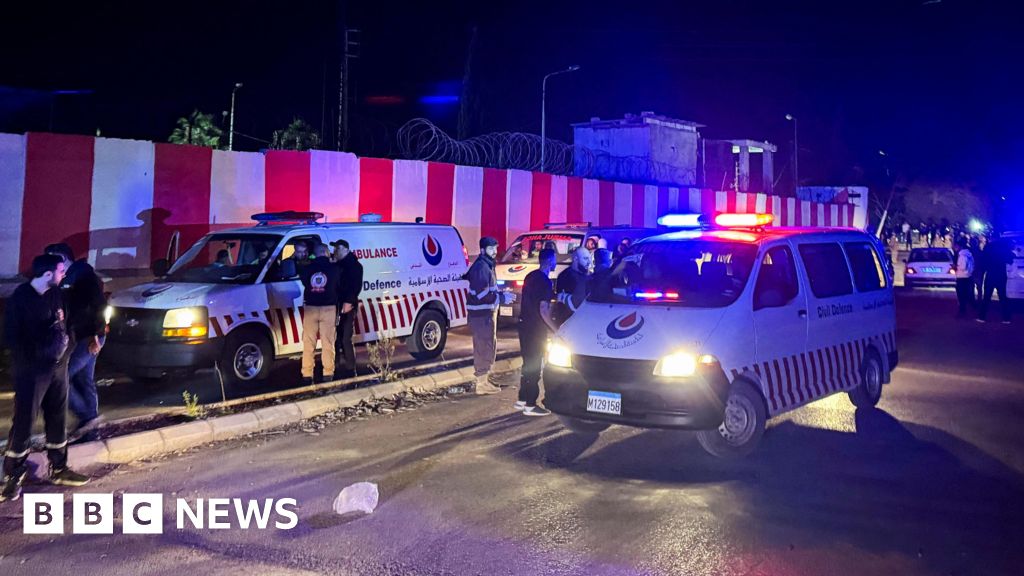
Lebanon blames Israel for deadly attack near Palestinian refugee camp, 13 dead

The Middle East remains a flashpoint of conflict, with recent events underscoring the volatility that continues to threaten regional stability and global security. Israel, reiterating its stance against militant groups, launched a strike near the largest Palestinian refugee camp in Lebanon, Ein el-Hilweh. According to Lebanese authorities, at least 13 individuals were killed, with dozens more injured. The Israeli military claimed the target was a Hamas training compound, ostensibly used for planning attacks against Israel, an assertion Hamas vehemently denies, branding it a fabrication and lies. This incident exemplifies how Israel’s technological precision and strategic strikes operate within a complex web of regional alliances and enmities, aiming to weaken militant capabilities while risking civilian casualties.

This violence cannot be viewed in isolation. Since the outbreak of the October 2023 conflict initiated by Hamas’s brutal assault on southern Israel—resulting in approximately 1,200 deaths and multiple hostages—the broader regional picture has deteriorated rapidly. Israel’s military response in Gaza and Lebanon has resulted in devastating civilian tolls, with Palestinian casualties surpassing 69,000, raising alarm among international observers and human rights organizations. Meanwhile, Hezbollah, backed financially and militarily by Iran, intensified its attacks against Israeli targets in a display of solidarity with Palestinians. These actions have pushed the region towards an unstable equilibrium of tit-for-tat violence, with the Lebanese Hezbollah engaging in ongoing hostilities, firing rockets in defense of Gaza, and launching an assault on northern Israel.

Analysts from think tanks and global institutions warn that the geopolitical impact of these escalating conflicts exceeds regional boundaries. They highlight how Iran’s influence and proxy networks have turned Lebanon into a battleground, transforming the Lebanese armed groups into key players in a broader confrontation. The 13-month war culminating in a fierce Israeli offensive in October 2024 has caused the displacement of over 1.2 million Lebanese civilians, sowing chaos and despair. The collapse of Lebanese stability threatens neighboring countries and global markets, especially considering Lebanon’s precarious economic situation. The United Nations and regional powers are calling for restraint, but with conflicting interests and deep-seated hostility, prospects for peace remain distant.

Historian voices and experts warn that decisions made now will carve the contours of future generations’ lives. The ongoing violence—fueling resentment and radicalization—edges the region closer to a broader, perhaps irreversible, rupture. With Israeli officials justifying their strikes as measures to diminish threats, and Hamas and Hezbollah positioning themselves as defenders of Palestinian and Lebanese sovereignty, the battle lines are being redrawn. This relentless cycle of violence exemplifies how international decisions—often made in the shadows—shape societal fate, threatening to plunge the Middle East into deeper chaos. As history unfolds in real-time, it is evident that the weight of these events will be felt long after today’s battles cease, leaving a fractured landscape where hope must fight to survive amidst the wreckage of yesterday’s conflicts.

Polish PM Blames Ukraine Spies for Rail Sabotage, Ties to Russia

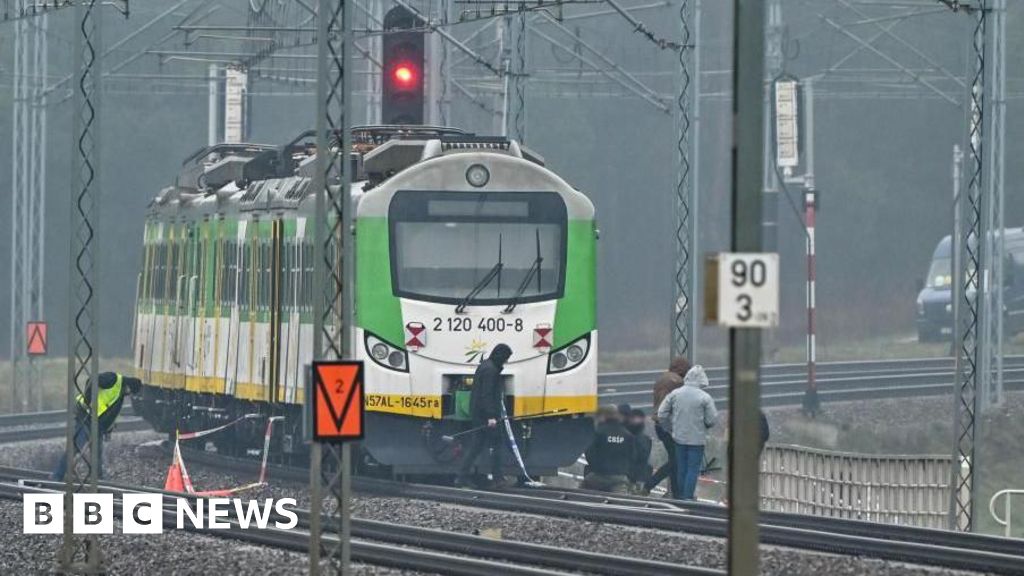
Poland has recently become the focal point of a mounting crisis that underscores the fragile balance of power in Eastern Europe. The Polish government, led by Prime Minister Donald Tusk, has publicly linked two suspects, both long-time operatives allegedly working for Russia, to a series of destructive acts on Poland’s railway infrastructure. These sabotage operations, classified as “unprecedented,” are not isolated incidents but are viewed as part of a broader campaign to destabilize the region and threaten NATO’s eastern flank.

The suspects, identified as foreign agents with ties to Russian intelligence, crossed into Poland from Belarus during the autumn in a move that signals coordinated effort and strategic planning. Tusk disclosed that one of the suspects had been convicted in absentia of sabotage activities in Ukraine, hinting at a deepening infiltration into Poland’s vital transit corridors. On November 15, an explosion involving a military-grade explosive device caused minor damage near Mika, a village southeast of Warsaw, and was captured on CCTV. Despite the minimal physical impact, the event conformed to a pattern of targeted attempts to derail supply lines, which are crucial for aiding Ukraine amidst ongoing conflicts with Russia.

The broader geopolitical impact of these incidents is profound. Poland’s railway network is a lifeline connecting NATO allies to Ukraine, facilitating military support, humanitarian aid, and economic cooperation. As Poland has become a strategic gateway in the escalating proxy conflict, these acts of sabotage could be interpreted as Russia’s efforts to destabilize NATO’s eastern defenses and weaken the cohesion of the alliance. Analysts from the International Crisis Group warn that such covert operations are part of a layered strategy to erode trust and create chaos at critical logistical junctures. The *turning point* could come if similar tactics are adopted elsewhere in Central and Eastern Europe, further complicating NATO’s defensive posture.

While Russia has yet to officially comment, the international community remains watchful. Many experts believe that these acts are indicative of a broader Russian strategy to rekindle Cold War tensions, this time with an emphasis on asymmetrical warfare. The potential for escalation remains high, especially as Poland prepares to increase alert levels and enhance security protocols across its railway lines. Historically, the dangerous precedent of state-sponsored sabotage has ushered in long-term regional instability, and this current development might be the first salvo in what analysts warn could be a sustained campaign to expand Russia’s influence beyond Ukraine. The **United States** and **European Union** are closely monitoring these events, recognizing that the stakes are no longer confined to regional security but threaten the future stability of the entire European continent.

The shadowy dance of espionage, sabotage, and diplomatic posturing reminds the world that history is still being written upon the battlegrounds of Europe. Where once Cold War fears haunted east-west relations, today’s geopolitical chessboard is marked by new players and old tactics. As Poland braces for further threats, the broader question remains: how will nations respond to the relentless encroachment of influence pitted against them? The pages of history are turning rapidly, and in this unfolding chapter, the stakes are nothing short of the future of democratic stability across the continent. The world watches—and waits—for what happens next.

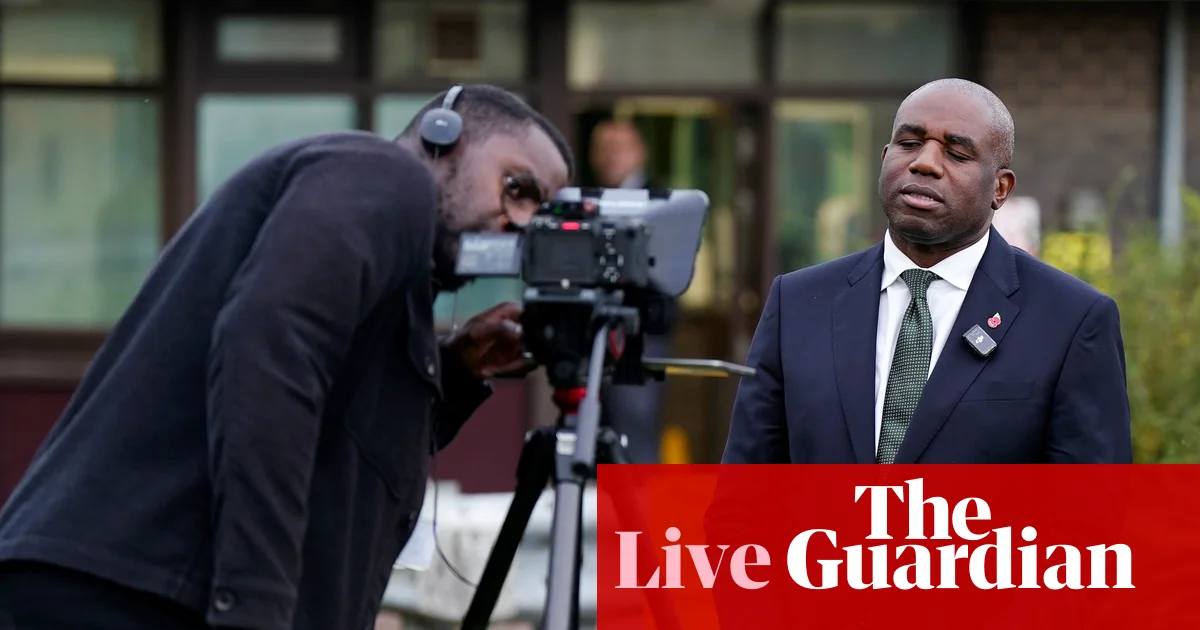
Minister blames ‘broken system’ for releasing prisoners, defends David Lammy — UK politics update

UK Prison System Crisis: A Reflection of Broken Governance

The recent controversy surrounding the mistaken release of prisoners in the United Kingdom exposes more than just a scandal—it reveals a systemic failure that holds profound geopolitical implications. At the core, this crisis underscores a Government grappling with inadequate institutional capacity, especially in criminal justice, which in turn affects national stability and international credibility. As international organizations and domestic analysts scrutinize these failures, the message is clear: the world is watching how Britain manages its most vulnerable institutions—because societal stability today reflects a nation’s strength tomorrow.

The government, led by Prime Minister Rishi Sunak and heavily influenced by Home Secretary Suella Braverman, has faced mounting criticism over the recent prisoner release debacle. Critics highlight that this is not just an isolated mistake but rather symptomatic of broader issues—namely, the broken and underfunded system for managing prisoner data and release procedures. David Lammy’s role as the Justice Secretary has come under intensive scrutiny, as reports now suggest that mistakes in prisoner releases—potentially numbering into the hundreds—are linked to an archaic, manual processing system vulnerable to errors. This directly compromises public safety and raises questions about the UK’s ability to project stability and order—elements that are vital in a geopolitically turbulent world where confidence in security institutions influences diplomatic standing.

International Repercussions and Sovereignty Challenges

Internationally, the crisis threatens to deepen the skeptics’ view that the UK is increasingly fragmented in its governance, with historians and analysts warning that such internal instability could embolden adversaries or weaken alliances. The European Union, along with other allies, may question the UK’s capacity for reliable cooperation on law enforcement and counter-terrorism—areas that are essential for collective security. United Nations reports emphasize that the perceived decline in institutional integrity can undermine global efforts to foster peace, especially when a major nation like the UK appears unable to manage its internal safety net effectively.

Furthermore, the domestic turmoil has generated a ripple effect, challenging the rule of law and affecting societal cohesion. As analysts point out, a broken prison system does not merely propagate dangerous offenders; it fosters mistrust among the populace, which in increasingly polarized societies can threaten social stability and national resilience. The situation has prompted leaders like Keir Starmer to defend the government publicly, claiming accountability must be enhanced through increased digitization and improved oversight —a solution that some critics argue echoes the need for a fundamental overhaul rather than band-aid fixes.

Turning Point in Governance

Indeed, this crisis is a pivotal moment—an inflection point that demands leaders and society alike confront the rotten core of a broken system. The decision to digitize and overhaul prison release procedures represents a necessary, albeit long-overdue, forensic cleansing of the judiciary’s administrative machinery. Historians remind us that systemic failures like these often serve as a catalyst for either reform or collapse. Therefore, the weight of history is upon policymakers to heed the warning signs before chaos becomes entrenched. How Britain responds will determine whether it emerges stronger or succumbs to the consequences of political neglect—a lesson echoed by countries that have faced similar crises in the past.

As the world watches in tense anticipation, the question remains: will the decisions taken now forge a resilient future or deepen the cracks in Britain’s societal fabric? The answers will be etched into the annals of history, a stark reminder that in governance, as in life, failure to address systemic flaws inevitably bears its price—a legacy that can either be one of renewal or ruin.

Social Media Auto Publish Powered By : XYZScripts.com