Matox News

Truth Over Trends, always!

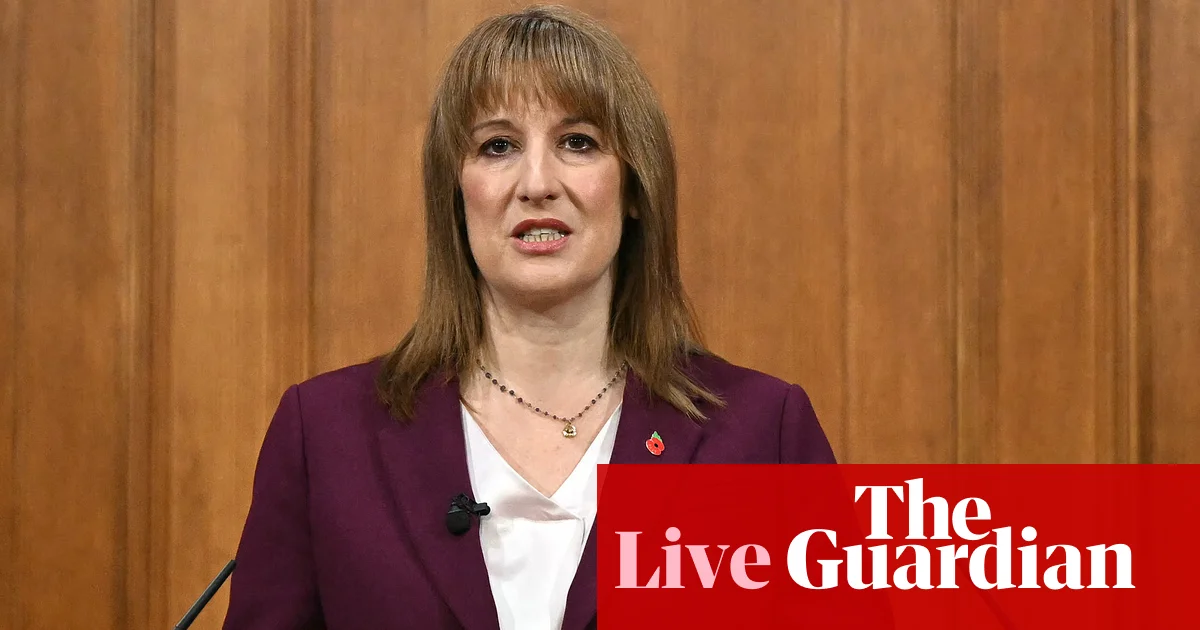
Reeves Blames Years of Economic Mismanagement as UK Prepares for Tax Hikes

Turning Point in Western Power Dynamics: The UK’s Reckoning and Its Global Ripples

In a climate of mounting geopolitical tension, Britain is standing at a crossroads marked by profound economic and political reckoning. Recent statements by Rachel Reeves, the UK’s Chancellor, reveal a nation grappling with the legacy of years of economic mismanagement—a crucial factor shaping its international posture. As Reeves signals forthcoming tax hikes and potential breaches of long-standing promises, analysts and international organizations are watching closely, recognizing that what happens within the confines of Westminster could shift the balance of global influence.

The core of this transformation lies in the deepening economic crisis, which current and former authorities have attributed to decades of neglect and miscalculated policies. According to reports from the Resolution Foundation, a prominent think tank, the UK’s public finances will require austerity measures amounting to £31 billion, with tax rises expected to be a cornerstone. Such fiscal tightening, coinciding with ongoing global uncertainties, threatens to weaken Britain’s already fragile post-Brexit economy, with potential reverberations across European markets and the transatlantic alliance. Historians like Niall Ferguson warn that these fiscal policies, if mishandled, could usher in a new era of decline for Britain’s global standing, akin to the economic crises of the 1970s.

Furthermore, in the context of international security, Reeves’ acknowledgment of increased defense spending signals that the UK remains committed to its traditional role as a global security partner, despite internal challenges. However, this dual emphasis on fiscal austerity and strategic strength remains a delicate balancing act. America’s NATO allies are expected to reassess their commitments, especially as the US pivots toward the Indo-Pacific and faces its internal political upheavals. The UK’s decision to prioritize defense spending amidst economic turbulence underscores a broader geopolitical calculus: maintaining influence on the world stage while facing internal economic headwinds.

Adding to the geopolitical complexity is the looming threat of economic contagion—a contagion that international bodies like the International Monetary Fund warn could spiral into a broader crisis if fiscal discipline falters or if market confidence erodes further. The UK’s internal political trajectory also influences prospects for cooperation or conflict with European Union partners, especially as domestic promises for social welfare reforms clash with the austerity signals from Reeves’ upcoming budget—a potential breach of electoral commitments that could fuel social unrest and destabilize regional stability.

The unfolding narrative stands as a stark reminder: within the corridors of Westminster, decisive policies are not just local issues—they are the measures by which the global economy and security order are calibrated. As history continues to write itself, no one knows whether Britain’s leaders will forge a resilient path of recovery or succumb to the tide of decline. With each move, the weight of history presses heavier, shaping a future that is still unsettled and uncertain, amid the loud echoes of a nation caught in the relentless tide of change.
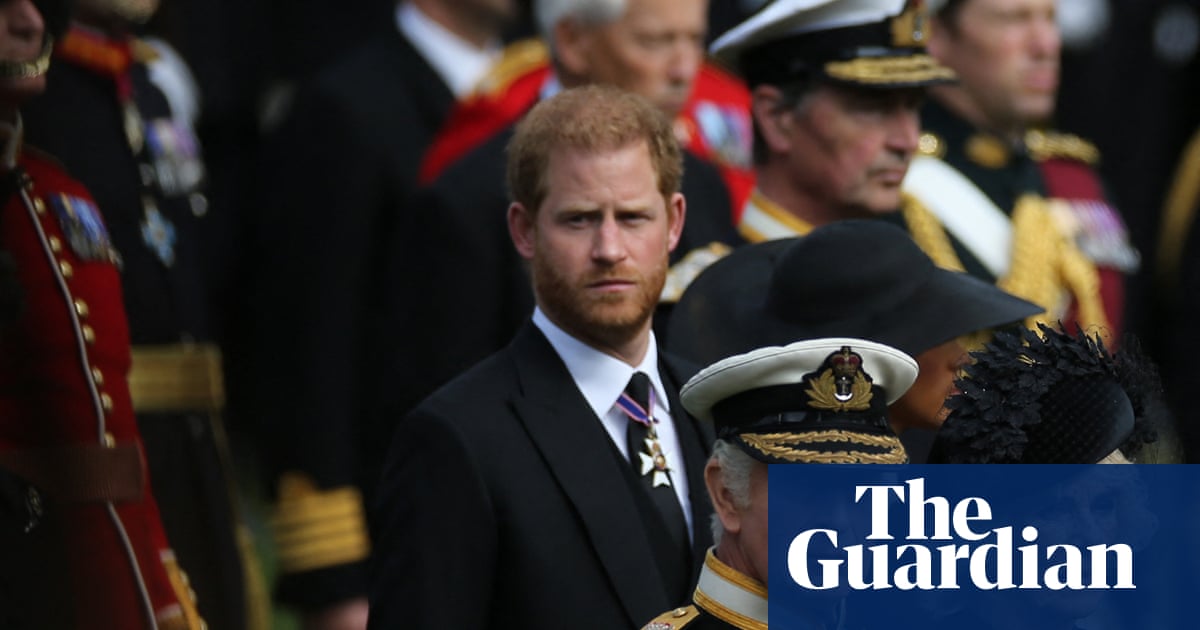

Prince Harry Blames ‘Sabotage’ for Rumors of Tension with King

Prince Harry recently made headlines with a rare personal move, suggesting a desire for reconciliation within the British royal family. His meeting with King Charles at Clarence House marks a significant shift after nearly two years of estrangement, reflecting broader themes of family dynamics amidst global scrutiny. The 54-minute private encounter, following Harry’s public expressions of willingness to reconcile, occurred amid ongoing media narratives designed to shape public perception. Harry’s emphasis on the sincerity of his intentions underscores the delicate balance of maintaining intimacy versus public image in a world obsessed with royal drama.

However, this gesture comes under an increasingly scrutinized lens, with media outlets such as The Sun and international analysts dissecting every detail. Harry’s response to reports about gifts exchanged during their meeting—correcting claims that a framed photograph contained images of him and Meghan—highlight the intense media warfare surrounding the royal “family feud”. While Harry’s spokesperson downplayed the significance of the private gifts, the media’s involvement demonstrates how the narrative of royal discord has become a geopolitical tool. As international observers analyze these internal conflicts, the impact extends beyond Britain, influencing perceptions of monarchy and stability across the Commonwealth and beyond.

This ongoing soap opera within the United Kingdom royal family unfolds against a backdrop of increasing geopolitical volatility. King Charles’ recent meetings with foreign leaders, including Anthony Albanese of Australia, exemplify his ongoing efforts to position the monarchy as a symbol of unity amid chaos. Yet, the internal fissures—exposed through Harry’s public statements and the media’s relentless reporting—undermine the royal family’s credibility and, by extension, the soft power they wield. Historians warn that such internal strife can weaken a nation’s diplomatic stature, especially when royal figures serve as international ambassadors. Consequently, domestic upheavals in Britain ripple outward, affecting diplomatic relations, global perceptions, and the space of influence that monarchies hold in a multipolar world.

In a rapidly shifting geopolitical landscape, the internal struggles of the British royal family serve as a mirror to the fragility of traditional institutions in an era of unprecedented change. As Harry’s attempt at reconciliation unfolds amid media frenzy, the international community watches with bated breath—aware that the tides of history are never static but constantly reshaping the power structures of nations. *How these personal dramas unfold will determine not only the future of the monarchy but also serve as a cautionary tale for societies grappling with the erosion of established symbols of authority.* Humanity stands at a crossroads, where familial betrayal and national prestige dance dangerously close, leaving us to wonder: will this chapter be remembered as the beginning of the monarchy’s decline or as an epilogue of resilience amidst chaos? The answers remain hidden in the unfolding pages of history.

Social Media Auto Publish Powered By : XYZScripts.com


