

The Hidden Cost of Glamour: Unpaid Internships in the Fashion World
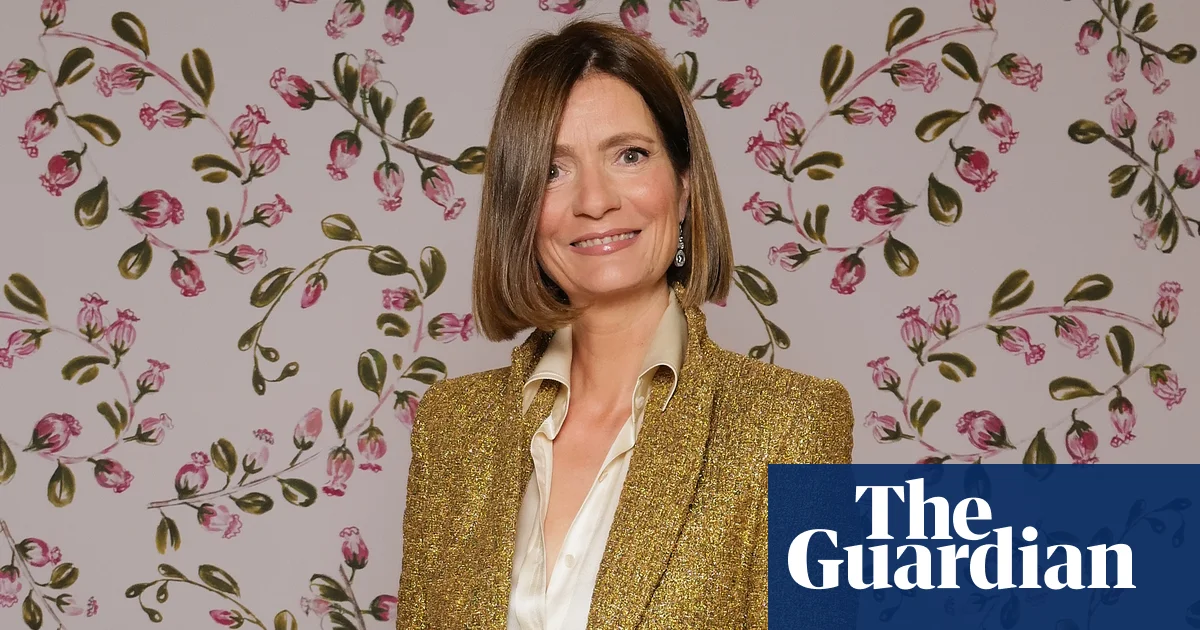
In recent years, a noticeable shift has emerged within the elite culture of fashion and media, highlighting a disturbing trend where the pursuit of opportunity often comes at a significant social and economic expense for young talent. Case in point is Plum Sykes, a seasoned Vogue editor and fashion industry insider, whose latest venture—launching her own Substack—has ignited a debate about the exploitation of young professionals. Despite her high-profile background, Sykes has faced sharp criticism for employing students in her online enterprise without offering them any form of compensation. This phenomenon is not isolated; it reflects a broader societal pattern where those in power leverage unpaid labor under the guise of mentorship and experience, often sidelining the fundamental principles of fair employment.
The Cultural Impact and Social Relevance of the Interning Culture
- Many young people view unpaid internships as a **rite of passage** into the coveted corridors of fashion and media.
- Influencers and sociologists like Pandora Sykes underline that **lawmakers have explicitly condemned unpaid work** unless it strictly adheres to educational shadowing or charity work. Yet, the practice persists, largely because of the *perceived gateway* it provides into top-tier careers.
- Social mobility becomes a tangled matter here: while some lucrative internship programs can open doors, many young aspirants—especially from working-class backgrounds—are often *kept out* because they can’t afford the unpaid labor costs.
Prominent voices like sociologist Carl Cullinane warn that “internships are an *increasingly critical route* into the best jobs,” and the ongoing normalization of unpaid internships underscores a stark inequality. Meanwhile, Paul Nowak of the Trade Union Congress warns that if these practices persist, legislative chaos may be inevitable, emphasizing that *young people should not be held captive* by a system that values unpaid labor over talent and merit. This raises the key question: are we really nurturing the next generation of leaders, or merely perpetuating an entrenched cycle of economic disparity?
The Culture of Power and the Future of Fair Work
Within this landscape, influencers and industry insiders like Plum Sykes claim her unpaid intern work is mere “work experience”—a phrase that continues to be weaponized to justify exploitation. She states that her interns assist with “shadowing” tasks, which are *not legally defined as productive work*. However, critics argue that such distinctions are increasingly blurred, especially when interns contribute to the core operations of a high-profile brand or media figure, often doing tasks that have tangible value. This ambiguity fuels a *culture of casual unpaid work*, which some analysts argue ushers in a new era of *covert exploitation* masked as opportunity.
As the debate intensifies, the question morphs from legalities into moral imperatives: should the future of work be built on unpaid drones serving the whims of the powerful, or on a **new standard of fair compensation**? This conversation is vital because it signals whether society is ready to confront the deep inequalities ingrained within its aspirational class. As Lawrence Lessig once observed, “The internet can democratize opportunity, but only if we lay down fair rules for participation.” The same holds true for employment practices in high culture—are we willing to reform a system that channels youth into dead-end unpaid roles?
The Next Big Question
Ultimately, the next question we should be asking is: how long can this cycle of unpaid internships persist before it erodes the very fabric of fairness in opportunity? As societal awareness grows, and as legally-enforced labor protections become harder to ignore, the coming years may see a decisive shift toward paid opportunities rather than “experience.” Will the fashion industry, with its history of glamour and exclusivity, adapt to this moral tide, or will it continue to champion a culture of unpaid labor as the price of entry? And more broadly, does this evolving landscape challenge us to redefine success—not just for brands and influencers, but for the **culture** itself and the **values** it promotes for the youth of tomorrow?







