Matox News

Truth Over Trends, always!

Trade court demands tariff refunds, deal a blow to Trump’s trade policies

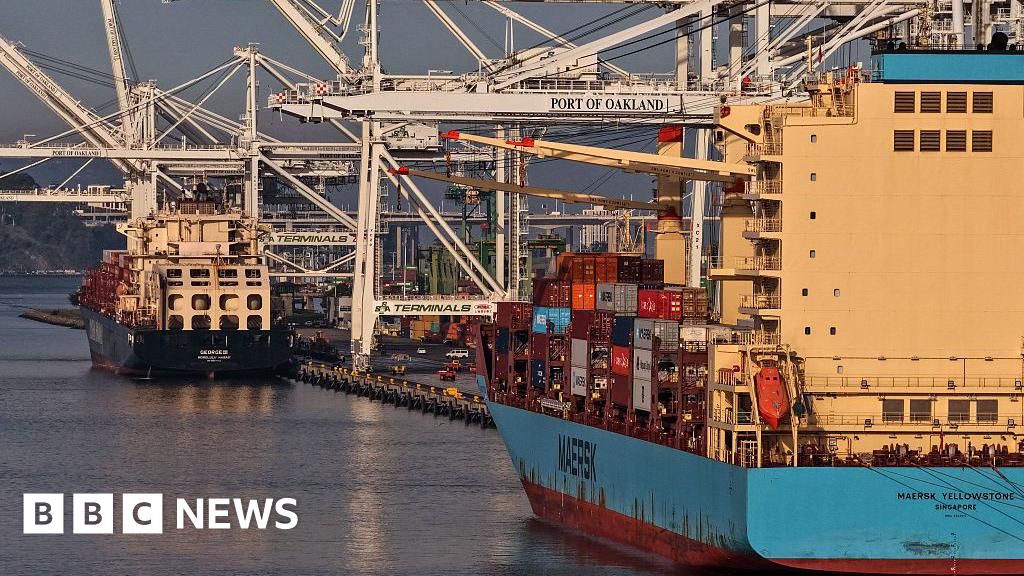
In a significant turn of events, a prominent trade court has recently cleared the path for businesses worldwide to secure refunds for tariffs that the Supreme Court invalidated last month. This ruling marks a vital development in the ongoing evolution of international trade policies and signals a potential shift in how nations approach economic sovereignty and commerce regulations. The decision underscores the volatile and unpredictable landscape of global markets, where legal, political, and economic forces intertwine to shape the fabric of international commerce.

The initial Supreme Court decision dismantled a set of tariffs that, for years, served as a tool for several U.S. administrations to protect domestic industries from foreign competition. But its recent reversal prompted uncertainty, especially among businesses that had anticipated potential rebates or refunds due to the ramped-up tariffs. Now, with the trade court’s endorsement, companies can begin pursuing these refunds, thus rekindling economic hopes for many sectors hit hard by previous tariffs. This move has caused ripples across the global economic community, illustrating how legal reinterpretations within the U.S. legal system can send shockwaves through international markets and alliances.

Analyzing this development, respected international trade analysts highlight the geopolitical impact of this shift. Historically, tariffs served as tools of protectionism, often sparking retaliatory measures and trade wars. The recent court decision appears to reinstate a more predictable legal environment within the U.S. and potentially affecting negotiations on trade agreements such as the USMCA or upcoming bilateral pacts. Countries like China, Mexico, and Canada closely monitor American legal dynamics, as this determines their own standing in intertwined trade networks. The renewed availability of tariff refunds could influence American relations with these economic giants, potentially leading to a recalibration of trade strategies and diplomatic dialogues.

Adding complexity, the decision bears profound consequences for emerging economies. As nations such as India and Brazil seek to propel growth through increased trade liberalization, the reactivation of tariff refunds in the U.S. could either bolster or hinder their efforts, depending on how the shifting legal landscape influences global supply chains. The World Trade Organization and other international bodies have voiced cautious optimism; however, many analysts warn that this development could signal a broader return to protectionist tendencies, challenging longstanding efforts to foster open and fair trade. The stakes for sovereignty, economic resilience, and societal stability are rising; what remains uncertain is whether this decision marks a temporary reprieve or the beginning of a fundamental transformation in America’s trade posture.

Many experts warn that such legal victories and reversals, while seemingly technical, embody a deeper battle — one that will determine the future trajectory of global power. Historians and political strategists remind the world that decisions made in courtrooms and legislative chambers today will ripple through generations, shaping whether nations move toward greater economic independence or capitulate to the forces of globalization. As the international community watches with bated breath, one thing is clear: in the unpredictable arena of global geopolitics, the course of history is still being written, and the next chapter could turn the tide of international influence in unforeseen directions.
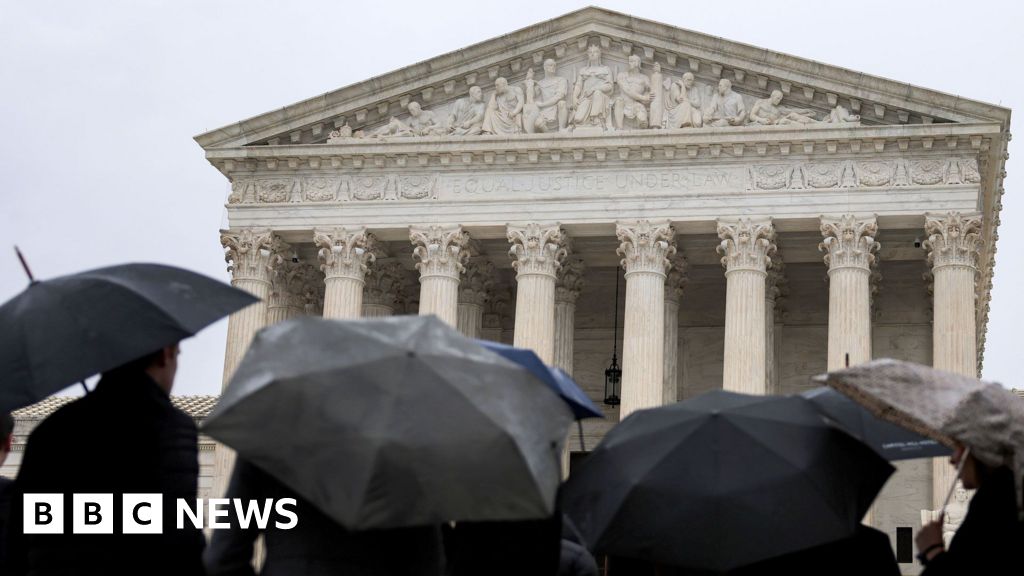
Tariffs Ruling Deals Blow to Trump's Second-Term Plans
Tariffs Ruling Deals Blow to Trump’s Second-Term Plans

Recent developments in the United States judicial system have sent ripples through the international arena. According to renowned analyst Anthony Zurcher, the Supreme Court has taken measures that significantly diminish former President Trump’s capacity to negotiate and enforce international policies. This judicial pivot marks a critical juncture in US foreign policy, with potential consequences that extend well beyond American borders.

The core issue centers on the Supreme Court’s ruling which effectively constrains the executive branch’s ability to unilaterally engage in certain internationally oriented actions. Historically, US presidents have wielded wide-ranging authority in international diplomacy, often bypassing legislative hurdles through executive directives. However, recent rulings illustrate a shift towards judicial limitation, signaling a more cautious approach to executive power in global affairs. Experts and international organizations, such as the Council on Foreign Relations and the Brookings Institution, have expressed concern that this judicial stance could weaken the United States’ ability to project influence, negotiate treaties, or respond swiftly to global crises.

This legal development carries weighty geopolitical impact. As Washington grapples with domestic legal restrictions, allies and adversaries alike are reassessing the US’s reliability as a diplomatic partner. Countries like Russia and China view this as a signal of internal division, potentially emboldening their own strategic ambitions. Meanwhile, longstanding allies, especially in Europe, are watching these legal shifts closely, considering how forthcoming US actions—laden with legal uncertainty—will influence NATO and broader security arrangements. It is widely recognized among international analysts that legal constraints on unilateral action could inhibit the US from effectively countering rising threats like cyber-attacks, territorial disputes, and emerging military conflicts.

Adding to the complexity, historians caution that this judicial curtailing of executive power echoes a broader trend of institutional checks against prominent leaders, reflecting a delicate balance that has historically defined American democracy. Yet, some see it as a necessary correction to overreach, signaling a maturation of the US legal-institutional fabric. Nonetheless, the decision’s ripple effects may influence future administrations’ capacity to navigate the ever-changing web of international relations, for better or worse. As the world’s attention turns to these unfolding legal and diplomatic shifts, the question remains: what future will this new legal landscape carve in the annals of history?

In the shadow of these pivotal changes, the world holds its breath. The world’s nations, watching as the balance of power teeters on the knife’s edge of legal and political currents, are forced to ask: who will shape the future of global order—nation-states constrained or leadership unleashed? As history continues to write its complex narrative, one thing is certain: the impacts of this judicial decision will resonate across continents, affecting societies, economies, and the very fabric of international relations for generations to come.

Tourists Among 23 Killed in Goa Nightclub Fire—A Tragic Blow to Our Tourism Sector

In recent years, the alarming frequency of destructive fires across India has become a stark reminder of the profound risks inherent in rapid urbanization and insufficient safety regulation. The tragic loss of at least 23 lives in a nightclub fire in Goa, a renowned tourist haven, underscores a troubling pattern with direct repercussions for national stability and international perception. While the immediate focus centers on the victims and emergency response, the broader geopolitical impact cannot be ignored, as such incidents reflect poorly on India’s ability to ensure the safety of its citizens and visitors, impacting foreign tourism and international confidence.

Historically, India has grappled with the challenge of enforcing rigorous building safety standards amidst a booming economy that often prioritizes quick development over quality control. Recent events, including a fire in Hyderabad resulting in 17 deaths, and a deadly blaze in Kolkata that claimed 15 lives, reveal systemic failures that span across urban planning and regulation enforcement. Prominent international organizations, such as the United Nations, warn that neglecting safety standards exacerbates vulnerability during emergencies, leading to increased fatalities and societal destabilization. Experts like Dr. Arun Malhotra, a prominent urban safety analyst, argue that these tragedies are largely preventable, given proper adherence to safety protocols. Yet, the persistent recurrence of such incidents underscores a deeper problem: the inability of local authorities to uphold or enforce effective fire safety laws, which in turn erodes public trust in governance.

Moreover, these recurring tragedies serve as a geopolitical reflection of India’s complex internal challenges. As the world’s largest democracy, India seeks to project strength and stability on the international stage, but these failures threaten to undermine that image. The late 2020s have seen heightened scrutiny from foreign investors and tourists, concerned about security and infrastructure conditions. The recent proposed safety audits by local officials, spurred by these fires, highlight efforts to address this concern. Yet, critics remain skeptical, warning that without systemic reforms, such incidents could metastasize into crises that diminish India’s soft power and economic prospects. In particular, Goa’s status as a world-famous tourist destination puts immense pressure on local and national authorities to balance growth with safety. International observers and foreign governments are watching closely, as the potential for a large-scale tragedy could have ripple effects, unsettling regional stability and strategic alliances.

On a broader canvas, these fire incidents are emblematic of an urgent need for comprehensive reform, not only within India but as a warning to global partnerships. The collapse of safety standards in some of India’s busiest shared spaces stands as a cautionary tale against complacency amid rapid development. As China, Pakistan, and other regional powers navigate their own internal crises, the international community must recognize that the stability of each nation impacts collective security. The unfolding chapter of India’s safety crises serves as a stark narrative in the geopolitical saga—a reminder that progress is meaningless if measured in economic terms alone, without safeguarding human lives and social order. History’s relentless march dictates that the true measure of a nation’s strength lies in its ability to protect its citizens, yet, tragically, India’s recent history reveals a dangerous gap between aspiration and reality—a gap that may yet widen if urgent reforms are not enacted to prevent the next catastrophe from writing its chapter in the annals of history.

Second brother of French anti-drugs activist shot dead in Marseille—another tragic blow to the fight against crime

Marseille Violence: The Tragedy of Gang Warfare and Its Global Implications

The recent brutal murders in Marseille, France, underscore a critical escalation in urban violence, with profound geopolitical repercussions that extend beyond local boundaries. The killing of two brothers from the same family—Brahim in 2020 and now Mehdi in 2023—illuminates the destructive power of organized crime and its enduring grip over the city’s most vulnerable communities. The tragic pattern, with youth as young as 15 pulled into violent vendettas, serves as a stark reminder of the erosion of social stability within Western nations, challenging political leaders and law enforcement agencies alike. The fact that a young anti-drugs activist, Amine Kessaci, whose work aimed to mitigate this chaos, receives death threats underscores an unsettling turning point—a confrontation with the fracture lines in French society and the wider Western world.

Marseille’s endemic violence is emblematic of a broader uprising of urban insurgencies affecting many Western city-states. As gangs continue to carve out turf within high-immigration neighborhoods, their warfare spills into street-level shootings, often occurring in broad daylight, as seen with Mehdi’s murder by motorcycle gunfire. Local authorities acknowledge that these crimes are not isolated; they are part of a harrowing cycle of revenge and territorial disputes, often fueled by drug trafficking networks that have entrenched themselves in the city’s fabric. The European and international community, including analysts and historians, highlight that such violence threatens the very fabric of civil society, prompting urgent calls for comprehensive reforms. Yet, the persistence of these conflicts raises uncomfortable questions about how nations can reform immigration, law enforcement, and social policy to prevent a slide into lawless chaos.

The Shadow of Organized Crime and Political Reckoning

  • The murder of Brahim, linked to drug gang vendettas, encapsulates the threat posed by criminal organizations that often operate with impunity and difficulty for authorities to dismantle.
  • Mehdi’s murder, seemingly unrelated to gangs, is feared to be a warning aimed squarely at Amine, whose outspoken activism and political ambitions made him a target—symbolizing how criminal violence intersects with political activism.
  • Amine’s establishment of Conscience, an NGO dedicated to aiding families affected by drugs violence, underscores a new wave of civic activism aimed at combating these structures from within.

Such developments signal a warning of a wider societal breakdown, with international watchdogs cautioning that, without decisive action, these localized conflicts could spiral into a broader crisis of governance and security. The French government’s response, characterized by police protection for activists like Amine, reflects a recognition of the seriousness of these threats. Still, critics argue that current policies lack the strategic depth needed to truly unravel the roots of criminal networks. The European Union and other international bodies continue to monitor the situation, with some alarmed by the increasing youth involvement in gangs—an issue that threatens to undermine future generations’ prospects and social cohesion.

Consequences for Europe and Beyond

The violence in Marseille epitomizes a continuing challenge for EU nations attempting to balance multicultural integration with national security. As analysts point out, the situation could serve as a harbinger for similar strains across other European borders, especially in cities with large immigrant populations. The ongoing crisis also raises questions about international cooperation—whether global institutions will rise to the occasion or become overwhelmed by the complexity of such urban war zones. The historical perspective warns that neglecting these issues risks turning once-thriving urban centers into lawless enclaves, where de facto warlord rule replaces civil authority, echoing patterns seen in failed states worldwide.

As history unfolds, the death of Mehdi and Brahim Kessaci will be remembered not only as isolated tragedies but as symbols of a war within cities that threaten to rewrite the social contract. The weight of this moment challenges leaders and societies to confront uncomfortable truths about governance, integration, and the true cost of neglecting the roots of urban decay. The future remains uncertain—balancing on the precipice of change, where each decision could either mend a fractured society or plunge it further into the shadows of chaos. History, it seems, is still writing its darkest chapters, and the fate of Marseille may well serve as a cautionary tale for cities worldwide struggling beneath the weight of their own internal conflicts.

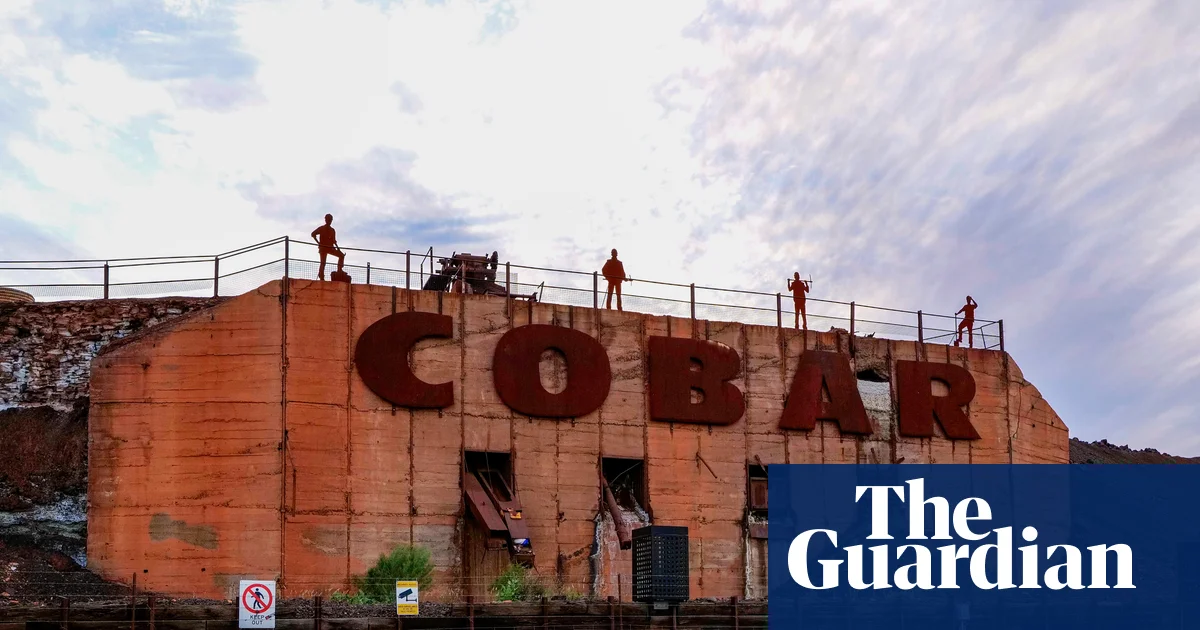
Mine blast at Cobar claims two lives — a tragic blow to our far west communities

Tragedy Strikes In Australia: Deadly Mine Explosion Raises Safety Concerns and Geopolitical Implications

In a devastating incident in the Cobar region of Australia, two workers lost their lives following an underground explosion at the Endeavour Mine. This catastrophe underscores the persistent risks associated with resource extraction industries, even as technological advancements claim to improve safety protocols. According to authorities, emergency services responded swiftly after being alerted early Wednesday morning; however, the magnitude of the explosion resulted in one confirmed death on-site and the subsequent death of a woman who was initially rescued. The incident also left another woman hospitalized with hearing damage and shock, highlighting the ongoing danger faced by miners in hostile underground environments.

How decisions and safety regulations impact nations and societies

This tragedy in Australia resonates beyond local concerns, echoing a broader global discussion on the safety standards within resource-dependent nations. Australian authorities, including NSW Premier Chris Minns and state Minister Courtney Houssos, have expressed their heartbreak and solidarity with affected families. These events serve as a harsh reminder that even in countries with improved safety protocols, vigilance remains vital. As some analyses suggest, the mining sector is a cornerstone of Cobar’s economy, primarily supporting copper, gold, zinc, and lead extraction—industries that are vital for local employment and regional economic stability. Yet, each accident risks not only human lives but also threatens the societal fabric, stirring political debates about regulatory oversight and corporate responsibility.

Geopolitical and economic dimensions of resource security

The incident’s international implications lie in how resource security and safety standards influence global geopolitics. Countries that rely heavily on mineral exports such as Australia find that mining accidents can ripple through global supply chains, affecting industries ranging from electronics to automotive manufacturing. Moreover, Australia‘s role as a strategic resource provider heightens the stakes, especially as global demand for critical minerals surges—driven by alternative energy initiatives and technological innovation. Historically, mining tragedies have occasionally spurred reforms and heightened regulatory scrutiny, but they also underscore the fragility of mining infrastructure amid economic pressures to maximize output.

Experts from international organizations warn that such incidents can undermine critical diplomatic relationships, especially if safety lapses are perceived as neglect or intentional cost-cutting. The World Bank and International Labour Organization have long championed stricter safety standards, but enforcement often falls short amid rising global competition for mineral wealth. While Australia remains a key player in this geopolitical chess game, the incident at the Endeavour Mine might influence future negotiations on trade, labor rights, and environmental regulations, prompting nations to reassess their own resource policies.

Conclusion: The weight of history and the future that remains unwritten

As the dust settles over the incident at Cobar, the broader narrative unfolds—a narrative of human resilience, regulatory challenges, and the relentless pursuit of progress at a cost. History has shown that each tragedy on the frontier of resource extraction leaves an indelible mark on national consciousness and international policy. With the investigation ongoing, the mining industry and governments worldwide are reminded that beneath the surface of prosperity lies a fragile balance, one that must be guarded jealously. In the shadows of these dark events, the true test lies not only in justice for the fallen but in the unwavering resolve to forge safer pathways into the future, lest we forget the lessons written in the scars of history.

Hurricane Melissa Threatens Jamaica’s Biggest Blow Yet

Hurricane Melissa’s Devastation: A Wake-Up Call for the Caribbean and the World

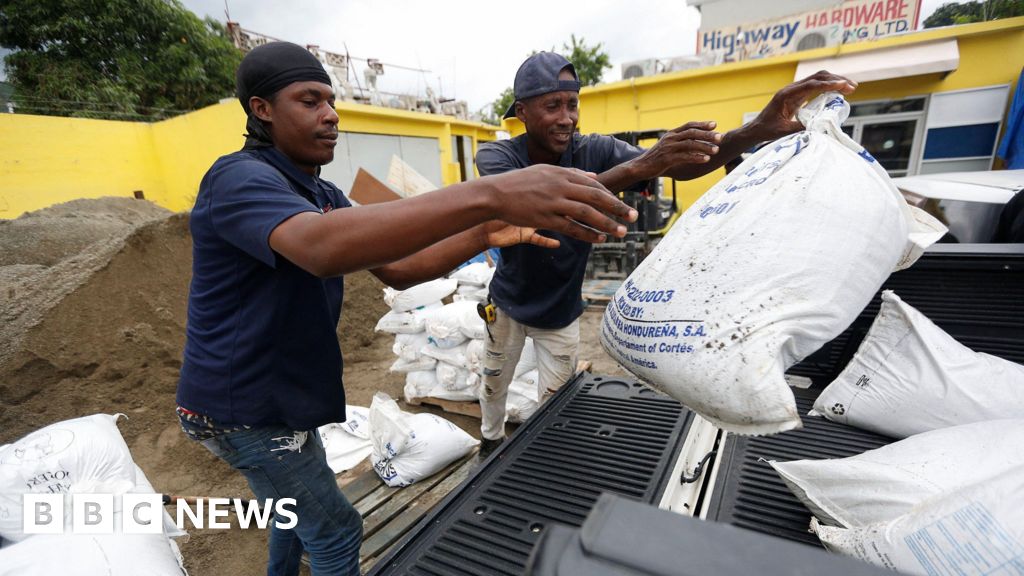
The recent escalation of Hurricane Melissa to a formidable category five storm has sent shockwaves across the Caribbean, with Jamaica now on the brink of a historic disaster. Forecasters warn that Melissa, with maximum sustained winds reaching 160 mph (260 km/h), poses an existential threat to the island nation. The storm’s slow movement enhances its destructive capacity, with rainfall predictions of up to 40 inches (100cm) over the next four days. Such intense weather phenomena are not mere acts of nature but manifestations of an increasingly volatile climate crisis that international experts warn is accelerated by geopolitical neglect and neglect of environmental commitments.

As the storm approaches, Jamaican authorities have issued immediate evacuation orders for vulnerable communities across Kingston and beyond. Prime Minister Andrew Holness has activated all 881 emergency shelters in response, acknowledging the potential for catastrophic flooding and life-threatening winds. The impact of Melissa extends beyond natural destruction, highlighting the fragile socio-economic fabric of small island nations that are often disproportionately affected by climate emergencies. The storm surge and torrential rains threaten to displace thousands, destroy homes, and cripple critical infrastructure—an ominous reminder that climate change is no longer a distant threat but an immediate, tangible danger that jeopardizes national stability and social order.

Regional and International Repercussions

The unfolding crisis on the Caribbean island of Hispaniola—comprised of Haiti and the Dominican Republic—adds a troubling dimension to Melissa’s destructive path. On Hispaniola, at least three lives have perished, and hundreds of homes have floodwaters enveloped entire neighborhoods. Notably, a 79-year-old man was swept away by rising waters in Santo Domingo, and a 13-year-old remains missing amidst the chaos. This tragedy underscores the vulnerabilities of impoverished populations where critical infrastructure is often inadequate, and disaster response is hampered by political and economic instability.

International organizations such as the United Nations have issued urgent warnings, emphasizing that the Caribbean’s recent weather catastrophe signals a destabilizing shift with geopolitical consequences. Analysts argue that in an era of climate emergency, climate justice advocates tend to overlook the geopolitical tensions fueled by resource scarcity, migration, and economic disparity. As the storm bears down on Cuba and the Bahamas, the resilience of these nations—some still battling over recent economic sanctions or political upheavals—may be tested. This moment reveals how interconnected global stability is to local environments and how decisions by major powers regarding climate policies and aid shape the outcomes for nations at the mercy of nature’s fury.

Long-Term, Geopolitical Impact: A Call for Greater Global Responsibility

Some of the most respected historians and geopolitical analysts warn that climate disasters like Melissa are more than mere weather events—they are the harbingers of a new global paradigm where decisions made today about energy, sustainability, and international aid will determine the fate of nations. The failure of wealthy nations to uphold climate commitments under treaties such as the Paris Agreement only exacerbates the plight of vulnerable populations. As these nations confront nature’s wrath, their plight becomes a symbol of broader geopolitical failures—an urgent call for the global community to rethink its responsibilities.

The storm’s environmental toll is staggering: rising floodwaters, breached infrastructure, and ecological damage threaten long-term prosperity and security. Yet, it is also a vivid reminder of how decisions made on the international stage—from climate policy to geo-economic negotiations—directly influence the lives of millions. As nations scramble to respond, the question remains: Will this storm catalyze a decisive shift towards responsible global stewardship, or will it reveal the stark divide between rhetoric and action in addressing the climate emergency?

As Melissa’s winds threaten to reshape the Caribbean’s coastlines and communities, the weight of history presses heavily on the horizon. With each passing hour, the storm’s fury whispers an unsettling truth—that humanity stands at a crossroads, where the choices of today echo into the chaos or the salvation of tomorrow. The unfolding saga of Hurricane Melissa is not merely a test of resilience; it is a stark chapter in a wider narrative—one where geopolitical interests, environmental stewardship, and societal courage must converge to face the storm’s relentless march into history.

Social Media Auto Publish Powered By : XYZScripts.com