Matox News

Truth Over Trends, always!

Japan Seizes Chinese Vessel in Bold Move Amid Rising Tensions with Beijing

Recently, tensions in the East Asian maritime zone have soared following a provocative act by an unidentified fishing boat that attempted to evade Japanese authorities during a routine inspection inside Japan’s territorial waters. This incident, though seemingly isolated, underscores the growing geopolitical fragility in the region, with Tokyo asserting its resolve to uphold sovereignty amid rising regional disputes. As the fishing vessel made a conscious decision to flee rather than surrender, analysts warn that such acts are emblematic of deeper currents of maritime assertiveness and contestation.

The event has drawn widespread attention from international organizations and regional allies, highlighting the disputes over maritime boundaries that have become a flashpoint for broader geopolitical friction. Japan’s Coast Guard officials reported that the vessel refused to comply with inspection orders, initiating a chase that ultimately ended with the vessel’s capture. Experts note that this act of defiance carries implications far beyond a simple fishing infraction. It raises questions about illegal, unreported, and unregulated (IUU) fishing, which not only threatens Japan’s marine resources but also risks inflaming territorial disputes with neighboring nations, including China and the Republic of Korea.

Within the broader context, such incidents serve as a reminder of the disputed maritime claims that line the Indo-Pacific region and the strategic importance of controlling vital trade routes and natural resources. According to analysts from the International Maritime Organization, these acts of defiance could be precursors to more aggressive behavior, especially if regional powers see opportunities to assert dominance over competitive waters. The incident has also caught the attention of global entities like the United Nations, which stress the importance of adhering to international law, yet recognize that enforcement remains a challenge amid escalating regional nationalism. Historically, maritime conflicts have often served as flashpoints that escalate into broader confrontations, and many fear that unchecked provocations could destabilize the fragile peace established in East Asia since the end of the Cold War.

In response, Tokyo has reaffirmed its commitment to protecting its maritime sovereignty, emphasizing that “any unlawful act against Japan’s security interests will be met with firm measures.” However, critics argue that such incidents should serve as a wake-up call to the global community about the dangers of unresolved territorial disputes and the need for renewed diplomatic engagement. As regional powers like China continue to challenge established borders, the potential for miscalculation—and further confrontations—looms large. The incident, seemingly a minor fishing dispute, epitomizes a larger picture of an evolving geopolitical landscape where sovereignty and resources are battlegrounds frozen in time, yet fiercely contested beneath the surface.

As history continues to unfold on the tumultuous waters of the Pacific, the question remains: will regional diplomacy prevail, or will these aggressive acts ignite a conflict that reshapes international relations? With global nations watching closely and regional actors fortified in their claims, this incident is more than a fleeting maritime disturbance; it is a stark warning of the high stakes involved in controlling the seas—a struggle that could redefine the balance of power for generations to come. The pages of history are turning rapidly, and the world waits to see if diplomacy can quell the rising tide of maritime rivalry, or if the currents of conflict will drown the hopes of peaceful resolution.
You’ll want to hear Mandy, Indiana’s new record: URGH—fresh, bold, and ready to make waves

In an era where technological innovation is reshaping industries at an unprecedented pace, the music sector remains no exception. Rising bands like Mandy, Indiana are exemplifying how creative disruption, powered by cutting-edge digital tools and bold artistic vision, is redefining the landscape. Their latest release, URGH, not only captures the audience’s attention but also signals a significant shift toward more avant-garde, border-pushing soundscapes that challenge traditional industry norms.

Equipped with advanced production techniques and an unapologetic approach to lyricism—most notably with Valentine Caulfield’s fierce vocal delivery in French—Mandy Indiana leverages technological innovation to amplify emotional and cultural impact. This approach echoes the disruptive strategies heralded by tech giants like Apple and Spotify in their pursuit of personalized and immersive experiences. Within the modern music industry, this translates into a focus on authentic, visceral content that resonates deeply with youthful audiences eager for authenticity and rebellion—traits epitomized in Caulfield’s confrontational lyrics and stark visual aesthetics.

The business implications of such innovation are profound. Disruptors like Mandy Indiana are shifting the paradigm from traditional album cycles toward crowded digital landscapes where rapid content deployment and genre-blurring are key. By harnessing platforms like Bandcamp and leveraging social media for direct artist-to-fan engagement, emerging acts are bypassing established gatekeepers, gaining independence, and capturing market share in ways previously deemed impossible. Industry analysts from Gartner highlight that this democratization accelerates the discovery of fresh talent and fosters a competitive environment ripe for innovation. Concerted efforts to capitalize on this upheaval could redefine revenue models, emphasizing licensing, streaming, and merchandise over conventional album sales.

Looking ahead, the implications are clear: the industry must adapt swiftly or risk being left behind amidst the digital revolution’s relentless tide. As industry veterans and new challengers alike explore technologies such as AI-driven content creation, augmented reality concerts, and blockchain-based rights management, the potential to rewrite the rules of engagement is immense. Forward-thinking companies that accelerate their embrace of innovation will not only survive but thrive in this new era—the question remains whether existing giants will pivot quickly enough or surrender their dominance to the next generation of disruptive creators.

With artists like Mandy Indiana spearheading the movement, the future of music is undeniably one of fierce innovation and disruptive change. As digital tools become more sophisticated and cultural boundaries continue to expand, the industry faces a pivotal moment—one where the ability to innovate will determine who leads and who follows. The urgency to develop new business models, harness emerging technologies, and foster authentic artistic expression has never been greater. As we stand at this crossroads, one thing is certain: the next wave of musical evolution is already underway, and those who recognize its disruptive power will shape the cultural and economic landscape of tomorrow.

Jess Cartner-Morley’s February Style Must-Haves: Bold Jumpers, 24-Hour Earrings, and the Ultimate Flattering Tee

The landscape of youth lifestyle and fashion in 2026 is clear: an evolving desire to blend tradition with modernity. From the resurgence of classic wardrobe staples infused with contemporary twists to niche wellness practices breaking into mainstream consciousness, today’s trendsetters are hacking cultural norms and redefining social relevance. Influencers and sociologists alike are watching as this generation seeks authenticity not just in products but in societal expressions—highlighted by a preference for high-quality, yet accessible, brands that embody craftsmanship and ethical integrity.

Take, for example, the rising popularity of Spanish handbag label Mercules. Helmmed by a designer formerly with Loewe, these pieces are made from premium Spanish leather, balancing minimalist design with sensible pricing. Their Foxy bag, particularly in their terracotta ‘tile’ shade, has become an emblem of understated luxury—favoring quality over ostentation. Meanwhile, in fashion, shirt collars have become a canvas for individual expression. The Boden Sienna shirt with a jewel collar exemplifies this shift, offering a blend of whimsy and elegance that layers effortlessly into everyday style. It signals a move toward accessories and details that elevate simple garments, convincing a younger audience that everyday wear can be both functional and statement-making.

In the wellness sphere, functional mushrooms like lion’s mane are transforming from fringe health hacks into mainstream staples. Companies like Superoom have crafted clinically tested tinctures, organically grown in Finland, which promise benefits from increased focus to enhanced sleep—fitting into a societal narrative that prioritizes mental clarity and holistic well-being. This mushroom market, often accused of being a chaotic wild west, is now being curated by reputable brands, signaling a desire among youth to integrate health regimes that are not only effective but also display-worthy, on display in aesthetically designed bottles that double as decor. The viral buzz around these remedies underscores a social relevance: youth are actively curating their wellness routines to align with principles of authenticity, efficacy, and style.

Meanwhile, style in 2026 is about challenging conventions. The Me+Em raglan tee, with its elbow-length sleeves that mimic sportswear’s practicality, offers a contrast to the ultra-fitted fast fashion it replaces. Its design, informed by real women, embodies a new wave of considered fashion—less about catching fleeting trends and more about investing in pieces that speak to comfort and intentionality. This aesthetic extends beyond clothing to accessories, with viral earrings like the Orelia mini chain huggie hoops symbolizing a shift toward versatile, long-wear jewelry that accentuates yet complements individuality.

As the youth of 2026 navigate a culture that values craftsmanship, authenticity, and societal impact, the big question remains: what’s next in this cultural evolution? Will brands that succeed be those that not only tap into trends but actively shape the narrative around sustainability, individuality, and mental health? Or are we on the brink of a deeper societal shift where the line between consumer and creator blurs, leaving society to ask whether the next big thing will be a product, a movement, or perhaps a new way of defining community itself? As lifestyle trends continue to accelerate and intertwine, the real challenge for this generation is not just in what they choose to wear or consume, but in how they redefine the cultural landscape in the years to come.

Denise Welch’s Bold Comeback: Embracing Change, Beating Depression, and Reclaiming Youthful Vibes

Denise Welch’s Revival: The Power of Reinvention in Today’s Culture

Once primarily recognized as a beloved soap star and outspoken personality, Denise Welch is experiencing a remarkable renaissance—both professionally and socially. Her return to acting, notably in Waterloo Road, along with her appearances in new series on Channel 4 like Tip Toe and Stepping Up, exemplifies a broader trend among veteran entertainers redefining their identities. Welch’s evolution from a tabloid fixture to a multifaceted cultural icon underscores a pivotal societal shift: the growing acceptance of age and vulnerability as elements of genuine authenticity. Her candid revelations about battling depression, addiction, and her role as a mother resonate powerfully with a generation craving transparency and realness.

In an era dominated by influencers and social media, Welch embodies a cultural impact that extends beyond traditional celebrity. She’s embraced a lifestyle of honest self-reflection, openly sharing her struggles with postnatal depression, ADHD, and sobriety, challenging the stereotypical norms of perfection often perpetuated by celebrity culture. According to sociologists tracking online movements, her narrative is integral to a society more willing to champion mental health awareness and resilience. Her participation in platforms celebrated by youth—like her fashion shoots for i-D magazine and the edgy personality she portrays in interviews—symbolizes a shift: the social relevance of being ‘vulnerable but victorious’ captures the zeitgeist.

From Tabloid to Trendsetting

  • Fashion as Expression: Welch’s fashion evolution—from vintage Chanel to stylish, vintage-inspired outfits—becomes a statement of confidence and individuality. Her playful embrace of high fashion, despite admitting she knows “nothing about it,” showcases a deliberate departure from the conformist standards that once overshadowed her. Influencers, like Matty Healy, have commented on her style, and Welch herself revels in the freedom that fashion offers to reinvent oneself at any age.
  • Social Relevance of Mental Health: Her openness about living with depression and ADHD, along with her previous substance abuse struggles, exemplifies a society gradually de-stigmatizing mental illness. Welch’s stories underscore the importance of candid conversations, especially among young audiences, who look up to figures risking vulnerability to promote authenticity.
  • Digital Age Resistance: Welch’s involvement in hun culture—described by her as ‘unfiltered and loved by the gays’—reflects a social phenomenon rooted in embracing bold personalities outside political correctness. Her humorous, unapologetic take on her identity demonstrates how digital communities celebrate personality over political conformity, fueling social discourse about the importance of self-acceptance.

Influencers and critics alike have recognized her as a symbol of a new era in celebrity—one rooted in honesty, resilience, and reinvention. Her narrative teeters between the harsh realities of mental health struggles and the joy of embracing one’s true self without shame. The question then emerges: as society champions these raw, authentic stories, could this be the next big trend in cultural influence? Is the shifting perception of celebrity into a more relatable, vulnerable figure a sign that society is truly moving toward a more inclusive understanding of strength?

The Future of Cultural Reinvention

Welch’s story prompts a larger conversation about the future trajectory of pop culture: will we see a move away from the traditional archetype of the untouchable celebrity to a model rooted in *relatability* and *truthfulness*? Her journey suggests that society is increasingly valuing human complexity over perfection. As Welch herself asks, “You can still have a wonderful life with mental illness,” this embodies a shift that could redefine public perception of wellbeing and success. The next big question becomes: how will this cultural shift influence the way new generations perceive resilience and authenticity? Will future icons be those who openly acknowledge their struggles, or will this remain a niche phenomenon?

Once Upon a Time in Harlem: A Bold Tribute to the Renaissance Era | Sundance 2026

In August 1972, a remarkable gathering took place that serves as a testament to the enduring power of culture as both memory and prophecy. William Greaves, an innovative filmmaker, convened an unprecedented dinner at Duke Ellington’s Harlem townhouse—an intimate symposium of the giants of the Harlem Renaissance. This cultural movement of the 1920s, often heralded as a luminous bloom of African American artistry and intellectual thought, was captured in a rare, sprawling footage that would later be refined into the profound documentary Once Upon a Time in Harlem. This film exemplifies how the arts forge a bridge between past and present, anchoring identity rooted in history while predicting future cultural horizons. It is a vivid reminder that, as Ortega y Gasset observed, “We are the sum of our history, and history is the story we tell ourselves about who we are.”

The significance of such a gathering extends beyond mere nostalgia; it emphasizes that culture is the vessel of societal memory and a catalyst for ongoing identity. The Harlem Renaissance was not simply a fleeting artistic surge but the articulation of a collective aspiration—an awakening that challenged the narrative of marginalization and paved the way for future generations. As Tocqueville might argue, American society—especially in its multicultural complexity—requires an active consciousness of its roots to sustain its civic fabric. The film’s footage, much like Chesterton’s view of tradition as “the democracy of the dead,” demonstrates that valuing the past enables a society to navigate modern turbulence with resilience and authenticity. The voices of artists like Langston Hughes, Zora Neale Hurston, and musicians such as Duke Ellington articulate a cultural DNA that refuses to decay, insisting instead on its relevance across generations.

Within the ongoing dialogue about cultural continuity, the Harlem Renaissance embodies the quintessential struggle for cultural sovereignty. Each voice at that July evening—be they poet, historian, musician, or actor—pushed back against erasure, claiming space for the Black experience in the narrative of American progress. This struggle echoes the philosophical vision of scholars like T.S. Eliot, who urged us to see tradition as an active force, shaping current identity through a reciprocal engagement with history. The Renaissance’s awakening was, in essence, an assertion that heritage and innovation are not opposites but intertwined threads of the same tapestry. As history and culture interlace, they inspire the present to envision a future where the dignity and creativity of every people are recognized as vital to the collective well-being of society.

In this reflection, we come to understand that the African American cultural awakening of the early 20th century did not fade into obscurity; rather, it pulses through time, echoing in contemporary artistic expressions and societal debates. The film Once Upon a Time in Harlem preserves that pulse, affirming that the true culture of a people is both their history and their hope—an ever-moving combination of memory and prophecy. As Chesterton so eloquently stated, “A patriot is he who loves his country not for what it is, but for what it is becoming.” This spirit of cultural reclamation and aspiration is the true legacy of Harlem—a timeless reminder that the story of mankind is written not solely in the annals of history, but in the living, breathing arts that make us remember and inspire us to envision what humanity might yet become.

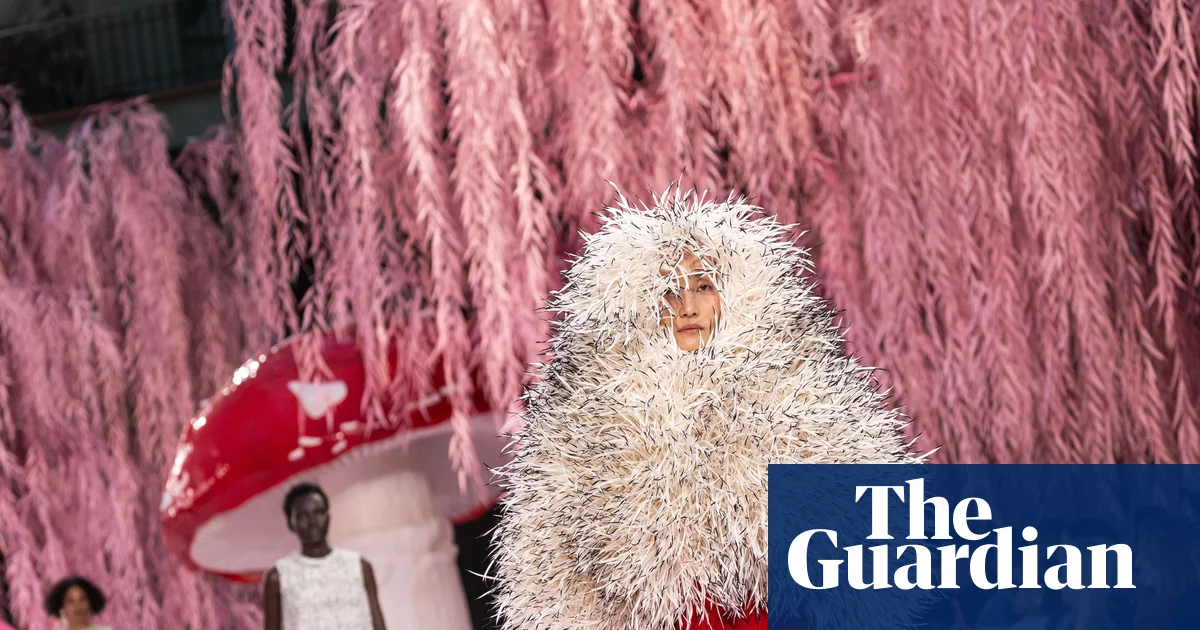
Matthieu Blazy’s Bold Launch: Chanel’s Haute Couture Dream Takes the Spotlight

In a world where fashion giants often cling to tradition and legacy, the emergence of Matthieu Blazy at Chanel signals a seismic shift. The 41-year-old Belgian designer, once a relatively unknown name outside the industry, is now steering one of the most iconic brands in history through a curious blend of tradition and innovation. His recent debut Haute Couture collection, hosted at Paris’s Grand Palais, did not just earn applause; it ignited a cultural wave that challenges entrenched notions of beauty, age, and the role of storytelling in fashion.

The show’s aesthetic was a masterclass in redefining luxury. From a boxy suit in tissue-thin mousseline to daring transparent jackets adorned with ropes of gems, Blazy’s designs showcased craftsmanship that is both heroic and warm. In a deliberate break from the typical high-gloss runway, he included multigenerational casting, intentionally featuring models of diverse ages and backgrounds—women who “have lived” and “have seen the world.” According to the designer, this shift in casting isn’t just about visual representation but a statement that beauty, wisdom, and life experience are integral to modern femininity. This cultural impact resonates with a generation increasingly questioning superficial standards, turning their gaze towards authenticity and lived-in stories.

The influence of influencers like Dua Lipa and industry icons such as Anna Wintour backstage underscores a societal desire for brands to connect deeply with personal narratives and individual identities. Blazy’s request for models to incorporate personal items—a love letter, initials, a word like “kindness”—stands out as an extension of this shift. These intimate touches, stitched into garments by Paris’s renowned Lesage embroiderers, elevate fashion beyond mere aesthetics, making it a vessel for emotional storytelling. This approach is part of a broader trend where consumers seek a more meaningful engagement with brands, echoing a societal craving for authenticity and depth amidst a superficial influencer-driven culture.

What truly sets Blazy apart—and hints at the future of fashion—is how he balances youthful boldness with a reverence for craftsmanship. His use of trompe l’œil techniques, painted denim mimicking casual wear, and leather feathers crafted into dresses, all echo a conscious effort to blend fantasy with reality. This ‘fairytale’ era—exemplified by animated previews with Snow White bluebirds—serves as a metaphor for a collective desire for escapism and renewal. Yet beneath the enchantment, there is a strategic, almost revolutionary statement: fashion’s power to reflect societal shifts and redefine identity. As Blazy’s Chanel appears to embrace a storybook aesthetic, a question lingers: Could this fairy-tale phase be the new standard for aspirational society? Or is it just a temporary chapter in a larger movement towards genuine self-expression?

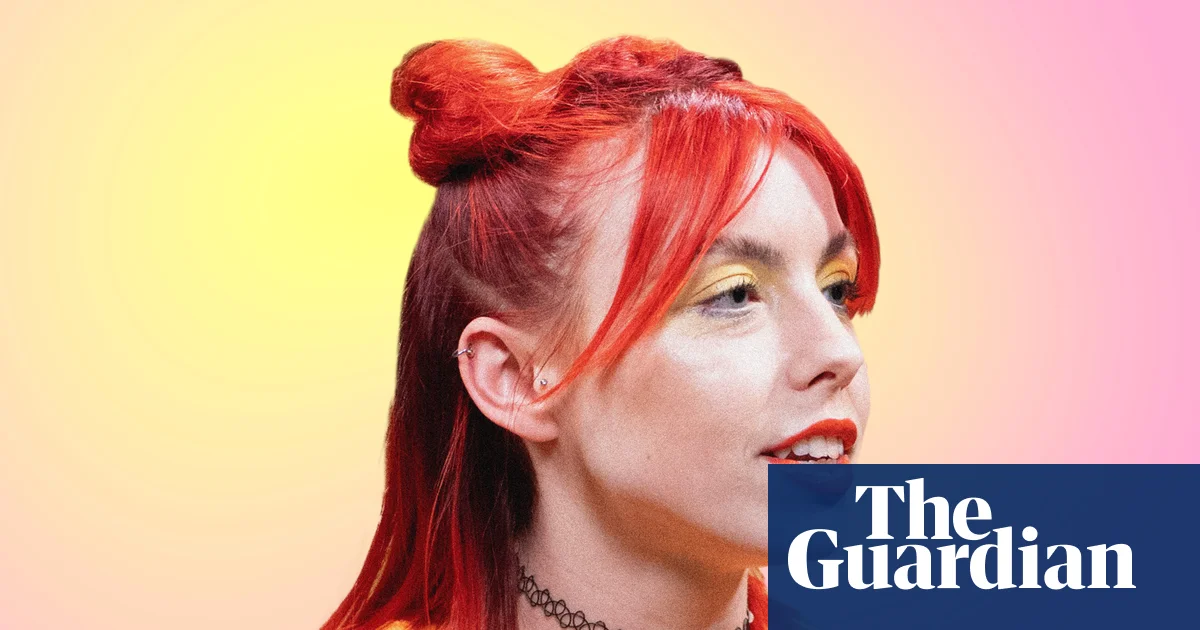
Jessie’s Traitors Makeup Unlocks the New Wave of Bold Beauty Vibes for Today’s Youth

In a cultural landscape where conformity often dominates social media feeds and pop culture, a rebellion against conventional beauty standards is emerging—fueled by a new wave of youth embracing bold, unorthodox makeup styles. Recent observations from the hit show The Traitors and viral TikTok trends highlight a shift where makeup is no longer just about looking “polished” but about expressing individuality and reclaiming the notion of beauty itself. Influencers like Garance Murru and makeup artists such as Sean Brady are leading a movement that questions the very fabric of societal beauty ideals—bringing “ugly makeup” back into the limelight.

This cultural shift transcends Instagram filters and Instagrammable perfection—it’s about challenging social biases and defining a new identity grounded in character and authenticity. Jessie Roux, a contestant on the show, exemplifies this new ethos, proudly sporting vibrant, mismatched eyeshadow shades like marigold orange and canary yellow, despite fears that her bold makeup might undermine her perceived trustworthiness. Her stance is a statement: “I love expressing myself through makeup, especially because my stammer sometimes makes it hard to show who I am.” In this context, makeup becomes a tool of empowerment, a shield against societal expectations, and a way to push beyond the superficial layers of appearance to showcase inner resilience and diversity of beauty.

Social media platforms such as TikTok have amplified this narrative, with users embracing *characterful* looks inspired by Jessie and artworks inspired by “bird of paradise” palettes. Trends include applying metallic shades in prosecco hues or decorating lips with fantastical color combos like sky blue paired with pillar-box red. Commentators are calling this the resurgence of character-driven beauty, a stark contrast to the “dewy” and “glossy” aesthetic that dominated recent years. Makeup artist Aoife Cullen notes this “swing back towards colour and individuality,” revealing that social media dialogue among makeup artists is fueling this “creative renaissance.”

This movement resonates deeply with the social relevance of shaping a society that values self-expression over mass appeal. It questions whether society’s obsession with “flawless” beauty is on the brink of transformation or simply a passing trend. As Cullen suggests, the key to embracing this shift lies in small steps — like changing your mascara color from black to plum, then to green, until you find what truly resonates with your personality. The message is clear: the boundaries of beauty are shifting, and the definition is becoming more inclusive of eccentricity and boldness. Jessie herself advocates for authenticity, emphasizing: “If you love colour, then go for it. It’s always better to be yourself than to follow the crowd.”

As this revolution in makeup style stretches beyond the runway and social media into everyday life, a compelling question emerges: are we witnessing a permanent cultural evolution or an ephemeral revolt? With influencers and sociologists alike pointing to the rise of “ugly beauty” as a critique of perfectionism, the next big question is whether society will continue to embrace this cultural bravado or revert to traditional standards once the novelty wears off. The answer may define whether this trend becomes a new normal—where self-expression and individuality carve out a more inclusive and authentic aesthetic for future generations.

NASA and USPS ditch Canoo EVs amid CEO’s bold support fallout

NASA, USPS Cut Ties with Canoo Amid Bankruptcy and Market Disruption

The rapidly evolving electric vehicle (EV) sector continues to challenge conventional industry norms, with major government agencies re-evaluating their reliance on early-stage startups. NASA and the United States Postal Service (USPS), two key institutional players, have severed their ties with the once-promising EV startup Canoo. This move underscores a broader narrative of disruption and fragility in the emerging EV business landscape, where innovation is often hampered by financial instability and strategic misalignments.

In 2023, NASA procured three Canoo EVs intended to support the Artemis lunar missions, specifically to shuttle astronauts to the launchpad. However, by October, NASA publicly stated that Canoo was unable to meet its mission requirements, leading to a swift transition to leasing the Astrovan, developed by Boeing and built by Airstream, for crew transportation. The decision highlights a industry-wide shift where the reliability and scalability of fledgling EV firms are increasingly questioned—particularly for missions demanding rigorous standards and guaranteed support. This incident exemplifies the risks associated with startups attempting to disrupt traditional aerospace support systems, revealing the critical importance of proven, dependable partners in government contracts.

Meanwhile, Canoo’s financial troubles culminated in a bankruptcy filing in January 2025, following long-standing struggles to carve out a sustainable market for its electric vans. The company’s assets were acquired by former CEO Tony Aquila for $4 million, despite intense competition from as many as eight interested parties. These included former employees’ startup Harbinger, which accused Canoo of asset hiding and alleged favoritism in the sale process, and a mysterious UK-based financier, Charles Garson, who offered up to $20 million. The court-appointed bankruptcy trustee and legal teams flagged concerns over foreign ownership, emphasizing national security considerations—a critical factor in government-related contracts involving NASA, USPS, and the DoD. Such developments illustrate that ongoing geopolitical risks and national security considerations are increasingly integral to EV industry investments, especially as startups seek entry into sensitive sectors.

The departure of Canoo from the government supply chain signifies a broader trend where disruption threatens to outpace the growth of sustainable, reliable automotive solutions. Traditionally, large defense and aerospace entities have prioritized stability; however, the influx of innovative startups driven by Elon Musk’s SpaceX and Peter Thiel’s Palantir continues to challenge this paradigm. Industry analysts from Gartner and MIT suggest that the future belongs to those who can transform disruption into scalable, secure, and mission-critical infrastructure. Companies that can innovate at the intersection of technology, security, and business agility will determine who leads the next frontier of transportation—whether on Earth or beyond—making it imperative to swiftly adapt to emerging risks and opportunities.

As the EV sector intensifies its race toward innovation, the case of Canoo illustrates a vital lesson: disruption alone is not enough. The path forward requires a strategic blend of technological excellence, operational resilience, and geopolitical awareness. With giants like NASA and USPS signaling caution, industry leaders must prioritize building trustworthy, scalable solutions that balance visionary innovation with reliability. The coming years promise a fierce contest for dominance in both commercial and government markets, and those who understand the importance of speed, security, and strategic foresight will shape the landscape of tomorrow’s transportation revolution.

Thieves Make Off with Eight Matisse Pieces from Brazilian Library—A Bold Hit to Cultural Heritage

Armed Robbery at São Paulo Library Raises Global Alarm Over Cultural Security

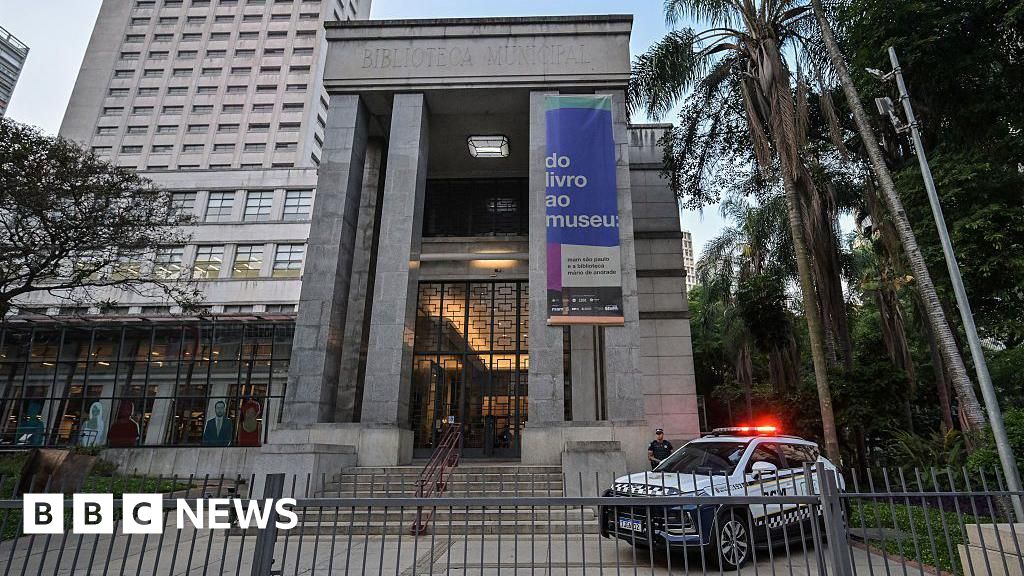
In a startling display of audacity and sophistication, two armed men executed a high-profile heist at the Biblioteca Mário de Andrade in São Paulo, Brazil, Sunday afternoon. The perpetrators targeted an exhibition titled From Book to Museum, part of a collaborative display with the São Paulo Museum of Modern Art, stealing eight valuable engravings by the renowned French artist Matisse and at least five by the iconic Brazilian painter Cândido Portinari. This brazen attack not only epitomizes the ongoing threat to cultural heritage worldwide but also underscores the vulnerabilities of even the most technologically guarded institutions.

According to Brazilian officials, the robbers intruded during the library’s operating hours, promptly holding up a security guard and an elderly couple, before fleeing on foot with their ill-gotten gains. The immediate responses from authorities were swift; within hours, they identified a vehicle used in the escape and arrested one of the suspects. However, the real significance of this event extends beyond immediate law enforcement actions. It sheds light on broader issues of cultural security and international art theft, which have become increasingly prevalent in our interconnected world.

Analysts and international organizations have voiced grave concern regarding the cultural implications of such thefts. The artworks stolen include a collage Matisse made for the exclusive edition of his jazz-themed art book, valued by critics as incalculable in worth. The significance of the stolen Portinari engravings is similarly profound, as they vividly depict Brazil’s rural labor scene and are considered national treasures. Historians warn that these works are irreplaceable “symbols of cultural identity,” and their loss resonates far beyond the art world. The heist’s timing—right before the exhibition’s closure—appears calculated to maximize impact and evade detection, echoing recent high-profile international art thefts, including the Louvre break-in just two months prior.

This theft exposes the fragile veneer of cultural preservation in a global landscape increasingly susceptible to illicit trade and organized crime. Officials point out that despite the presence of advanced facial recognition technology and extensive security camera networks, such plotters still managed to execute their plan, raising questions about vulnerabilities in both physical and digital security systems. Expert opinions emphasize that this is a clarion call for nations to reevaluate their protective measures for priceless cultural artifacts, especially as thieves become more organized and technologically savvy. As international institutions like UNESCO continuously warn of the rising tide of cultural theft, this incident in Brazil exemplifies the urgent need for reinforced defenses and coordinated global responses.

As the dust begins to settle, the weight of history presses heavily on the shoulders of society. This audacious act in São Paulo is more than a theft—it’s a reminder that the battle for cultural heritage is ongoing. It reflects a broader struggle where national identity, history, and art intersect with the dark underbelly of global organized crime. How nations respond to these attacks will determine whether they can protect their soul from the corrosive effects of greed and lawlessness, or if they will watch as their cultural legacy is relentless stripped away—moment by moment, artifact by artifact—until nothing remains but echoes of what once was.

Paramount Skydance throws down a bold new bid to outshine Warner Bros Discovery—are the studios gearing up for a new Hollywood showdown?

In the ever-evolving landscape of entertainment, the power dynamics among industry giants continue to shape our cultural lives and influence our personal well-being. Recently, we witness an intense showdown as Paramount Skydance makes a bold move to acquire Warner Bros Discovery. Their intentions? To outflank a rival plan from Netflix, the titan of streaming, in what could be a seismic shift for media ownership. As these corporate maneuvers unfold, they remind us that the pathways we choose—whether for leisure, career inspiration, or family entertainment—are profoundly tied to the media landscape’s future.

This ongoing saga is more than a corporate chess match; it reflects broader trends of personal impact in our daily lives. Netflix, with over 300 million subscribers worldwide, has revolutionized how audiences consume content. Meanwhile, traditional studios like Warner Bros, with its iconic HBO and beloved franchises such as Harry Potter and Looney Tunes, showcase a legacy of creative excellence that keeps millions inspired and engaged. The proposed acquisitions spotlight the significance of maintaining a diverse media ecosystem—one that fosters wellness through varied storytelling, cultural representation, and the freedom to craft authentic voices. These corporate moves trigger questions about who gets to tell what stories, how they influence our worldview, and ultimately, how they impact our mental and emotional health.

Industry experts and cultural commentators have expressed mixed views about the ramifications. According to financial analysts, the escalating merger bids reflect a strategic push towards scale—a necessity to compete in a saturated market dominated by companies like Disney and Amazon. Yet, as Ben Barringer of Quilter Cheviot notes, “Paramount needs this deal more than Netflix,” implying that smaller players recognize the value of consolidating their assets to build competitive strength. For young viewers seeking meaningful entertainment, this race for dominance underscores the importance of supporting diverse content and channels, which in turn supports a vibrant culture of creative independence. The challenge lies in ensuring that these power shifts don’t diminish the quality and authenticity of the stories we cherish, but rather, enhance their capacity to inspire and educate.

In a broader reflection, the moves by giants like Paramount, Warner Bros, and Netflix are emblematic of a deeper cultural evolution. As the media landscape consolidates, the responsibility falls on both creators and consumers to foster an environment where well-being and truthful storytelling remain at the forefront. These corporate battles can be viewed as a metaphor for our own personal journeys—navigating the complex web of influences to find our authentic voice and purpose. Ultimately, just as industry leaders seek to shape the future of entertainment, each individual has the opportunity to craft a lifestyle rooted in inspiration, resilience, and a commitment to truth. In embracing this journey, we are reminded that the most compelling stories are those that uplift, challenge, and ultimately, help us become the best versions of ourselves.

Social Media Auto Publish Powered By : XYZScripts.com