
In a startling turn of geopolitical significance, recent events in the United States signal a dangerous escalation of racially charged rhetoric and anti-immigrant policies under Donald Trump’s ongoing presidency. The attack on two West Virginia national guards outside the Farragut West metro station near the White House was manipulated by the administration as a turning point, fueling a wave of discriminatory policies that threaten the social fabric of the nation. With the tragic death of Sarah Beckstrom and the critical wounding of Andrew Wolfe, the incident exposed both the vulnerabilities in the nation’s security apparatus and an alarming shift towards openly racist discourse. America’s leadership responded not with statements of unity or grief, but by focusing on the suspect’s immigrant background, specifically highlighting Rahmanullah Lakanwal, an Afghan refugee once affiliated with a CIA-linked Afghan force, who had been granted asylum after a thorough vetting process.
However, the real crisis lies beyond individual tragedies, as Trump and his allies intensify efforts to curtail immigration and target entire communities based on their ethnicity or country of origin. On the day after Thanksgiving, the president issued a stark decree to halt migration from all Third World Countries, accompanied by vows to denaturalize U.S. citizens and deport foreigners deemed incompatible with Western ideals. The unprecedented crackdown was justified with baseless fears of “failed states” crossing borders and recreating the chaos of their homelands, as Stephen Miller, a key architect of the policies, emphasized that migrants and their descendants carry the “conditions of their broken homelands” with them—a sentiment echoing some of the most historic racist rhetoric of the early 21st century. Such policies threaten to dismantle the very foundations of America’s tradition as a land of opportunity, with analysts warning that these measures could lead to mass deportations, discrimination, and the erosion of civil liberties for those from diverse ethnic backgrounds.
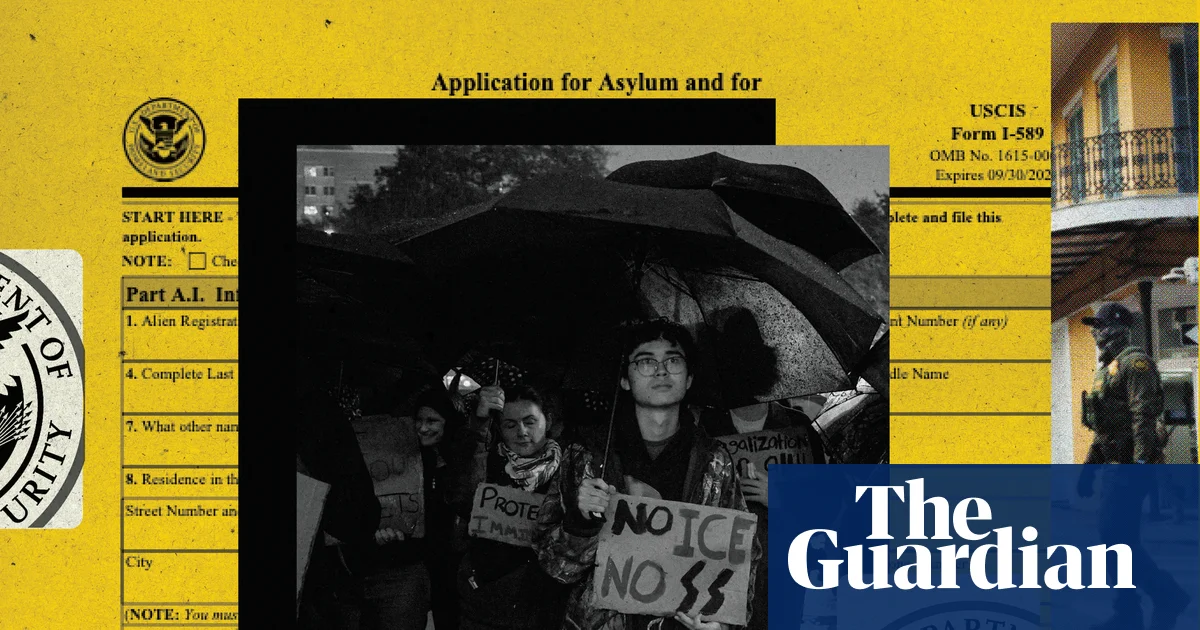
The geopolitical impact of these policies cannot be overstated. Targeting communities such as Somalis in Minnesota exemplifies the process of racializing immigration to galvanize political support, but it also frays international relations and undermines America’s moral standing. Leaders like Governor Tim Walz and members of Congress, such as Ilhan Omar, have been publicly insulted and marginalized, fueling societal division and xenophobia. Meanwhile, aggressive enforcement actions led by ICE have targeted cities like New Orleans and the Twin Cities, with officials announcing plans to arrest thousands of undocumented individuals—some of whom have been integral to local communities and economies. The declaration of a full travel ban on 32 countries announced by Kristi Noem further exemplifies this escalation, evoking memories of past bans condemned as unjust and illegal by legal experts such as Amanda Frost.
As these actions unfold, international organizations and analysts are cautioning that these policies could herald a new chapter of global instability, heightened racial tensions, and humanitarian crises. The United Nations and various human rights voices warn that the erosion of America’s commitment to asylum and legal immigration processes may serve as a precedent for other nations to follow, undermining decades of progress in international human rights standards. The meticulous balance of laws, human decency, and sovereignty now hangs precariously in the shadows of what could become one of the most contentious eras in American history.
This new wave of racial nationalism and authoritarian enforcement could very well set the stage for a future where the past’s darkest nightmares are realized on American soil. The fate of millions of foreign-born residents, refugees, and citizens alike remains uncertain, as a nation once lauded for its openness teeters on the edge of a new dark age—where the echoes of history’s worst chapters threaten to rewrite the American story itself, and the weight of these unfolding events serves as a stark reminder that the struggle for a truly just society is far from over. The pages of history continue to turn, and only time will reveal whether this chapter leads to renewal or the dawn of a new, divided era.