Matox News

Truth Over Trends, always!

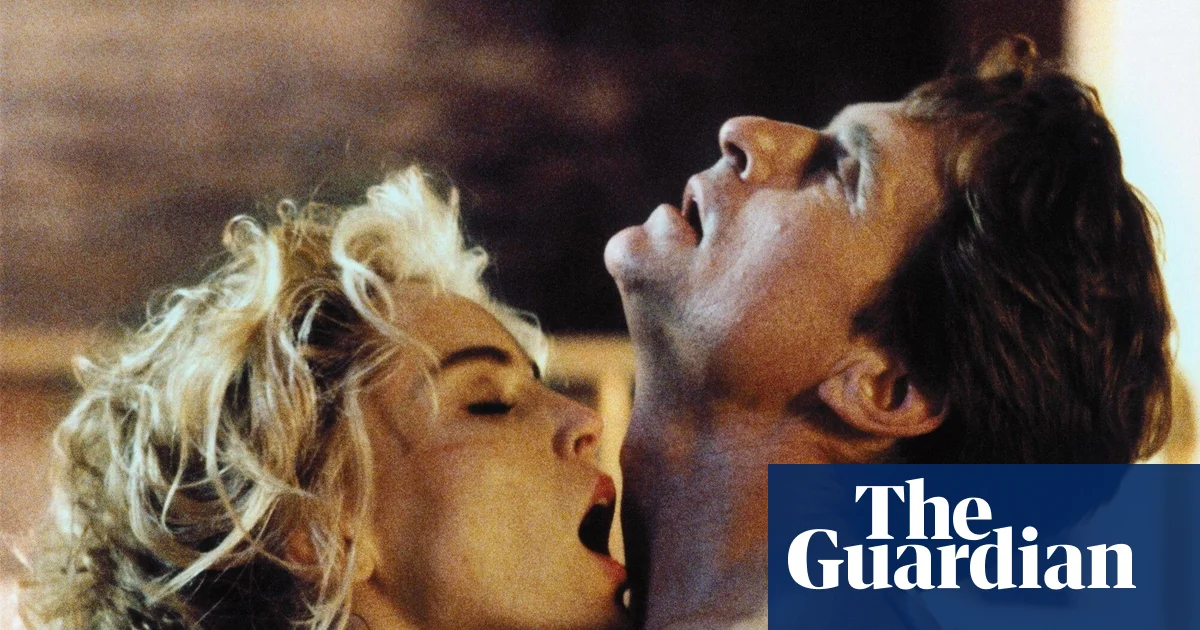
Joe Eszterhas Reflects on Reckless Past and the Unconventional Paths to Creative Revival — A Bold Take on Woke Culture and the Future of Basic Instinct

In an era where Hollywood often leans toward uniformity and sanitization, the figure of Joe Eszterhas emerges as a testament to the enduring resilience of authentic storytelling—a reminder that culture is neither mere entertainment nor superficial spectacle but a vital reflection of identity, tradition, and societal values. Eszterhas’s journey from a restless immigrant boy in war-ravaged Hungary to the legendary screenwriter of blockbuster classics reveals that culture forms the core of a society’s collective memory. It embodies both the remembrance of battles fought and a prophecy of what humanity aspires to, even amid chaos and moral ambiguity.

His work, such as Flashdance, Jagged Edge, and Basic Instinct, exemplifies this fierce, unfiltered spirit. They are not just cinematic indulgences but cultural milestones that challenge the sanitized narratives often preferred by modern Hollywood. In the words of Ortega y Gasset, the true definition of culture is “the horizon of human consciousness”; Eszterhas’s stories push that horizon outward, confronting uncomfortable truths and provoking debate. Today’s culture war, with its political overtones and ideological battles, risks reducing art to propaganda. Yet, when we look at Eszterhas’s philosophy, we recognize a fundamental lesson: culture thrives on controversy, conflict, and the courage to confront. His desire to reboot Basic Instinct as “anti-woke” underscores the persistent hunger for authentic, unvarnished narratives that dare to offend—reminding us that true engagement comes from disagreement, from *living* differences rather than suppressing them.

The cultural landscape of the past echoes in our present; as Tocqueville observed, democracy’s vitality depends on a populace that can debate freely, unafraid of offending or being offended. Eszterhas’s perspective—his willingness to court controversy—embodies this democratic ideal. His own life, filled with struggles against addiction and exile, exemplifies the truth that culture is a crucible where personal memory becomes societal prophecy. His immigrant experience from war-torn Hungary, his reporting on historical tragedies, and his later Hollywood battles are threads tightly woven into the fabric of American cultural identity. As Chesterton might argue, the culture is a kind of living tradition—an ongoing conversation through time that refuses stagnation and seeks renewal in every generation’s voice.

In the end, the story of Eszterhas reminds us that culture is both a mirror and a map—a record of past wishes, fears, and conflicts, and a prophecy guiding us toward what we might become. It echoes the timeless assertion that humanity is not just the sum of its moments but a continuous creation—an infinite scroll of memory and hope. As T.S. Eliot eloquently observed, “We shall not cease from exploration, and the end of all our exploring will be to arrive where we started and know the place for the first time.” In this cycle of remembrance and prophecy, culture remains the heartbeat of a civilization, a testament to our enduring human craving for meaning amid chaos, and a beacon urging us toward the future we have yet to conceive.

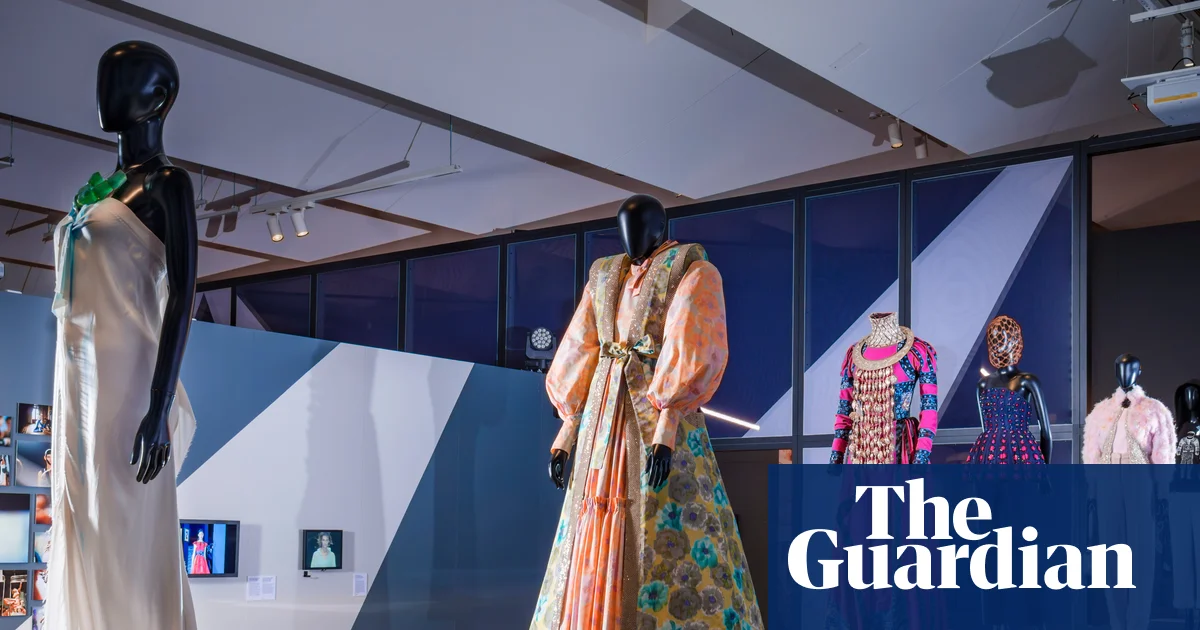
V&A Dundee Showcases the Evolution of Style: From Quiet Salons to Today’s Bold Runways

Since its inception, the fashion industry has served as a mirror reflecting and shaping societal shifts—yet few segments showcase this relationship as vividly as the evolution of the catwalk. The new exhibition, “Catwalk: The Art of the Fashion Show”, now on display at the V&A Dundee, makes this undeniable connection clear. Tracing a history over more than a century, it highlights how the runway has transitioned from elite salons to a global spectacle that influences everything from our wardrobes to social norms. It’s undeniable: fashion’s runway isn’t just about clothes; it’s a cultural institution that roars at the heart of societal change.

The exhibition offers a compelling journey—from the early days of mannequins vivants in the 1850s—a precursor to the modern model—to the theatrical, stunt-filled shows of today. Visitors can view iconic props, including Karl Lagerfeld’s autumn/winter 2018 Chanel rocket launch set against a backdrop of models and designers pushing the boundaries of spectacle. This transformation, according to fashion critics and sociologists like Dr. Olivia Powell, demonstrates how the runway has evolved into a platform for pushing social and cultural narratives. Whether it’s the rebellious metal mirror dress by Paco Rabanne or the provocative protests staged through runway parades, the fashion show has become a form of social dialogue that resonates far beyond the runway lights.

  • **The digital age** has accelerated this trend, turning the runway into a multi-screen, livestreamed event accessible to millions worldwide.
  • **Luxury conglomerates** of the late 20th century transformed fashion shows into battlefields of branding and aspirational marketing, with high concept stunts like Chanel’s space-themed extravaganza or Balenciaga’s oddball invitations capturing headlines and social media feeds alike.
  • **Local heritages**, like Scotland’s rich history of fashion, are now woven into this tapestry, with the Dundee exhibition showcasing designers such as Christopher Kane and Nicholas Daley—highlighting that fashion’s story is truly global but also deeply rooted in local identity.

What makes this trend particularly compelling is its social democratization. Despite the exclusivity of front-row seats, the backstage process reveals a collaborative, creative chaos—wigs, makeup, and design work done in concert—highlighting how fashion increasingly reflects collective efforts. This *shared* creative process suggests that the essence of fashion’s cultural impact isn’t just in the finished product but in its creation as a community of artists, makers, and thinkers. As fashion historian Svetlana Panova points out, the runway is now a “public stage,” open to interpretation, critique, and participation across social media platforms, blurring the lines between insiders and outsiders.

But as fashion shows become more of a spectacle—filled with flying rockets, layered costumes, and wild invitations—the questions about the *future* of fashion’s cultural role emerge. Are these trends a fleeting flash or a lasting testament to society’s appetite for spectacle and storytelling? More importantly, as digital realms continue to shape the industry, the next great question is: will the fashion show’s power to influence society endure in a world increasingly driven by virtual experiences and fleeting trends? In this age of rapid change, one thing remains clear: the runway has always been about more than just clothes. It’s a mirror held up to society, and perhaps, as the exhibition suggests, everyone is already on the guest list for what’s next.”

Peter Thiel’s bold move: Solar-powered cow collars shake up AgTech

Halter’s Breakthrough in AgTech: Disrupting Livestock Management

Innovation continues to redefine industries traditionally resistant to rapid change, with Founders Fund exemplifying this trend by investing in transformative startups that challenge status quos. Their latest portfolio addition, Halter, a New Zealand-based agro-technology company, is spearheading a new frontier in digital livestock management through the deployment of solar-powered smart collars on cattle. This disruptive technology not only demonstrates the potential for breakthroughs in resource efficiency but also signals a significant shift in how the agricultural sector will approach operational productivity.

Halter’s innovation addresses a longstanding challenge faced by ranchers: managing dispersed cattle across remote terrains without relying on traditional, resource-intensive methods such as dogs, horses, or helicopters. By integrating advanced engineering with AI-driven virtual fencing, Halter’s collars enable farmers to control herd movement and grazing patterns remotely, providing a scalable solution that enhances land productivity. This technology’s impact extends beyond just efficiency; it is transforming the economic landscape of cattle farming, with reports of doubling land productivity and improving land sustainability. Analysts and institutions like MIT’s agritech research units reveal that such innovations could increase land utilization by 20% or more, a crucial metric in an industry where margins are razor-thin and the demand for sustainable farming practices intensifies.

Business Disruption and Market Implications

Halter’s rapid growth—its collars are now on more than a million cattle across 22 U.S. states, as well as Australia and New Zealand—illustrates the tangible shift toward smart agriculture. Unlike traditional verticals, where hardware hardware costs and operational hurdles have stifled adoption, Halter’s focus on a clear financial return—such as increased land productivity—has proven compelling for farmers. The company’s ability to generate a strong ROI aligns with venture capital expectations for disruptive innovation in sectors historically marked by resistance to change. Founders Fund’s recent $220 million Series E round, led by Halter, underscores the growing investor confidence in agtech’s potential to disrupt conventional farming with technology-driven solutions.

  • Innovative features: AI-driven virtual fencing, solar-powered collars, real-time livestock monitoring
  • Business milestone: Over one million cattle equipped, with global expansion strategies underway
  • Market impact: Potential to revolutionize livestock management, making it more sustainable and economically viable

However, Halter faces promising but competitive territory. Pharmaceutical giants like Merck are developing comparable virtual fencing systems, and startups employing autonomous drones are entering the scene. Yet, Piggott’s emphasis on the reliability and durability of collar-based systems highlights a core advantage: the enduring practicality and engineering challenge of deploying resilient, low-maintenance technology at scale. Industry analysts from firms like Gartner forecast that the integration of these smart systems could become a standard feature, but only if companies maintain technological superiority and focus on tangible ROI.

The Road Ahead: From Niche to Mainstream

The opportunity ahead remains vast. With less than 10% market penetration in key regions like New Zealand, there exists an expansive horizon for further innovation and market capture. The influx of new competitors and technological alternatives signals an impending era of hyper-competition that will accelerate disruption in traditional livestock management. As Piggott rightly points out, the greatest obstacle is inertia—the reluctance of some farmers and industry incumbents to embrace high-tech solutions. Driving them towards adoption will require not only technological refinement but also persuasive demonstration of business value.

Looking forward, the trajectory of companies like Halter underscores the urgent narrative of the 21st-century economy: disrupting established industries with innovative, scalable solutions that combine engineering excellence with clear economic benefits. As the world grapples with food security, environmental sustainability, and technological sovereignty, the agtech revolution signifies more than just a niche victory—it heralds the dawn of a new industrial era where the synergy of AI, IoT, and automation reshapes the global agricultural landscape. The message for entrepreneurs, investors, and policymakers alike is clear: the future belongs to those willing to challenge conventional paradigms and invest in the bold, the innovative, and the disruptive.

Raye Clinches Top Spot on Album Charts with “This Music May Contain Hope” — A Bold Reflection of True Artistic Spirit

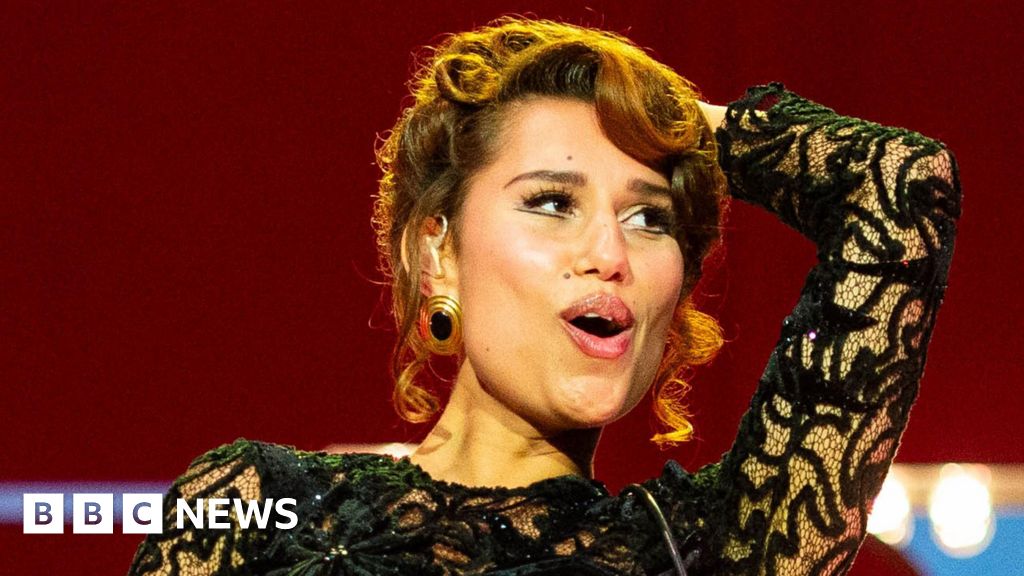
In an era often defined by fleeting digital flashes and transient trends, the significance of culture as a sturdy vessel of identity and societal continuity remains profoundly vital. Recently, the artist Raye achieved her second number-one hit this year, following the monumental success of “Where The Hell Is My Husband,” a song that resonates beyond mere entertainment, signaling a deeper engagement with the emotional currents shaping contemporary life. This achievement, while seemingly a simple milestone in popular music, exemplifies how culture functions as both a reflection of our collective soul and a catalyst for societal discourse. As Ortega y Gasset observed, “The culture of a people is its autobiography, written in the language of art, music, and tradition.” Such moments of artistic triumph remind us that even in the tumult of modernity, the cultural artifacts we produce serve as enduring testamentaries of human experience.

Through the lens of cultural criticism, one can interpret recent musical successes as emblematic of a society’s ongoing negotiation with its roots and aspirations. Raye’s chart-topping outputs, emblematic of the current zeitgeist, underscore the crucial role that popular figures play in shaping moral and aesthetic sensibilities. As T.S. Eliot contended, “The past is never dead; it’s not even past.” The melodies that resonate within our contemporary landscapes are, in truth, echoes of our shared history, reinterpreted through the current cultural dialect. Such dynamics evoke the notion that “culture is the memory of a society and the prophecy of its future,” a concept that elevates art from mere entertainment to a vital force in forging societal coherence and civic identity. Indeed, as Tocqueville highlighted, social cohesion depends on a shared sense of cultural continuity—an ongoing dialogue between the generations, shaped by the works and symbols that define our age.

In contemplating the role of artists like Raye and the contemporary cultural landscape they inhabit, it is essential to recognize the importance of tradition in the face of rapid change. Chesterton famously maintained that, “The true reason why society is so decadent is that it has forgotten the importance of the ordered and decorative aspects of culture—those which remind us of the divine and the eternal.” Today’s popular culture, often dismissed as transient, actually functions as a modern temple of those eternal human themes—desire, longing, hope, and despair. As young people turn to music, arts, and collective narratives, they forge a sense of belonging rooted in shared symbols and stories—imprints that anchor them in their history while propelling them towards an envisioned future. These cultural expressions remind us that society endures because of its capacity to remember, reinterpret, and reimagine—an ongoing cycle that links us to our ancestors and beckons us towards our destiny.

Ultimately, culture weaves the fabric of human existence—an intricate tapestry where past and future intertwine in timeless dialogue. Amid the rise of new icons and ever-changing trends, it is this enduring conversation that sustains the human spirit. Like a song that echoes across generations, our cultural memory is both a tribute to what has been and a prophecy of what is yet to come. It whispers to us in melody and image, reminding us that to be truly alive is to partake in the eternal act of understanding who we are and where we are headed—an ongoing act of creation and remembrance, crafted by the hands of those who dare to imagine a better tomorrow.

“It Was an Exorcism”: Wendy Eisenberg’s Journey Through Heartache and Queer Renewal Inspires a Bold New Sound on Her Latest Album | Music

In the intricate tapestry of contemporary culture, the creative act remains one of humanity’s most profound expressions of identity, tradition, and societal reflection. There is, perhaps, no better illustration of this than the recent journey of Wendy Eisenberg, a musician whose latest work embodies both the edifying power of self-reinvention and the cultural importance of artistic authenticity. Eisenberg’s evolution from experimental avant-garde to a more refined folk-rock inspired sound underscores how culture and art are inextricably linked with personal growth and societal reflection. Their recent album, a masterful blend of mature melody and complex harmony, signals not only artistic maturation but also a broader cultural affirmation of self-acceptance—a necessary act in an age where identity is both fluid and fiercely fought for.

From their youth outside Washington DC, Eisenberg’s journey charts a recognizable arc of cultural awakening, where music served as both an escape and a form of rebellion. Raised on the likes of Joni Mitchell and Gram Parsons, their immersion in jazz and experimental sounds was driven by a desire to understand and redefine beauty—a pursuit echoed in the passionate, improvisational approaches that characterize their music today. The philosopher Ortega y Gasset observed that “culture is the human expression of a profound desire for selfmatic understanding,” and Eisenberg’s work exemplifies this truth. Their relentless pursuit of musical innovation—be it through traditional guitar techniques or avant-garde improvisations—mirrors a broader cultural tendency: the search for authentic selfhood amid societal expectations.

Cultural critics and historians often highlight that periods of societal transformation are reflected in the arts, which serve both as mirrors and blueprints. Eisenberg’s recent work, especially their forthcoming album, is a striking testament to this idea. Moving away from their previous experimentalism, this album draws nourishment from the melodic grace of 70s singer-songwriter classics, fostering a sense of beauty that is both complex and accessible. Under the graceful production of Mari Rubio, the album’s compositions reveal a nuanced, adult understanding of happiness—an affirmation that meaningful self-acceptance arises from embracing both the jagged and the refined facets of one’s soul. As G.K. Chesterton argued, genuine beauty often emerges from the tension of opposites, and Eisenberg’s synthesis exemplifies that harmonious balancing act: combining the restless pursuit of aesthetic truth with the comforts of melody and form.

Perhaps the most vital message that Eisenberg’s story imparts concerns the centrality of culture to societal identity. Their personal revival—marked by a transformative walk, a rekindled love, and a deepened self-knowledge—resonates with Tocqueville’s view that “the health of a society depends on its capacity to cultivate and preserve its cultural memory,” and that self-awareness is foundational to societal resilience. Eisenberg’s embrace of queerness and nonbinariness emerges not only as an individual act but also as a cultural statement—affirming that authenticity and tradition are not mutually exclusive but rather mutually enriching. Their journey reminds us that culture is both memory and prophecy, rooted in the past yet constantly forging new horizons. In this way, the artist acts as both historian and prophet, charting a path that is at once reflective of ancestral voices and prophetic of future possibilities, inspiring a collective recognition that the quest for identity and beauty remains at the core of human civilization.

Indeed, as we listen to Eisenberg’s music—its melodies and dissonances, its light and shadow—we are invited into a space where memory meets prophecy, where history informs hope. Their art echoes the poetic vision of T.S. Eliot, who famously urged us to see ourselves in the unending stream of cultural creation. In this space—where the personal becomes universal—the enduring words of Eliot resonate: “The world ends not with a bang but with a song,” and it is through that song that humanity’s memory and its undying prophecy find their voice, shaping the ongoing symphony of human existence. Culture, in its deepest sense, remains both the reflection of who we are and the blueprint of who we might become—an eternal rhythm in the dance of time, echoing with the promise that every note, every silence, carries the potential to rewrite the future of mankind.

Raye Delivers Bold New Sound with Her Album “This Music May Contain Hope”—A Fresh Voice in Today’s Music Scene

In the ever-evolving landscape of popular culture, few pursuits remain as vital for the shaping of societal identity as music and artistic expression. Recently, a celebrated artist experienced a period of writer’s block during the creation of her second album—an episode often dismissed as mere creative turbulence. Yet, this transient silence, paradoxically, underscores the profound truth about culture as an enduring dialogue between the individual and collective memory. When art *hits all the right notes*, it does more than entertain; it reaffirms societal values, preserves tradition, and propels cultural evolution—an idea championed by thinkers such as Joseph Campbell, who emphasized myth as the language of human consciousness.

Historically, culture has served as the vessel for national and personal identity. From the stirring folk songs of Americana to the philosophic chansons of France, music channels our shared narratives—our hopes, fears, and ideals. The temporary struggle of an artist, after all, is emblematic of a wider cultural truth: that the creative process is not merely about producing artifacts but about engaging with the fabric of our societal story. As G.K. Chesterton eloquently argued, it is commonplace to view tradition as a burden, yet it is, in fact, the very foundation upon which new art flourishes—an act of *re-creation*, not *reinvention*. When the notes finally return, resonating with authenticity, they reaffirm our collective identity, anchoring us amid the chaos of change.

Moreover, this moment of creative blockade reveals a deeper tension—between progress and preservation. As Alexis de Tocqueville observed in examining the American experiment, a thriving society balances change with rootedness, fostering innovation without severing ties to the past. Art, then, becomes the moral compass that guides this delicate dance. When the star’s work finally reaches its crescendo, it illustrates that true innovation hinges upon knowing who we are—that our cultural DNA is composed of enduring symbols, stories, and memories. Philosophy, such as that offered by Ortega y Gasset on *the revolt of the masses*, reminds us that genuine cultural vitality is rooted in a conscious pursuit of meaning amidst the tumult of modernity.

Indeed, the power of art is its capacity to serve as a prophecy of humanity’s future, echoing the deep rhythms of our past. The cycle of struggle and renewal echoes the timeless narrative of resilience—an ode to the continual rebirth of tradition infused with innovation. As T.S. Eliot mused, *”only those who will risk going too far can possibly find out how far one can go.”* This relentless pursuit—despite setbacks—is the heartbeat of cultural progress. Thus, in the symphony of history and hope, art reminds us that our collective memory is both a foundation and a horizon, shaping who we are and who we may yet become. Culture, in this light, remains both a treasured inheritance and a beacon—guiding us forward with the promise of new beginnings, rooted in the enduring power of shared human story.

US Senate Approves Markwayne Mullin as Homeland Security Chief—A Bold Step Forward

US Senator Appointed to Oversee Immigration Enforcement Amidst Crisis

In a significant shift that underscores ongoing tensions within America‘s political landscape, a prominent US senator has been tasked with overseeing the embattled Department of Homeland Security’s Immigration Enforcement division. This appointment comes after a series of costly and contentious errors that have upended the agency’s credibility, raising profound questions about national sovereignty and border security. Analysts suggest that this move is not merely an internal fix but a reflection of wider geopolitical concerns that stretch across the globe, illustrating the high stakes involved in America’s immigration policies and their ripple effects on international stability.

The recent blunders involve overreach, administrative missteps, and controversial deportation practices that have drawn ire from both domestic and international communities. According to diplomats and human rights advocates, these failures have not only tarnished the United States’ reputation as a nation of laws and order but also fueled instability in neighboring regions. Historian James McAllister points out that such internal crises can serve as catalysts for broader geopolitical shifts, shaping alliances and influencing migration patterns. By placing a seasoned senator at the helm, authorities aim to restore order, restore trust, and recalibrate the nation’s approach to immigration—key issues that resonate far beyond America’s borders.

International organizations, including the United Nations, have expressed concern over these recent developments, warning that unpredictable enforcement can exacerbate regional conflicts and destabilize fragile economies. Analysts warn that unilateral policies rooted in strict enforcement risk unintended consequences, including increased humanitarian crises and black-market human trafficking networks. This situation underscores the importance of strategic decision-making in a connected world, where domestic policies frequently have profound international repercussions. The appointment is viewed by some experts as an attempt to stabilize not only a domestic issue but also to project a semblance of control in a chaotic geopolitical environment in which nations are increasingly interconnected.

As the United States grapples with its internal challenges, the broader global landscape watches cautiously. In a world where ideological clashes and economic rivalries define the modern era, America’s handling of immigration enforcement is emblematic of larger struggles for sovereignty and influence. The decisions taken now will influence not only how the U.S. navigates its internal divisions but also how nations around the world confront their respective migratory and security crises. History will judge whether this pivotal moment signals a renewed commitment to lawful but humane immigration policies or whether it plunges the nation further into chaos and disarray. As the dust settles on this recent reshuffle, the enduring question remains: how will the decisions made in the corridors of power ripple through the fabric of societies and shape the unfolding course of history?

Why Rocking Traditional Style Is the Ultimate Bold Statement in Today’s Culture | Fashion

In a world increasingly shaped by fast-paced global trends and digital influences, a fascinating cultural revival is quietly underway across Africa and among diaspora communities. This movement centers around the re-emergence and celebration of traditional attire, which, despite facing some criticism and misunderstood perceptions, is gaining momentum as an expression of identity and social relevance. Recently, such discussions gained media attention after Ghanaian President John Dramani Mahama was seen donning the fugu, a vibrant patterned smock, during a state visit, sparking both mockery and a broader conversation on the significance of cultural clothing in modern society.

This incident led the Ghanaian government to declare every Wednesday as “Fugu Day”, turning what was initially light-hearted mockery into a national movement. This phenomenon reveals a deeper societal undercurrent — that *wearing traditional dress* is not just about fashion but about anchoring oneself in heritage, asserting cultural pride, and challenging the misconception that tradition equals primitiveness. From Nigeria, Sudan, Morocco, to Senegal, traditional garments like the galabeya, kaftan, and dashiki are transforming fashion norms by blurring the lines between heritage and contemporary style, especially among youth and influencers who are redefining what it means to be culturally authentic in today’s world.

Among younger generations, particularly those living in the diaspora, traditional dress is experiencing a **complex shift**. While some embrace their cultural garments openly, others see them as symbols of old-world association or even stereotypes, which has fueled a form of dress-code ambivalence. As sociologists note, there exists a social divide: older generations view traditional attire as an essential part of their identity, whereas *the younger diaspora* often perceives these garments as *out of place* or even a marker of alienation from Western norms. Yet, paradoxically, dynamic influencers and designers are turning this narrative on its head, promoting traditional clothing with contemporary cuts, sustainable fabrics, and bold prints, positioning it squarely as a *trend that’s both authentic and fashion-forward*.

Notable figures like Michael B. Jordan sporting dashikis on red carpets exemplify how traditional aesthetics can be seamlessly integrated into the Western fashion scene, challenging the long-held notions of what ‘acceptable’ dress entails. Meanwhile, *cultural commentators and fashion analysts* argue that the rise of traditional wear is a form of *cultural resistance*—a statement of independence against the dominance of synthetic, muted palettes that often dominate Western fashion. As these garments regain prominence, questions swirl around the **social relevance** of dress codes that once divorced cultural symbols from everyday life. Now, traditional attire is being *mainstreamed* into youth culture, social media campaigns, and even political statements, fueled by influencers, musicians, and creatives who advocate for *authenticity over assimilation*.

However, amidst this wave of cultural resurgence, the **next big question** looms: Will this embrace of traditional dress lead to a more profound societal shift toward *cultural pride and diversity*, or is it just another trend that will fade into the digital ether? Or perhaps, as some sociologists suggest, it is pointing to a future where *multiple identities are not mutually exclusive* but coexist as part of a broader, more inclusive cultural narrative. As we witness this lively dance between tradition and modernity, one thing remains clear — the future of fashion and identity lies in whether we choose to *celebrate our roots* or risk losing sight of what makes us distinctly cultural beings.

Trump: U.S. Strikes Iran’s Oil Hub in Bold Move Against Tehran’s Naval Power

The United States has struck a significant blow on Iran’s Kharg Island, a critical maritime node and a linchpin in Iran’s oil export infrastructure. President Donald Trump announced that US forces had “obliterated” military targets on the island, although explicitly spared the oil facilities themselves—an act of restraint that nonetheless signals a clear message of military dominance and intent. The strike, described by White House officials as a demonstration of strength, signals an escalation in the ongoing confrontation between the two powers and underscores how US foreign policy continues to influence Middle Eastern geopolitics amid rising tensions. The decision to target military assets on Kharg Island not only impacts Iran’s commodity exports but also sends ripples across global markets, given the strategic importance of oil in world affairs.

This covert yet provocative act comes in the wake of escalating rhetoric and military posturing. Just days prior, Iranian officials, notably Mohammad-Bagher Ghalibaf, the speaker of the Iranian parliament, warned that any attack on Iran’s territorial waters or oil infrastructure would trigger a severe retaliation. His declaration—that Iran could “abandon all restraint”—underscores the deepening hostility and the high stakes at play. Analysts warn that such threats could lead to a dangerous cycle of escalation, threatening to ignite a broader conflict in a region already volatile from years of proxy wars, sanctions, and political unrest. The International Atomic Energy Agency and other organizations monitor these developments, worried that further military aggression might spiral out of control, destabilizing the entire Gulf region and affecting global energy security.

The geopolitical impact of this latest operation is profound. Kharg Island, as the primary exit for Iran’s oil exports, is a critical choke point in the global flow of energy resources. Any disruption could cause international prices to skyrocket, with oil prices already surging past $120 per barrel and analysts speculating that further attacks could push prices as high as $150, jeopardizing global economies and fueling inflation worldwide. The deployment of approximately 2,500 Marines aboard the amphibious assault ship USS Tripoli and a flotilla of other naval assets reflects a clear message: the US is prepared to escalate military measures if necessary. Though officials deny the imminence of a ground invasion, the presence of such forces signals readiness for any contingency, raising fears of a broader conflict that could engulf the region and rewrite the balance of power in the Middle East.

Historically, this volatile period echoes Cold War-era brinkmanship, with historians and foreign policy analysts warning that miscalculations could lead to catastrophic conflict. The United Nations and neighboring nations, desperate to prevent a full-scale war, call for restraint but recognize that decisions taken today could determine the future stability of the entire region. As the winds of international diplomacy blow cold, the looming shadow of possible escalation hangs over the Gulf. The unfolding narrative remains one of tension, with each decision echoing in the halls of history, reminding the world that this critical crossroads in the 21st century is a battleground not only of armies but of ideologies, economic interests, and the enduring struggle for dominance in an increasingly fractured global order. History watches as the decisions made in this fragile moment could shape the fate of nations for generations to come, leaving us all to confront the heavy weight of an unfolding chapter in world history.

From Björk’s swan style to Céline’s bold tux debut: the freshest Oscar red carpet hits for the fashion-forward youth

Each year, the Oscars red carpet becomes more than a mere showcase of glamour; it transforms into a cultural battleground where style, identity, and personal expression collide. From the unforgettable swan dress worn by Björk in 2001 to the gender-defying statement by Billy Porter in 2019, these moments serve as mirrors to a society in flux—challenging norms and inspiring new standards of lifestyle and wellness. While some outfits might initially face criticism or ridicule, history often rewrites perceptions, turning these daring choices into cultural icons that influence generations.

Take the iconic gowns and suits that have graced the red carpet over the decades, each reflecting a *unique personality and story*. For example, Barbra Streisand in 1969 stunned audiences in her chiffon pyjama-style pantsuit, a bold move that caused controversy yet remains memorable. Similarly, Céline Dion’s 1999 back-to-front tuxedo challenged traditional fashion by merging high-class elegance with avant-garde daring, illustrating how the *pursuit of authenticity* often leads to the most lasting impact. These moments underscore a vital truth: true confidence and personal comfort are the foundations of a lifestyle worth embracing—fostering not just outward beauty but inner wellness that radiates from within.

Moreover, the messages conveyed through fashion at such events serve as a form of personal impact, influencing cultural conversations and inspiring young talent and high-profile figures alike. Michelle Williams’ choice of a classic Vera Wang dress in 2006 signifies understated elegance that balances tradition with individuality—reminding us that style does not always require flamboyance but instead authenticity. Meanwhile, Angelina Jolie’s memorable pose in 2012 with her leg—initially dismissed as accidental—became a viral symbol of confidence, breaking barriers and altering perceptions of beauty and self-assurance. Such moments exemplify how bold, genuine expressions on the red carpet can empower individuals to pursue their own wellness goals—whether through *fashion, lifestyle, or personal endeavors*—ultimately fostering a culture where authenticity is celebrated over conformity.

  • Seek out your own style from trusted designers or the comfort of clothes that express your personality.
  • Remember that confidence is the ultimate accessory—wear it proudly, regardless of trends.
  • Find inspiration in stories of those who challenged norms, reminding yourself that wellness includes embracing your true self.

In a world where societal narratives are constantly shifting, these red carpet moments remind us that every individual’s lifestyle is a journey—an ongoing narrative of self-discovery and empowerment. Whether it’s a daring outfit or a quiet act of authenticity, the true power lies in embracing one’s personal impact. As cultural critic Susie Faux once said, *”Fashion is the armor to survive the reality of everyday life.”* So, as you navigate your own path, remember that embracing your unique style and wellness is not just about appearance—it’s about cultivating a lifestyle that reflects your inner strength, purpose, and authenticity. In the end, life itself becomes a canvas, and every choice, every outfit, becomes a brushstroke in shaping a narrative worth telling—one rooted in confidence, integrity, and a relentless pursuit of one’s true self.

Social Media Auto Publish Powered By : XYZScripts.com